
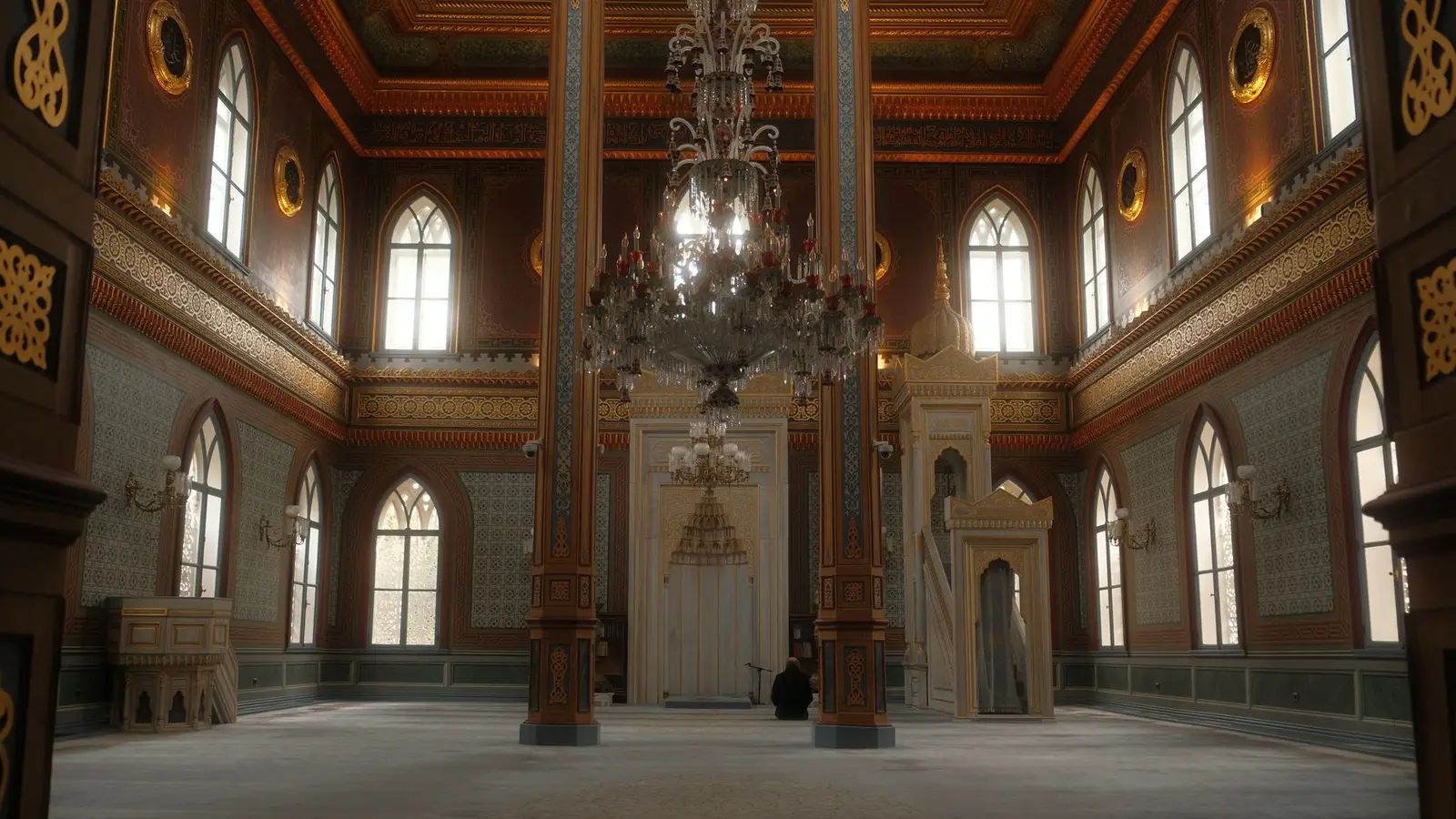
Mosque cleaning for prayer halls, carpets and ablution areas
A mosque requires cleaning that fits its purpose: respectful of the space, thorough on the surfaces worshippers touch, and careful around Quran holders, the mimbar, and the mihrab. This service covers all of it.
- Full prayer hall coverage
- Careful handling of fittings
- Works around prayer times
- No rearrangement left behind
Why regular cleaning matters in a mosque
A mosque receives many worshippers daily, and the carpets absorb both foot traffic and the humidity of ablution water carried in on socks. Without regular attention, the prayer hall develops persistent odour and the wudu stations collect mineral scale that ordinary mopping cannot reach. The mimbar and Quran holder shelves gather fine dust quickly in a coastal climate.
-
High foot traffic demands frequency
A mosque with daily congregational prayers accumulates dust and tracked-in moisture faster than most commercial spaces. Carpets that are not vacuumed regularly begin to hold that moisture in their padding, and the hall starts to smell before it looks visibly dirty.
-
Wudu stations need specialist attention
The ablution area is constantly wet and sees more use than the prayer hall itself. Soap residue and mineral deposits build up around drains and taps in a way that surface wiping does not remove.
-
Religious fittings require respectful handling
The mimbar, Quran holders and the mihrab niche carry significance that makes careless cleaning unacceptable. Equipment must be staged away from these areas, and wiping is done by hand rather than with tools that could scratch or shift them.
-
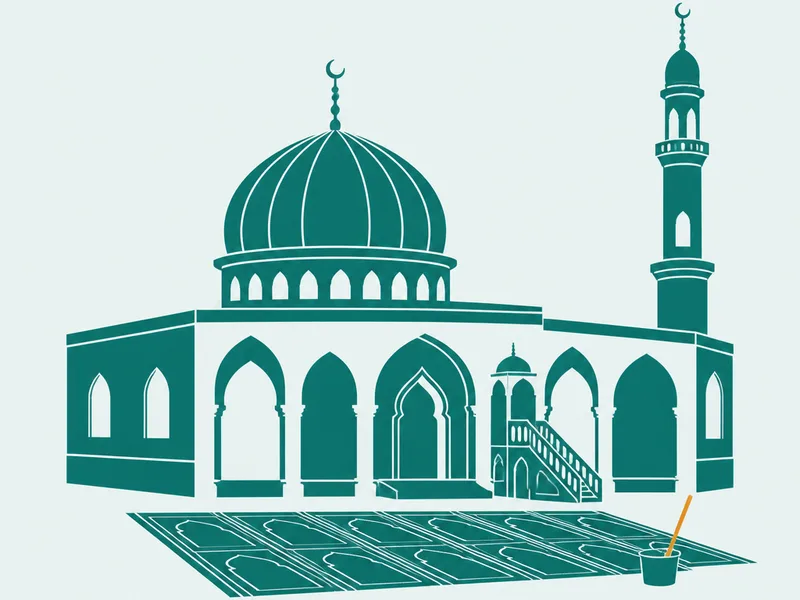
Scheduling around prayer times
The five daily prayers leave fixed windows for cleaning work. A team that arrives, completes the job and clears out before the next congregation needs to enter works to a different discipline than a standard commercial clean.
What every visit includes
Each visit follows the same sequence, from equipment setup at the entrance to final mopping of the prayer hall floor.
-
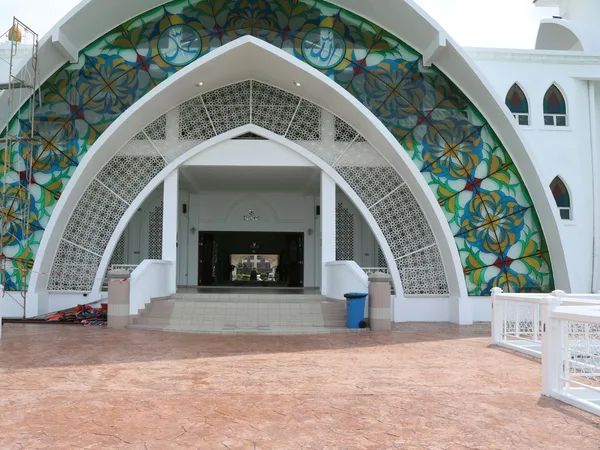
staging equipment at entrance
Equipment is unloaded and staged at the mosque entrance, kept away from the prayer area until each stage is ready to begin.
-
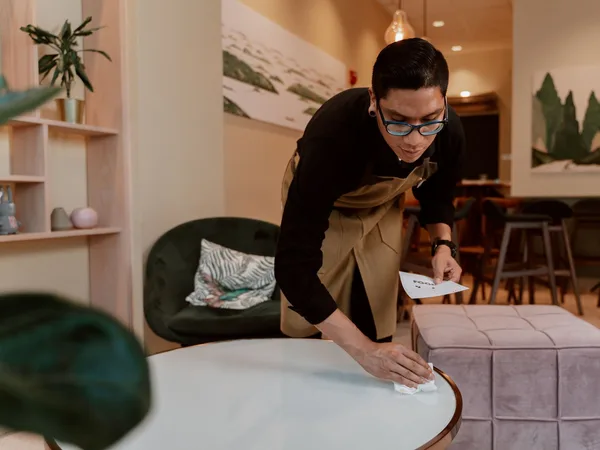
wiping down shoe storage racks
The shoe storage racks at the entrance are wiped down on all surfaces, including the shelf undersides where dust settles and is rarely reached.
-
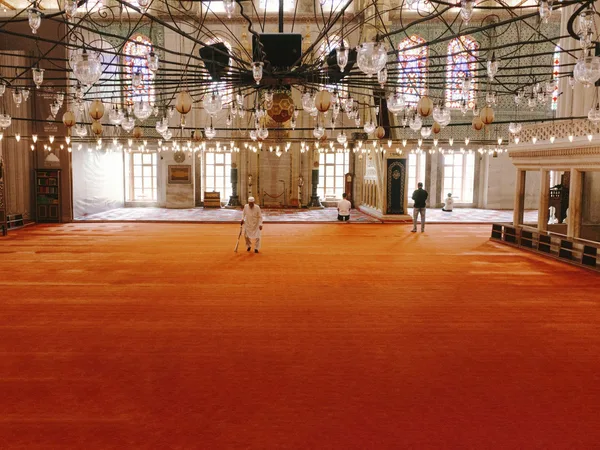
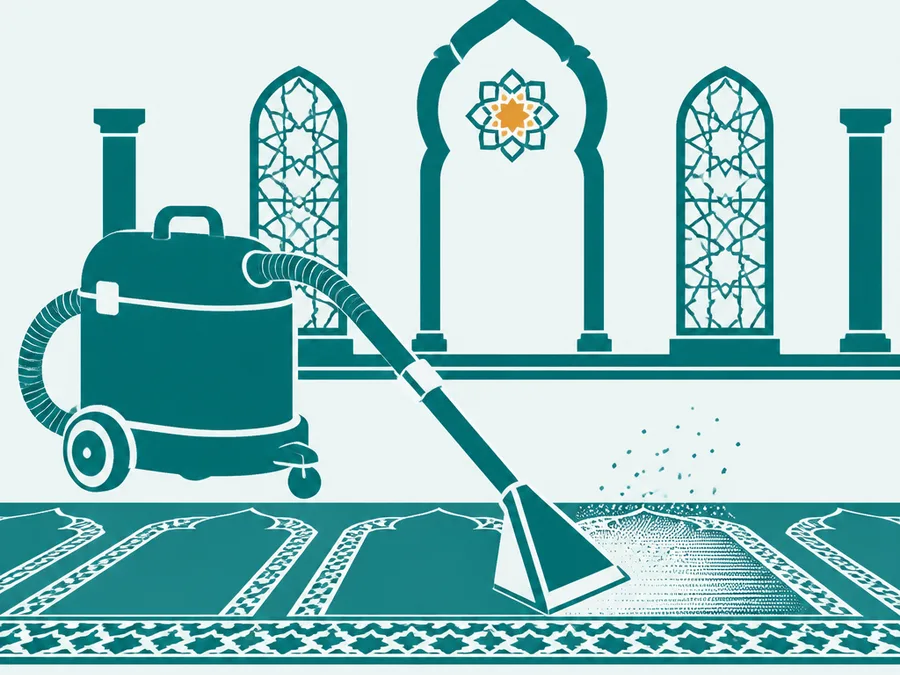
vacuuming the prayer hall carpets
The prayer hall carpets are vacuumed in overlapping rows using a commercial-grade machine, lifting embedded dust and surface debris from the pile.
-
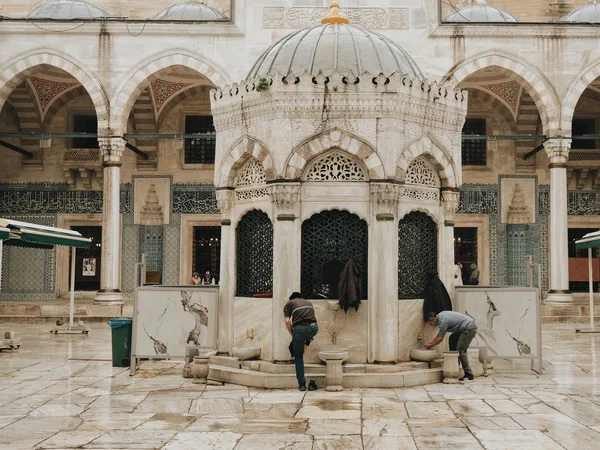
scrubbing ablution stations and drains
Ablution basins, taps, and the surrounding floor are scrubbed to remove soap scale and mineral deposits, then the drains are cleared and flushed.
-
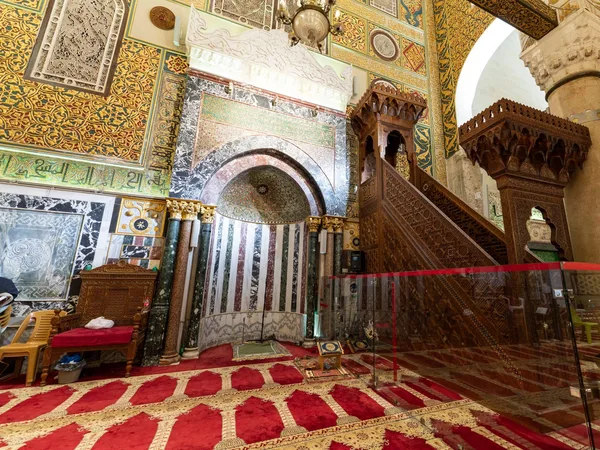
wiping the mimbar and railings
The mimbar steps, platform, and railings are wiped by hand with a clean cloth, without tools that could mark the wood or lacquer.
-
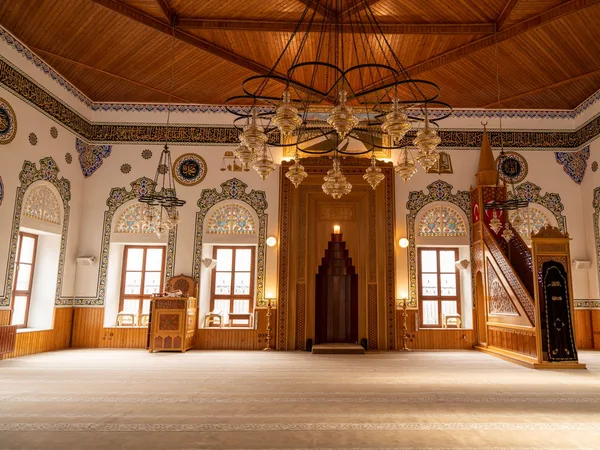
cleaning mihrab walls and floor
The mihrab niche walls and floor area are cleaned, with particular attention to the corners and edges where fine dust accumulates undisturbed.
-
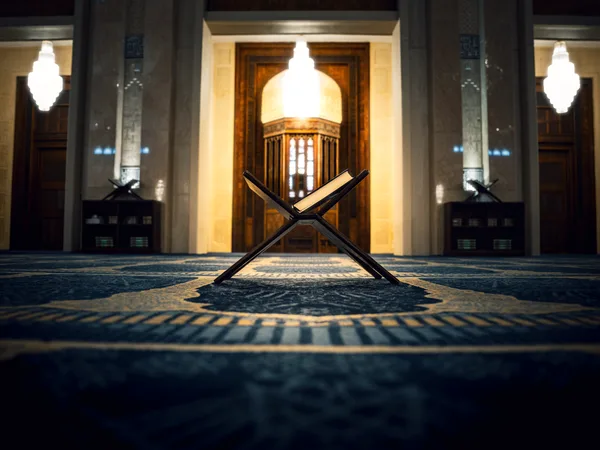
dusting Quran holder shelves
The shelves holding Quran copies are dusted shelf by shelf, with each book handled in place rather than removed and stacked.
-
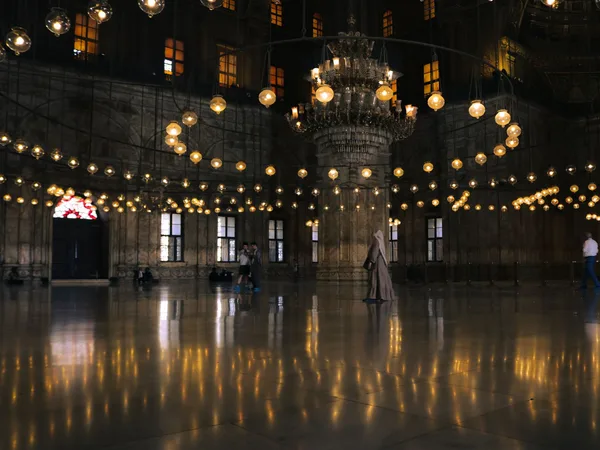
mopping the prayer hall floor
The prayer hall floor is mopped last, after all dust work above is finished, so that nothing falls onto a wet surface and is ground in.
How a visit runs from start to finish
The sequence is fixed so that each stage does not undo the one before it.
-
Schedule and confirm access
Before arrival, the cleaning window is confirmed against the mosque's prayer schedule, so work begins after one prayer and is complete before the next.
-
Set up at the entrance
Equipment is carried in and staged at the entrance. Nothing is placed in the prayer hall until it is needed, and the mimbar and Quran area are kept clear throughout.
-
Work from high surfaces down
Shelves, the mihrab and the mimbar are cleaned first, then the carpets vacuumed, the wudu stations scrubbed, and the floors mopped last so settled dust is not pushed back up.
-
Check and hand over
A walk-through confirms that every included item has been done before the team leaves. The mosque is ready to receive worshippers without any residual smell or equipment left behind.
What the mosque looks like after
Three concrete changes the management team will notice before worshippers arrive.

Carpets free of embedded dust
The prayer hall carpets have been vacuumed in systematic rows, so surface fibres sit flat and the hall has no lingering foot-traffic odour when the doors open.
Ablution stations clear and dry
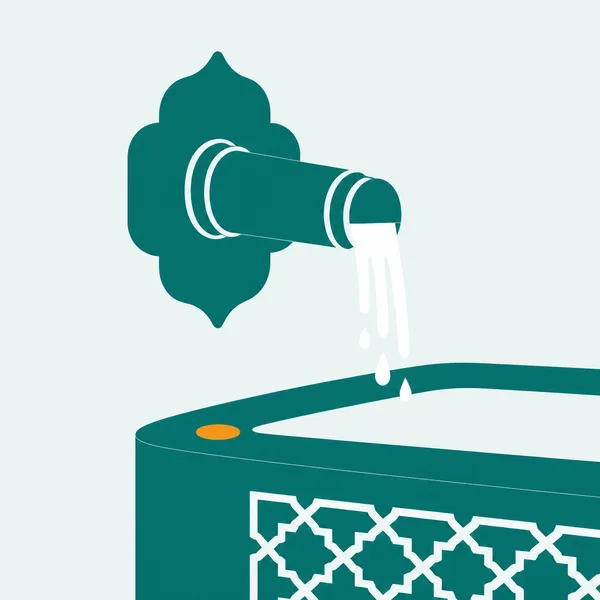
Drains have been cleared of soap build-up and the taps wiped down. The floors around the wudu area are dry-mopped so worshippers are not walking through standing water.

Quran shelves and mimbar wiped clean
The Quran holder shelves have been dusted in place without moving the books. The mimbar railings and surfaces are wiped and left ready for the next Friday sermon.
What our customers said
«شغلهم ما شاء الله، أنصح الجميع بالتعامل معهم. عن تجربة وثقة.»
«أفضل شركة تنظيف بالبخار. أسعارهم ممتازة وشغلهم مرة كويس.»
«خدمة ممتازة.»
«ممتازين.»
Districts we cover
Mosque cleaning is available across a number of areas, and coverage continues to expand as more facilities in the region request the service.
The district pages for this service are being prepared and will appear here when they are published.
Questions worth asking first
Duration depends on the floor area of the prayer hall and how many ablution stations need scrubbing. A single prayer window is usually enough for a mid-size mosque. Larger facilities, or those with extended wudu areas, may need two consecutive windows, which is established during booking.
The management does not need to do any special preparation. If there are items in the prayer area that the team should avoid, noting them at the start of the visit is enough. The shoe racks and entrance area do not need to be cleared first.
Products used near the Quran holder shelves are dry-method: microfibre cloths with no spray. Liquids are used only in the ablution area and on hard floor surfaces. Nothing is applied to the carpets or near open books during the visit.
Yes. The booking is timed to the mosque's own prayer schedule so the team is finished and clear before the congregation arrives. For Friday, the window is set around the Jumu'ah time specifically, since that is the highest-attendance prayer of the week.
The service scales to the size of the facility. For a large jami mosque with multiple halls or an extended ablution block, the scope and timing are confirmed before the first visit so that full coverage is planned from the start.
The hall floor is mopped with a well-wrung mop rather than flooded, so it dries quickly under normal ventilation. Ablution area floors take a little longer due to the volume of water involved. Both are typically dry before the next prayer in normal conditions.
Other services you may need



Book your next mosque cleaning
Get in touch to discuss the size of your facility and agree on a schedule that fits around your prayer times.
Cleaning and disinfection guidance: Saudi Ministry of Health.