Mosque cleaning in Al Wadiyah, Jeddah
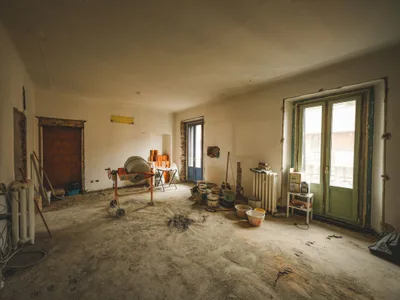
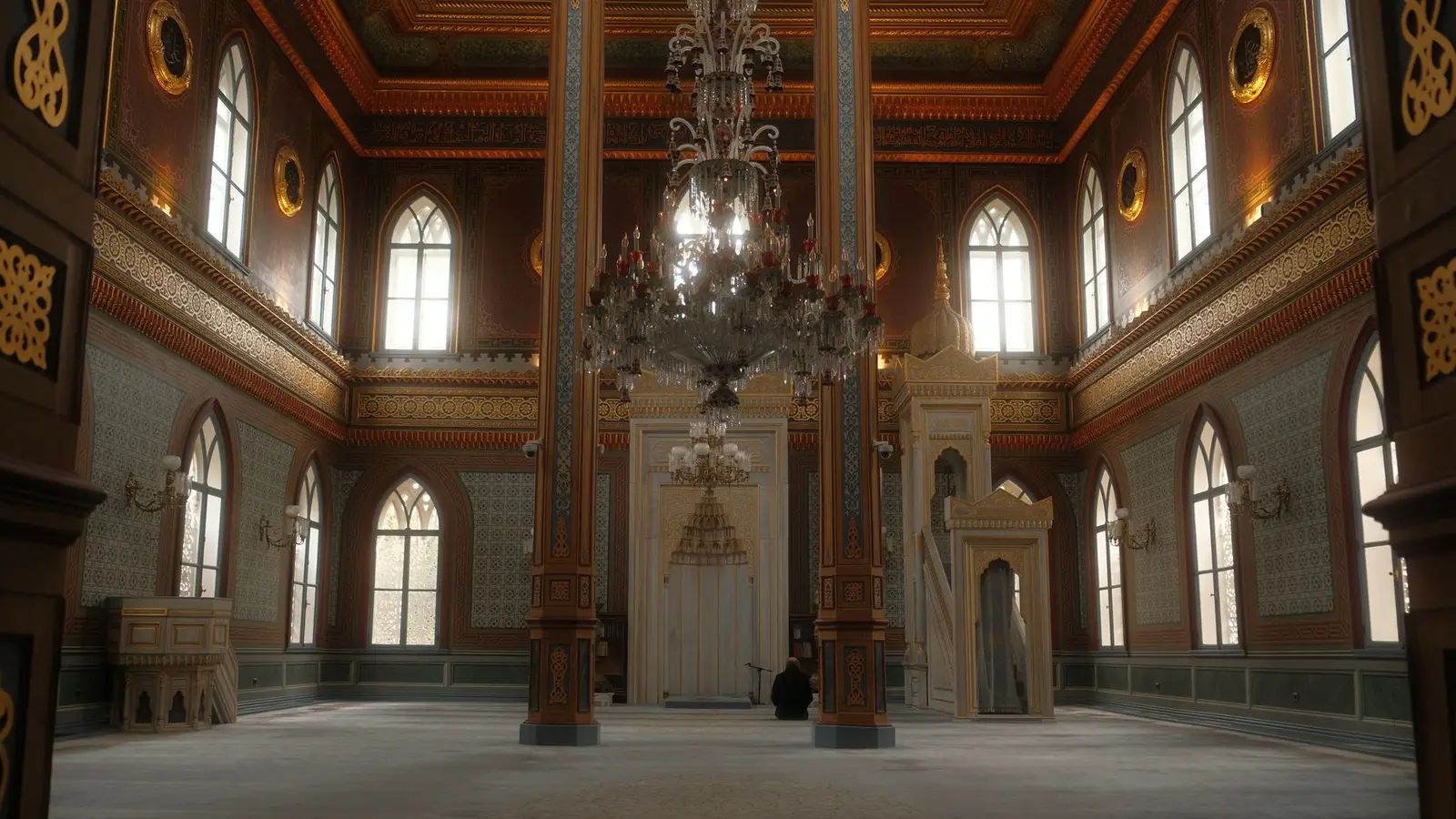
Al Wadiyah is a new district in northeast Jeddah near Wadi Obhur and Sharm Obhur, and its newly built mosques face unique cleaning challenges. Wind carries sand and dust from the wadi and open ground around the district, and worshippers arrive from many places bringing soil and moisture inside. Deep cleaning reaches every corner of the prayer halls to remove accumulated sand and dust while protecting the mihrab, minbar and fine furnishings.
- Full prayer hall coverage
- Careful handling of fittings
- Works around prayer times
- No rearrangement left behind
Why regular cleaning matters in a mosque
A rapidly growing new district in northeast Jeddah near Wadi Obhur, served by King Saud Road and Asfan Road, where mosques are exposed to harsh environmental conditions from wind and sand.
-

High foot traffic demands frequency
Fine sand from winds around Wadi Obhur embeds deep into carpet fibres, requiring intensive extraction that reaches the base of the weave.
-
Wudu stations need specialist attention
Humidity from the wadi's proximity can promote mould on walls and carpets, requiring regular cleaning combined with proper drying.
-

Religious fittings require respectful handling
The mihrab, minbar and furnishings need protection from moisture and dust through regular cleaning that preserves material quality.
-
Scheduling around prayer times
Courtyards and exterior spaces require regular cleaning to remove accumulated sand and dust carried by wind.
What every visit includes
-
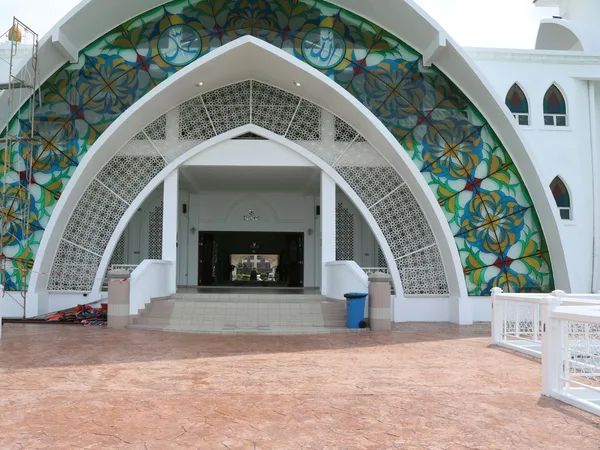
staging equipment at entrance
-
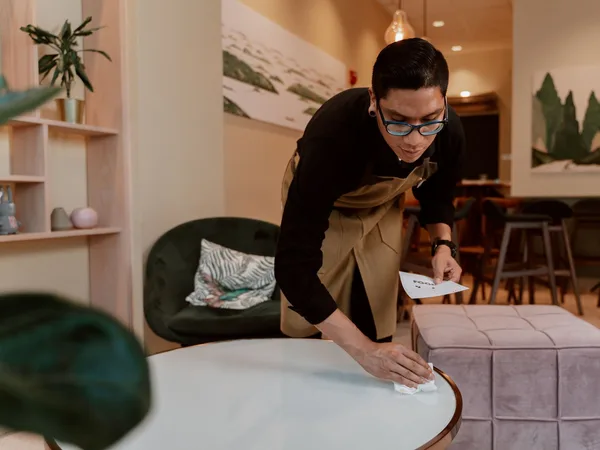
wiping down shoe storage racks
-
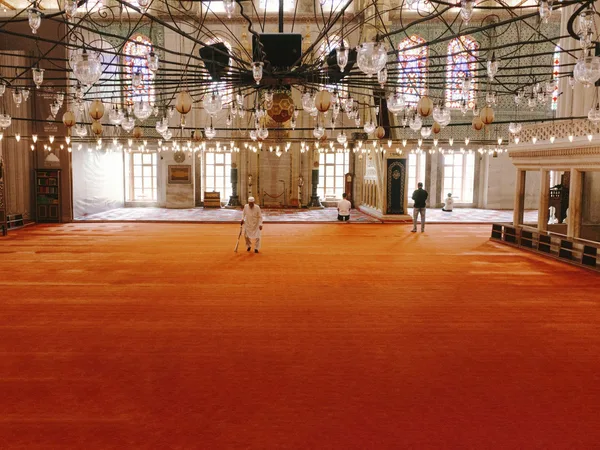
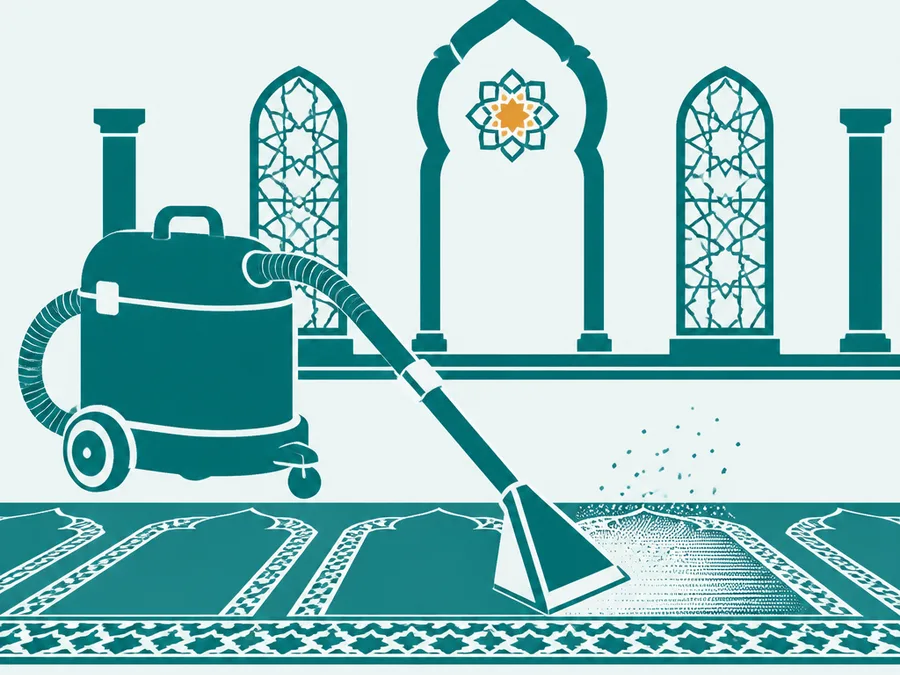
vacuuming the prayer hall carpets
-
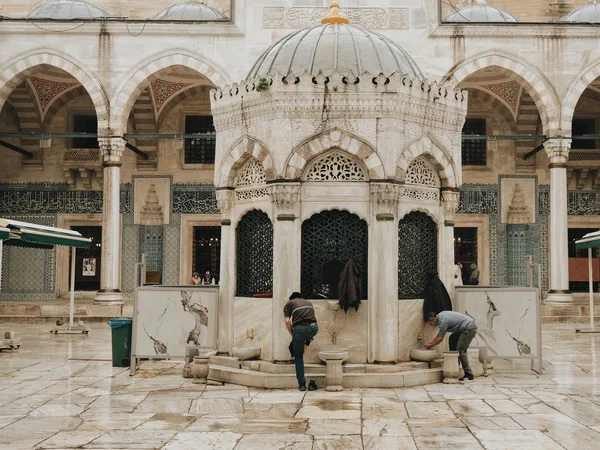
scrubbing ablution stations and drains
-
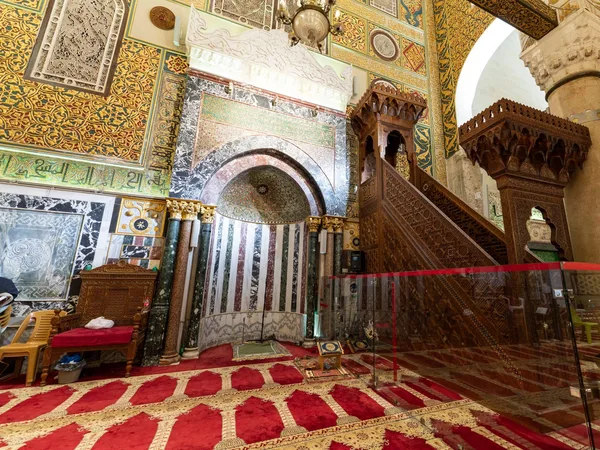
wiping the mimbar and railings
-
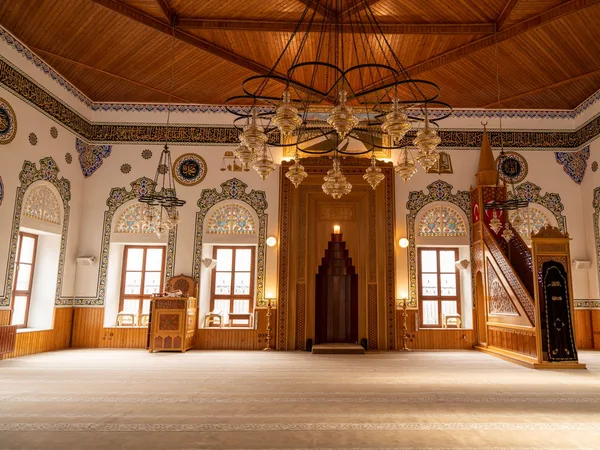
cleaning mihrab walls and floor
-
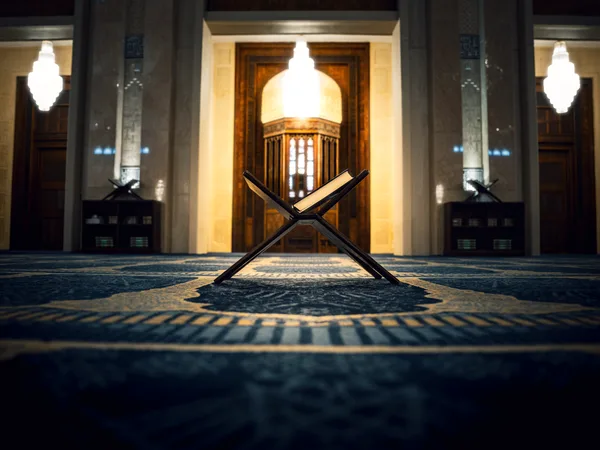
dusting Quran holder shelves
-
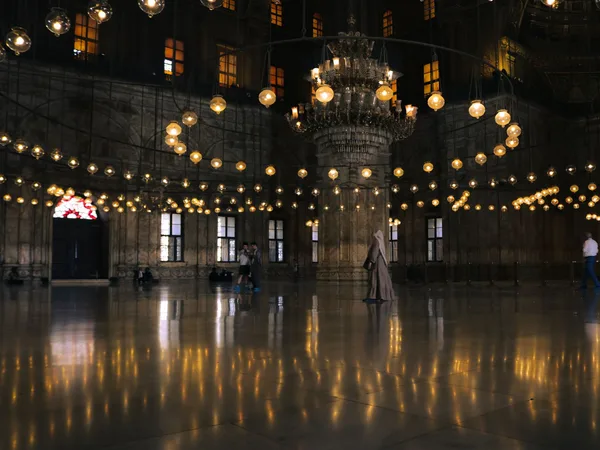
mopping the prayer hall floor
How a visit runs from start to finish
-
Schedule and confirm access
-
Set up at the entrance
-
Work from high surfaces down
-
Check and hand over
What changes about mosque cleaning in Al Wadiyah
Mosques in Al Wadiyah face significantly higher sand and dust loads compared to sheltered districts, especially during seasons of strong winds. For the whole method, see how we approach mosque cleaning.
-
The first reason
Sand and dust embed deep in carpets
The district's location near the wadi and open ground means wind carries high volumes of fine sand particles. This sand does not sit on the surface but works into carpet fibres, requiring deep extraction that reaches below the weave.
-
The second reason
Walls and surfaces face moisture and salt stress
Humidity from the nearby wadi and vapour rising from the ground affect walls and surfaces. Cleaning removes moisture and mould that may develop on damp surfaces, protecting both appearance and integrity.
-
The third reason
The mihrab and minbar deserve precise care
Sacred elements need regular cleaning that preserves their beauty and protects their materials from damage by moisture and accumulated dust.
Al Wadiyah on the map
Al Wadiyah sits about 3 km from Al Asalah and about 3.5 km from Al Marefah.
Open in Google MapsWhat the mosque looks like after

Carpets free of embedded dust
The prayer hall carpets have been vacuumed in systematic rows, so surface fibres sit flat and the hall has no lingering foot-traffic odour when the doors open.
Ablution stations clear and dry
Drains have been cleared of soap build-up and the taps wiped down.

Quran shelves and mimbar wiped clean
The Quran holder shelves have been dusted in place without moving the books.
What our customers said
«شغلهم ما شاء الله، أنصح الجميع بالتعامل معهم. عن تجربة وثقة.»
«أفضل شركة تنظيف بالبخار. أسعارهم ممتازة وشغلهم مرة كويس.»
«خدمة ممتازة.»
«ممتازين.»
Some of our work

Illustrative photographs. Our own job photographs go here as soon as the client approves them.
The character of Al Wadiyah
New development: ongoing construction and vacant plots between the homes
The newly developing district experiences rapid growth in residential and urban density, and modern mosques here need consistent maintenance and cleaning to preserve their high-quality finishes and fine furnishings against local environmental challenges.
Nearby districts we cover
Questions worth asking first
The district's location near Wadi Obhur and open ground means wind brings higher volumes of fine sand particles that blow up from bare soil and sandy ground.
Yes, humidity from the nearby wadi can cause mould on surfaces. Cleaning removes moisture and mould, protecting furnishings and carpets from damage.
Wind patterns affect cleaning frequency. Comprehensive cleaning every month or six weeks is appropriate, with additional cleaning after sandstorms.
Cleaning removes existing dust but cannot prevent new dust entry. Well-sealed windows and doors plus proper ventilation help reduce dust ingress significantly.
Scheduling cleaning on calm days is strongly recommended. Strong winds bring new dust during cleaning, making the work less effective.
Courtyards and outdoor areas bear heavy sand and dust exposure. Regular outdoor cleaning preserves the mosque's overall appearance and ensures a clean entry.
It is set after we see the job, because the price follows the kind of work, the size of the space, its condition and the time and materials it needs. Send a photo and a short description on WhatsApp and we will give you an estimate before we reach Al Wadiyah.
Duration depends on the floor area of the prayer hall and how many ablution stations need scrubbing.
The management does not need to do any special preparation.
Other services in Al Wadiyah
We also provide these services in Al Wadiyah.