Mosque cleaning in Al Gharbiyah, Jeddah
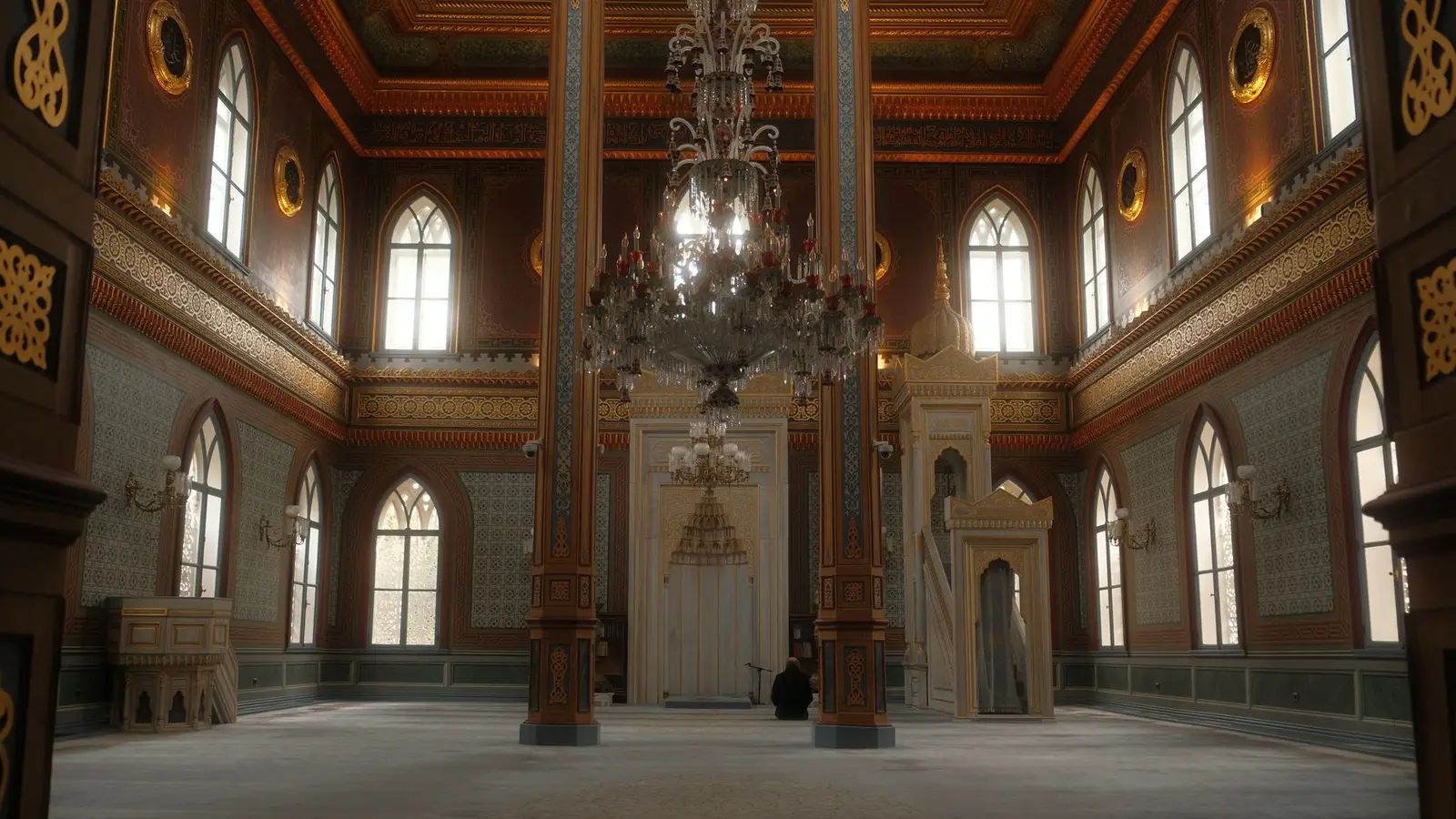
Al Gharbiyah is a new coastal district in north Jeddah, dominated by newly released land and housing near the shore. Its mosques serve emerging families in an area combining coastal humidity with construction dust. Carpets and furnishings face pressure from salt and moisture on one side and excavation debris on the other. Cleaning protects the mosque from dust mite accumulation, salt buildup and trapped odours.
- Full prayer hall coverage
- Careful handling of fittings
- Works around prayer times
- No rearrangement left behind
Why regular cleaning matters in a mosque
A new coastal district combining high humidity and salt air with construction dust. The mosque needs protection from both environmental pressures.
-
High foot traffic demands frequency
Coastal salt and humidity require regular cleaning focused on removing salt crystals and trapped water.
-
Wudu stations need specialist attention
Construction dust accelerates deterioration when mixed with salt, and cleaning must extract accumulated layers.
-
Religious fittings require respectful handling
Modern furnishings and luxury carpets in the new mosque need balanced protection from salt, dust and moisture combined.
-

Scheduling around prayer times
Regular cleaning ensures the mosque stays pure, safe and free from odours linked to salt and humidity.
What every visit includes
-
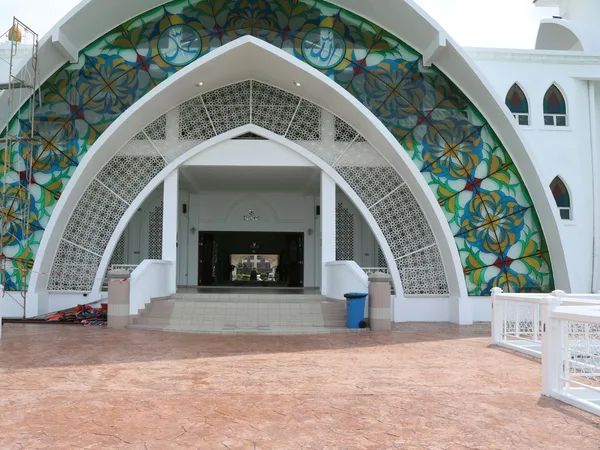
staging equipment at entrance
-
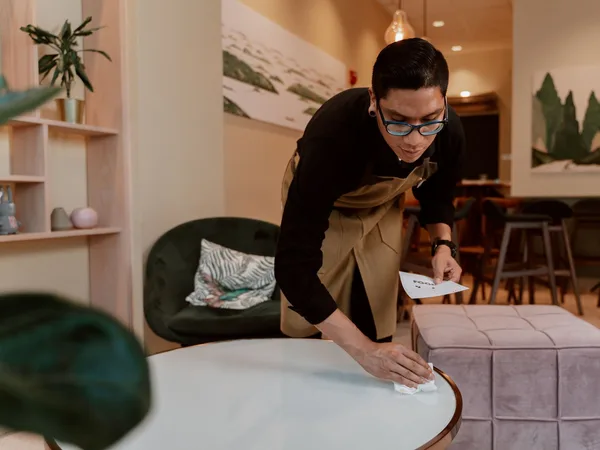
wiping down shoe storage racks
-
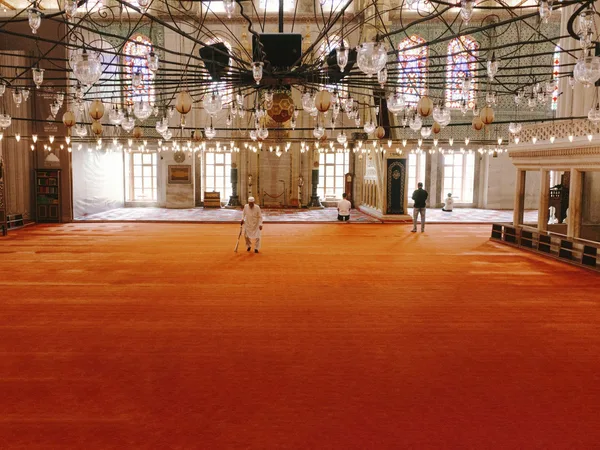
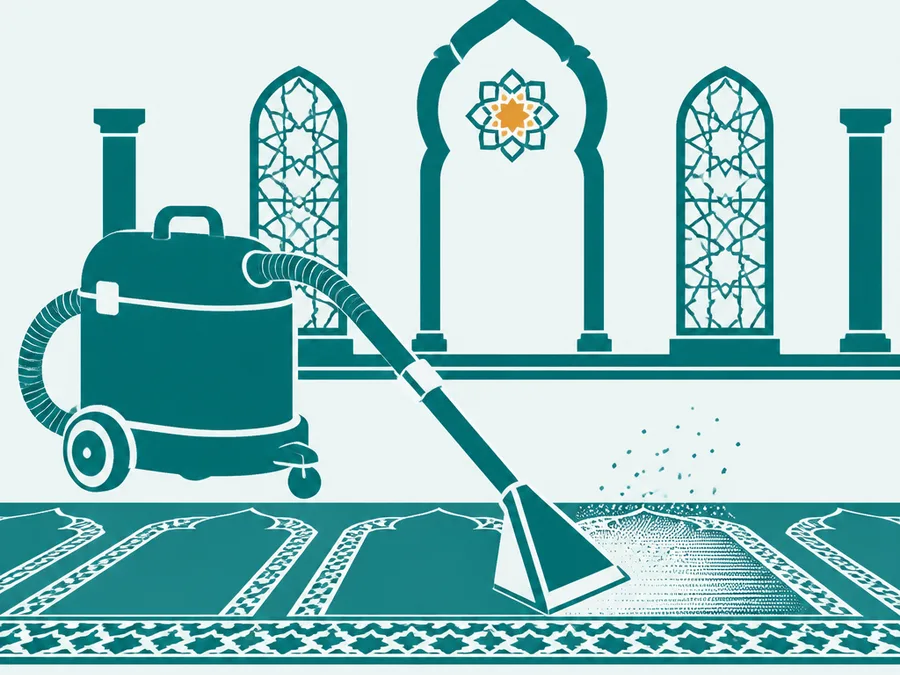
vacuuming the prayer hall carpets
-
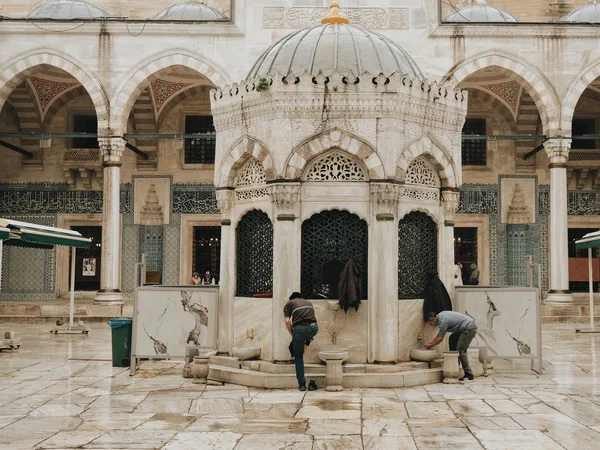
scrubbing ablution stations and drains
-
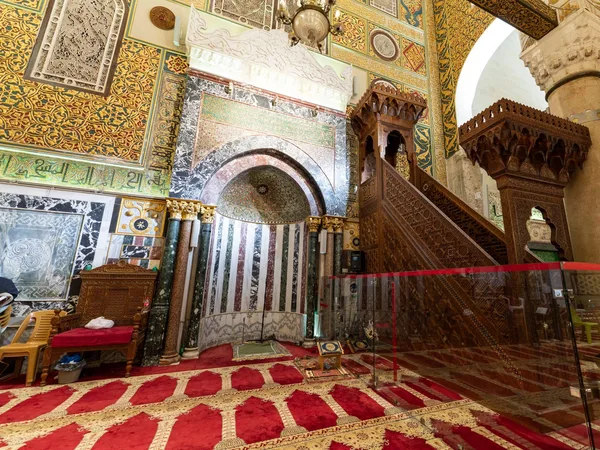
wiping the mimbar and railings
-
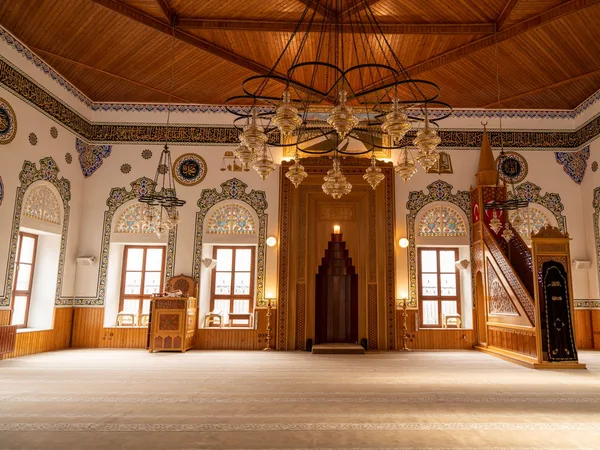
cleaning mihrab walls and floor
-
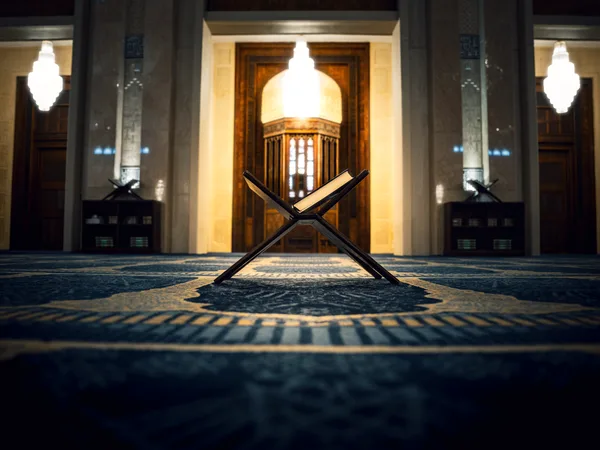
dusting Quran holder shelves
-
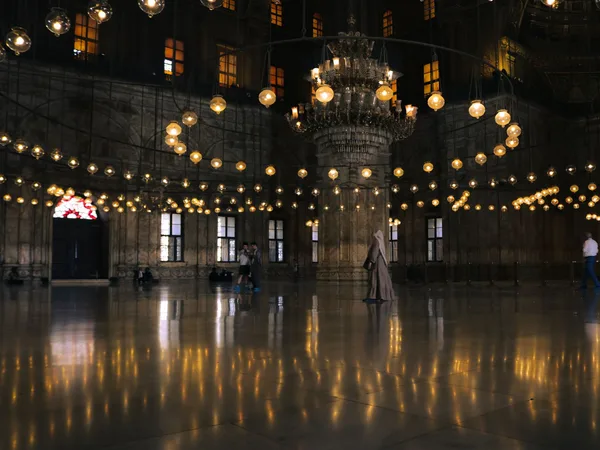
mopping the prayer hall floor
How a visit runs from start to finish
-
Schedule and confirm access
-
Set up at the entrance
-
Work from high surfaces down
-
Check and hand over
What changes about mosque cleaning in Al Gharbiyah
Mosques in emerging coastal areas show early signs of deterioration due to the combined effect of humidity and salt air. For the whole method, see the full mosque cleaning page.
-
The first reason
Salt and humidity accelerate fibre deterioration
Sea air carries salt and moisture that settle on prayer carpets. Salt crystallizes and humidity fixes odours; cleaning extracts both.
-
The second reason
Construction dust mixes with salt in fabrics
Excavation and building release dust that settles with salt and moisture in the fabric weave. Deep cleaning removes accumulated layers.
-
The third reason
Modern furnishings need combined protection
The new mosque contains luxury carpets and furniture that need protection from salt, dust and humidity working together.
Al Gharbiyah on the map
Al Gharbiyah sits about 1 km from Al Ghadeer and about 1.5 km from Al Fanar.
Open in Google MapsWhat the mosque looks like after

Carpets free of embedded dust
The prayer hall carpets have been vacuumed in systematic rows, so surface fibres sit flat and the hall has no lingering foot-traffic odour when the doors open.
Ablution stations clear and dry
Drains have been cleared of soap build-up and the taps wiped down.
Quran shelves and mimbar wiped clean
The Quran holder shelves have been dusted in place without moving the books.
What our customers said
«شغلهم ما شاء الله، أنصح الجميع بالتعامل معهم. عن تجربة وثقة.»
«أفضل شركة تنظيف بالبخار. أسعارهم ممتازة وشغلهم مرة كويس.»
«خدمة ممتازة.»
«ممتازين.»
Some of our work
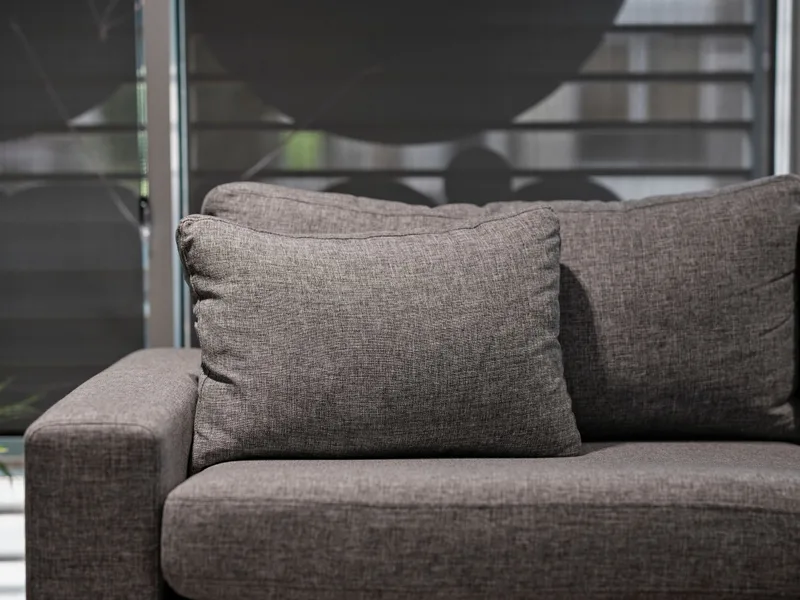
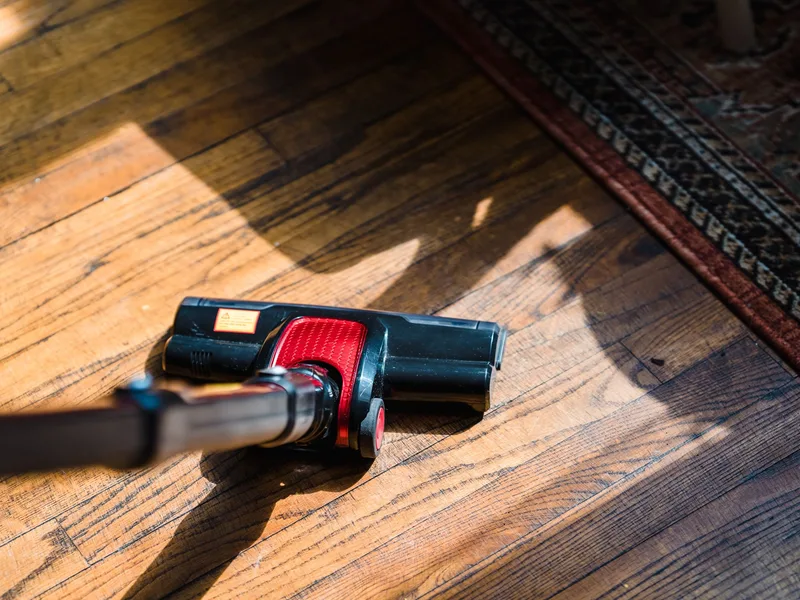
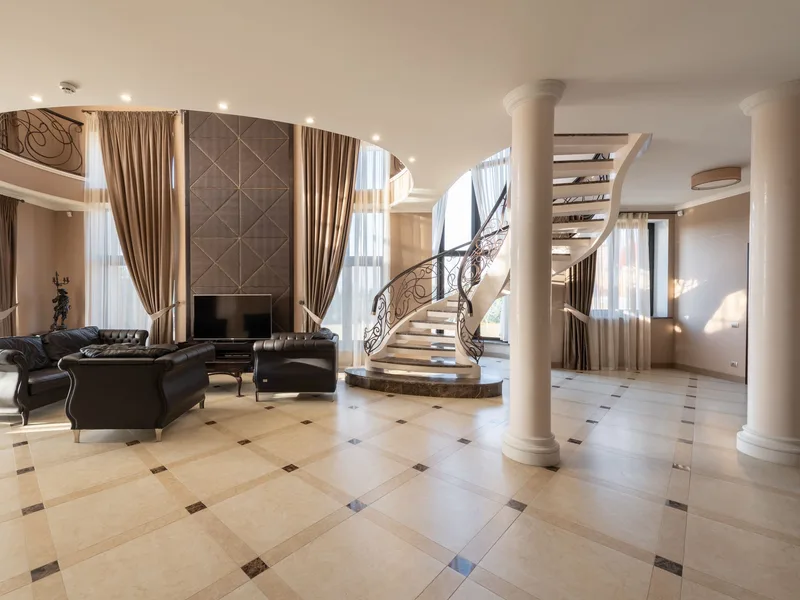
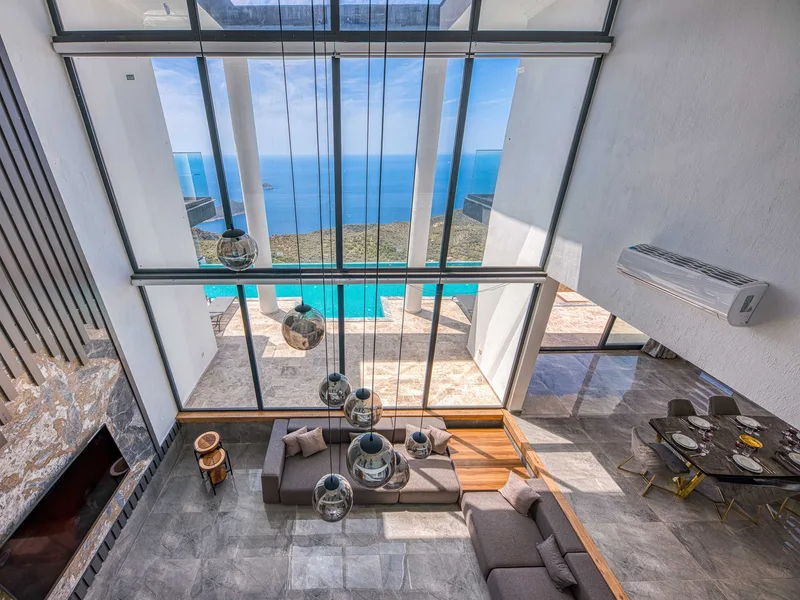
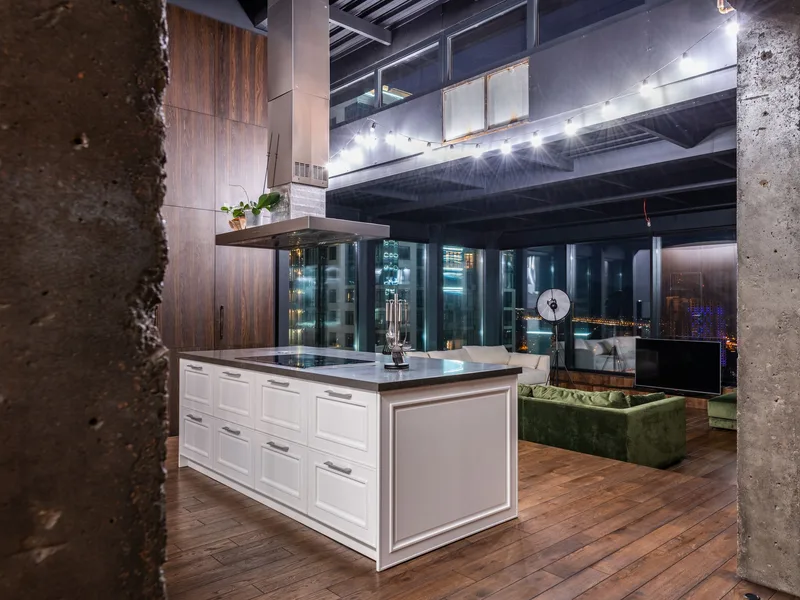
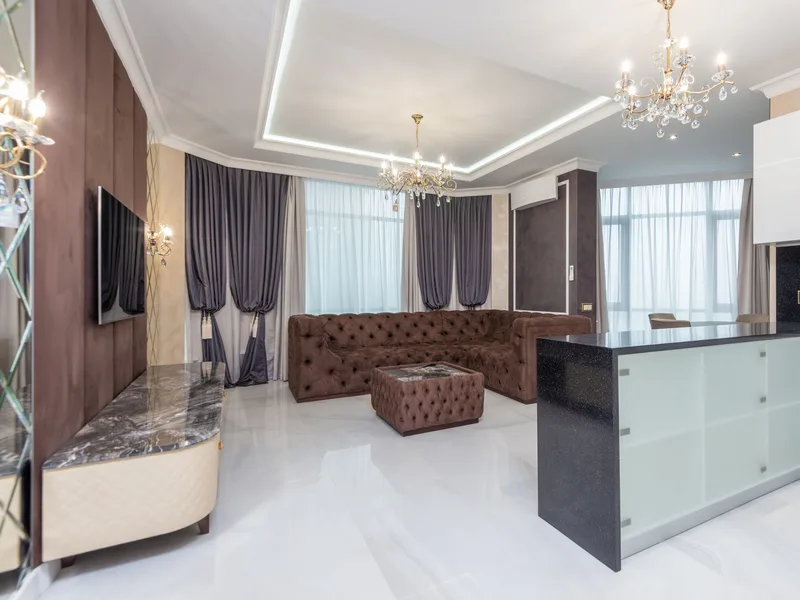
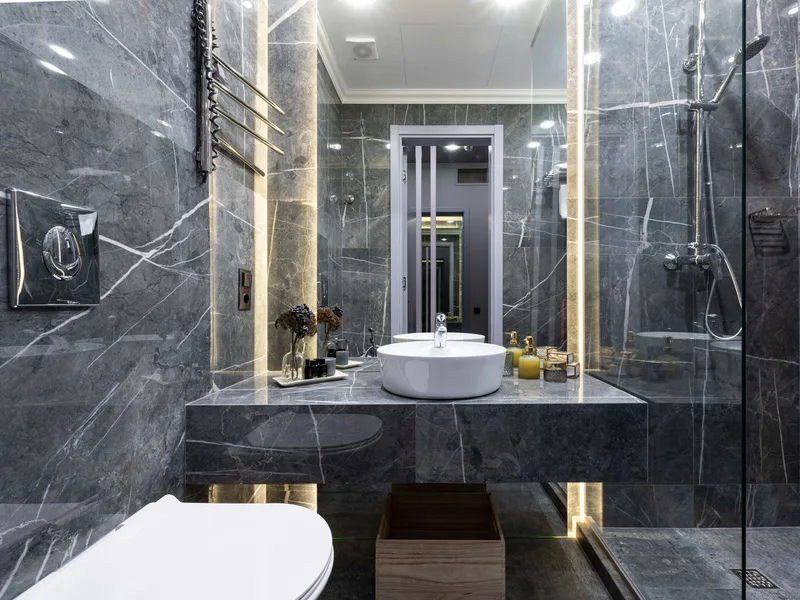
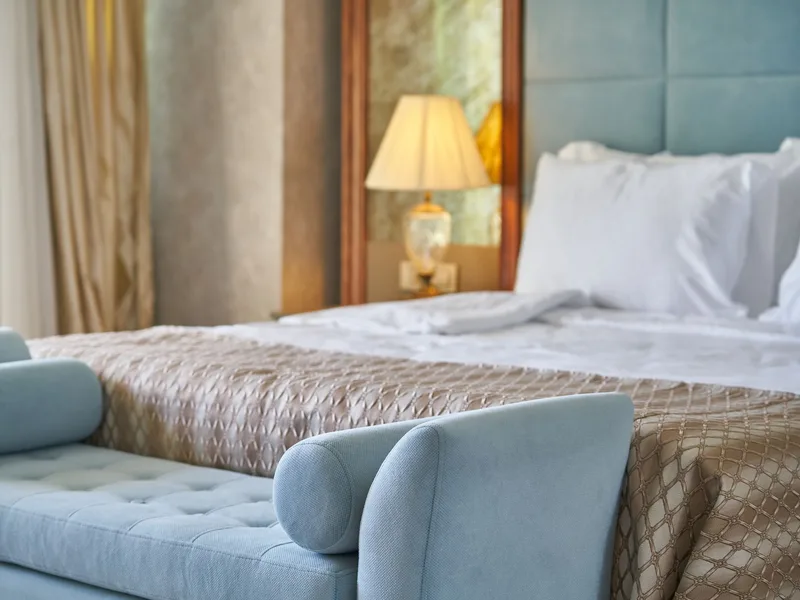
Illustrative photographs. Our own job photographs go here as soon as the client approves them.
What is different about North Jeddah
The northern sector of Jeddah is the city's newest ground: gated villa schemes, low apartment blocks and wide boulevards laid out over the last stretch of open land before Dhahban and Thuwal. Much of it is still being built, so construction dust from cleared plots and half finished streets is the defining problem, drifting across finished homes on the afternoon wind and settling as a pale grit on car ports and window ledges. Summer brings the heaviest of it, while the short winter rains turn the same dust into streaks down cladding and glass.
Nearby districts we cover
Questions worth asking first
Yes. Salt weakens fibres and dust penetrates them; combined under moisture they speed decay.
Every month or six weeks, to remove salt and dust before they accumulate.
Yes. Coastal areas need focus on salt and moisture removal, while inland areas emphasize dust removal.
Yes. The smell comes from salt crystallization and trapped moisture; cleaning extracts both.
Yes. Salt leaves residue on stone, and cleaning uses solutions that leave no deposits.
Some preventive treatments offer added protection, but regular cleaning is the foundation.
It is set after we see the job, because the price follows the kind of work, the size of the space, its condition and the time and materials it needs. Send a photo and a short description on WhatsApp and we will give you an estimate before we reach Al Gharbiyah.
Duration depends on the floor area of the prayer hall and how many ablution stations need scrubbing.
The management does not need to do any special preparation.
Other services in Al Gharbiyah
We also provide these services in Al Gharbiyah.