Mosque cleaning in Wadi Qaws, Jeddah
Wadi Qaws is a historic valley descending from the Jabal Khashash range towards the coast, known for devastating floods that swept away scattered houses and workshops on its banks, which led to the construction of a dam to protect eastern districts. The mosque in Al Qaws serves an open area of resthouses and vacant land with a small population. The valley location means high humidity and dust from seasonal winds, plus the lasting effects of soil moisture and past floods. Cleaning removes humidity, salt deposits and mould from all surfaces and corners, protecting timber fixtures from the damp environment.
- Full prayer hall coverage
- Careful handling of fittings
- Works around prayer times
- No rearrangement left behind
Why regular cleaning matters in a mosque
The valley, dam and surrounding hills create a humid environment exposed to seasonal winds, and the mosque sits in an open area far from dense housing.
-
High foot traffic demands frequency
High humidity from the valley and dam means rapid mould and bacteria growth in dark corners and shadowed surfaces.
-
Wudu stations need specialist attention
Salt crystallised from historic floods remains in soil and walls, and current moisture re-activates it and causes gradual structural damage.
-
Religious fittings require respectful handling
Dust from Jabal Khashash enters on seasonal winds, mingles with humidity and forms hard layers that resist simple cleaning.
-

Scheduling around prayer times
A mosque in a valley location needs ongoing cleaning programmes because the damp environment and salt and mould return quickly.
What every visit includes
-
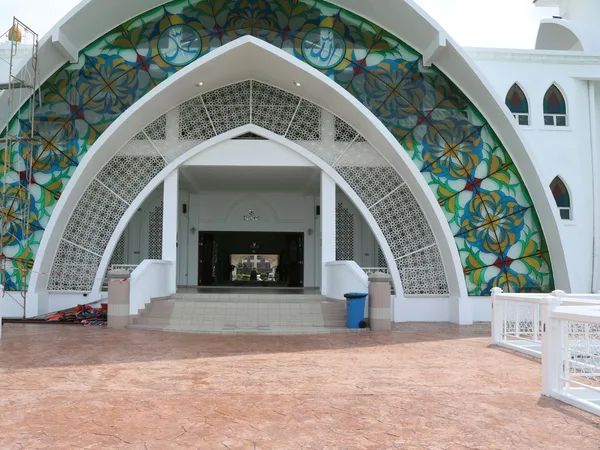
staging equipment at entrance
-
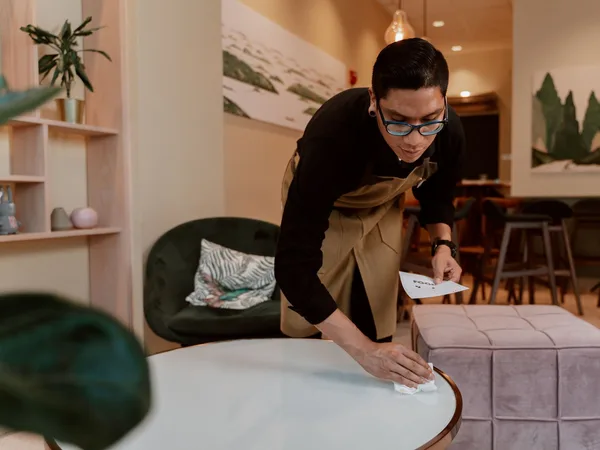
wiping down shoe storage racks
-
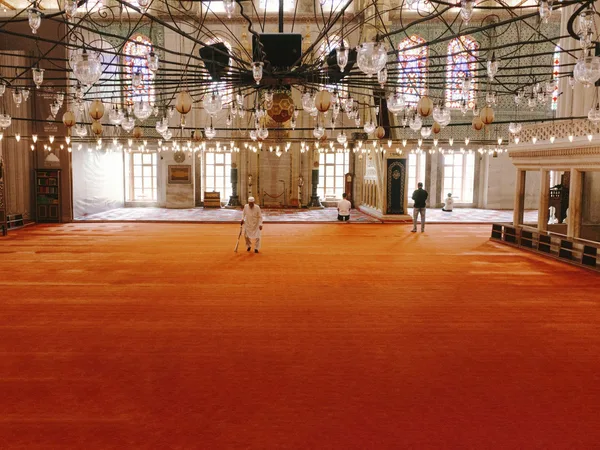
vacuuming the prayer hall carpets
-
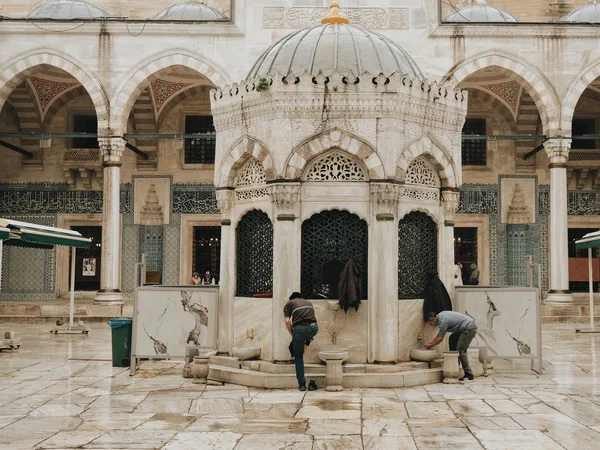
scrubbing ablution stations and drains
-
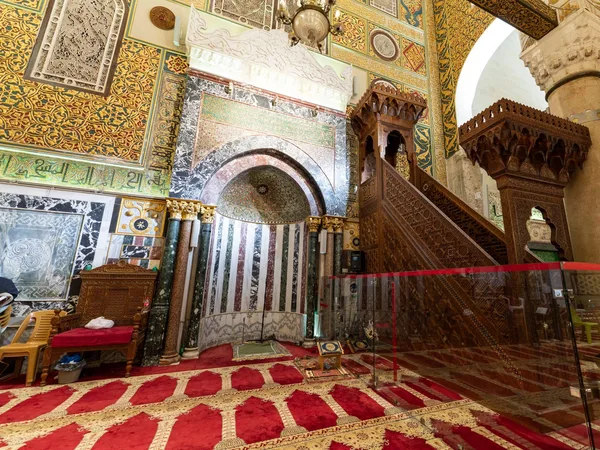
wiping the mimbar and railings
-
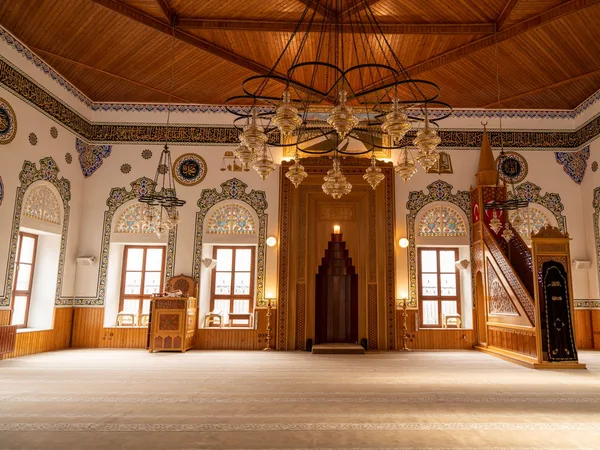
cleaning mihrab walls and floor
-

dusting Quran holder shelves
-
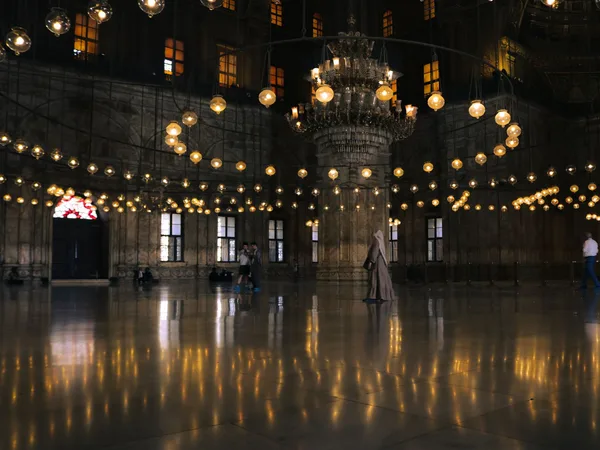
mopping the prayer hall floor
How a visit runs from start to finish
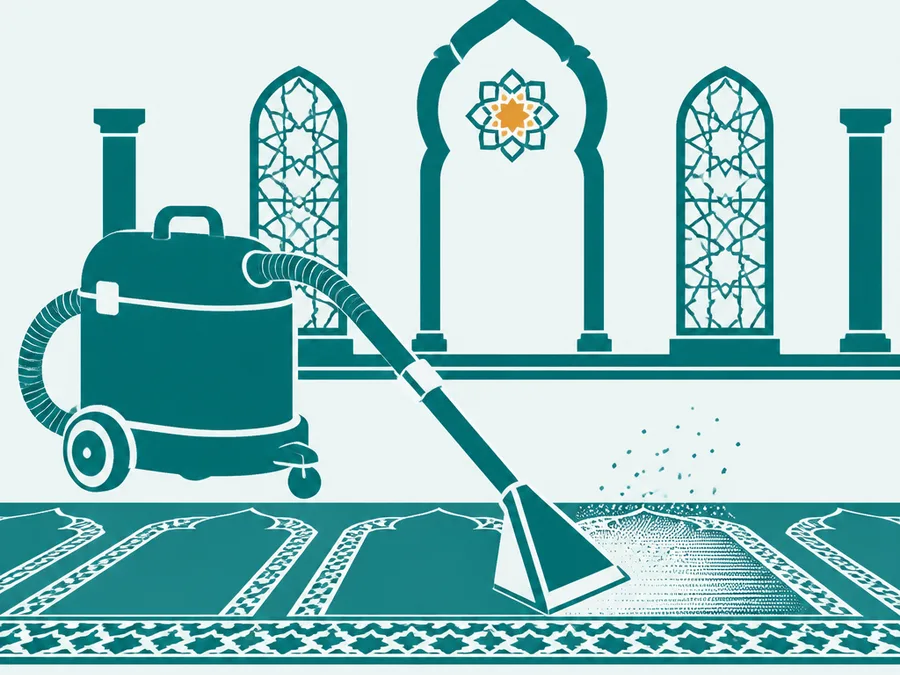
-
Schedule and confirm access
-
Set up at the entrance
-
Work from high surfaces down
-
Check and hand over
What changes about mosque cleaning in Wadi Qaws
Mosques in valley locations and near dams face high humidity and salt and dust effects, and cleaning requires special attention to mould and moisture removal. For the whole method, see how we approach mosque cleaning.
-
The first reason
Valley humidity breeds mould and bacteria rapidly
The location near Wadi Qaws and the dam means persistently high humidity even in dry seasons. Corners and surfaces hold moisture and become ideal environments for mould and bacteria that cause odours and health risks.
-
The second reason
Salt from past floods remains in soil and walls
Historic floods deposited salt in the soil, foundations and walls, and current moisture re-activates it. Salt crystals form on surfaces and walls and cause gradual damage to wood and paint.
-
The third reason
Seasonal winds from the hills carry fine dust
Jabal Khashash sends seasonal winds laden with fine dust that works into mosque cracks. The dust settles on floors and prayer niches, mingles with moisture and forms stubborn layers.
Wadi Qaws on the map
Wadi Qaws sits about 7 km from Wadi Usheirah and about 10 km from Wadi Mareekh.
Open in Google MapsWhat the mosque looks like after

Carpets free of embedded dust
The prayer hall carpets have been vacuumed in systematic rows, so surface fibres sit flat and the hall has no lingering foot-traffic odour when the doors open.
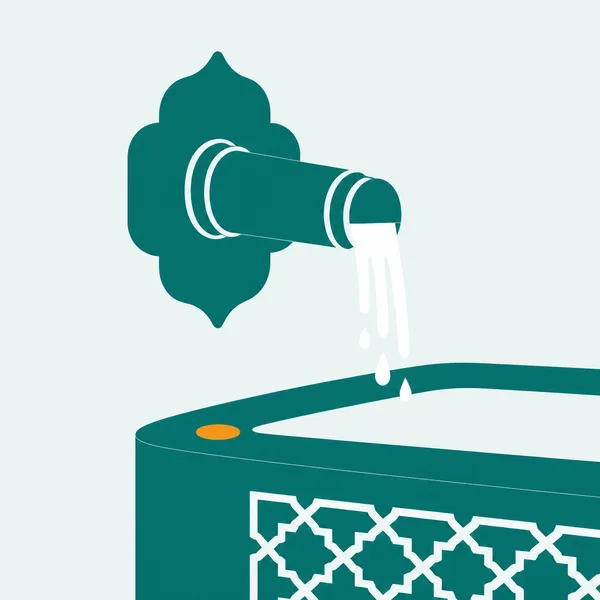
Ablution stations clear and dry
Drains have been cleared of soap build-up and the taps wiped down.

Quran shelves and mimbar wiped clean
The Quran holder shelves have been dusted in place without moving the books.
What our customers said
«شغلهم ما شاء الله، أنصح الجميع بالتعامل معهم. عن تجربة وثقة.»
«أفضل شركة تنظيف بالبخار. أسعارهم ممتازة وشغلهم مرة كويس.»
«خدمة ممتازة.»
«ممتازين.»
Some of our work

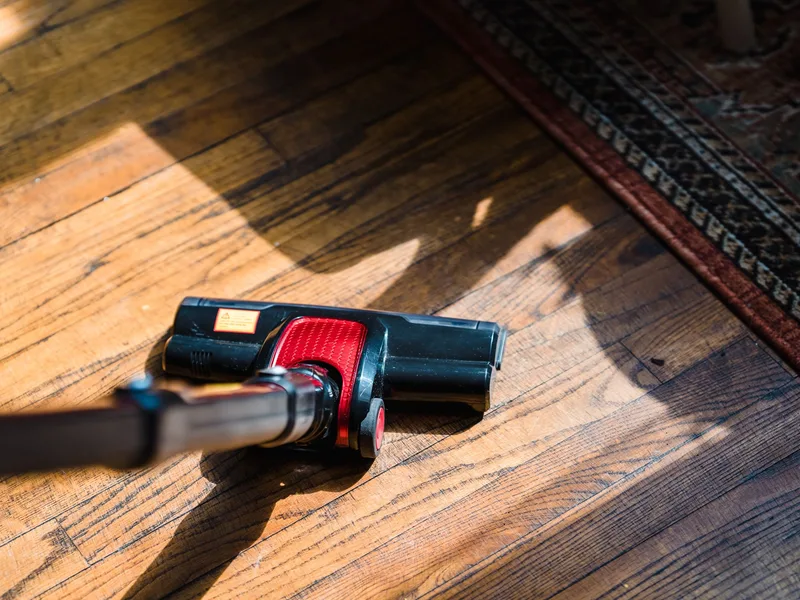


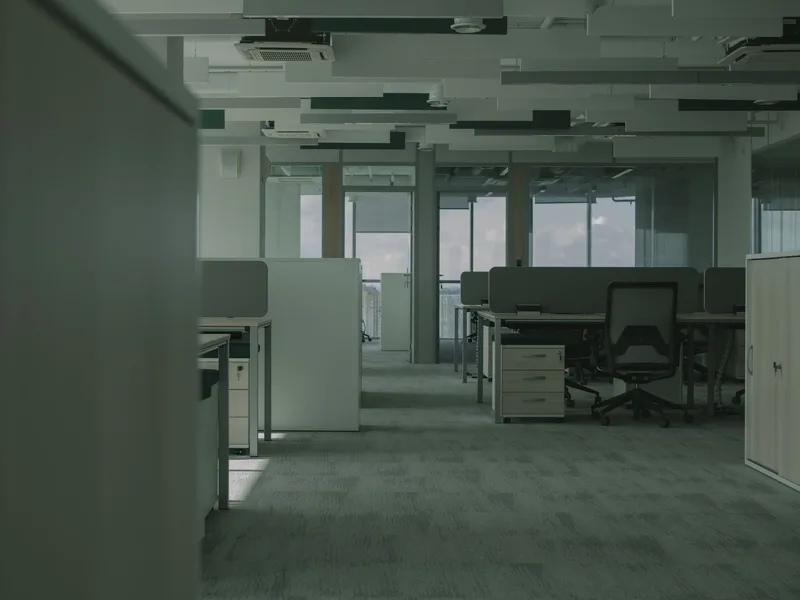

Illustrative photographs. Our own job photographs go here as soon as the client approves them.
Landmarks of Wadi Qaws
In Wadi Qaws in the southeastern Jeddah hills, the mosque sits near Wadi Qaws Dam and Jabal Khashash, which define its location and character. The cleaning crew plans access based on proximity to the dam and the main Al Qaws Street.
- Wadi Qaws Dam
- Al Qaws Street
- Samir bin Jundab Street
- Jabal Khashash
Nearby districts we cover
Questions worth asking first
Yes. The valley location and dam proximity mean high humidity even in dry weather. Good ventilation and regular cleaning reduce humidity effects.
Salt crystallises from humidity and flood history. Specialised cleaning extracts salt from walls and surfaces without weakening the structure.
Yes. The damp environment means mould returns quickly. Regular cleaning and continuous ventilation reduce repeated growth.
Wood weakens from constant humidity. Careful cleaning and protective treatments preserve the wood from rot and cracking.
Fine dust settles but causes no permanent damage. Regular cleaning removes dust before it mixes with moisture and hardens into layers.
Mould and bacteria grow quickly in valley locations. Fortnightly or monthly cleaning is necessary, and may be more frequent after rain.
It is set after we see the job, because the price follows the kind of work, the size of the space, its condition and the time and materials it needs. Send a photo and a short description on WhatsApp and we will give you an estimate before we reach Wadi Qaws.
Duration depends on the floor area of the prayer hall and how many ablution stations need scrubbing.
The management does not need to do any special preparation.
Other services in Wadi Qaws
We also provide these services in Wadi Qaws.