Mosque cleaning in Al Balad, Jeddah
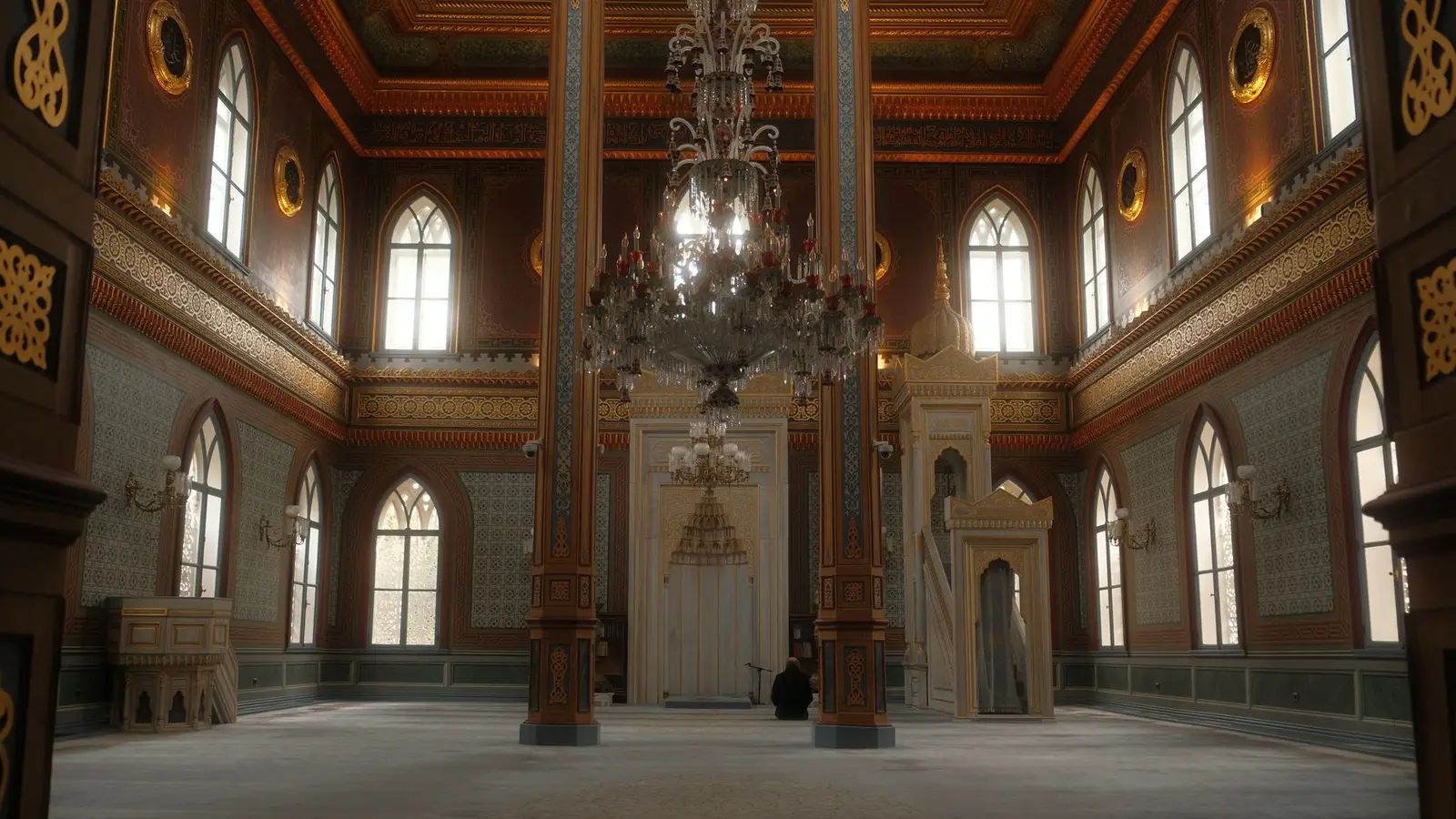
Al Balad's old quarter holds venerable mosques woven into dense heritage fabric between coral stone houses and wooden latticework. The prayer hall receives worshippers every day and dust settles deep into the carpet, on walls and around the mihrab. Cleaning respects the sacred nature of the space, works carefully around Quranic verses, the mimbar and mihrab, and removes deep dust from the surfaces that worshippers touch throughout each day.
- Full prayer hall coverage
- Careful handling of fittings
- Works around prayer times
- No rearrangement left behind
Why regular cleaning matters in a mosque
Historic mosques in Al Balad need special care because their heritage structure traps dust deeply, and the carpets in corridors and the courtyard see constant foot traffic from worshippers and visitors.
-
High foot traffic demands frequency
Historic mosques in Al Balad retain dust deep in their corners and heavy carpets, and cleaning focuses on complete removal while preserving the heritage.
-
Wudu stations need specialist attention
The mihrab, mimbar and walls around Quranic verses require special care and careful inspection before choosing the right cleaning method.
-
Religious fittings require respectful handling
High-touch surfaces such as railings and columns need frequent cleaning for hygiene and practical reasons.
-
Scheduling around prayer times
The courtyard and outer areas need regular cleaning to remove dust, sand and debris from the surrounding souqs and streets.
What every visit includes
-
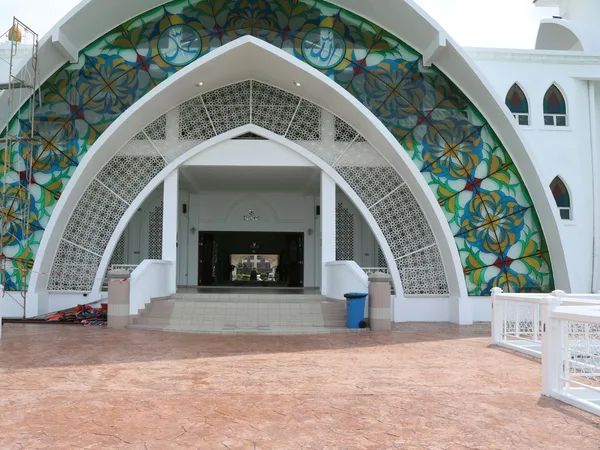
staging equipment at entrance
-
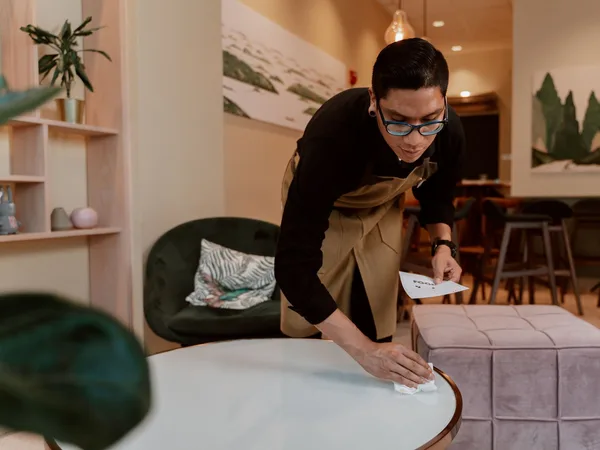
wiping down shoe storage racks
-
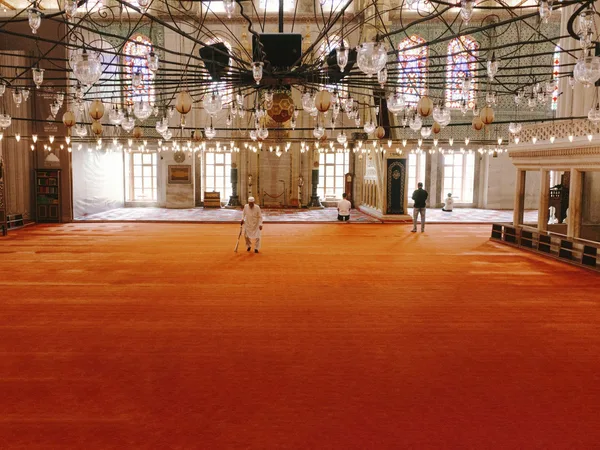
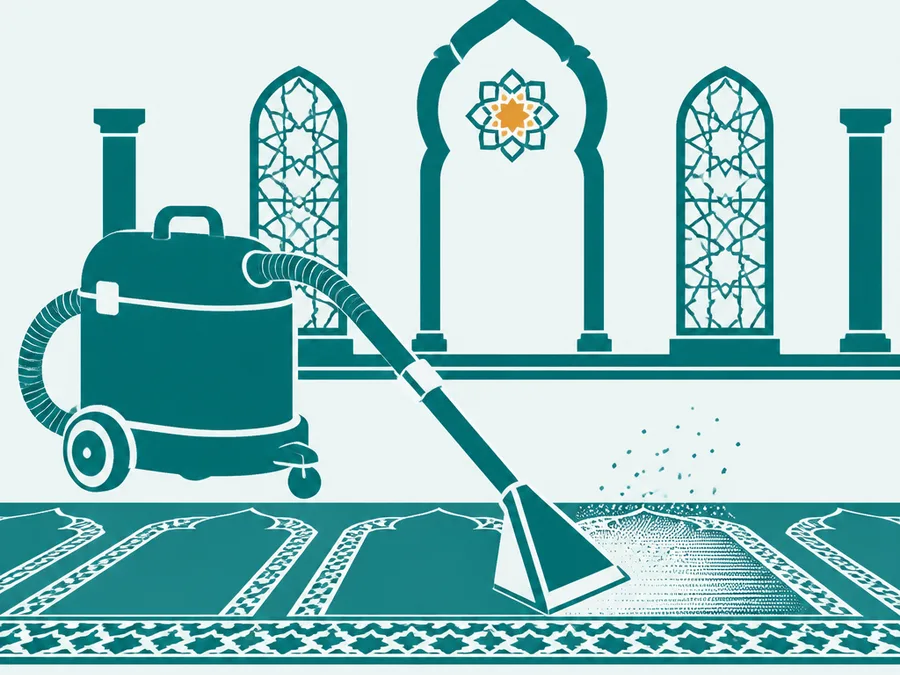
vacuuming the prayer hall carpets
-
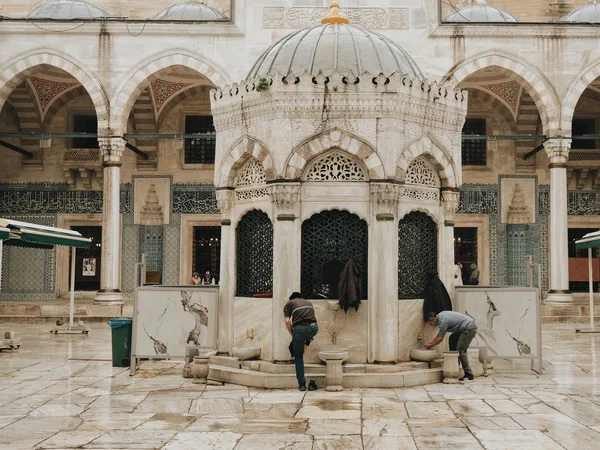
scrubbing ablution stations and drains
-
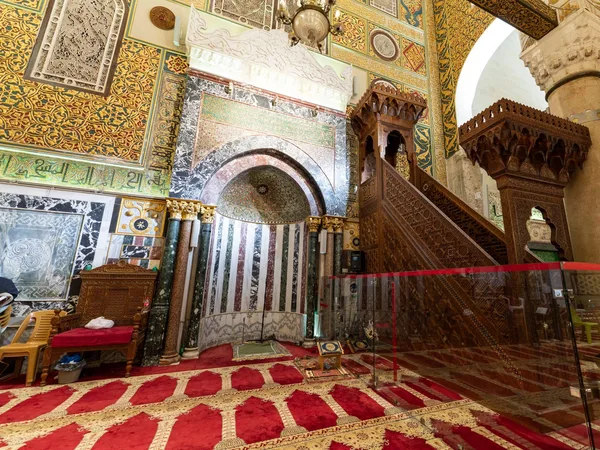
wiping the mimbar and railings
-
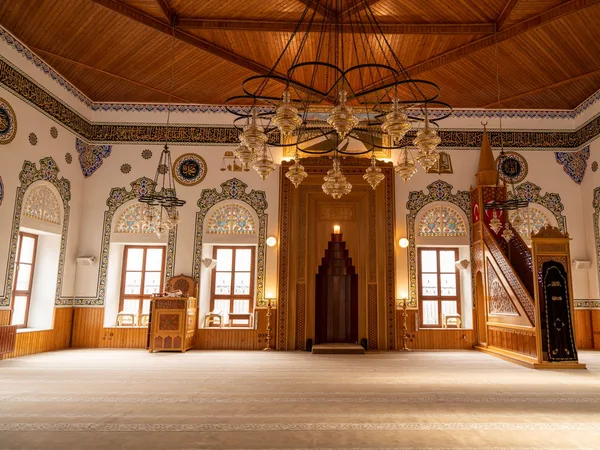
cleaning mihrab walls and floor
-
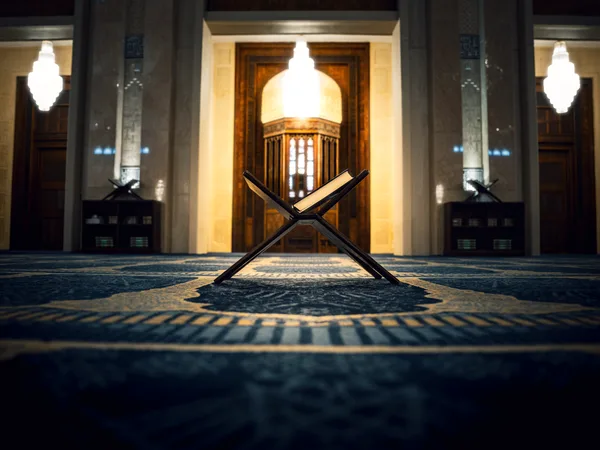
dusting Quran holder shelves
-
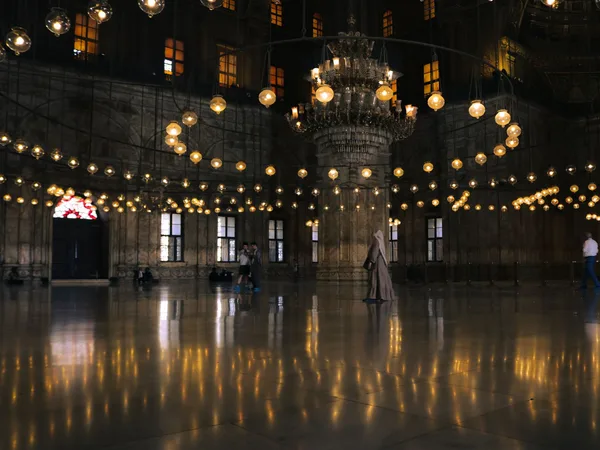
mopping the prayer hall floor
How a visit runs from start to finish
-
Schedule and confirm access
-
Set up at the entrance
-
Work from high surfaces down
-
Check and hand over
What changes about mosque cleaning in Al Balad
Historic mosques in Al Balad accumulate dust and debris faster than modern prayer halls because of the heritage buildings and the active souqs surrounding them. For the whole method, see mosque cleaning in detail.
-
The first reason
Caring for old carpets and sacred surfaces
Heavy carpeting in the courtyard and prayer halls traps dust and sand from the surrounding souqs. Cleaning carefully extracts dirt from deep in the fibres while protecting the old weave and preserving the original colours of heritage pieces.
-
The second reason
Respecting the mihrab, mimbar and Quranic verses
The mihrab collects settled dust and Quranic verses written on walls need protection. Cleaning works with precision around these sacred areas, using methods that preserve inscriptions and historic decoration.
-
The third reason
Daily contact surfaces for worshippers
Stair railings, support columns and walls around the ablution area need frequent cleaning. Focused attention on high-touch surfaces ensures the mosque stays clean and safe for all who pray there.
Al Balad on the map
Al Balad sits about 0.5 km from Al Mazloom and about 0.5 km from Al Sham.
Open in Google MapsWhat the mosque looks like after

Carpets free of embedded dust
The prayer hall carpets have been vacuumed in systematic rows, so surface fibres sit flat and the hall has no lingering foot-traffic odour when the doors open.
Ablution stations clear and dry
Drains have been cleared of soap build-up and the taps wiped down.

Quran shelves and mimbar wiped clean
The Quran holder shelves have been dusted in place without moving the books.
What our customers said
«شغلهم ما شاء الله، أنصح الجميع بالتعامل معهم. عن تجربة وثقة.»
«أفضل شركة تنظيف بالبخار. أسعارهم ممتازة وشغلهم مرة كويس.»
«خدمة ممتازة.»
«ممتازين.»
Some of our work

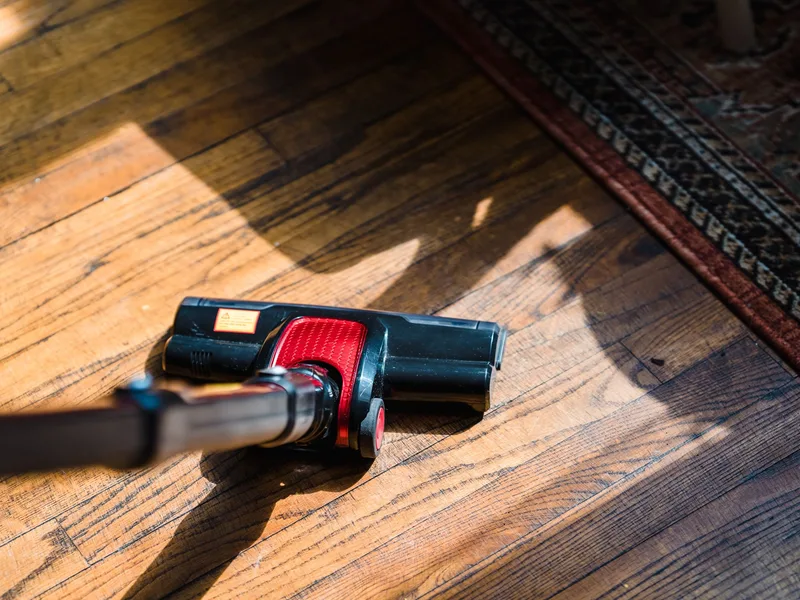


Illustrative photographs. Our own job photographs go here as soon as the client approves them.
Landmarks of Al Balad
In Al Balad's old quarter around Nassif House, Al Shafi'i Mosque and the popular souqs like Souk Al Alawi and Souk Al Badu, mosques stand in the midst of dense urban life. The crew plans access through the souqs and narrow lanes with respect for the place and prayer times.
- Nassif House
- Al Shafi'i Mosque
- Souq Al Alawi
- Souq Al Badu
- Bab Makkah
- Bab Sharif
Nearby districts we cover
Questions worth asking first
Antique carpeting is inspected first to determine the weave and dyes. Cleaning avoids hot water that could damage colours, using safe solutions that preserve the fibres and heritage value.
No, the crew avoids direct scrubbing on verses and decorative work. Cleaning focuses on surface dust around the text and protects the calligraphy from damage.
Deep cleaning depends on the mosque's needs and daily foot traffic. Inspection determines whether the mosque needs quarterly, half-yearly or as-needed deep cleaning.
The crew coordinates with mosque management to schedule work outside prayer times. Cleaning is swift and professional, leaving circulation unimpeded.
Yes, the outer courtyard needs regular cleaning to remove dust and debris. Cleaning covers corridors, open areas and the zones around all entrances.
Routine cleaning covers surfaces and main corridors, while deep cleaning extracts dirt from inside the carpet, corners, the mihrab and areas that regular vacuuming cannot reach.
It is set after we see the job, because the price follows the kind of work, the size of the space, its condition and the time and materials it needs. Send a photo and a short description on WhatsApp and we will give you an estimate before we reach Al Balad.
Duration depends on the floor area of the prayer hall and how many ablution stations need scrubbing.
The management does not need to do any special preparation.
Other services in Al Balad
We also provide these services in Al Balad.