
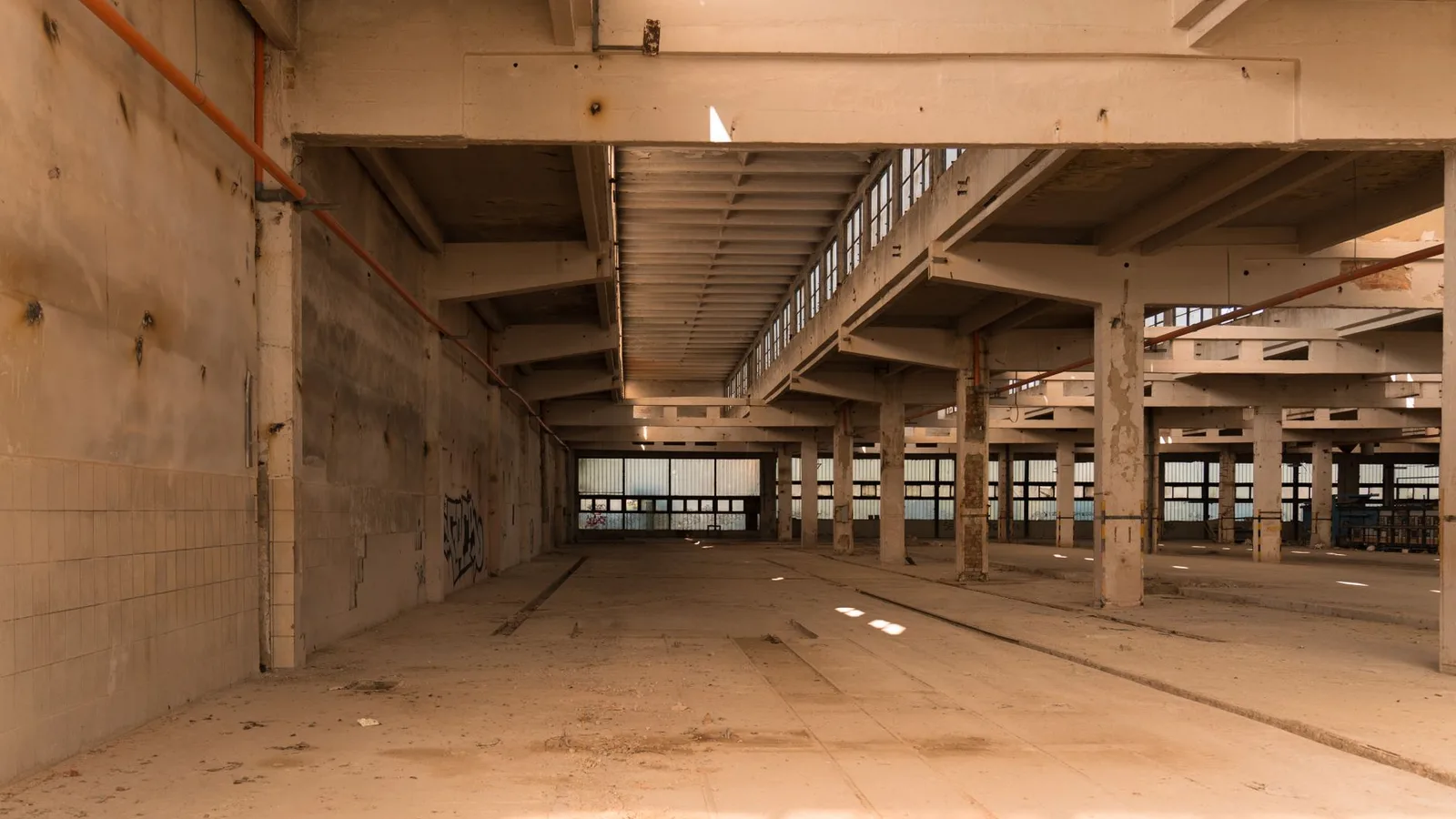
Commercial post-construction cleaning for offices and new facilities
After construction wraps, dust has settled into every duct, grille and surface layer. This service clears construction debris and fine dust from commercial premises in a structured sequence, so the space is genuinely clean before the first staff or customers arrive.
- Staged dust removal process
- Grilles and vents cleared
- Glass and fittings last
- Ready for handover inspection
Why staged cleaning matters after construction
Construction leaves dust in layers: coarse debris first, then fine particulate that settles everywhere long after the builders leave. Skipping a stage means the next one re-soils whatever was just cleaned. Duct runs, AC grilles and upper surfaces collect fine airborne dust faster than floor level, so those areas need attention before the space is declared ready.
-
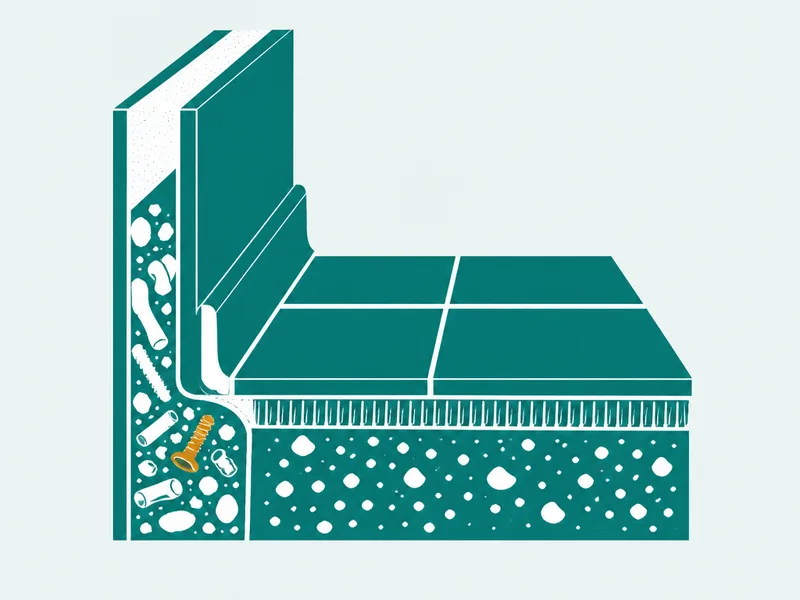
Opening on schedule without rework
Construction dust settles in waves, and a single-pass clean often leaves grilles and upper surfaces visibly dirty within days. A staged approach means each zone stays clean as the job moves forward.
-
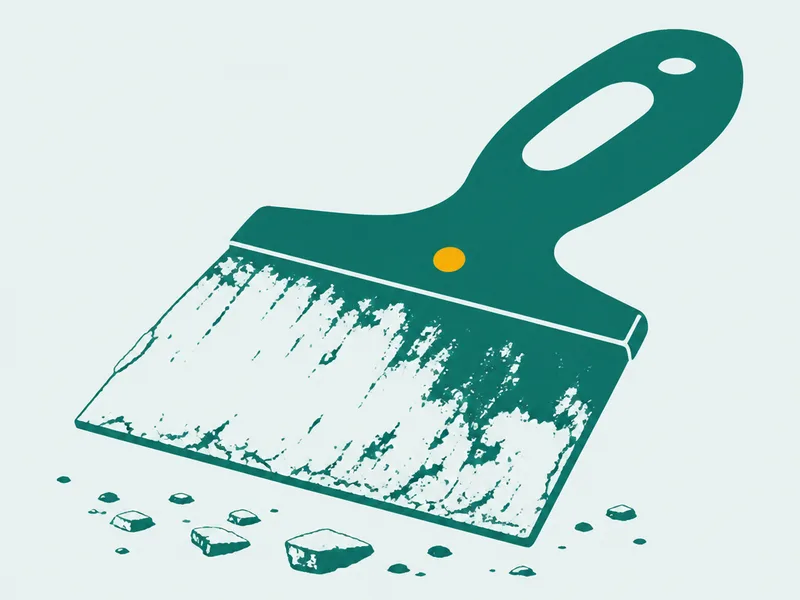
Passing the contractor handover inspection
Handover inspections check the surfaces most sites miss: inside duct grilles, window reveals and floor grout haze. Getting these right on the first walk avoids expensive re-cleans and delayed key handover.
-
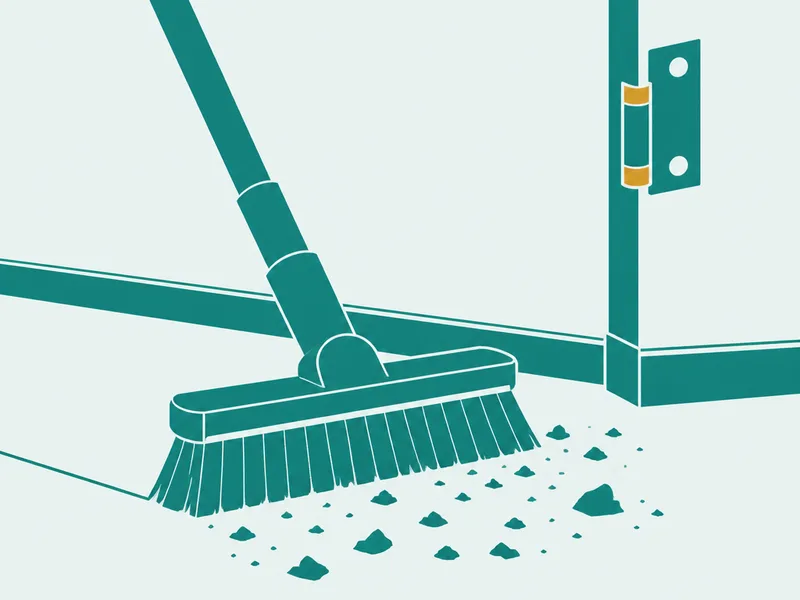
A safe environment from day one
Fine construction dust irritates airways and settles on equipment. Clearing it before staff arrive means HVAC systems are not circulating particles through a new workspace on the first day of occupancy.
-
Protecting new floors and fittings
Concrete residue and grout haze etch into tile and marble if left to cure. Removing them promptly saves the cost of grinding or replacing surfaces that were new when the job ended.
What is included in every job
Each stage is completed in sequence so earlier work is not undone by the one that follows it.
-
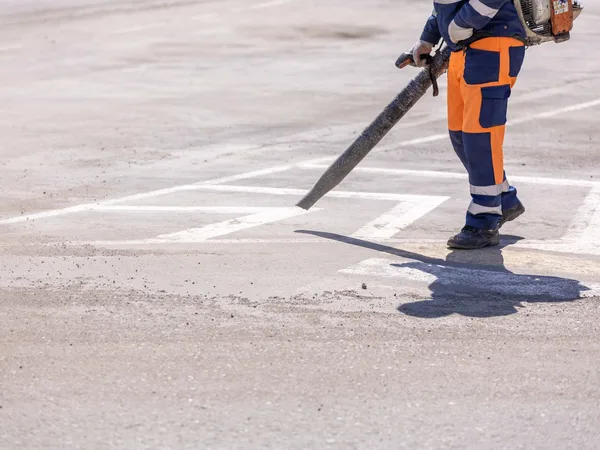
Mapping debris and dust zones
The site is walked before work begins to identify debris concentrations, dust zones and surfaces needing special treatment, so the cleaning sequence is planned rather than improvised.
-
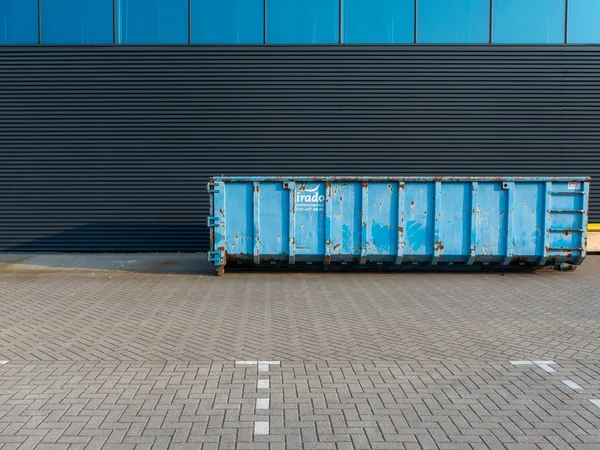
Removing construction waste and packaging
Packaging, off-cuts and loose construction waste are cleared first so subsequent cleaning stages are not blocked or contaminated by coarse material still on the floor.
-
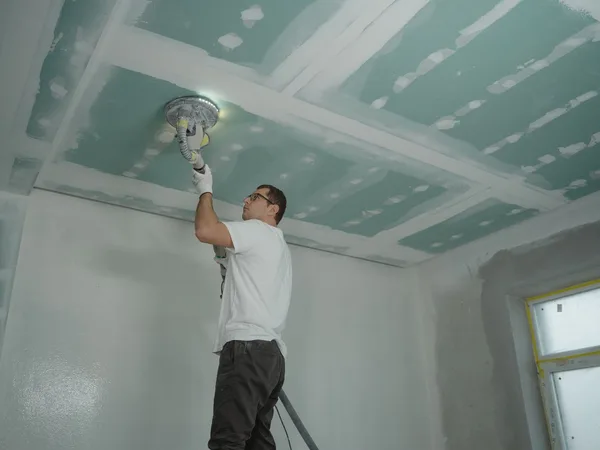
Vacuuming dust from ceilings and walls
Ceilings, walls, AC grilles and ledges are vacuumed top-down so settled dust falls to lower surfaces before those are cleaned in turn.
-
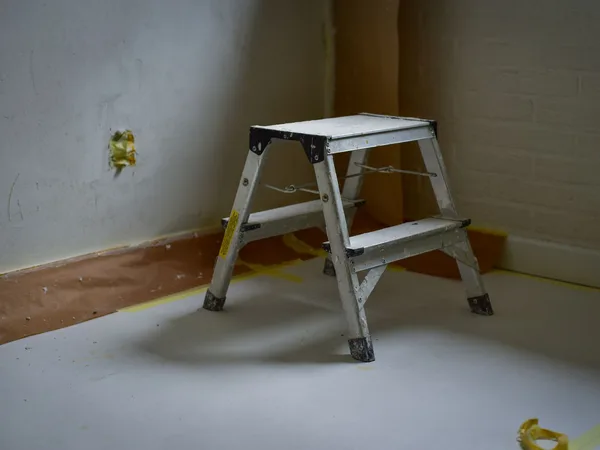
Scraping paint and adhesive off surfaces
Paint drips, silicone residue and adhesive spots are scraped from tiles, frames and skirting boards before the surface is wiped, to avoid smearing the residue further.
-
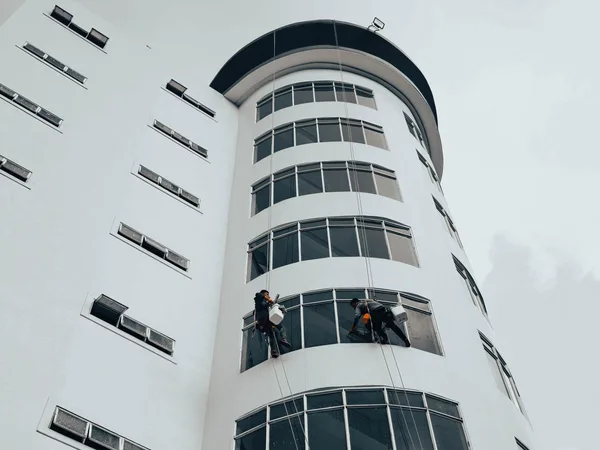
Cleaning film and paint from glass
Glass is cleaned of installation film, paint overspray and concrete splash using appropriate solutions and squeegeed clear, including frames and reveals.
-
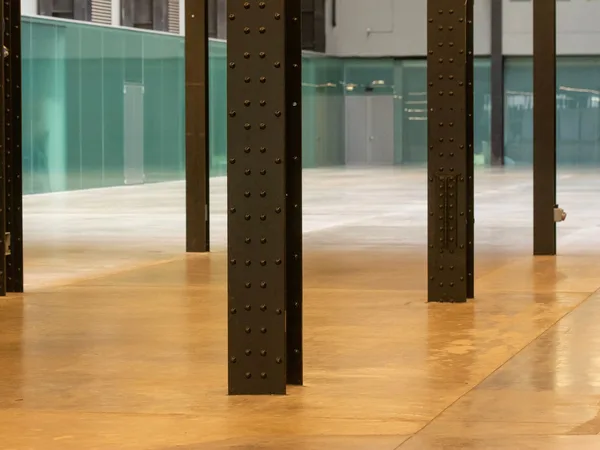
Scrubbing grout haze and concrete off floors
Floors are scrubbed to remove grout haze, concrete residue and adhesive spots down to the grout line on tiled surfaces, then rinsed clear.
-
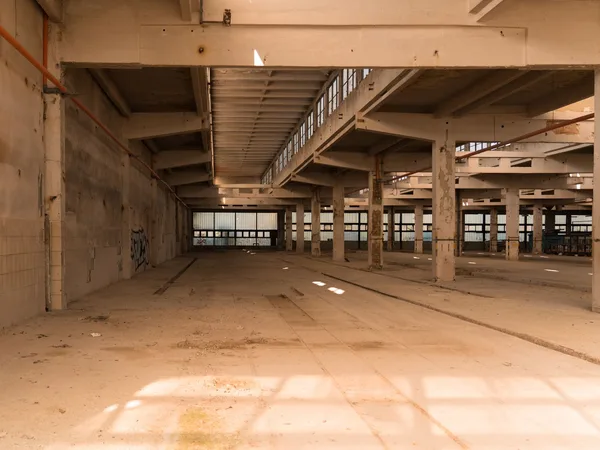
Wiping dust from fixtures and vents
Light fittings, switch plates, door furniture and ventilation grilles are wiped of construction dust so fittings are clean rather than just visually installed.
-
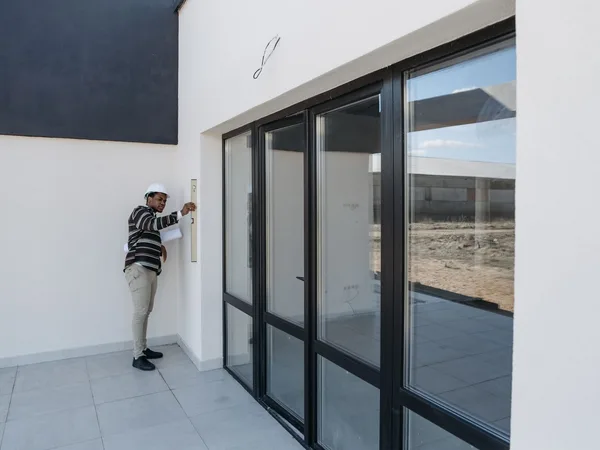
Walking site to check finished areas
The completed site is walked area by area against the original survey, and any spots that have resoiled during work are attended to before sign-off.
How the job runs from survey to sign-off
Work follows a fixed sequence so no stage undoes the one before it.
-
Site survey and planning
The space is assessed before any cleaning begins. Debris concentrations, vulnerable surfaces and access constraints are noted so the crew works in the right order from the outset.
-
Coarse debris and waste removal
Loose materials, packaging and construction off-cuts are removed first. This clears the site so vacuuming and scrubbing stages can operate without generating secondary contamination from material still on the floor.
-
Staged dust and residue removal
Vacuuming runs top-down from ceilings to floors, then residues on glass, fittings and surfaces are addressed. Each stage waits for the previous one to finish so settled dust is not disturbed twice.
-
Final walk and sign-off
A complete site walk compares the finished result against the pre-clean survey. Any areas that have resoiled during work are attended to before the job is handed over.
What the site looks like at handover
Three things are observable once the cleaning is complete and the site is signed off.
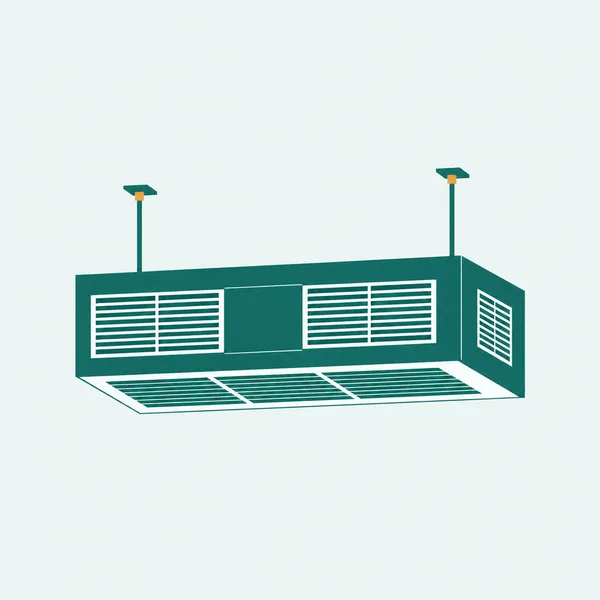
Dust-free ducts and upper surfaces
AC grilles, duct registers and ceiling fixtures are wiped clear of construction dust. Fine particles that would otherwise circulate through the ventilation system have been removed at the source.

Clean glass and clear fittings
Windows are free of paint film and installation residue. Switches, handles and fixtures have been wiped rather than vacuum-dusted, leaving no smear or powder on the surface.
Floors ready for final inspection
Grout haze and concrete overspray have been scrubbed from tile, stone and hard floors. The surface is clean down to the grout line, not just swept.
What our customers said
«شغلهم ما شاء الله، أنصح الجميع بالتعامل معهم. عن تجربة وثقة.»
«أفضل شركة تنظيف بالبخار. أسعارهم ممتازة وشغلهم مرة كويس.»
«خدمة ممتازة.»
«ممتازين.»
Districts we cover
This service is available across the city and surrounding districts, with scheduling matched to contractor handover timelines and fit-out programmes.
The district pages for this service are being prepared and will appear here when they are published.
Questions worth asking first
Duration depends on the size of the space and how many trades have been through it. A retail unit with extensive tiling and glazing takes longer than a plain office shell of the same area, because adhesive and paint residue multiply the number of surfaces needing individual treatment.
Ideally, yes. Working around active trades means dust is still being generated while we remove it, which extends the job and leaves areas re-soiled before they are finished. We can discuss a phased handover schedule if the contractor programme does not allow a full site clearance.
Loose waste and packaging are collected and removed from site as the first stage of the clean. Large or specialist waste, such as hazardous materials or heavy structural debris, falls outside scope and should be cleared by the contractor before the cleaning crew arrives.
Products are matched to the surface: stone floors, fresh paintwork and powder-coated fittings each require different chemistry. Using a general-purpose detergent on the wrong material is one of the most common causes of post-construction surface damage, so surface-specific treatment is standard practice.
AC grilles and visible duct registers are cleaned as part of the fixture and vent stage. Full internal duct cleaning and air-handling unit servicing are separate specialisms and would need to be scoped separately if the building's HVAC system requires it.
Fine airborne dust continues to settle for days after construction ends, particularly around AC diffusers and upper surfaces. A light secondary wipe of grilles and horizontal surfaces a week after the main clean makes a noticeable difference, especially in conditions where ambient dust is high.
Other services you may need
Ready to book the post-construction clean?
Send us the site details and handover date and we will confirm availability and scope before the job begins.
Cleaning and disinfection guidance: Saudi Ministry of Health.