Mosque cleaning in Al Mahamid, Jeddah
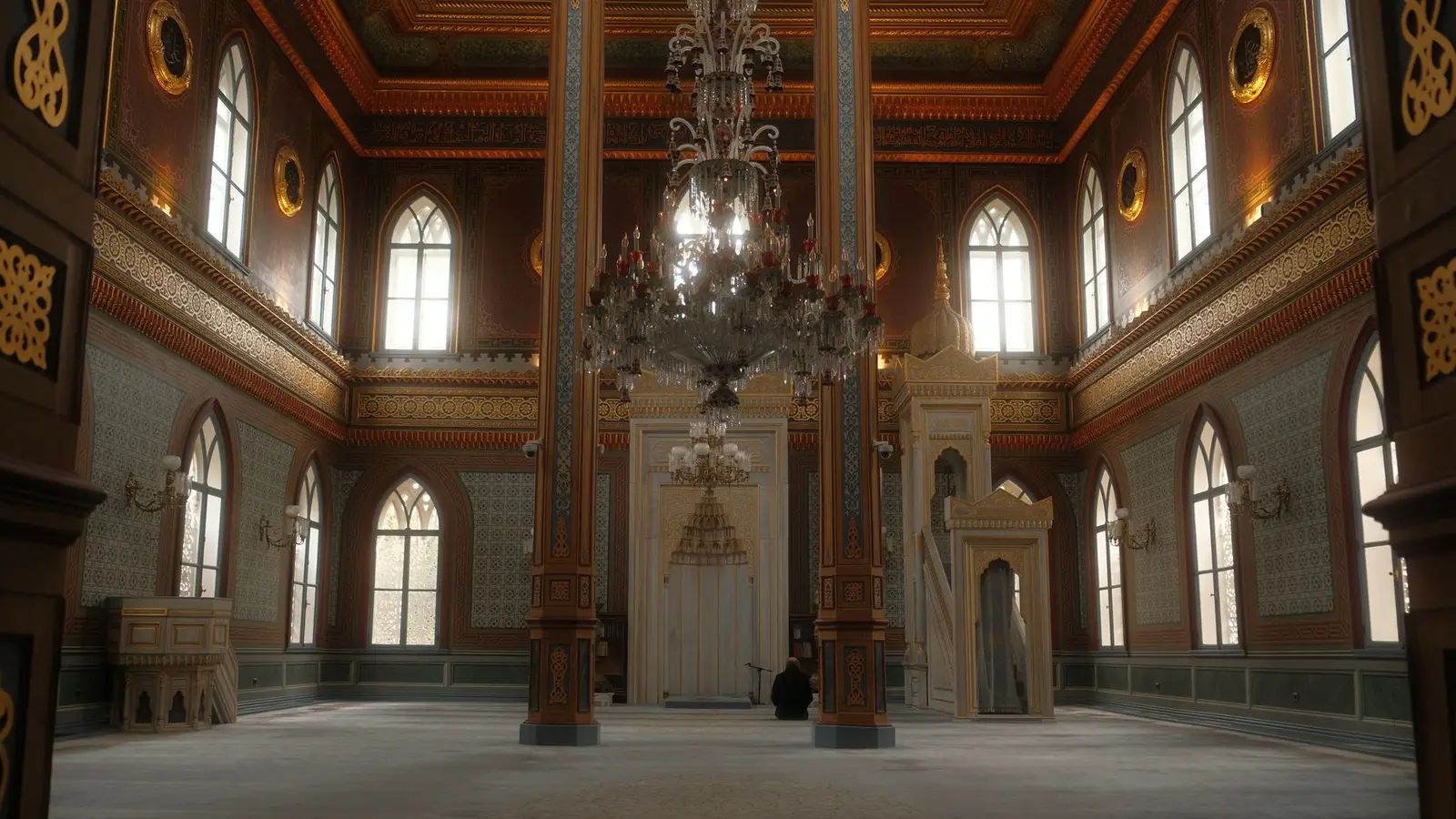
Al Mahamid is an old eastern district with unpaved streets and aging drainage, and its mosques serve dense populations of workers and local families. Soil and cement floors absorb dust deep, and old drain moisture leaves salt stains on walls and pillars. Cleaning reaches every surface worshippers touch and removes accumulated quarry dust and street grit.
- Full prayer hall coverage
- Careful handling of fittings
- Works around prayer times
- No rearrangement left behind
Why regular cleaning matters in a mosque
The old district's unpaved streets and earth floors raise dust levels in the mosque, and worshippers enter wearing muddy shoes during humid and rainy seasons.
-
High foot traffic demands frequency
Dust from unpaved streets enters the mosque with every prayer, and cement and earth floors retain it in cracks and corners.
-
Wudu stations need specialist attention
Old drainage and high groundwater raise humidity and leave salt stains on walls, pillars and the mihrab.
-
Religious fittings require respectful handling
The minbar, mihrab and prayer carpets need special care because moisture and salt affect wood, paint and fabric.
-
Scheduling around prayer times
Regular cleaning and good ventilation reduce the effects of humidity and dust and preserve the mosque's condition.
What every visit includes
-
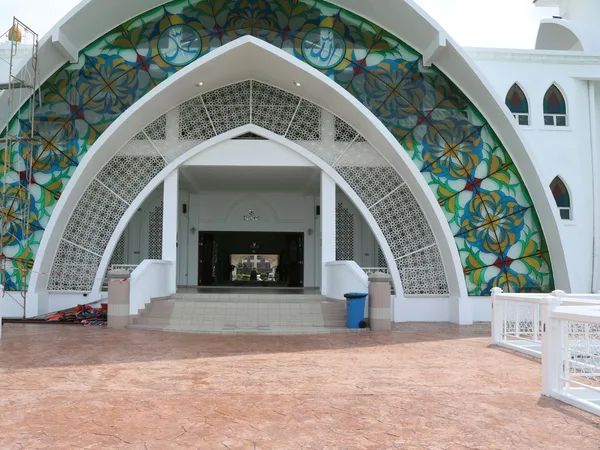
staging equipment at entrance
-
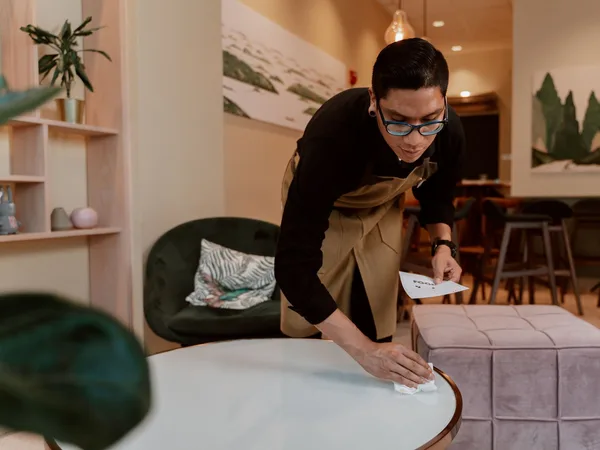
wiping down shoe storage racks
-
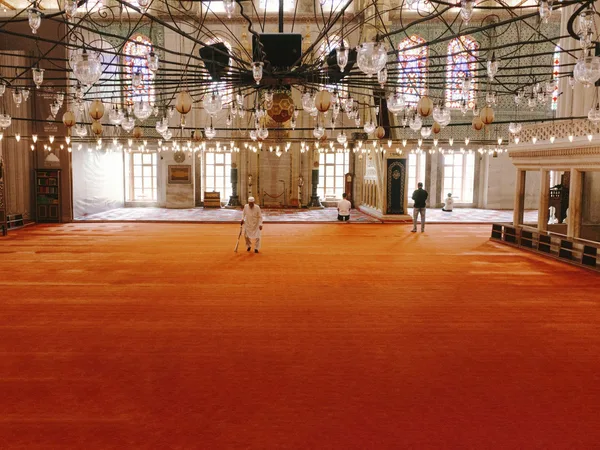
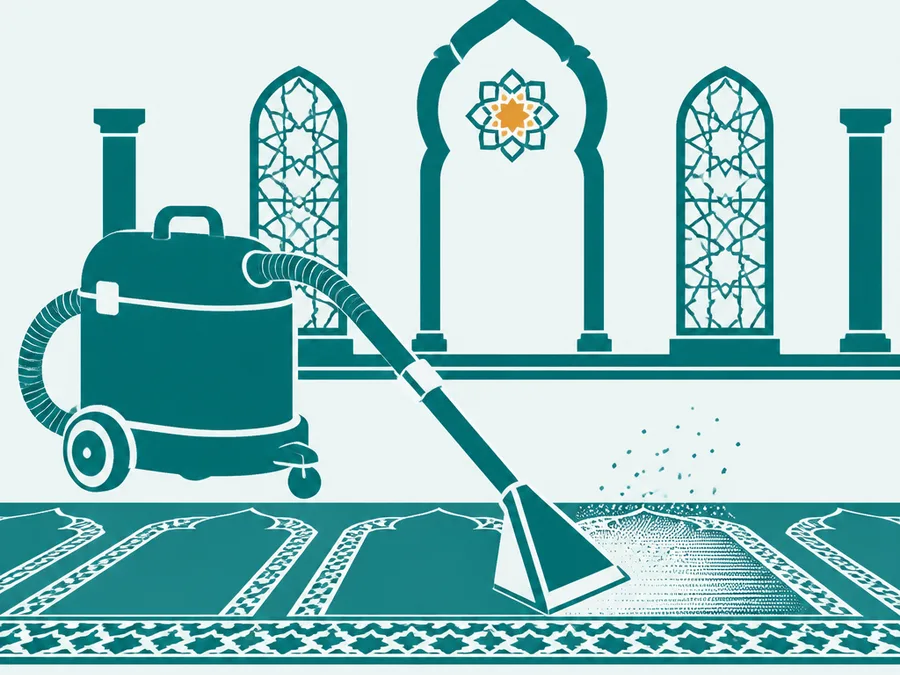
vacuuming the prayer hall carpets
-
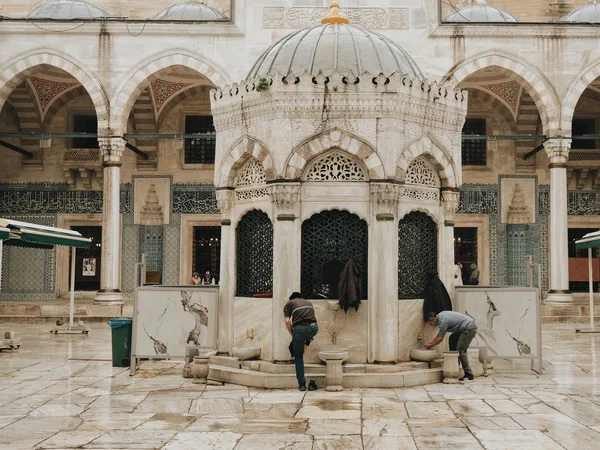
scrubbing ablution stations and drains
-
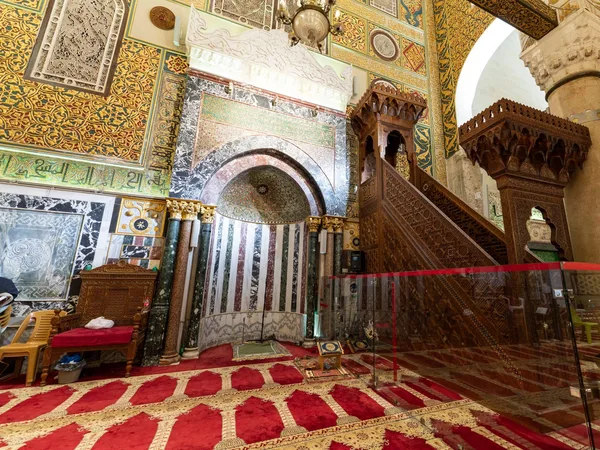
wiping the mimbar and railings
-
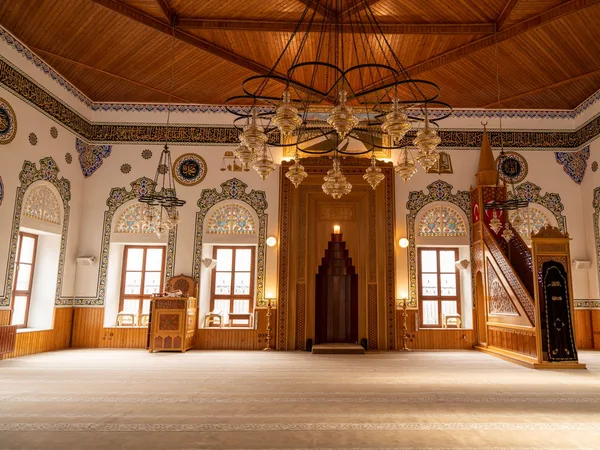
cleaning mihrab walls and floor
-
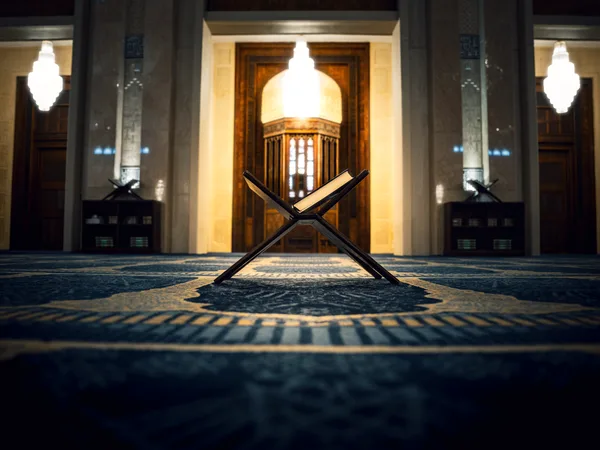
dusting Quran holder shelves
-
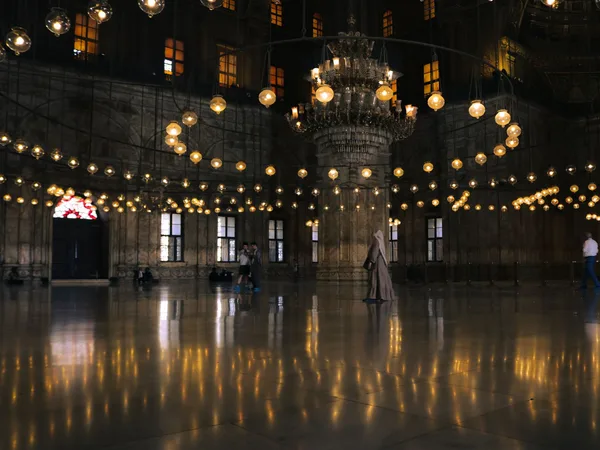
mopping the prayer hall floor
How a visit runs from start to finish
-
Schedule and confirm access
-
Set up at the entrance
-
Work from high surfaces down
-
Check and hand over
What changes about mosque cleaning in Al Mahamid
Mosques in Al Mahamid need more frequent cleaning because the streets are unpaved and groundwater levels are high. For the whole method, see our mosque cleaning service.
-
The first reason
Dust accumulates rapidly from unpaved streets
Unpaved roads send thick dust particles into the mosque with every step. Cement and earth floors hold dust deep in cracks despite daily sweeping. Deep cleaning extracts dust from surface depths and keeps the mosque clean for longer.
-
The second reason
Salt and moisture leave stains on walls
Old drainage and high groundwater raise humidity in mosque walls. Salt crystallises on pillars and corners where worshippers touch the walls. Cleaning removes stains and salt deposits while protecting concrete integrity.
-
The third reason
Minbars and mihrabs need special care in this climate
Wood and paint in the minbar require protection from moisture and salt deposits. Initial inspection determines the material type and safe cleaning method that preserves paint and carved details.
The character of Al Mahamid
Mixed district: shops at street level with homes above them
Al Mahamid is a densely populated popular district serving workers and local families, and the mosque witnesses high footfall especially during prayer times and is an important community hub in the area.
What the mosque looks like after

Carpets free of embedded dust
The prayer hall carpets have been vacuumed in systematic rows, so surface fibres sit flat and the hall has no lingering foot-traffic odour when the doors open.
Ablution stations clear and dry
Drains have been cleared of soap build-up and the taps wiped down.

Quran shelves and mimbar wiped clean
The Quran holder shelves have been dusted in place without moving the books.
What our customers said
«شغلهم ما شاء الله، أنصح الجميع بالتعامل معهم. عن تجربة وثقة.»
«أفضل شركة تنظيف بالبخار. أسعارهم ممتازة وشغلهم مرة كويس.»
«خدمة ممتازة.»
«ممتازين.»
Some of our work

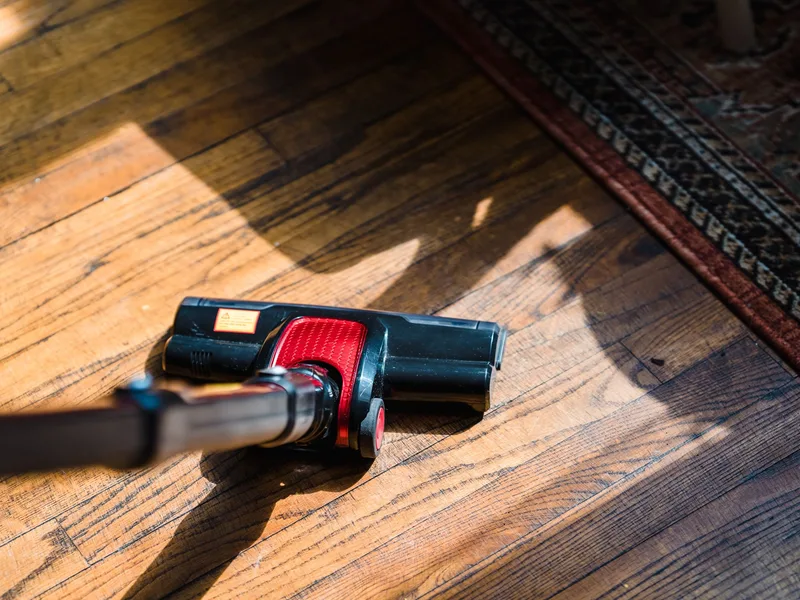
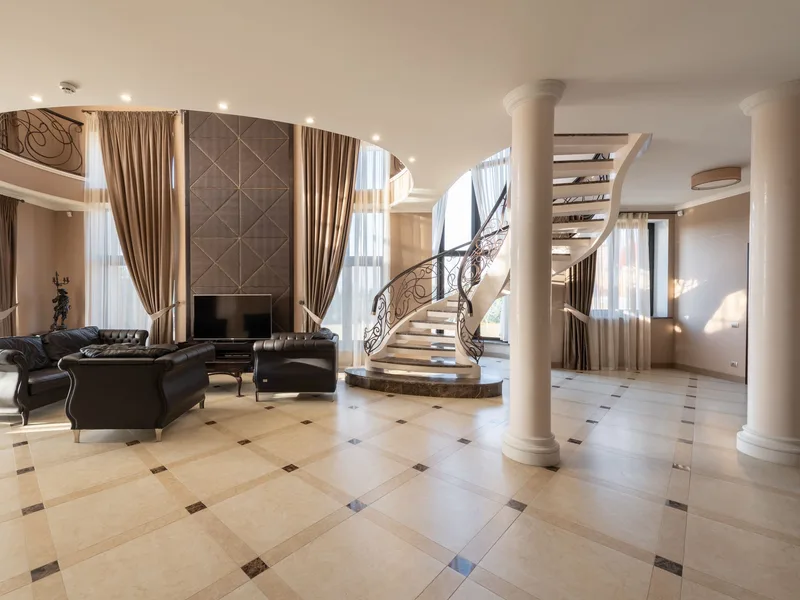


Illustrative photographs. Our own job photographs go here as soon as the client approves them.
What is different about East Jeddah
East Jeddah sits against the foothills, beyond the Haramain expressway and the ring roads, and it is where the city meets the desert edge. Apartment districts such as Al Safa and Al Naseem give way to villa areas and to new schemes still being graded out of bare ground. Dust here is the main story: fine desert sand on the spring and autumn winds, and grit from plots under construction. Some districts lie on the wadi lines that drain the hills, so a winter storm leaves mud on the streets that dries to powder.
Nearby districts we cover
Questions worth asking first
Dust from earth streets accumulates faster than in paved districts. Regular and repeated cleaning keeps the mosque clean and reduces salt and moisture buildup.
Yes, old drainage and high groundwater raise humidity and leave salt stains on walls and pillars. Specialised cleaning removes stains and protects the building from long-term damage.
Yes, the crew inspects the material first, then chooses the safe method. Wood, paint and carved details remain intact with specialist cleaning.
Door curtains and mats at entry points reduce dust ingress. Regular cleaning of carpets and floors removes accumulated grit quickly.
Salt does not cause permanent damage but weakens concrete over time. Cleaning and drying removes stains and reduces the impact.
Daily sweeping and good ventilation reduce dust accumulation. Regular cleaning every few weeks keeps the mosque clean and safe for worshippers.
It is set after we see the job, because the price follows the kind of work, the size of the space, its condition and the time and materials it needs. Send a photo and a short description on WhatsApp and we will give you an estimate before we reach Al Mahamid.
Duration depends on the floor area of the prayer hall and how many ablution stations need scrubbing.
The management does not need to do any special preparation.
Other services in Al Mahamid
We also provide these services in Al Mahamid.