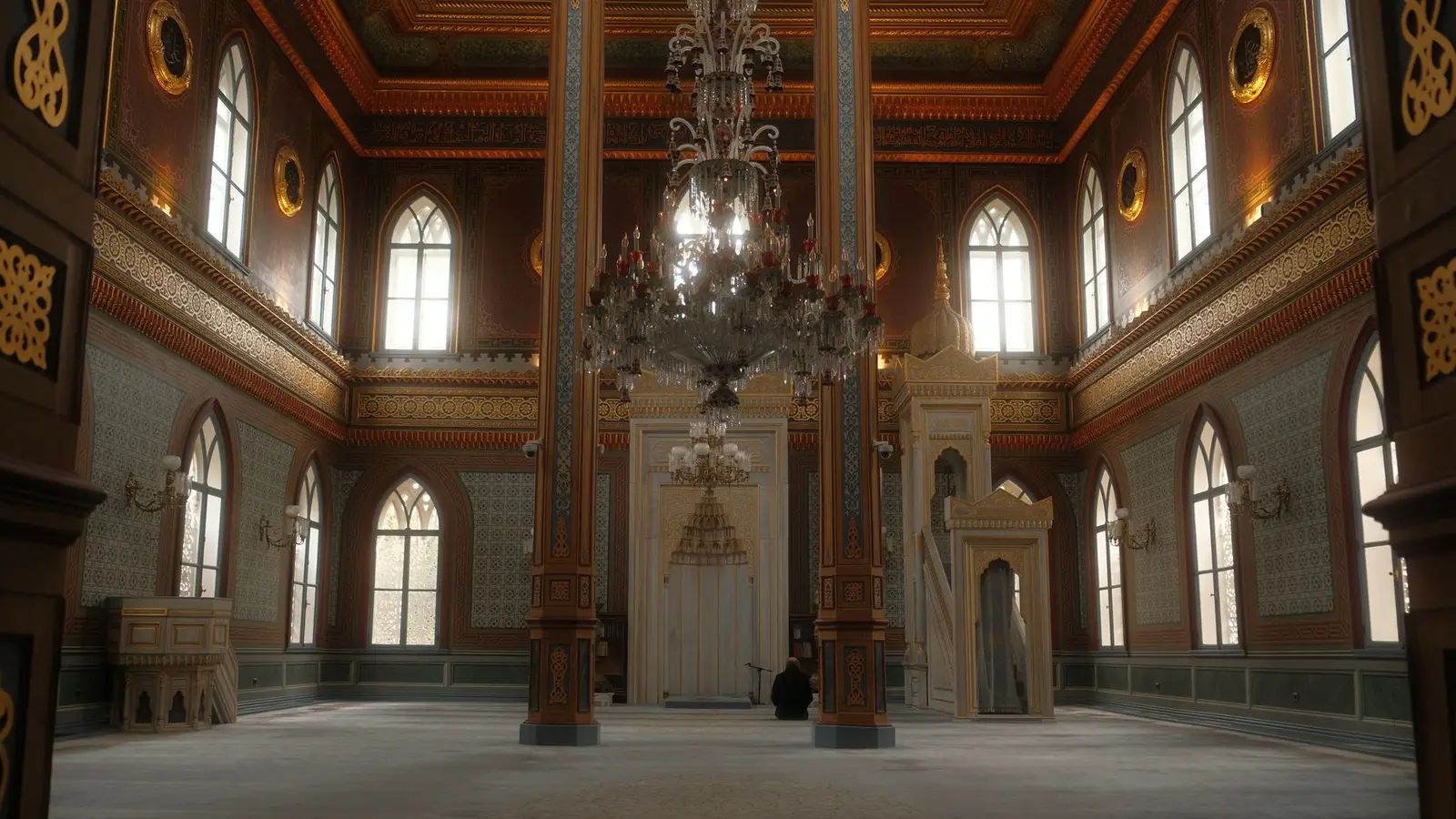
Mosque cleaning in Prince Fawaz South, Jeddah
Prince Fawaz South is a densely built residential extension in south Jeddah near the Jeddah-Mecca Expressway and Haramain Road. Buildings and villas sit close together on relatively narrow streets, and the mosque receives many worshippers from local residents and workers. Dust from busy roads, heavy traffic and intense residential activity settles on every surface. Cleaning removes dust and dirt from floors, mihrabs and minbars, and extracts pollutants that have accumulated in carpets and corners.
- Full prayer hall coverage
- Careful handling of fittings
- Works around prayer times
- No rearrangement left behind
Why regular cleaning matters in a mosque
A densely residential area with close-packed buildings and heavy traffic flow. The mosque serves a large number of residents and workers. The location near expressways increases dust and pollutant levels.
-
High foot traffic demands frequency
The location near the Jeddah-Mecca Expressway and Haramain Road brings high levels of dust and pollutants from heavy traffic and intense residential activity.
-
Wudu stations need specialist attention
Floors, carpets and corners soil quickly due to the high number of worshippers and constant activity in the quarter.
-
Religious fittings require respectful handling
Mihrabs and minbars need careful cleaning to remove thick layers of dust and dirt, while preserving the space's respect and material integrity.
-
Scheduling around prayer times
Deep cleaning of floors, carpets and corners removes trapped pollutants and moisture, keeping the mosque clean and pure for all worshippers.
What every visit includes
-
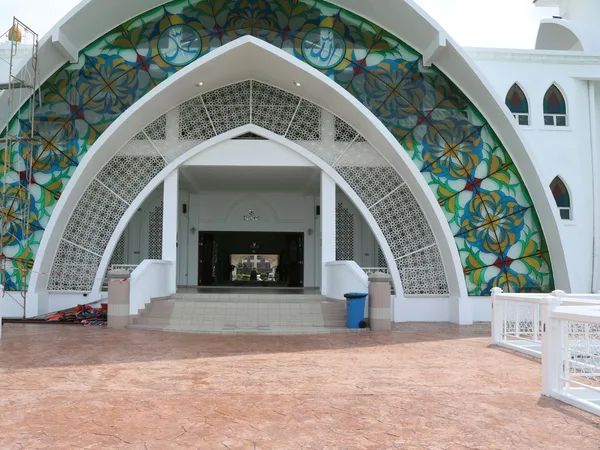
staging equipment at entrance
-
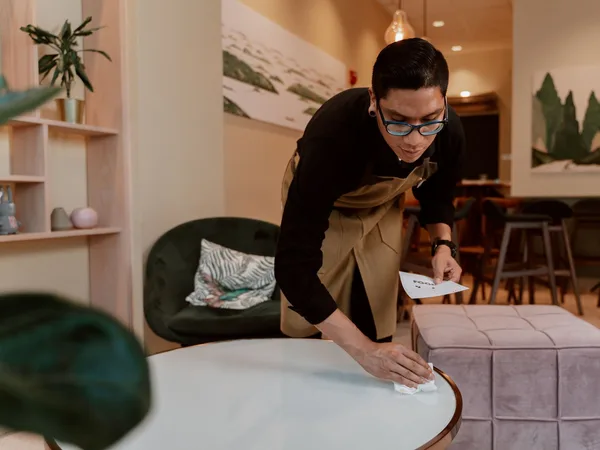
wiping down shoe storage racks
-
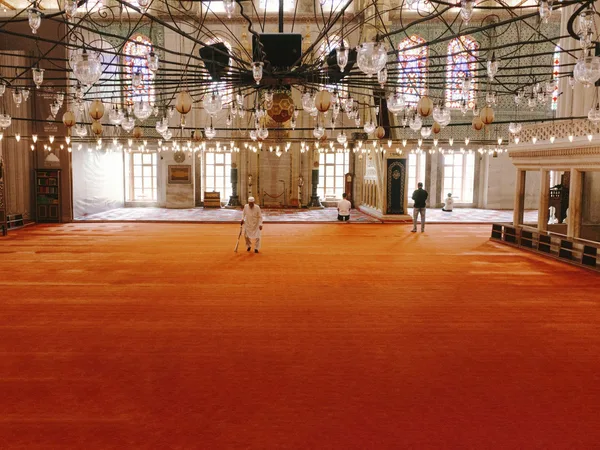
vacuuming the prayer hall carpets
-
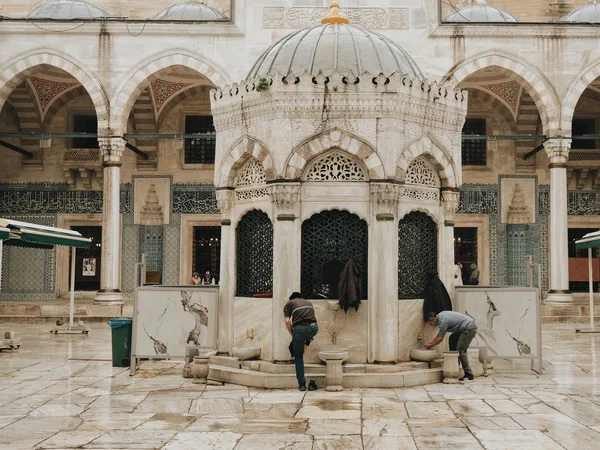
scrubbing ablution stations and drains
-
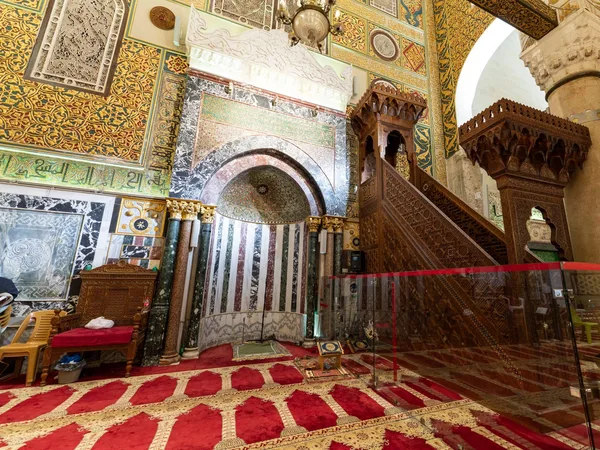
wiping the mimbar and railings
-
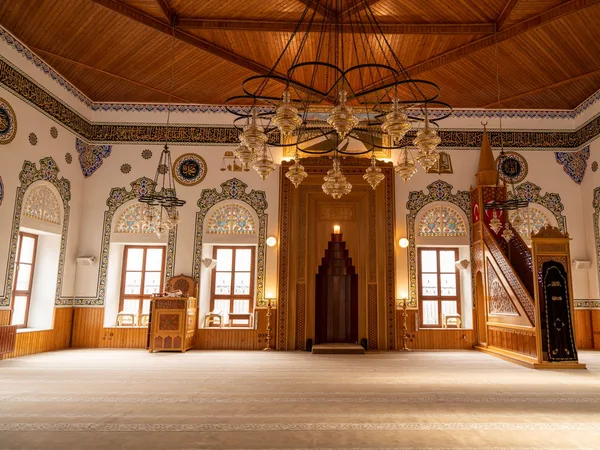
cleaning mihrab walls and floor
-
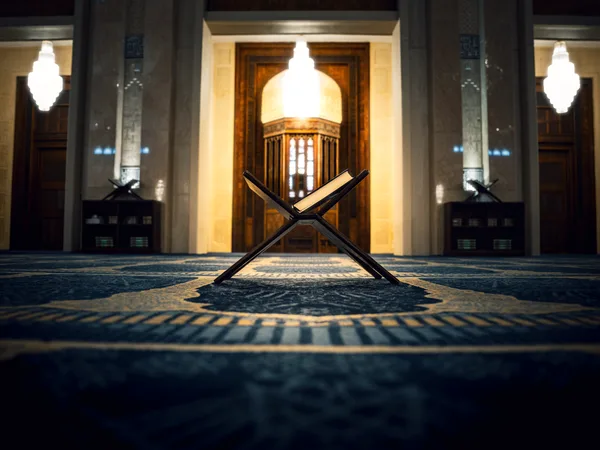
dusting Quran holder shelves
-
mopping the prayer hall floor
How a visit runs from start to finish
-
Schedule and confirm access
-
Set up at the entrance
-
Work from high surfaces down
-
Check and hand over
What changes about mosque cleaning in Prince Fawaz South
Mosques in densely packed quarters like Prince Fawaz South receive a continuous flow of worshippers, meaning floors and prayer areas soil much faster than those in lightly populated districts. For the whole method, see what mosque cleaning involves.
-
The first reason
Dust from the expressway fills the mosque
The Jeddah-Mecca Expressway and Haramain Road are very close, and heavy traffic raises thick dust clouds. The mosque's nearby location receives this dust easily on every surface and corner.
-
The second reason
Floors need frequent cleaning due to high usage
Large numbers of worshippers and intense residential activity cause rapid soiling of floors and carpets. Deep cleaning removes dirt embedded in the fibres.
-
The third reason
Mihrabs and minbars need careful attention
Mihrabs and minbars accumulate thick layers of dust and grime. Cleaning removes these layers gently while preserving materials and decorative details.
Prince Fawaz South on the map
Prince Fawaz South sits about 1 km from Prince Fawaz North and about 1 km from Al Shifa.
Open in Google MapsWhat the mosque looks like after
Carpets free of embedded dust
The prayer hall carpets have been vacuumed in systematic rows, so surface fibres sit flat and the hall has no lingering foot-traffic odour when the doors open.
Ablution stations clear and dry
Drains have been cleared of soap build-up and the taps wiped down.

Quran shelves and mimbar wiped clean
The Quran holder shelves have been dusted in place without moving the books.
What our customers said
«شغلهم ما شاء الله، أنصح الجميع بالتعامل معهم. عن تجربة وثقة.»
«أفضل شركة تنظيف بالبخار. أسعارهم ممتازة وشغلهم مرة كويس.»
«خدمة ممتازة.»
«ممتازين.»
Some of our work


Illustrative photographs. Our own job photographs go here as soon as the client approves them.
What is different about South Jeddah
South Jeddah is the working end of the city: the Islamic Port, the industrial city with its warehouses and workshops, and behind them older low rise districts such as Ghulail and Al Khumrah. The roads are built for lorries, and port and factory traffic runs through the night, so the dust that settles here is grey with diesel and metal filings rather than pale sand. Buildings are mostly older concrete with flat roofs and open stairwells that collect it. Sea humidity keeps it damp, and in summer it sets hard on ledges and cladding.
Nearby districts we cover
Questions worth asking first
Yes, high population density and heavy traffic increase dust and dirt accumulation. Cleaning repeats more often and goes deeper in dense areas.
Cleaning uses advanced methods to extract dust from the air and surfaces. Mihrab and minbar cleaning removes thick layers of pollutants.
Yes, each floor type needs a suitable cleaning method. The crew inspects the floor and chooses the safe and effective approach.
Carpets in dense quarters soil quickly. Deep cleaning extracts dirt and moisture from inside the fibres on a regular schedule.
Yes, cleaning can be scheduled at suitable times away from the five daily prayers.
Heavy usage requires thorough cleaning more frequently than lightly used mosques.
It is set after we see the job, because the price follows the kind of work, the size of the space, its condition and the time and materials it needs. Send a photo and a short description on WhatsApp and we will give you an estimate before we reach Prince Fawaz South.
Duration depends on the floor area of the prayer hall and how many ablution stations need scrubbing.
The management does not need to do any special preparation.
Other services in Prince Fawaz South
We also provide these services in Prince Fawaz South.