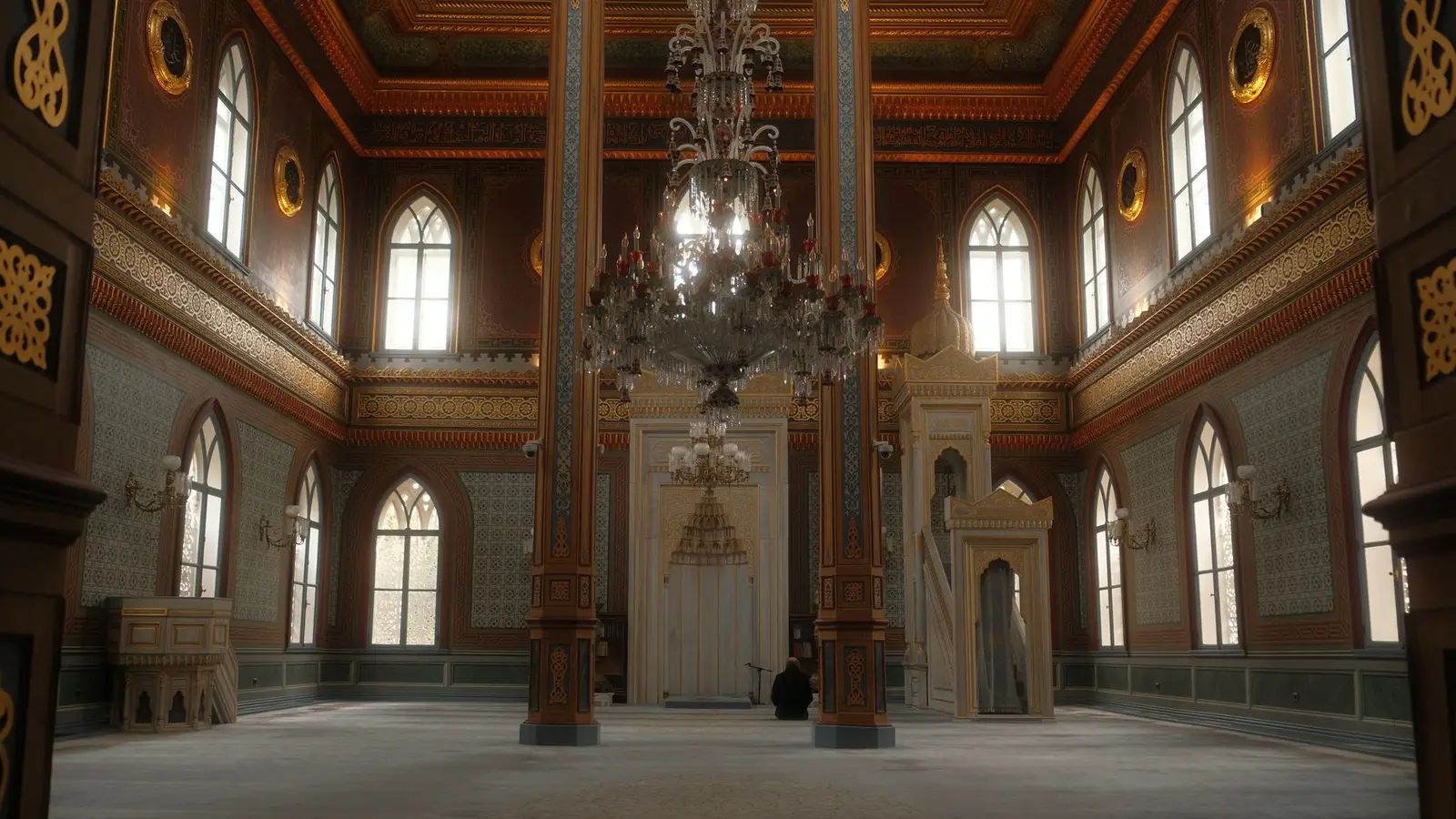
Mosque cleaning in Al Ammariyah, Jeddah
Al Ammariyah is an older residential district in central Jeddah where apartment buildings line narrow streets, and the neighbourhood mosques see constant daily footfall from worshippers. Dust from street level travels on clothes and shoes, and humidity trapped between tall buildings fixes soil onto carpets and around the mihrab. Deep cleaning reaches into carpet pile and into older corners around pillars and the pulpit where dust settles thick.
- Full prayer hall coverage
- Careful handling of fittings
- Works around prayer times
- No rearrangement left behind
Why regular cleaning matters in a mosque
Neighbourhood mosques in Al Ammariyah serve the older surrounding districts, and older apartment buildings crowd them on all sides, which accelerates dust and moisture buildup.
-
High foot traffic demands frequency
Dust from narrow streets and crowded apartment buildings accumulates quickly on carpets and in the folds of the mihrab.
-
Wudu stations need specialist attention
Worshippers arrive from different parts of the city and carry street soil on their clothes and shoes, increasing the load on floor coverings.
-
Religious fittings require respectful handling
High humidity trapped between tall buildings fixes soils in place and speeds bacterial growth in carpets and fabric.
-
Scheduling around prayer times
An older mosque needs special care because carpets, walls and the mihrab are made from delicate materials that require safe cleaning solutions.
What every visit includes
-
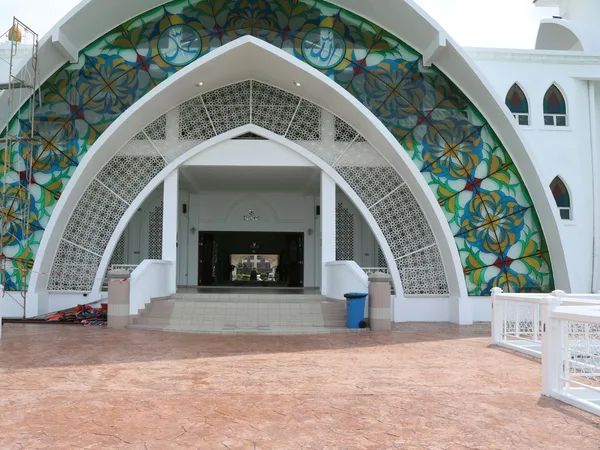
staging equipment at entrance
-
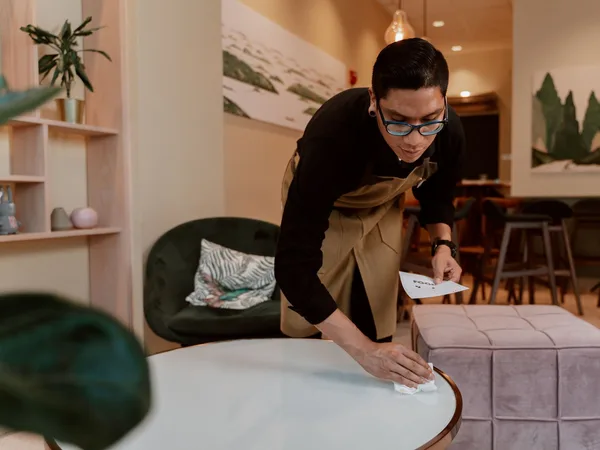
wiping down shoe storage racks
-
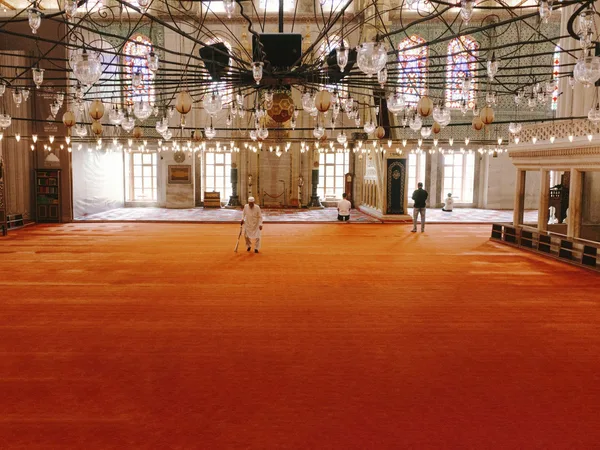
vacuuming the prayer hall carpets
-
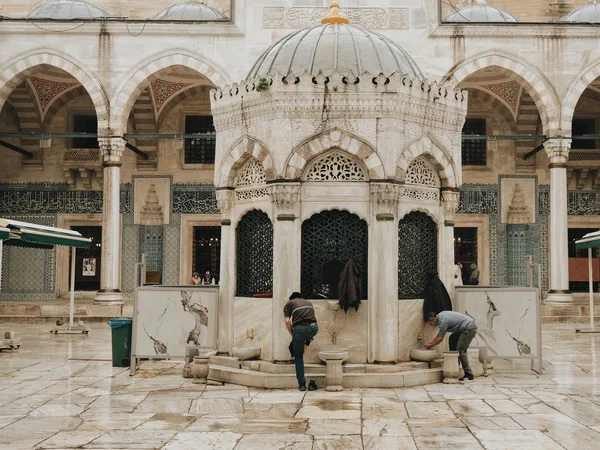
scrubbing ablution stations and drains
-
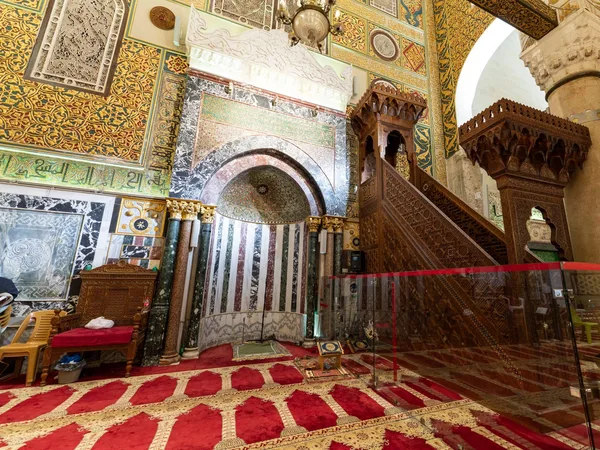
wiping the mimbar and railings
-
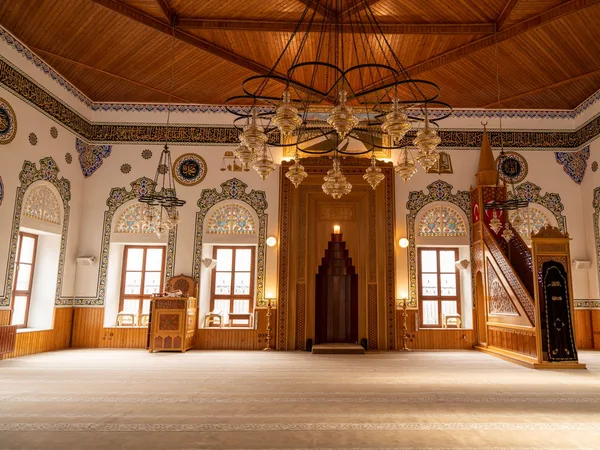
cleaning mihrab walls and floor
-
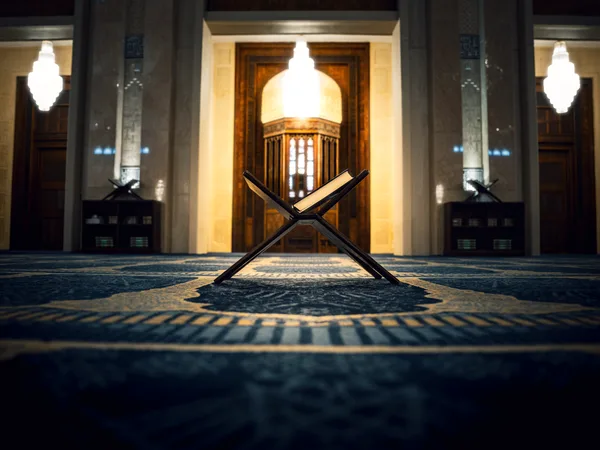
dusting Quran holder shelves
-
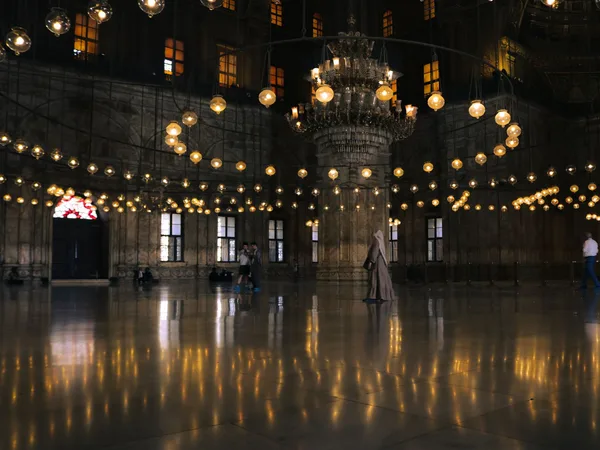
mopping the prayer hall floor
How a visit runs from start to finish
-
Schedule and confirm access
-
Set up at the entrance
-
Work from high surfaces down
-
Check and hand over
What changes about mosque cleaning in Al Ammariyah
Carpets in older Al Ammariyah mosques soil quickly from heavy foot traffic and airborne dust trapped between the buildings in the narrow grid. For the whole method, see the full mosque cleaning page.
-
The first reason
Dust embeds deep in carpet weave
Narrow streets and tall adjacent buildings trap air and prevent good circulation, and dust settles far into carpet fibres where routine sweeping cannot reach it. Deep cleaning extracts accumulated grit and soils that sit below the surface.
-
The second reason
The mihrab and pulpit need reverent care
These sacred spaces receive constant hand contact from worshippers, and grime collects on surfaces and in corners. Cleaning removes soils while respecting the sanctity of the place and the sensitivity of the materials.
-
The third reason
Corners and pillars hide dust and moisture
In older mosques, pillars and corners around the mihrab trap dust and damp. Specialist cleaning reaches these areas with precision and leaves no trace of the work.
Al Ammariyah on the map
Al Ammariyah sits about 0.5 km from Al Bahr and about 0.5 km from Al Mazloom.
Open in Google MapsWhat the mosque looks like after
Carpets free of embedded dust
The prayer hall carpets have been vacuumed in systematic rows, so surface fibres sit flat and the hall has no lingering foot-traffic odour when the doors open.
Ablution stations clear and dry
Drains have been cleared of soap build-up and the taps wiped down.

Quran shelves and mimbar wiped clean
The Quran holder shelves have been dusted in place without moving the books.
What our customers said
«شغلهم ما شاء الله، أنصح الجميع بالتعامل معهم. عن تجربة وثقة.»
«أفضل شركة تنظيف بالبخار. أسعارهم ممتازة وشغلهم مرة كويس.»
«خدمة ممتازة.»
«ممتازين.»
Some of our work
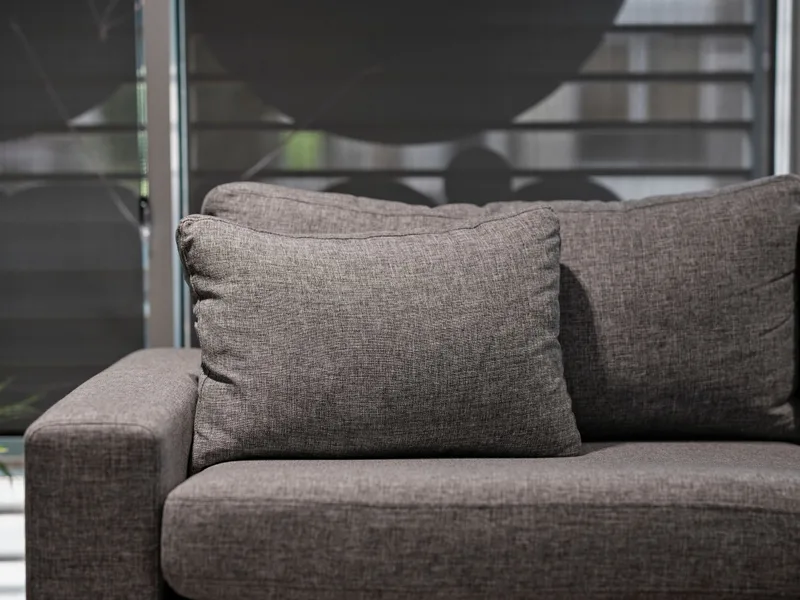
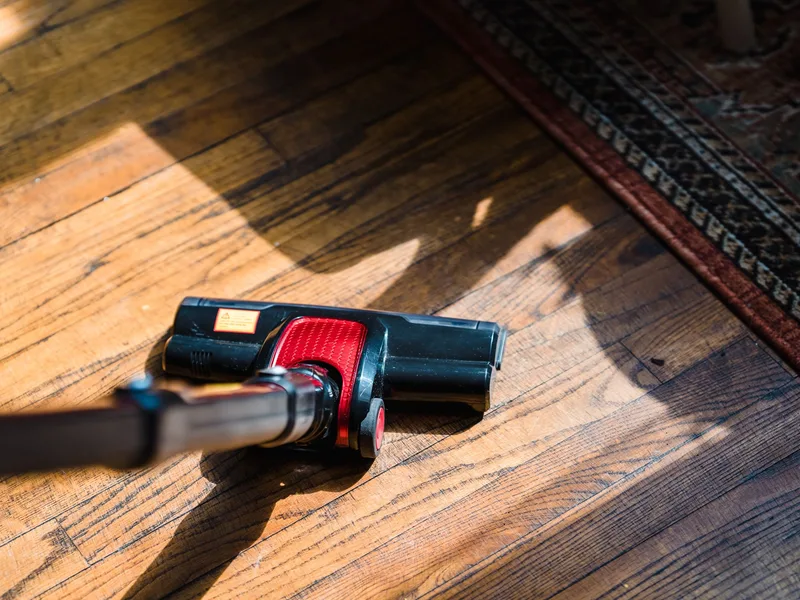
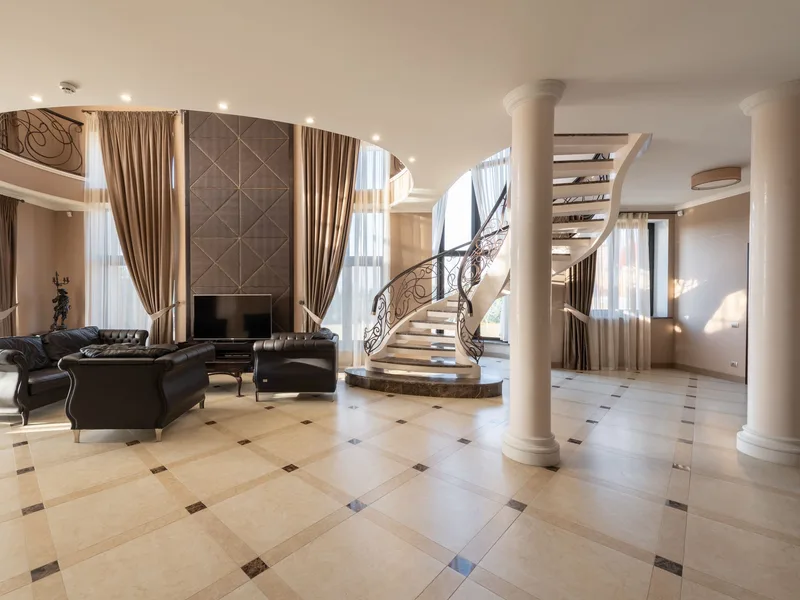
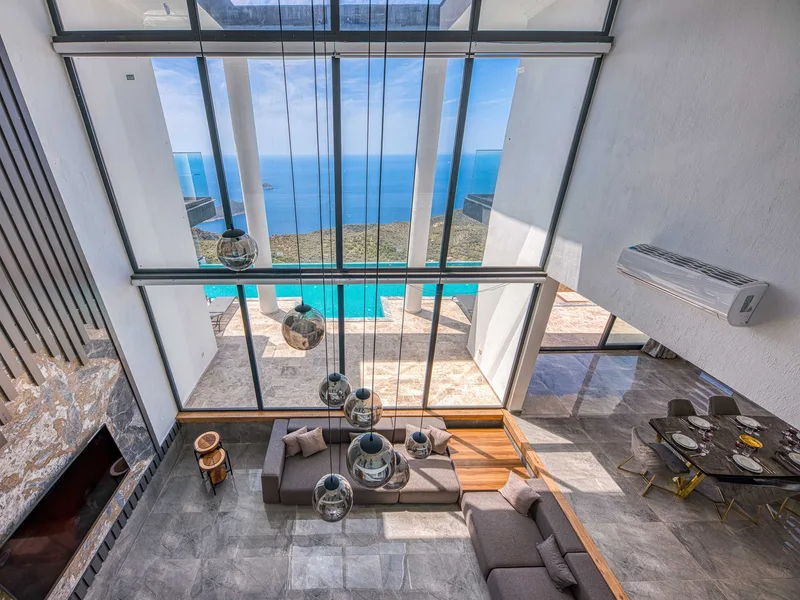
Illustrative photographs. Our own job photographs go here as soon as the client approves them.
What is different about Central Jeddah
Central Jeddah is the densest part of the city. Around the historic core of Al Balad the streets are narrow, the blocks are old, and most buildings have shops at ground level with flats above, so stairwells open onto markets and workshops. The main arteries, Madinah Road, King Fahd Road and Palestine Street, carry the heaviest traffic in Jeddah, and their exhaust leaves a dark, greasy soot unlike the dry sand of the outskirts. Old render holds it, summer heat bakes it on, and restoration work in the old quarter adds stone dust.
Nearby districts we cover
Questions worth asking first
Cleaning uses safe solutions and soft tools that preserve the surface and fine details. The crew understands the sensitivity of these spaces and works with care and respect.
Yes. Cleaning depends on carpet condition and fibre type. Initial inspection determines the safe cleaning method that will not damage the threads.
Valuables and Qur'ans are removed and kept safely before work starts. The crew coordinates with the imam to organise this.
Larger mosques need deep cleaning every three months, smaller ones twice a year. Heavy use and dust accumulation determine actual need.
No, deep cleaning removes trapped odours in carpets and corners, leaving the mosque with a clean, fresh atmosphere.
Yes, cleaning can be scheduled at times agreed with the mosque administration that fit the prayer schedule.
It is set after we see the job, because the price follows the kind of work, the size of the space, its condition and the time and materials it needs. Send a photo and a short description on WhatsApp and we will give you an estimate before we reach Al Ammariyah.
Duration depends on the floor area of the prayer hall and how many ablution stations need scrubbing.
The management does not need to do any special preparation.
Other services in Al Ammariyah
We also provide these services in Al Ammariyah.