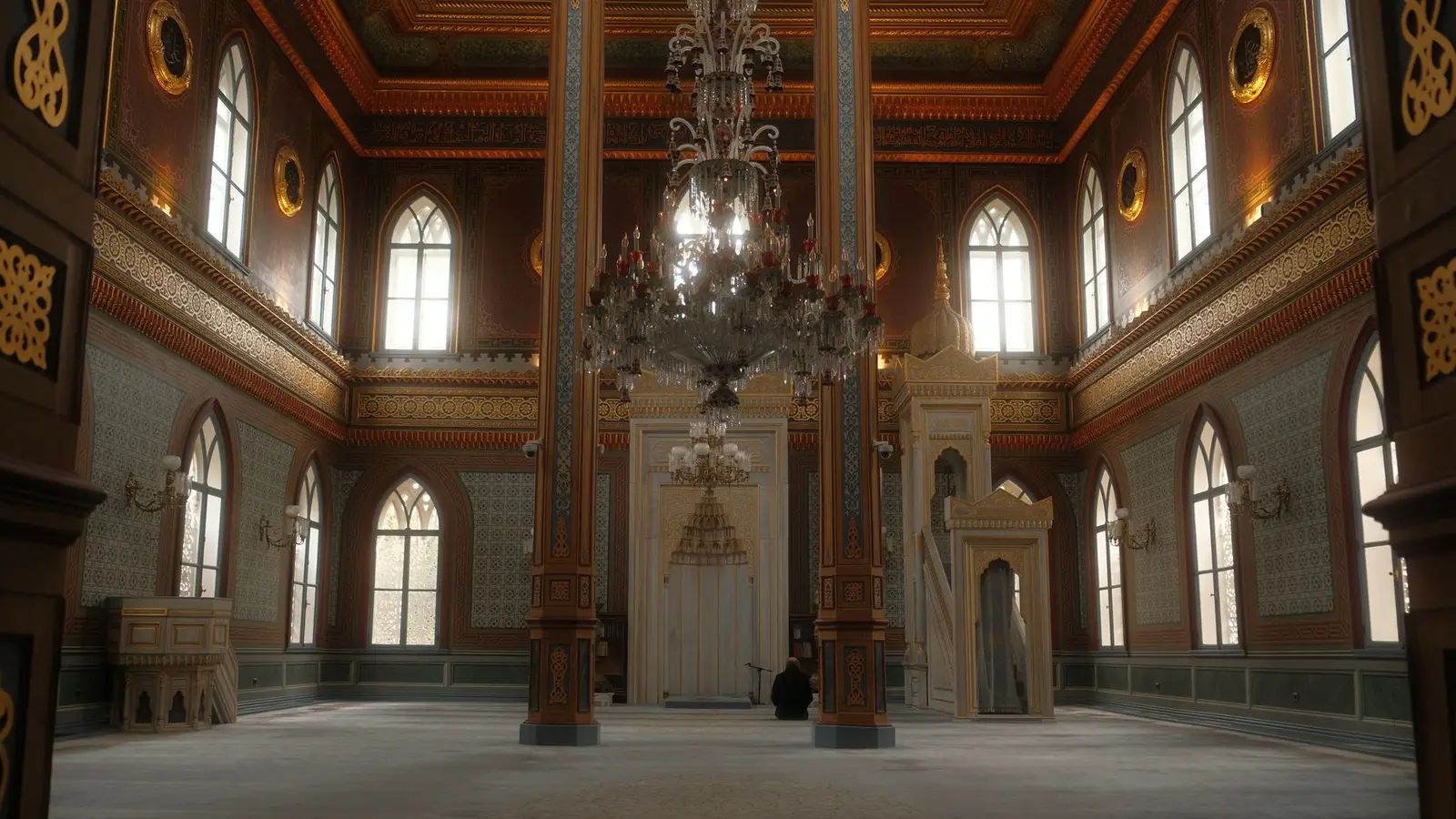
Mosque cleaning in Al Barakah, Jeddah
Al Barakah is a south Jeddah residential subdivision split between two halves linked by Al Lith Road, a main thoroughfare. Mosques in each section serve distinct congregations, and several side streets remain unfinished with lighting incomplete in places. Construction dust and open roads affect mosque air quality, and thorough cleaning protects carpets, furnishings and mihrabs from dust accumulation and moisture.
- Full prayer hall coverage
- Careful handling of fittings
- Works around prayer times
- No rearrangement left behind
Why regular cleaning matters in a mosque
The subdivision is geographically split but unified in cleaning needs. Dust from incomplete roads and surrounding construction constantly affects the mosque environment.
-
High foot traffic demands frequency
Open streets and vacant land in Al Barakah raise dust and moisture levels, and deep cleaning removes buildup from carpets and furnishings.
-
Wudu stations need specialist attention
The subdivision's division between two sections means each mosque serves a separate congregation, but cleanliness standards are uniform across both locations.
-
Religious fittings require respectful handling
Incomplete lighting in some streets does not affect cleaning quality but accelerates dust and moisture accumulation during the night.
-
Scheduling around prayer times
The mihrab, minbar and Quran need sensitive cleaning that preserves their quality while ensuring a pure, safe environment for worshippers.
What every visit includes
-
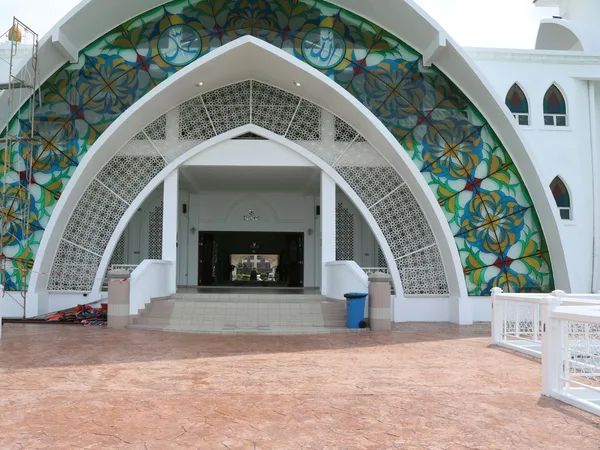
staging equipment at entrance
-
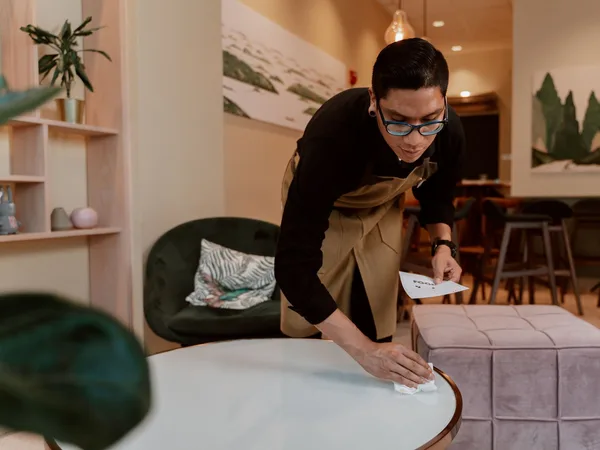
wiping down shoe storage racks
-
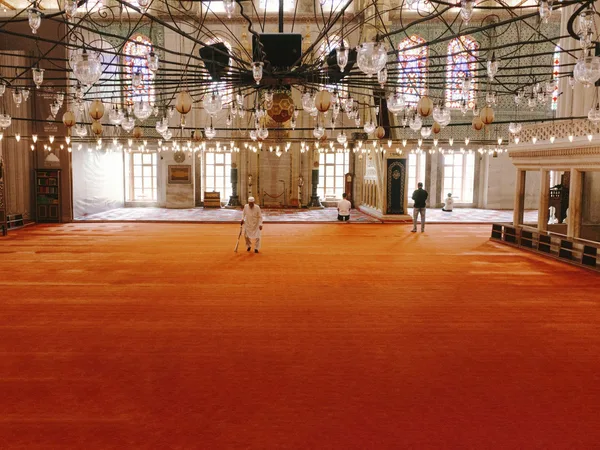
vacuuming the prayer hall carpets
-
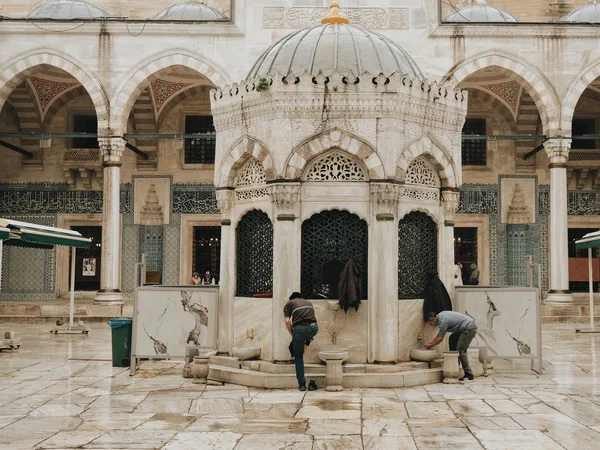
scrubbing ablution stations and drains
-
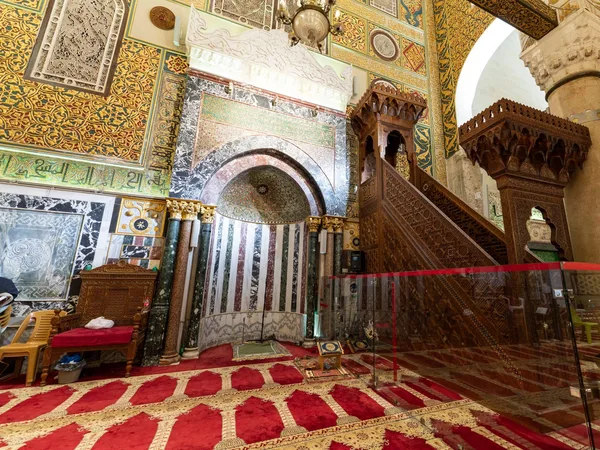
wiping the mimbar and railings
-
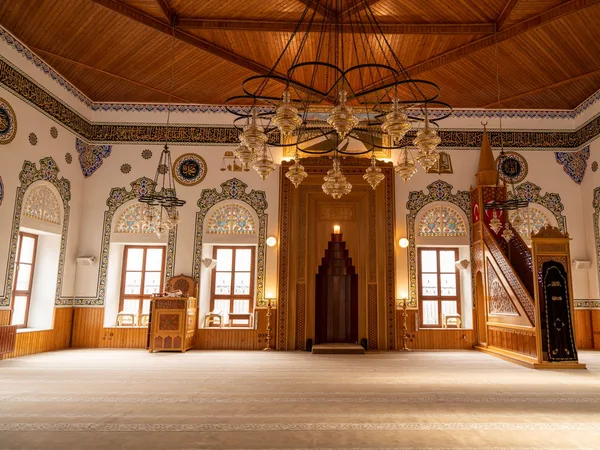
cleaning mihrab walls and floor
-
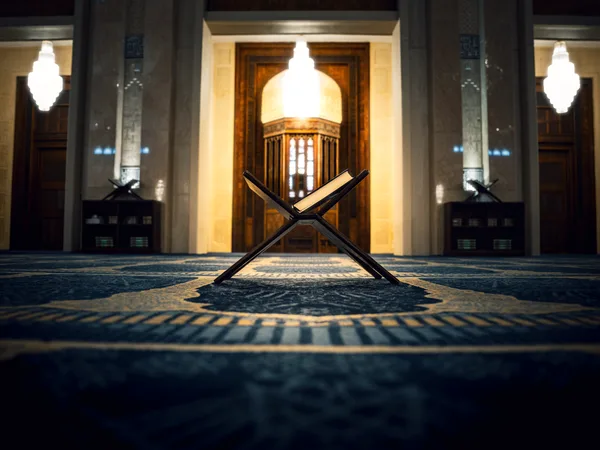
dusting Quran holder shelves
-
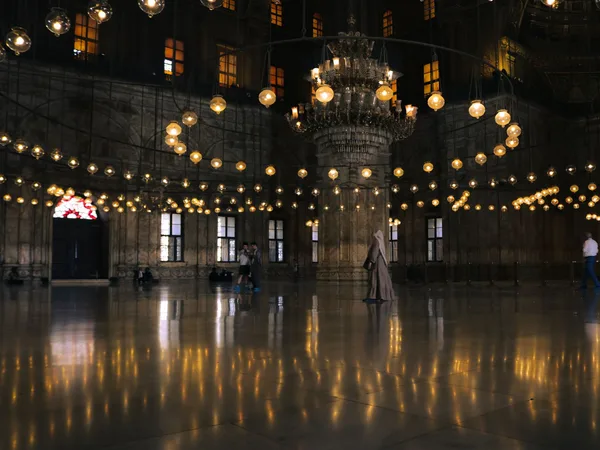
mopping the prayer hall floor
How a visit runs from start to finish
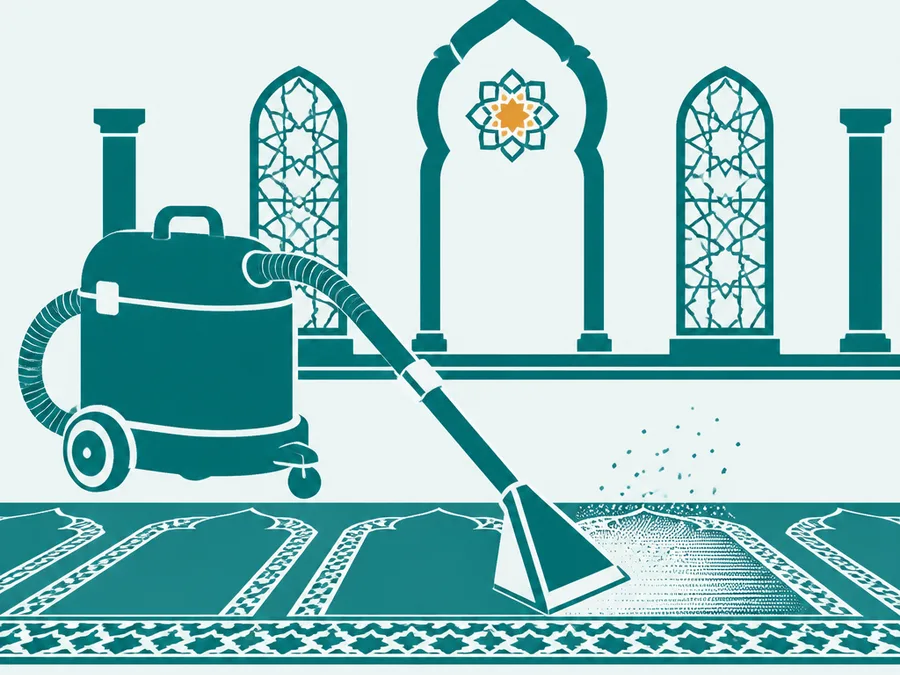
-
Schedule and confirm access
-
Set up at the entrance
-
Work from high surfaces down
-
Check and hand over
What changes about mosque cleaning in Al Barakah
Mosques in Al Barakah show noticeable dust and moisture buildup from open streets and poor night lighting in parts of the subdivision. For the whole method, see what mosque cleaning involves.
-
The first reason
Geographic division affects cleaning needs
Both sections of the subdivision serve separate congregations but share cleanliness standards. Cleaning accounts for the main road's access and its impact on each mosque location.
-
The second reason
Humidity from open streets settles into fabrics
Incomplete paving and poor lighting raise humidity and sand levels around the mosque. Deep cleaning extracts trapped moisture in carpets and furnishings before it causes odour and discoloration.
-
The third reason
Location among vacant land and emerging villas
The mosque sits amid a developing subdivision, and empty plots around it generate wind-blown dust. Regular cleaning removes the fine particles that winds carry in.
Landmarks of Al Barakah
In Al Barakah, split by Al Lith Road, mosques are scattered on both sides of the main thoroughfare near the Ring Road and 60th Street. The crew plans access based on location in the northern or southern section and proximity to main streets.
- Al Lith Road
- The Ring Road
- 60th Street
What the mosque looks like after

Carpets free of embedded dust
The prayer hall carpets have been vacuumed in systematic rows, so surface fibres sit flat and the hall has no lingering foot-traffic odour when the doors open.
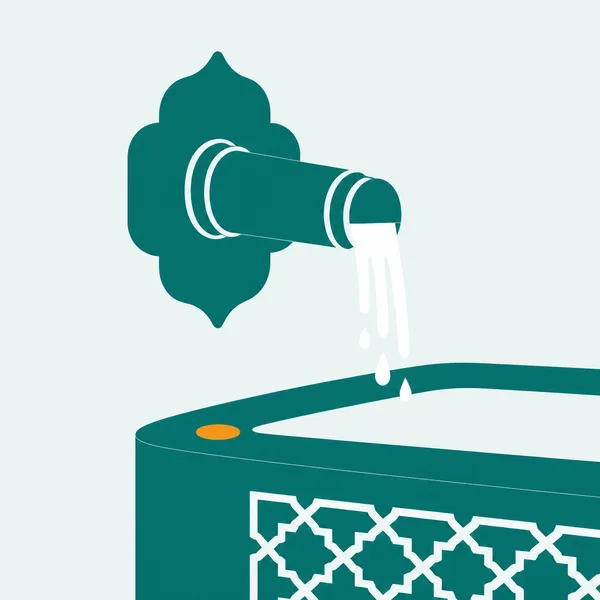
Ablution stations clear and dry
Drains have been cleared of soap build-up and the taps wiped down.

Quran shelves and mimbar wiped clean
The Quran holder shelves have been dusted in place without moving the books.
What our customers said
«شغلهم ما شاء الله، أنصح الجميع بالتعامل معهم. عن تجربة وثقة.»
«أفضل شركة تنظيف بالبخار. أسعارهم ممتازة وشغلهم مرة كويس.»
«خدمة ممتازة.»
«ممتازين.»
Some of our work

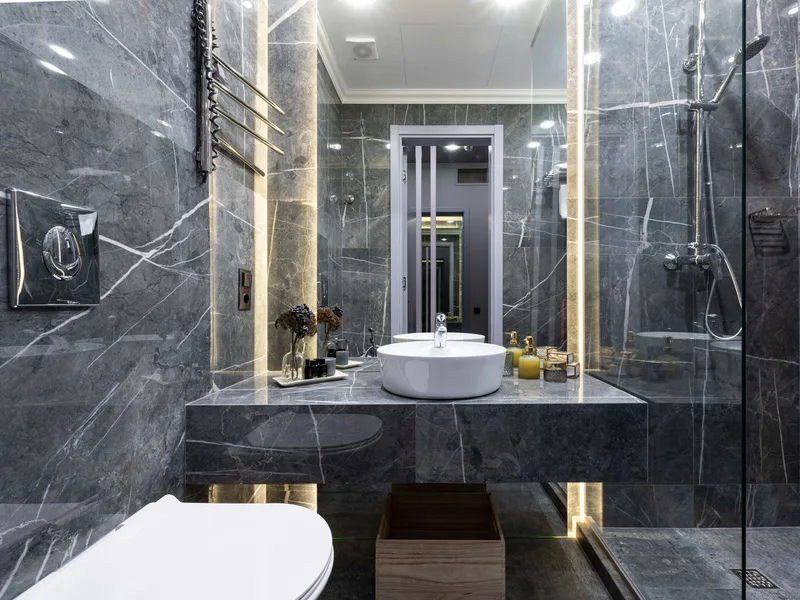

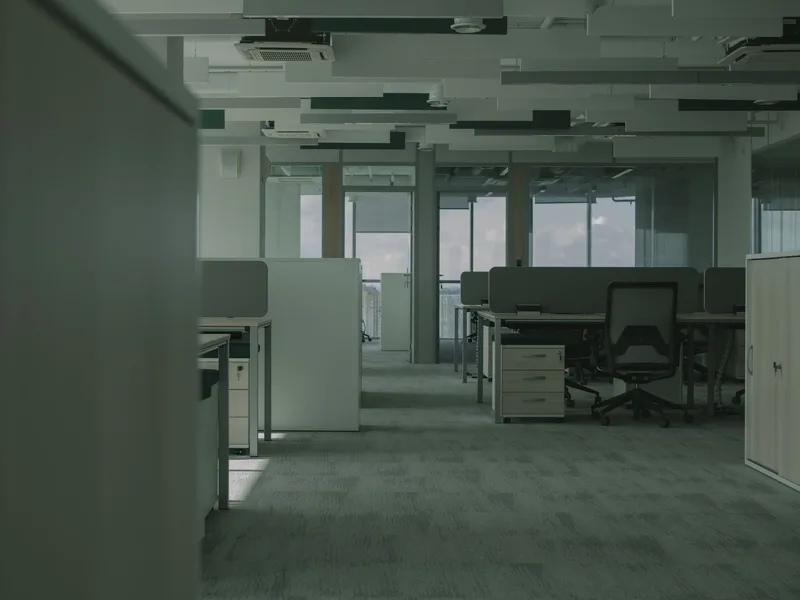
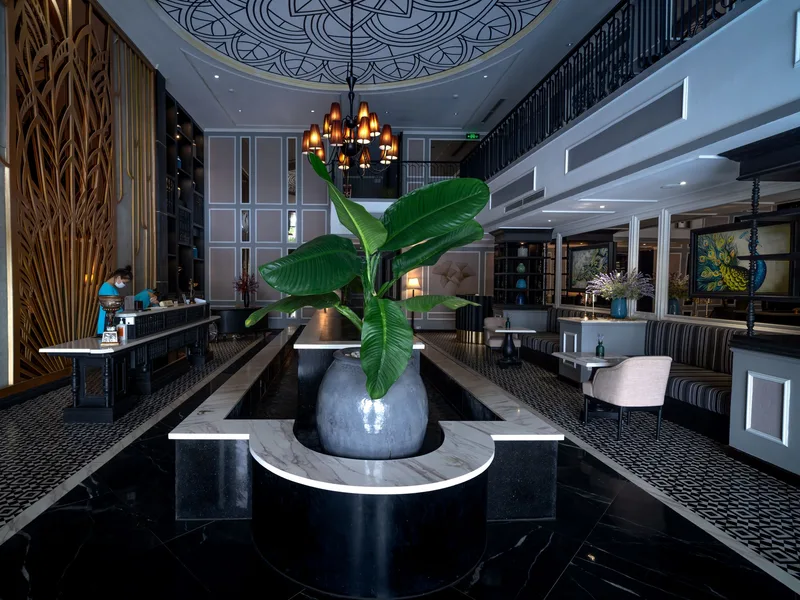
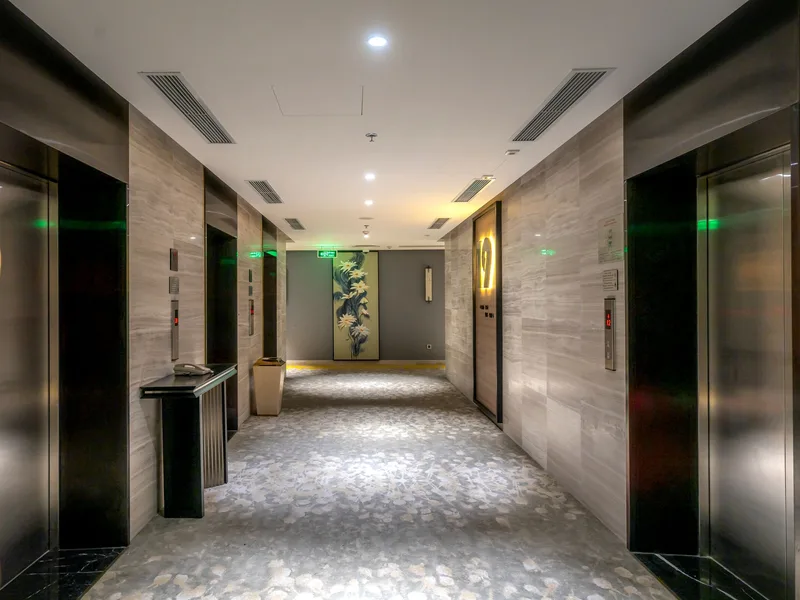
Illustrative photographs. Our own job photographs go here as soon as the client approves them.
What is different about South Jeddah
South Jeddah is the working end of the city: the Islamic Port, the industrial city with its warehouses and workshops, and behind them older low rise districts such as Ghulail and Al Khumrah. The roads are built for lorries, and port and factory traffic runs through the night, so the dust that settles here is grey with diesel and metal filings rather than pale sand. Buildings are mostly older concrete with flat roofs and open stairwells that collect it. Sea humidity keeps it damp, and in summer it sets hard on ledges and cladding.
Nearby districts we cover
Questions worth asking first
Yes, open roads raise moisture levels around the mosque. Deep cleaning extracts trapped moisture from carpets and furnishings and reduces trapped odours.
Vacant plots around the area generate wind dust. Cleaning focuses on removing fine particles that enter through entrances and windows.
Both sections receive the same cleaning quality, but service scheduling may vary based on each congregation's needs and mosque location.
Poor lighting does not affect daytime cleaning, but some work can be scheduled in early morning or late afternoon hours if needed.
Yes, the mihrab and minbar need sensitive cleaning that removes dust without damage. Initial inspection determines the best approach for each piece.
Regular cleaning extracts moisture and dust before they accumulate deep in the fibres. This extends carpet life and preserves its appearance and sanctity.
It is set after we see the job, because the price follows the kind of work, the size of the space, its condition and the time and materials it needs. Send a photo and a short description on WhatsApp and we will give you an estimate before we reach Al Barakah.
Duration depends on the floor area of the prayer hall and how many ablution stations need scrubbing.
The management does not need to do any special preparation.
Other services in Al Barakah
We also provide these services in Al Barakah.