Mosque cleaning in Al Mursalat, Jeddah
Al Mursalat is a modern residential district in the far southeast of Jeddah with dense apartment blocks and high daily prayer traffic. The Jeddah Makkah Expressway passes through the area bringing dust and exhaust, and its many mosques serve apartment complexes and workers. Regular cleaning maintains mosque cleanliness and ensures a pure environment for worshippers.
- Full prayer hall coverage
- Careful handling of fittings
- Works around prayer times
- No rearrangement left behind
Why regular cleaning matters in a mosque
A densely populated residential district with apartment blocks and flats. Its mosques are newer and serve large numbers of residents daily. The nearby expressway raises dust and pollution levels.
-
High foot traffic demands frequency
Dense residential areas and the nearby expressway increase dust and dirt accumulation in mosques faster than other districts.
-
Wudu stations need specialist attention
Modern mosques in residential towers have many architectural details and tight spaces needing equipment and expertise for efficient cleaning.
-
Religious fittings require respectful handling
Very high worshipper numbers place stress on floors and carpets, and regular cleaning preserves their integrity and cleanliness.
-
Scheduling around prayer times
Coordination with mosque managements is essential to set appropriate cleaning times between prayers and avoid disrupting worshippers and residents.
What every visit includes
-
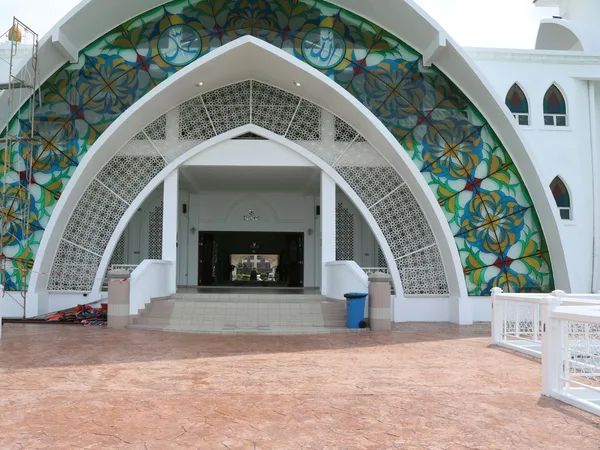
staging equipment at entrance
-
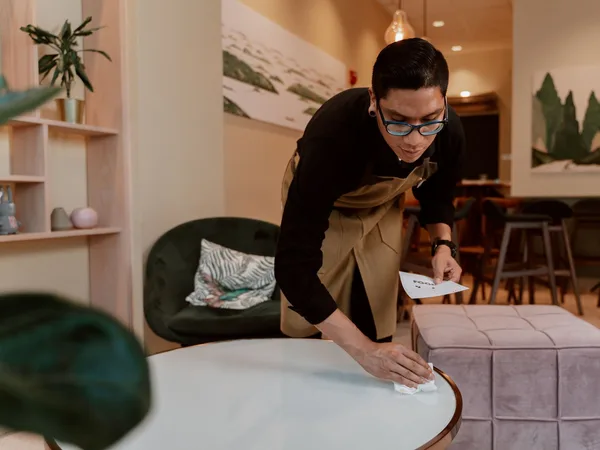
wiping down shoe storage racks
-
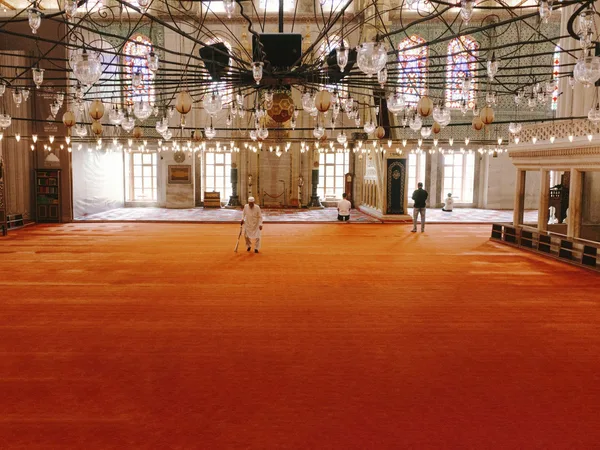
vacuuming the prayer hall carpets
-
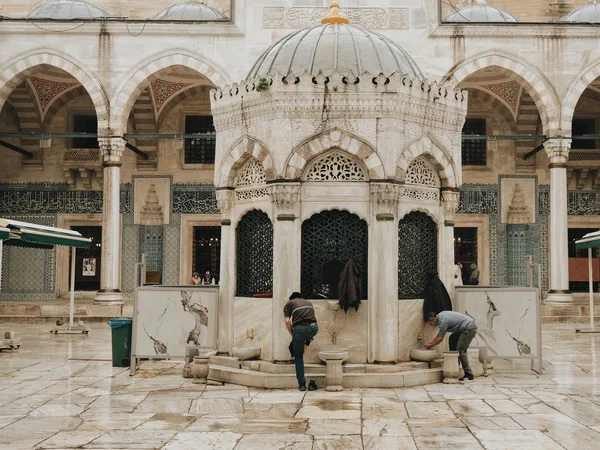
scrubbing ablution stations and drains
-
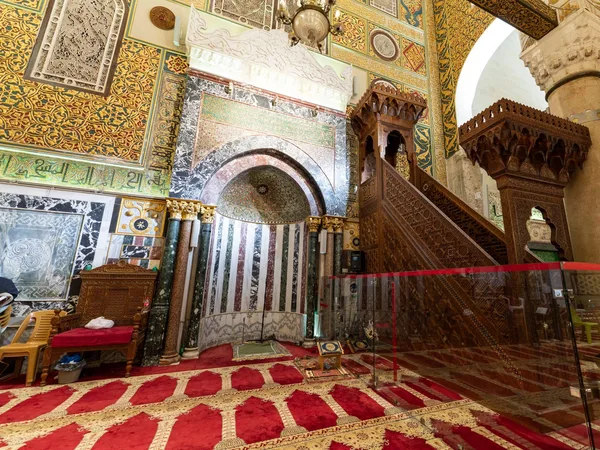
wiping the mimbar and railings
-
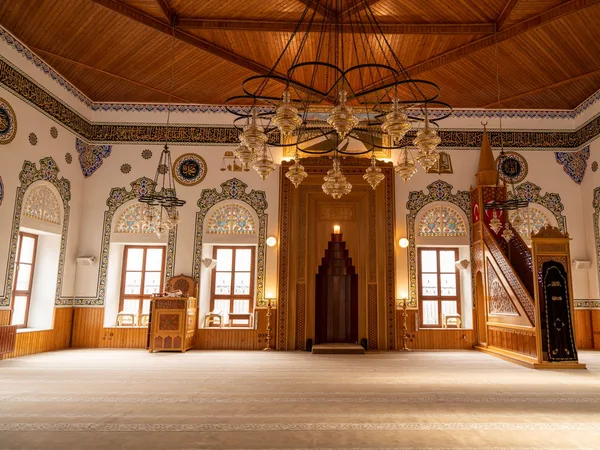
cleaning mihrab walls and floor
-
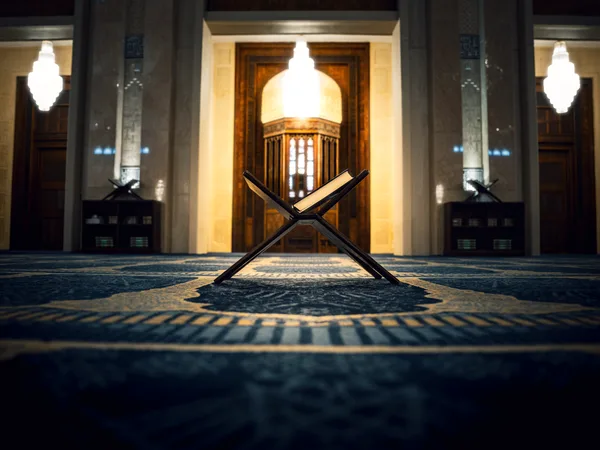
dusting Quran holder shelves
-
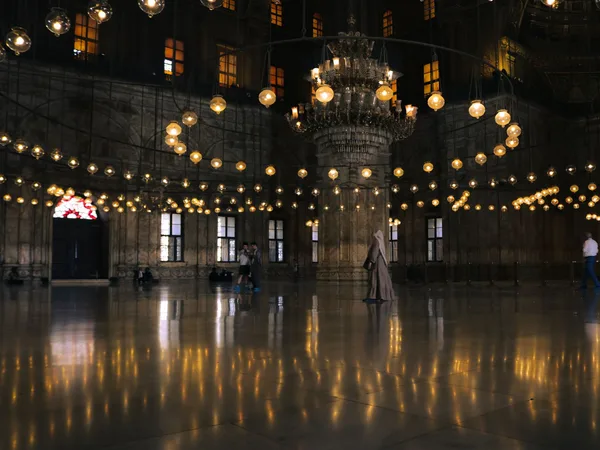
mopping the prayer hall floor
How a visit runs from start to finish
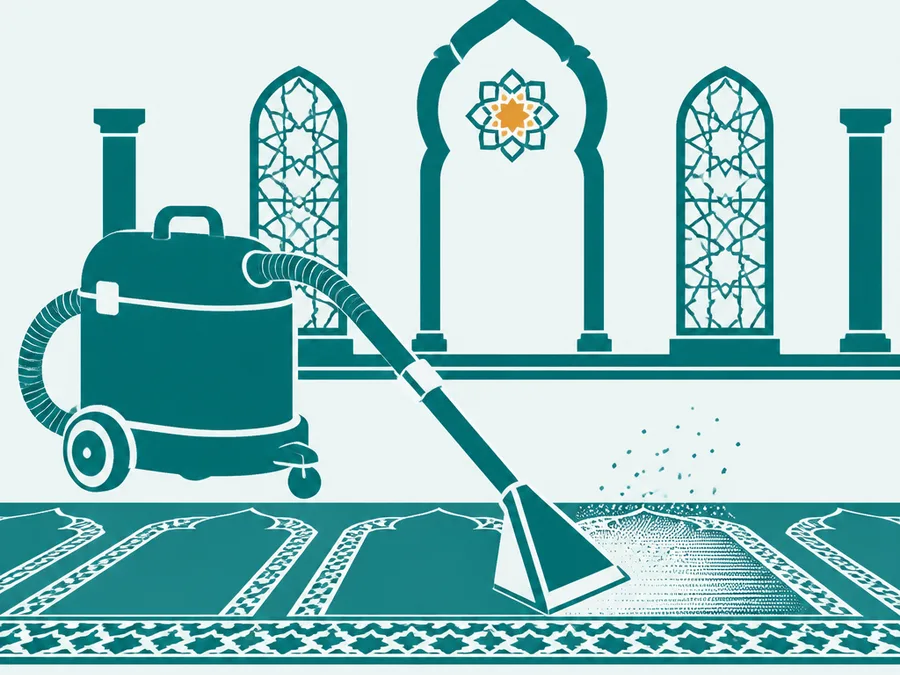
-
Schedule and confirm access
-
Set up at the entrance
-
Work from high surfaces down
-
Check and hand over
What changes about mosque cleaning in Al Mursalat
Al Mursalat mosques see very high worshipper numbers at peak times, meaning dirt accumulates rapidly on floors and carpets throughout the day. For the whole method, see what mosque cleaning involves.
-
The first reason
High density and daily foot traffic increase dust
Thousands of residents enter the mosques daily, and street dust and apartment particles transfer to floors and carpets. Deep cleaning removes this rapid buildup and maintains regular cleanliness.
-
The second reason
Modern mosques need care in complex spaces
New mosques in residential towers have many architectural details, corners and tight spaces. Cleaning reaches all these areas and ensures no dust is left trapped.
-
The third reason
Carpets and floors need consistent maintenance
Floors and carpets bear the weight of large numbers of worshippers every day. Regular cleaning preserves floor integrity and prevents particle and odour buildup.
Al Mursalat on the map
Al Mursalat sits about 2 km from Al Huthaifat and about 3 km from Al Atheer.
Open in Google MapsWhat the mosque looks like after

Carpets free of embedded dust
The prayer hall carpets have been vacuumed in systematic rows, so surface fibres sit flat and the hall has no lingering foot-traffic odour when the doors open.
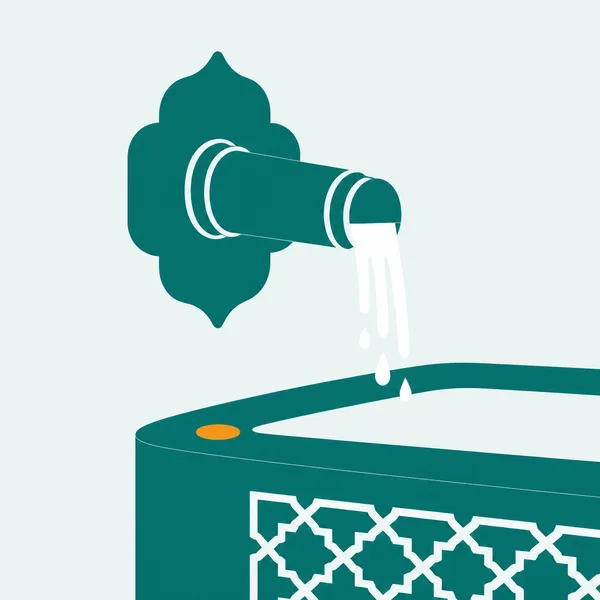
Ablution stations clear and dry
Drains have been cleared of soap build-up and the taps wiped down.

Quran shelves and mimbar wiped clean
The Quran holder shelves have been dusted in place without moving the books.
What our customers said
«شغلهم ما شاء الله، أنصح الجميع بالتعامل معهم. عن تجربة وثقة.»
«أفضل شركة تنظيف بالبخار. أسعارهم ممتازة وشغلهم مرة كويس.»
«خدمة ممتازة.»
«ممتازين.»
Some of our work

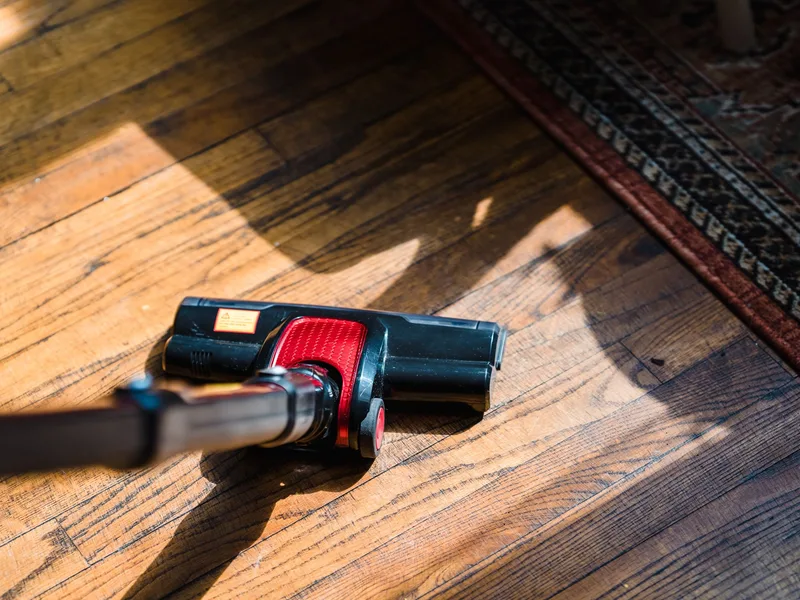

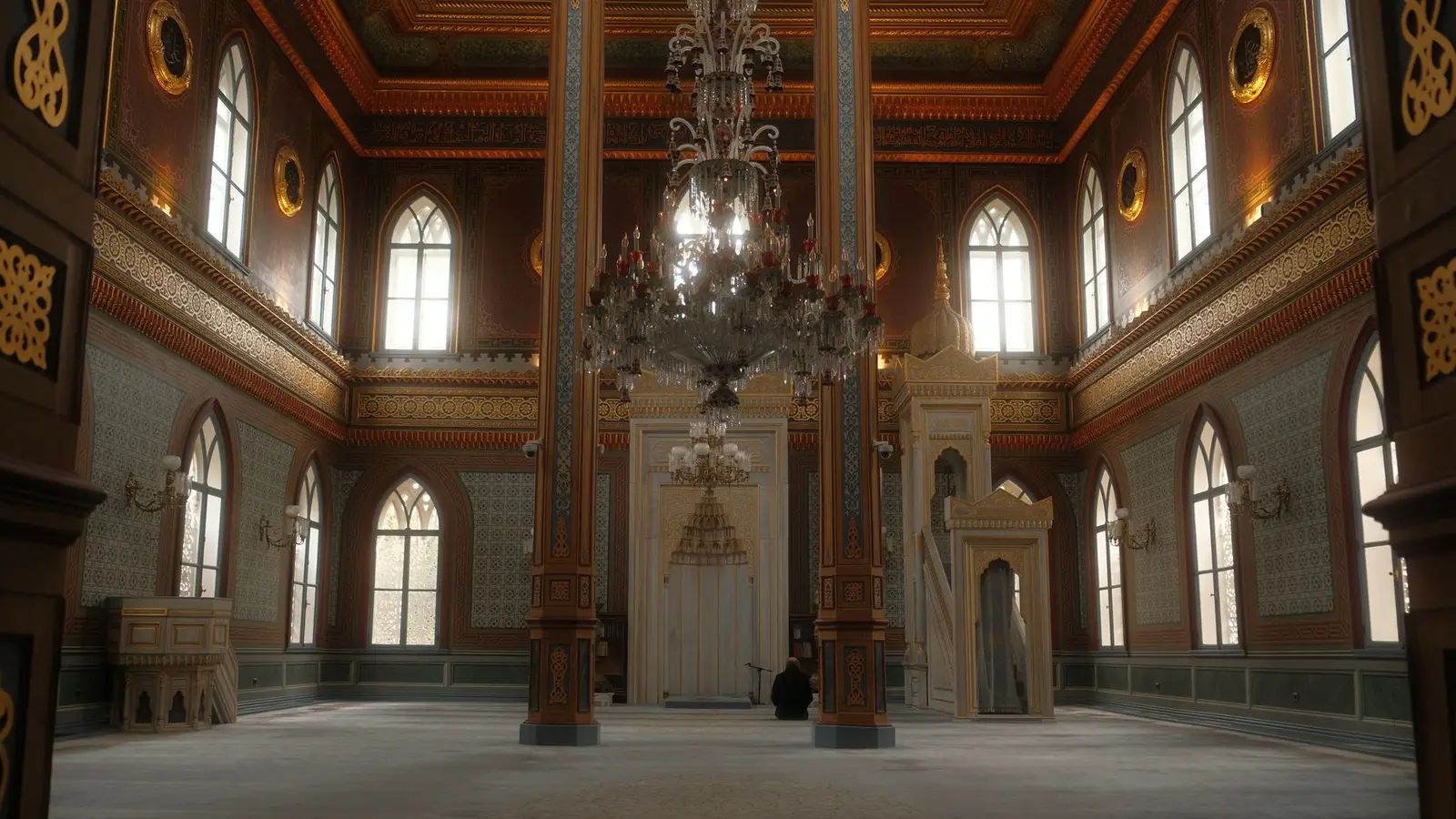
Illustrative photographs. Our own job photographs go here as soon as the client approves them.
What is different about South Jeddah
South Jeddah is the working end of the city: the Islamic Port, the industrial city with its warehouses and workshops, and behind them older low rise districts such as Ghulail and Al Khumrah. The roads are built for lorries, and port and factory traffic runs through the night, so the dust that settles here is grey with diesel and metal filings rather than pale sand. Buildings are mostly older concrete with flat roofs and open stairwells that collect it. Sea humidity keeps it damp, and in summer it sets hard on ledges and cladding.
Nearby districts we cover
Questions worth asking first
The crew coordinates with mosque management to set cleaning times between prayers. Flexible scheduling allows thorough cleaning without disrupting worshippers.
Modern mosques in crowded residential areas have high daily use, but the crew is trained for efficiency. Time depends on mosque size, dust level and architectural detail.
Yes, the nearby expressway brings extra dust. Regular cleaning is more critical in this area, and the crew understands this challenge.
Tight spaces and corners are cleaned with small tools and trained staff. Complex architectural features do not prevent access to any area.
With very high worshipper numbers, cleaning maintains good cleanliness for a set period. Weekly or twice-weekly cleaning schedule is recommended.
Mihrabs and minbars in new mosques may be made of modern materials. Cleaning suits each material without harming ornament or script.
It is set after we see the job, because the price follows the kind of work, the size of the space, its condition and the time and materials it needs. Send a photo and a short description on WhatsApp and we will give you an estimate before we reach Al Mursalat.
Duration depends on the floor area of the prayer hall and how many ablution stations need scrubbing.
The management does not need to do any special preparation.
Other services in Al Mursalat
We also provide these services in Al Mursalat.