Mosque cleaning in Kilo 14, Jeddah
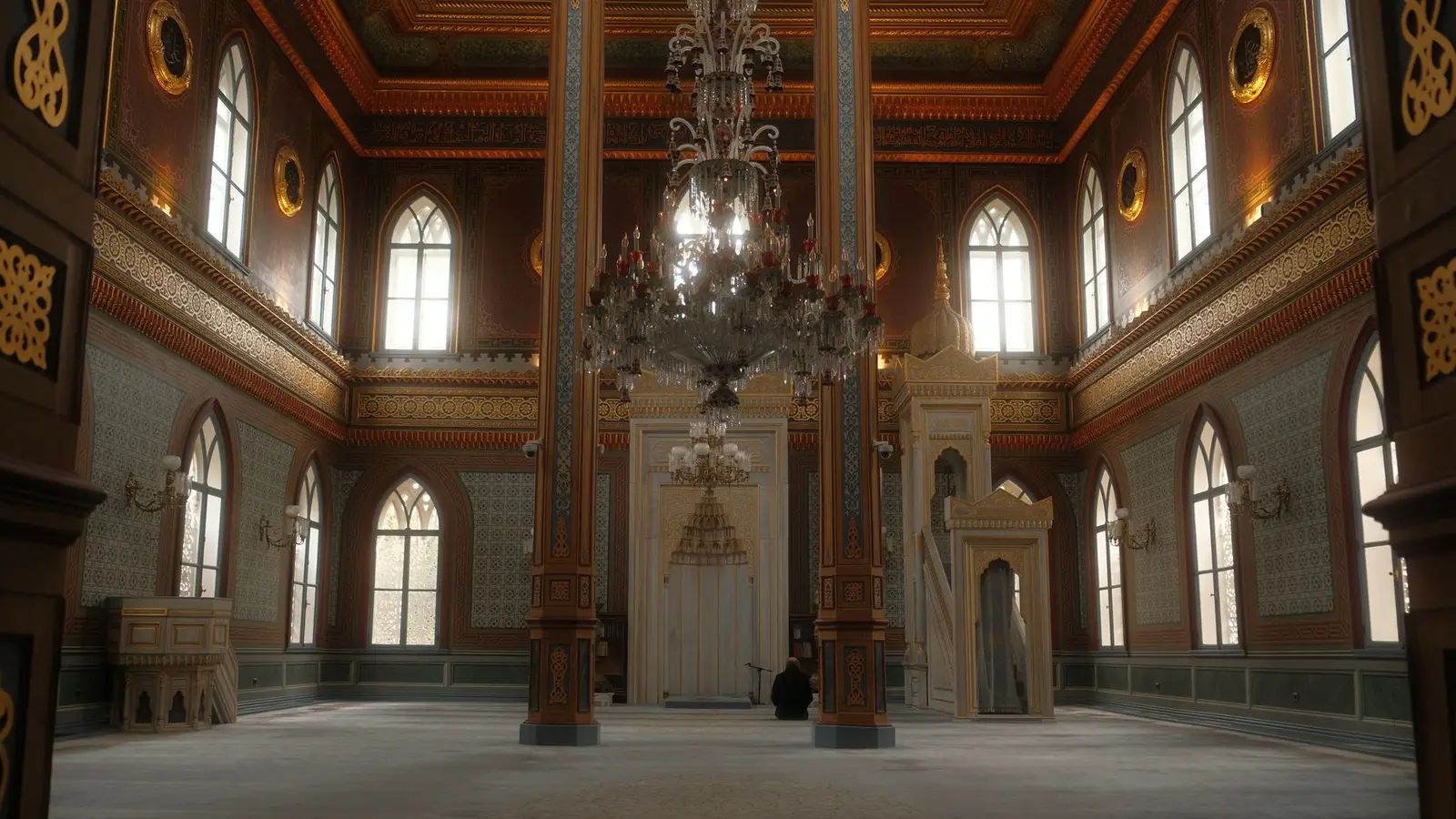
Kilo 14 is a congested industrial and residential area on the Old Makkah Road, home to migrant labourers and thousands of daily workers in auto repair shops and spare parts dealers. The mosque receives worshippers from a dusty, polluted environment, and floors and walls collect moisture and industrial dust from the workshops. Deep cleaning removes accumulated debris from all surfaces and protects the Quran stand and mimbar from dust and contamination.
- Full prayer hall coverage
- Careful handling of fittings
- Works around prayer times
- No rearrangement left behind
Why regular cleaning matters in a mosque
The industrial zone and popular market send industrial and clay dust into the mosque, and humidity from car wash shops and air conditioning affects cleanliness throughout the space.
-
High foot traffic demands frequency
Dust and oil from car workshops enter the mosque with each prayer session and accumulate quickly on floors, corners and prayer niches.
-
Wudu stations need specialist attention
Bacteria and mould grow in damp corners and enclosed areas near water inlets and air conditioning units, affecting worshipper health.
-
Religious fittings require respectful handling
The Quran stand and mimbar require careful inspection before cleaning because delicate wood and ornament are sensitive to moisture and chemicals.
-
Scheduling around prayer times
A mosque in an industrial zone needs ongoing cleaning programmes because pollution returns quickly with daily workshop activity in the surrounding area.
What every visit includes
-
staging equipment at entrance
-
wiping down shoe storage racks
-
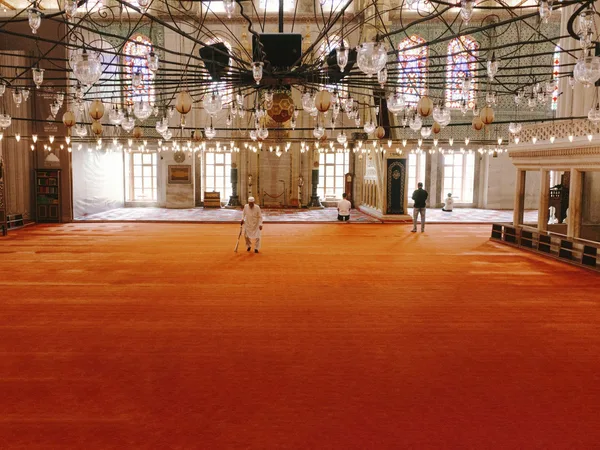
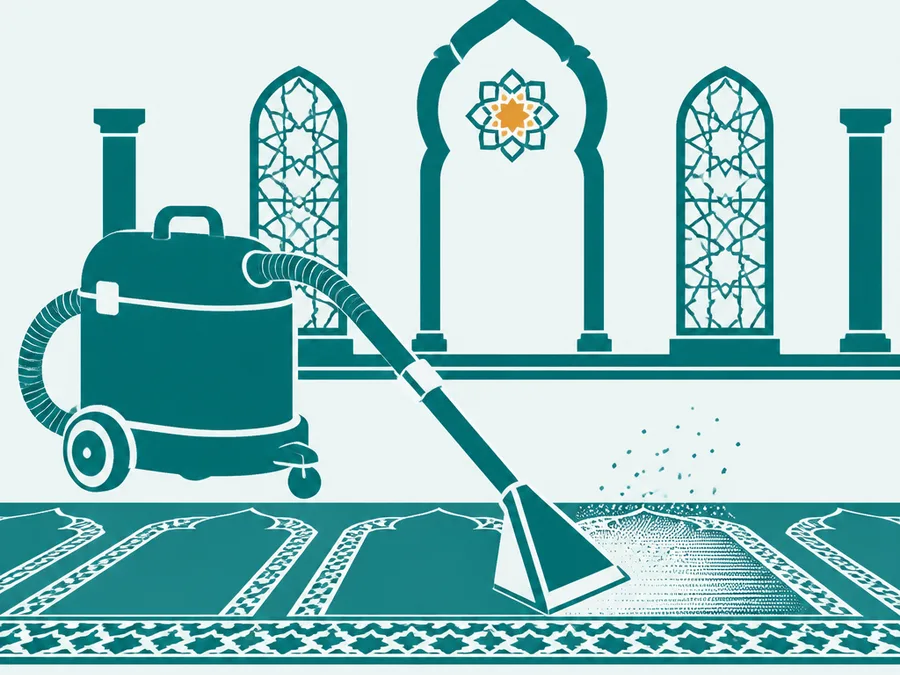
vacuuming the prayer hall carpets
-
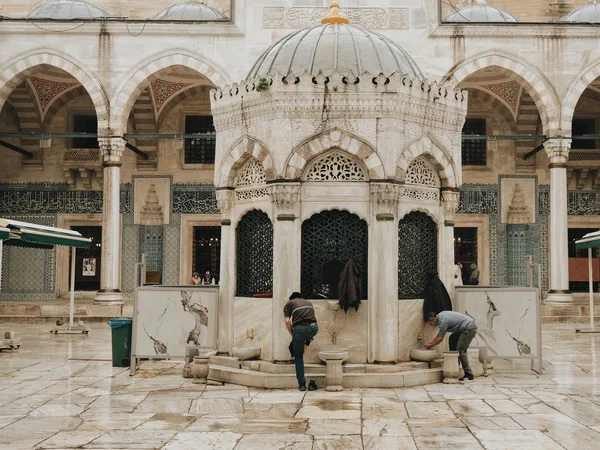
scrubbing ablution stations and drains
-
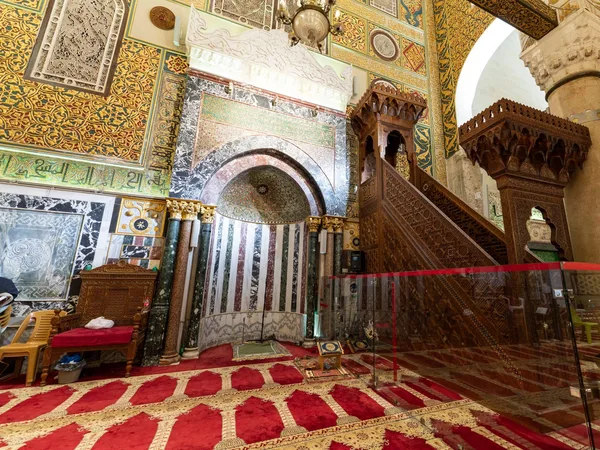
wiping the mimbar and railings
-
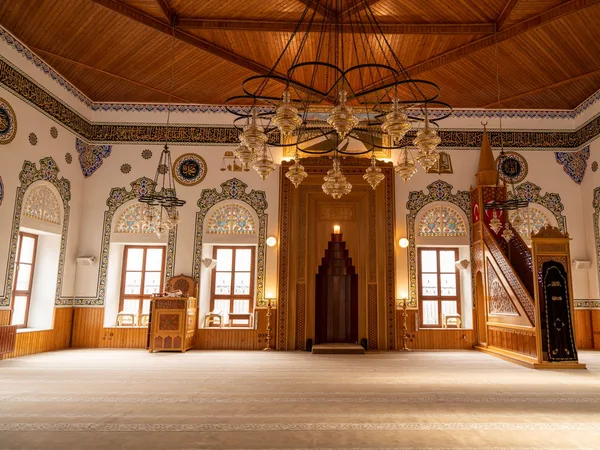
cleaning mihrab walls and floor
-
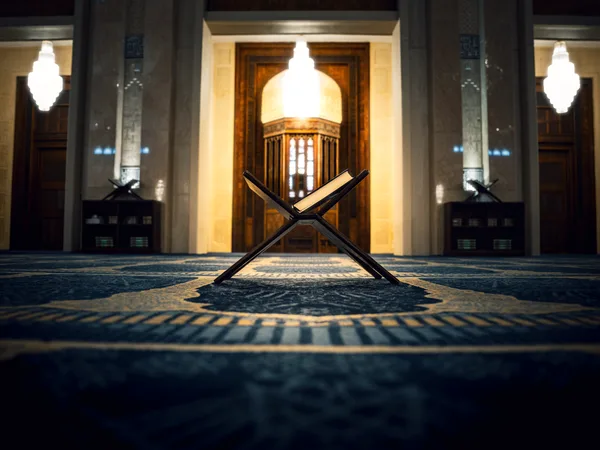
dusting Quran holder shelves
-
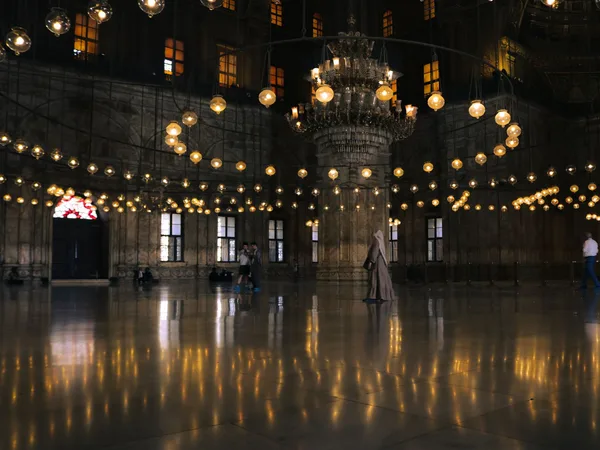
mopping the prayer hall floor
How a visit runs from start to finish
-
Schedule and confirm access
-
Set up at the entrance
-
Work from high surfaces down
-
Check and hand over
What changes about mosque cleaning in Kilo 14
Mosques in dense industrial areas require frequent cleaning because industrial dust and oil particles enter with each wave of worshippers and accumulate rapidly. For the whole method, see how we approach mosque cleaning.
-
The first reason
Industrial dust settles on every surface
Car repair shops and dealers release fine particles of dust and oil that accumulate on floors, walls and prayer niches. Surface cleaning is insufficient because dust builds up quickly; deep cleaning removes hardened layers from sensitive surfaces.
-
The second reason
Quran stand and mimbar need protection from contamination
These important fixtures are exposed to industrial dust and soiled hands from the workshops. Careful inspection and gentle cleaning preserve their wood and surfaces without damage.
-
The third reason
Humidity breeds germs and mould growth
Workshop moisture and air conditioning create ideal conditions for mould and bacteria in corners and enclosed areas. Specialised cleaning removes these biological contaminants from every surface worshippers touch.
The character of Kilo 14
Industrial area: workshops, warehouses and loading yards
An industrial zone mixed with informal residential housing means the mosque receives worshippers from dusty and polluted environments, making cleanliness a health priority as much as a religious one.
What the mosque looks like after
Carpets free of embedded dust
The prayer hall carpets have been vacuumed in systematic rows, so surface fibres sit flat and the hall has no lingering foot-traffic odour when the doors open.
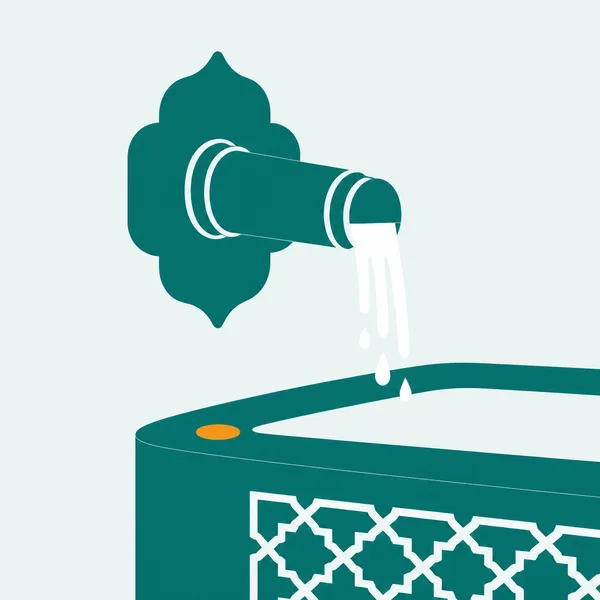
Ablution stations clear and dry
Drains have been cleared of soap build-up and the taps wiped down.

Quran shelves and mimbar wiped clean
The Quran holder shelves have been dusted in place without moving the books.
What our customers said
«شغلهم ما شاء الله، أنصح الجميع بالتعامل معهم. عن تجربة وثقة.»
«أفضل شركة تنظيف بالبخار. أسعارهم ممتازة وشغلهم مرة كويس.»
«خدمة ممتازة.»
«ممتازين.»
Some of our work
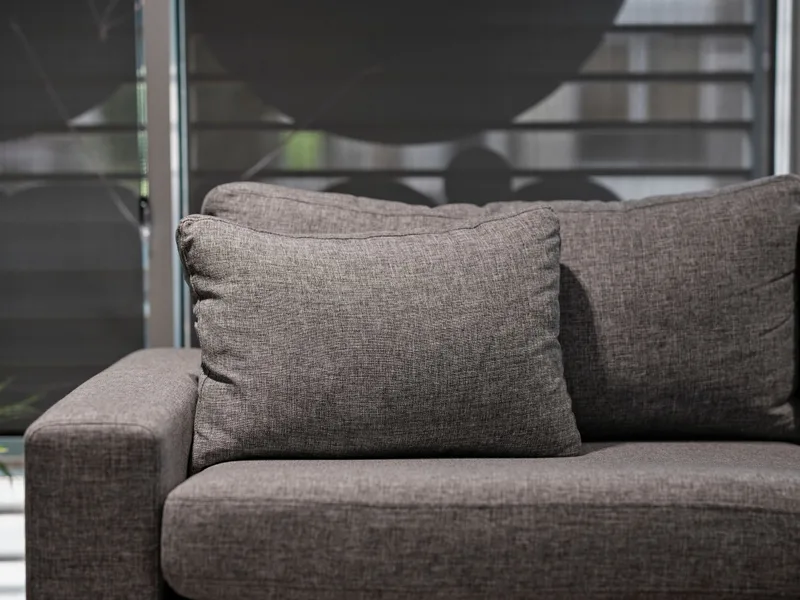
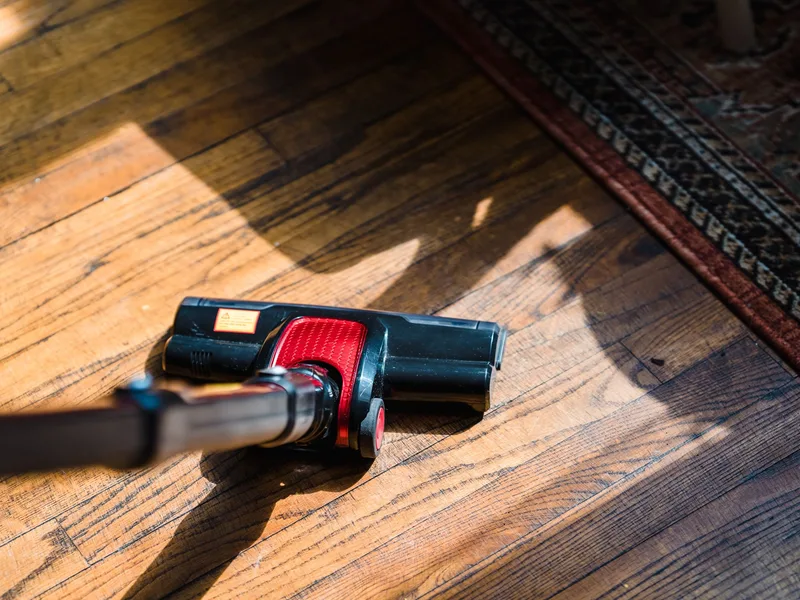
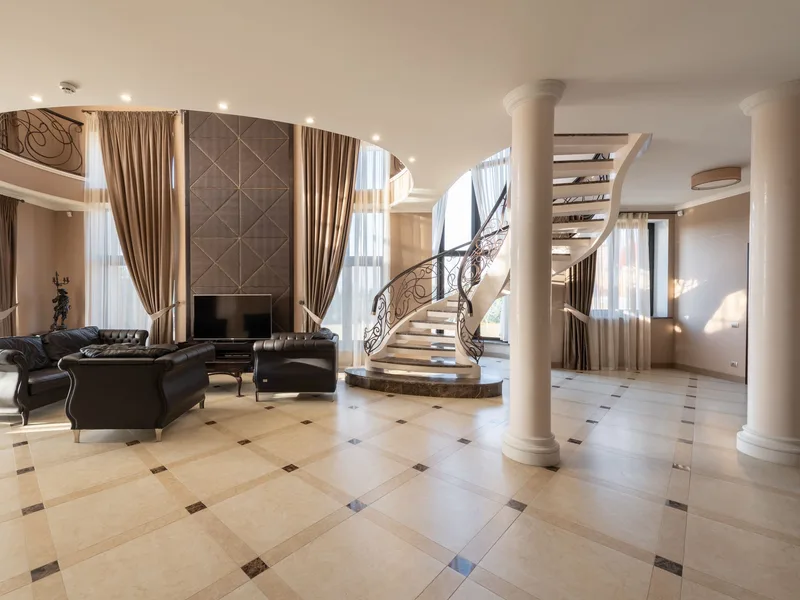
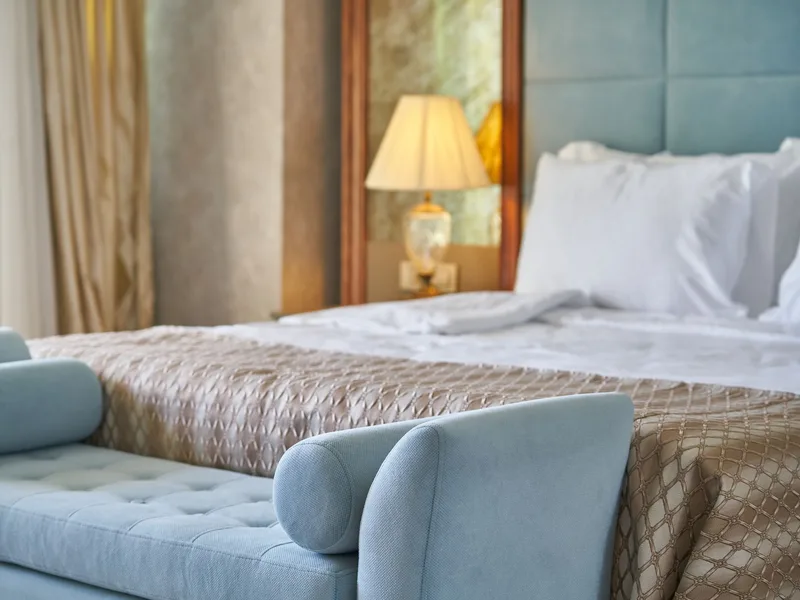
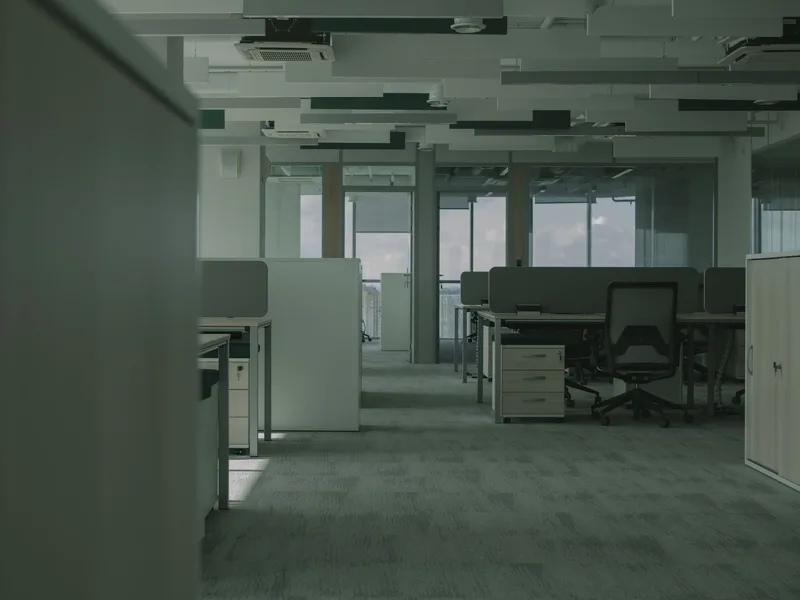
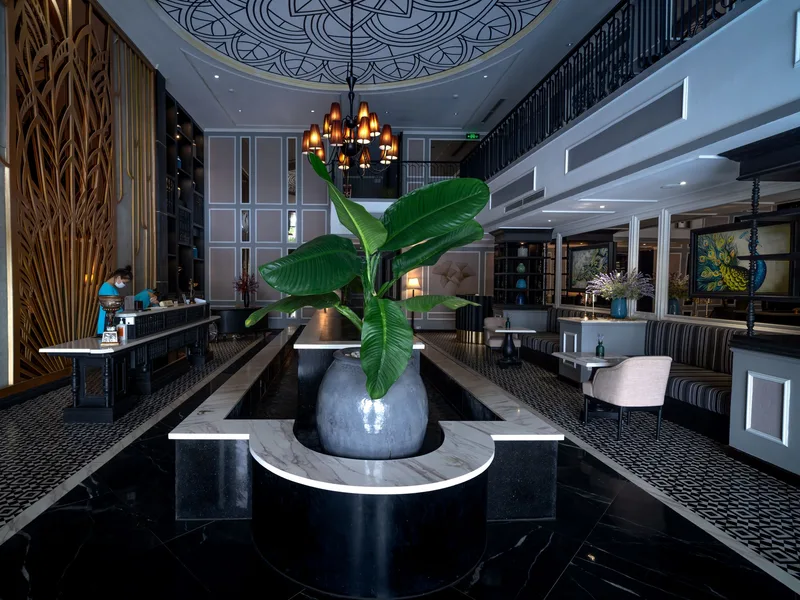
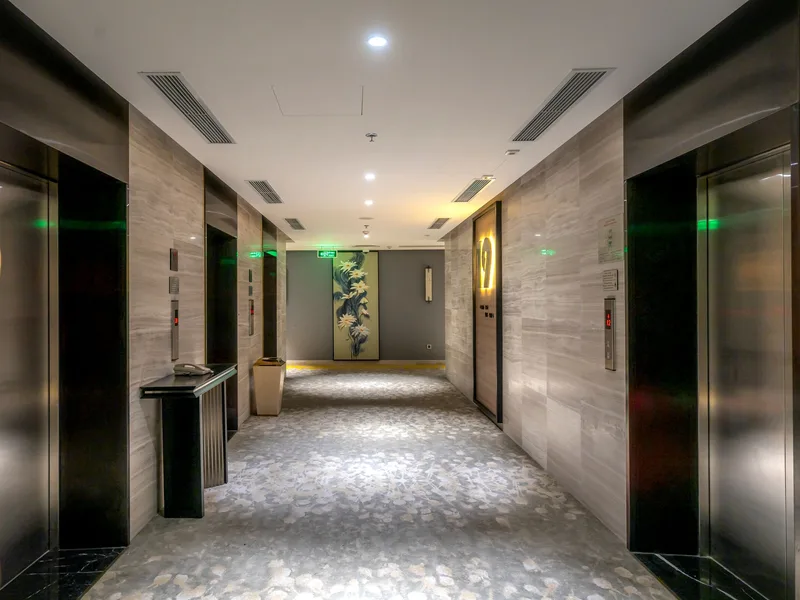
Illustrative photographs. Our own job photographs go here as soon as the client approves them.
What is different about South Jeddah
South Jeddah is the working end of the city: the Islamic Port, the industrial city with its warehouses and workshops, and behind them older low rise districts such as Ghulail and Al Khumrah. The roads are built for lorries, and port and factory traffic runs through the night, so the dust that settles here is grey with diesel and metal filings rather than pale sand. Buildings are mostly older concrete with flat roofs and open stairwells that collect it. Sea humidity keeps it damp, and in summer it sets hard on ledges and cladding.
Nearby districts we cover
Questions worth asking first
Regular cleaning reduces dust buildup before it hardens into stubborn layers. Good ventilation and protected entrances help, but professional cleaning is the most effective solution.
Yes. Cleaning uses methods that preserve the wood and ornament. Initial inspection identifies the wood type and finish to select a safe approach.
Dust accumulates quickly in industrial areas. Weekly or twice-weekly cleaning maintains cleanliness, depending on mosque size and prayer volume.
Yes. Workshop moisture promotes bacteria and mould growth that causes unpleasant smells. Deep cleaning and proper drying remove the source.
The mimbar faces soiled hands and industrial dust constantly. Careful cleaning after ablution and prayer, plus surface protection, reduce accumulated debris.
Oils settle on surfaces and floors and cause persistent odour. Specialised cleaning extracts oils from all surfaces and leaves the mosque clean and odour-free.
It is set after we see the job, because the price follows the kind of work, the size of the space, its condition and the time and materials it needs. Send a photo and a short description on WhatsApp and we will give you an estimate before we reach Kilo 14.
Duration depends on the floor area of the prayer hall and how many ablution stations need scrubbing.
The management does not need to do any special preparation.
Other services in Kilo 14
We also provide these services in Kilo 14.