Factory and warehouse cleaning, floors to rafters and docks
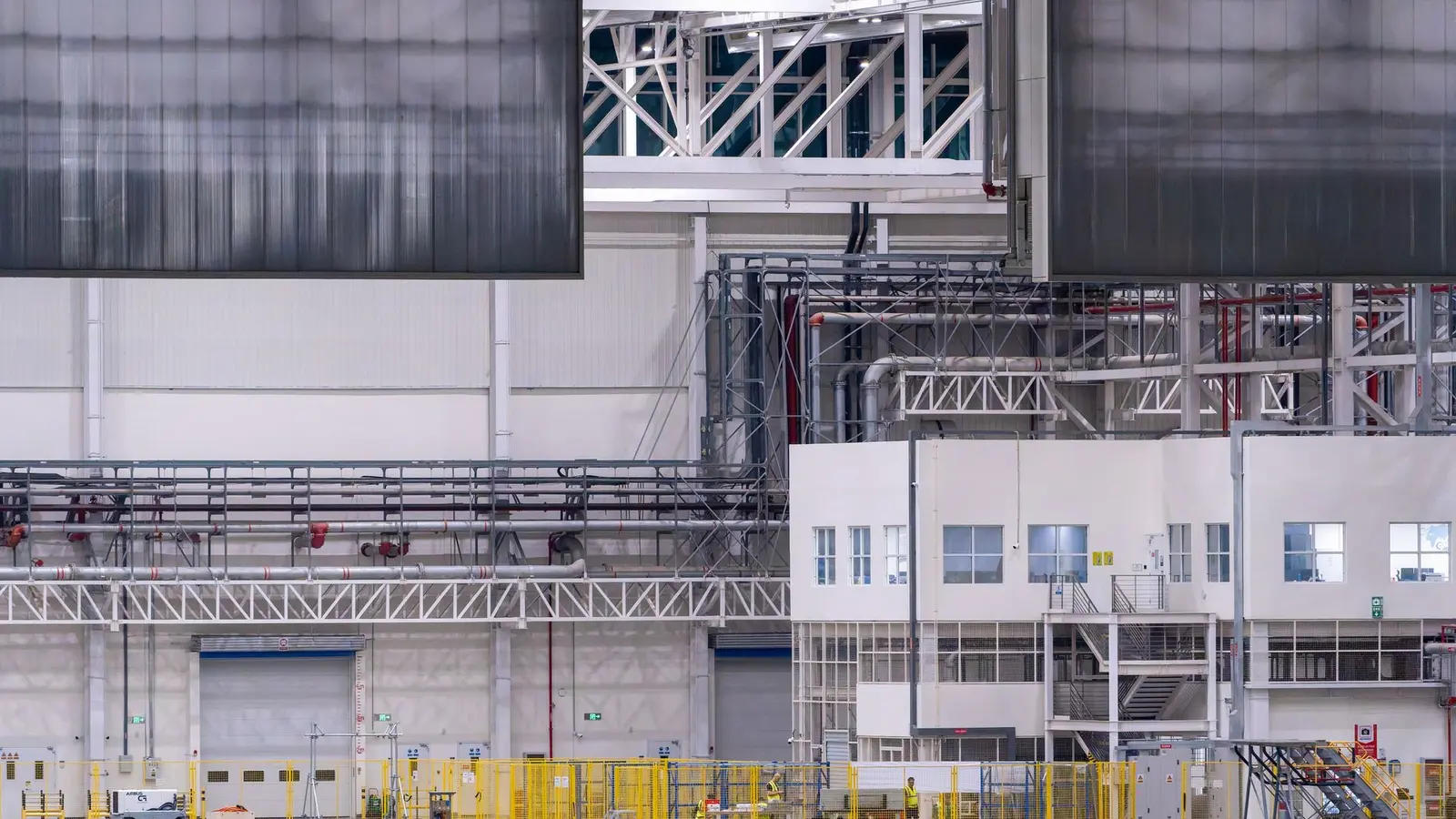
Industrial facilities accumulate debris, dust, and grime across surfaces that routine cleaning skips, from floor drains to ceiling beams. This service covers the full volume of a working factory or warehouse, not just the areas staff pass through daily.
- Full overhead and floor coverage
- Machine scrubbing, not mopping
- Safe around active equipment
- Top-down sequence prevents re-soiling
Why a working facility needs more than a sweep
Fine industrial dust settles on overhead beams, rafter ledges, and rack tops long before it reaches the floor. When airflow or movement disturbs those deposits, contamination spreads across equipment and finished goods. Loading docks and floor drains are the two points most inspectors check first, and the two areas most often skipped in routine cleaning.
-
Hygiene compliance before audits
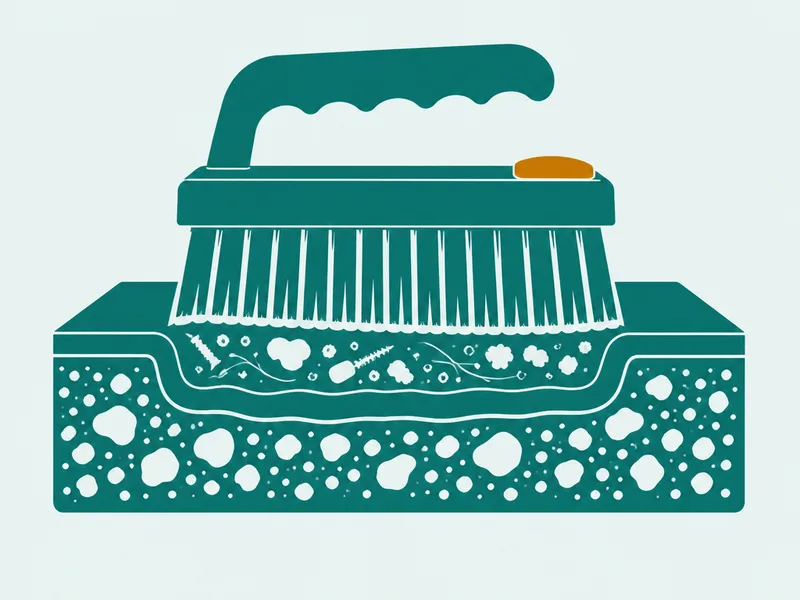
Industrial and food-adjacent facilities face hygiene checks that cover extraction canopies, drainage, and overhead surfaces, not just visible work areas. A documented deep clean gives site managers a defensible record before an inspection visit.
-
Preventing equipment contamination
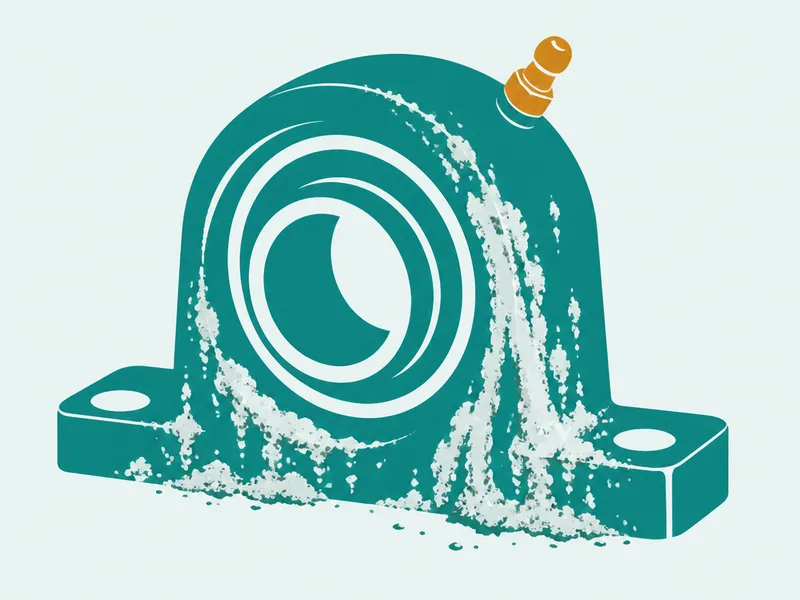
Dust that builds on machinery surfaces migrates into moving parts and ventilation housings during operation. Wiping down equipment regularly prevents the kind of abrasive particle contamination that shortens component life.
-
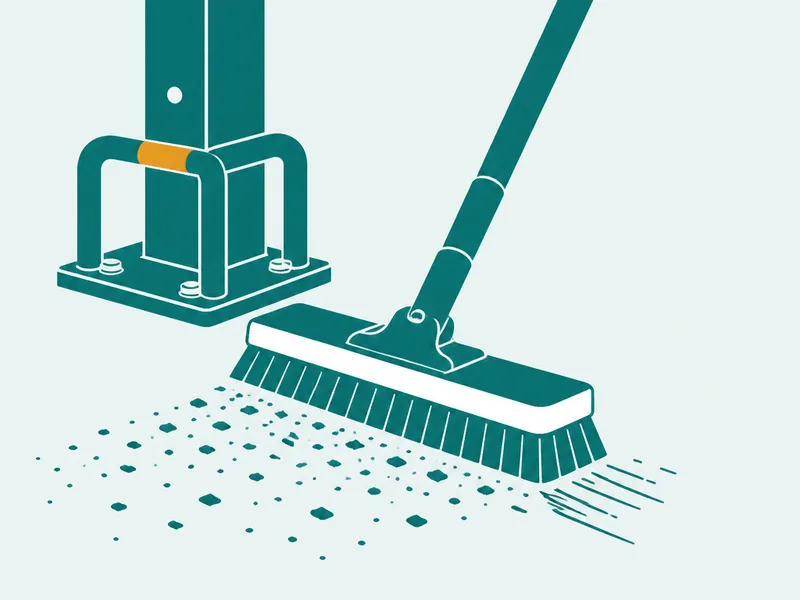
Safer working conditions for staff
Accumulated debris on racks and high shelving creates a fall hazard whenever items are retrieved. Clearing those surfaces and scrubbing aisles reduces slip and trip risks that show up on safety audits.
-
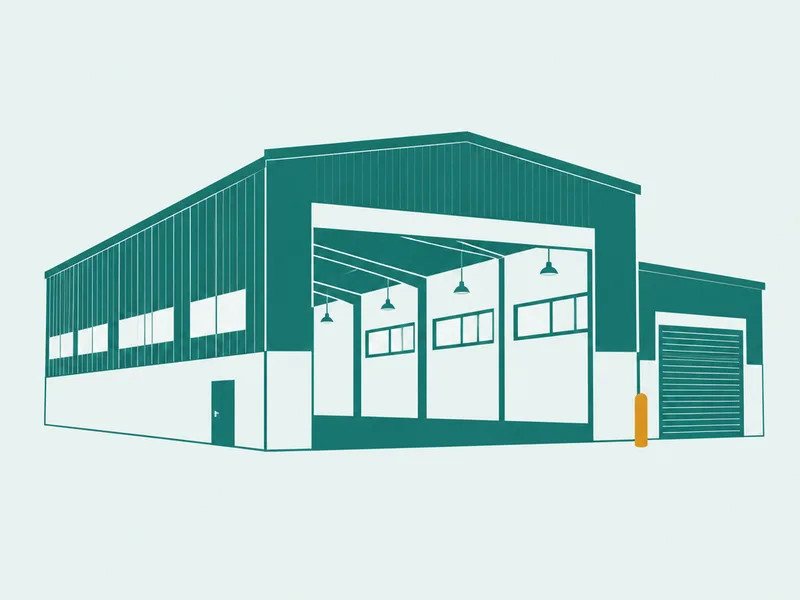
Clean handover for incoming tenants
A vacated warehouse rarely hands over clean: loading dock grime, drain blockages, and debris left in racking bays add cost to any incoming occupier. A structured clean-out lets handover happen without negotiation over scope.
Everything covered in this service
Each visit follows a fixed sequence so no zone is skipped and no surface is left to re-contaminate the one cleaned after it.
-
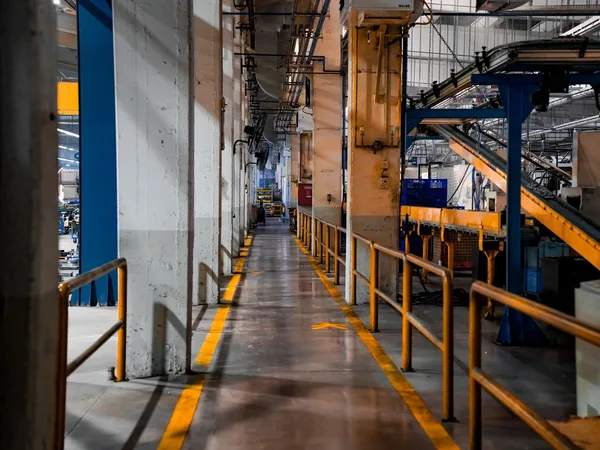
Walk facility mapping work zones
The facility is walked before work starts to map work zones, identify access constraints, and note any surfaces that need special handling or protection.
-
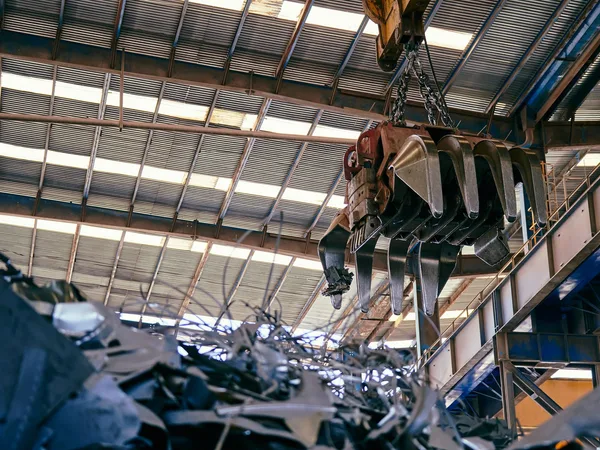
Clear debris and industrial waste
Loose material, industrial waste, and accumulated debris are cleared from floors, bays, and staging areas before wet or machine cleaning begins.
-
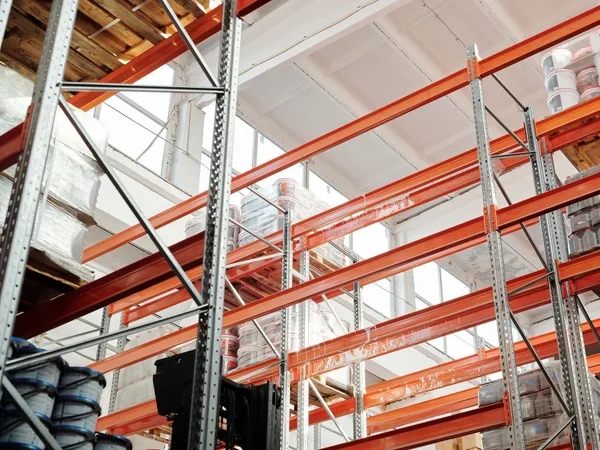
Clean rafters beams and high shelving
Rafters, beams, high shelving ledges, and structural members are cleaned from above using extension equipment, removing the dust that would otherwise fall onto lower surfaces.
-
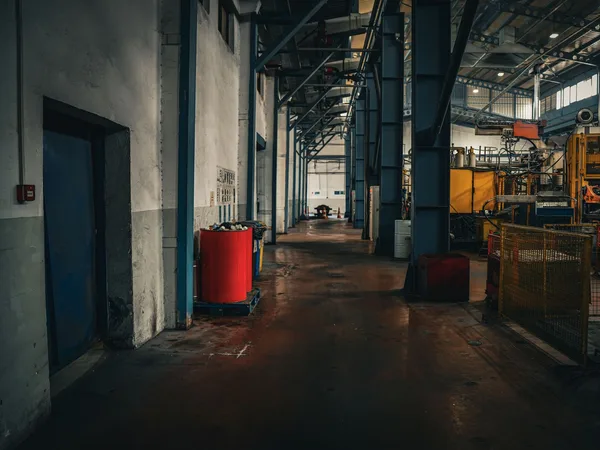
Wipe down machinery and equipment surfaces
External surfaces of machinery and equipment are wiped down with appropriate materials, removing dust, oil film, and particulate buildup without interfering with seals or controls.
-
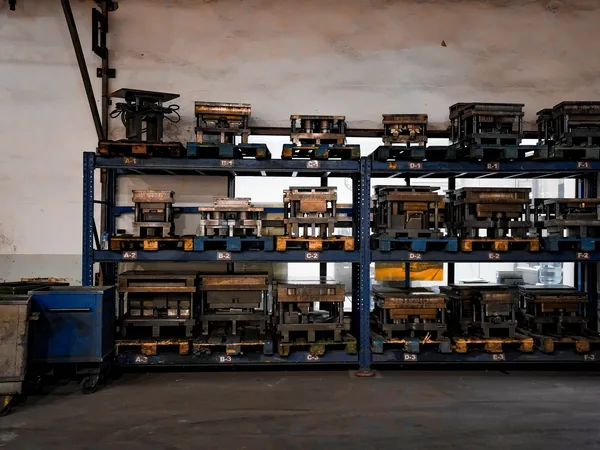
Scrub storage racks and shelving units
Storage racks and shelving frames are scrubbed along uprights, cross-beams, and shelf decks to clear the grime and debris that accumulates during normal loading and retrieval.
-
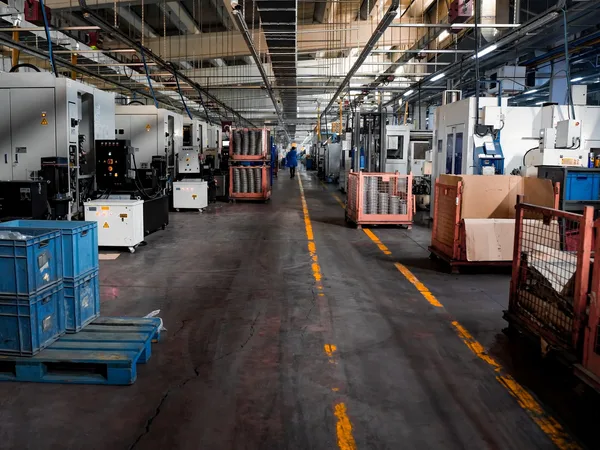
Machine-scrub the warehouse floor
The warehouse floor is machine-scrubbed rather than mopped, lifting ingrained grit and surface contamination from concrete or coated surfaces that foot traffic and pallet movement embed over time.
-
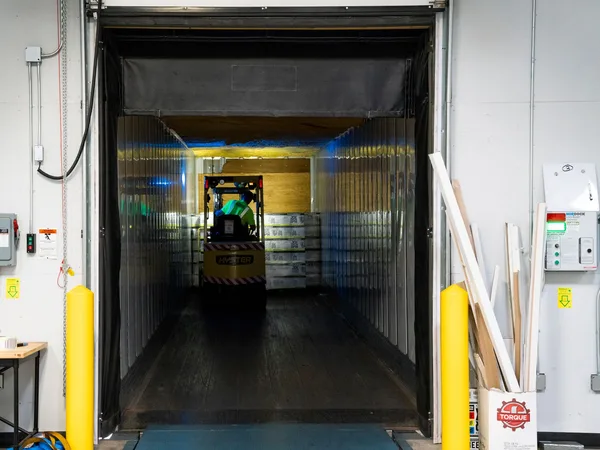
Pressure-wash loading docks and entrances
Loading dock aprons, ramps, and entrance areas are pressure-washed to remove the compacted dirt and vehicle residue that builds up in high-traffic exterior transition zones.
-
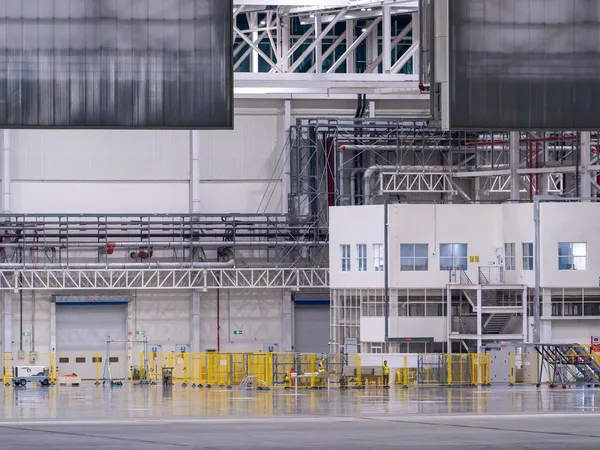
Clear floor drains and grates
Floor drains and grates are cleared of sediment, debris, and any blockage material, then checked to confirm water flows freely before the area is signed off.
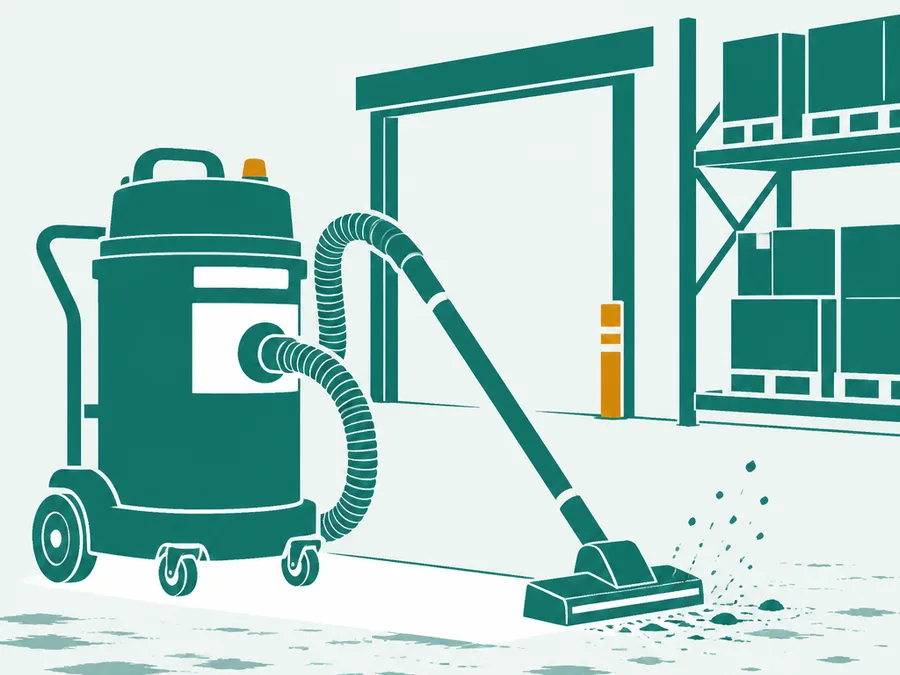
How a warehouse clean runs from start to finish
The job follows a top-to-bottom sequence so cleaning one area does not re-soil another.
-
Survey and zone mapping
Before any equipment is unloaded, the facility is walked to identify work zones, access points, surfaces that need protection, and the correct sequence to avoid re-soiling completed areas.
-
Overhead and high-surface work
Rafters, beams, and high shelving are addressed first. Dust and debris fall downward during this stage, so floors and equipment are cleaned after, not before, the overhead pass is complete.
-
Equipment, racks, and floor scrubbing
Machinery surfaces and storage racks are wiped and scrubbed while the floor crew runs the scrubber machine across the full warehouse floor, working from the back toward the exits.
-
Docks, drains, and sign-off
Loading dock areas are pressure-washed and floor drains cleared last. The supervisor walks the facility with the client contact to confirm every zone against the agreed scope before the crew leaves.
What the facility looks like when the crew leaves
Three observable states that a walk-through confirms once the work is done.
Clear drains and unblocked grates
Every floor drain and grate is cleared of sediment and debris before the crew leaves. Water runs freely, which prevents the standing puddles that make floors hazardous and attract pest activity.

Overhead surfaces free of settled dust
Rafters, beams, and high-shelf tops no longer carry dust loads that fall with vibration or air movement. The airborne particle count at floor level drops as a direct result of removing the source above.
Machine surfaces and racks clean to the touch
Equipment exteriors and storage rack surfaces have been wiped and scrubbed, not just sprayed. Residue that would transfer to hands, gloves, or product packaging is removed at the source.
What our customers said
«شغلهم ما شاء الله، أنصح الجميع بالتعامل معهم. عن تجربة وثقة.»
«أفضل شركة تنظيف بالبخار. أسعارهم ممتازة وشغلهم مرة كويس.»
«خدمة ممتازة.»
«ممتازين.»
Districts we cover
This service is available across the areas and industrial zones listed below. Coverage is reviewed regularly as new locations are added.
The district pages for this service are being prepared and will appear here when they are published.
Questions worth asking first
Racking and stored inventory do not need to move for most of the work. The team cleans around existing stock on racks and flags any area where access is physically blocked. Clearing specific zones in advance speeds the job but is not a requirement.
Duration depends on floor area, ceiling height, rack density, and the condition of the facility going in. The team gives a time estimate after the initial site survey, once the actual scope is mapped. A single shift is typical for medium-sized units.
Yes. Machinery surfaces are wiped with materials that do not leave residue on seals, panels, or controls. The team flags any equipment where access would require shutdown, and that decision stays with the client.
Most sections of the work can run while staff are present, but some zones, particularly floor scrubbing and pressure-washing, work better when clear. The survey stage is used to plan around shift patterns and identify which areas can be done while live.
Industrial debris and collected waste are bagged and staged at an agreed point for the client's waste contractor to collect. The team does not arrange disposal unless this is agreed in advance as part of the scope.
Frequency depends on what the facility handles. Food-adjacent, pharmaceutical, or high-throughput operations typically need more frequent cleans than storage-only warehouses. The team can advise on a realistic interval after seeing the facility in person.
Other services you may need



Ready to schedule your facility clean
Tell us the facility size and the condition you are starting from. The team will confirm scope and timing so you can plan around your operations.
Cleaning and disinfection guidance: Saudi Ministry of Health.