Mosque cleaning in Al Mawj, Jeddah
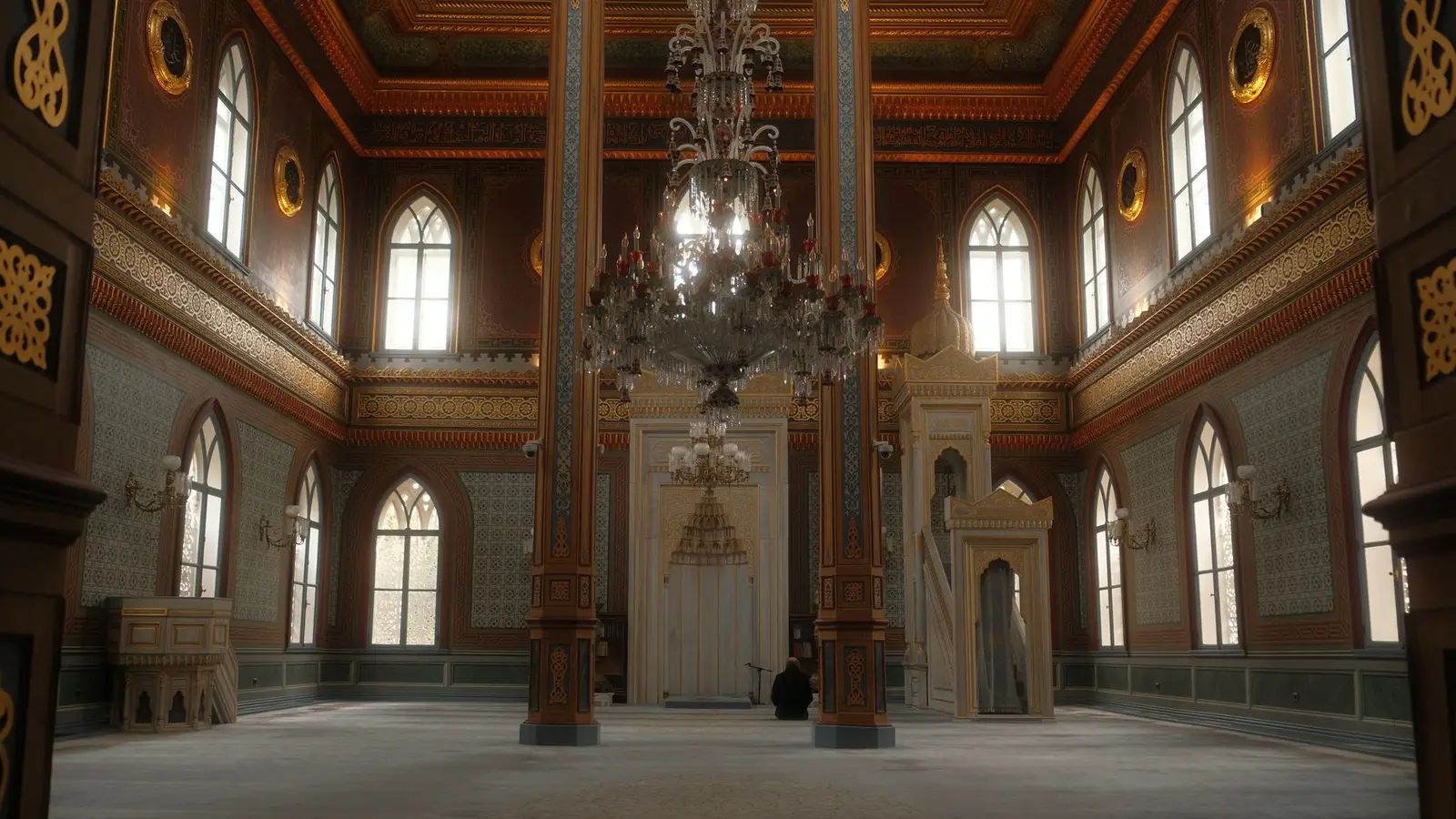
Al Mawj is the southernmost subdivision in this cluster of districts, sitting near the coast and where Al Lith Road continues south. Mosques serve families moving to new homes. Cleaning respects the space while focusing on touched surfaces, mihrabs, minbars and prayer halls. The coastal location means humidity and sand may increase the need for more frequent cleaning.
- Full prayer hall coverage
- Careful handling of fittings
- Works around prayer times
- No rearrangement left behind
Why regular cleaning matters in a mosque
An emerging coastal district in far south Jeddah near the shore. Residents are new families and mosques serve emerging congregations. High humidity, sea sand and dust may affect furnishings and carpets faster than in inland areas.
-

High foot traffic demands frequency
The coastal location and winds bring fine sand and salt that regularly enter the mosque; frequent cleaning reduces the buildup of these harmful materials.
-
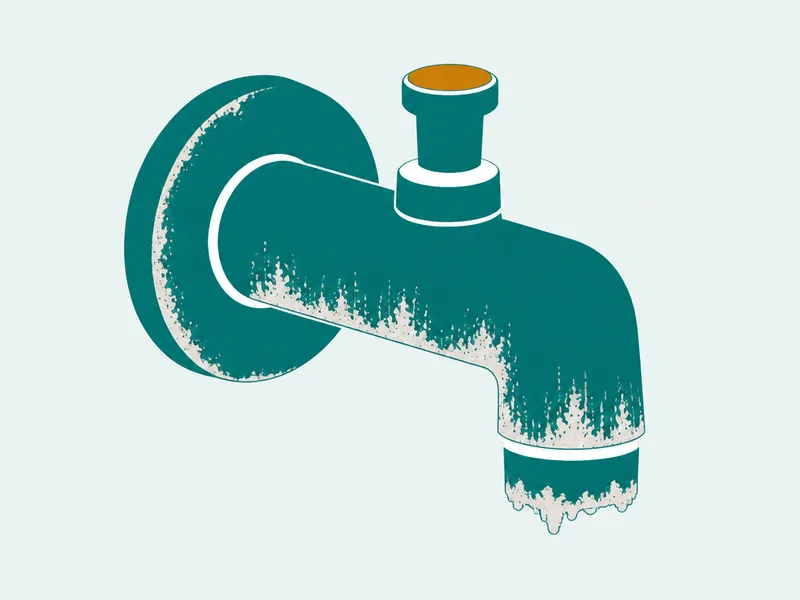
Wudu stations need specialist attention
High humidity in a coastal setting can cause mould and mildew if cleaning and ventilation are not regular and effective.
-
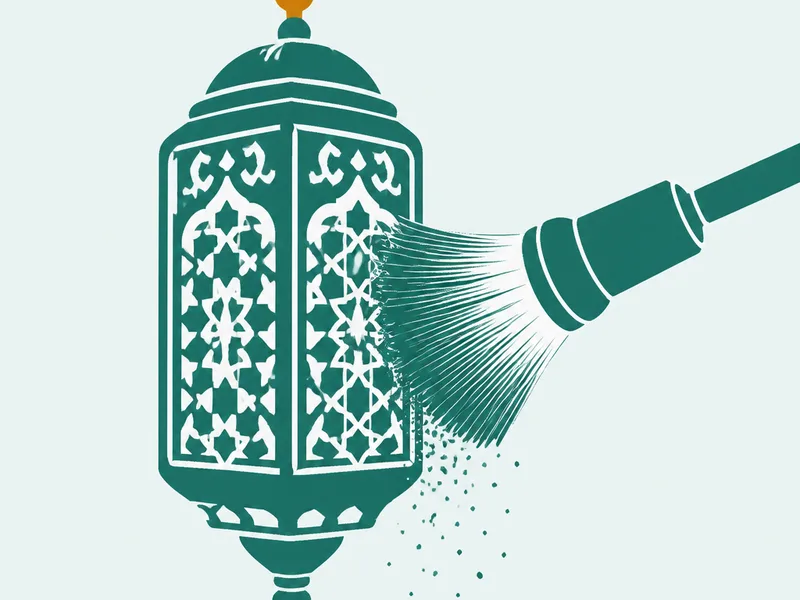
Religious fittings require respectful handling
Construction dust and fine particles in the emerging subdivision need careful removal from mihrabs, minbars and sensitive surfaces.
-

Scheduling around prayer times
Coastal mosques need a denser maintenance schedule than inland districts, with focus on ventilation and drying after cleaning.
What every visit includes
-
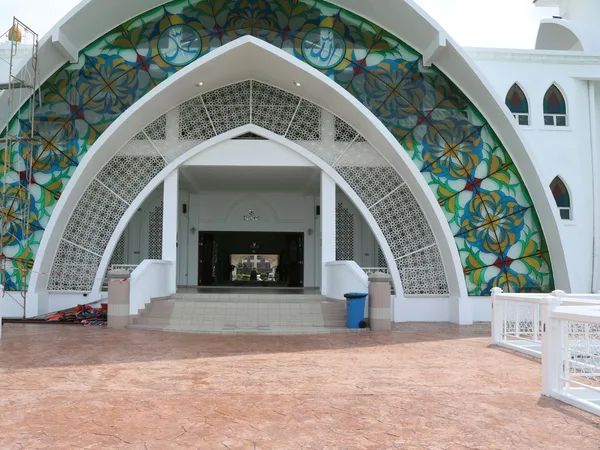
staging equipment at entrance
-
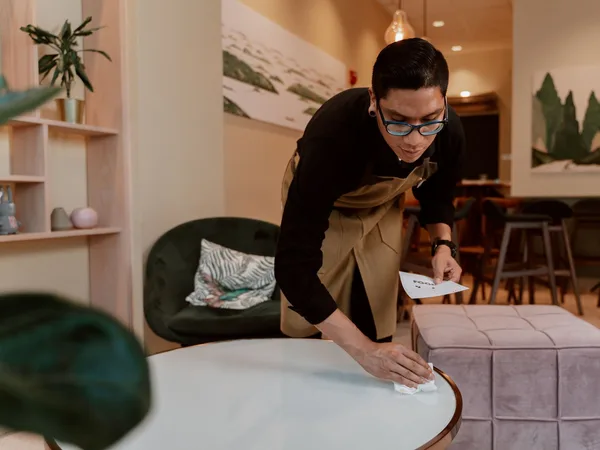
wiping down shoe storage racks
-
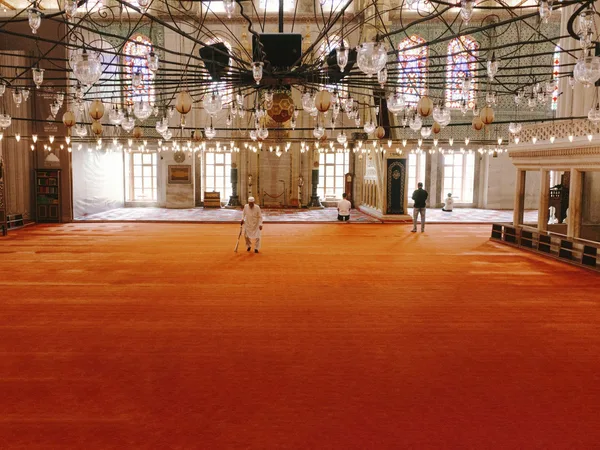
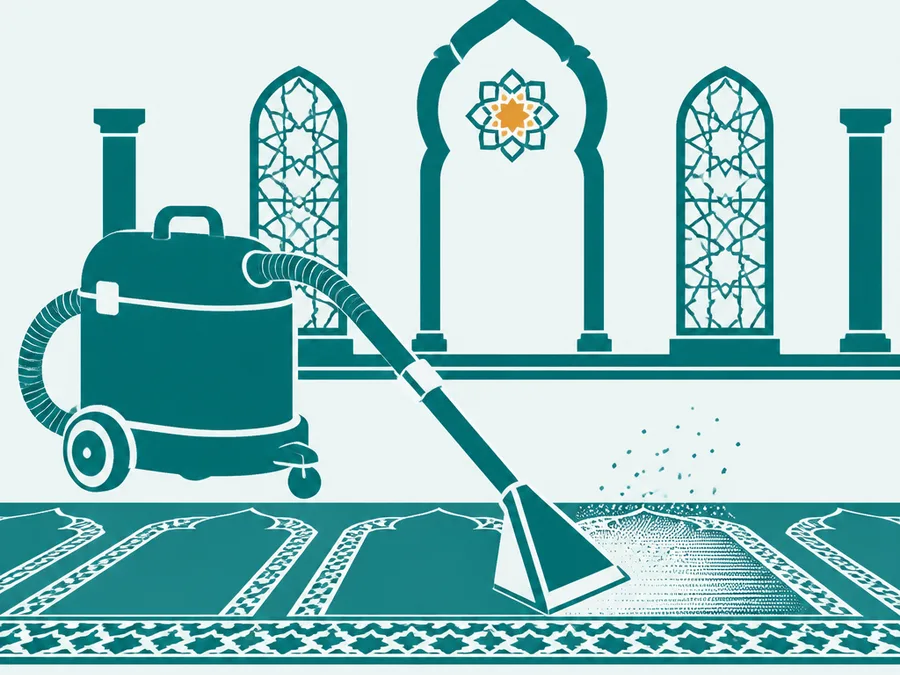
vacuuming the prayer hall carpets
-
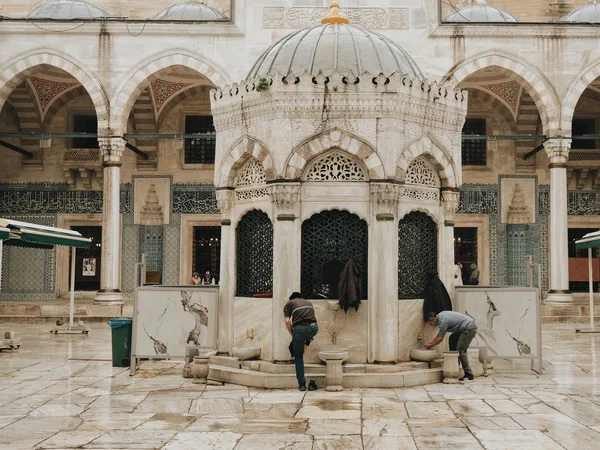
scrubbing ablution stations and drains
-
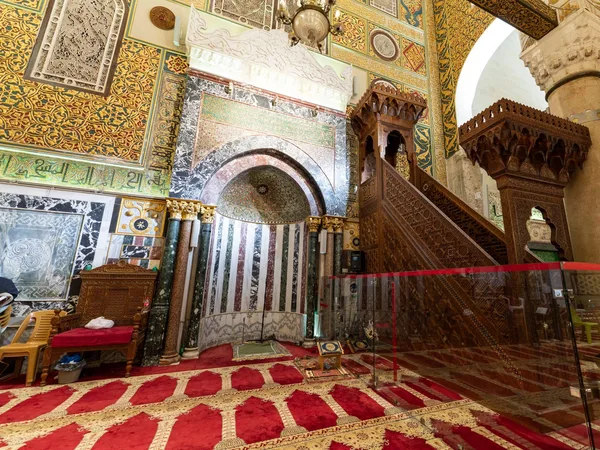
wiping the mimbar and railings
-
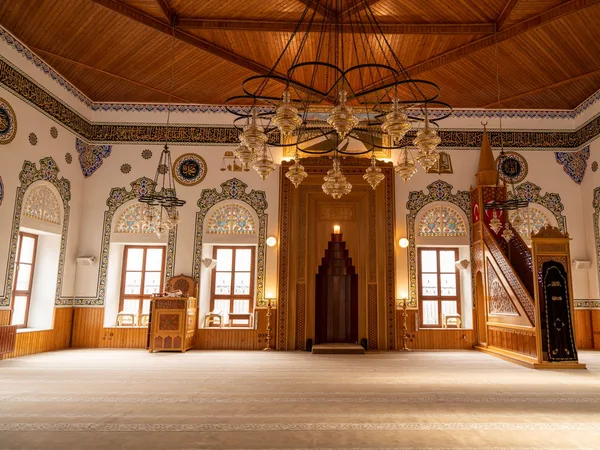
cleaning mihrab walls and floor
-
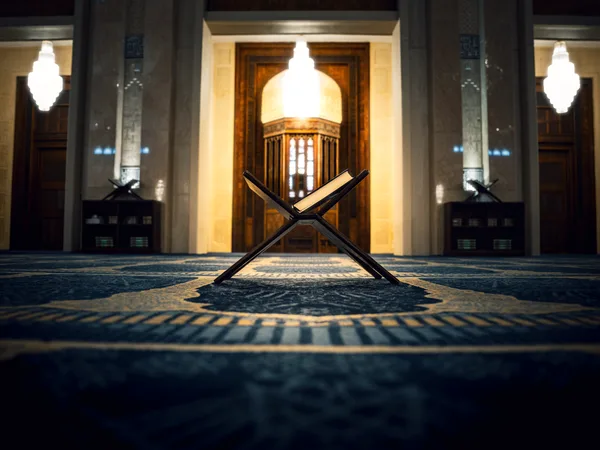
dusting Quran holder shelves
-
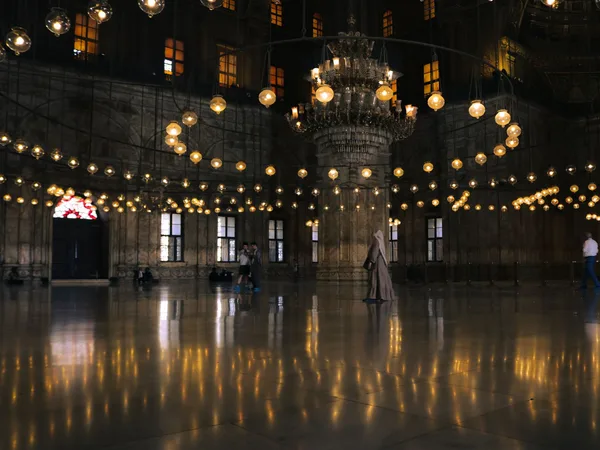
mopping the prayer hall floor
How a visit runs from start to finish
-
Schedule and confirm access
-
Set up at the entrance
-
Work from high surfaces down
-
Check and hand over
What changes about mosque cleaning in Al Mawj
Mosques near the shore in Al Mawj need attention to remove fine sand, salt and moisture that come with sea air. For the whole method, see how we approach mosque cleaning.
-
The first reason
Sand and salt from the shore enter with coastal winds
The coastal location means winds carry fine sand and salt into the mosque. Carpets, corners and low surfaces collect this residue. Regular cleaning removes it before accumulation occurs.
-
The second reason
High humidity speeds the deterioration of furnishings and carpets
Damp air near the shore causes mould and mildew growth in carpets and mihrabs. Regular cleaning and good ventilation preserve the health of the space.
-
The third reason
Construction dust and fine particles need careful removal
Building activity in the emerging subdivision produces dust that settles on mihrabs, minbars and surfaces. Cleaning removes this residue without harming sensitive materials.
Al Mawj on the map
Al Mawj sits about 3 km from Al Rimal and about 7.5 km from Al Marsa.
Open in Google MapsWhat the mosque looks like after

Carpets free of embedded dust
The prayer hall carpets have been vacuumed in systematic rows, so surface fibres sit flat and the hall has no lingering foot-traffic odour when the doors open.
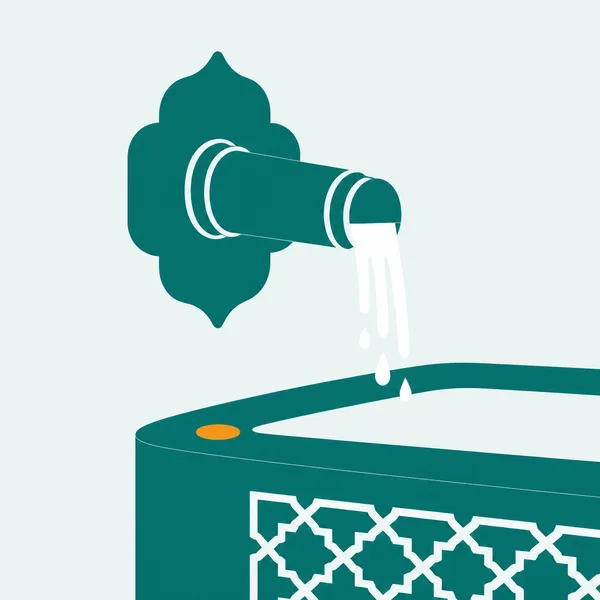
Ablution stations clear and dry
Drains have been cleared of soap build-up and the taps wiped down.

Quran shelves and mimbar wiped clean
The Quran holder shelves have been dusted in place without moving the books.
What our customers said
«شغلهم ما شاء الله، أنصح الجميع بالتعامل معهم. عن تجربة وثقة.»
«أفضل شركة تنظيف بالبخار. أسعارهم ممتازة وشغلهم مرة كويس.»
«خدمة ممتازة.»
«ممتازين.»
Some of our work


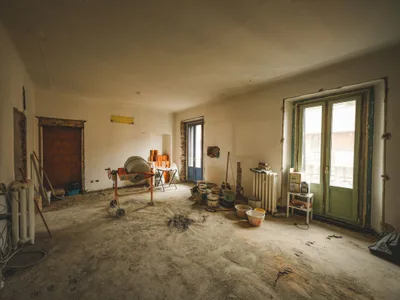
Illustrative photographs. Our own job photographs go here as soon as the client approves them.
The character of Al Mawj
New development: ongoing construction and vacant plots between the homes
Al Mawj is an emerging coastal district where humidity and sand meet, and mosques serve new families near the shore. Specialist care to remove salt, sand and moisture is essential to keeping the space clean and safe.
Nearby districts we cover
Questions worth asking first
Yes. High humidity can cause mould and mildew in carpets and mihrabs. Regular cleaning and ventilation are essential to protect the mosque.
The coastal location may need more frequent cleaning than inland districts. Monthly or bi-weekly cleaning is suitable based on winds and humidity.
Fine salt may cause slow fibre wear. Regular cleaning removes salt before damage, and good ventilation reduces the humidity that fixes salt to surfaces.
Mihrabs in damp conditions need regular inspection for mould signs. Cleaning depends on the material, with thorough drying after to prevent recurrence.
Deep cleaning removes the cause. With good ventilation and complete drying, carpets remain free of musty odours.
Regular cleaning, continuous ventilation and good vacuuming are essential. You may need ventilation fans or air dryers to reduce humidity.
It is set after we see the job, because the price follows the kind of work, the size of the space, its condition and the time and materials it needs. Send a photo and a short description on WhatsApp and we will give you an estimate before we reach Al Mawj.
Duration depends on the floor area of the prayer hall and how many ablution stations need scrubbing.
The management does not need to do any special preparation.
Other services in Al Mawj
We also provide these services in Al Mawj.