
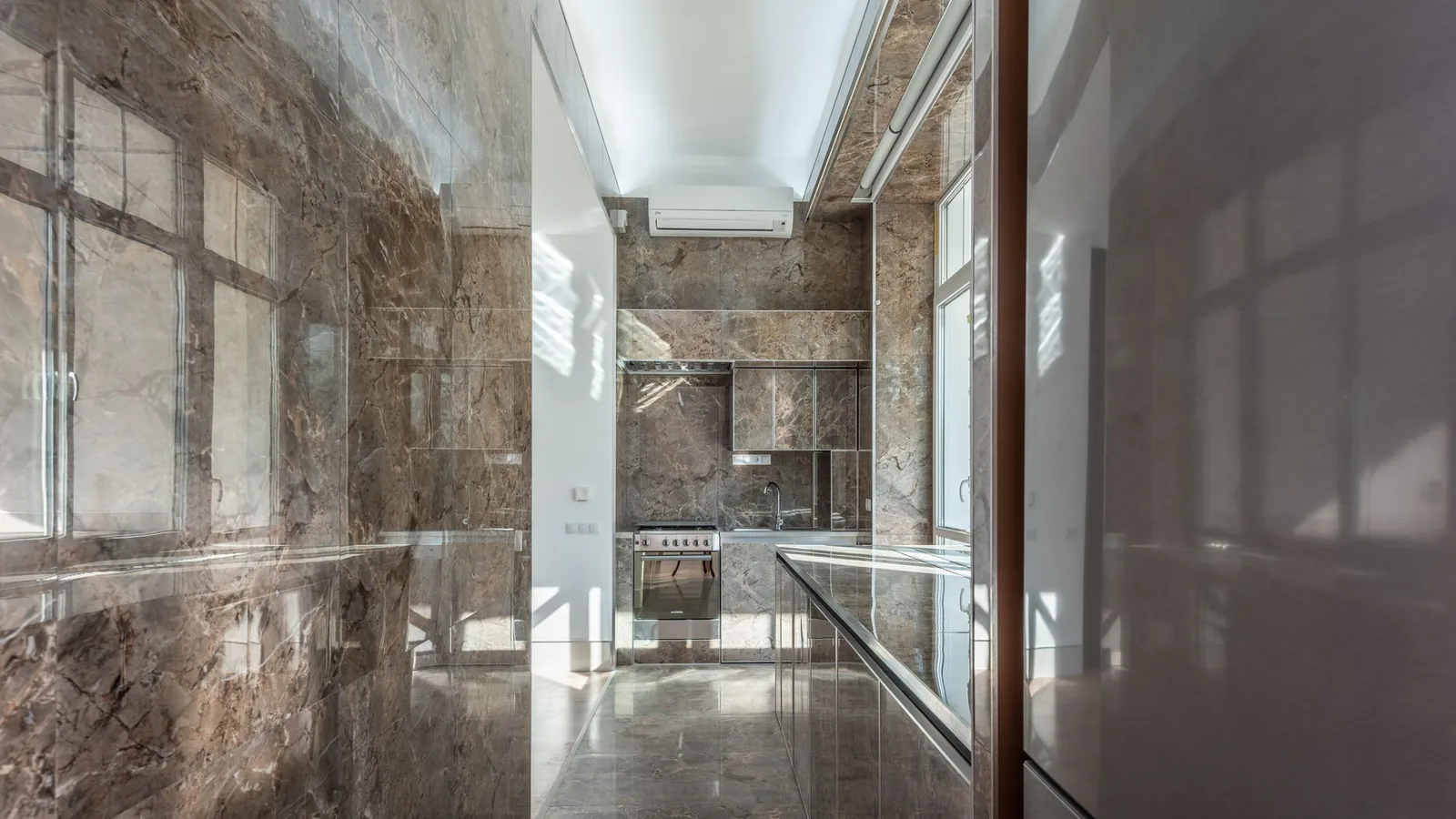
Marble grinding and crystal polishing for commercial floors and lobbies
Diamond-pad grinding and crystal burnishing for marble, granite and terrazzo surfaces in commercial properties, hotels, malls and office lobbies. The process works through the stone itself rather than coating the surface.
- Marble, granite and terrazzo
- Progressive diamond-pad grinding
- Hotels, malls and lobbies
- Finish locked into stone
Why grinding must come before polishing
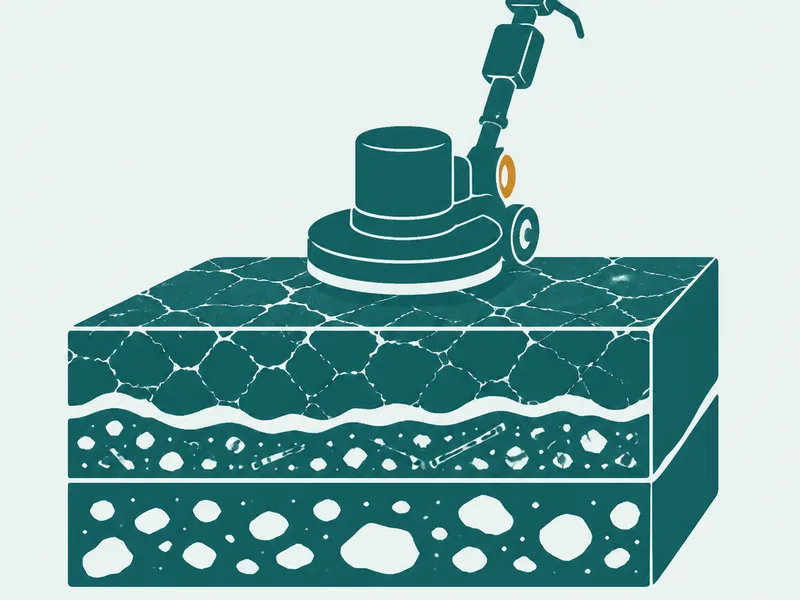
A chemical shine applied over unground marble gives a mirror look on the day, but the coating sits on a micro-rough surface and begins to lift within weeks under foot traffic. Grinding with progressively finer diamond pads cuts the stone flat before any polish touches it. That is what makes the final burnished surface stable and self-contained.
-
Worn lobbies and entrance floors
High-traffic marble in building entrances and hotel lobbies collects micro-scratches from foot traffic. Grinding removes the scarred layer and restores the original stone surface.
-
Post-construction stone preparation
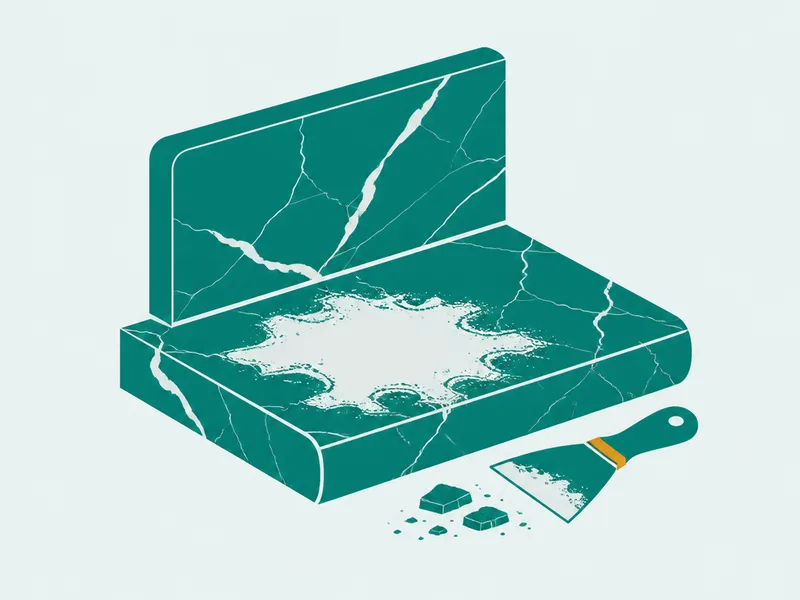
Builders leave marble with grout haze, adhesive residue and surface damage. Coarse grinding cuts below that layer before the finer stages take the stone to a polished finish.
-

Scratched or acid-etched stone
Cleaning chemicals, especially acidic ones, etch marble and leave dull patches that wax or polish cannot fix. Grinding reaches below the etch depth and gives a fresh surface to polish.
-

Ongoing maintenance schedule
Crystal polishing done at regular intervals keeps the surface reflective without requiring a full diamond grind each time. Regular burnishing also seals micro-scratches before they reach the depth that demands regrinding.
What every job includes
Each stage runs in sequence so no earlier step is undone by a later one.
-

Crew inspects marble surface condition
The crew checks for cracks, previous coatings and the depth of any scratches or etching before any equipment is set up.
-
Furniture and adjacent edges covered
Furniture is moved or covered, nearby skirting and wall edges are masked, and adjacent surfaces are protected from grinding slurry splash.
-
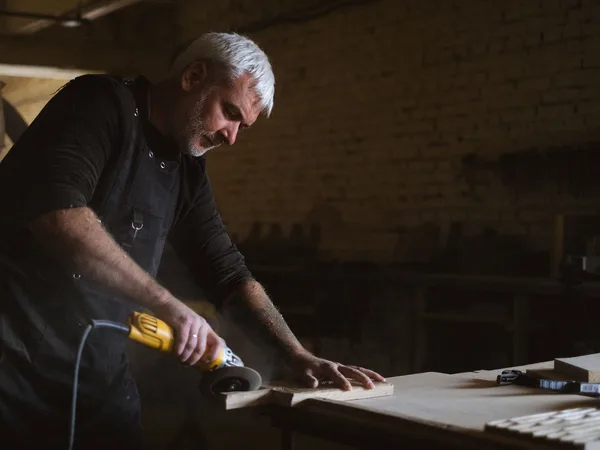
Coarse diamond discs grind the marble
Heavy diamond discs at low grit numbers cut through surface damage, old coatings and unevenness, reducing the stone to a flat, consistent plane.
-

Fine diamond pads hone the surface
Progressively finer diamond pads are run in sequence, each removing the scratches left by the previous disc until the stone is uniformly smooth.
-

Grinding slurry vacuumed and removed
The wet residue produced by grinding is vacuumed from the floor and removed from site before polishing begins, leaving a clean dry surface.
-
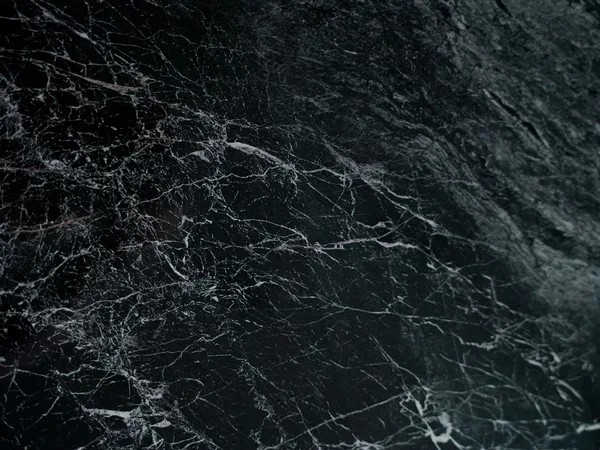
Crystal powder spread across surface
Crystal polishing powder is spread evenly across the prepared surface to begin the chemical and mechanical burnishing reaction with the stone.
-
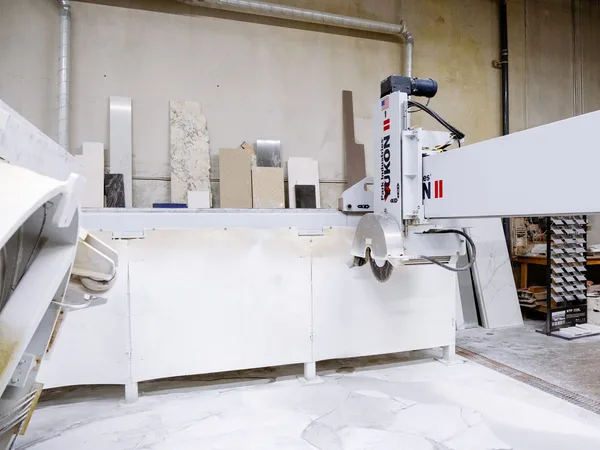
Heavy rotary machine burnishes the powder
A heavy rotary burnishing machine works the crystal powder into the stone under pressure, developing the high-reflective finish from inside the surface layer.
-
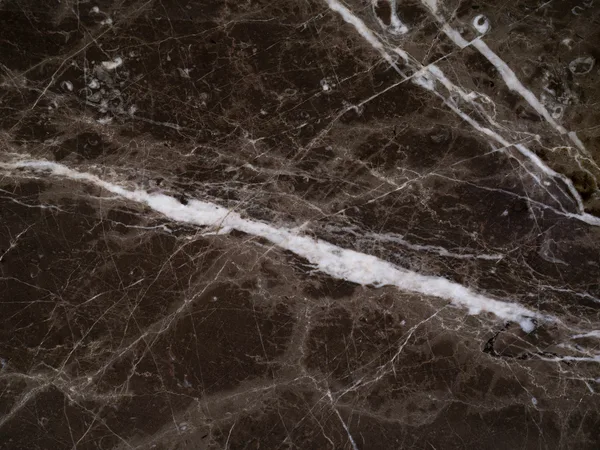
Edges and corners polished by hand
Skirting lines, column bases and doorframe edges are polished by hand using detail pads to match the field finish the machine cannot reach.
How a marble polishing job runs
Every job follows the same four stages, in order, with no stage skipped.

-
Surface survey and setup
The crew inspects the stone condition, notes cracks and existing damage, masks adjacent surfaces and moves any furniture before any machine touches the floor.
-
Coarse and fine grinding
Diamond discs run from coarse to fine grit in sequence, cutting the stone flat and removing scratches, etching and any previous surface treatment.
-
Slurry removal and crystal application
Wet grinding slurry is vacuumed up and removed before crystal powder is spread and the burnishing machine runs to develop the mirror finish.
-
Edge detail and handover
Hand polishing brings skirting lines and corners to the same standard as the field. The floor is checked against the original inspection notes before the crew signs off.
The surface you are left with
Once the work is done, the marble shows three observable changes that persist through normal use.
A true mirror finish
The surface reflects light cleanly because the stone itself is flat, not because a coating sits on top. No haze, no grain visible from standing height.
Edges as polished as the field
Hand-detailing at skirting lines, doorframes and column bases matches the field polish. No dark line where the machine stopped.

No residue left on site
Grinding produces a wet slurry that is vacuumed and removed before the polishing stage begins. The floor is clean and dry for normal use when the crew leaves.
What our customers said
«شغلهم ما شاء الله، أنصح الجميع بالتعامل معهم. عن تجربة وثقة.»
«أفضل شركة تنظيف بالبخار. أسعارهم ممتازة وشغلهم مرة كويس.»
«خدمة ممتازة.»
«ممتازين.»
Districts we cover
Marble grinding and crystal polishing is offered across multiple areas and districts. Check the list to find coverage in your location.
The district pages for this service are being prepared and will appear here when they are published.
Questions worth asking first
Duration depends on the stone condition and the surface area. A floor with deep scratching or old coatings takes longer because the coarse grinding stage runs more passes before the fine stages can begin. The crew will give a time estimate after the initial surface inspection.
Furniture that cannot be moved by the crew should be moved before arrival. Fixed items such as reception desks are masked and worked around. The crew brings their own covering materials for anything remaining in the space.
The grinding stage produces wet slurry, not airborne dust, so it does not create a dust hazard in the building. The crystal polishing compounds used are non-toxic. Work areas can be sectioned off so other parts of the building remain in normal use during the job.
The burnished surface is dry and walkable once the crystal residue is cleaned from it. Heavy furniture should not be dragged across the floor for the first day. Normal foot traffic can resume as soon as the crew finishes and clears the area.
Grinding works by removing material from the stone surface, so most scratching and etching can be addressed regardless of age. Cracks and chips are a structural matter and are assessed at inspection. Stone that has been previously coated in resin may need additional preparation before grinding can begin.
A burnished marble floor should be cleaned with a pH-neutral cleaner, not with acidic or alkaline products that etch the surface. Periodic re-burnishing with crystal powder maintains the reflective finish without requiring a full diamond grind each time. The inspection done at the start of each maintenance visit will indicate which stage is needed.
Other services you may need




Ready to restore your marble floors
Send your floor dimensions and a description of the current surface condition and the team will come back with a plan.
Cleaning and disinfection guidance: Saudi Ministry of Health.