Marble grinding and crystal polishing in Al Mahjar, Jeddah
Al Mahjar is a medical and administrative district where several major hospitals stand, including King Abdulaziz Hospital, Jeddah Mental Health Hospital and Ibn Sina College Hospital. Floors in these buildings face intense foot traffic from patients, medical staff and visitors, causing rapid dulling of marble and granite. Diamond-pad polishing restores floor lustre and ensures a clean, safe environment for patients and staff.
- Marble, granite and terrazzo
- Progressive diamond-pad grinding
- Hotels, malls and lobbies
- Finish locked into stone
Why grinding must come before polishing
The district holds hospitals, health centres and administrative buildings with premium floors that require regular maintenance to uphold health standards and aesthetic appearance.
-
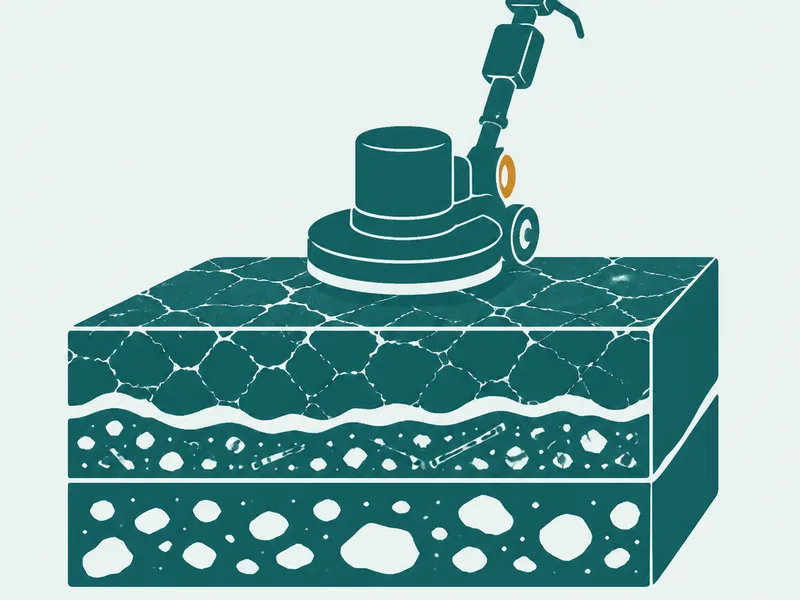
Worn lobbies and entrance floors
Major hospitals in Al Mahjar face constant movement from staff, patients, visitors and medical equipment, causing accelerated wear on stone floors.
-
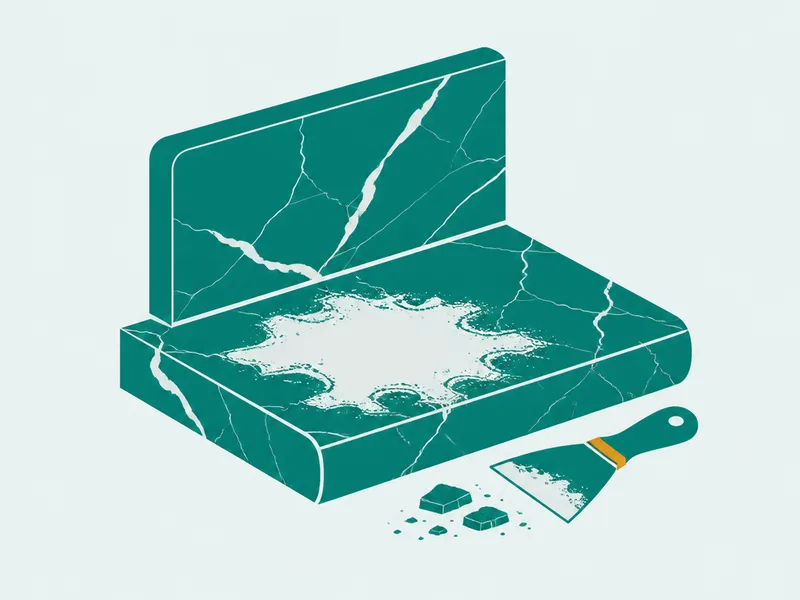
Post-construction stone preparation
Health and hygiene standards in hospitals require spotless floors free of dust particles. Dust-clogged stone fails to meet these standards.
-
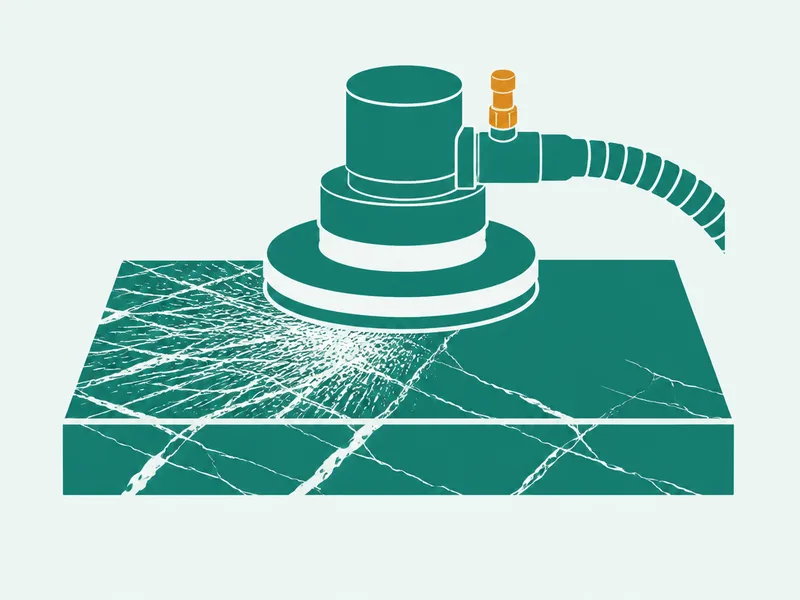
Scratched or acid-etched stone
Diamond-pad polishing removes the dull and contaminated layer and reveals a clean, safe, smooth surface for patients and staff.
-
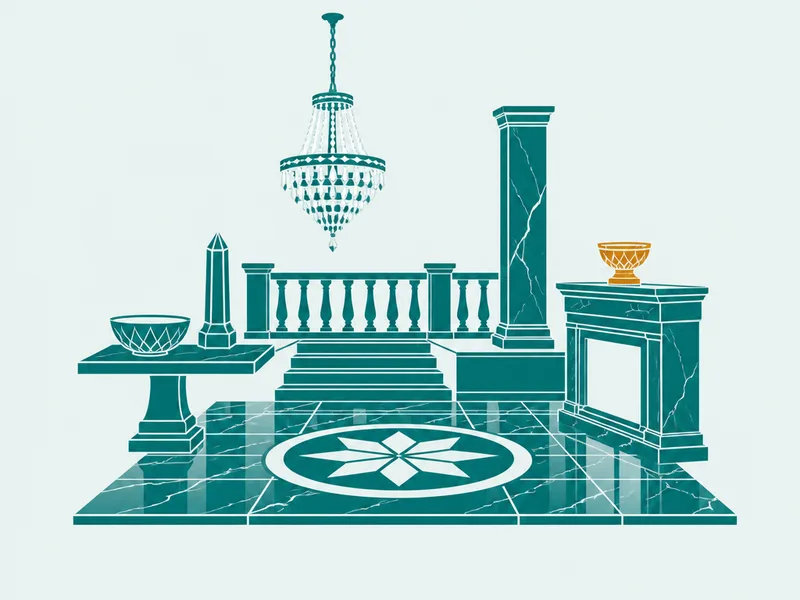
Ongoing maintenance schedule
Polished hospital floors maintain a professional appearance and reflect the medical centre's commitment to cleanliness and patient safety.
What every job includes
-
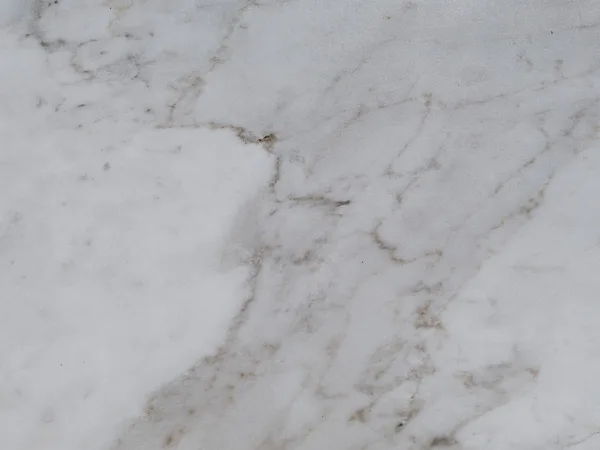
Crew inspects marble surface condition
-
Furniture and adjacent edges covered
-
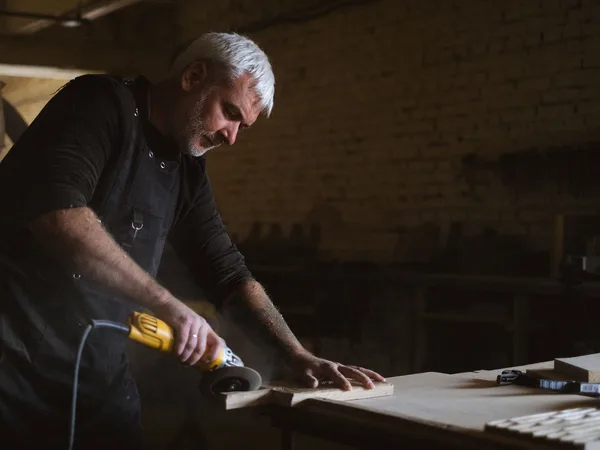
Coarse diamond discs grind the marble
-
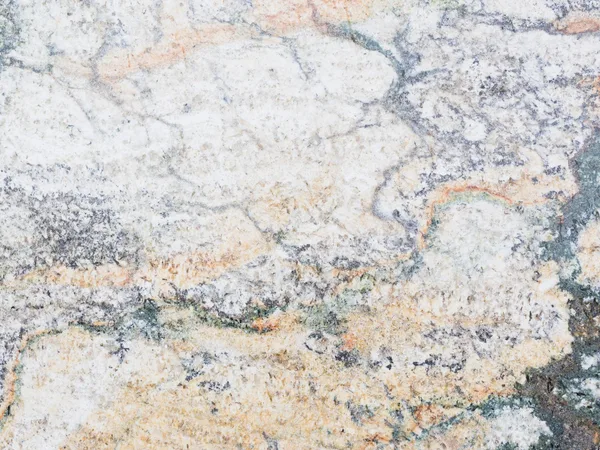
Fine diamond pads hone the surface
-

Grinding slurry vacuumed and removed
-
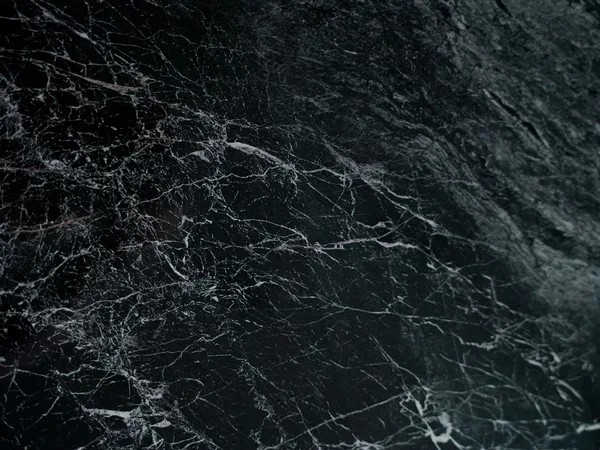
Crystal powder spread across surface
-
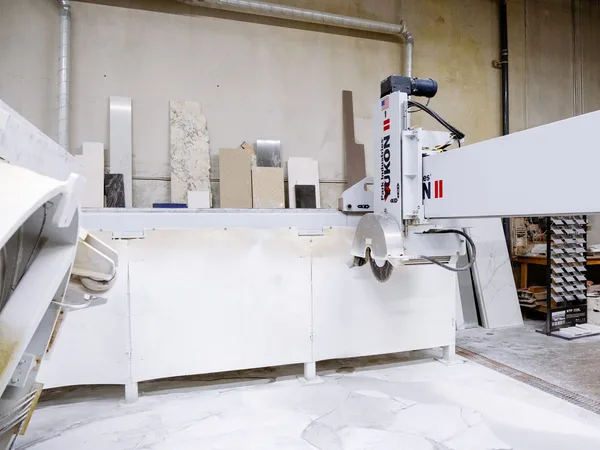
Heavy rotary machine burnishes the powder
-
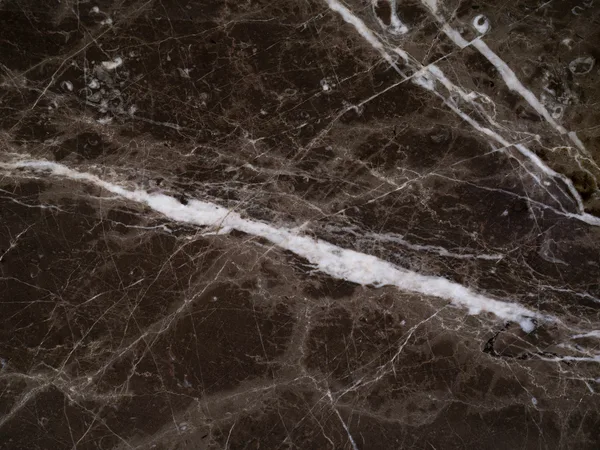
Edges and corners polished by hand
How a marble polishing job runs
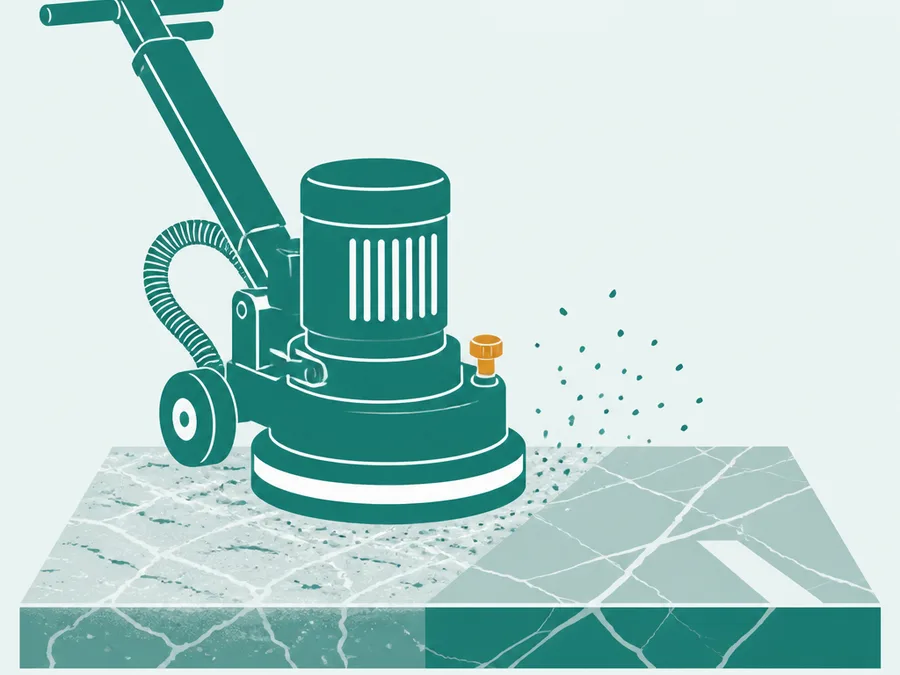
-
Surface survey and setup
-
Coarse and fine grinding
-
Slurry removal and crystal application
-
Edge detail and handover
What changes about marble grinding and crystal polishing in Al Mahjar
Hospital floors in Al Mahjar require more frequent polishing than ordinary buildings due to continuous foot traffic and high health and safety standards. For the whole method, see our marble grinding and crystal polishing service.
-
The first reason
Heavy foot traffic scratches floors quickly
Hospital corridors and floors face constant movement from wheelchairs, medical equipment and staff. This traffic scratches the stone much faster than ordinary buildings. Polishing removes scratches and restores the smooth, safe walking surface.
-
The second reason
Medical settings require high cleanliness standards
Hospitals need spotless floors free of dust particles. Dust-clogged stone never looks truly clean even after cleaning. Polishing removes particles trapped in the stone's pores and ensures deep cleanliness.
-
The third reason
Lustre enhances confidence and patient comfort
Patients and staff feel more at ease in a clean, safe and bright environment. Polished floors look modern and spotless, creating a positive impression of the medical facility.
Al Mahjar on the map
Al Mahjar sits about 3 km from Ghulail and about 3 km from Al Waziriyah.
Open in Google MapsThe surface you are left with
A true mirror finish
The surface reflects light cleanly because the stone itself is flat, not because a coating sits on top.
Edges as polished as the field
Hand-detailing at skirting lines, doorframes and column bases matches the field polish.

No residue left on site
Grinding produces a wet slurry that is vacuumed and removed before the polishing stage begins.
What our customers said
«شغلهم ما شاء الله، أنصح الجميع بالتعامل معهم. عن تجربة وثقة.»
«أفضل شركة تنظيف بالبخار. أسعارهم ممتازة وشغلهم مرة كويس.»
«خدمة ممتازة.»
«ممتازين.»
Some of our work

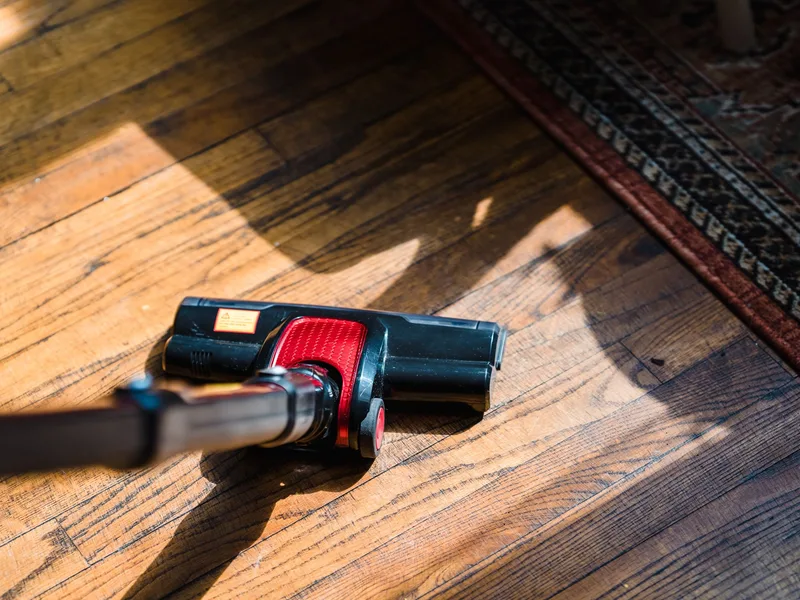
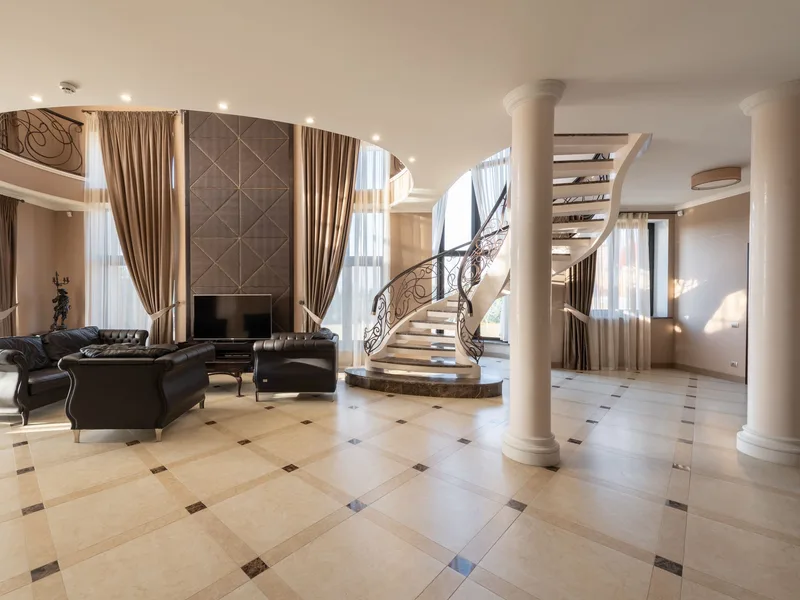
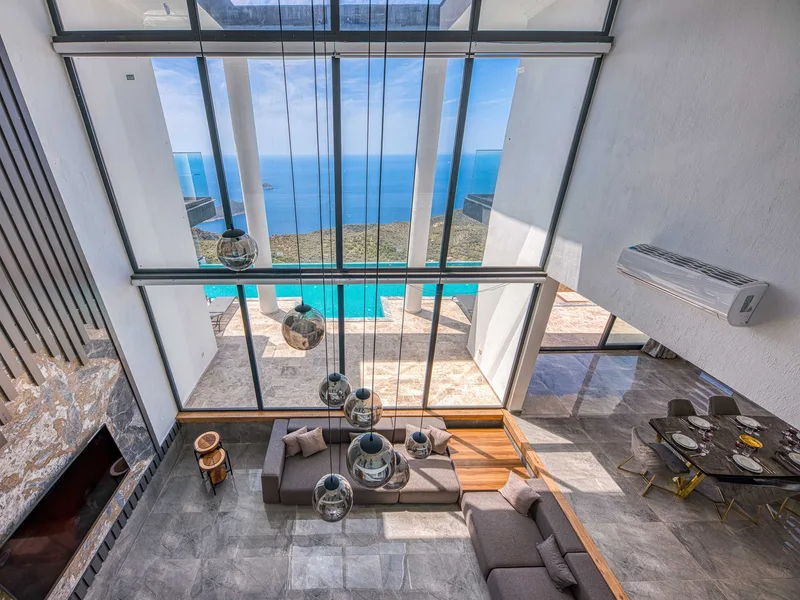
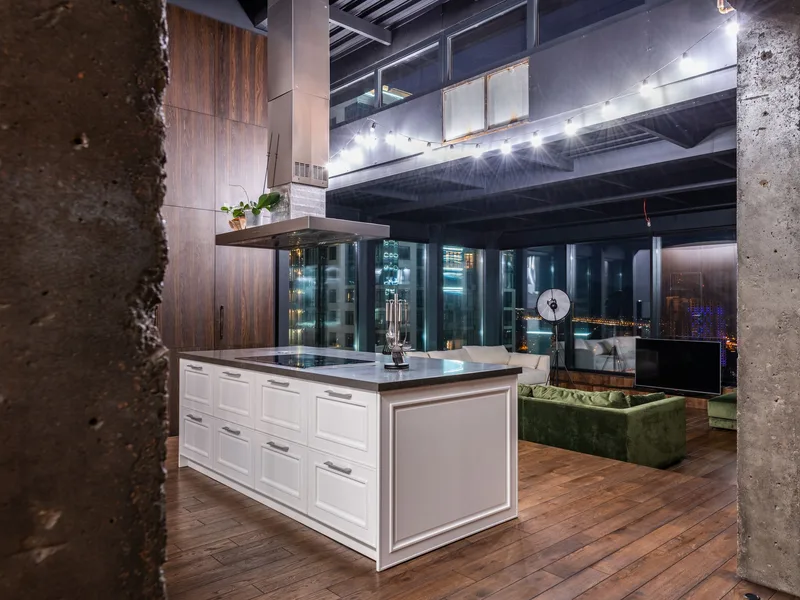
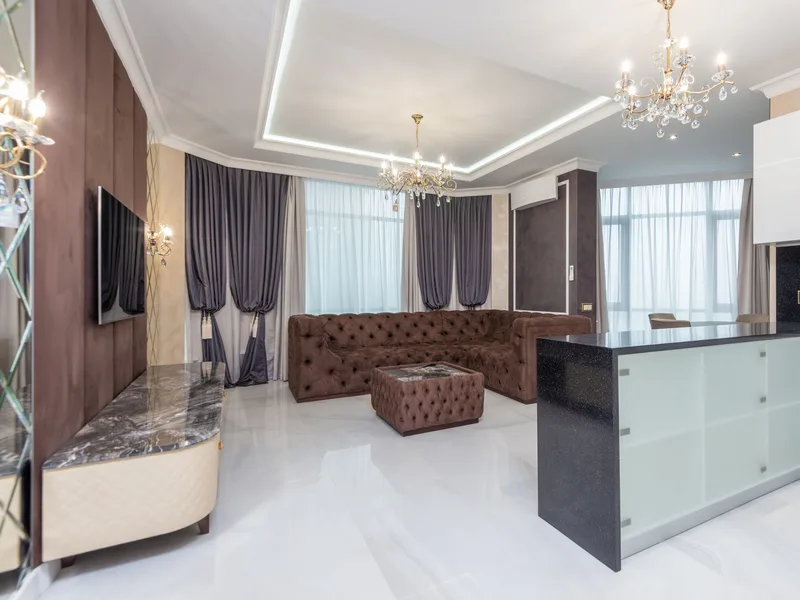
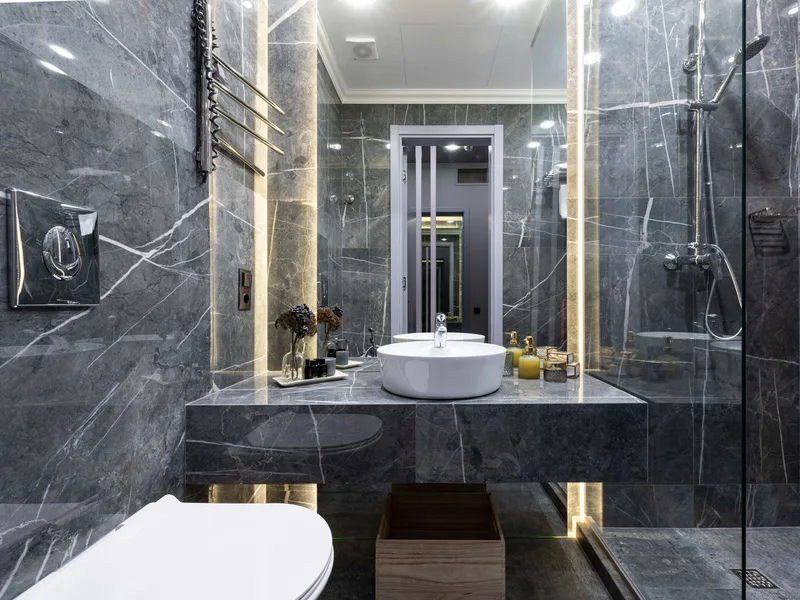
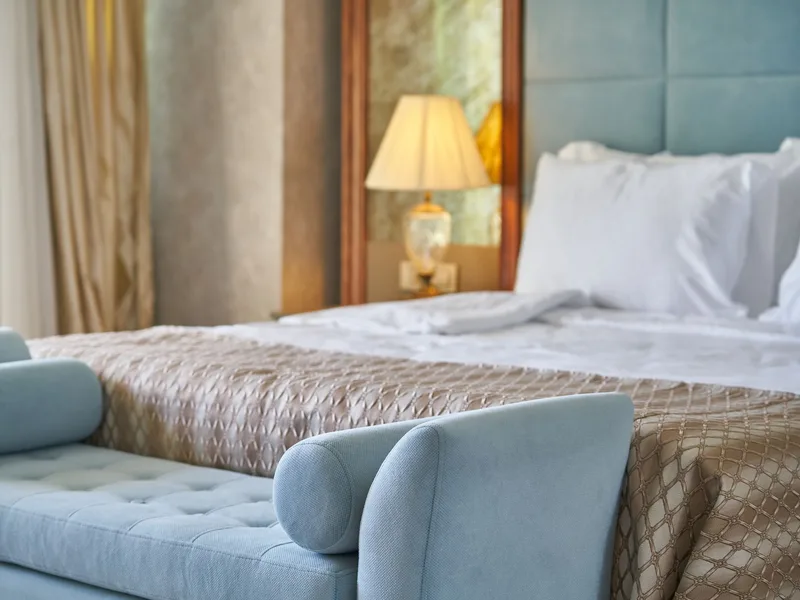
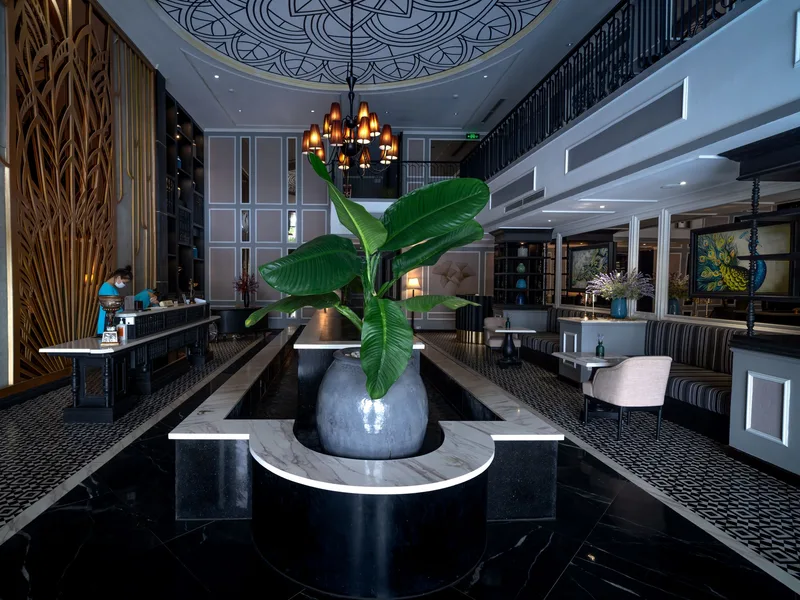
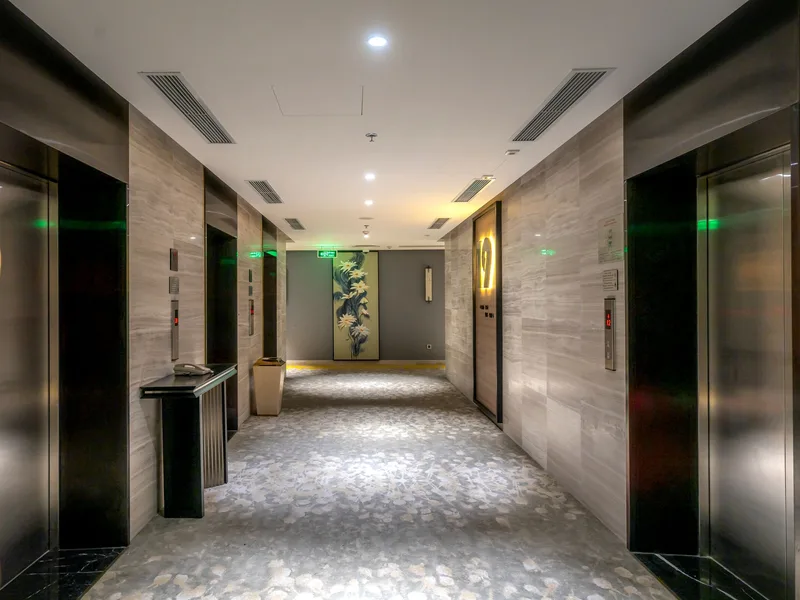
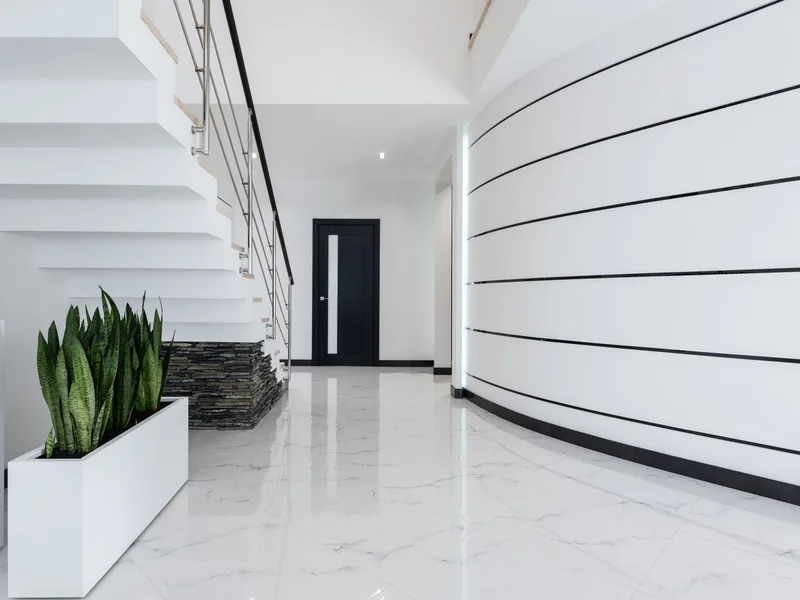
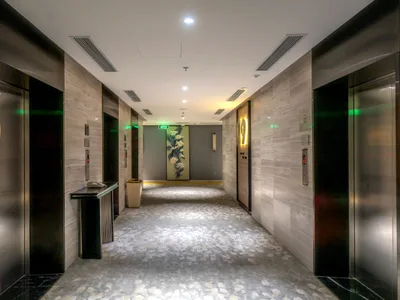
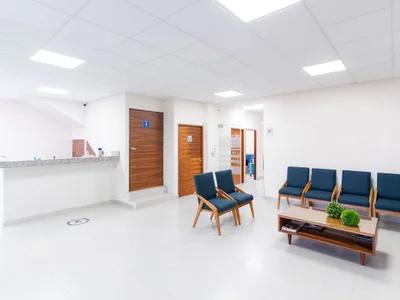
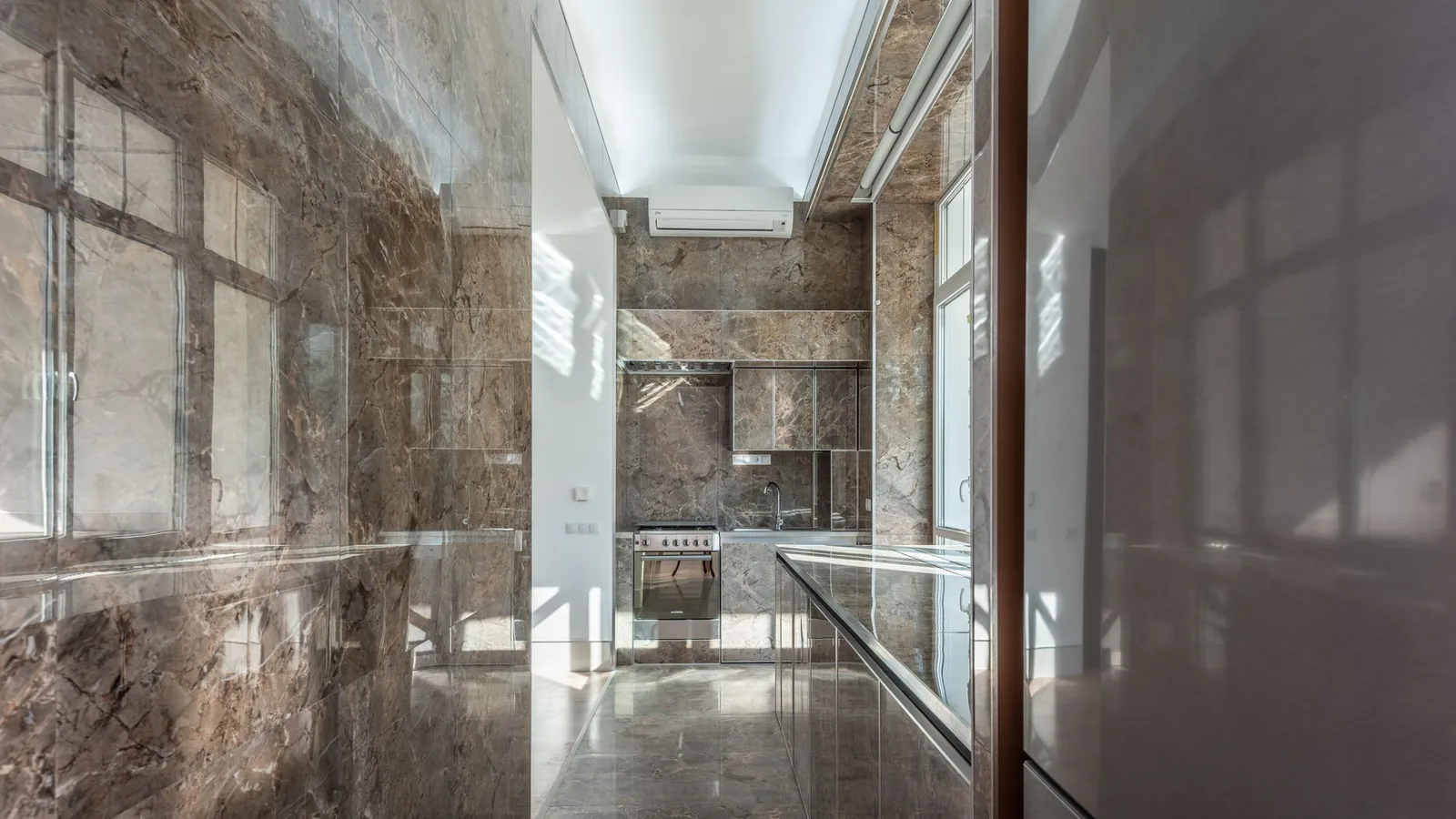
Illustrative photographs. Our own job photographs go here as soon as the client approves them.
What is different about South Jeddah
South Jeddah is the working end of the city: the Islamic Port, the industrial city with its warehouses and workshops, and behind them older low rise districts such as Ghulail and Al Khumrah. The roads are built for lorries, and port and factory traffic runs through the night, so the dust that settles here is grey with diesel and metal filings rather than pale sand. Buildings are mostly older concrete with flat roofs and open stairwells that collect it. Sea humidity keeps it damp, and in summer it sets hard on ledges and cladding.
Nearby districts we cover
Questions worth asking first
Yes, the crew works on specific sections or set times in coordination with the hospital. Corridors or floors can be polished during night shifts or scheduled maintenance windows.
No, polishing works on the surface only. The crew takes precautions to protect equipment and sensitive areas. After polishing, the floor is cleaner and more hygienic.
Large hospitals with high foot traffic may need polishing every six months to one year. Frequency depends on traffic volume and specific floor areas.
No, polishing reveals the stone's true colour. The colour may appear lighter or deeper than before polishing, but this is the genuine colour of the stone.
Heavy equipment can be moved temporarily during polishing in that area. The crew coordinates with the hospital to ensure operations are not disrupted.
Regular cleaning with a damp mop keeps the shine intact. Using mats at entrances and along corridors reduces dust and scratches, extending the polished finish.
It is set after we see the job, because the price follows the kind of work, the size of the space, its condition and the time and materials it needs. Send a photo and a short description on WhatsApp and we will give you an estimate before we reach Al Mahjar.
Duration depends on the stone condition and the surface area.
Furniture that cannot be moved by the crew should be moved before arrival.
Other services in Al Mahjar
We also provide these services in Al Mahjar.