
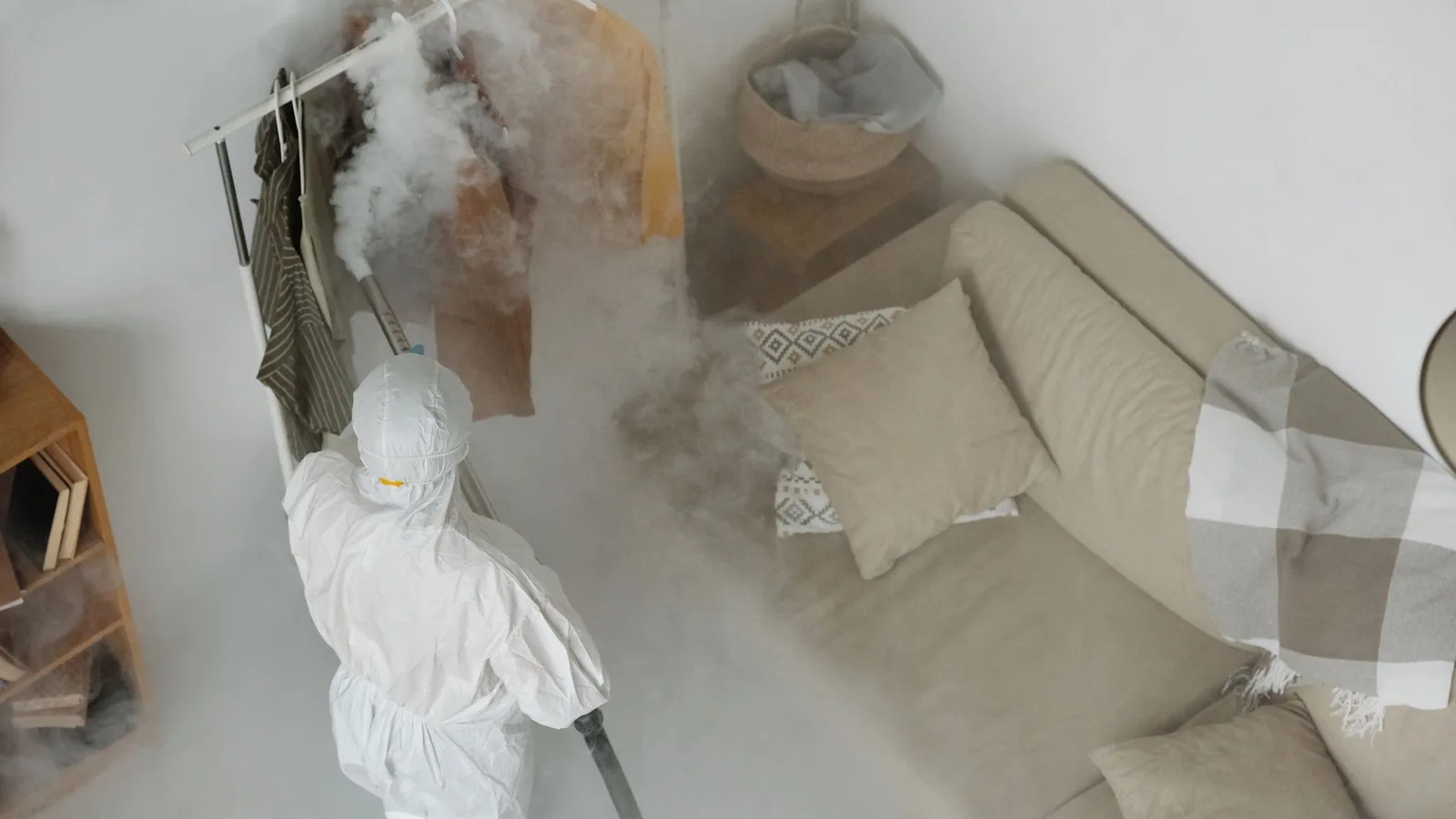
Commercial pest control for business premises and facilities
A structured programme that identifies how pests enter a building, seals the routes they use, and treats the drains and surfaces where infestations begin. Designed for warehouses, kitchens, offices and any facility with active hygiene obligations.
- Entry points mapped and sealed
- Drain and sewage lines treated
- Suited to occupied premises
- Written site log on completion
Why pest control fails without a full-site approach
Pest problems in commercial buildings usually start at points no one inspects: drain junctions, pipe runs and gaps where utilities enter the wall. Surface spraying alone suppresses what is visible but leaves the entry routes open, so populations recover within weeks. Treating the drains, sealing the gaps and logging every treated zone is what breaks the cycle rather than pausing it.
-
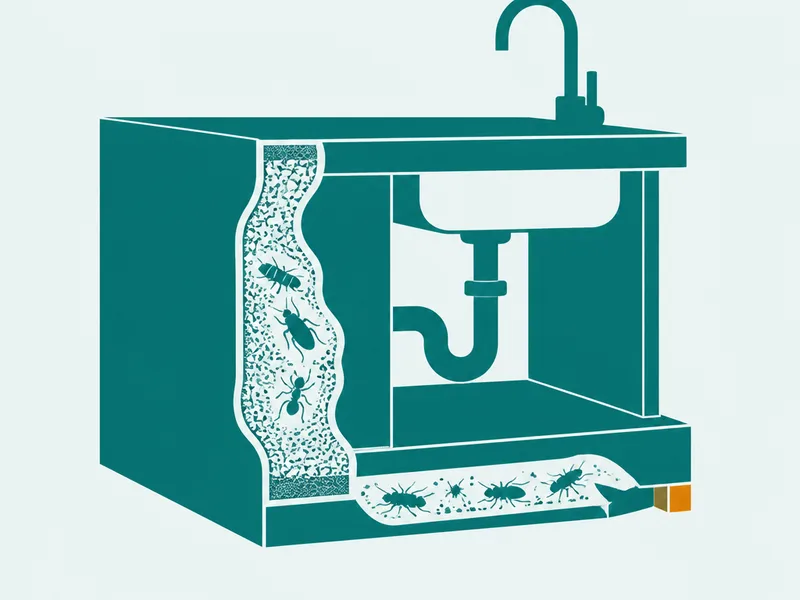
Hygiene inspections target hidden areas
Commercial kitchens and food facilities are checked at extract canopies, drain junctions and ducting, not just visible counters. Pest activity at those points triggers a closure notice, not a warning.
-
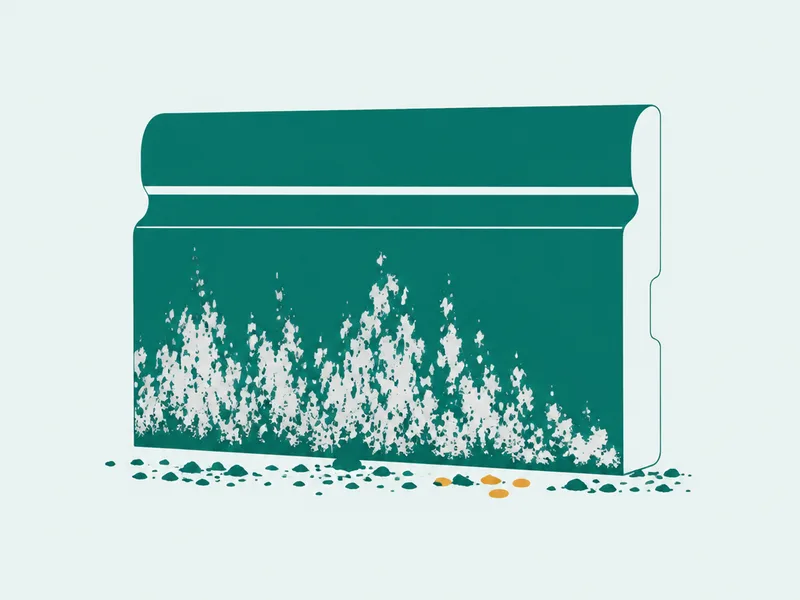
Infestations spread faster than they appear
By the time pest activity is visible to staff, populations have already established in wall voids, drains or storage areas. Early-stage treatment addresses a smaller problem than one left to grow.
-
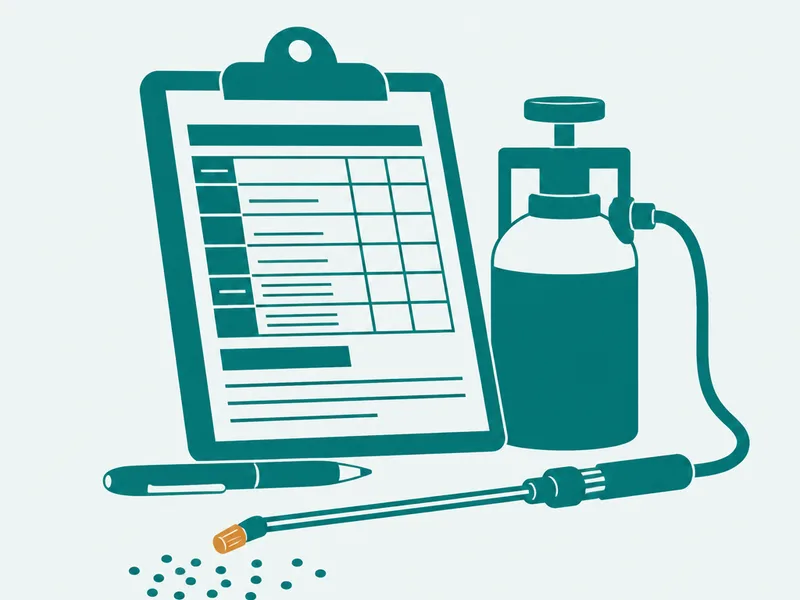
Documented records protect the business
A pest incident in a customer-facing space affects the reputation of the whole site. Treatment logs show due diligence if a complaint or inspection arises, in a way that an undocumented spray visit cannot.
-
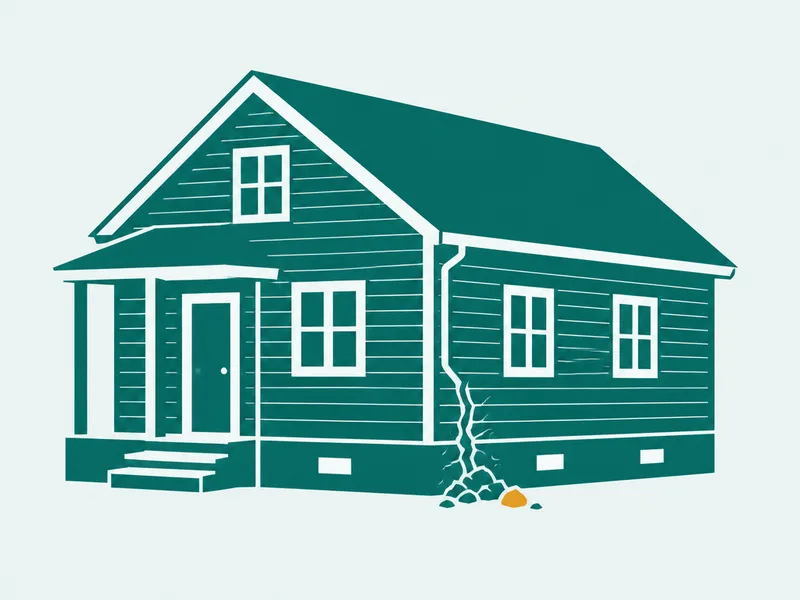
Structural gaps grow if left unaddressed
Entry points widen with seasonal movement and vibration. Sealing them as part of a pest programme stops the route permanently rather than only treating whatever has already used it.
What every treatment visit covers
Each booking includes all of the following, carried out in sequence so no stage is skipped.
-
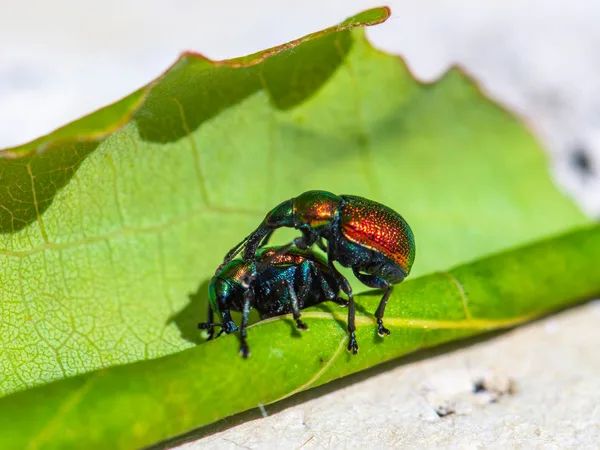
walking site for pest signs
The team walks the whole site before any product is applied, looking for pest signs, harbourage spots and conditions that allow infestations to establish.
-
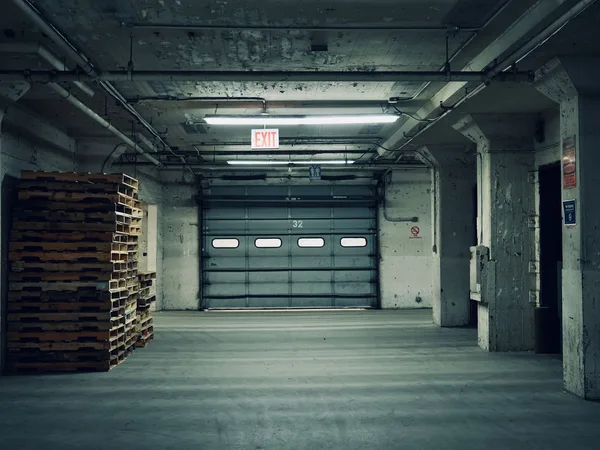
marking pest entry points
Every gap, drain opening, pipe penetration and door seal that pests can use to enter or move between areas is identified and noted.
-
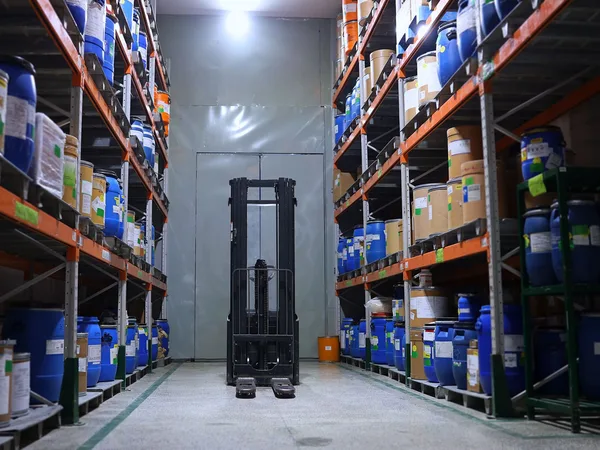
sealing cracks and gaps
Gaps in walls, floor junctions, pipe collars and service penetrations are filled to close the physical routes pests travel through the structure.
-
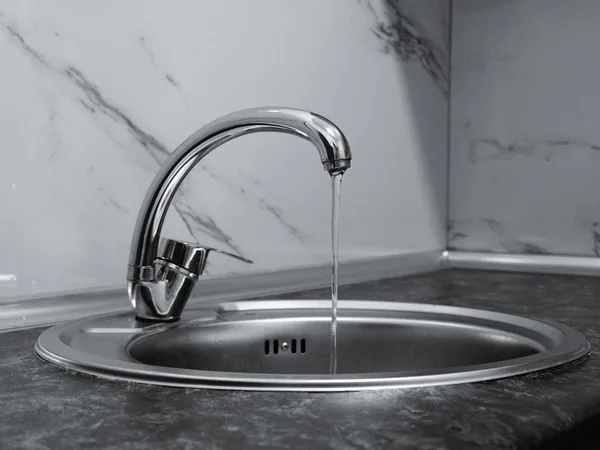
treating drains and sewage lines
Drain runs and sewage lines receive a targeted treatment to disrupt the breeding sites in sediment where cockroaches and flies typically establish.
-

spraying insecticide on targeted areas
Insecticide is applied to the specific voids, surfaces and harbourage points identified in the inspection, not broadcast indiscriminately across the room.
-
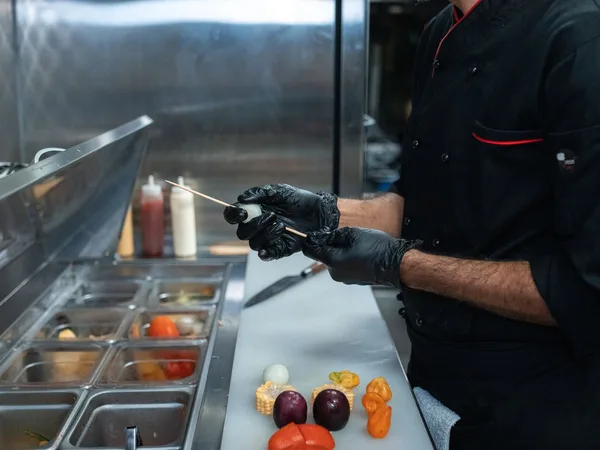
placing bait stations and traps
Bait stations and traps are positioned at locations where pest activity was recorded, using a layout matched to the species and infestation stage found.
-
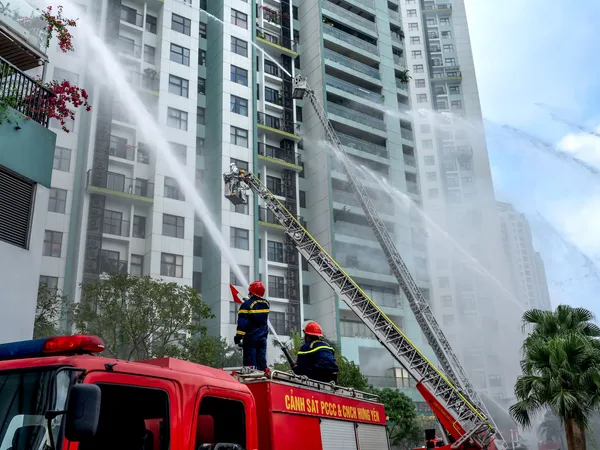
spraying building exterior perimeter
The building exterior receives a barrier application along the base and around entry points to intercept pests before they reach the structure.
-

logging treated areas before leaving
Before leaving, the team records every zone treated, the products applied and any conditions or follow-up observations the manager should monitor.
How a commercial treatment runs from start to finish
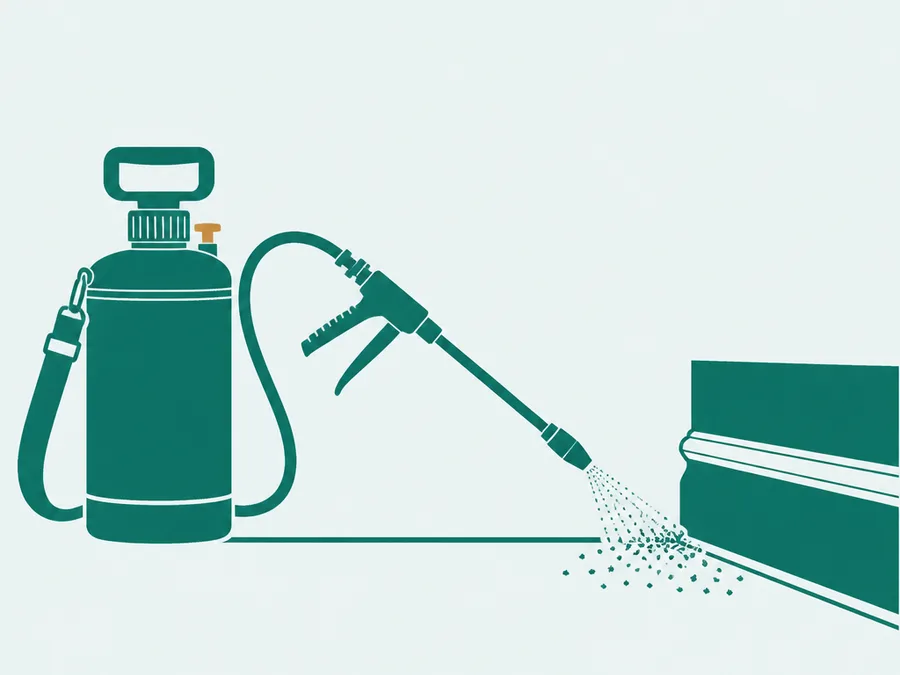
The job follows four stages in a fixed order so each one builds on the last.
-
Site walkthrough and briefing
The team reviews the layout with the manager, notes any recent activity, and walks every accessible area before applying any product or touching any equipment.
-
Mapping entry points and activity
Entry routes, active pest signs and structural defects are recorded. The sketch produced at this stage determines where sealing, baiting and chemical work will be concentrated.
-
Treatment, sealing and baiting
Cracks are filled, drains are treated, bait stations are positioned and chemical is applied to targeted zones. The perimeter receives its barrier spray once the interior work is complete.
-
Log handover and recommendations
The completed site log is left with the manager before the team leaves. Any areas needing follow-up or building repairs are noted in the log for the manager to act on.
What the site looks like after treatment
Three things a manager can verify before the team leaves the building.

Entry routes identified and closed
Every crack, gap and pipe penetration found during the walkthrough is sealed. Pests that were using those routes cannot re-enter from the exterior or from shared service areas.
Drain breeding sites disrupted
Cockroaches and flies establish in drain sediment, not on surfaces. The lines are treated so that breeding sites are disrupted rather than just the adults visible above them.
A site log ready for your records
The team records every zone treated, the materials applied and the conditions found. That document is with the manager before the team leaves.
What our customers said
«شغلهم ما شاء الله، أنصح الجميع بالتعامل معهم. عن تجربة وثقة.»
«أفضل شركة تنظيف بالبخار. أسعارهم ممتازة وشغلهم مرة كويس.»
«خدمة ممتازة.»
«ممتازين.»
Districts we cover
This service is available across the region, covering commercial districts, industrial zones and mixed-use facilities within our operating area.
The district pages for this service are being prepared and will appear here when they are published.
Questions worth asking first
Not necessarily. Most commercial treatments are carried out in zones, so areas can be vacated in rotation rather than closing the whole building. For some products and spaces, full clearance is needed, and the team will confirm this before the visit.
Clear access to drains, under-sink areas, wall junctions and storage rooms before the visit. In kitchen areas, cover food preparation surfaces. The team brings all materials and equipment, so no specialist preparation is required on your side.
Materials are selected for the environment being treated. In food-handling spaces, products are applied to voids, harbourage points and drains rather than to surfaces that contact food. The site log documents exactly what was used and where.
It depends on the size of the site and the number of areas being treated. A single-floor office or small kitchen takes less time than a multi-floor facility or warehouse. The team will give a realistic estimate after assessing the site.
Yes. Treatments can be scheduled around shift patterns, quiet periods or after hours to reduce disruption to operations. Let us know the constraints when you book and the visit will be planned accordingly.
Some pests are controlled within the first few days as the chemical and bait take effect. Populations established in drain sediment or wall voids take longer to clear because the source is below the surface. The site log notes what to monitor and when to expect change.
Other services you may need

Ready to protect your commercial premises?
Send us the site details and we will assess what the building needs before anything is booked.
Cleaning and disinfection guidance: Saudi Ministry of Health.