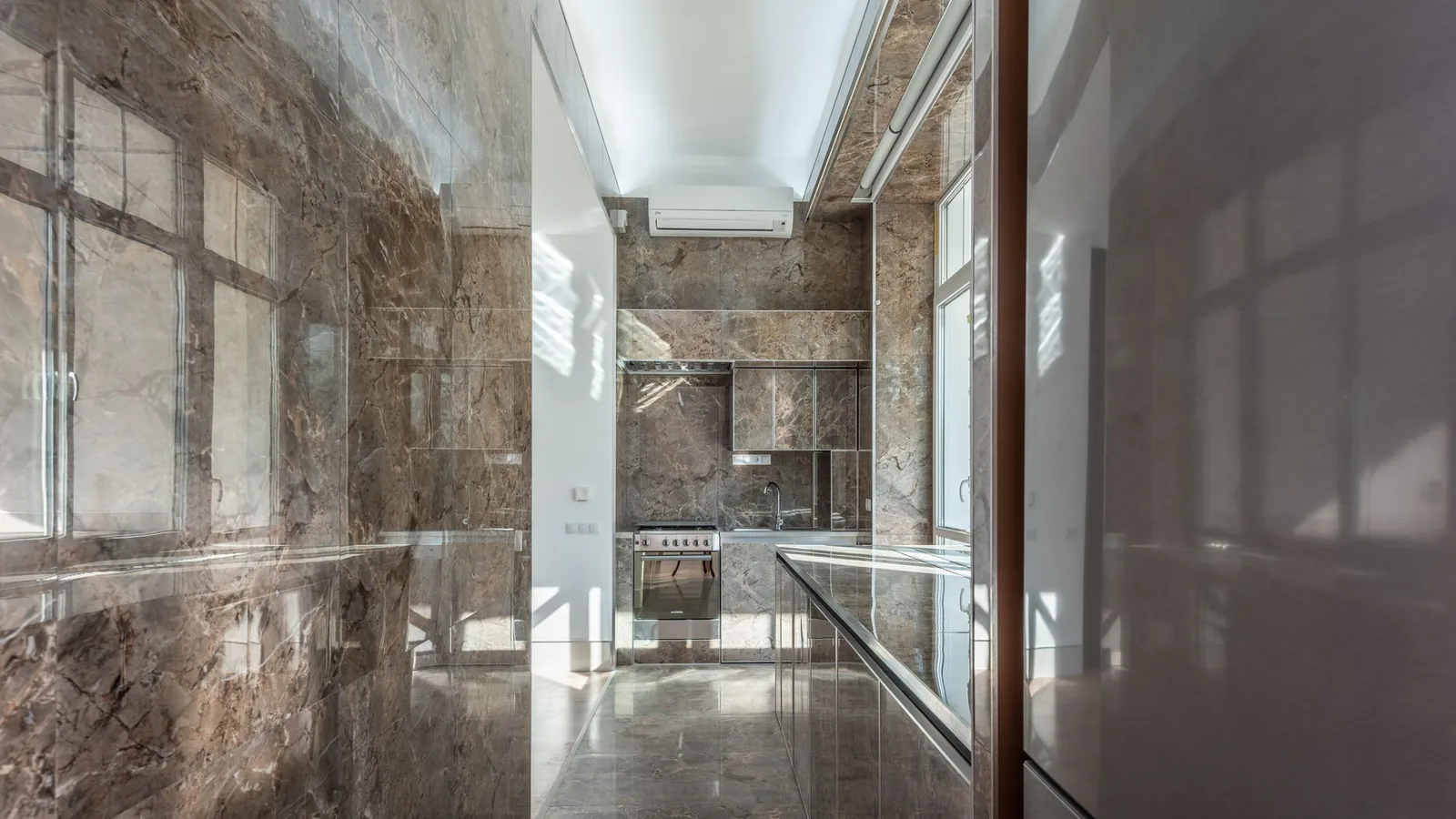
Marble grinding and crystal polishing in Al Bahr, Jeddah
Al Bahr was established in the early thirteenth century Hijri, and its marble and stone floors in the roshan style carry deep marks from sea salt and constant moisture. Heritage buildings with thick walls retain deep humidity that settles on the surface and dulls the stone. Crystal polishing restores the stone to a smooth, bright surface with lasting protection from salt and dampness.
- Marble, granite and terrazzo
- Progressive diamond-pad grinding
- Hotels, malls and lobbies
- Finish locked into stone
Why grinding must come before polishing
The seaside quarter faces constant high humidity and sea salt that penetrate natural stone, and heritage floors need deep protection from progressive wear and mineral damage.
-
Worn lobbies and entrance floors
Sea salt accumulates rapidly in the pores of natural stone in Al Bahr, and deep polishing reveals protected stone beneath the salt-damaged surface layer.
-
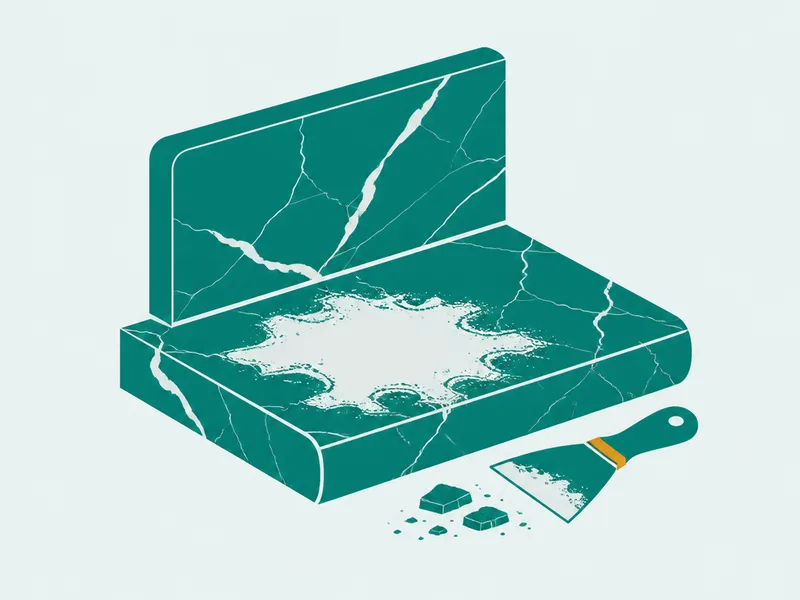
Post-construction stone preparation
High constant humidity weakens natural stone's mineral structure, leaving the surface rough and without lustre.
-
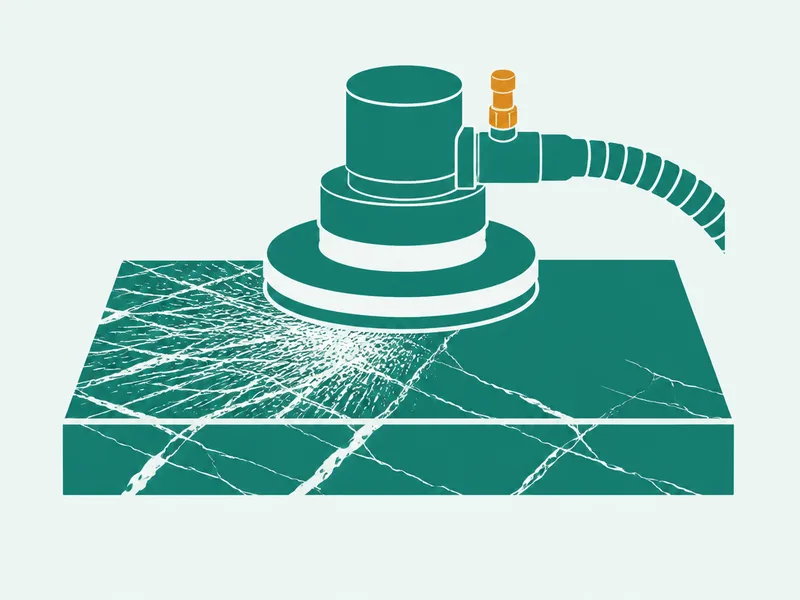
Scratched or acid-etched stone
Heritage floors in old buildings regain their original shine and texture once salt and deep moisture damage are extracted away.
-
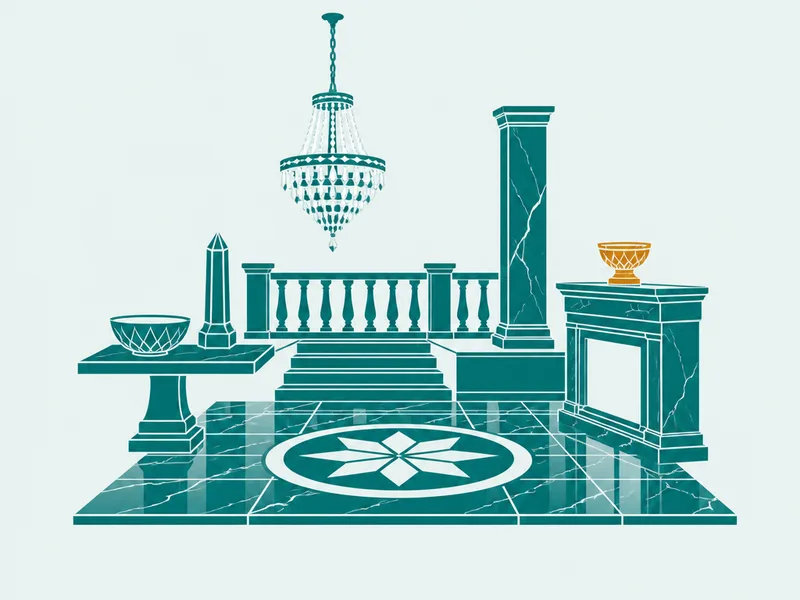
Ongoing maintenance schedule
Polishing and burnishing preserve the building's historical character while extending the stone floor's life for decades.
What every job includes
-
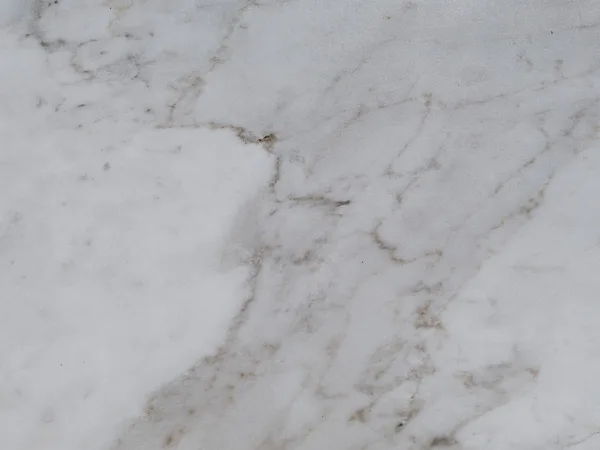
Crew inspects marble surface condition
-
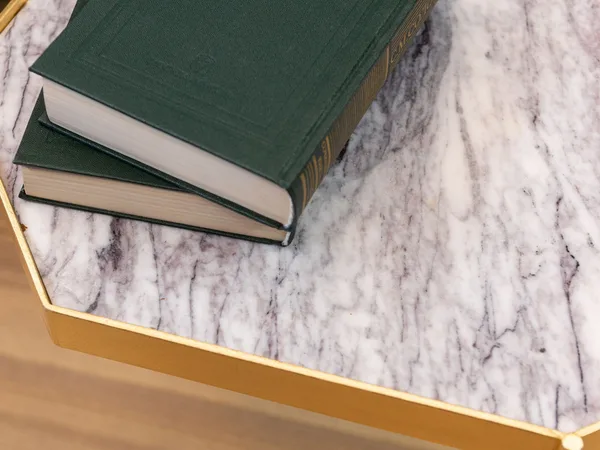
Furniture and adjacent edges covered
-
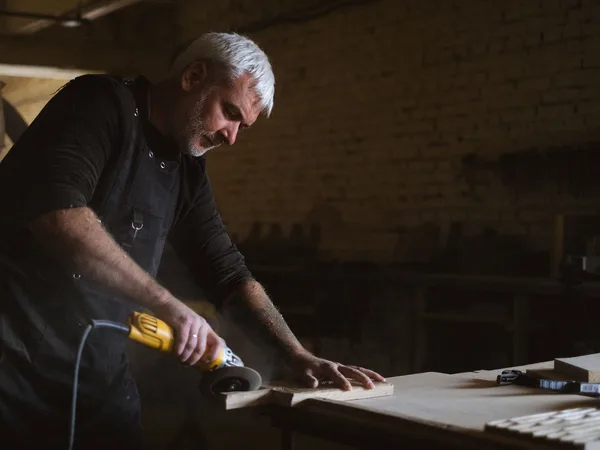
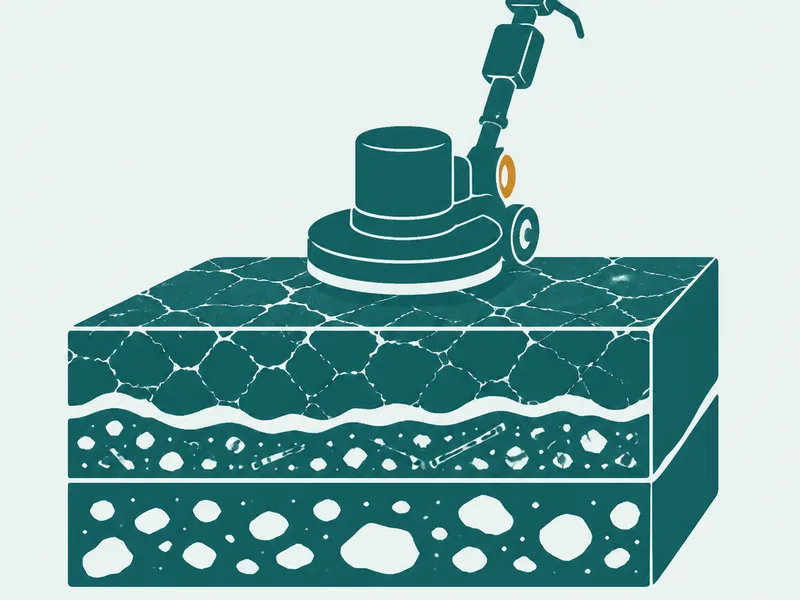
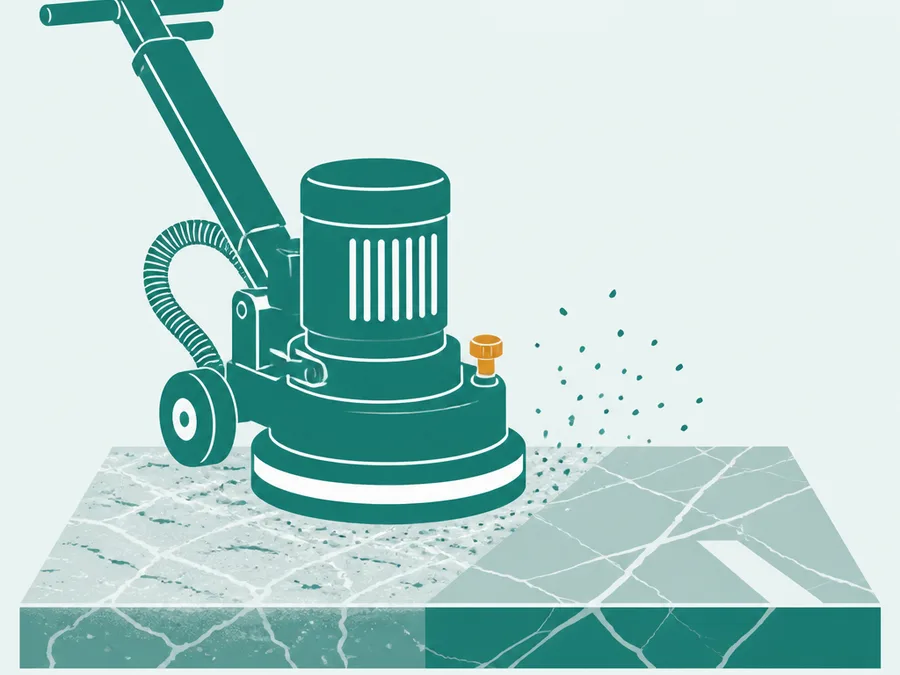
Coarse diamond discs grind the marble
-
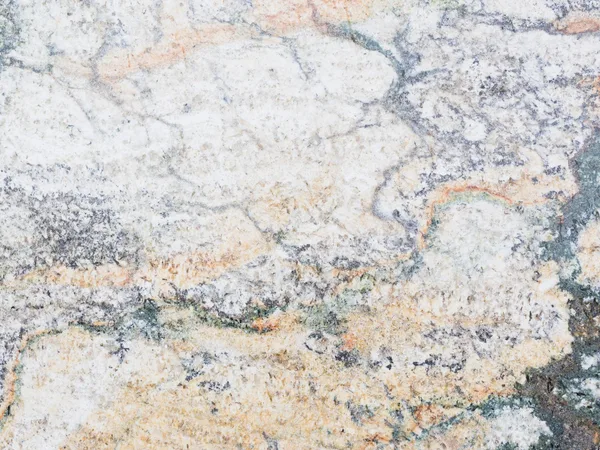
Fine diamond pads hone the surface
-
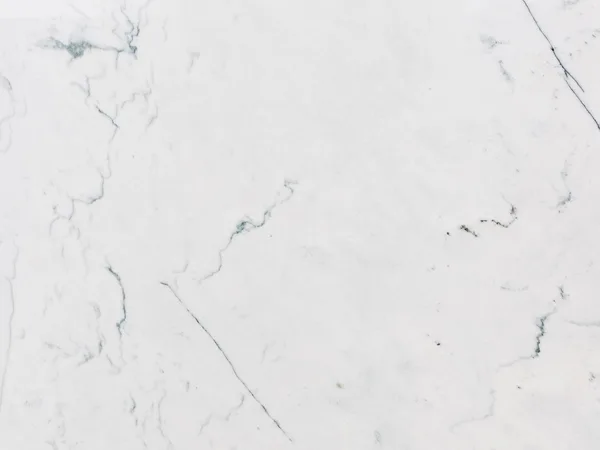
Grinding slurry vacuumed and removed
-
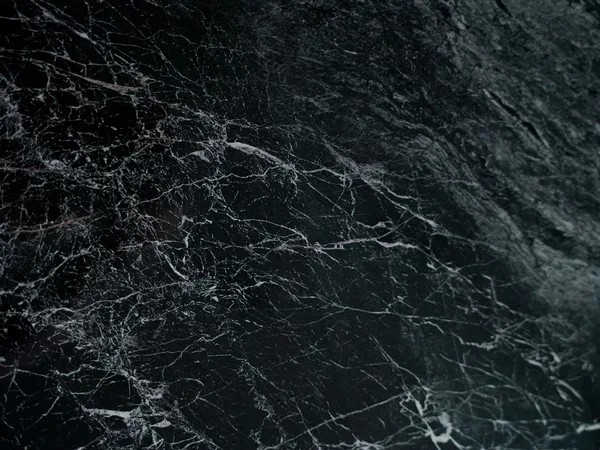
Crystal powder spread across surface
-
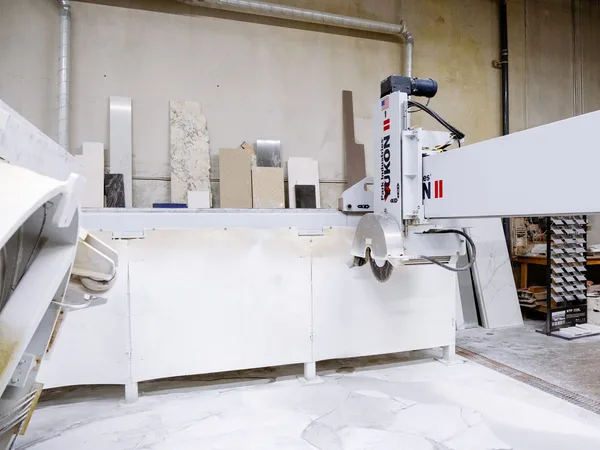
Heavy rotary machine burnishes the powder
-
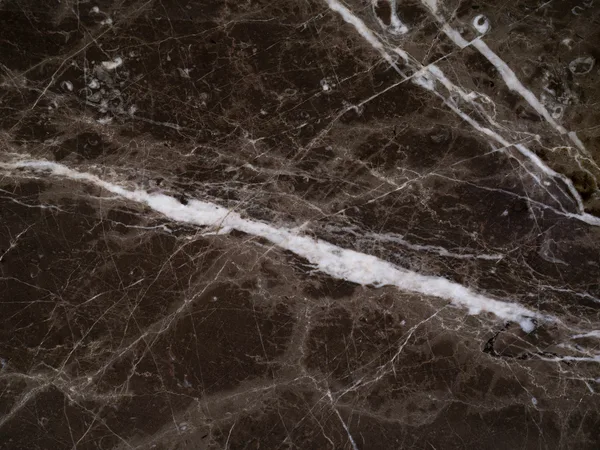
Edges and corners polished by hand
How a marble polishing job runs
-
Surface survey and setup
-
Coarse and fine grinding
-
Slurry removal and crystal application
-
Edge detail and handover
What changes about marble grinding and crystal polishing in Al Bahr
Floors near the old harbour and Bab Al Farda show salt marks and wear faster than any other district in Jeddah, and the damage is visible in the stone's surface texture. For the whole method, see marble grinding and crystal polishing in detail.
-
The first reason
Sea salt crystallises beneath the surface
Humid air and salt penetrate natural stone and crystallise in the tiny pores. Surface cleaning cannot reach trapped salt. Crystal polishing extracts salt from within the stone and leaves a smooth, protected surface.
-
The second reason
Coastal humidity speeds up stone decay
Constant high humidity weakens the stone's mineral structure and leaves marble roughened. Polishing removes the degraded layer and reveals solid, gleaming stone underneath.
-
The third reason
Roshan-style heritage needs careful attention
Floors in roshan rooms and narrow corridors need precise polishing that honours the historic nature of the space. The crew inspects each area and selects polishing depth that balances protection with preservation of the original finish.
The character of Al Bahr
Historic district: close-set buildings, narrow lanes and ageing services
Heritage buildings in Al Bahr with traditional roshan architecture contain stone floors of different thickness and properties, and polishing must respect the historical fabric and preserve the original floor structure without compromise.
The surface you are left with
A true mirror finish
The surface reflects light cleanly because the stone itself is flat, not because a coating sits on top.
Edges as polished as the field
Hand-detailing at skirting lines, doorframes and column bases matches the field polish.

No residue left on site
Grinding produces a wet slurry that is vacuumed and removed before the polishing stage begins.
What our customers said
«شغلهم ما شاء الله، أنصح الجميع بالتعامل معهم. عن تجربة وثقة.»
«أفضل شركة تنظيف بالبخار. أسعارهم ممتازة وشغلهم مرة كويس.»
«خدمة ممتازة.»
«ممتازين.»
Some of our work

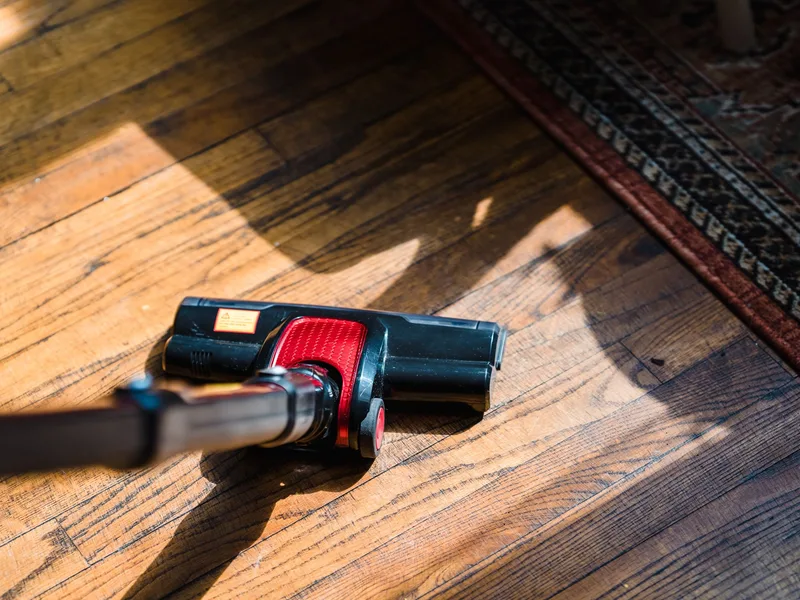
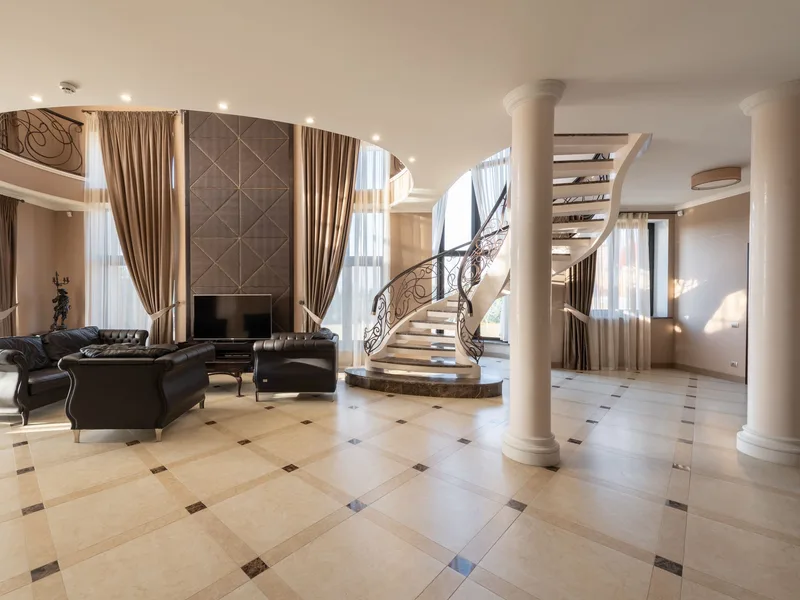
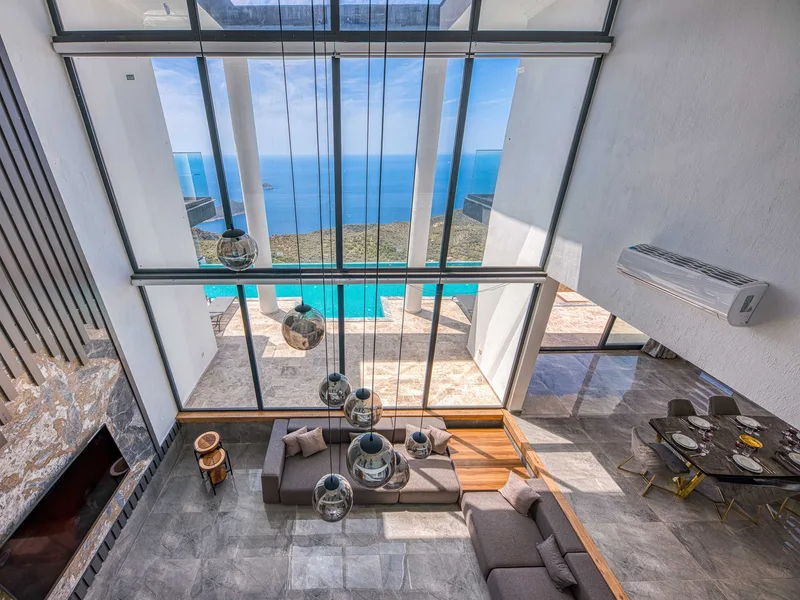
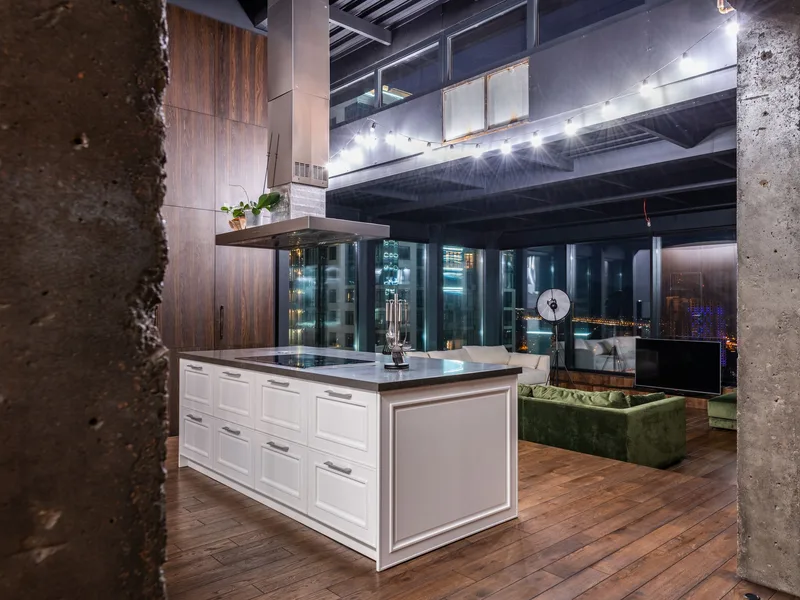
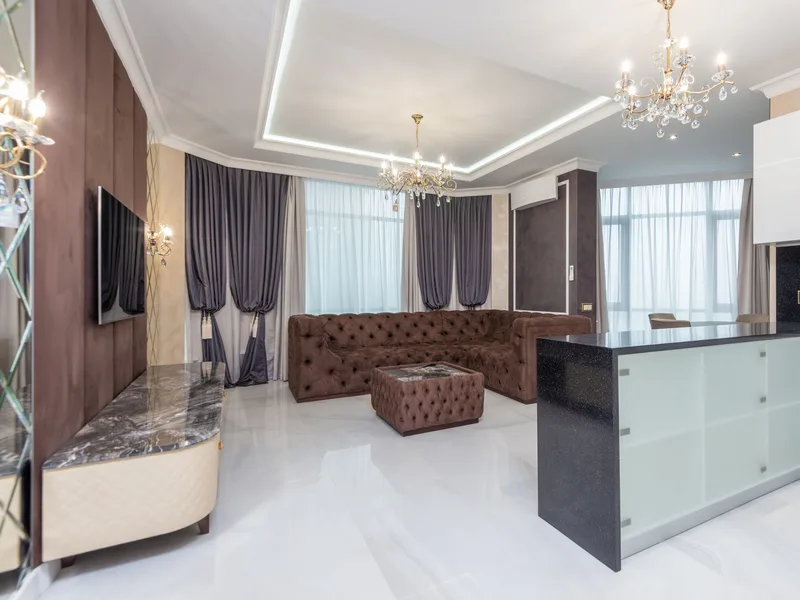
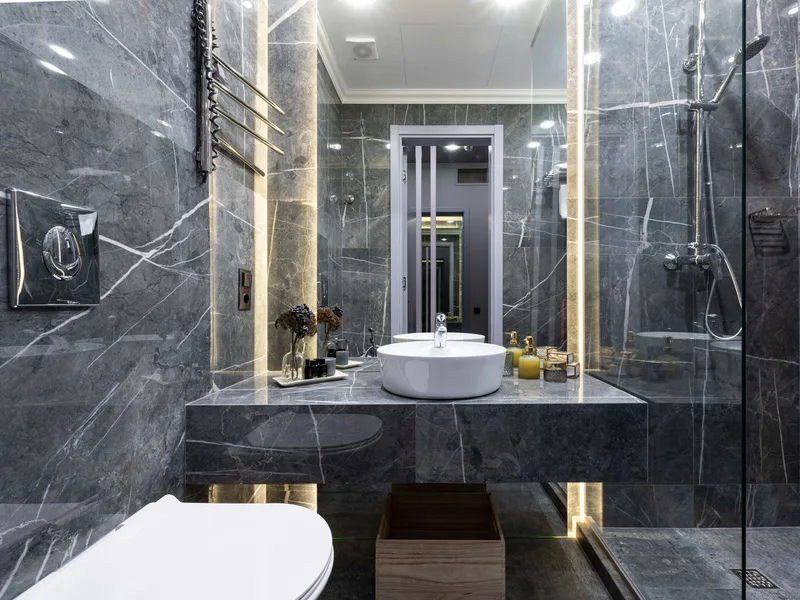
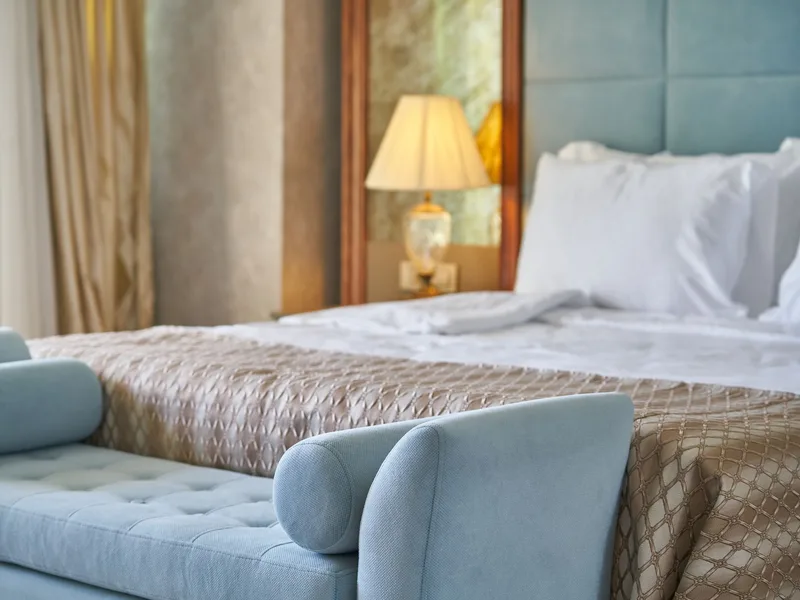
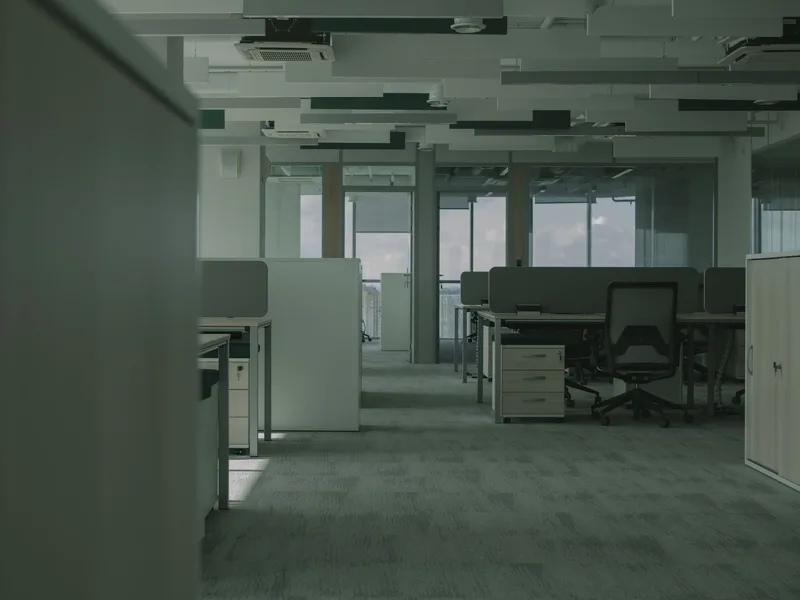
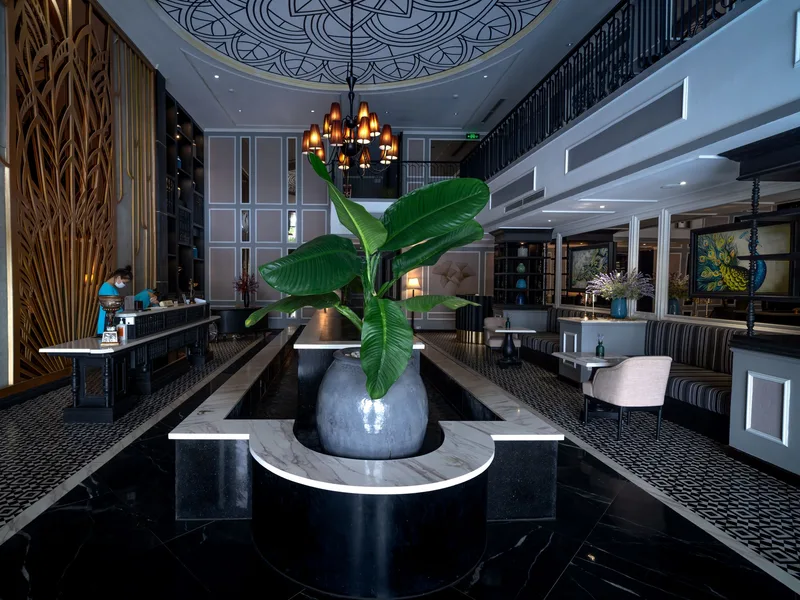
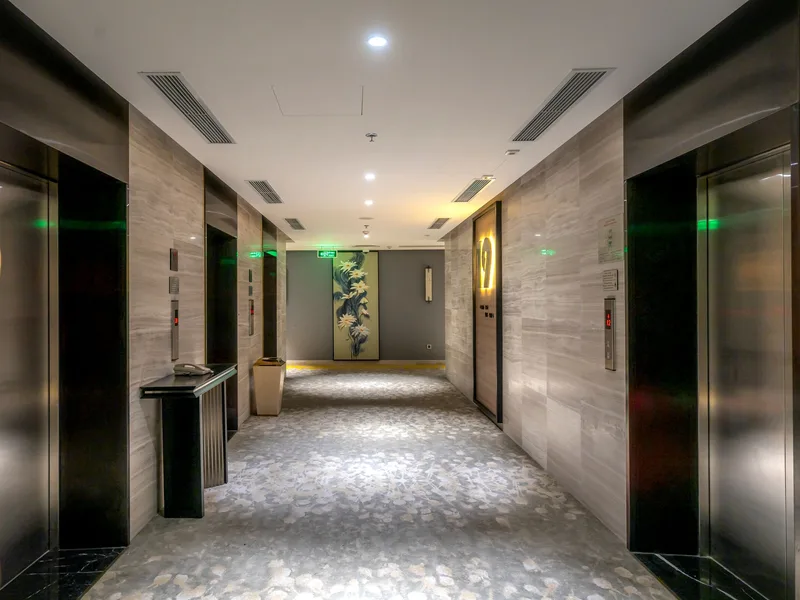
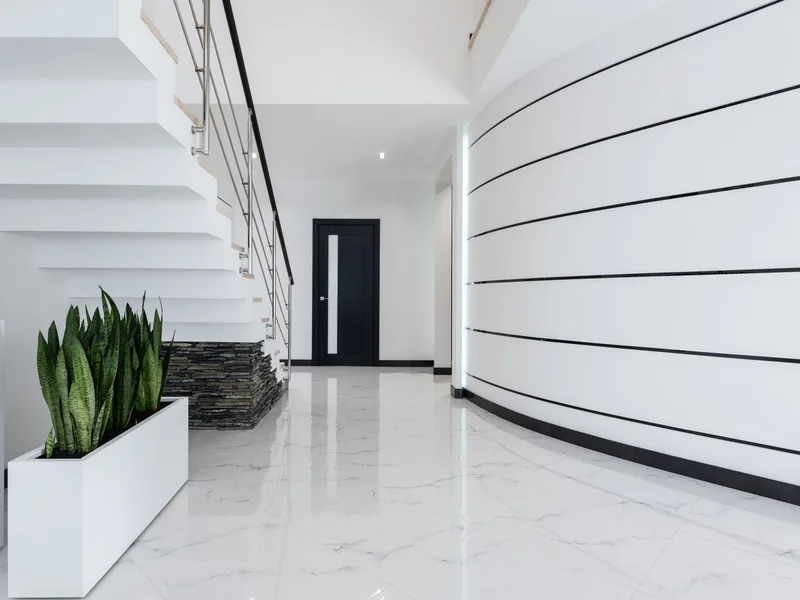
Illustrative photographs. Our own job photographs go here as soon as the client approves them.
What is different about Central Jeddah
Central Jeddah is the densest part of the city. Around the historic core of Al Balad the streets are narrow, the blocks are old, and most buildings have shops at ground level with flats above, so stairwells open onto markets and workshops. The main arteries, Madinah Road, King Fahd Road and Palestine Street, carry the heaviest traffic in Jeddah, and their exhaust leaves a dark, greasy soot unlike the dry sand of the outskirts. Old render holds it, summer heat bakes it on, and restoration work in the old quarter adds stone dust.
Nearby districts we cover
Questions worth asking first
Visible salt is removed during polishing, but crystallised salt trapped inside the stone needs deep extraction. The crew assesses crystal depth and selects the appropriate polishing level.
Salt and humidity accelerate wear in seaside quarters. Initial inspection determines stone condition and a maintenance schedule suited to coastal exposure.
Polishing removes the damaged layer and reveals healthy stone beneath. The exposed stone needs periodic maintenance polishing to stay protected from salt and moisture.
Yes, but different use patterns may require different maintenance schedules. The crew assesses each space individually.
Surface stains and oils lift away. Deep stains in the stone may need specialist treatment after inspection determines the stain type and depth.
Drying is slower in high humidity, but the crew extracts maximum water possible. Good ventilation allows drying within a few hours.
It is set after we see the job, because the price follows the kind of work, the size of the space, its condition and the time and materials it needs. Send a photo and a short description on WhatsApp and we will give you an estimate before we reach Al Bahr.
Duration depends on the stone condition and the surface area.
Furniture that cannot be moved by the crew should be moved before arrival.
Other services in Al Bahr
We also provide these services in Al Bahr.