Marble grinding and crystal polishing in Al Balad, Jeddah
Al Balad is the historic commercial heart of Jeddah, with old souqs and UNESCO-listed coral limestone buildings. The marble and stone floors of shops, mosques and heritage buildings are centuries old, layered with city dust, salt residue and damp. Polishing restores the stone's original shine and protects the historic fabric from further wear.
- Marble, granite and terrazzo
- Progressive diamond-pad grinding
- Hotels, malls and lobbies
- Finish locked into stone
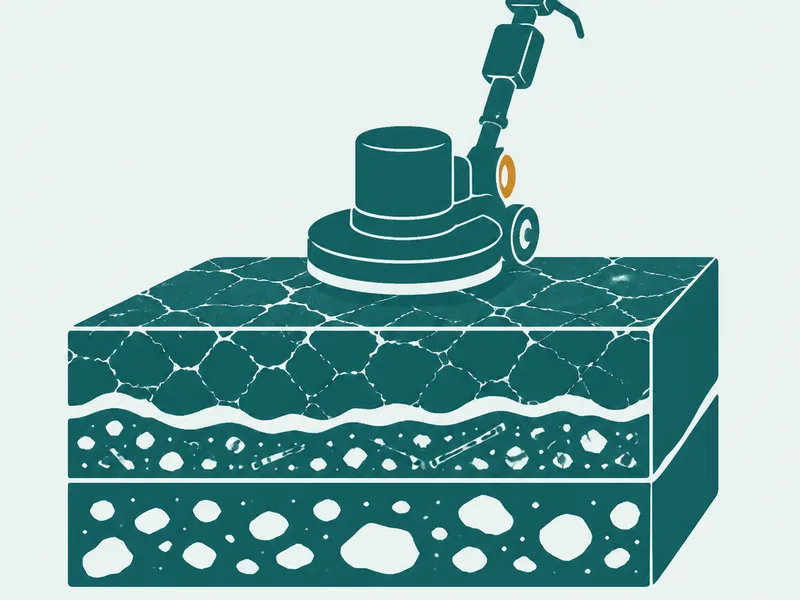
Why grinding must come before polishing
Traditional markets, shops, mosques and heritage buildings in Al Balad hold old stone and marble floors that need regular maintenance to preserve the World Heritage site.
-
Worn lobbies and entrance floors
Coral limestone in Al Balad retains its porous character and needs specialised polishing that preserves the original stone fabric and natural colours.
-
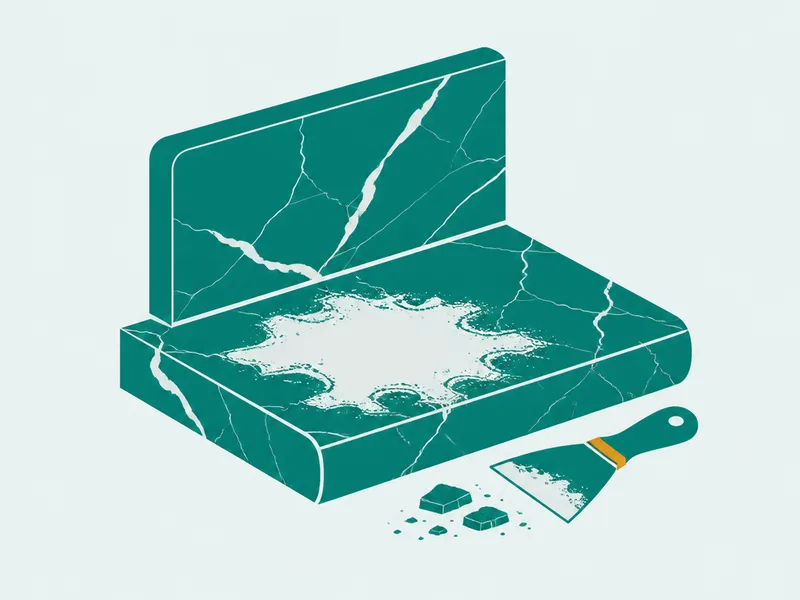
Post-construction stone preparation
Souqs, mosques and heritage buildings sustain heavy daily use, accelerating wear and dust accumulation on the surface.
-
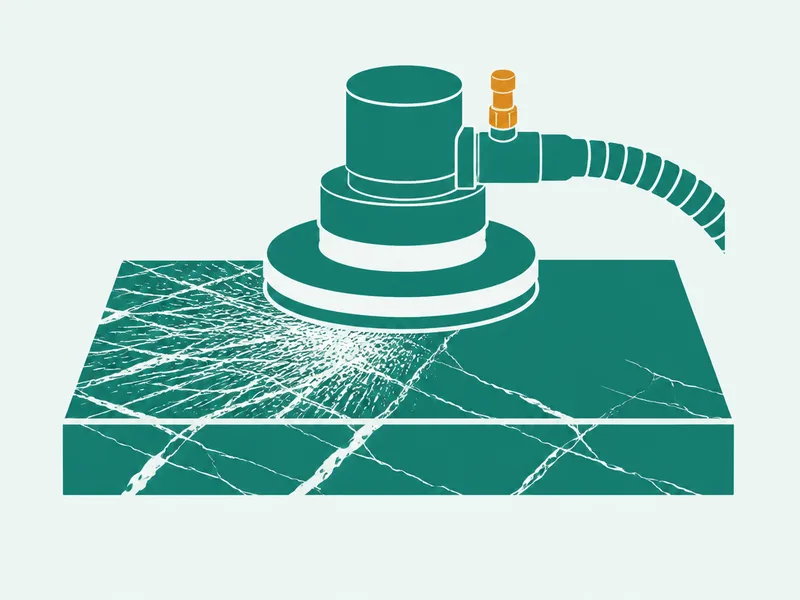
Scratched or acid-etched stone
Coastal salt and humidity fix thick wear layers to the stone, requiring careful inspection before polishing to determine remaining stone thickness.
-
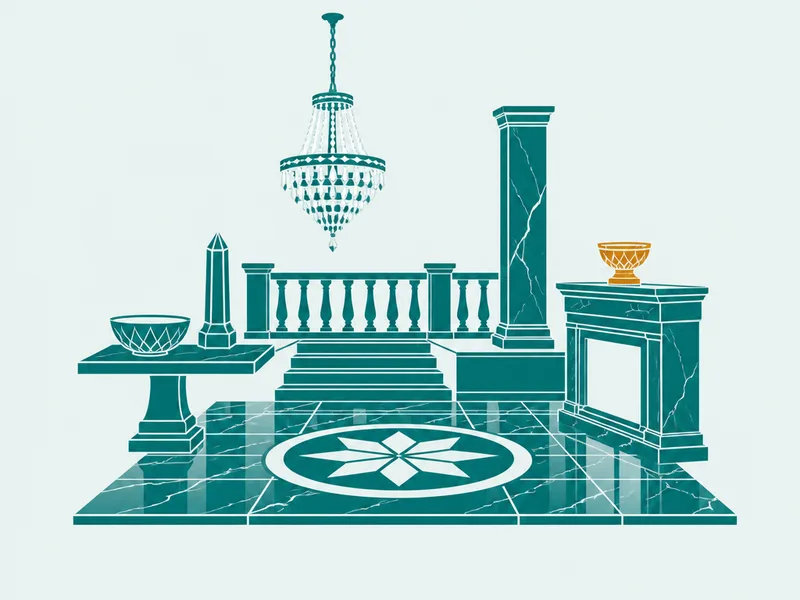
Ongoing maintenance schedule
Polished stone restores its original appearance, preserves Al Balad's historic identity and improves the environment in mosques, souqs and heritage passages.
What every job includes
-
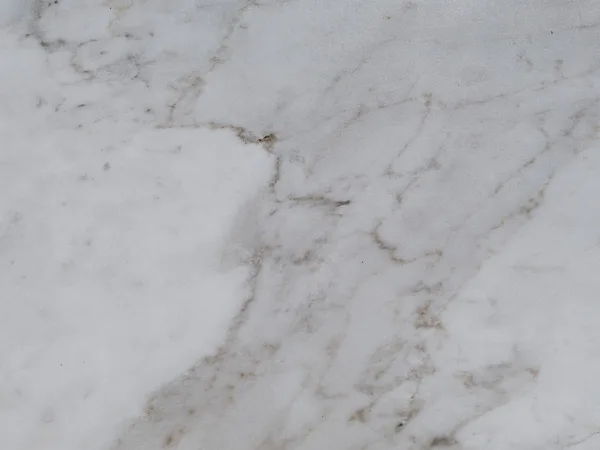
Crew inspects marble surface condition
-
Furniture and adjacent edges covered
-
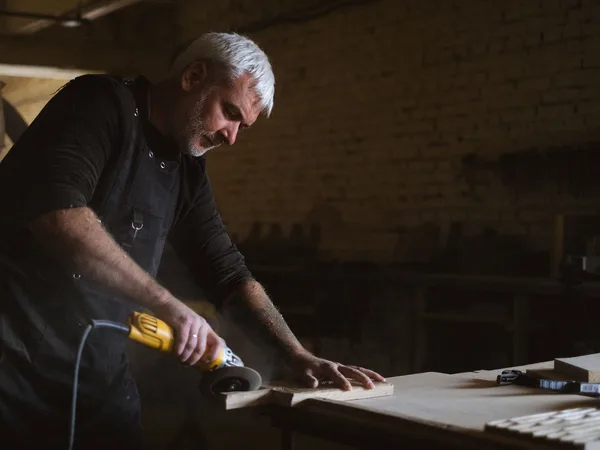
Coarse diamond discs grind the marble
-
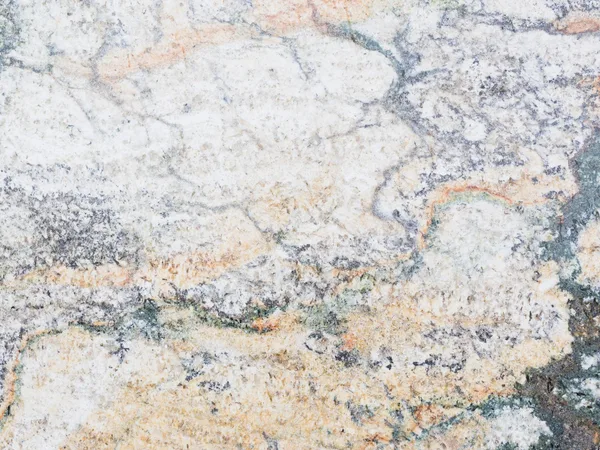
Fine diamond pads hone the surface
-
Grinding slurry vacuumed and removed
-
Crystal powder spread across surface
-
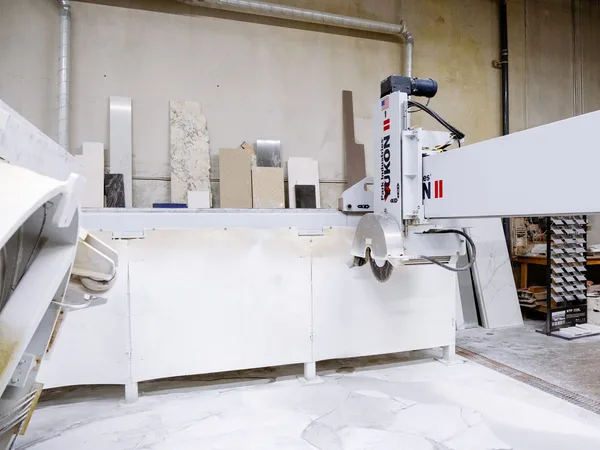
Heavy rotary machine burnishes the powder
-
Edges and corners polished by hand
How a marble polishing job runs

-
Surface survey and setup
-
Coarse and fine grinding
-
Slurry removal and crystal application
-
Edge detail and handover
What changes about marble grinding and crystal polishing in Al Balad
Stone and marble floors in historic mosques and shops show noticeable wear marks and colour change due to heavy daily use and constant coastal humidity. For the whole method, see marble grinding and crystal polishing in detail.
-
The first reason
Ancient stone loses its shine under layers of heritage dust
Centuries of use, damp air and salt have left thick layers on the stone surface. Deep polishing removes the layers and restores the stone's original colour and the texture of the heritage fabric.
-
The second reason
Heavy foot traffic speeds wear in souqs and mosques
Markets and mosques see constant daily visitor and resident movement. Polishing removes surface wear and restores stone smoothness without affecting the historic structures.
-
The third reason
Polished stone preserves historic identity
Al Balad is a World Heritage site mixing housing, trade and worship. Polishing preserves the original stone and enhances the visual appearance of the heritage sites without modern coatings or additions.
Al Balad on the map
Al Balad sits about 0.5 km from Al Mazloom and about 0.5 km from Al Sham.
Open in Google MapsThe surface you are left with
A true mirror finish
The surface reflects light cleanly because the stone itself is flat, not because a coating sits on top.
Edges as polished as the field
Hand-detailing at skirting lines, doorframes and column bases matches the field polish.

No residue left on site
Grinding produces a wet slurry that is vacuumed and removed before the polishing stage begins.
What our customers said
«شغلهم ما شاء الله، أنصح الجميع بالتعامل معهم. عن تجربة وثقة.»
«أفضل شركة تنظيف بالبخار. أسعارهم ممتازة وشغلهم مرة كويس.»
«خدمة ممتازة.»
«ممتازين.»
Some of our work

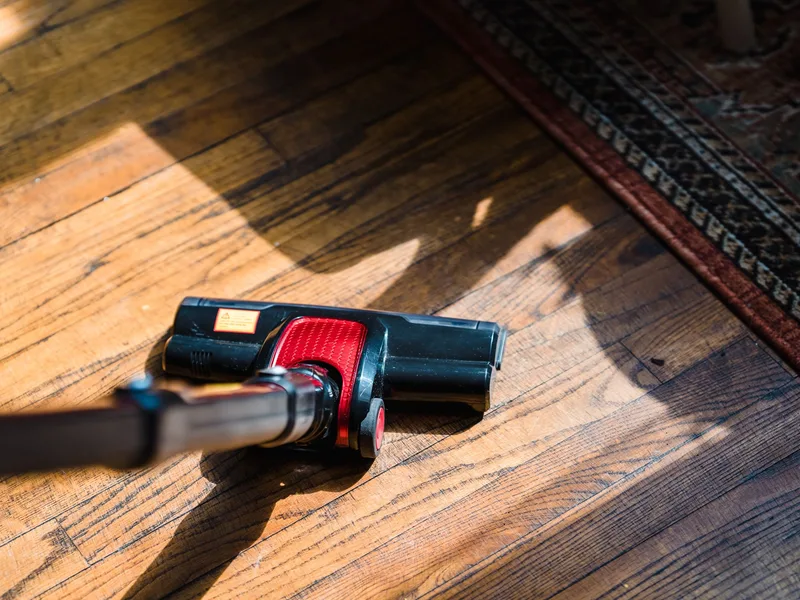
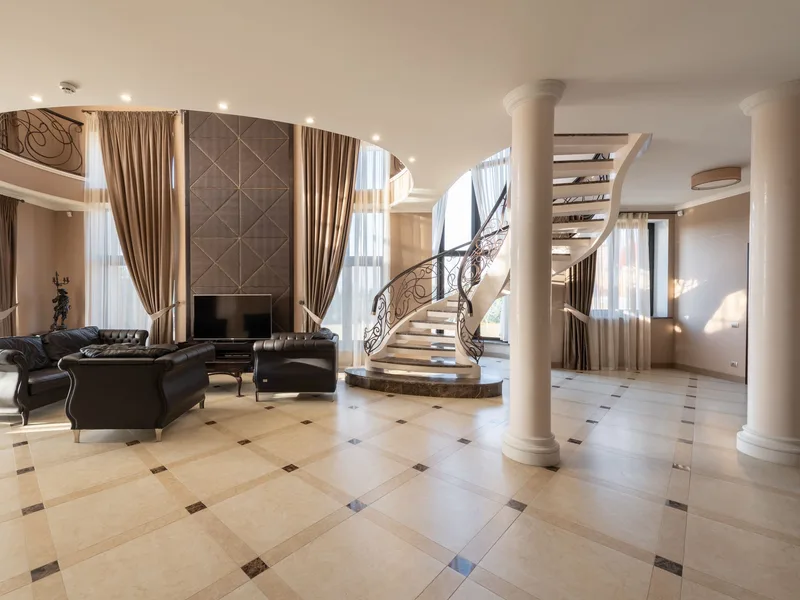
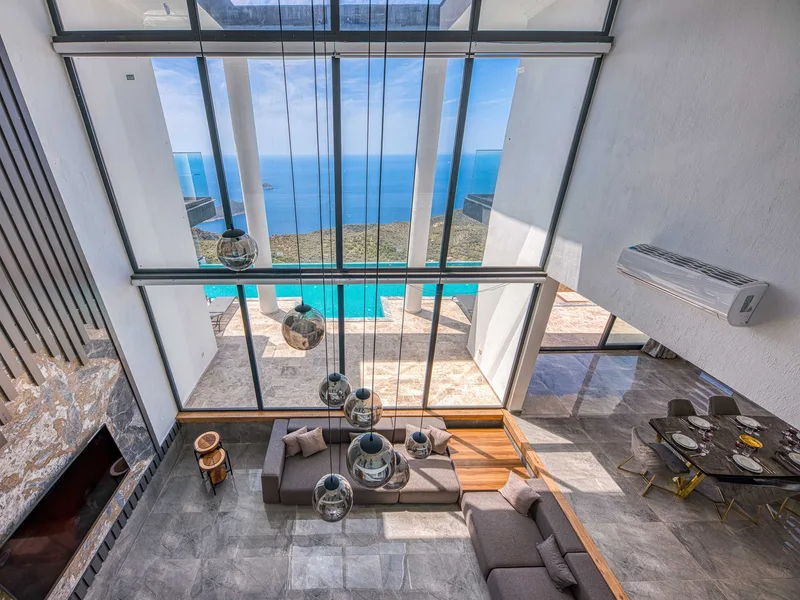
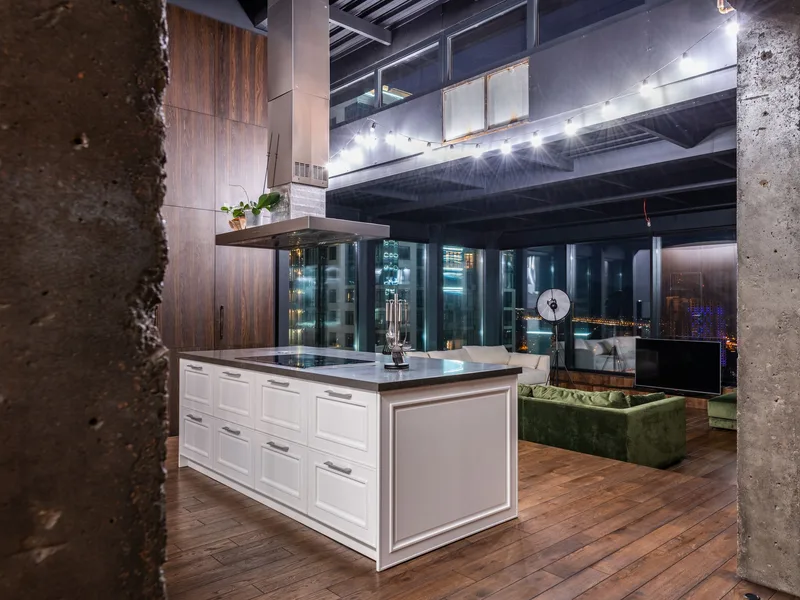
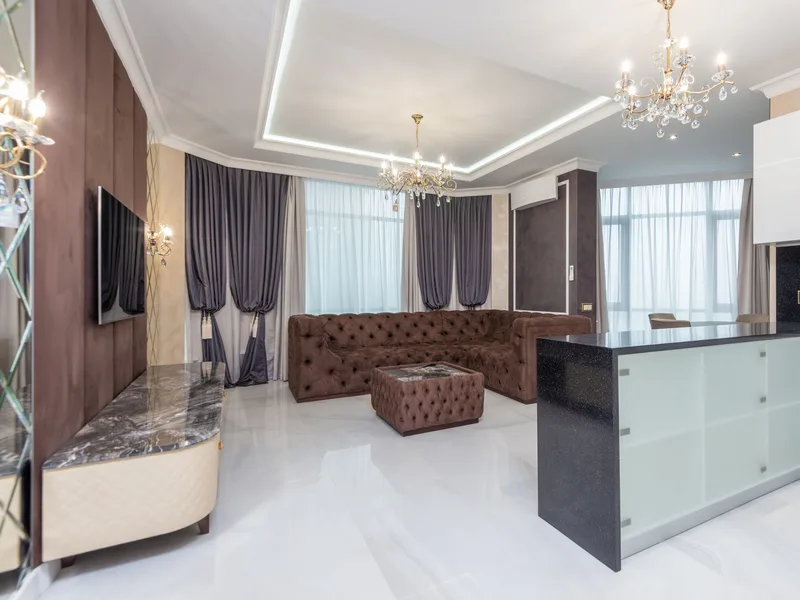
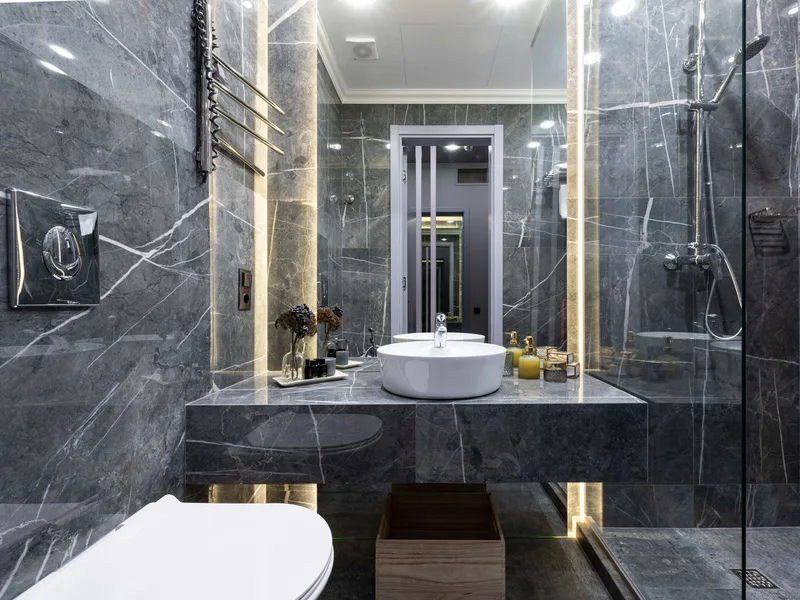
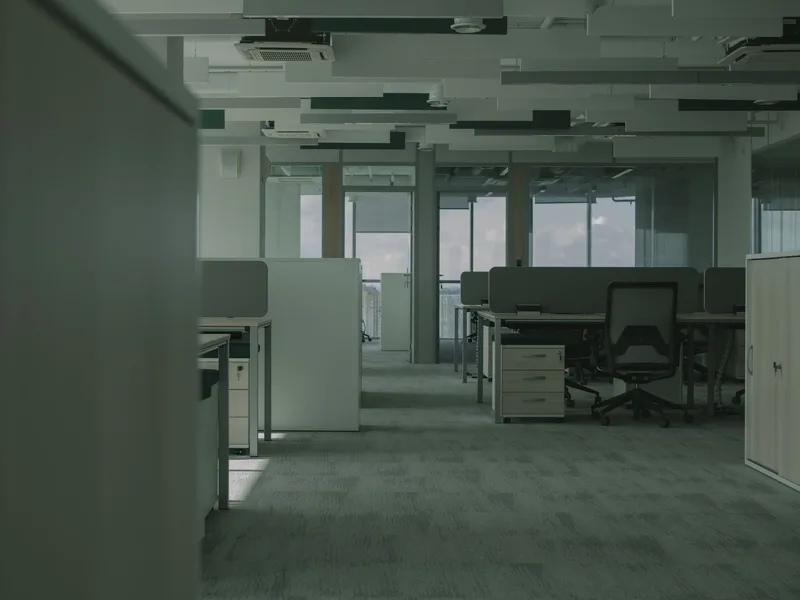
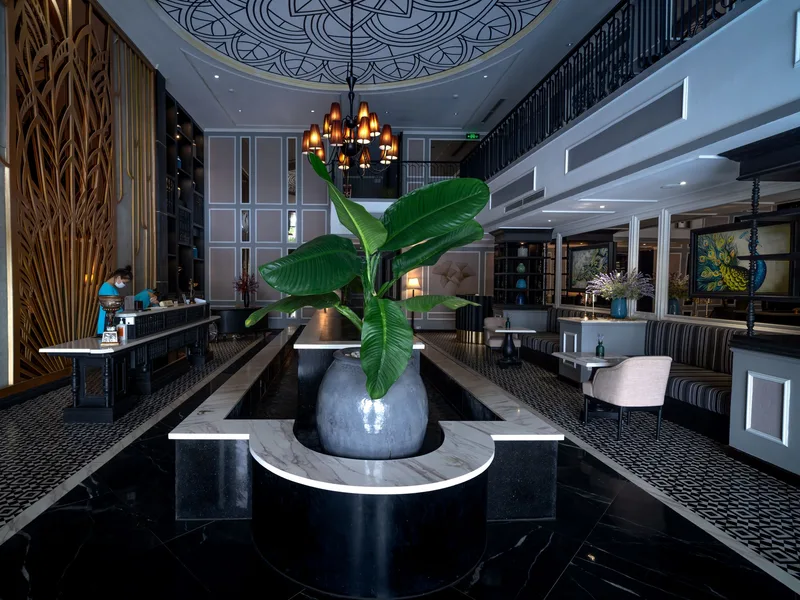
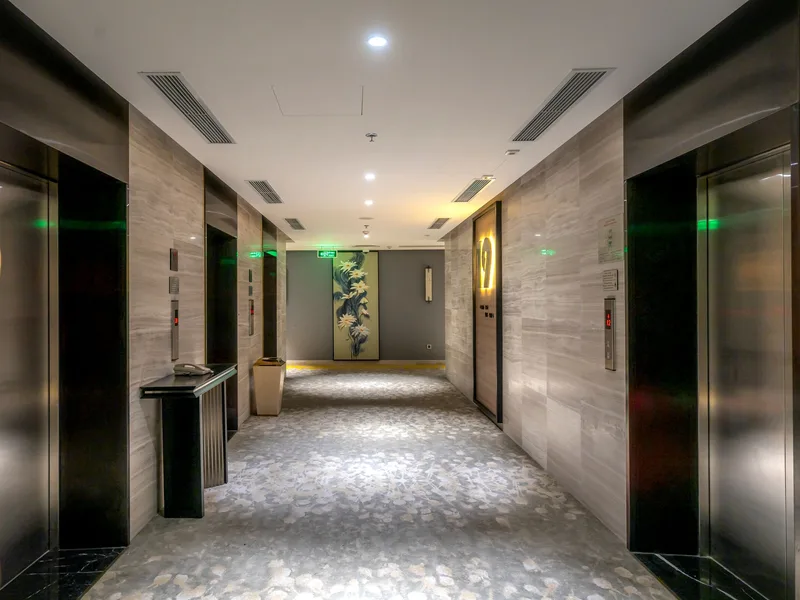
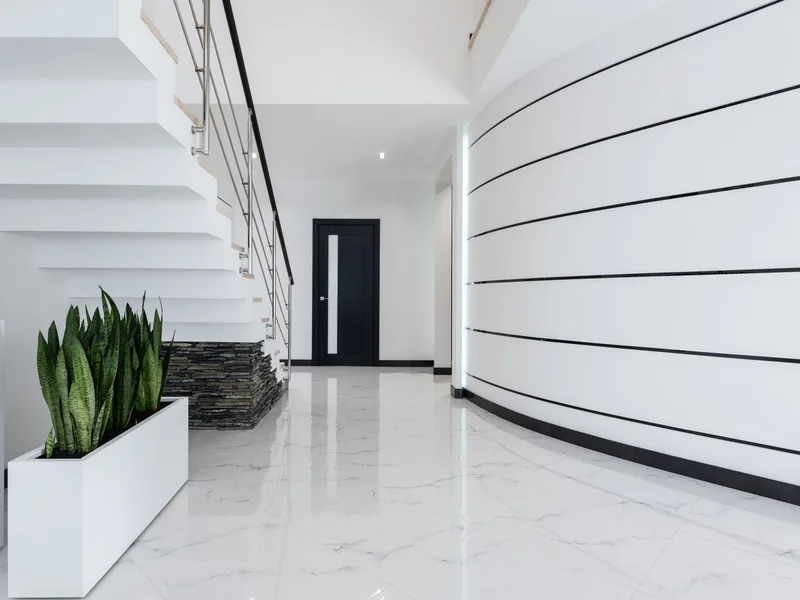
Illustrative photographs. Our own job photographs go here as soon as the client approves them.
Landmarks of Al Balad
In Al Balad around Nassif House and Al Shafi'i Mosque, Souk Al Alawi and Souk Al Badu, close to Bab Makkah and Bab Sharif, heritage buildings and markets spread through a dense old fabric. The crew accesses the site through tight souq lanes and schedules based on the historic site's nature and proximity to main routes.
- Nassif House
- Al Shafi'i Mosque
- Souq Al Alawi
- Souq Al Badu
- Bab Makkah
- Bab Sharif
Nearby districts we cover
Questions worth asking first
Polishing removes only a very thin surface layer, preserving the original stone. Initial inspection determines the stone type, age and condition before work begins.
Surface polishing does not affect carvings. If carvings are cut deeply enough into the stone, polishing preserves them and clarifies them by removing accumulated layers.
Coral limestone is more porous and needs lighter handling than dense marble. Polishing adapts to the stone type and its original composition.
Humidity speeds up layer reaccumulation. Polishing removes current layers, and periodic maintenance protects the stone from new buildup.
Time depends on surface area, stone type and condition. Historic mosques may take days, and the crew schedules with mosque management to avoid disrupting prayer times.
Polishing generates fine dust and the crew uses dust collection. Scheduling is coordinated with souq management to minimise impact on traders and visitors.
It is set after we see the job, because the price follows the kind of work, the size of the space, its condition and the time and materials it needs. Send a photo and a short description on WhatsApp and we will give you an estimate before we reach Al Balad.
Duration depends on the stone condition and the surface area.
Furniture that cannot be moved by the crew should be moved before arrival.
Other services in Al Balad
We also provide these services in Al Balad.