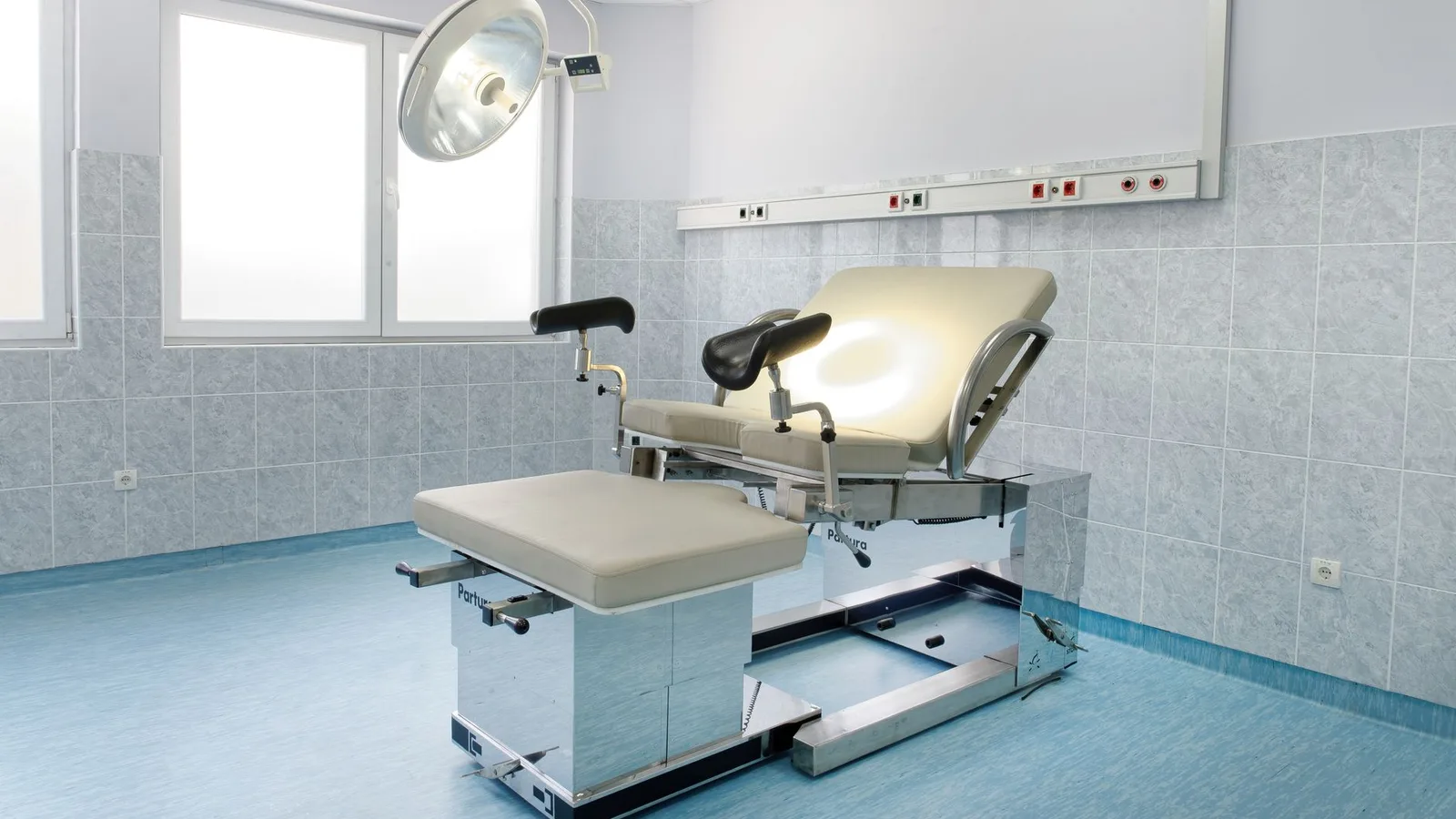
Hospital cleaning for medical facilities, wards and patient areas
Clinical environments carry infection risks that standard commercial cleaning cannot address. This service covers patient wards, bathrooms, corridors, and nursing stations, using dedicated equipment and clinical-grade disinfectants for each zone.
- Zone-dedicated mops and cloths
- Segregated clinical waste bags
- Safe for patient-occupied areas
- No cross-zone contamination risk
Why hospital cleaning demands a different approach
A ward cleaned with the same mop used on a corridor can carry pathogens from one zone to another. High-touch surfaces such as call buttons, bed rails and door handles need disinfectant contact time, not just a wipe. Clinical waste must be bagged separately before any surface work begins, because a single procedural skip creates a cross-contamination path that is hard to trace after the fact.
-
Meeting hygiene inspection requirements
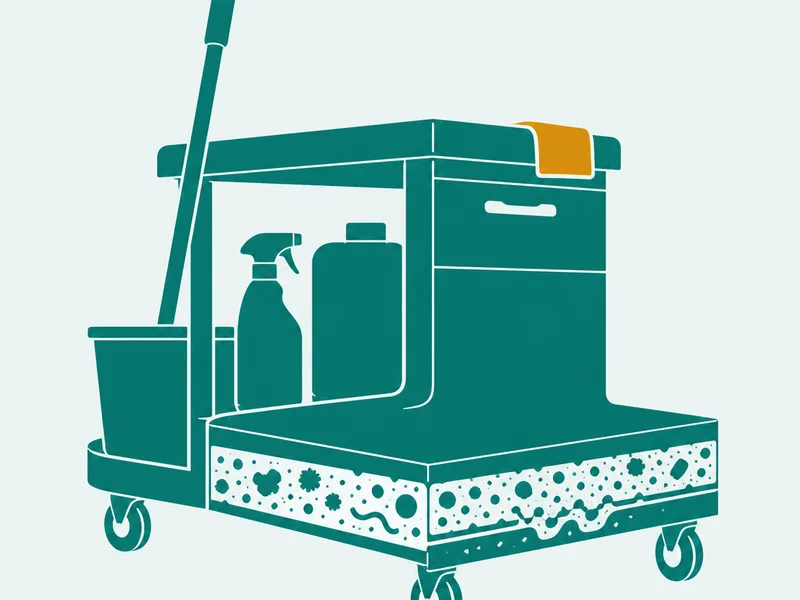
Hospitals and clinics are subject to regular hygiene inspections. Zone-dedicated protocols and separate clinical waste handling give facility managers evidence of a structured, compliant approach.
-
Preventing cross-contamination between zones
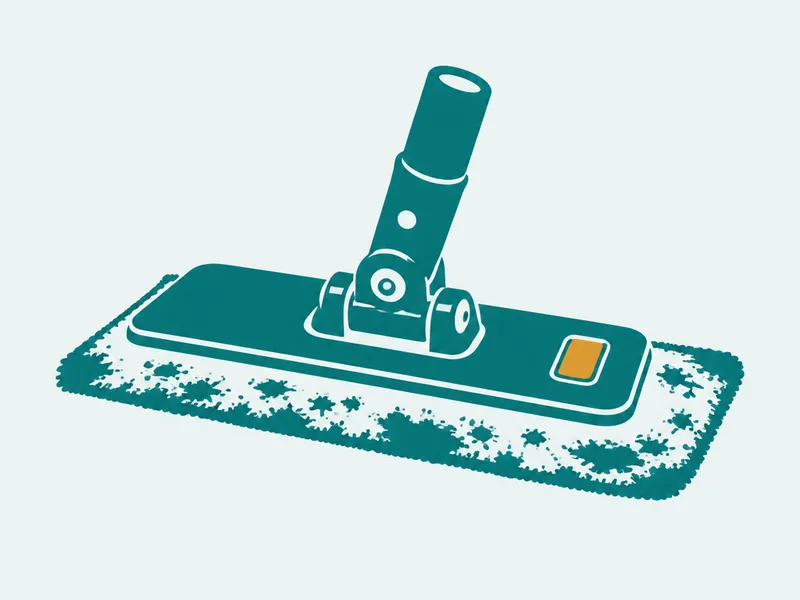
A mop used in a service corridor and then in a patient room carries whatever is on it between zones. Using separate equipment for each area removes that transfer path.
-
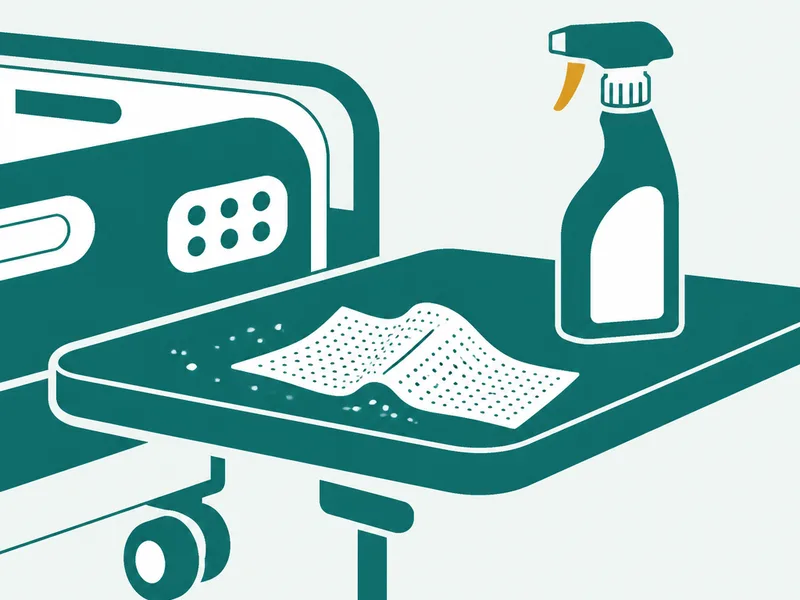
Cleaning around active patient care
Wards cannot stop operating for cleaning to happen. A fixed zone sequence with waste removed first, high-touch surfaces second, and floors last lets the team work around active patient care without disrupting it.
-
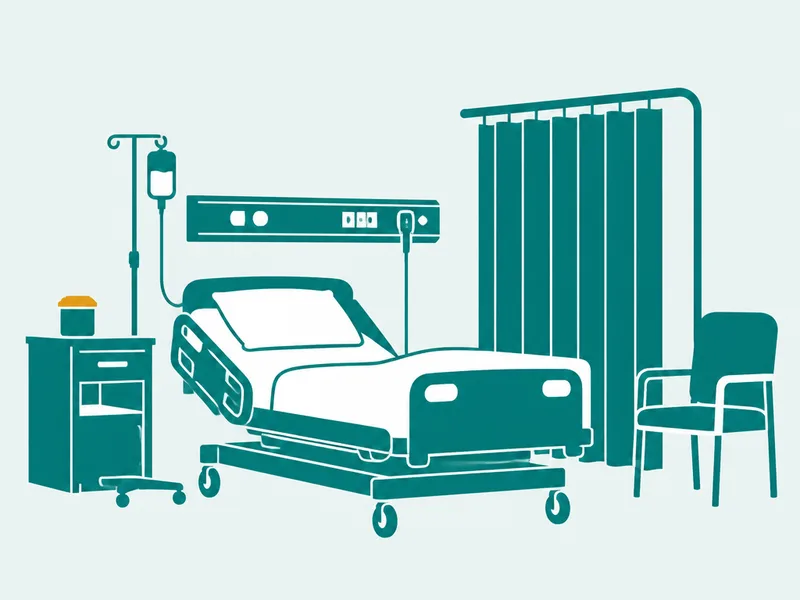
Protecting healthcare staff from surface contact
Healthcare staff are in contact with the same surfaces as patients. Correct PPE for the cleaning crew and full disinfectant dwell times on contact surfaces reduce the exposure risk those staff carry.
What the service covers, step by step
Each visit follows a fixed sequence designed to prevent cross-contamination between patient zones.
-
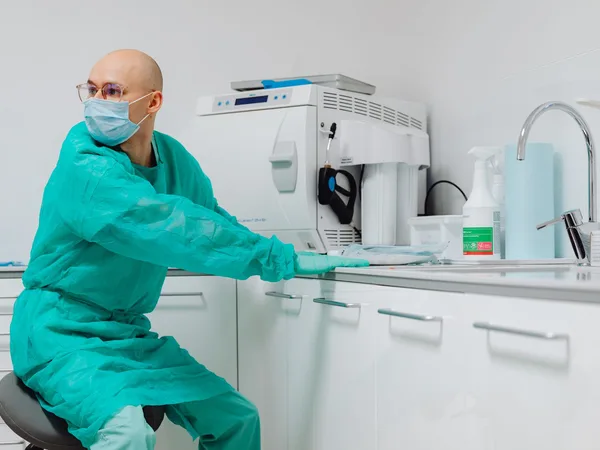
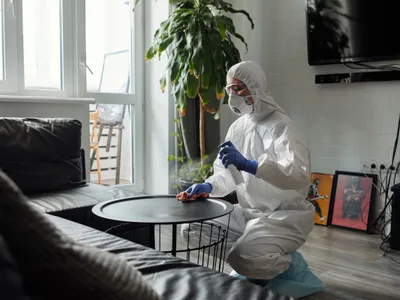
Don personal protective equipment
The team puts on gloves, masks, and protective clothing before entering the first zone, so no contaminants are carried in from outside.
-
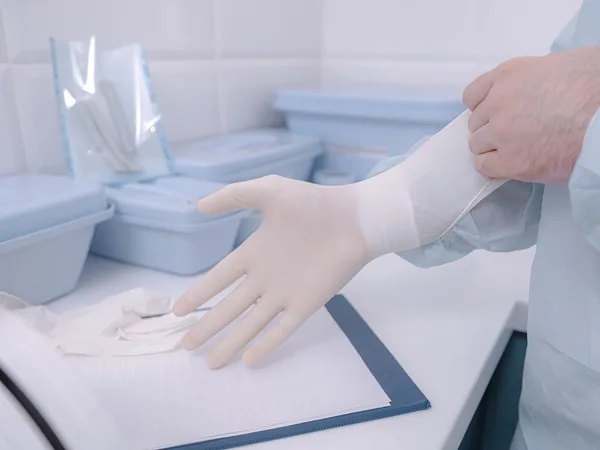
Bag clinical waste separately
Clinical and infectious waste is separated from general rubbish and sealed in colour-coded bags before any surface cleaning begins.
-
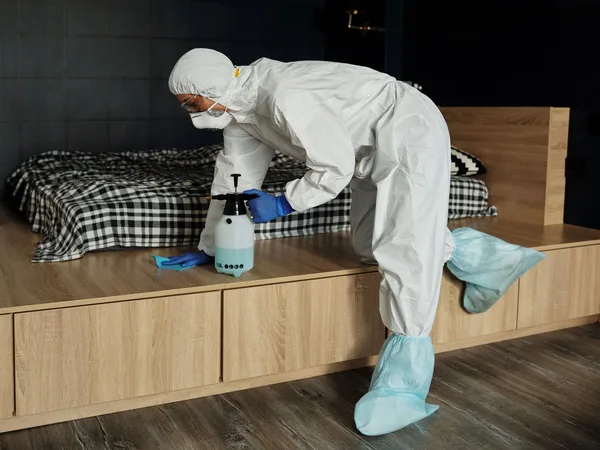
Wipe high-touch surfaces with disinfectant
Call buttons, bed rails, light switches, and door handles are wiped with a disinfectant that is left to sit for the full recommended contact time.
-
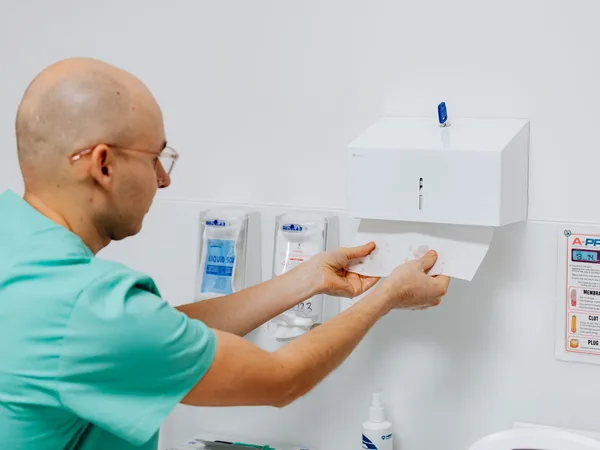
Scrub and disinfect patient bathrooms
Patient toilets and showers are scrubbed with a hospital-grade disinfectant, paying particular attention to the floor drain, tap fittings, and toilet rim.
-
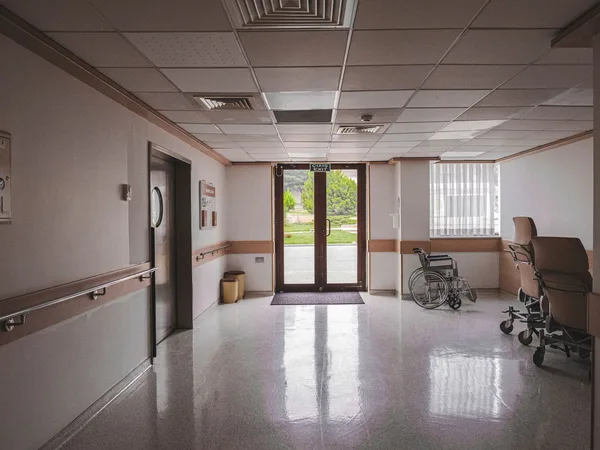
Mop floors with zone-dedicated mops
Each ward or functional zone is mopped with a mop allocated only to that zone, preventing bacteria from being carried from one area to the next.
-
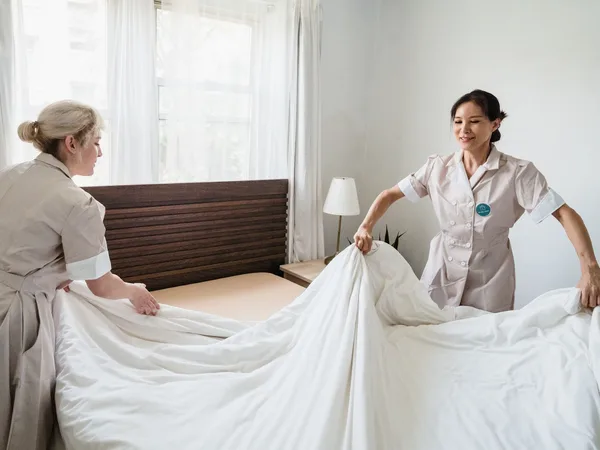
Swap mops and cloths between zones
When moving between zones, the team changes mops and cloths completely rather than rinsing and reusing, so no contamination transfers between areas.
-
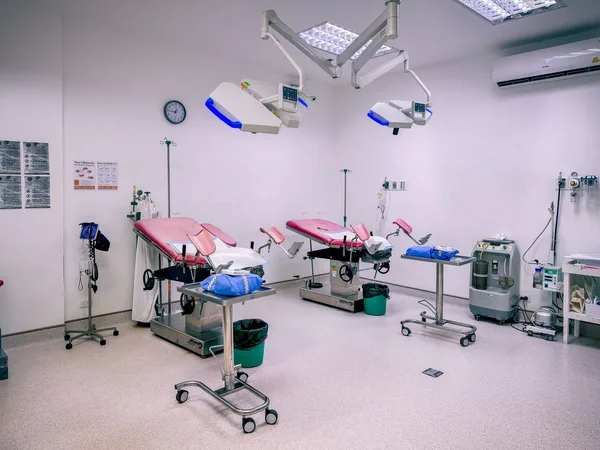
Clean corridors and nursing stations
Shared corridors, handrails, nursing station desks, and equipment trolleys are wiped down with disinfectant to clear surfaces that multiple staff and visitors touch throughout the day.
-
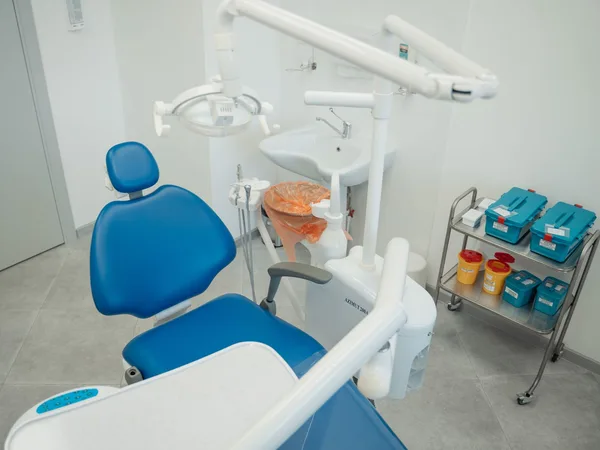
Transfer waste bags to collection point
Sealed waste bags are collected and transferred to the facility's designated waste holding point, ready for the licensed waste contractor to collect.
How a hospital cleaning visit works
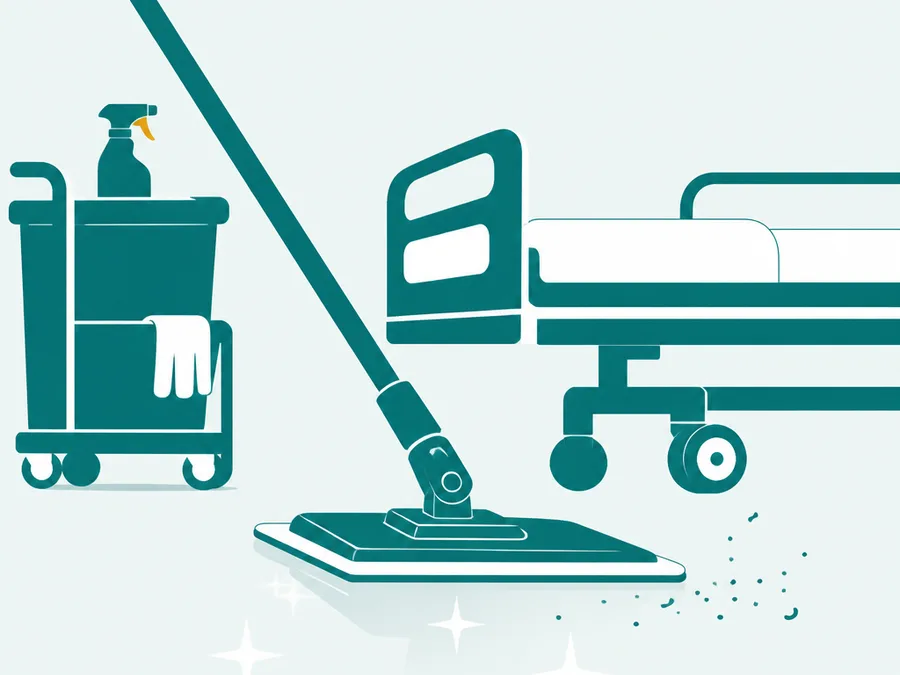
The visit follows a fixed sequence so that each stage does not undo the one before it.
-
Site walk and zone briefing
The team meets the facility manager to confirm active zones, access restrictions, and any infection-control requirements specific to that visit before any cleaning equipment is unpacked.
-
Clinical waste collection and sealing
All clinical waste bags are collected and sealed before surface work begins, ensuring no open waste is disturbed and recontaminates surfaces as they are being cleaned.
-
Zone-by-zone cleaning sequence
Working from the least contaminated zone toward the highest-risk areas, each zone receives surface disinfection, bathroom scrubbing, and a mop pass with its own dedicated equipment set.
-
Equipment removal and handover
Used mops and cloths from each zone are sealed for laundering. The facility manager walks the cleaned areas and signs off before the team leaves the site.
What the facility looks like after
Three observable conditions the facility is in once the team has finished.
Every high-touch surface properly disinfected
Every call button, bed rail, and door handle has had disinfectant applied and left for the full contact time, not wiped and immediately dried.
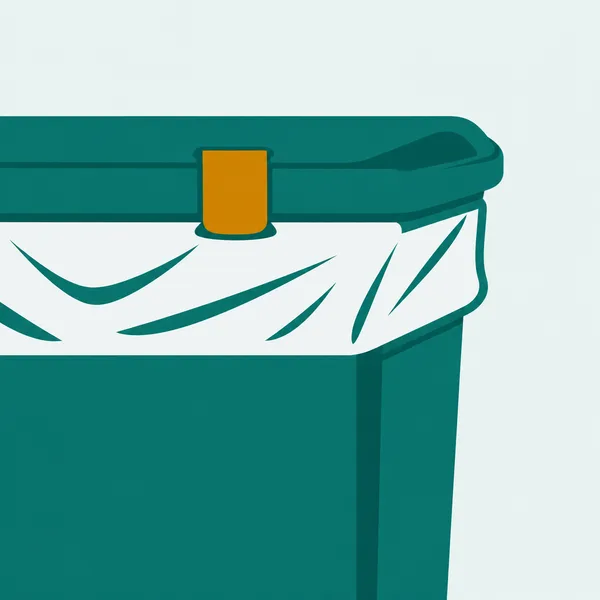
Clinical waste correctly contained and removed
All clinical waste bags are sealed, labelled, and sitting at the collection point. The wards are clear of loose or unsealed waste.
Equipment separated cleanly between zones
The mop and cloth sets used in each zone are removed from circulation. No equipment from patient rooms enters the corridor or service areas.
What our customers said
«شغلهم ما شاء الله، أنصح الجميع بالتعامل معهم. عن تجربة وثقة.»
«أفضل شركة تنظيف بالبخار. أسعارهم ممتازة وشغلهم مرة كويس.»
«خدمة ممتازة.»
«ممتازين.»
Districts we cover
This service is available across a range of locations. Use the list below to find the area closest to your facility and confirm availability.
The district pages for this service are being prepared and will appear here when they are published.
Questions worth asking first
Yes. The team works one zone at a time and places visible barriers at zone boundaries while cleaning. Nursing staff are informed before each zone begins so they can arrange patient movement or equipment storage ahead of the mop pass.
Ensure clinical waste is consolidated into accessible bags rather than left loose in rooms, and have a designated contact on site for the initial zone walk-through. Surfaces should be accessible so high-touch points are clear and ready to be wiped.
The disinfectants used are rated for occupied clinical environments. They are applied and allowed to air-dry before patients or non-cleaning staff return to the area, following the product contact time, which is typically a few minutes.
Time per zone depends on room count, bathroom count, and current condition. A site assessment before the first visit establishes a realistic schedule per zone so cleaning can be built into the facility's daily routine without disruption.
The zone-dedicated protocol applies to any space where patients or high-risk individuals are present. Outpatient clinics, day-surgery centres, GP practices, and dental surgeries carry similar cross-contamination risks and are cleaned using the same equipment segregation approach.
High-touch surfaces in busy wards accumulate contact quickly between visits. Spot-clean requests for specific surfaces or zones can be arranged, or the visit frequency can be adjusted to match patient flow and the facility's clinical risk profile.
Other services you may need
Arrange a hospital cleaning visit
Tell us your facility type and which zones need covering, and we will arrange a visit that fits your schedule and operational routine.
Cleaning and disinfection guidance: Saudi Ministry of Health.