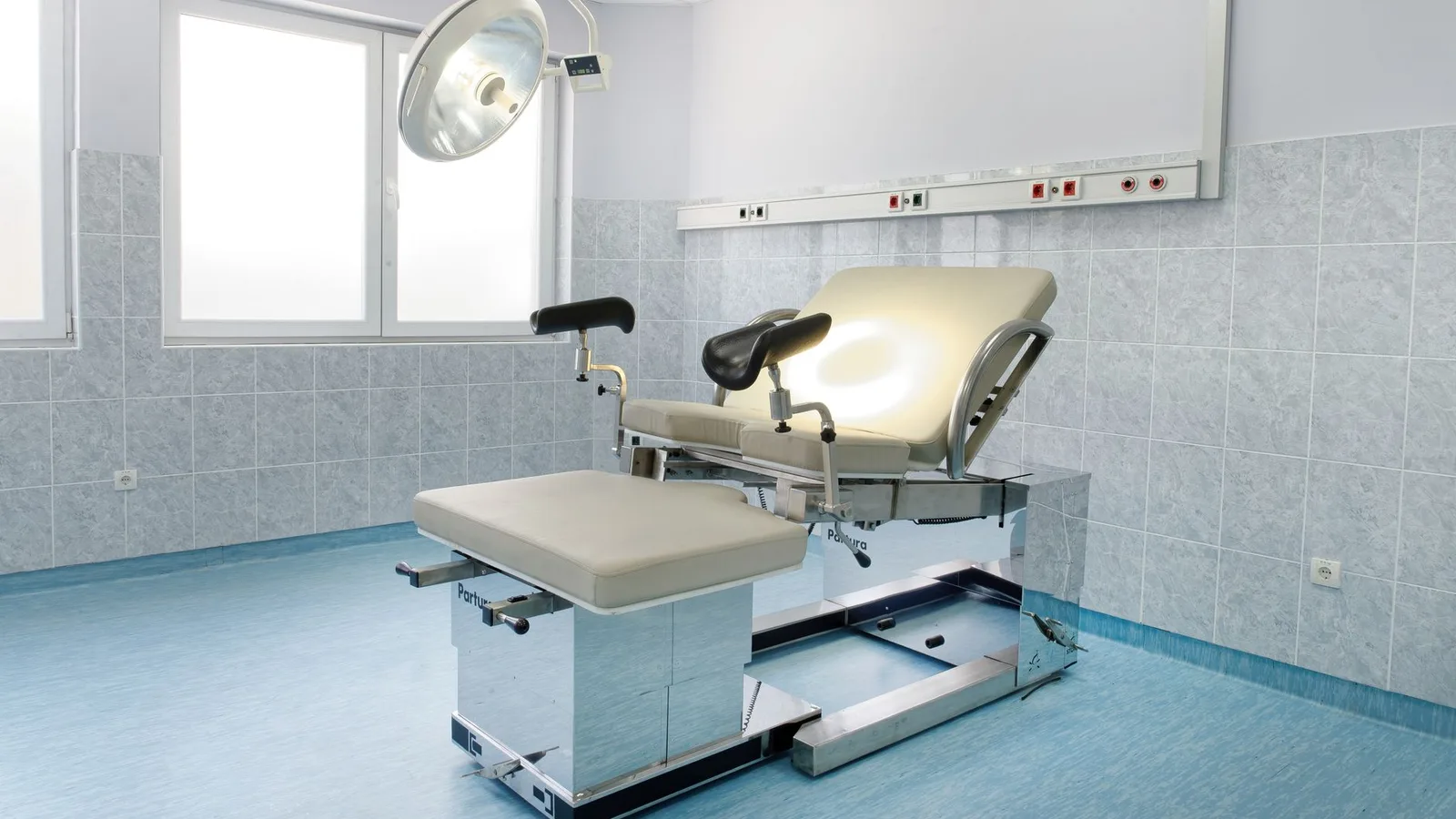
Hospital cleaning in Al Qaws, Jeddah
Al Qaws sits along Wadi Al Qaws, the historic valley that caused Jeddah's major 2009 flood, and the district is marked by hillside terrain, valley contours and water accumulation. Hospitals and health centres here face humidity challenges from the wadi and seasonal runoff. Specialised cleaning prevents bacterial and fungal growth that thrives in damp environments.
- Zone-dedicated mops and cloths
- Segregated clinical waste bags
- Safe for patient-occupied areas
- No cross-zone contamination risk
Why hospital cleaning demands a different approach
Hillside and valley topography raises humidity levels in medical buildings, and seasonal water flow may affect facility integrity and clinical hygiene.
-
Meeting hygiene inspection requirements
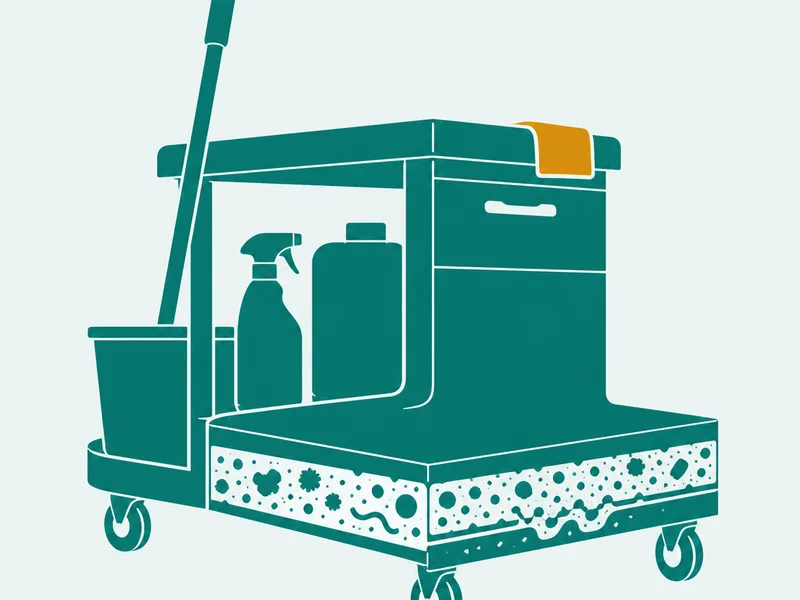
High humidity from the wadi and seasonal evaporation create conditions for fungal and mould growth on surfaces and in pipes, raising fungal infection risk for immunocompromised patients.
-
Preventing cross-contamination between zones
Regular cleaning of air conditioning ducts and filters is essential to prevent bacterial growth in humid air, and the team inspects and replaces filters on a strict maintenance schedule.
-
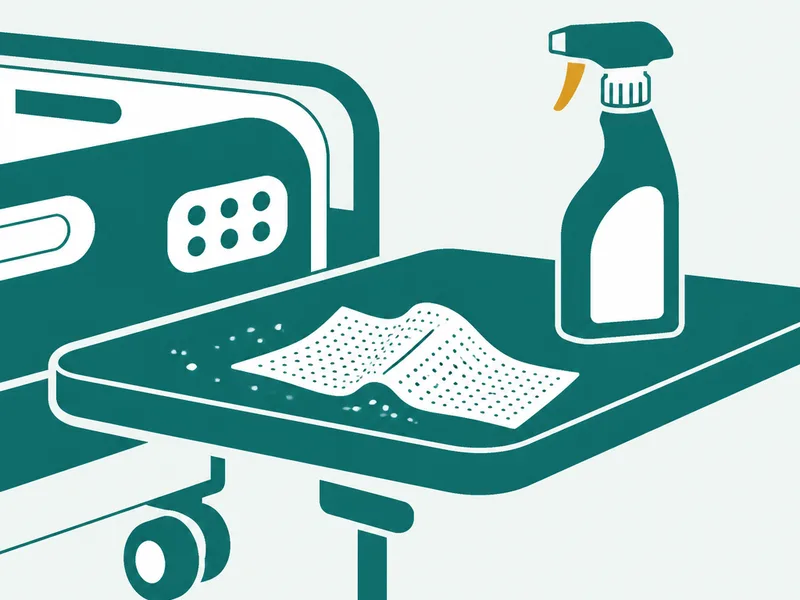
Cleaning around active patient care
Entrances and external corridors need frequent cleaning, especially after rain and seasonal runoff, to remove mud and debris that carry bacteria and mould.
-
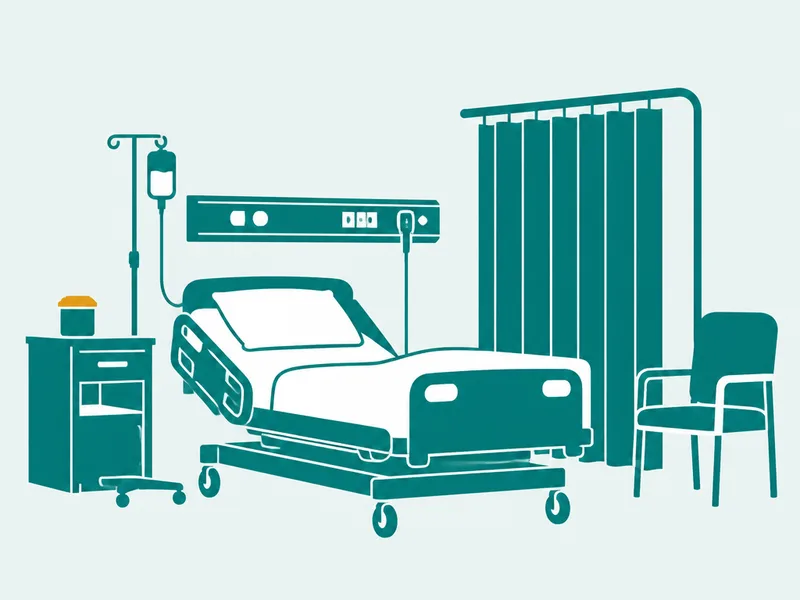
Protecting healthcare staff from surface contact
Intensive care and operating units require close humidity monitoring, and disinfection focuses on surfaces where moisture and fungi accumulate most.
What the service covers, step by step
-
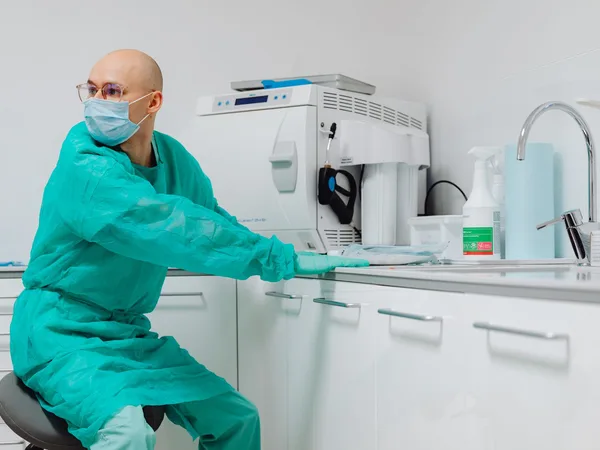
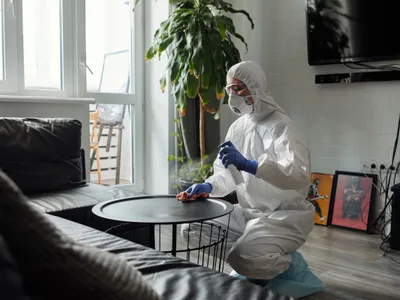
Don personal protective equipment
-
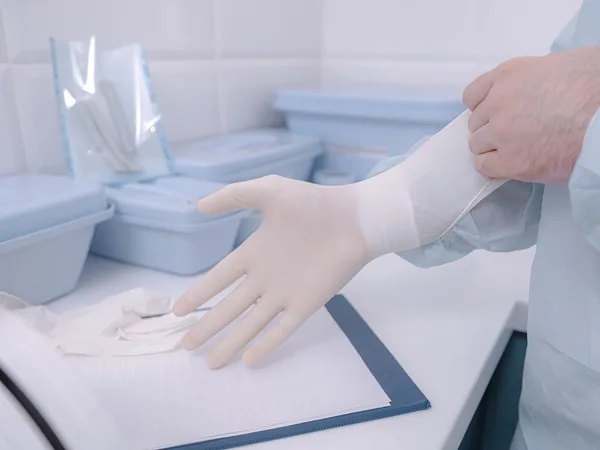
Bag clinical waste separately
-
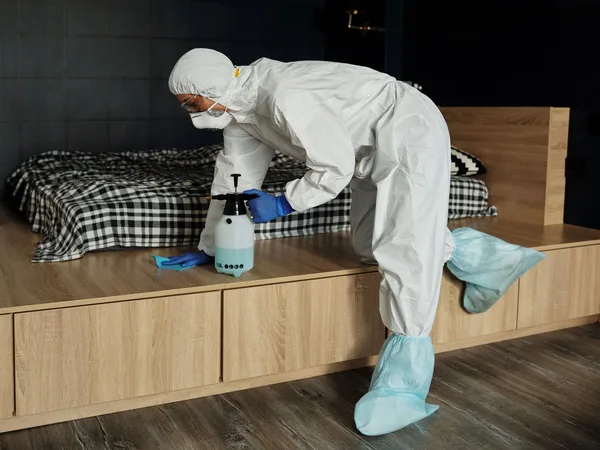
Wipe high-touch surfaces with disinfectant
-
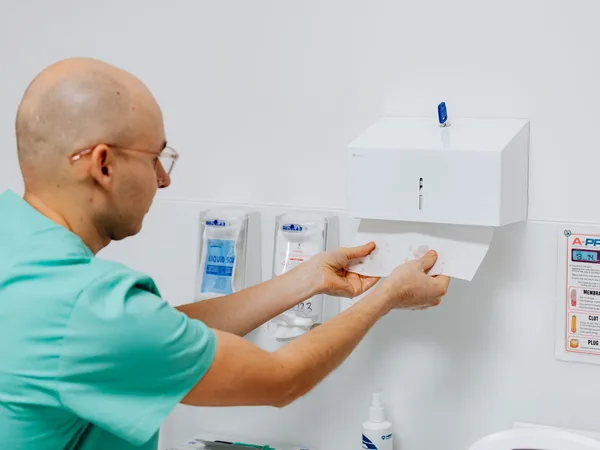
Scrub and disinfect patient bathrooms
-
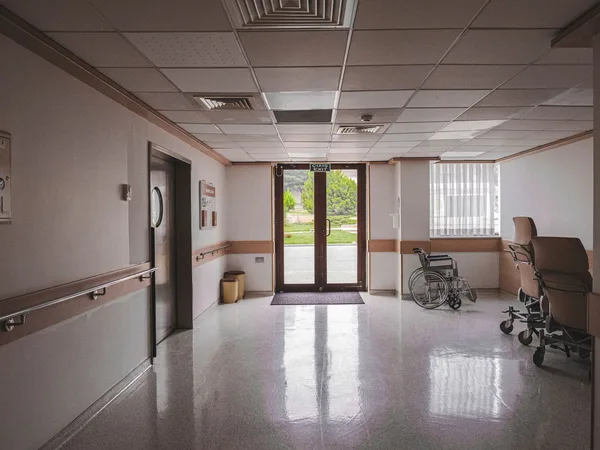
Mop floors with zone-dedicated mops
-
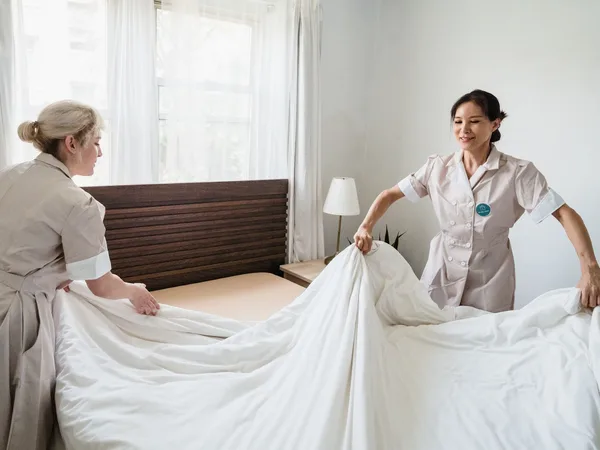
Swap mops and cloths between zones
-
Clean corridors and nursing stations
-
Transfer waste bags to collection point
How a hospital cleaning visit works
-
Site walk and zone briefing
-
Clinical waste collection and sealing
-
Zone-by-zone cleaning sequence
-
Equipment removal and handover
What changes about hospital cleaning in Al Qaws
Hospitals in Al Qaws require stronger focus on humidity and fungal control than facilities in flat districts, because seasonal water runoff and evaporation raise relative humidity levels significantly. For the whole method, see hospital cleaning in detail.
-
The first reason
Wadi humidity promotes fungal growth in clinical zones
Wadi Al Qaws channels water and moisture, and medical buildings on its banks absorb moisture from the foundation up. Fungi and mould thrive in damp conditions, raising infection risk in immunocompromised wards and intensive care units.
-
The second reason
Seasonal water runoff affects external hygiene
In winter months and rainfall, the wadi flows fast and water carries mud and debris. Hospital entrances and external areas need frequent cleaning to prevent contaminants entering interior wards.
-
The third reason
Ventilation and dehumidification are vital in humid terrain
Air conditioning and drying systems in hospitals need regular maintenance to prevent bacterial growth in ducts. Cleaning includes scheduled inspection and filter replacement.
The character of Al Qaws
Mixed district: shops at street level with homes above them
Al Qaws is distinctive for its location on the historic valley, imposing unique climate challenges on medical facilities that demand exceptionally high hygiene standards.
What the facility looks like after
Every high-touch surface properly disinfected
Every call button, bed rail, and door handle has had disinfectant applied and left for the full contact time, not wiped and immediately dried.
Clinical waste correctly contained and removed
All clinical waste bags are sealed, labelled, and sitting at the collection point.
Equipment separated cleanly between zones
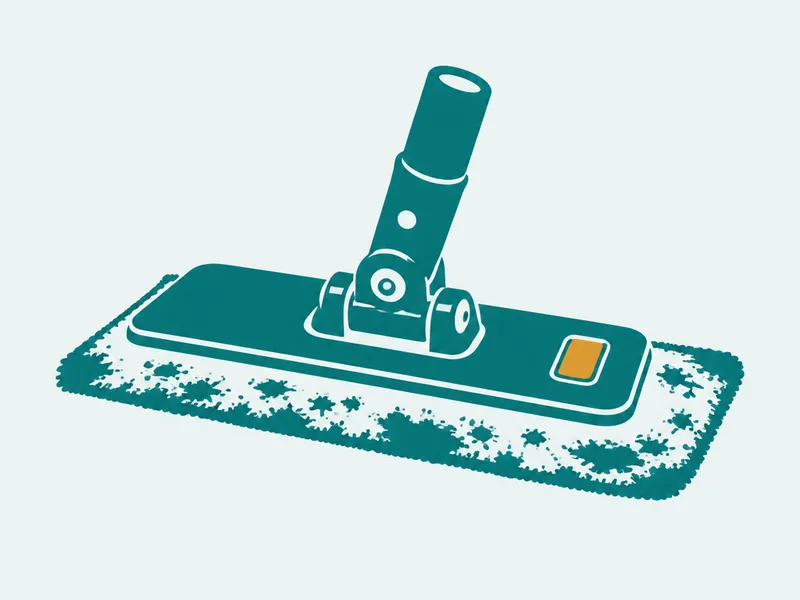
The mop and cloth sets used in each zone are removed from circulation.
What our customers said
«شغلهم ما شاء الله، أنصح الجميع بالتعامل معهم. عن تجربة وثقة.»
«أفضل شركة تنظيف بالبخار. أسعارهم ممتازة وشغلهم مرة كويس.»
«خدمة ممتازة.»
«ممتازين.»
Some of our work
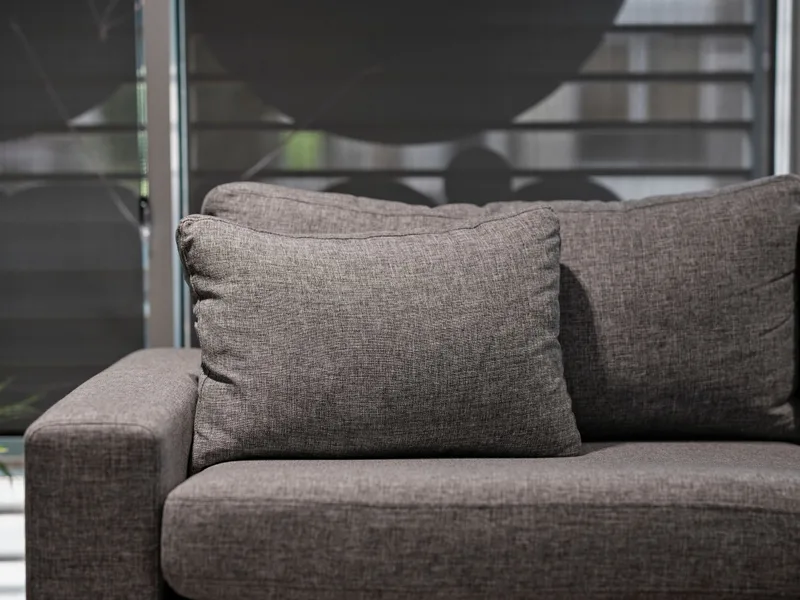
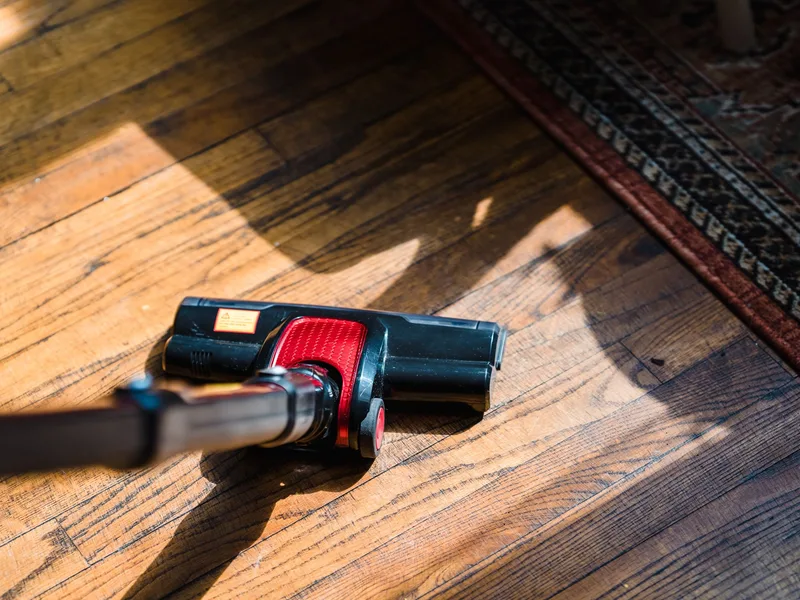
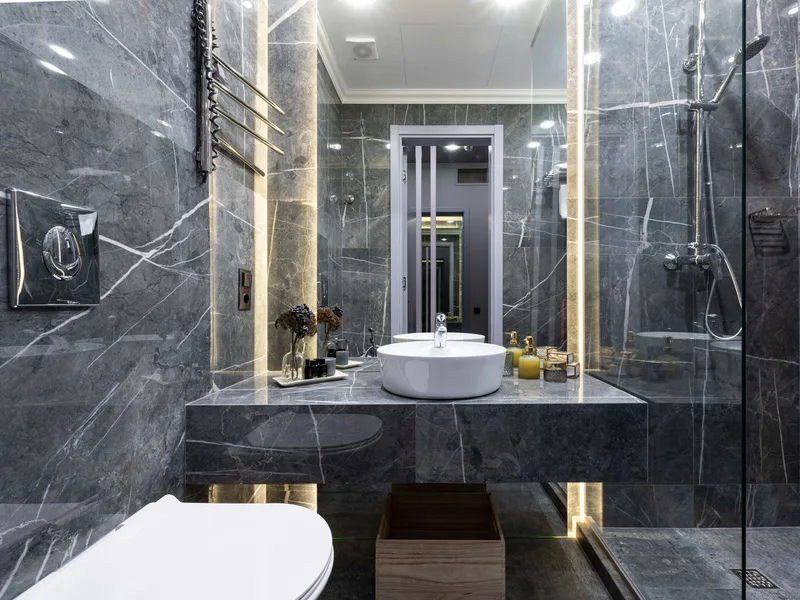
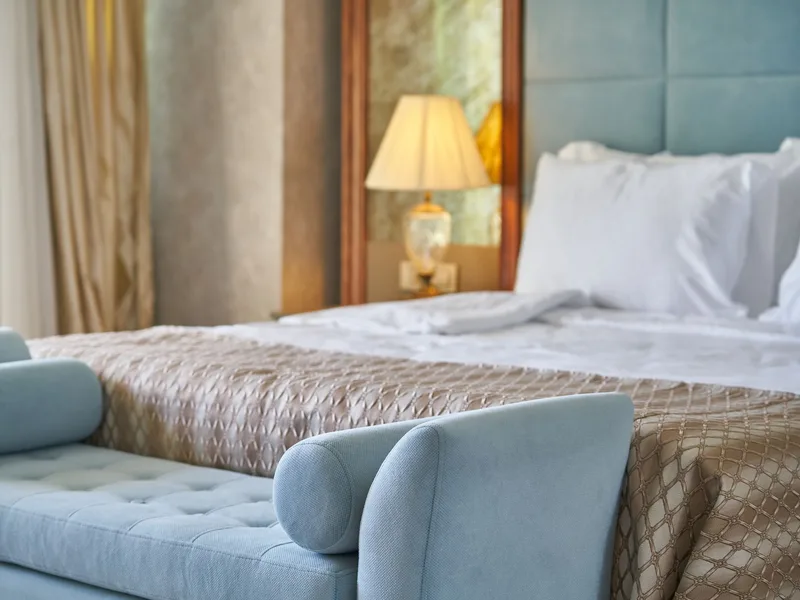
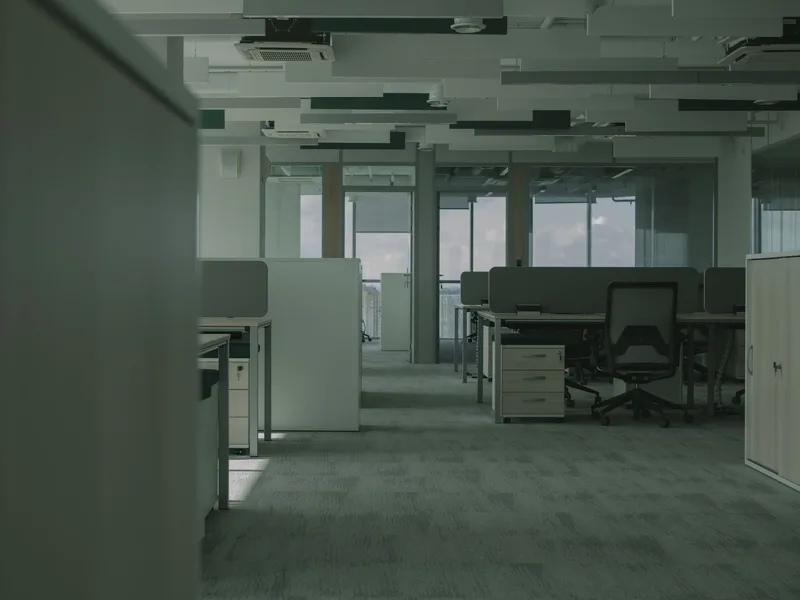
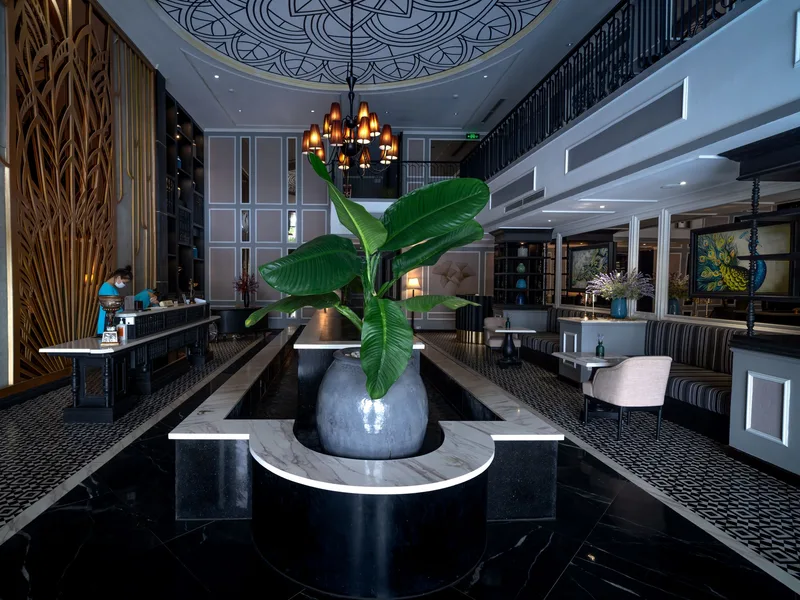
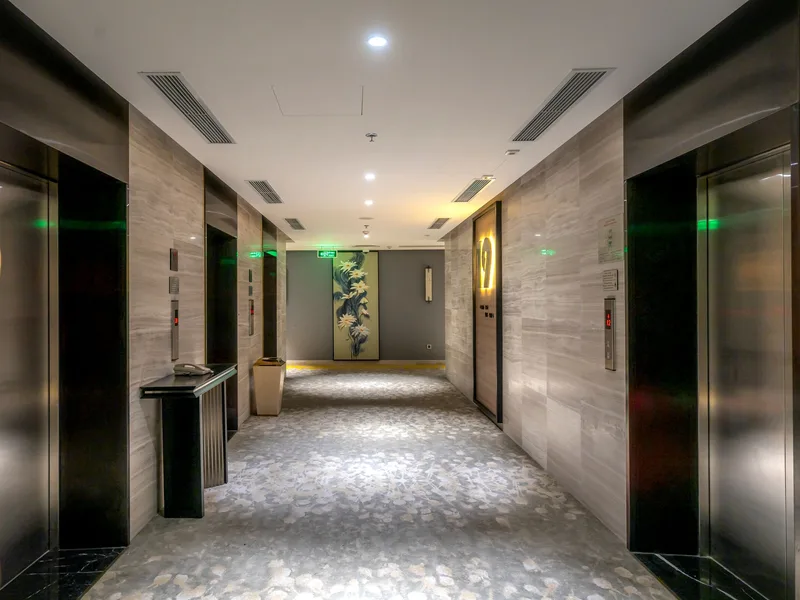
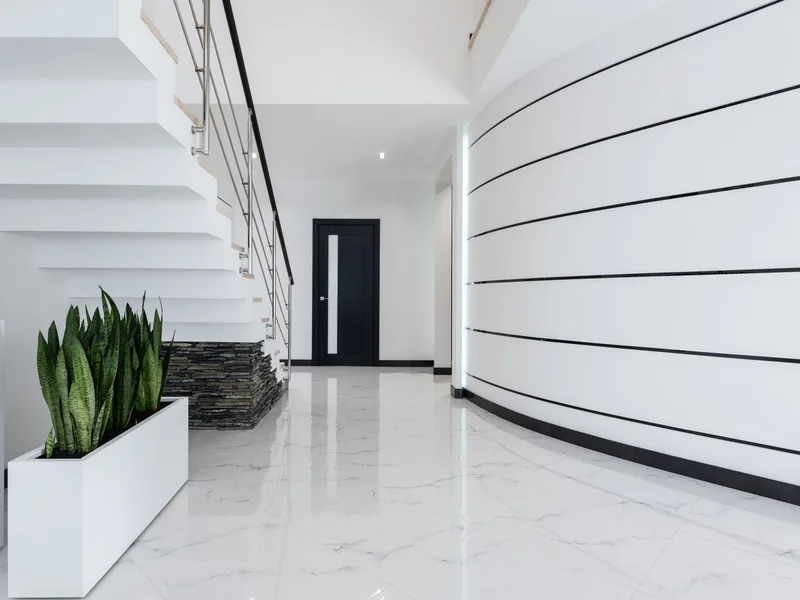
Illustrative photographs. Our own job photographs go here as soon as the client approves them.
Landmarks of Al Qaws
In Al Qaws near Wadi Al Qaws, Mareekh Mountains and Umm Al Salam Sub-Municipality, hospitals and health centres are scattered along water runoff pathways. The team coordinates access based on wadi-side location, residential zones and proximity to main roads.
- Wadi Al Qaws
- Mareekh Mountains
- Umm Al Salm Sub-Municipality
Nearby districts we cover
Questions worth asking first
Yes. Fungi thrive in high moisture. Patients in immunocompromised and intensive care wards are more vulnerable to fungal infection, and cleaning removes fungal sources.
Drainage and waterproofing in medical buildings prevent water entry. External and internal cleaning removes mud and debris that may enter during minor flooding.
Very much so. Damp filters become breeding grounds for bacteria and fungi. Regular duct and filter cleaning prevents airborne contamination spread.
No. Specialised antifungal disinfectants are necessary in damp environments. The team uses approved products for fungal and mould disinfection.
Daily cleaning with scheduled moisture and fungal checks. In rainy season, disinfection increases to interrupt fungal growth cycles.
Spots are removed immediately with specialised disinfectants, and the crew inspects the moisture source. We may recommend waterproofing repairs or ventilation upgrades to prevent recurrence.
It is set after we see the job, because the price follows the kind of work, the size of the space, its condition and the time and materials it needs. Send a photo and a short description on WhatsApp and we will give you an estimate before we reach Al Qaws.
Yes.
Ensure clinical waste is consolidated into accessible bags rather than left loose in rooms, and have a designated contact on site for the initial zone walk-through.
Other services in Al Qaws
We also provide these services in Al Qaws.