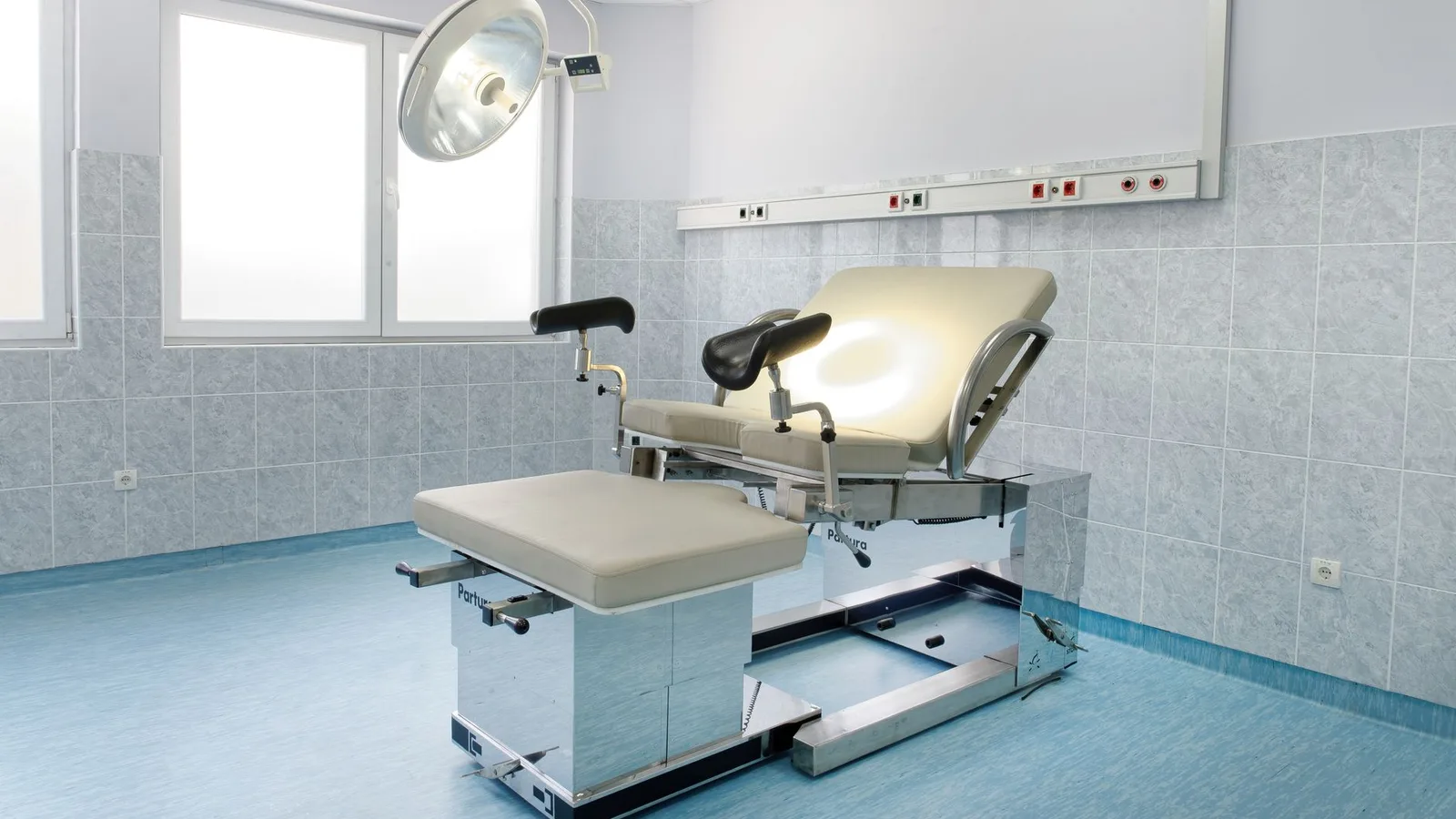
Hospital cleaning in Khaleej Salman, Jeddah
Khaleej Salman is an extremely humid coastal zone around a shallow bay on the Red Sea, where the hospital faces unique challenges: very high humidity accelerates mould and fungal growth, sea salt corrodes medical equipment, and seasonal tourism brings varied diseases. Clinical cleaning must be advanced and continuous to protect the medical environment from both coastal and tourism factors.
- Zone-dedicated mops and cloths
- Segregated clinical waste bags
- Safe for patient-occupied areas
- No cross-zone contamination risk
Why hospital cleaning demands a different approach
Chalets, resorts and tourists visit seasonally, bringing varied diseases to the local hospital. Extreme humidity makes clinical cleaning more challenging.
-
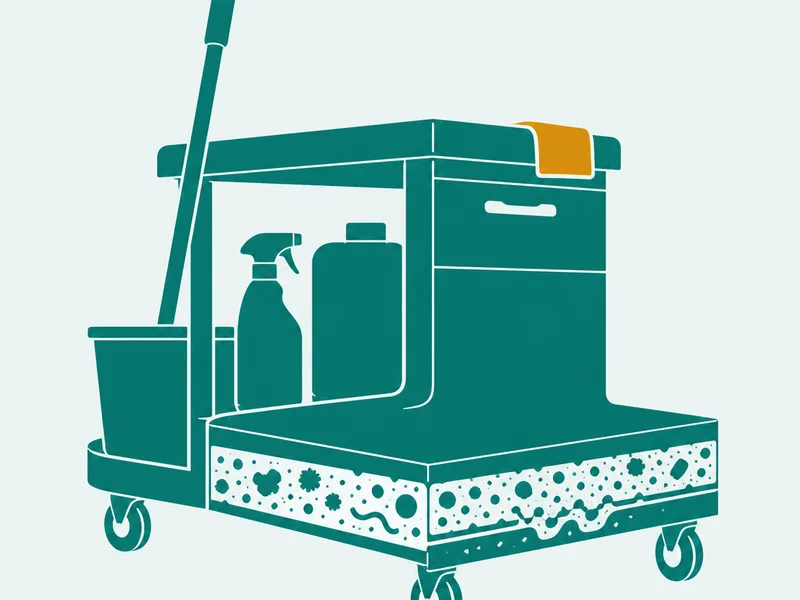
Meeting hygiene inspection requirements
The extreme coastal humidity at Khaleej Salman requires special treatment: controlled ventilation, dehumidifiers and weekly antimicrobial cleaning added to the standard clinical protocol.
-
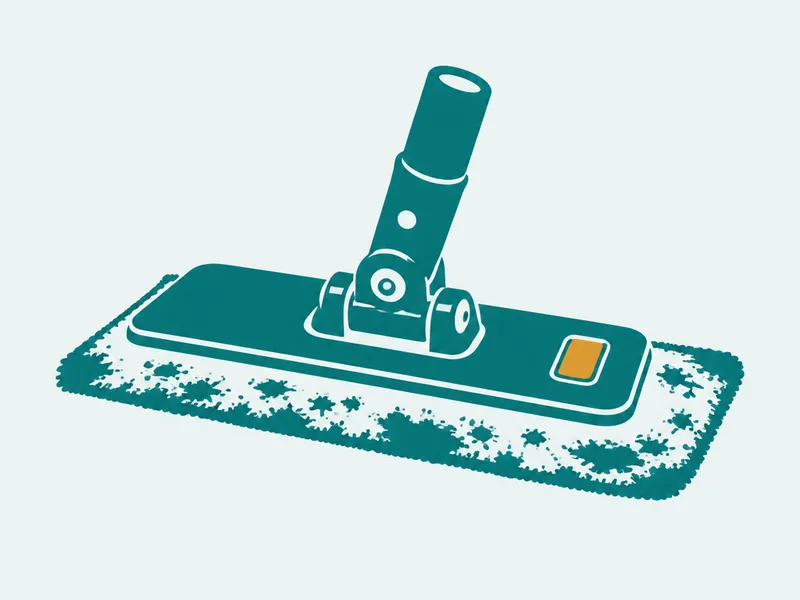
Preventing cross-contamination between zones
Medical equipment is salt-cleaned monthly and sensitive devices are routinely inspected for corrosion before they fail and compromise patient care.
-
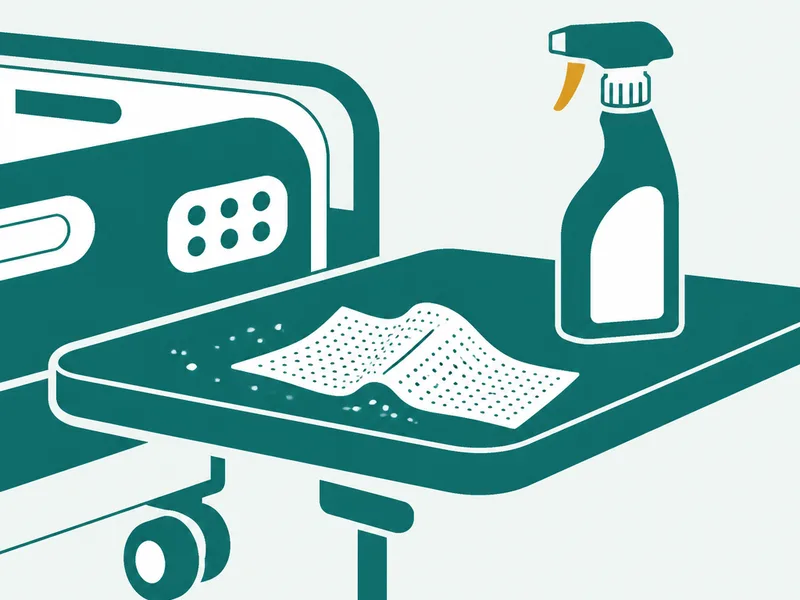
Cleaning around active patient care
Tourism season escalates protocols: additional cleaning of shared areas and rapid screening for suspected tropical or rare diseases that visitors may carry.
-
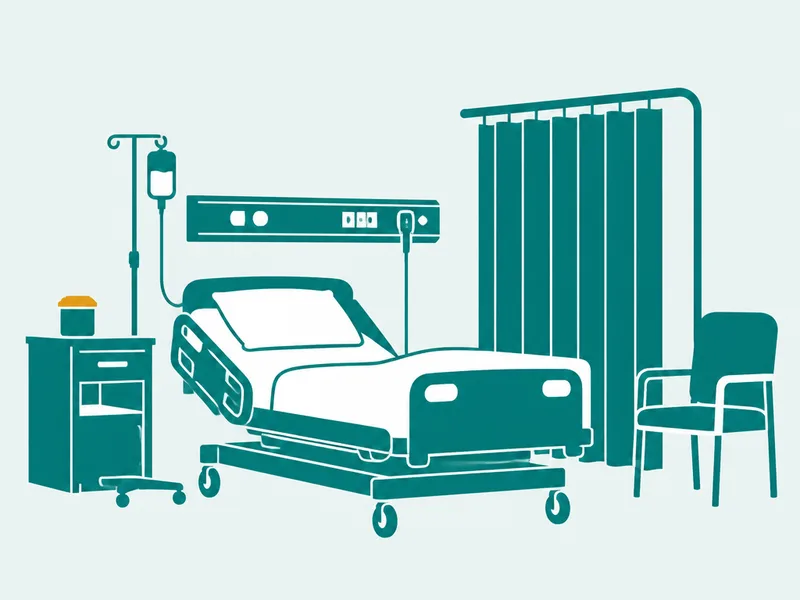
Protecting healthcare staff from surface contact
Shared corridors and bathrooms are cleaned every 3 hours in tourism season and daily minimum otherwise, because seasonal pressure increases infection risk.
What the service covers, step by step
-
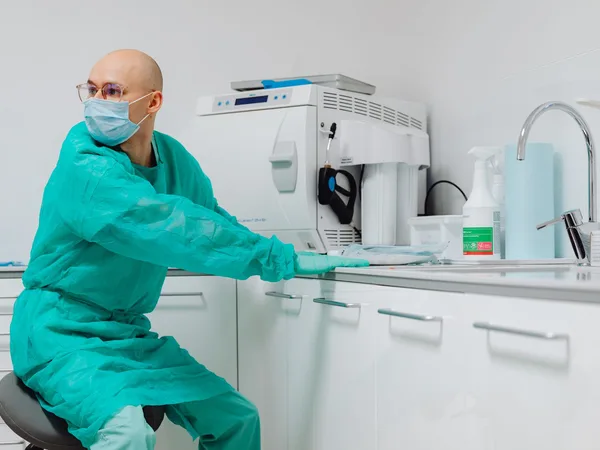
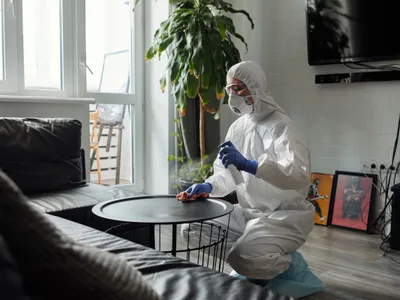
Don personal protective equipment
-
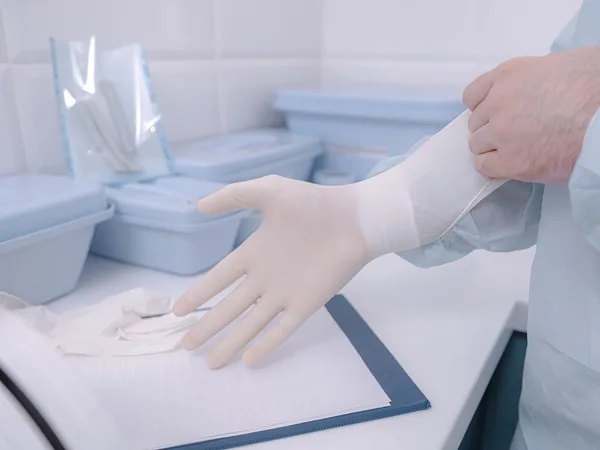
Bag clinical waste separately
-
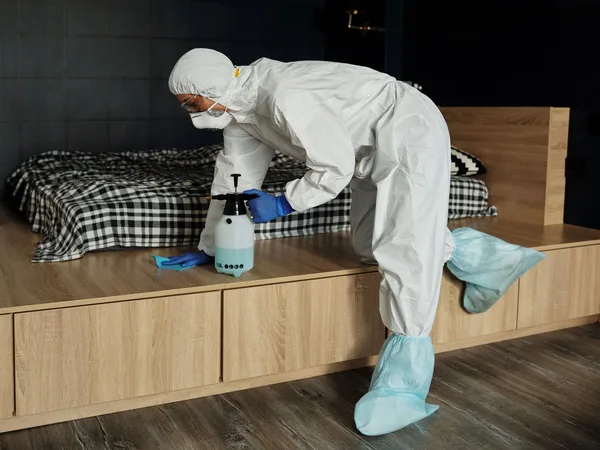
Wipe high-touch surfaces with disinfectant
-
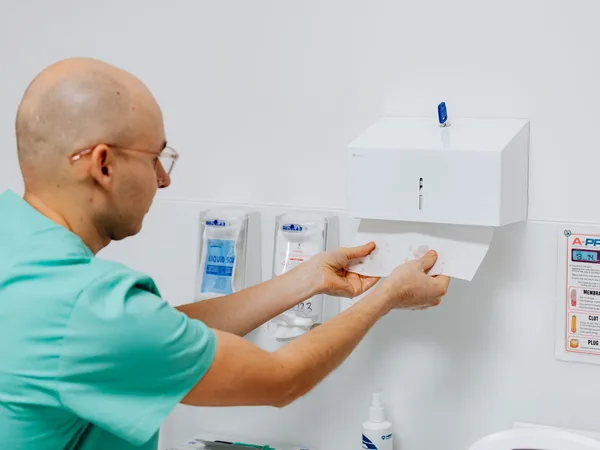
Scrub and disinfect patient bathrooms
-
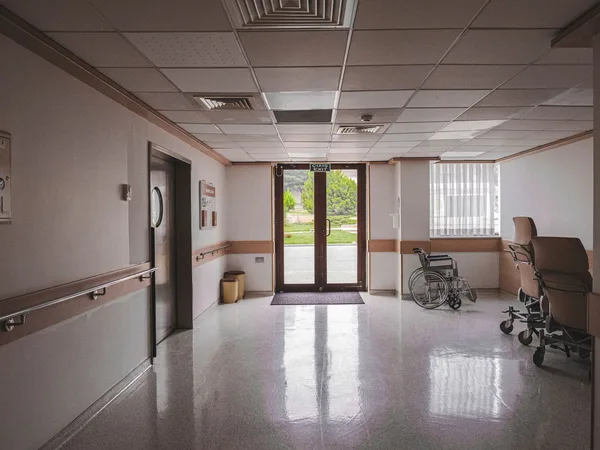
Mop floors with zone-dedicated mops
-
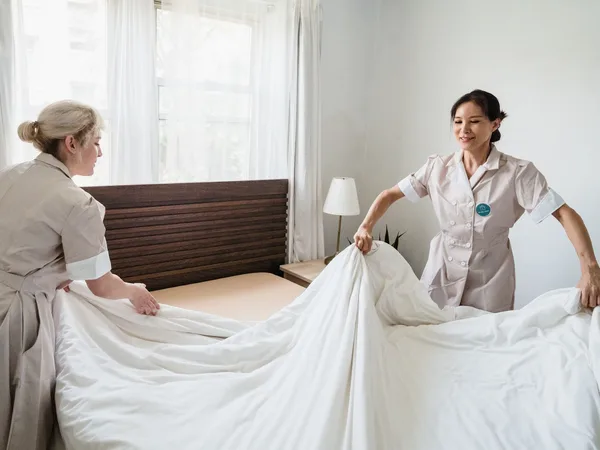
Swap mops and cloths between zones
-
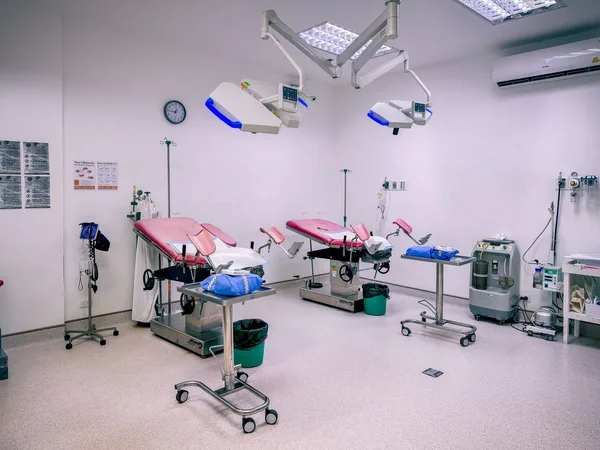
Clean corridors and nursing stations
-
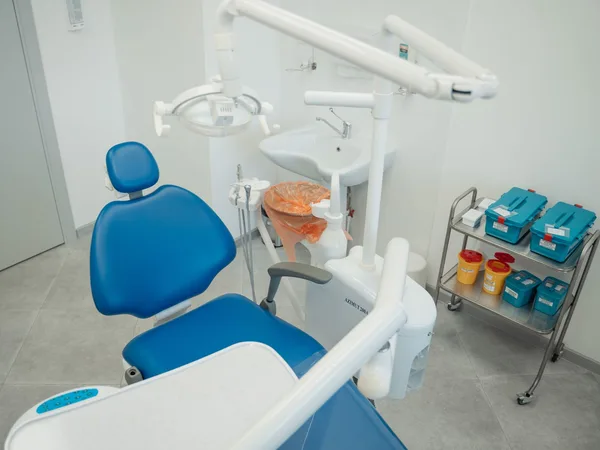
Transfer waste bags to collection point
How a hospital cleaning visit works

-
Site walk and zone briefing
-
Clinical waste collection and sealing
-
Zone-by-zone cleaning sequence
-
Equipment removal and handover
What changes about hospital cleaning in Khaleej Salman
Intensely coastal hospitals record higher mould and fungal rates than inland facilities, and equipment needs frequent maintenance due to salt and humidity. For the whole method, see the full hospital cleaning page.
-
The first reason
Extreme coastal humidity creates ideal conditions for mould
Khaleej Salman sits directly on the bay and humidity exceeds 85%. Mould grows on walls, surfaces and equipment. Continuous cleaning and antimicrobial solutions break its growth cycle.
-
The second reason
Sea salt corrodes sensitive medical devices
Ventilators, monitors and pumps corrode from salt deposits quickly. Cleaning removes salt before it eats into wiring and electrical circuits.
-
The third reason
Tourists and visitors carry varied diseases seasonally
Tourism season increases visitor traffic and potential infections. Cleaning intensifies seasonally and protocols expand to cover diseases not normally local.
Khaleej Salman on the map
Khaleej Salman sits about 8.5 km from Al Shati Al Thahabi and about 11 km from Al Zumurrud.
Open in Google MapsWhat the facility looks like after
Every high-touch surface properly disinfected
Every call button, bed rail, and door handle has had disinfectant applied and left for the full contact time, not wiped and immediately dried.
Clinical waste correctly contained and removed
All clinical waste bags are sealed, labelled, and sitting at the collection point.
Equipment separated cleanly between zones
The mop and cloth sets used in each zone are removed from circulation.
What our customers said
«شغلهم ما شاء الله، أنصح الجميع بالتعامل معهم. عن تجربة وثقة.»
«أفضل شركة تنظيف بالبخار. أسعارهم ممتازة وشغلهم مرة كويس.»
«خدمة ممتازة.»
«ممتازين.»
Some of our work
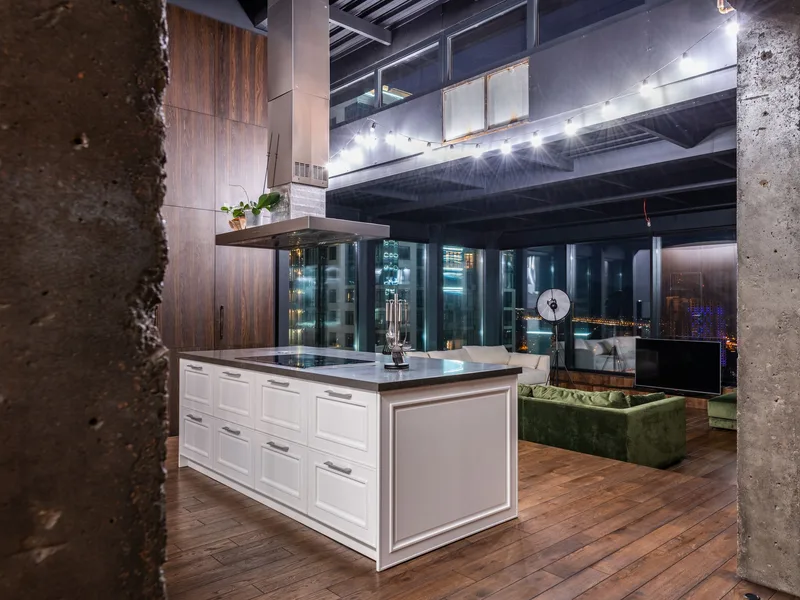
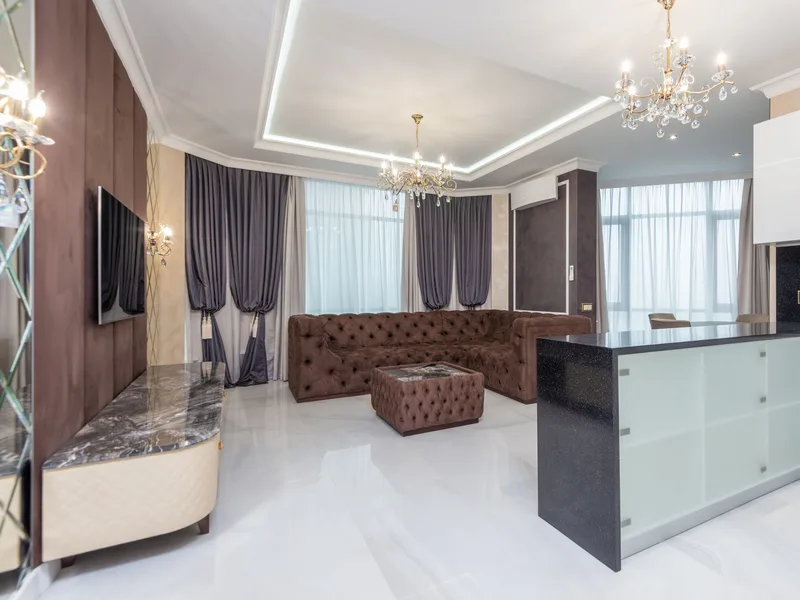
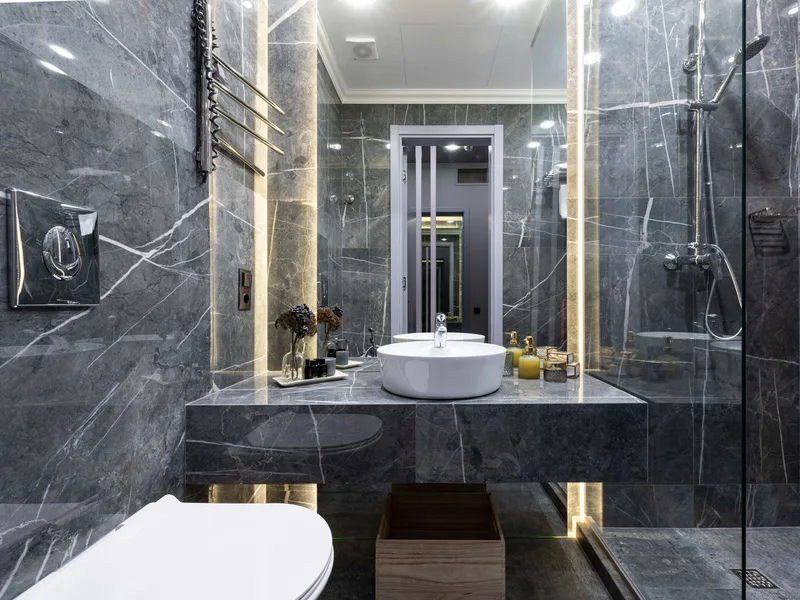
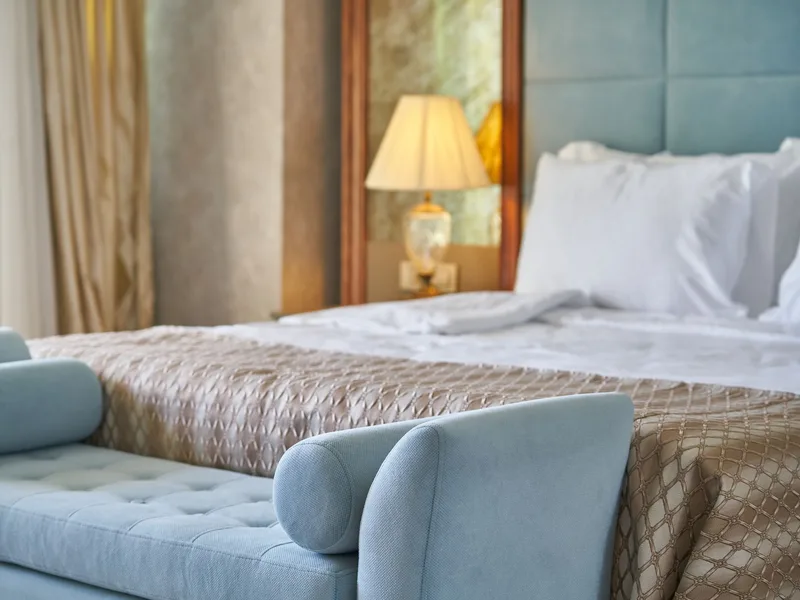
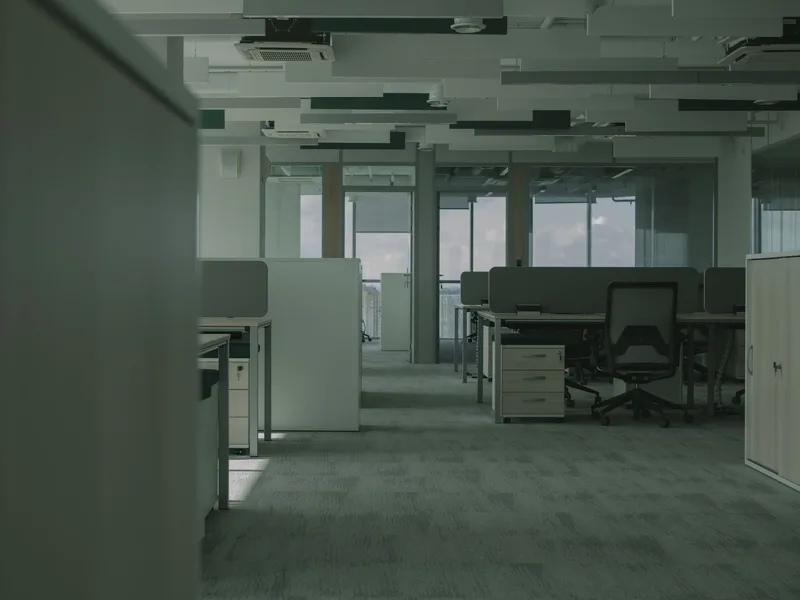
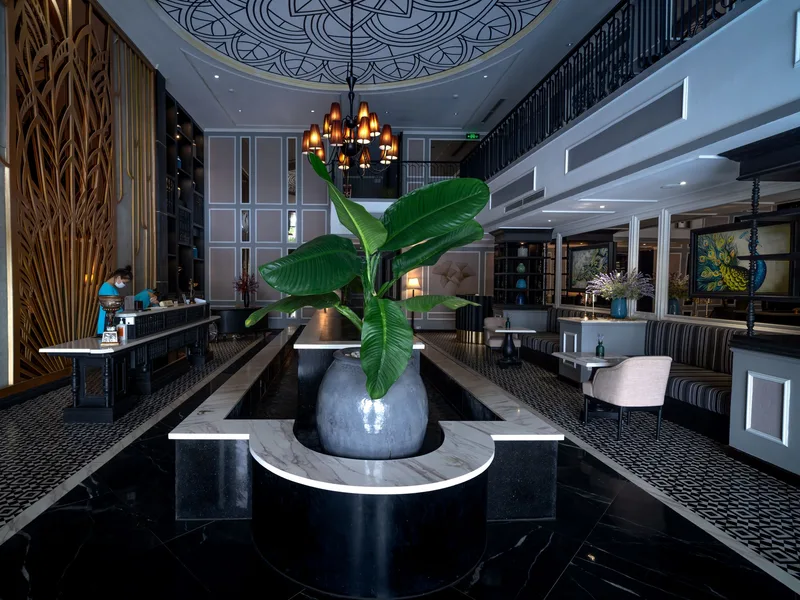
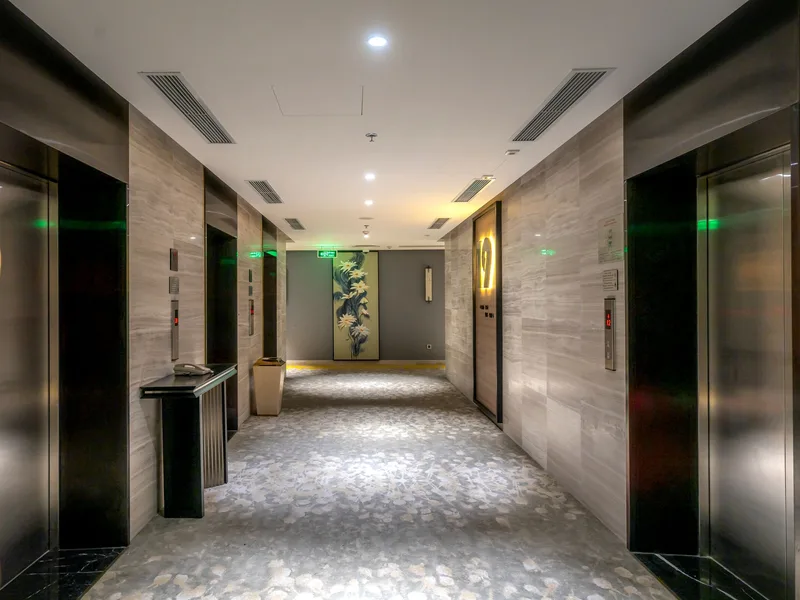
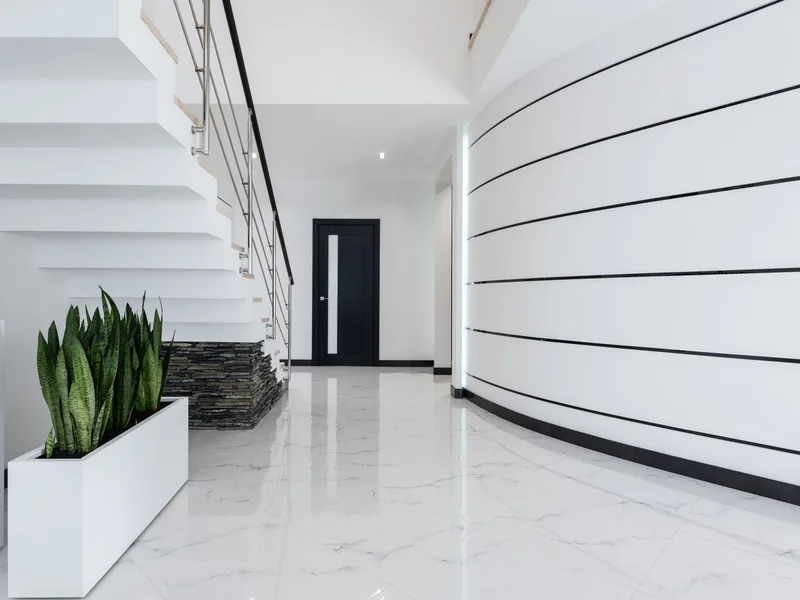
Illustrative photographs. Our own job photographs go here as soon as the client approves them.
What is different about North Jeddah
The northern sector of Jeddah is the city's newest ground: gated villa schemes, low apartment blocks and wide boulevards laid out over the last stretch of open land before Dhahban and Thuwal. Much of it is still being built, so construction dust from cleared plots and half finished streets is the defining problem, drifting across finished homes on the afternoon wind and settling as a pale grit on car ports and window ledges. Summer brings the heaviest of it, while the short winter rains turn the same dust into streaks down cladding and glass.
Nearby districts we cover
Questions worth asking first
Antimicrobial solutions are applied weekly to walls and surfaces. Scheduled ventilation and electrical dehumidifiers reduce humidity. Monthly inspections catch any mould early.
Yes, equipment is wiped with salt-removal solutions monthly. Sensitive devices are inspected for rust and corrosion.
Yes, tourism season increases cleaning from daily to three times daily in some areas. Protocols expand to cover tropical diseases visitors may carry.
Yes, humidity can weaken disinfectants. Concentration is increased slightly and solutions are applied with immediate drying to ensure effectiveness.
Devices are covered with temporary protective coverings. Controlled ventilation keeps humidity below 75% around sensitive equipment.
No, cleaning removes germs and mould but humidity control and ventilation are necessary. The team works with maintenance to manage indoor humidity.
It is set after we see the job, because the price follows the kind of work, the size of the space, its condition and the time and materials it needs. Send a photo and a short description on WhatsApp and we will give you an estimate before we reach Khaleej Salman.
Yes.
Ensure clinical waste is consolidated into accessible bags rather than left loose in rooms, and have a designated contact on site for the initial zone walk-through.
Other services in Khaleej Salman
We also provide these services in Khaleej Salman.