
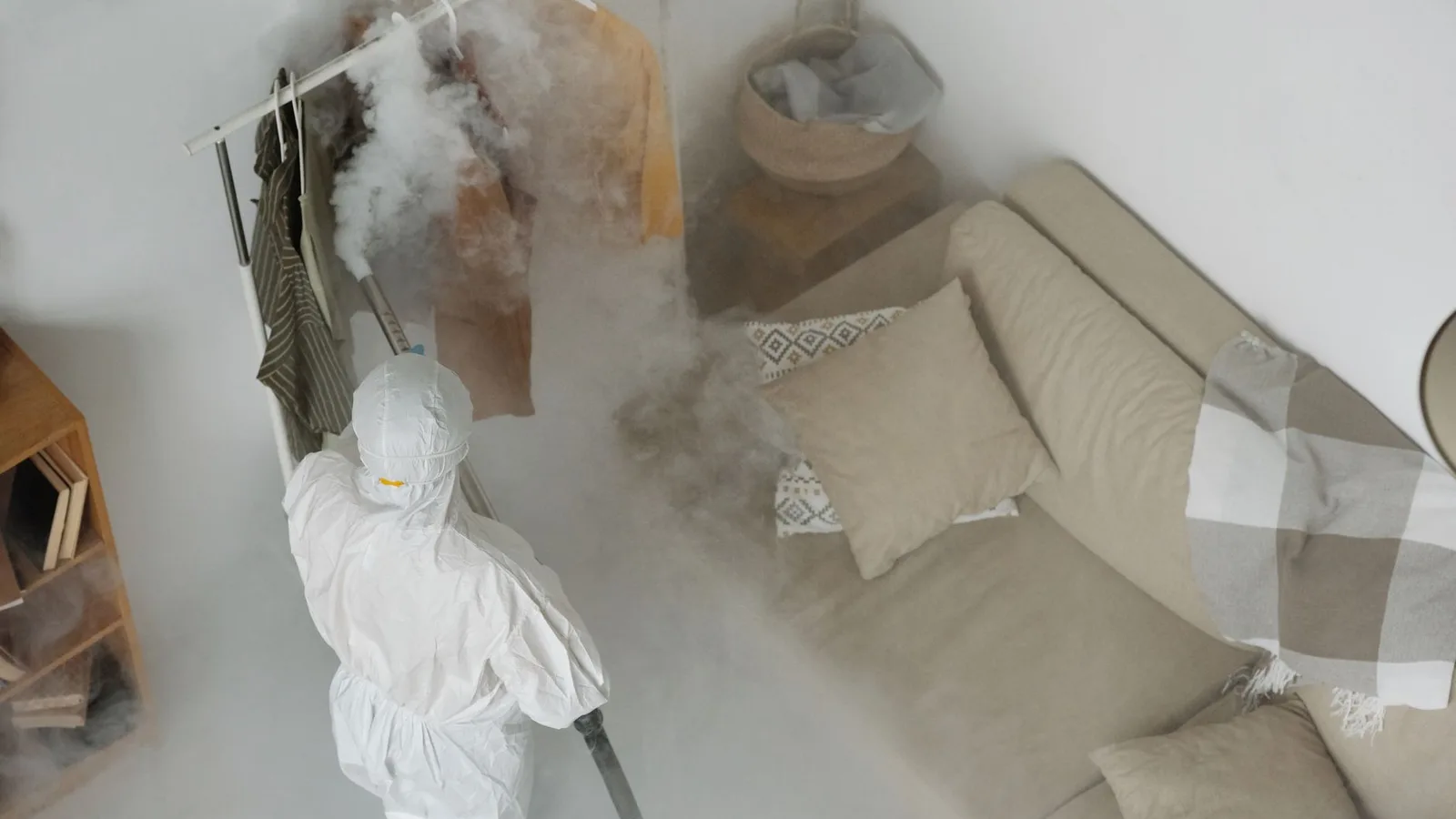
Pest control for homes, villas, and living spaces
A full pest control visit covers every area where insects and rodents hide or enter, from kitchen cabinets and bathroom drains to the perimeter walls outside. The service is designed for residential homes and villas, occupied or being prepared for a new tenant.
- Full room-by-room inspection
- Gel bait and spray combined
- Safe for occupied homes
- Entry points sealed at source
Why pests return when the first treatment missed the source
Cockroaches and rodents nest behind appliances, inside wall cavities, and under kitchen cabinetry, not in the open where they are most often seen. A treatment that only covers visible surfaces leaves the nesting site untouched, so the infestation rebuilds from the same point within weeks. Sealing entry points and placing gel bait at active sites interrupts the cycle before it restarts.
-
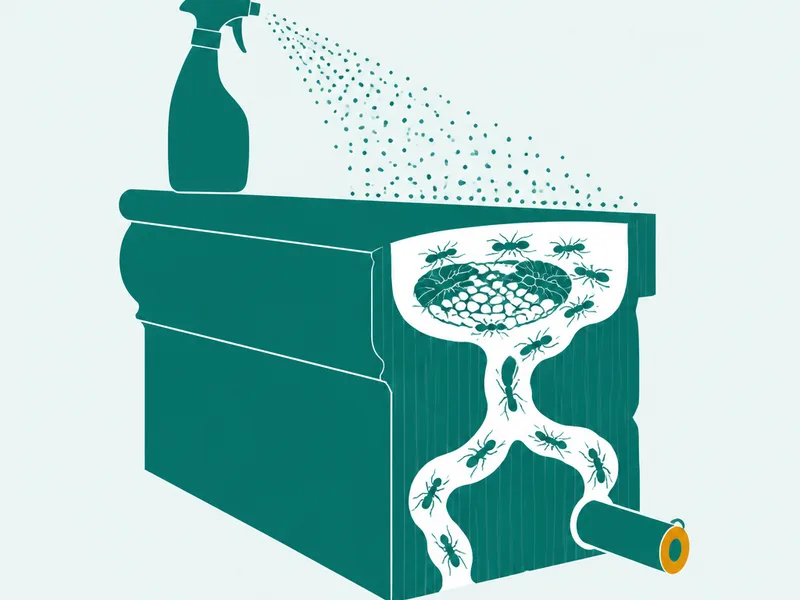
Surface spray misses the nest inside
Surface sprays kill what they touch but leave the nest undisturbed. Cockroaches retreat into cabinet gaps, drain pipes, and the undersides of appliances, and re-emerge once the residue weakens.
-
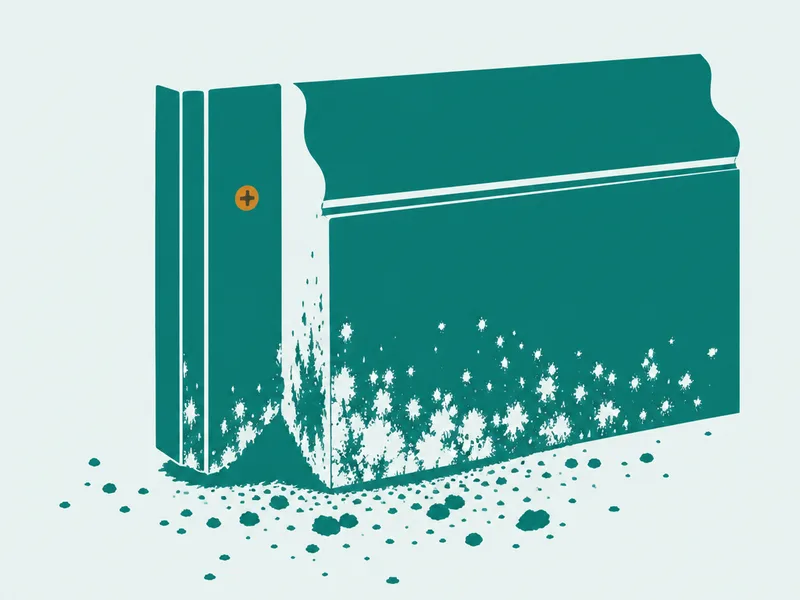
Entry points invite a second wave
Gaps around pipes, cracks in skirting boards, and open drain lines let new insects in after a treatment. Sealing these points is what separates a one-time knockdown from a lasting result.
-
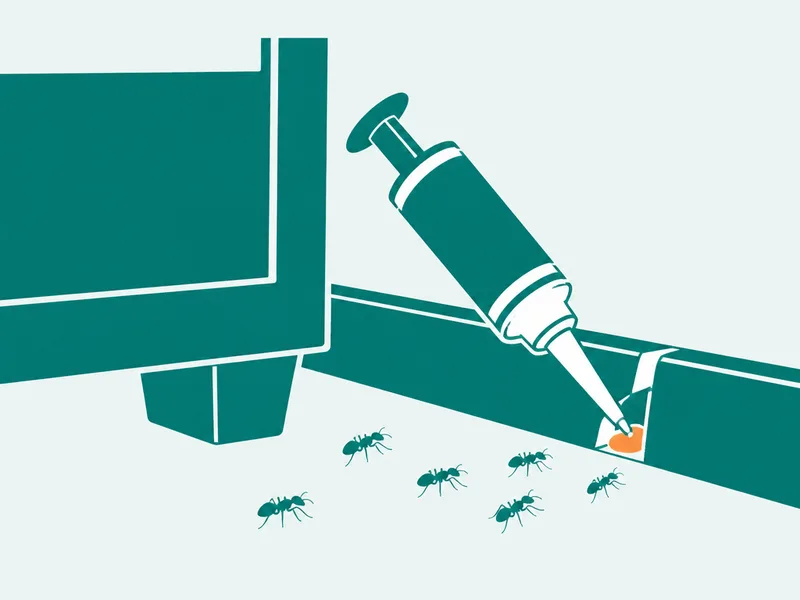
Gel bait reaches where spray cannot
Insects carry gel bait back to the nest, so the treatment reaches places no spray nozzle can access. It works inside wall gaps, behind kitchen units, and at the backs of deep cabinets.
-
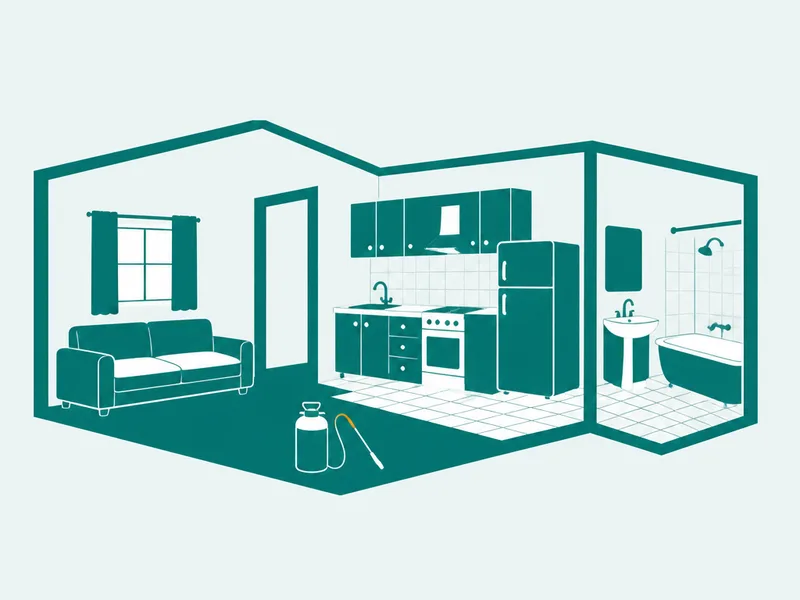
Pest treatment before a move-out handover
Landlords inspect behind appliances, inside cupboards, and at drain surrounds when a tenant vacates. Running a pest treatment before handover removes the infestation and the evidence of it at the same time.
What every visit covers, room by room
Each treatment follows a fixed sequence that covers the interior, the fittings, and the exterior walls before the team leaves.
-
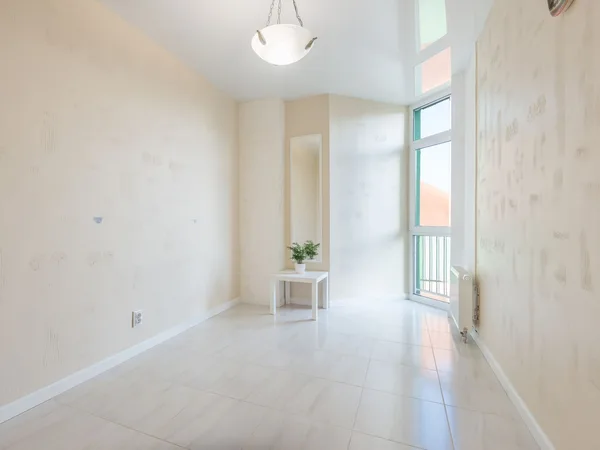
Inspect rooms and entry points
Each room is checked for signs of active pests, entry gaps, and conditions that make infestation more likely, including damp corners, loose fittings, and dark storage areas.
-
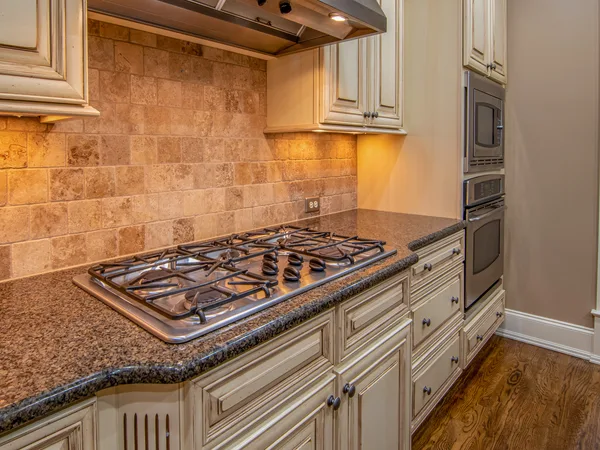
Check behind appliances and drains
The space behind the refrigerator, under the stove, and at the backs of kitchen cabinets is examined for nesting and droppings, as these are the most common hiding points.
-
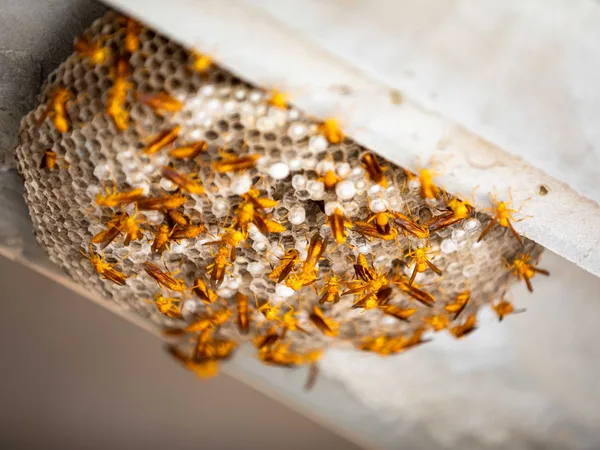
Seal cracks and pest entry points
Gaps around pipe entries, cracks in skirting boards, and spaces at door and window frames are filled to block the routes insects use to move between rooms and from outside.
-
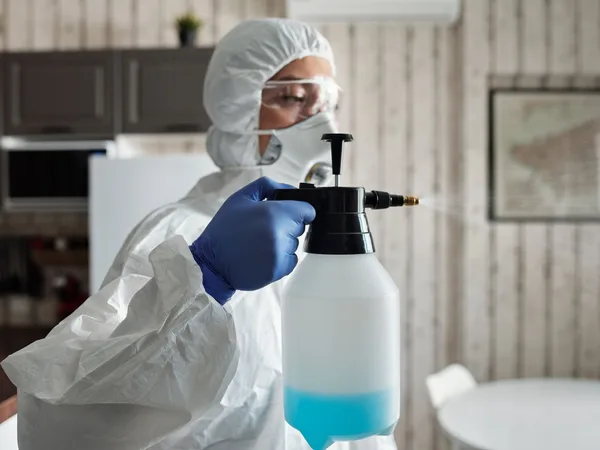
Spray insecticide along baseboards
An insecticide formulated for residual protection is applied along the base of every wall, focusing on corners, behind doors, and under furniture where insects travel.
-
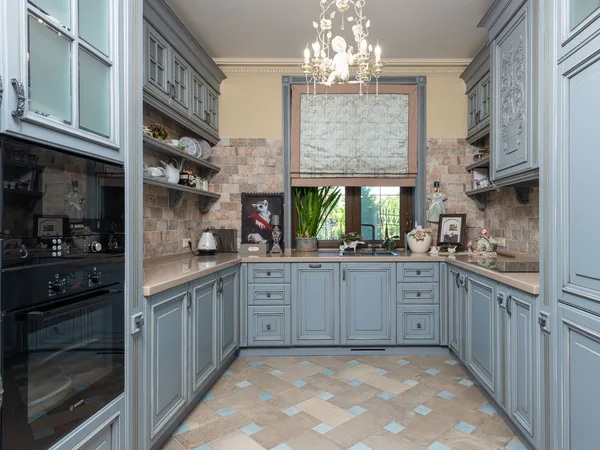
Treat inside cabinets and kitchen
The interiors of kitchen and bathroom cabinets are treated, including hinges, corners, and the undersides of shelves, where cockroaches and ants typically establish a foothold.
-
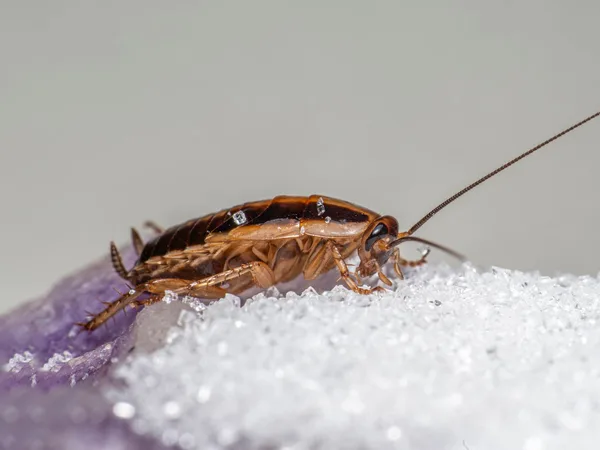
Place gel bait at infestation points
Slow-acting gel bait is placed at points where insect activity has been identified, including drain surrounds, cabinet interiors, and wall-mounted fixtures, so the colony is addressed at the source.
-

Spray exterior walls and perimeter
The exterior walls, foundation line, and any outside storage areas are sprayed to create a barrier against insects approaching from outside before they reach the building entry points.
-
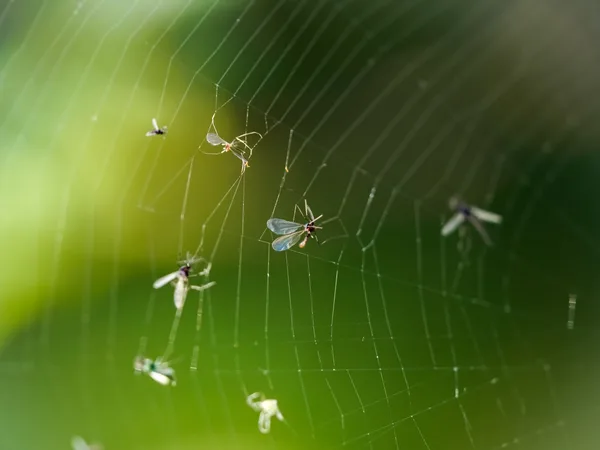
Set sticky traps in active areas
Adhesive traps are set at floor level in areas where activity has been found, such as under sinks, behind appliances, and at drain lines, to capture and monitor what remains.
From first inspection to sealed perimeter
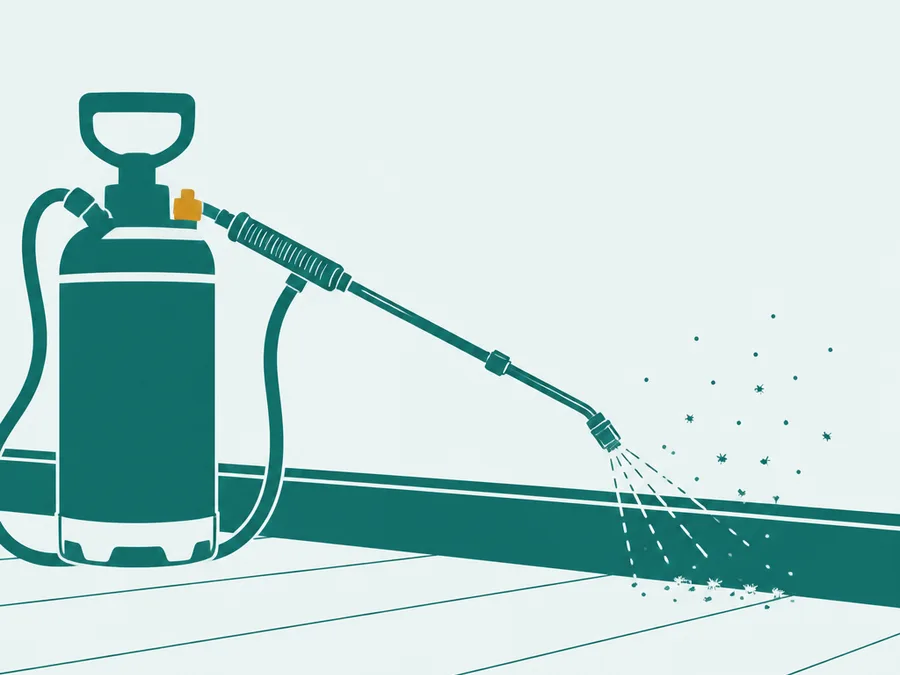
The job follows the same sequence on every visit, from the first walkthrough to the last sealed crack.
-
Inspect and map the infestation
Every room is walked through to identify active areas, entry points, and nesting sites before any product is applied. This step determines where the treatment is concentrated.
-
Seal cracks and block entry routes
Gaps around pipes, cracks at skirting boards, and spaces under doors are filled. Closing these routes before spraying prevents insects from simply relocating to an untreated section of the property.
-
Apply treatments room by room
Baseboard spray, cabinet treatment, and gel bait are applied in the sequence that prevents cross-contamination. The exterior perimeter is sprayed last so the residue is not disturbed by foot traffic inside.
-
Set traps and confirm coverage
Sticky traps are positioned at confirmed activity points, and the team walks the property one more time to verify every area on the inspection map has been covered.
What is different once the work is done
The visit ends with a treated and sealed interior that gives pests nowhere to nest or enter.
No active nesting in the kitchen
Cockroaches, ants, and other insects that nested behind the stove, under the sink, and inside cabinet gaps are eliminated. The kitchen surfaces stay clean without being re-colonised from a hidden nest.
Entry points closed against re-infestation
Cracks in skirting boards, gaps around pipes, and open spaces at drain lines are sealed before the team leaves. New insects from outside cannot reach the interior through those routes.

Sticky traps confirm the result
Traps placed in active zones record any insect activity after the treatment and make it possible to verify the result without guesswork. A clean trap is a concrete sign the infestation has been addressed.
What our customers said
«شغلهم ما شاء الله، أنصح الجميع بالتعامل معهم. عن تجربة وثقة.»
«أفضل شركة تنظيف بالبخار. أسعارهم ممتازة وشغلهم مرة كويس.»
«خدمة ممتازة.»
«ممتازين.»
Districts we cover
Pest control visits are available across the residential neighbourhoods and villa compounds served by the team. Use the list below to check whether your area is included.
Questions worth asking first
Visits are typically arranged within a short window after the booking is confirmed. The exact timing depends on the size of the property and the area it is located in, but the team aims to schedule as quickly as the inspection and preparation allow.
Loose food items and utensils in the treatment zones should be removed before the team starts. The technicians will tell you exactly which cabinets and drawers need to be cleared during the initial walkthrough, so you do not need to empty everything in advance.
The products used are approved for residential use, but children and pets should stay out of treated rooms until the spray has dried and the area has been aired. The team will advise on the specific waiting period for each room before they leave.
The time depends on the floor area and the number of rooms being treated. A standard villa with a full inspection, interior treatment, crack sealing, and exterior spray typically takes several hours to complete properly.
Yes, the treatment can be carried out in a vacant property. It is often easier to work without furniture being moved around, and the rooms can air thoroughly before the family returns.
Some activity is normal in the first few days as insects move through treated areas and come into contact with the residue or gel bait. If activity continues beyond that window, the sticky traps will show what remains and indicate whether a follow-up is needed.
Other services you may need


Ready to book a pest control visit?
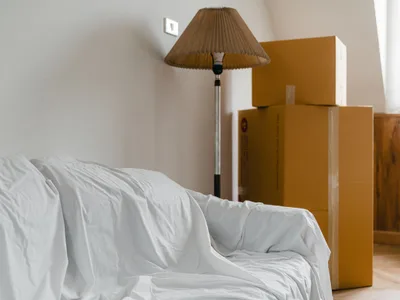
Get in touch to describe the property and the signs you have noticed. The team will advise on the right treatment for the infestation before confirming the visit.
Cleaning and disinfection guidance: Saudi Ministry of Health.