Hospital cleaning in Al Sahel, Jeddah
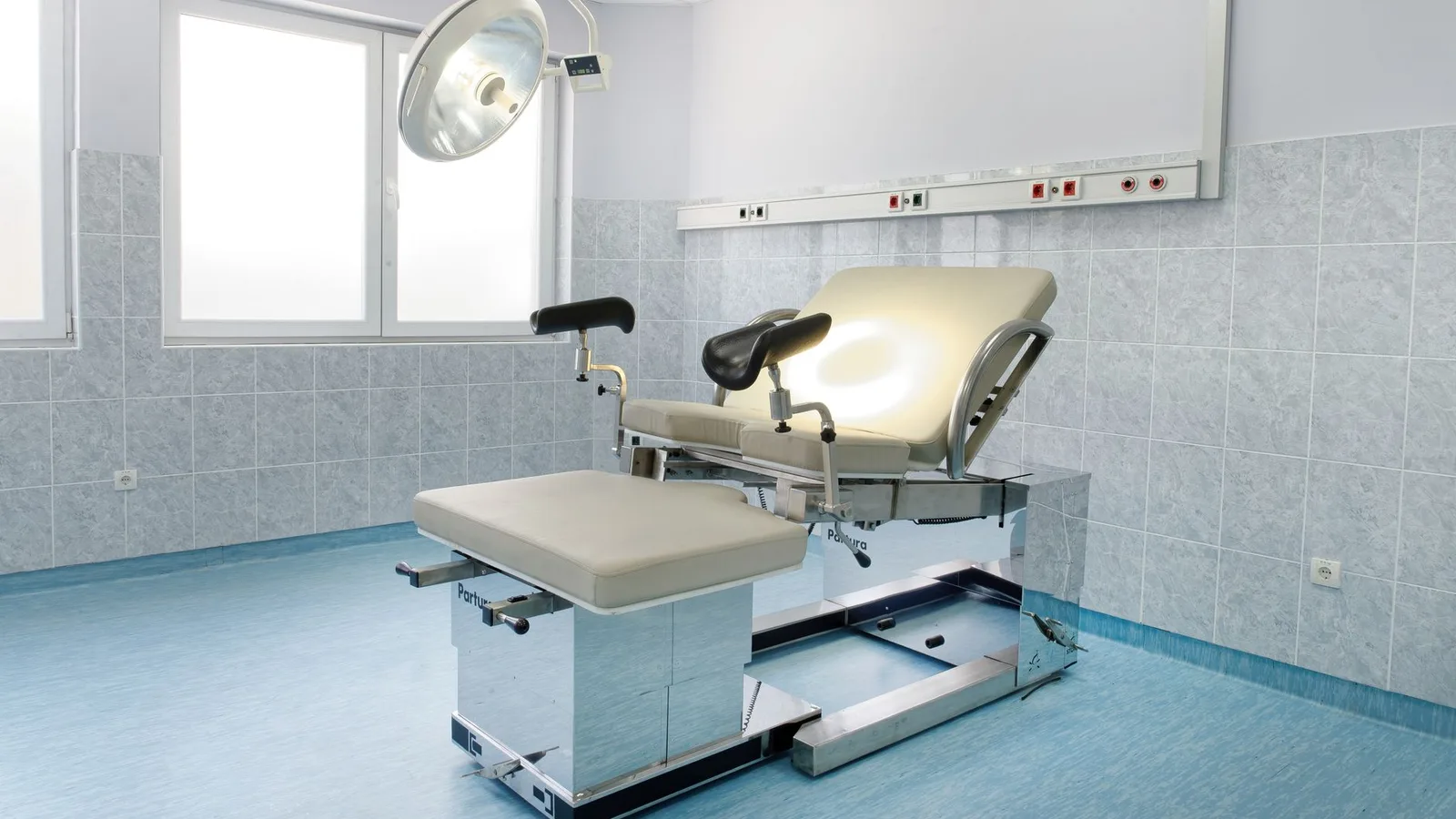
Al Sahel lies on the western edge of south Jeddah along Al Saif Corniche and the Red Sea, hosting villas, clinics and residential apartments in an emerging coastal strip. Salt and high humidity penetrate buildings and speed the deterioration of medical equipment and surfaces. Clinical cleaning here must address sea-specific challenges: removing salt spray, resisting humidity, and disinfecting against marine microorganisms that thrive in coastal air.
- Zone-dedicated mops and cloths
- Segregated clinical waste bags
- Safe for patient-occupied areas
- No cross-zone contamination risk
Why hospital cleaning demands a different approach
The seaside location on the Red Sea raises salt and humidity levels around medical centres, affecting the cleanliness of facilities and sensitive equipment.
-
Meeting hygiene inspection requirements
Sea salt carried on air from Al Saif Corniche deposits rapidly on surfaces and equipment in nearby medical centres.
-
Preventing cross-contamination between zones
High coastal humidity provides ideal conditions for bacterial and fungal growth, requiring specialist disinfection and continuous ventilation.
-
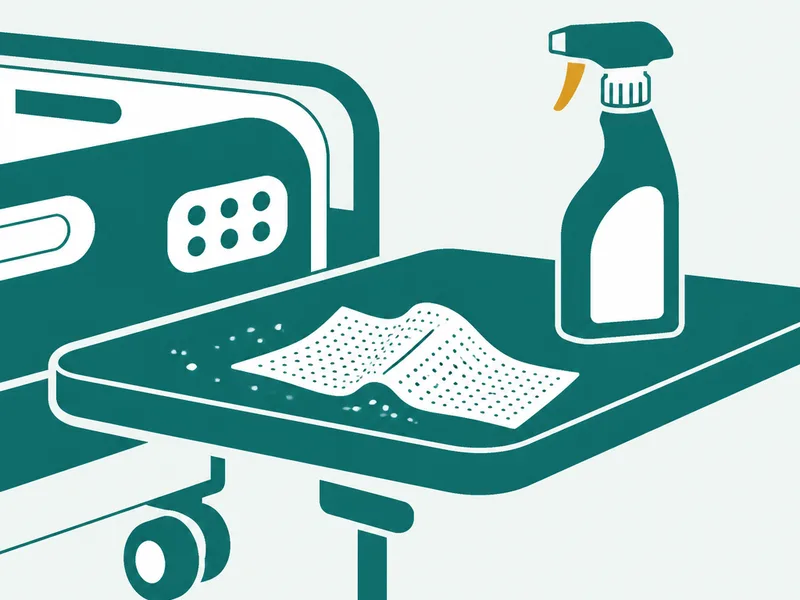
Cleaning around active patient care
Proximity to Jeddah Islamic Port means exposure to salt and humidity at higher intensity than inland zones experience.
-
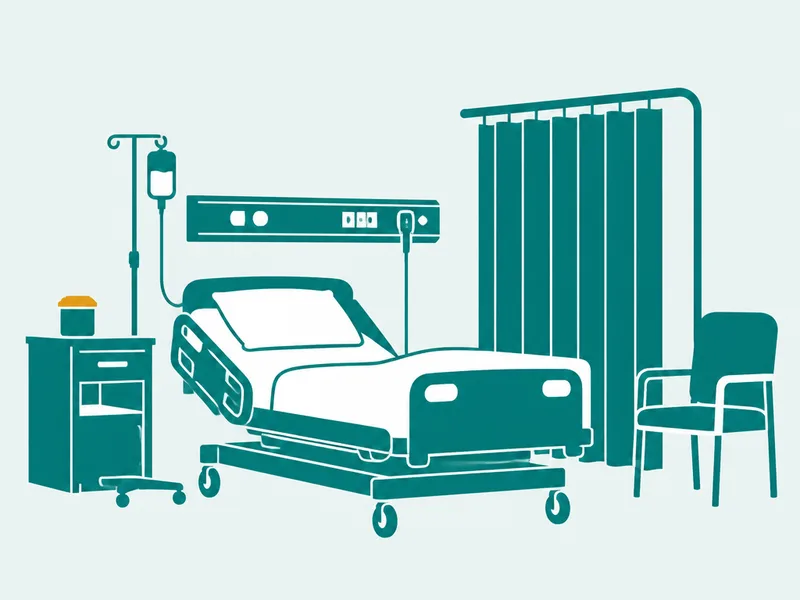
Protecting healthcare staff from surface contact
Coastal medical facilities need more frequent and intensive cleaning to remove salt deposits and trapped moisture.
What the service covers, step by step
-
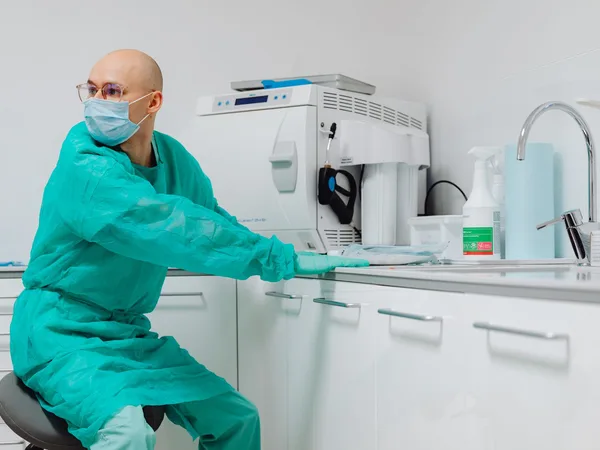
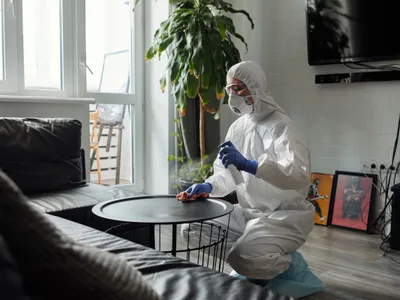
Don personal protective equipment
-
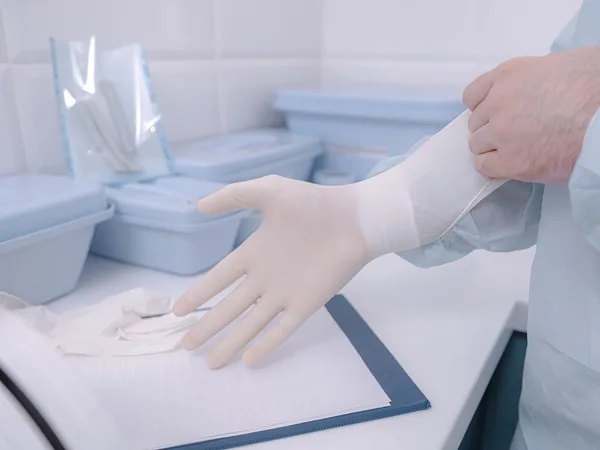
Bag clinical waste separately
-
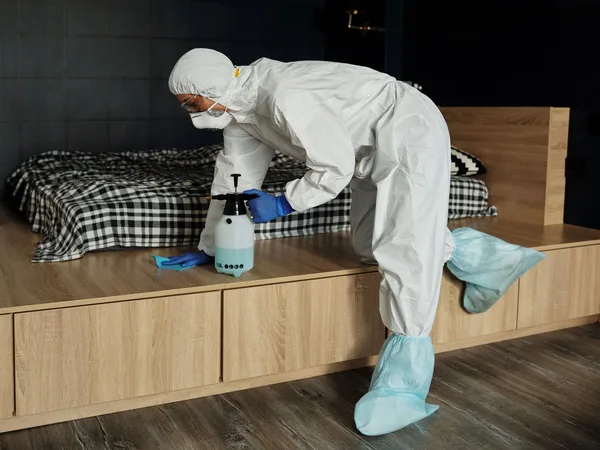
Wipe high-touch surfaces with disinfectant
-
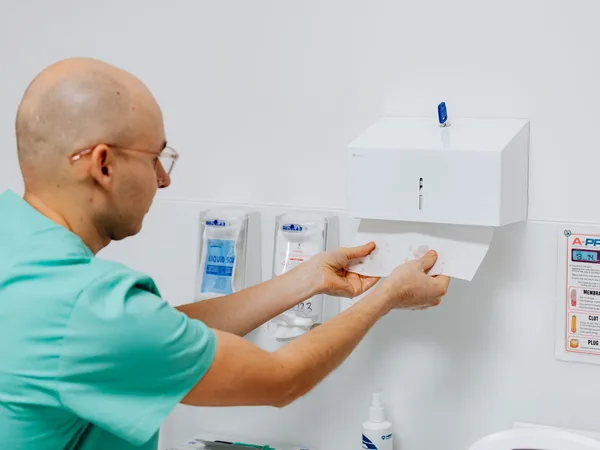
Scrub and disinfect patient bathrooms
-
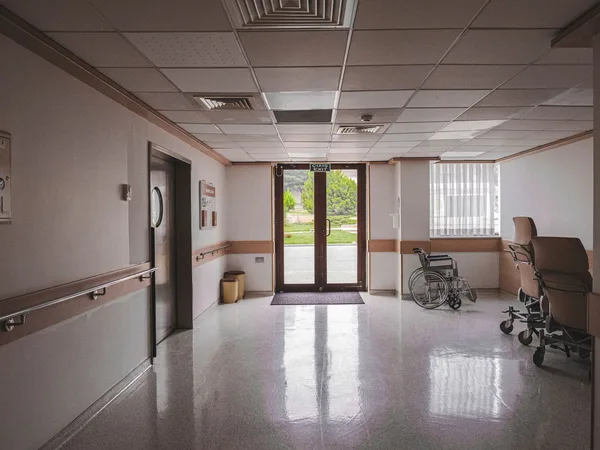
Mop floors with zone-dedicated mops
-
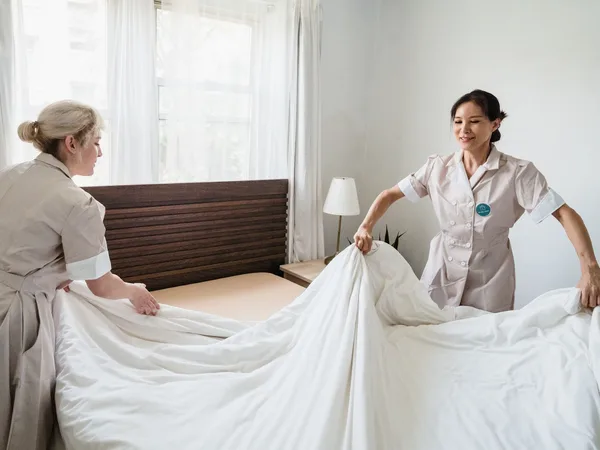
Swap mops and cloths between zones
-
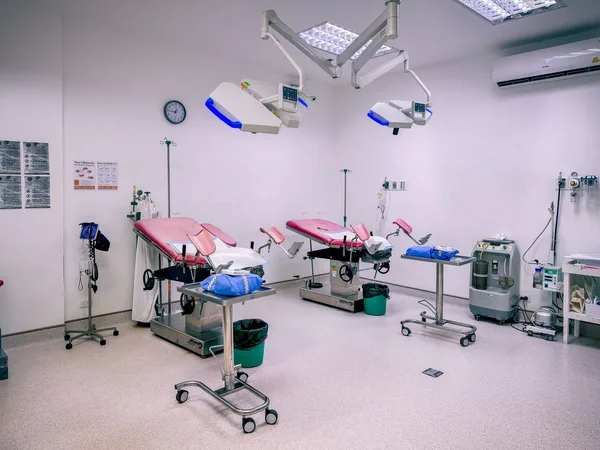
Clean corridors and nursing stations
-
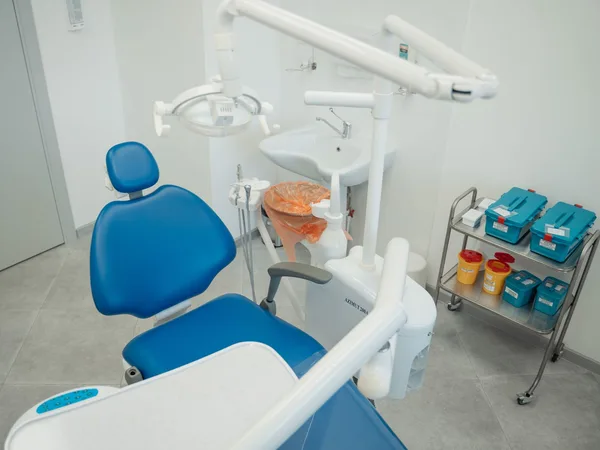
Transfer waste bags to collection point
How a hospital cleaning visit works
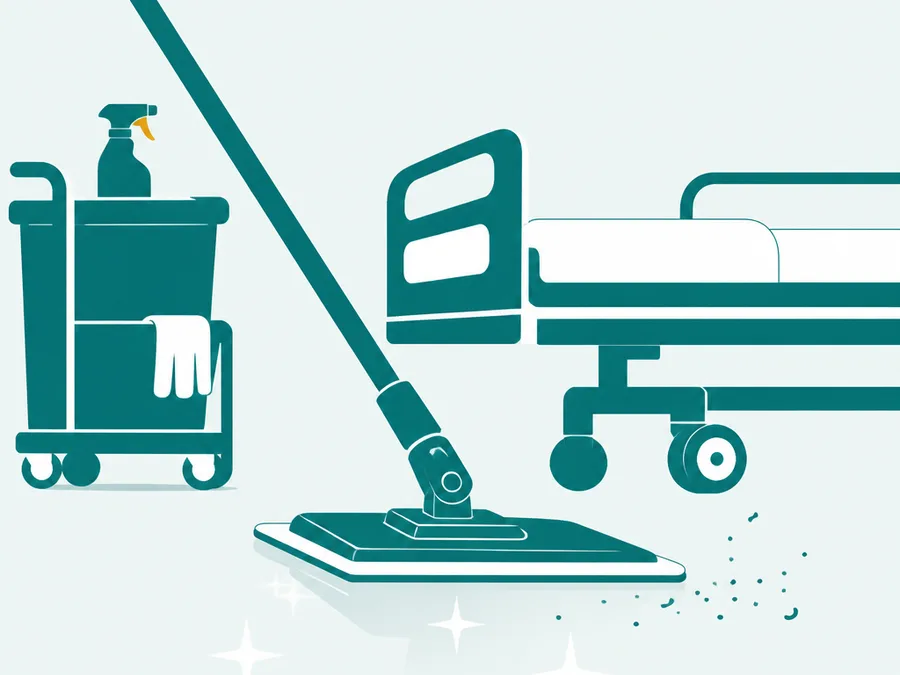
-
Site walk and zone briefing
-
Clinical waste collection and sealing
-
Zone-by-zone cleaning sequence
-
Equipment removal and handover
What changes about hospital cleaning in Al Sahel
Medical facilities on the coast deal with salt buildup and seawater staining from airborne salt faster than inland clinics experience the same effect. For the whole method, see hospital cleaning in detail.
-
The first reason
Sea salt crystallises on surfaces and equipment
Ocean spray and airborne salt deposit on ward walls and medical equipment. Clinical cleaning removes salt crystals and deposits without damaging delicate medical instruments.
-
The second reason
High humidity speeds bacterial and fungal growth
Humid coastal air creates ideal conditions for microorganism breeding. Specialist disinfection reduces biological contaminants in patient rooms and bathrooms.
-
The third reason
Proximity to Al Saif Corniche means constant ocean air exposure
Nearness to the shoreline means ongoing absorption of salt and moisture. Regular cleaning schedules maintain sterilisation standards despite persistent sea air pressure.
The character of Al Sahel
Coastal area: high humidity and salt air through the year
The coastal and mixed-use character of villas, clinics and apartments in Al Sahel means medical centres here face salt spray and humidity challenges specific to their position on Al Saif Corniche and the Red Sea shoreline.
What the facility looks like after
Every high-touch surface properly disinfected
Every call button, bed rail, and door handle has had disinfectant applied and left for the full contact time, not wiped and immediately dried.
Clinical waste correctly contained and removed
All clinical waste bags are sealed, labelled, and sitting at the collection point.
Equipment separated cleanly between zones
The mop and cloth sets used in each zone are removed from circulation.
What our customers said
«شغلهم ما شاء الله، أنصح الجميع بالتعامل معهم. عن تجربة وثقة.»
«أفضل شركة تنظيف بالبخار. أسعارهم ممتازة وشغلهم مرة كويس.»
«خدمة ممتازة.»
«ممتازين.»
Some of our work
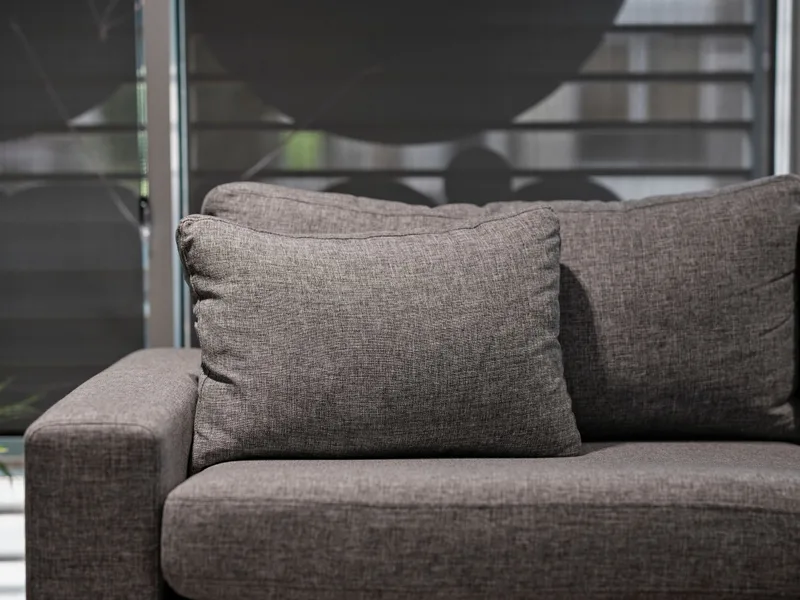
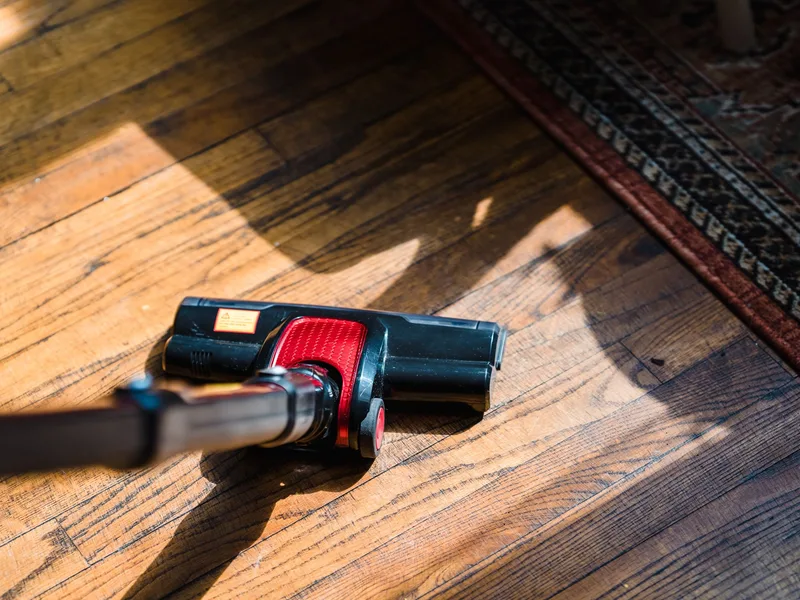
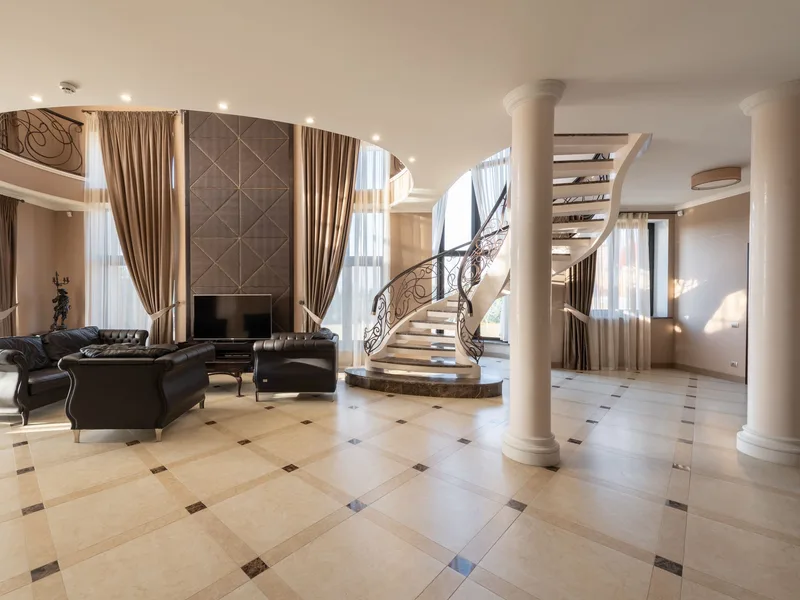
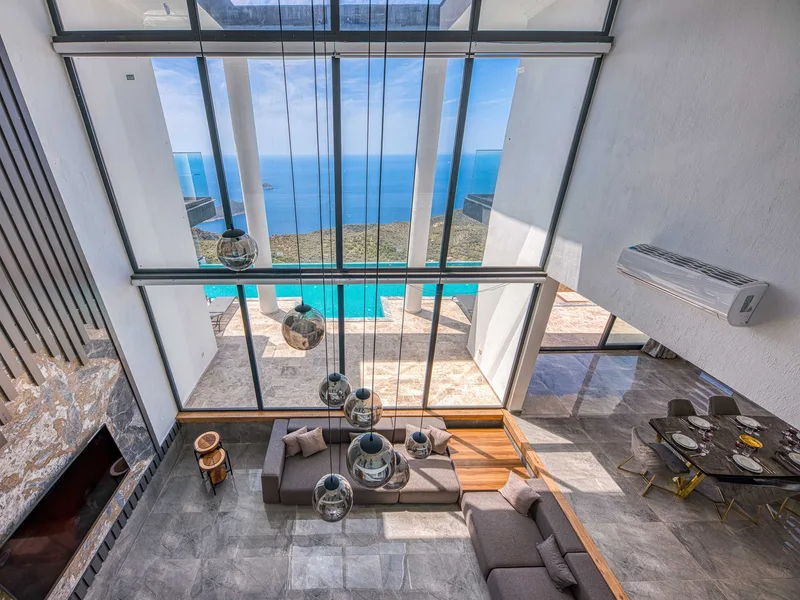
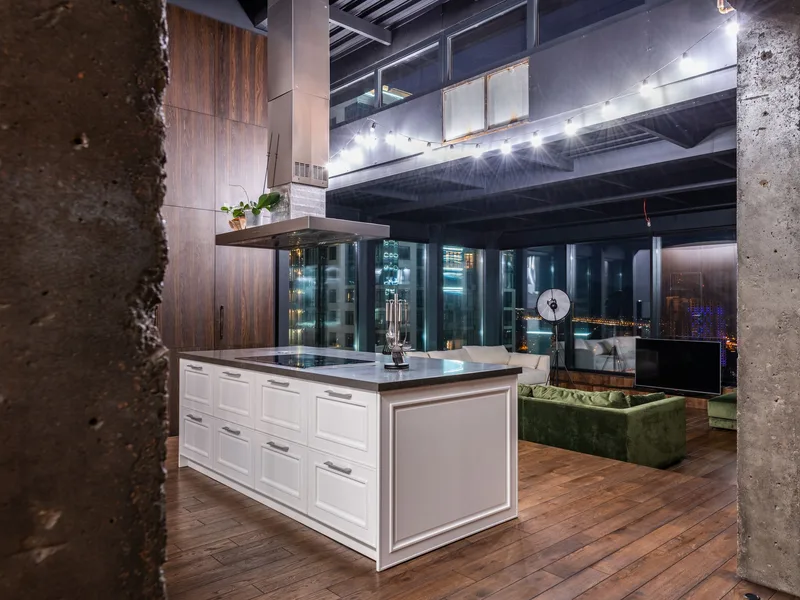
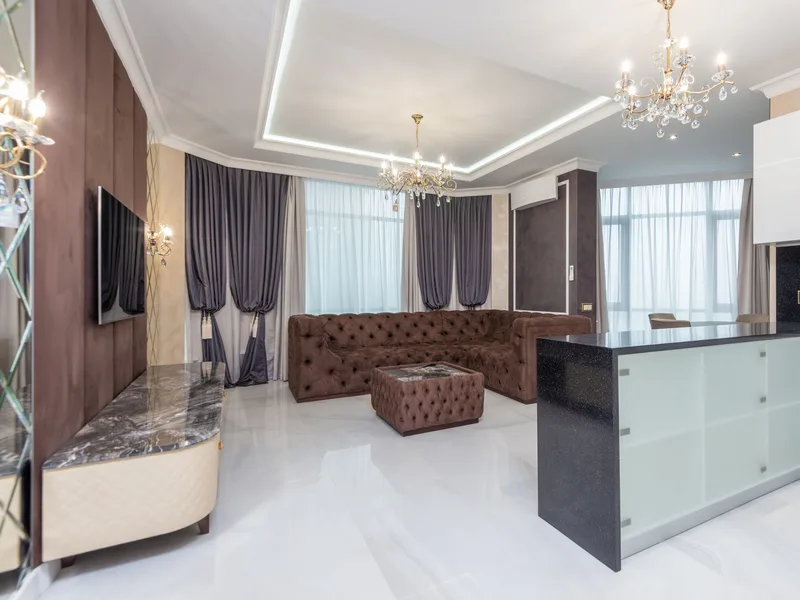
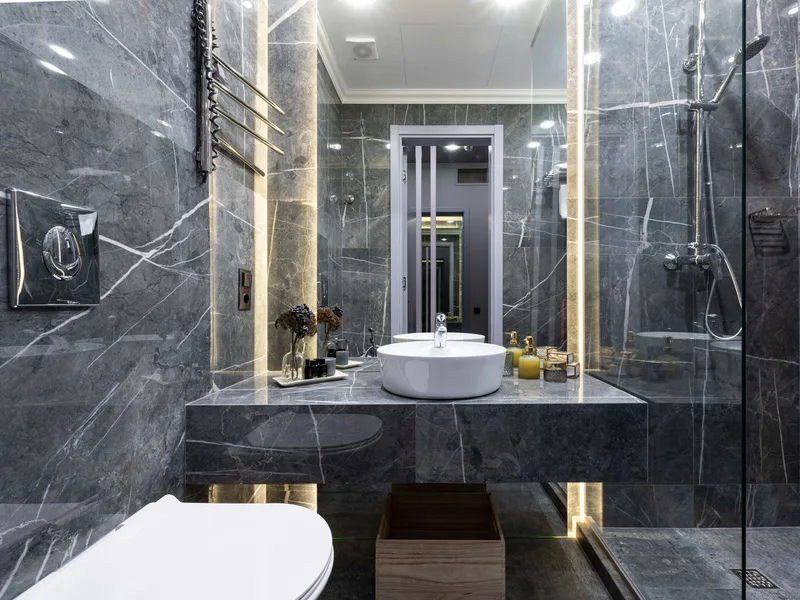
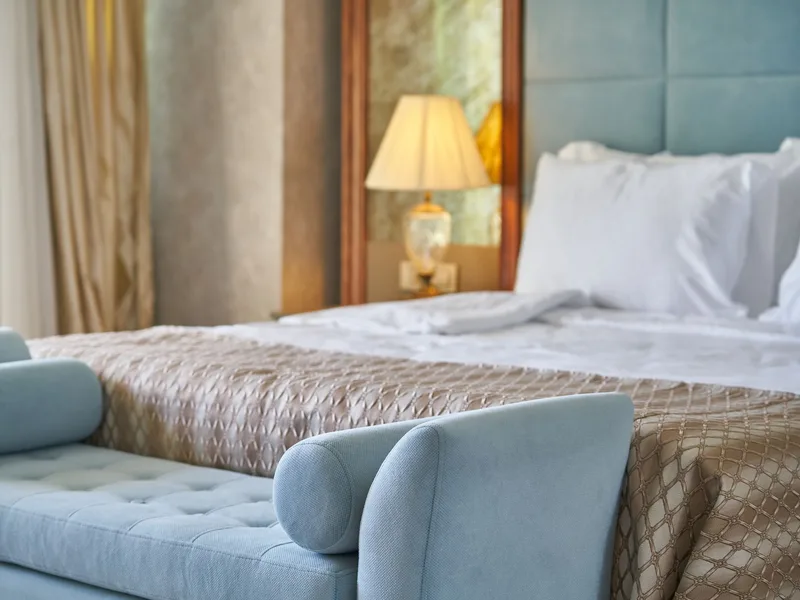
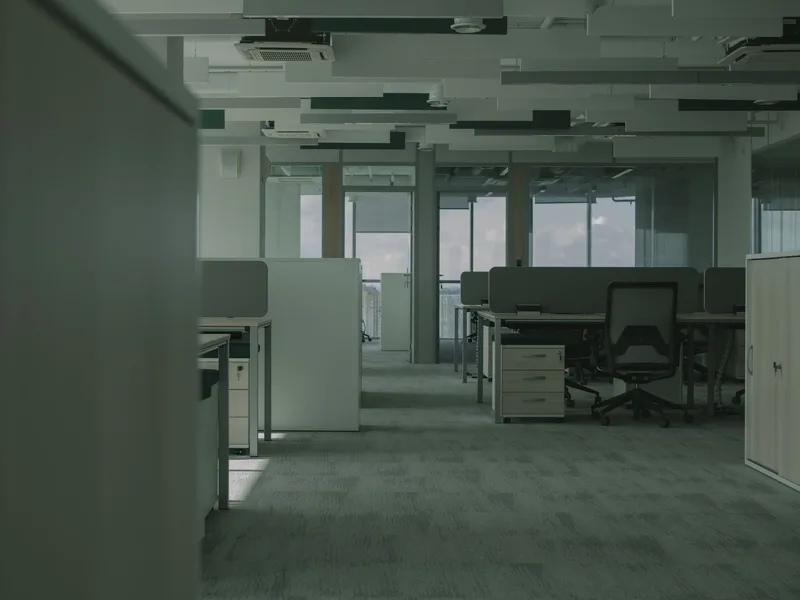
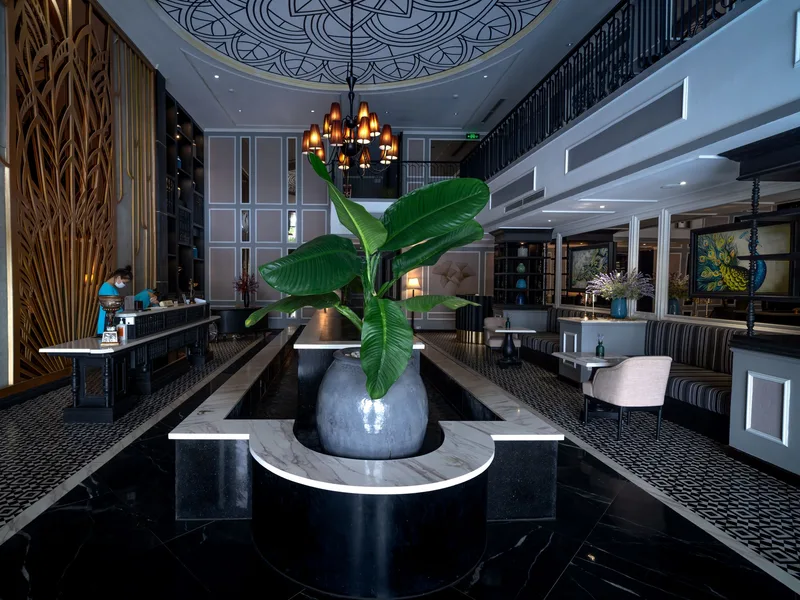
Illustrative photographs. Our own job photographs go here as soon as the client approves them.
What is different about South Jeddah
South Jeddah is the working end of the city: the Islamic Port, the industrial city with its warehouses and workshops, and behind them older low rise districts such as Ghulail and Al Khumrah. The roads are built for lorries, and port and factory traffic runs through the night, so the dust that settles here is grey with diesel and metal filings rather than pale sand. Buildings are mostly older concrete with flat roofs and open stairwells that collect it. Sea humidity keeps it damp, and in summer it sets hard on ledges and cladding.
Nearby districts we cover
Questions worth asking first
Yes. Salt crystallises on wires and sensors causing oxidation and corrosion. Regular cleaning removes salt deposits before they harm medical equipment.
Deep disinfection extracts salt and trapped moisture from fabrics and fixtures. Good ventilation and filters prevent sea odours from returning.
Humidity slows drying but does not reduce disinfectant power. The crew adjusts timing and ventilation according to each day's humidity levels.
Salt pressure and high humidity call for more frequent cleaning than inland facilities. A concentrated schedule maintains clinical standards and infection control.
Clinical cleaning focuses on interior wards and corridors. Facade and balcony cleaning requires a separate plan.
Regular cleaning and quick drying prevent salt accumulation. Sensitive equipment is cleaned with safe solutions that leave no salt residue.
It is set after we see the job, because the price follows the kind of work, the size of the space, its condition and the time and materials it needs. Send a photo and a short description on WhatsApp and we will give you an estimate before we reach Al Sahel.
Yes.
Ensure clinical waste is consolidated into accessible bags rather than left loose in rooms, and have a designated contact on site for the initial zone walk-through.
Other services in Al Sahel
We also provide these services in Al Sahel.