
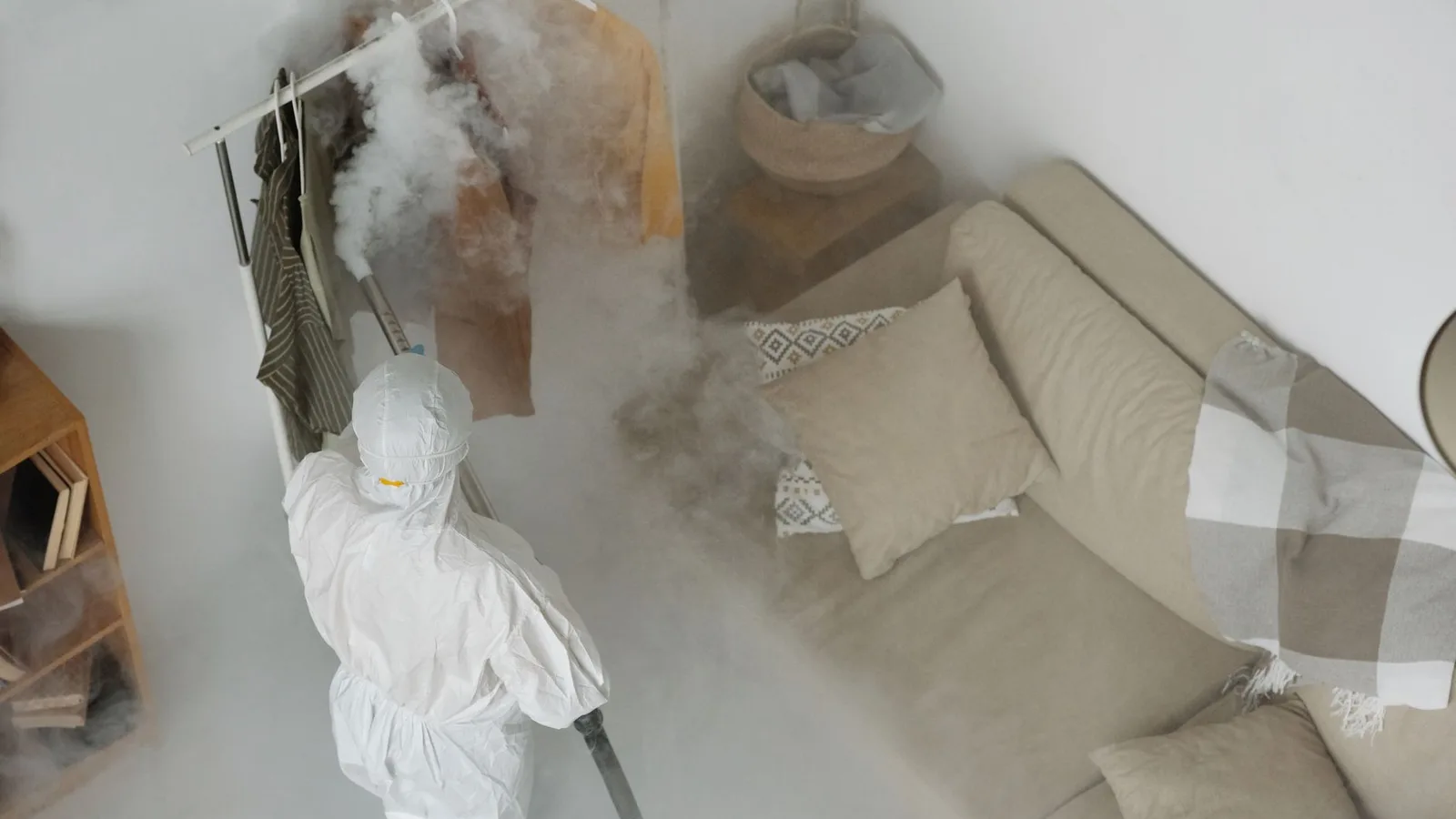
Pest control in Al Wadi, Jeddah
Al Wadi in south Jeddah is a warehousing and logistics belt where modern licensed storage facilities line organised streets. The industrial character, continuous lorry traffic, and airborne dust laced with diesel and metal filings create harsh conditions that attract specialised insect species rare in residential areas. Proximity to the port keeps humidity high, accelerating breeding cycles inside sealed storage facilities.
- Full room-by-room inspection
- Gel bait and spray combined
- Safe for occupied homes
- Entry points sealed at source
Why pests return when the first treatment missed the source
Al Wadi extends between Nasser bin Eid Street and King Faisal Branch Road in south Jeddah, with flat roofs and open stairwells that collect grey industrial dust and harbour moisture.
-
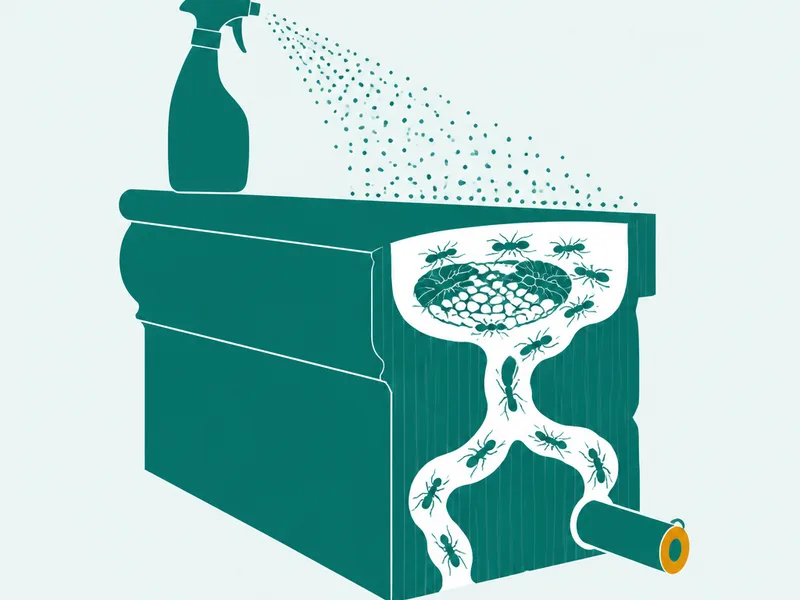
Surface spray misses the nest inside
Cracks in warehouse walls and foundations allow insects from damp surrounding soil to enter; deep foundation and base sealing is essential before interior spraying.
-
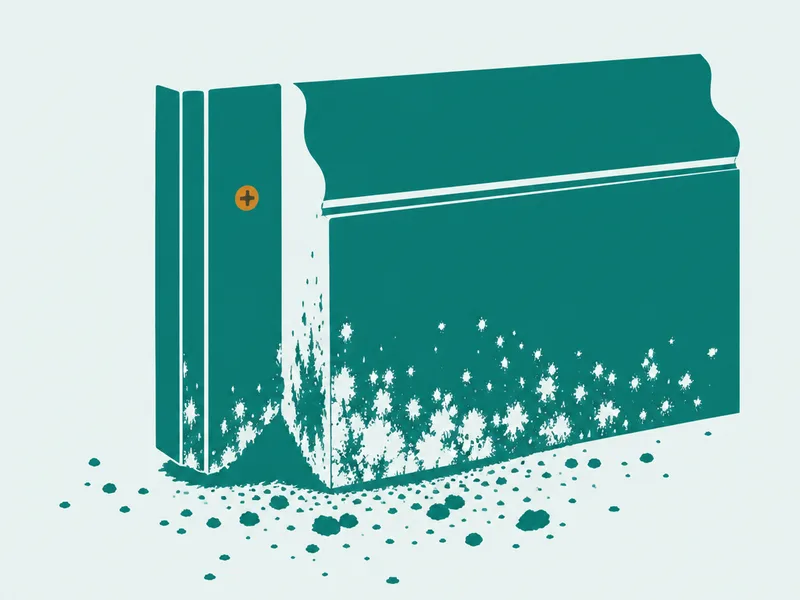
Entry points invite a second wave
Enclosed and low-ventilation areas inside the warehouse trap humid air and shelter insects; poor ventilation concentrates infestations rather than expelling them.
-
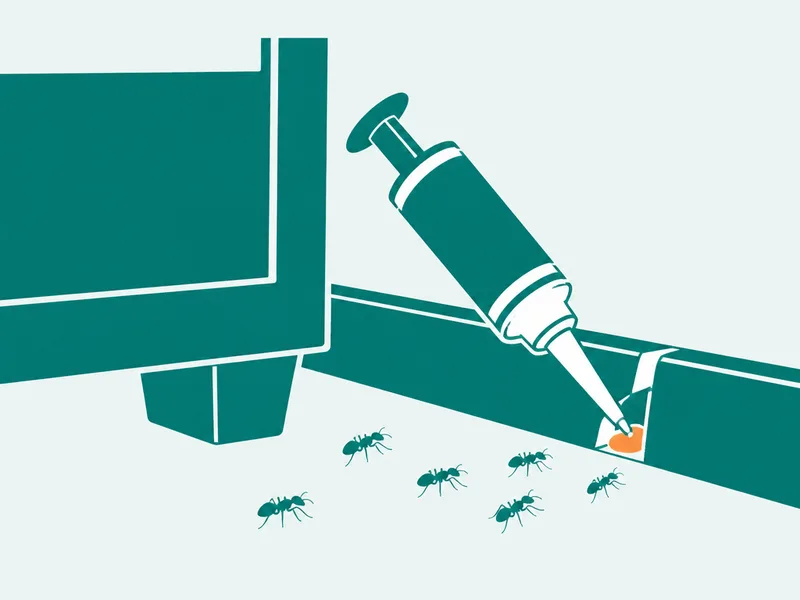
Gel bait reaches where spray cannot
The ground perimeter and external border of the warehouse in Al Wadi is the primary insect source; sealing the building-ground interface and establishing an external barrier are mandatory.
-
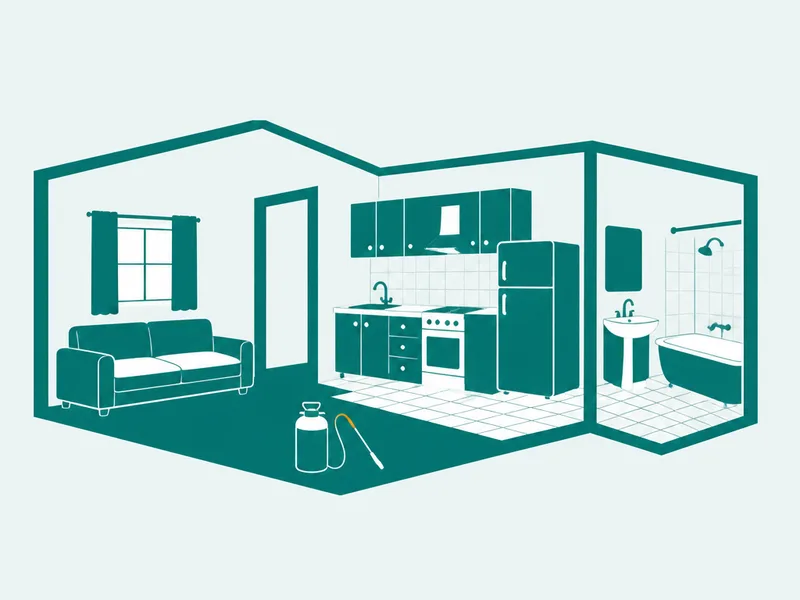
Pest treatment before a move-out handover
Sticky traps positioned around the warehouse exterior reveal the insect species arriving from port and lorry traffic.
What every visit covers, room by room
-
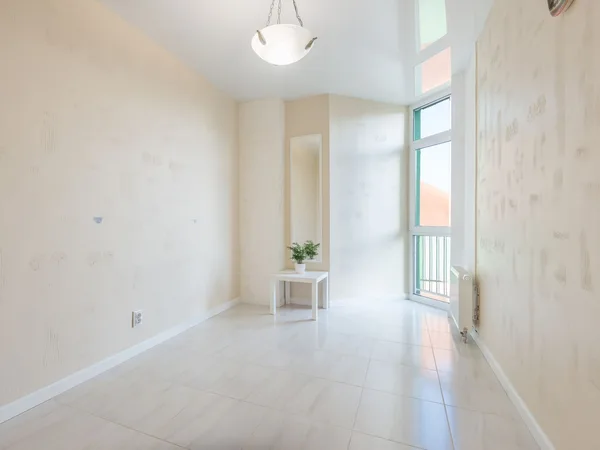
Inspect rooms and entry points
-
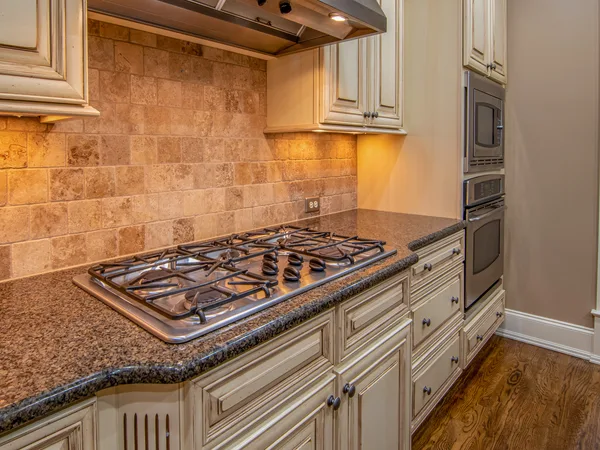
Check behind appliances and drains
-
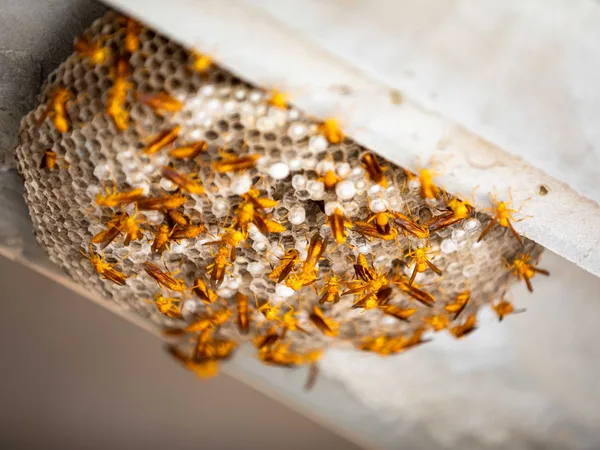
Seal cracks and pest entry points
-
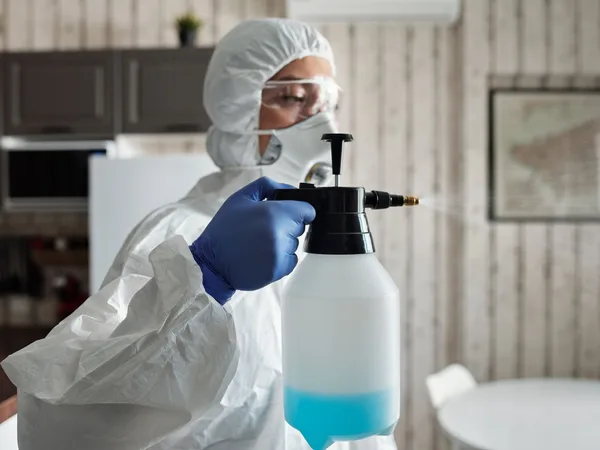
Spray insecticide along baseboards
-
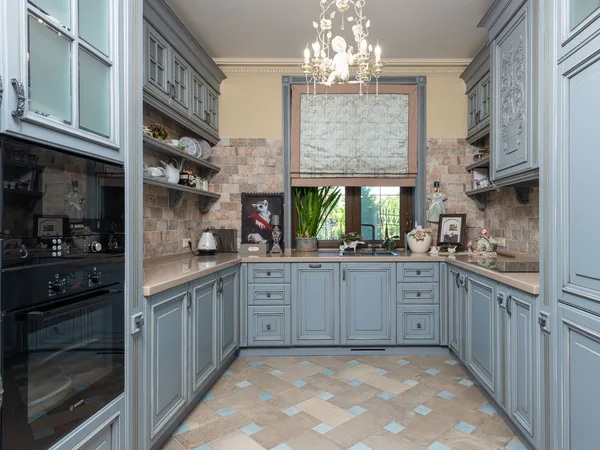
Treat inside cabinets and kitchen
-
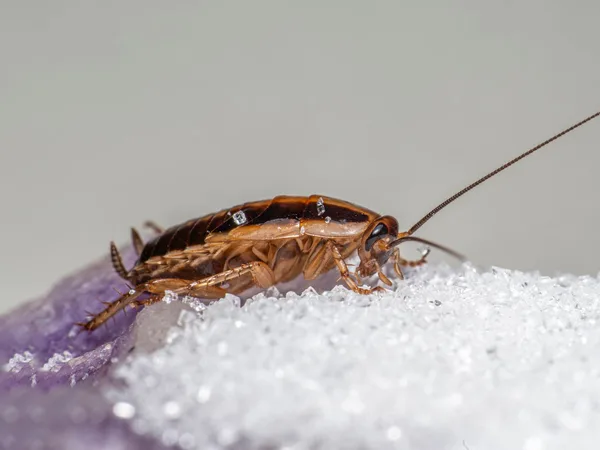
Place gel bait at infestation points
-
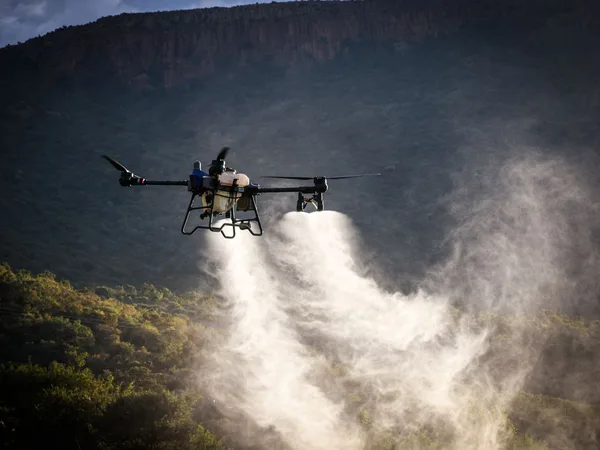
Spray exterior walls and perimeter
-
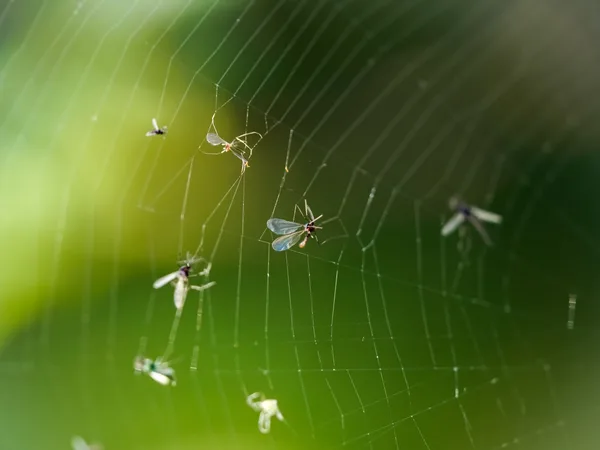
Set sticky traps in active areas
From first inspection to sealed perimeter
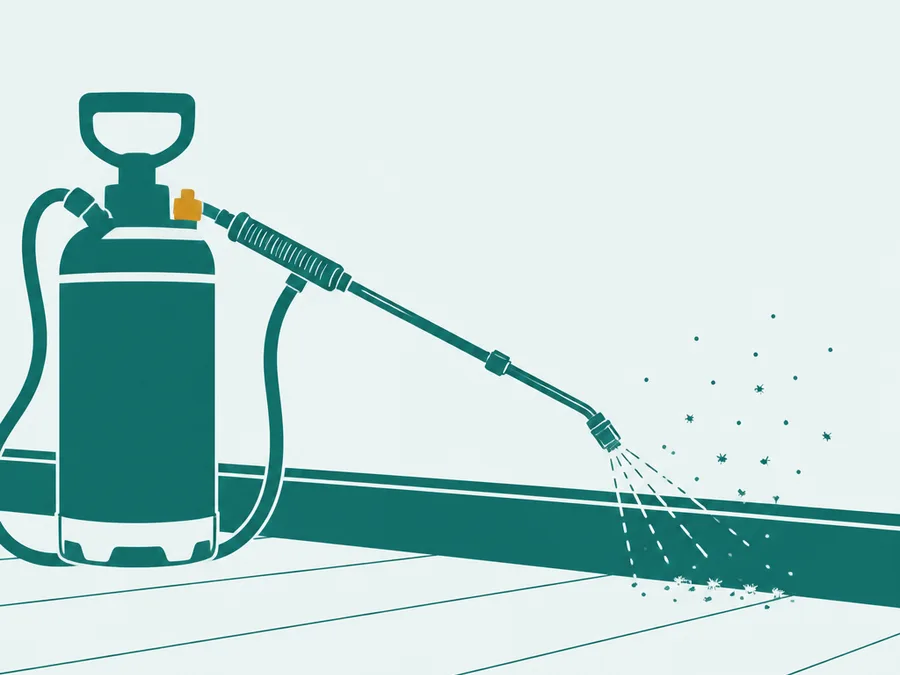
-
Inspect and map the infestation
-
Seal cracks and block entry routes
-
Apply treatments room by room
-
Set traps and confirm coverage
What changes about pest control in Al Wadi
Warehouse pests here differ from residential types because they thrive on industrial moisture and dust, and breed faster in sealed, humid storage environments. For the whole method, see the full pest control page.
-
The first reason
Industrial dust obscures insect entry pathways
In Al Wadi, grey diesel and metal grit settle on roof edges and ledges, concealing the cracks and holes insects use to enter. Cleaning before treatment is essential because pesticides cannot penetrate heavy accumulated dust to reach the insects beneath.
-
The second reason
Lorry movement brings fresh insects from the port
Supply lorries and port-bound trucks harbour insects in their undercarriage and fuel lines. Pests migrate from warehouse to warehouse aboard the vehicles, so treating a single facility fails if it lacks an external perimeter barrier.
-
The third reason
Port humidity accelerates pest breeding inside sealed stores
Warehouses near the Islamic Port in Al Wadi maintain high humidity from sea air, creating fast breeding cycles for insects adapted to enclosed warm storage. Specialist species thrive here that cannot survive drier inland areas.
The character of Al Wadi
Industrial area: workshops, warehouses and loading yards
Industrial zones attract pest species adapted to high humidity and dust that rarely appear in residential areas. Treatment emphasises sealing multiple entry routes from soil and lorry traffic, with more frequent preventive applications than domestic homes.
What is different once the work is done

No active nesting in the kitchen
Cockroaches, ants, and other insects that nested behind the stove, under the sink, and inside cabinet gaps are eliminated.
Entry points closed against re-infestation
Cracks in skirting boards, gaps around pipes, and open spaces at drain lines are sealed before the team leaves.

Sticky traps confirm the result
Traps placed in active zones record any insect activity after the treatment and make it possible to verify the result without guesswork.
What our customers said
«شغلهم ما شاء الله، أنصح الجميع بالتعامل معهم. عن تجربة وثقة.»
«أفضل شركة تنظيف بالبخار. أسعارهم ممتازة وشغلهم مرة كويس.»
«خدمة ممتازة.»
«ممتازين.»
Some of our work
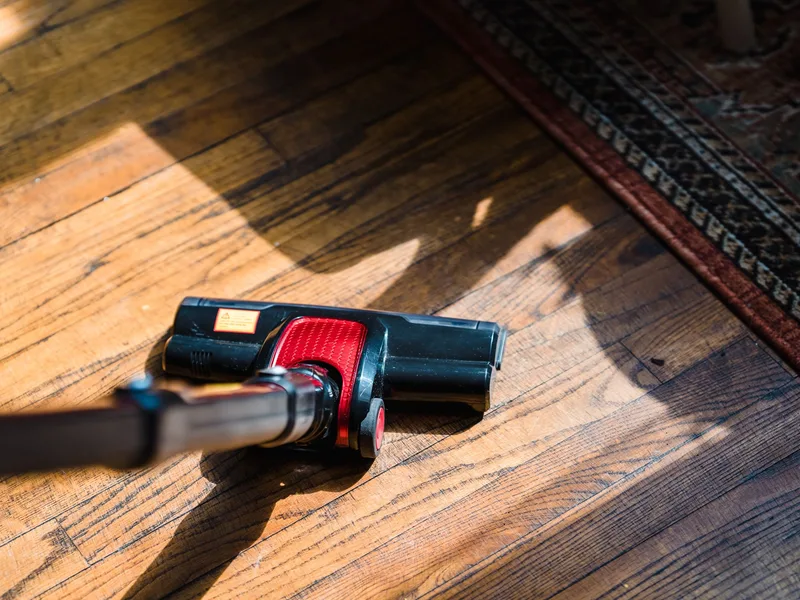
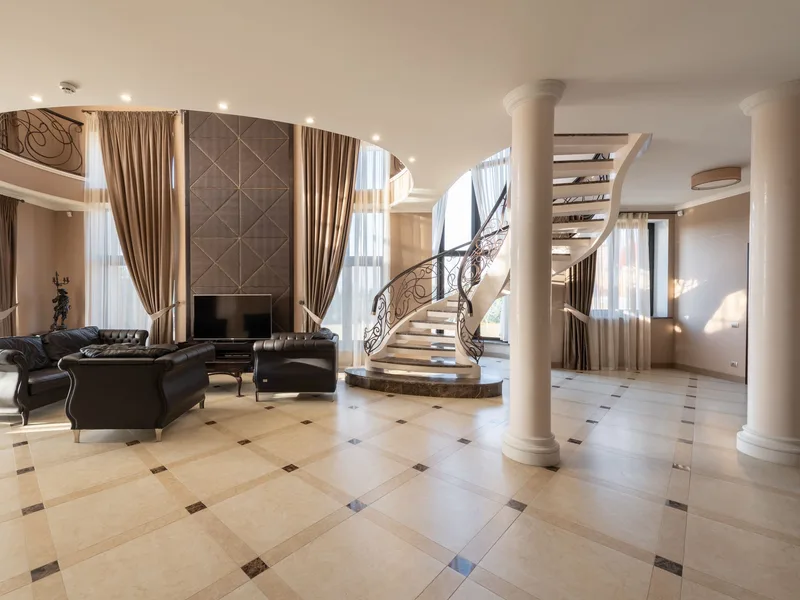
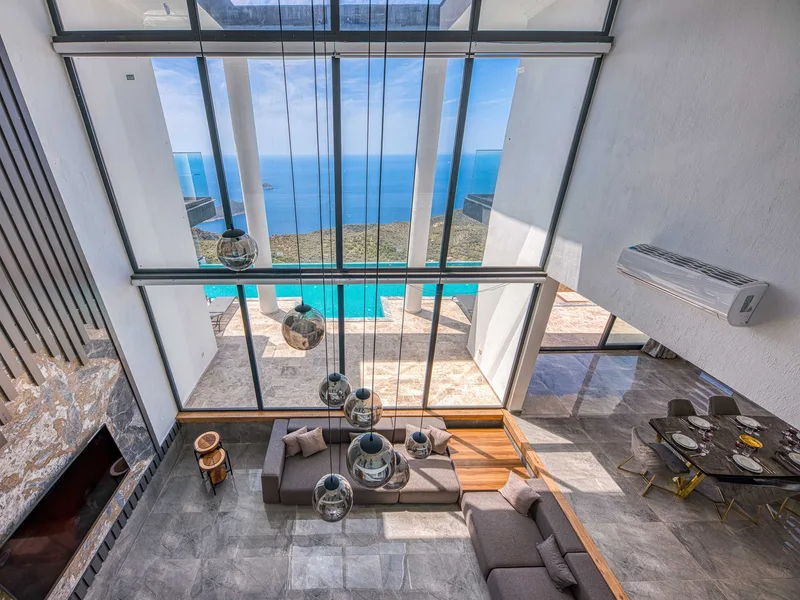
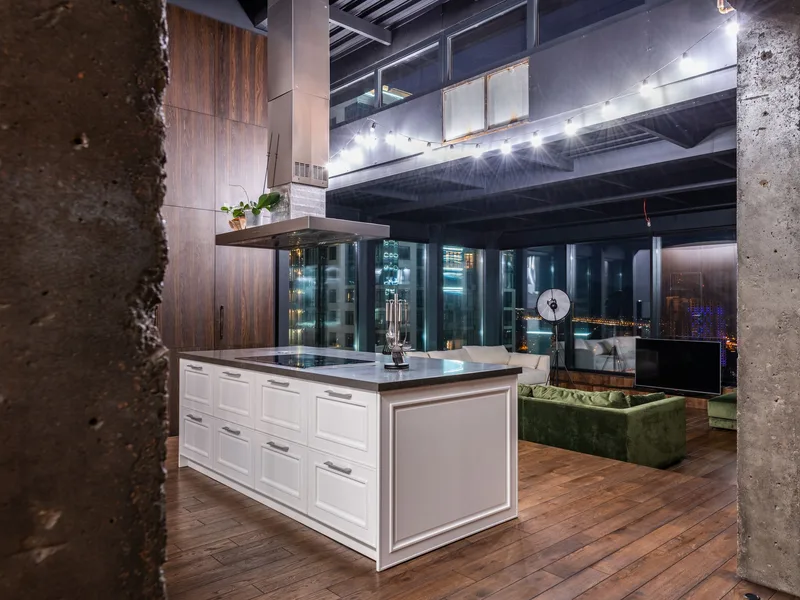
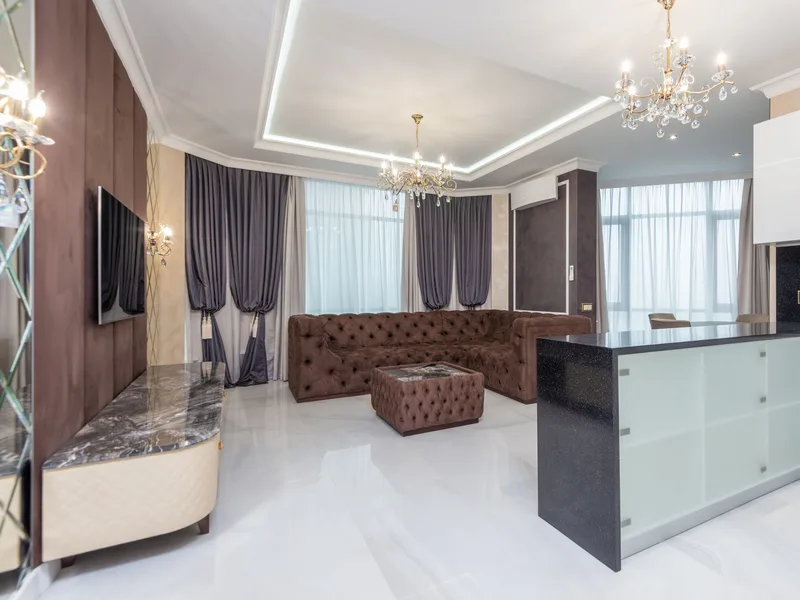
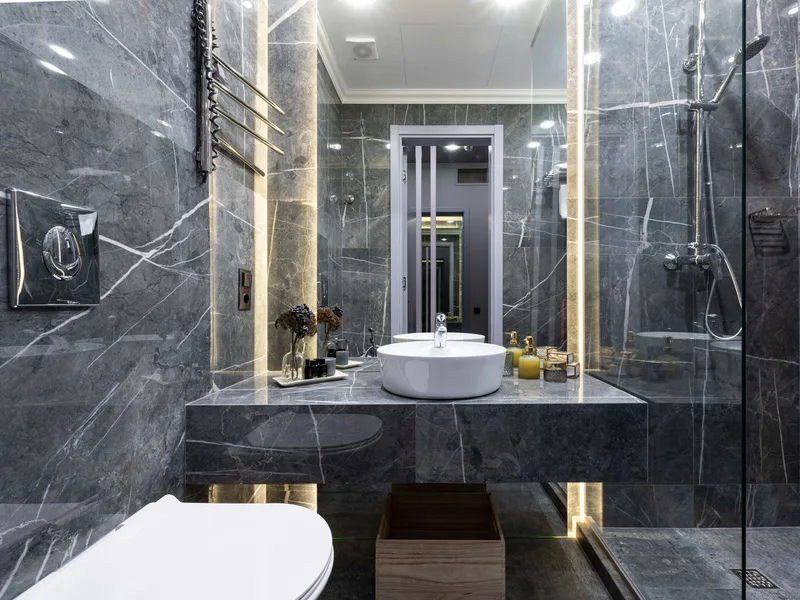
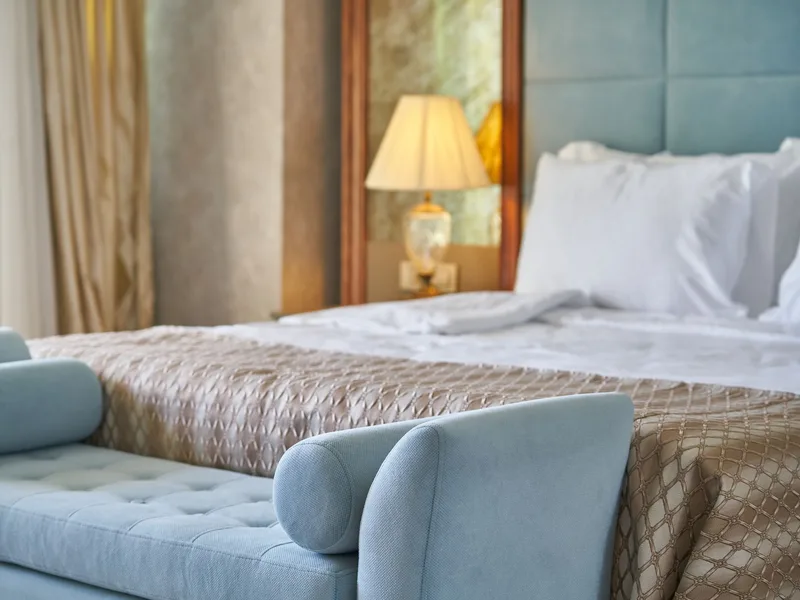
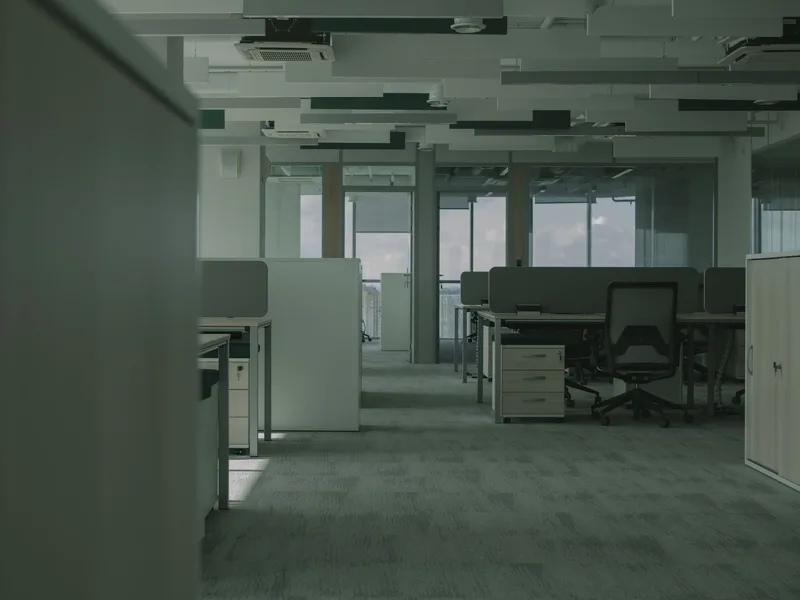
Illustrative photographs. Our own job photographs go here as soon as the client approves them.
What is different about South Jeddah
South Jeddah is the working end of the city: the Islamic Port, the industrial city with its warehouses and workshops, and behind them older low rise districts such as Ghulail and Al Khumrah. The roads are built for lorries, and port and factory traffic runs through the night, so the dust that settles here is grey with diesel and metal filings rather than pale sand. Buildings are mostly older concrete with flat roofs and open stairwells that collect it. Sea humidity keeps it damp, and in summer it sets hard on ledges and cladding.
Nearby districts we cover
Questions worth asking first
Modern engineering provides better sealing, but new warehouses still have flat roofs and multiple entry points that accumulate dust. Port humidity penetrates new buildings as readily as old ones, so newer facilities face the same breeding pressure.
Yes. An empty facility allows comprehensive spraying with no restrictions. When occupied, treatment focuses on entry routes and cracks only, avoiding stored goods. Deep treatment before new stock arrives is essential.
Dust conceals insects and allows them to hide easily. It also reduces pesticide effectiveness by forming a barrier between the chemical and the pest. Cleaning and treatment together are both required.
At least four times: deep treatment before high summer, then every three months thereafter. Year-round humidity and constant lorry traffic bring new infestations continuously.
Both. Some hitchhike in goods transferred from other warehouses; others live in cracks and openings in the warehouse walls themselves. Treating the perimeter and structure cuts both entry routes.
Yes. The foundation and concrete floor support pest colonies in the damp soil beneath. Sealing where floor meets wall and treating the buried perimeter prevents insects from entering through ground routes.
It is set after we see the job, because the price follows the kind of work, the size of the space, its condition and the time and materials it needs. Send a photo and a short description on WhatsApp and we will give you an estimate before we reach Al Wadi.
Visits are typically arranged within a short window after the booking is confirmed.
Loose food items and utensils in the treatment zones should be removed before the team starts.
Other services in Al Wadi
We also provide these services in Al Wadi.
-
 Move in and move out cleaning in Al Wadi
-
 Villa cleaning in Al Wadi
-
 Water tank cleaning and sterilising in Al Wadi
-
 Water tank waterproofing in Al Wadi
-
 Sofa cleaning in Al Wadi
-
 Carpet and rug cleaning in Al Wadi
-
 Mattress cleaning in Al Wadi
-
 Curtain cleaning in Al Wadi
-
 House cleaning in Al Wadi
-
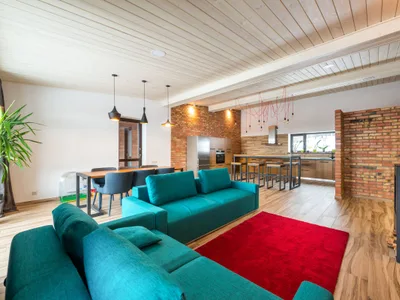 Apartment cleaning in Al Wadi
-
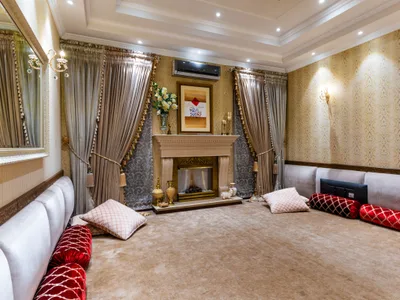 Majlis and rest-house cleaning in Al Wadi
-
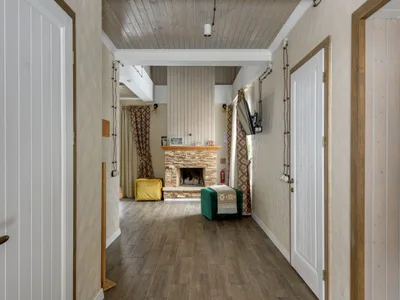 Chalet cleaning in Al Wadi
-
 Yacht cleaning in Al Wadi
-
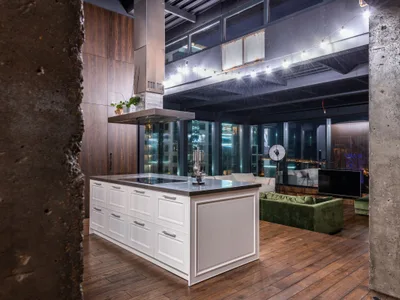 Kitchen cleaning in Al Wadi
-
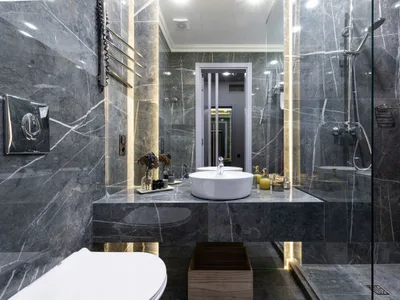 Bathroom cleaning in Al Wadi
-
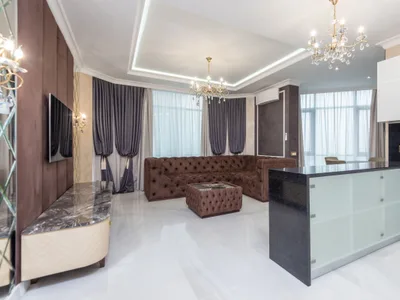 Chandelier cleaning in Al Wadi
-
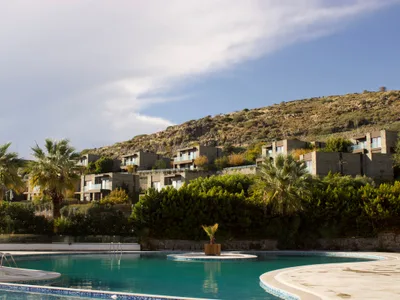 Swimming pool cleaning in Al Wadi
-
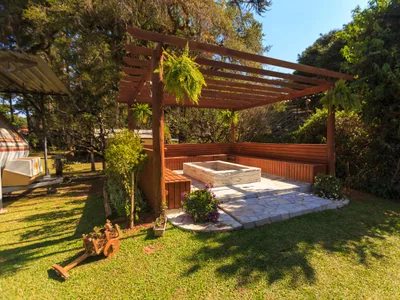 Garden clearance in Al Wadi
-
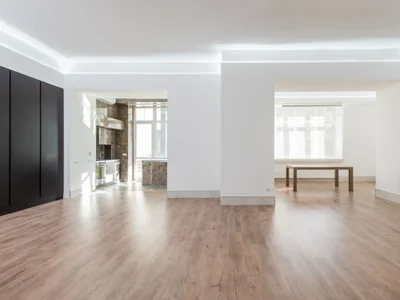 Full deep clean in Al Wadi
-
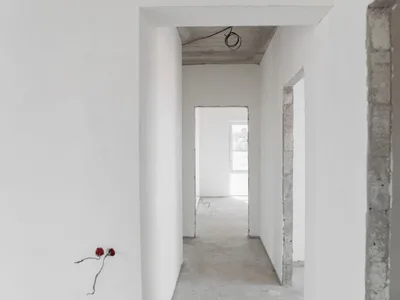 Post-construction cleaning in Al Wadi
-
 Disinfection and sanitising in Al Wadi
-
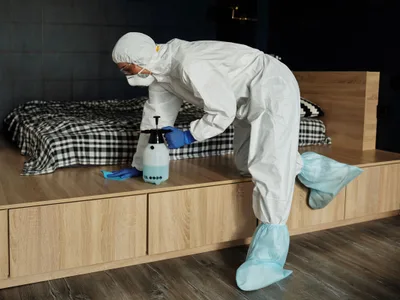 Bed bug treatment
-
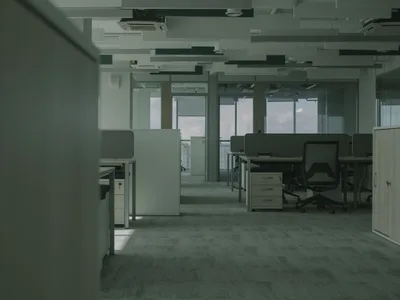 Office cleaning
-
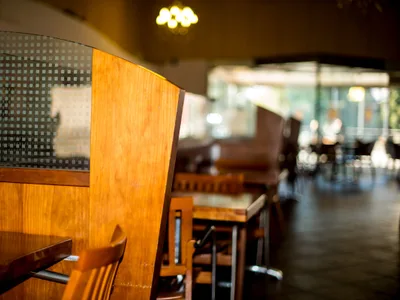 Restaurant cleaning
-
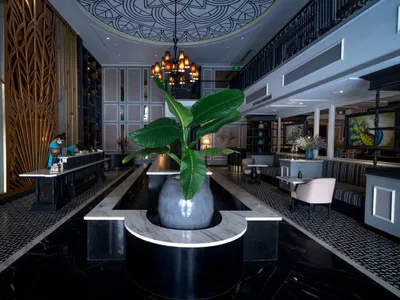 Hotel and resort cleaning
-
 Shopping centre cleaning
-
 Retail cleaning
-
 School cleaning
-
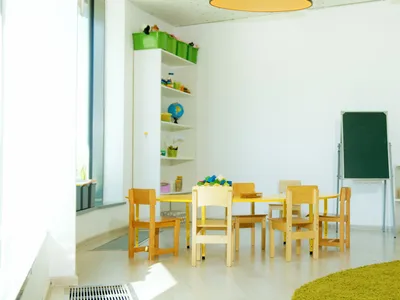 Nursery and kindergarten cleaning
-
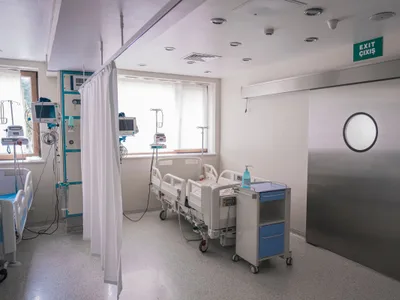 Hospital cleaning
-
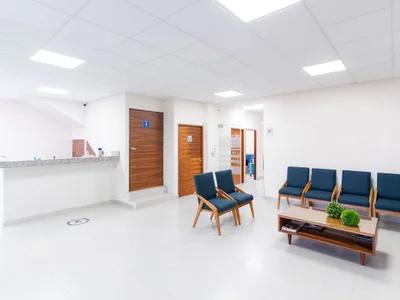 Clinic and health-centre cleaning
-
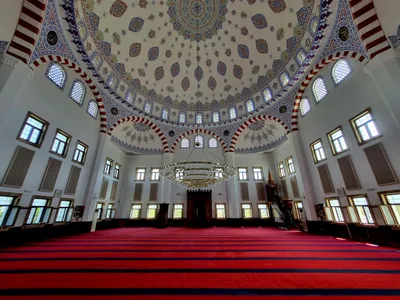 Mosque cleaning
-
 Government facility cleaning
-
 Gym cleaning
-
 Sports ground cleaning
-
 Factory and warehouse cleaning
-
 Event cleaning
-
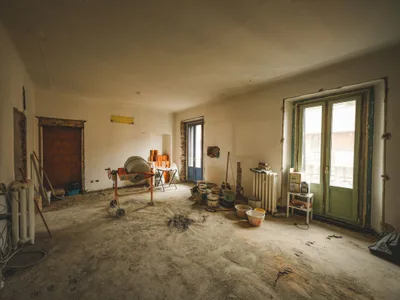 Commercial post-construction cleaning
-
 Building facade cleaning
-
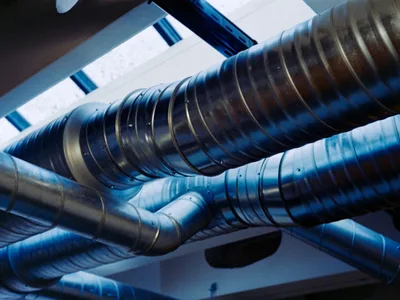 Air duct and HVAC cleaning
-
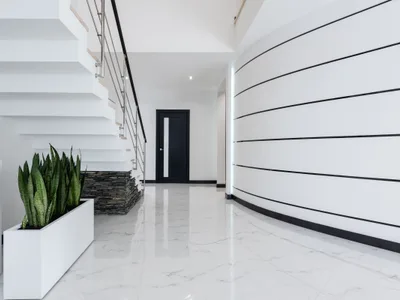 Marble grinding and crystal polishing
-
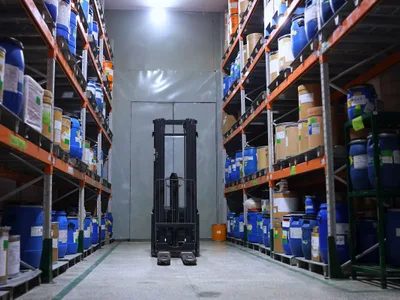 Commercial pest control