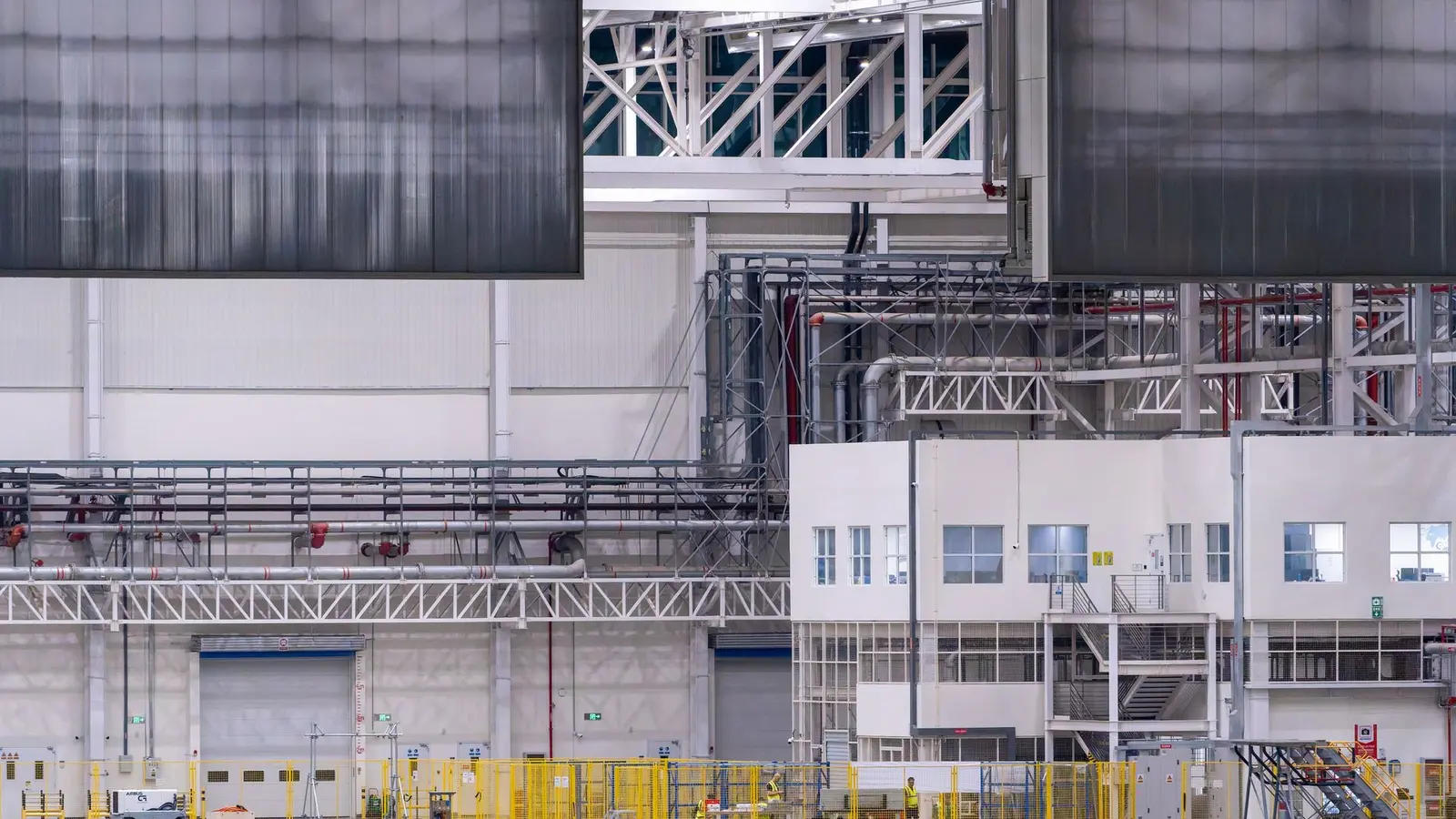
Factory and warehouse cleaning in Al Ruwais, Jeddah
Al Ruwais is an old district near the Corniche mixing aged apartment blocks with newer buildings, and storerooms and shop back areas suffer from dampness and dust. Proximity to the sea means high humidity year-round, and floors and beams accumulate mould, salt and deep-settled dirt. Deep cleaning extracts layers from moisture, salt residue, mites and oils that have built up over years in this sea-adjacent location.
- Full overhead and floor coverage
- Machine scrubbing, not mopping
- Safe around active equipment
- Top-down sequence prevents re-soiling
Why a working facility needs more than a sweep
High marine humidity and salt expose surfaces to mould and rust, and areas below ground level may have water seepage from the sea table or rainfall.
-
Hygiene compliance before audits
Proximity to the Corniche and sea means high humidity year-round; old warehouses may have seepage from the water table.
-
Preventing equipment contamination
Mould grows rapidly in dark enclosed corners; cleaning removes it but persistent moisture encourages regrowth.
-
Safer working conditions for staff
Salt crystals, mites and oils have accumulated for years; deep cleaning extracts them from cracks and tight gaps.
-
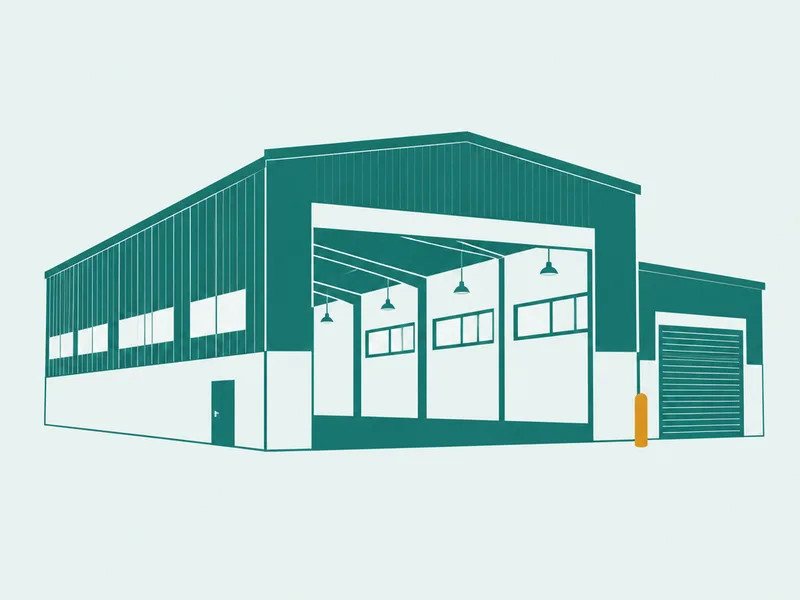
Clean handover for incoming tenants
Post-cleaning drying is essential and may take longer than in dry areas; good ventilation helps prevent moisture and mould return.
Everything covered in this service
-
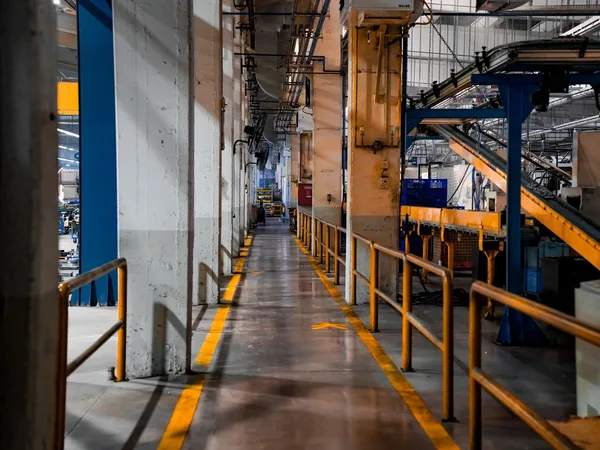
Walk facility mapping work zones
-
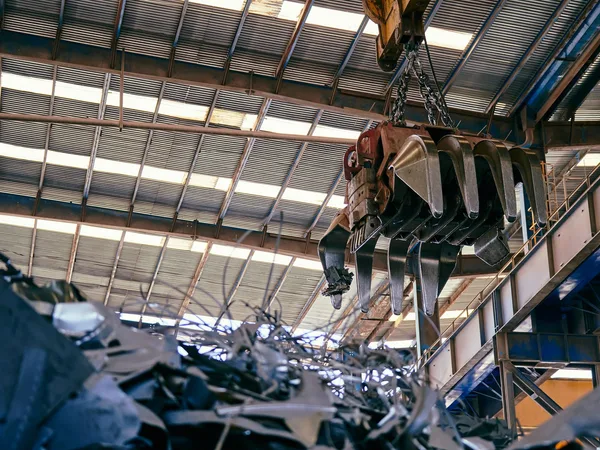
Clear debris and industrial waste
-
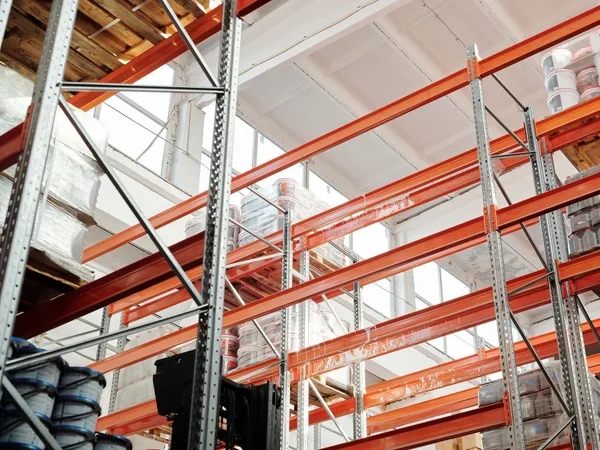
Clean rafters beams and high shelving
-
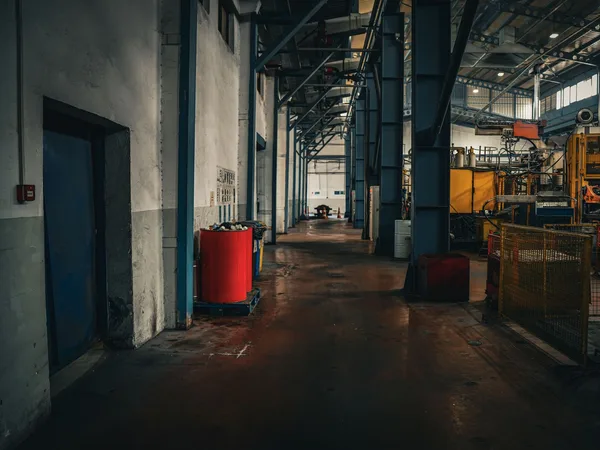
Wipe down machinery and equipment surfaces
-
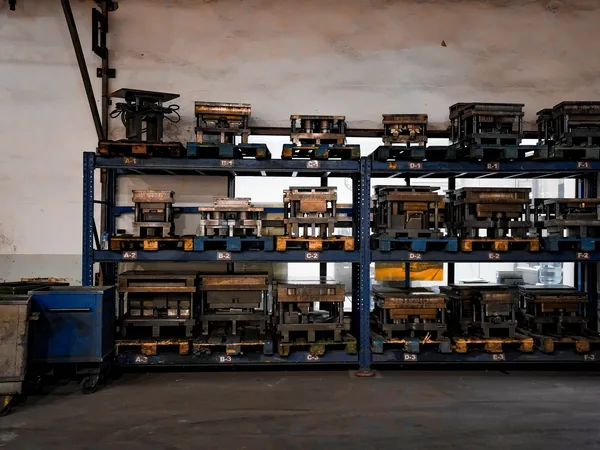
Scrub storage racks and shelving units
-
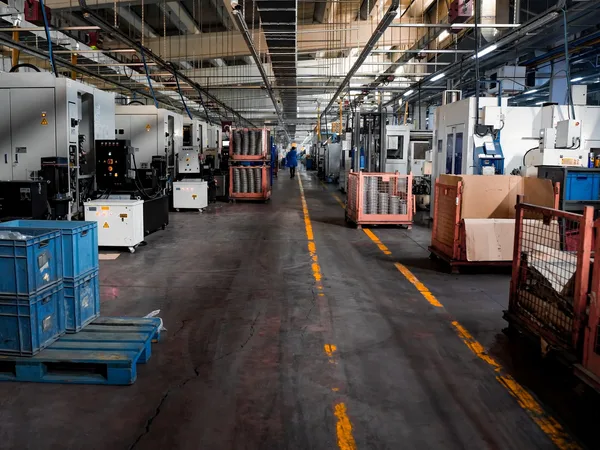
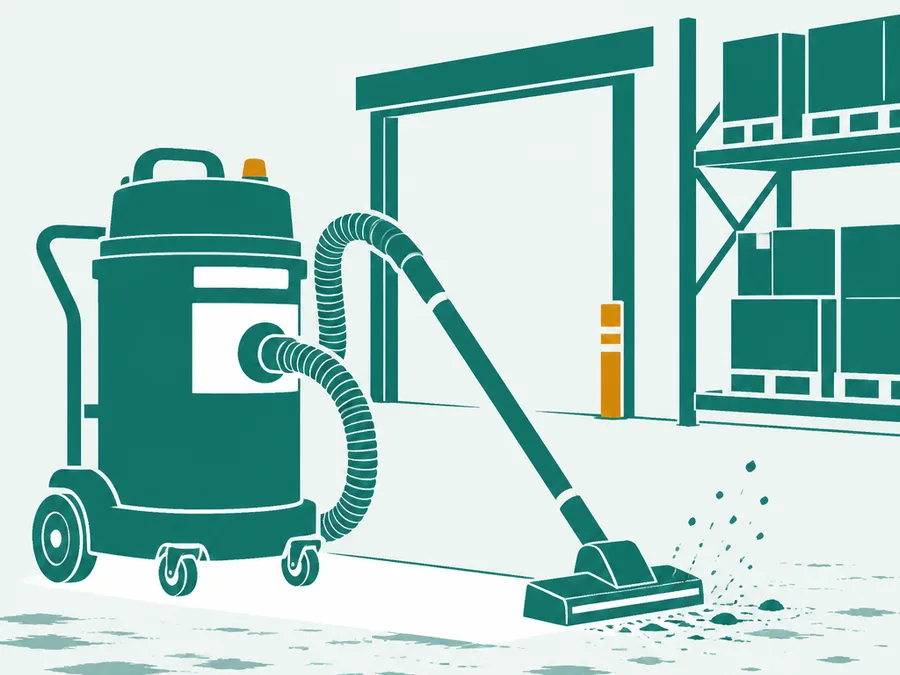
Machine-scrub the warehouse floor
-
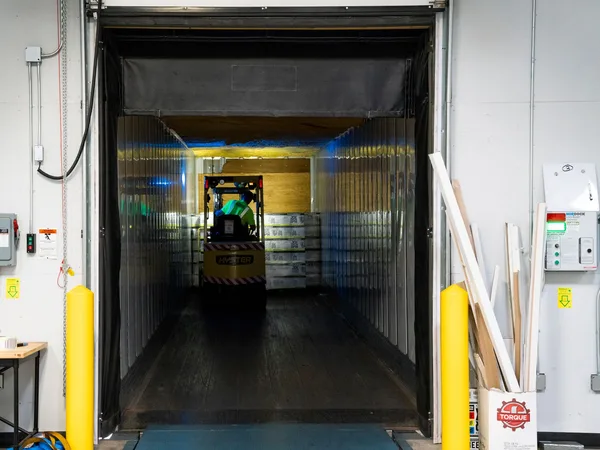
Pressure-wash loading docks and entrances
-
Clear floor drains and grates
How a warehouse clean runs from start to finish
-
Survey and zone mapping
-
Overhead and high-surface work
-
Equipment, racks, and floor scrubbing
-
Docks, drains, and sign-off
What changes about factory and warehouse cleaning in Al Ruwais
Old warehouses in Al Ruwais need more frequent cleaning than inland areas because humidity encourages rapid mould and mite growth. For the whole method, see how we approach factory and warehouse cleaning.
-
The first reason
Sea humidity leaves a sticky layer on floors
Air saturated with moisture and salt leaves a damp film on concrete surfaces where mould grows. Deep cleaning removes the sticky layer and fully dries the surface.
-
The second reason
Mould and mites breed rapidly in dark, damp corners
Poor light and trapped moisture under old shelving and cabinets encourage rapid mould and mite reproduction. Thorough inspection identifies all contaminated zones.
-
The third reason
Salt crystals coat old floors and metal beams
Sea salt crystallises on floors, walls and steel beams, weakening the material and creating poor conditions. Cleaning removes salt and mould together.
Al Ruwais on the map
Al Ruwais sits about 1.5 km from Al Sharafiyah and about 2 km from Al Baghdadiyah West.
Open in Google MapsWhat the facility looks like when the crew leaves
Clear drains and unblocked grates
Every floor drain and grate is cleared of sediment and debris before the crew leaves.
Overhead surfaces free of settled dust
Rafters, beams, and high-shelf tops no longer carry dust loads that fall with vibration or air movement.
Machine surfaces and racks clean to the touch
Equipment exteriors and storage rack surfaces have been wiped and scrubbed, not just sprayed.
What our customers said
«شغلهم ما شاء الله، أنصح الجميع بالتعامل معهم. عن تجربة وثقة.»
«أفضل شركة تنظيف بالبخار. أسعارهم ممتازة وشغلهم مرة كويس.»
«خدمة ممتازة.»
«ممتازين.»
Some of our work
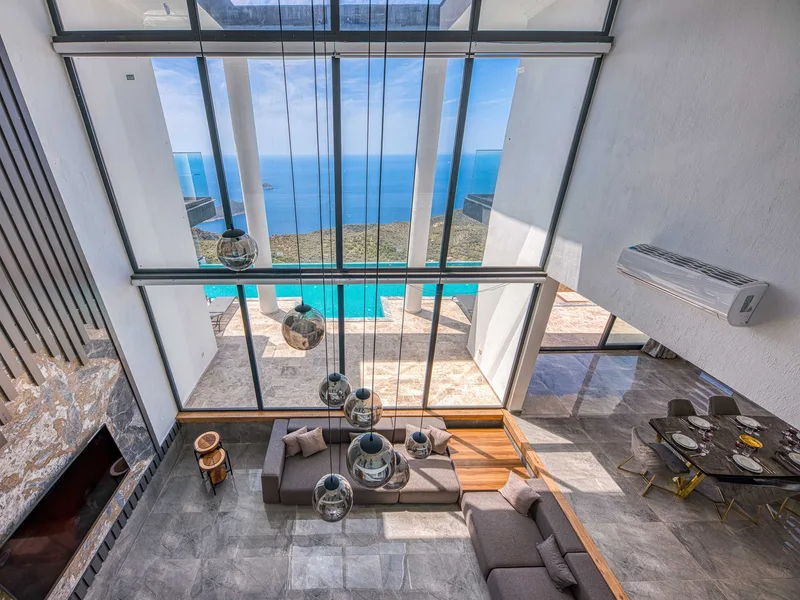
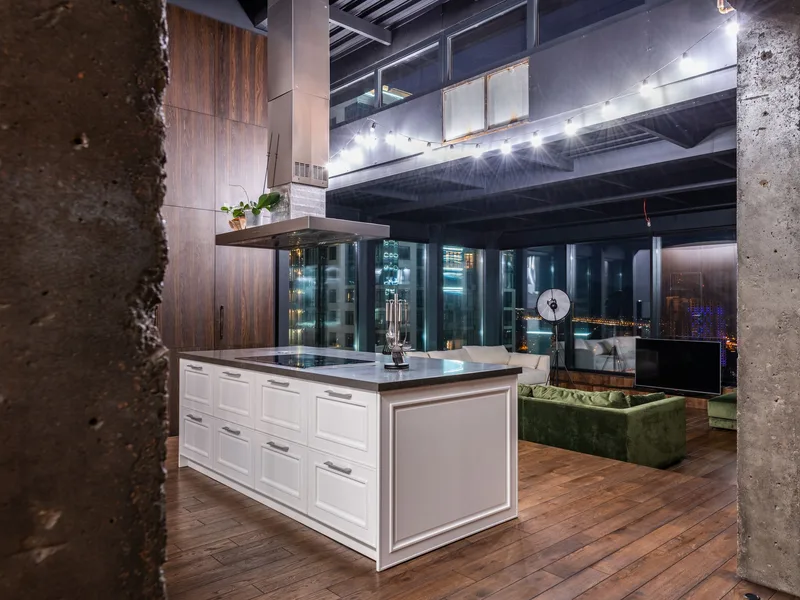
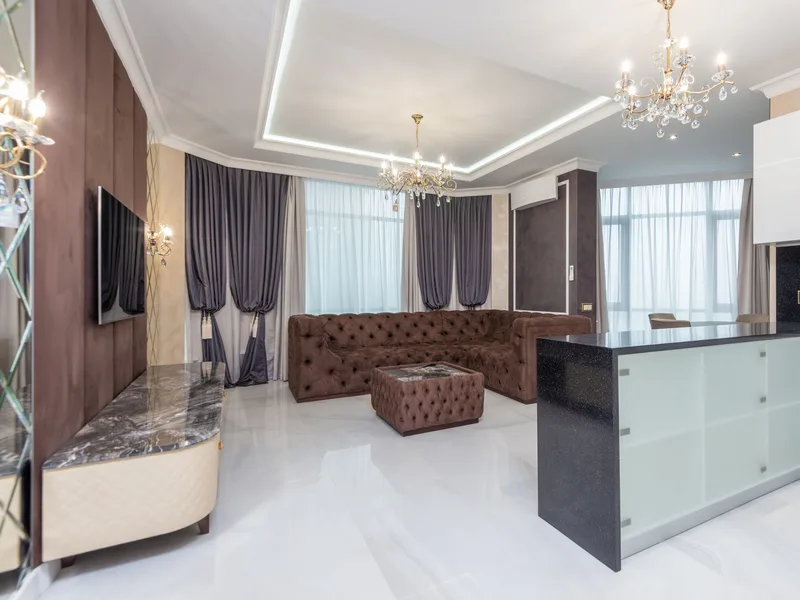
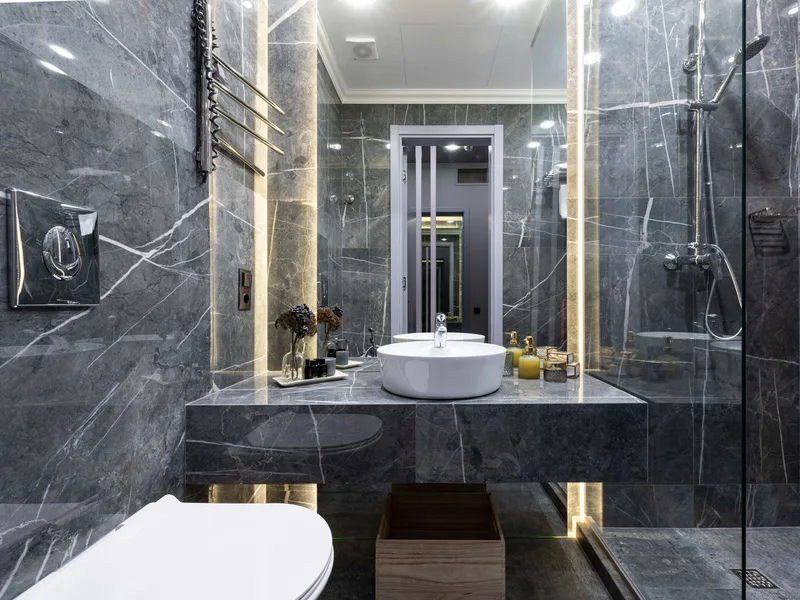
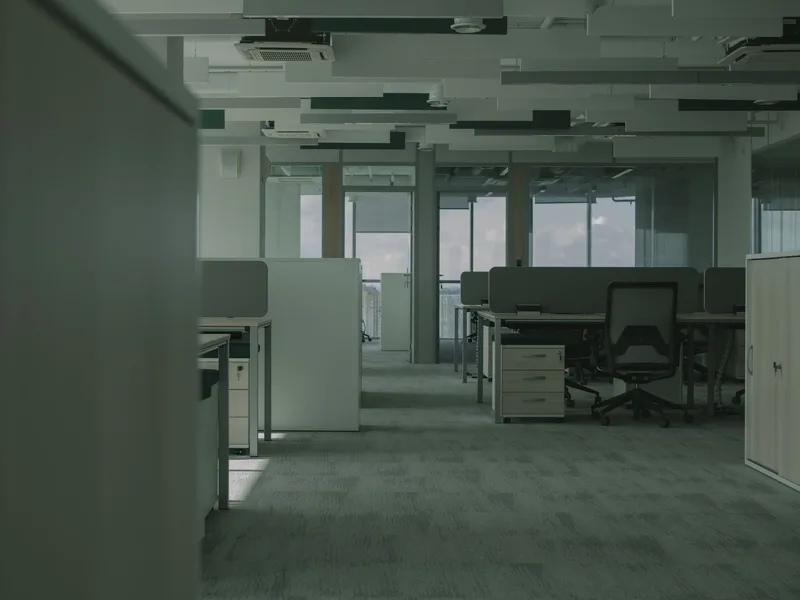
Illustrative photographs. Our own job photographs go here as soon as the client approves them.
What is different about Central Jeddah
Central Jeddah is the densest part of the city. Around the historic core of Al Balad the streets are narrow, the blocks are old, and most buildings have shops at ground level with flats above, so stairwells open onto markets and workshops. The main arteries, Madinah Road, King Fahd Road and Palestine Street, carry the heaviest traffic in Jeddah, and their exhaust leaves a dark, greasy soot unlike the dry sand of the outskirts. Old render holds it, summer heat bakes it on, and restoration work in the old quarter adds stone dust.
Nearby districts we cover
Questions worth asking first
Dampness requires special treatment; cleaning includes deep drying and treating wet zones before mould spreads further.
Cleaning removes existing mould, but if moisture persists it may return. Solving underlying dampness needs ventilation and leak repair.
Salt crystals are removed by specialist cleaning that may use mild acidic solutions to dissolve them without damaging the substrate.
High humidity means cleaning may be needed every 2, 3 months. Initial inspection sets the schedule and special treatments.
The crew identifies moisture and seepage sources. Minor seepage may be addressed during cleaning, but major leaks need a structural specialist.
Yes, drying takes longer and moisture may return. The crew uses powerful drying fans and good ventilation is essential after cleaning.
It is set after we see the job, because the price follows the kind of work, the size of the space, its condition and the time and materials it needs. Send a photo and a short description on WhatsApp and we will give you an estimate before we reach Al Ruwais.
Racking and stored inventory do not need to move for most of the work.
Duration depends on floor area, ceiling height, rack density, and the condition of the facility going in.
Other services in Al Ruwais
We also provide these services in Al Ruwais.