
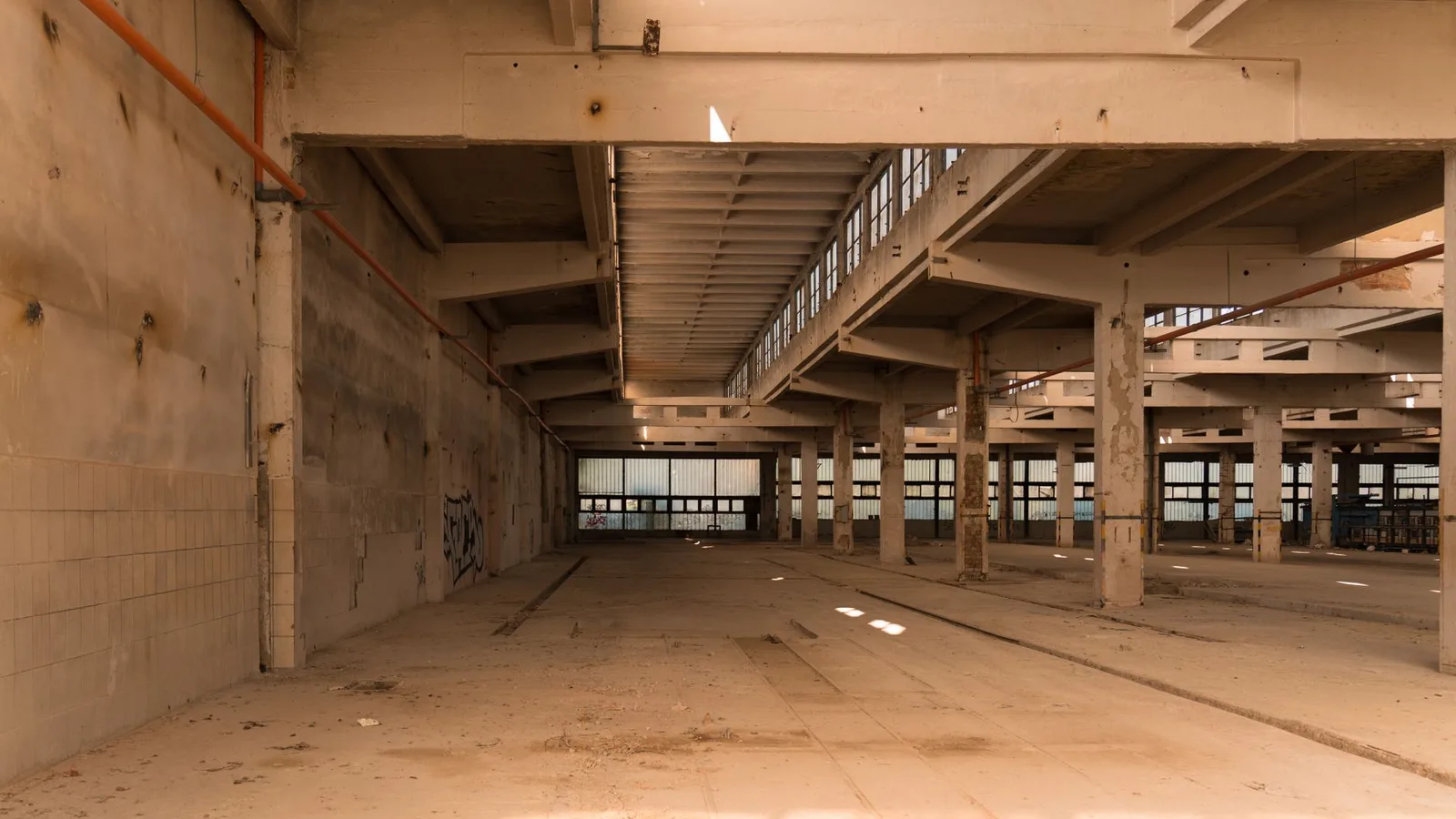
Post-construction cleaning for dust, glass and grout
Newly finished work leaves dust that settles in layers, from coarse builder debris down to fine particles that reach sockets, tile joints and AC grilles. Suited to villas and apartments being handed over after construction or renovation.
- Debris, dust and grout haze
- Staged removal, surface by surface
- New builds and renovations
- Ready for landlord inspection
Why construction dust needs more than one pass
Construction leaves dust in layers: coarse debris first, then fine settled dust on every horizontal surface, then particles that drift into AC grilles and tile joints. Clean the glass before overhead work finishes and it re-soils within hours. Working in the right sequence keeps each finished surface clean through to handover.
-
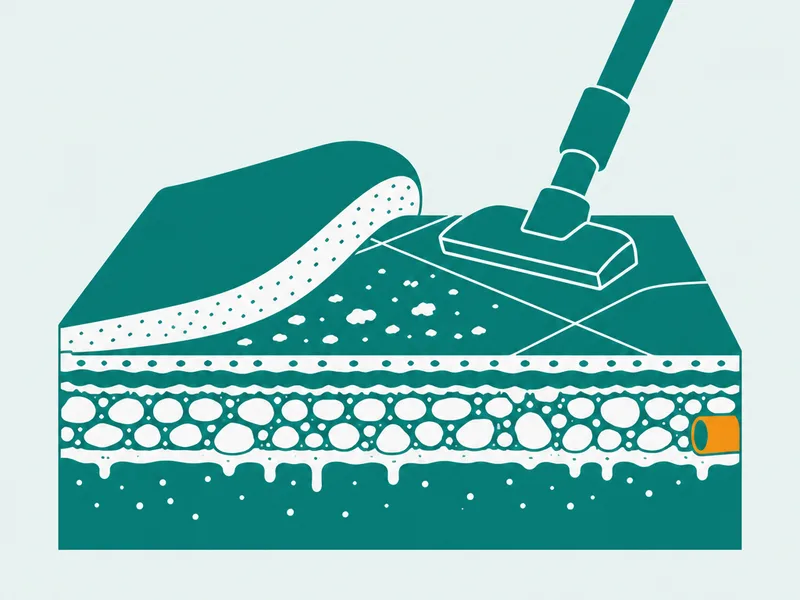
Sequence matters as much as effort
Each stage of construction re-soils the stage before it. Removing coarse debris first, then waiting for fine dust to settle before tackling glass and fittings, means surfaces are only cleaned once, at the point when nothing else will dirty them again.
-
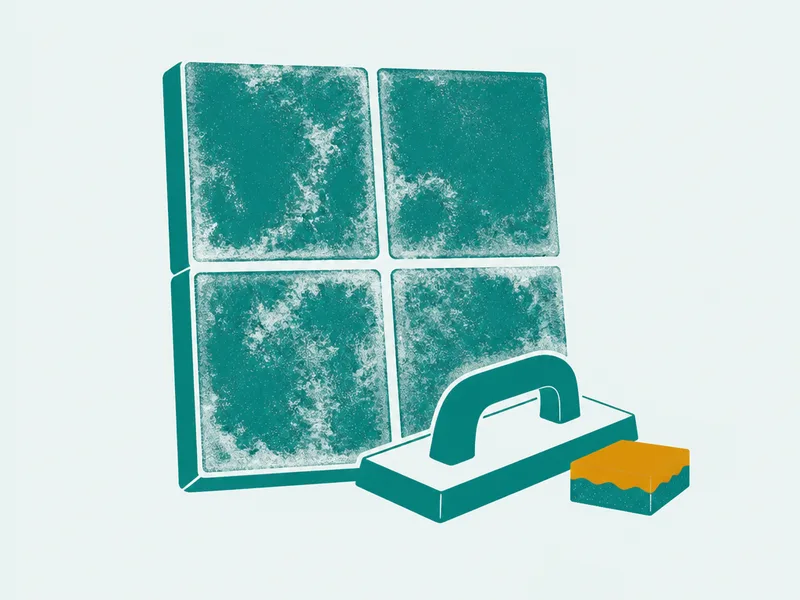
Grout haze hardens quickly if left
Cement haze on tile floors sets harder over time. Wiping it within the right window leaves a clean joint line; leaving it means abrasive work later that risks scratching the tile face.
-
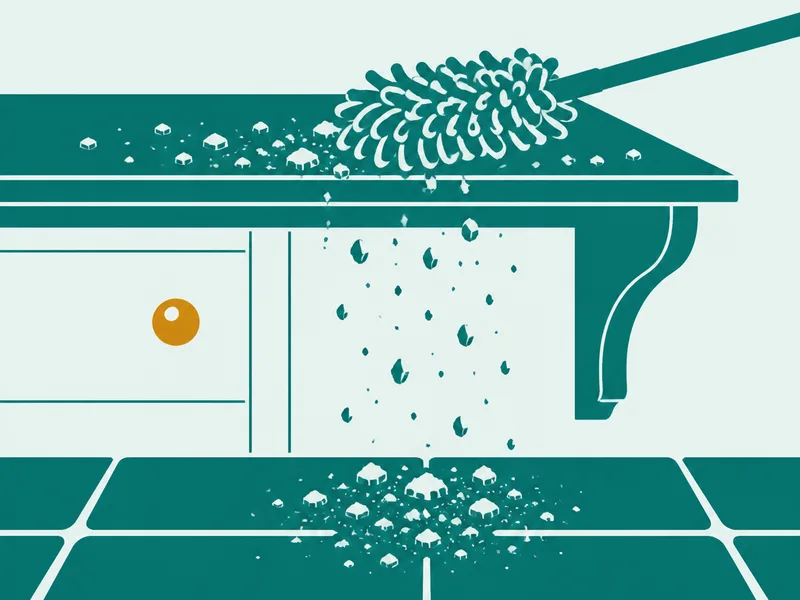
Upper surfaces re-soil finished floors
Fine dust clings to AC grilles, curtain rods and high ledges long after floors are cleaned. Without attention to these surfaces, the first air movement deposits that dust straight back onto the floors below.
-

Glass and film removed at the right moment
Protective film left on fixtures traps dust underneath it. Removing film and scraping paint from glass only after overhead work finishes means both stay clear without needing a second visit.
What is included in the clean
The job follows a set sequence so each stage does not undo the one before it.
-
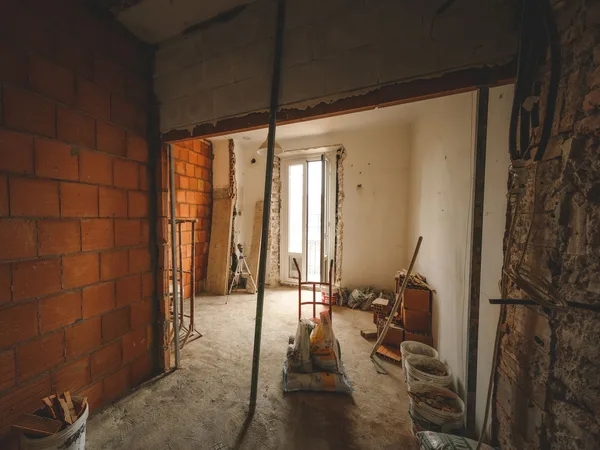
Removing construction debris and packaging
Loose builder materials, packaging and rubble are cleared from all rooms before any cleaning begins, so later stages are not performed over a dirty base.
-
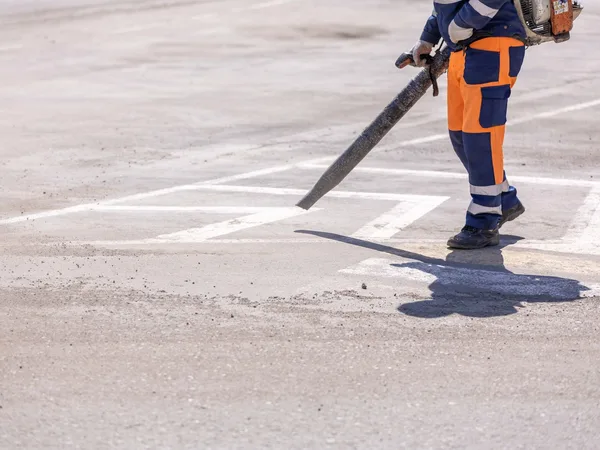
Vacuuming heavy dust from all surfaces
All horizontal surfaces, including shelves, ledges and stair treads, are vacuumed with a HEPA-filtered machine before any wet work begins.
-
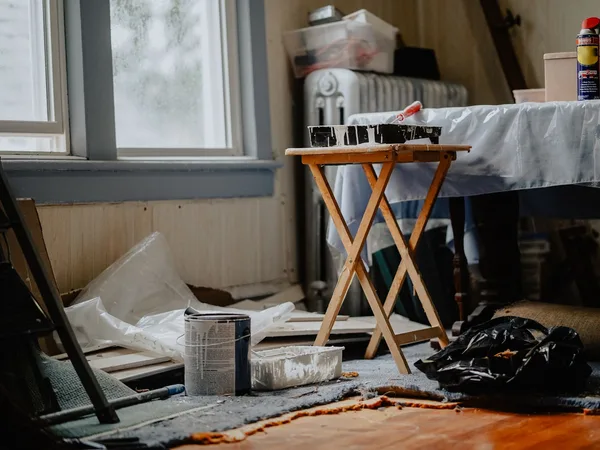
Scraping paint and cement off glass
Cement splatter and paint drops are scraped from glass panes with a blade tool, then the glass is wiped clean to remove remaining residue.
-
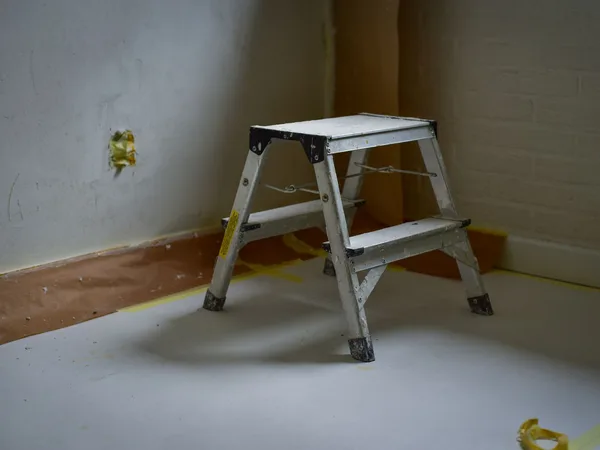
Peeling protective film off new fixtures
Protective film is peeled from new fixtures, appliances and fittings, and the surface beneath is wiped to clear adhesive residue left behind.
-
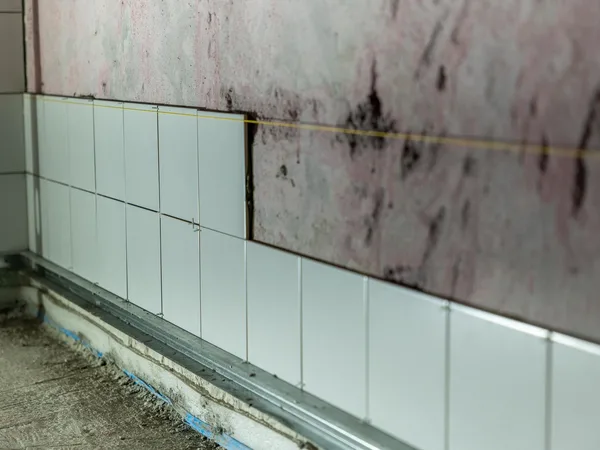
Wiping grout haze from tile floors
Cement haze on tile floors is removed with an appropriate solution before it cures, leaving joints clear without risk of damage to the tile surface.
-
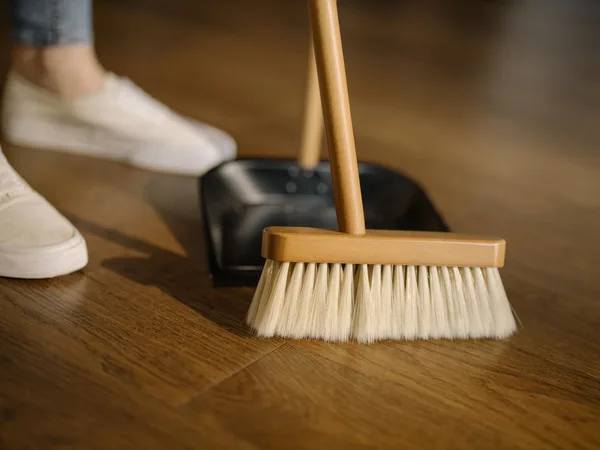
Cleaning dust from sockets and fittings
Switches, sockets, outlet covers and light fittings are wiped individually to clear the fine construction dust that collects inside every recess and gap.
-
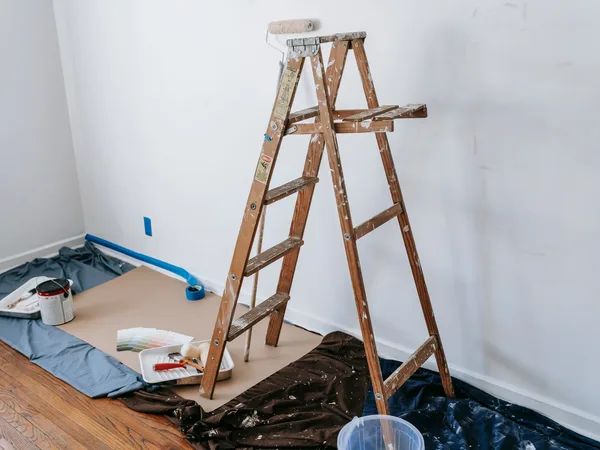
Wiping paint splatter from walls
Paint splatter from adjacent work is wiped from wall surfaces using a method matched to the wall finish so the coating is not marked or dulled.
-
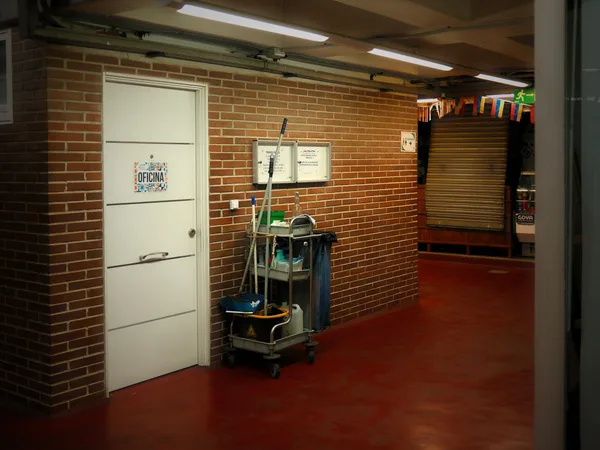
Mopping floors after overhead work finishes
Floors are mopped only after all overhead work is complete, wall wiping, fixture cleaning and grille work done first, so the floor is not re-soiled.
How the job runs from booking to handover
The clean follows a fixed sequence that prevents earlier work from being undone by later stages.
-
Site walk and scope
Before work begins, the property is walked to note debris volume, which surfaces carry grout haze, which fixtures still have protective film, and whether any stone floors need special handling.
-
Coarse debris removal
Builder rubble, off-cut materials and packaging are cleared from all rooms. Only once the floors are clear does the dust phase begin.
-
Staged dust and surface clean
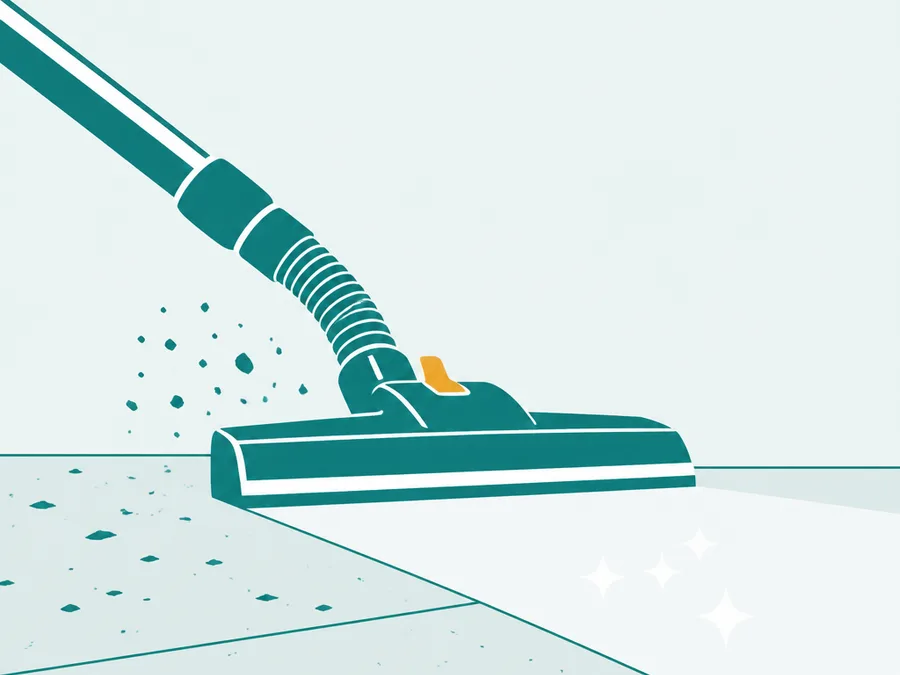
Heavy dust is vacuumed from all surfaces working top to bottom. Grout haze, wall splatter, fixtures and sockets follow, with glass and film removal done last once no overhead work remains.
-
Floor wash and handover check
Floors are mopped as the final step. The property is then walked against the original scope so the owner can confirm each item is complete before the team leaves.
What the property looks like at handover
Each area is left in a state the owner or landlord can inspect on the same day.

Glass clear of paint and film
Every pane is scraped free of cement splatter and paint drops, and protective film is fully removed. Glass is wiped clean as the final step, after all overhead work is done.

Tile joints free of grout haze
Cement haze is removed from tile floors before it fully cures. Joints are visible and clean rather than filmed over with mineral residue that sets permanently into the surface.

Sockets and grilles wiped clean
Fittings, sockets and AC grilles are wiped so no fine dust is left to redistribute once the property is occupied. Upper ledges and curtain rods are included in the same pass.
What our customers said
«شغلهم ما شاء الله، أنصح الجميع بالتعامل معهم. عن تجربة وثقة.»
«أفضل شركة تنظيف بالبخار. أسعارهم ممتازة وشغلهم مرة كويس.»
«خدمة ممتازة.»
«ممتازين.»
Districts we cover
Our post-construction cleaning teams reach the districts below and the areas around them, and the nearest one comes to you.
Questions worth asking first
The clean is most efficient after all trades have finished and left the site. If work is still running in one area, that section can be held back and visited separately, but cleaning while active construction is ongoing means surfaces are re-soiled before the team has left.
Power and water should be connected at the property. If contractor equipment or building material is still in the rooms, noting this when booking helps the team plan the job. No further preparation is needed from the owner.
Products are matched to the surface type. Cement haze remover used on ceramic tile is not applied to marble or polished stone, where it causes etching. The team identifies the surface finish before any solution is used.
Duration depends on the property size and how much film, grout haze and paint splatter is present. A standard villa typically takes most of a working day. Properties with marble floors or heavy film coverage across many fixtures take longer.
Yes. A single-room refurbishment or bathroom renovation leaves the same layers of fine dust and grout haze as a full build. The scope is limited to the affected rooms and any adjacent areas that received airborne dust during the work.
Some re-settling is normal in the first few days as air movement disturbs particles remaining in ducts and on high ledges. Running the AC and wiping grilles after the first week clears the last layer. This is a normal stage, not a sign the work was incomplete.
Other services you may need


Ready to book the handover clean?
Send your property details and we will confirm availability and scope for the clean before any commitment is made.
Cleaning and disinfection guidance: Saudi Ministry of Health.