Post-construction cleaning in Kilo 14, Jeddah
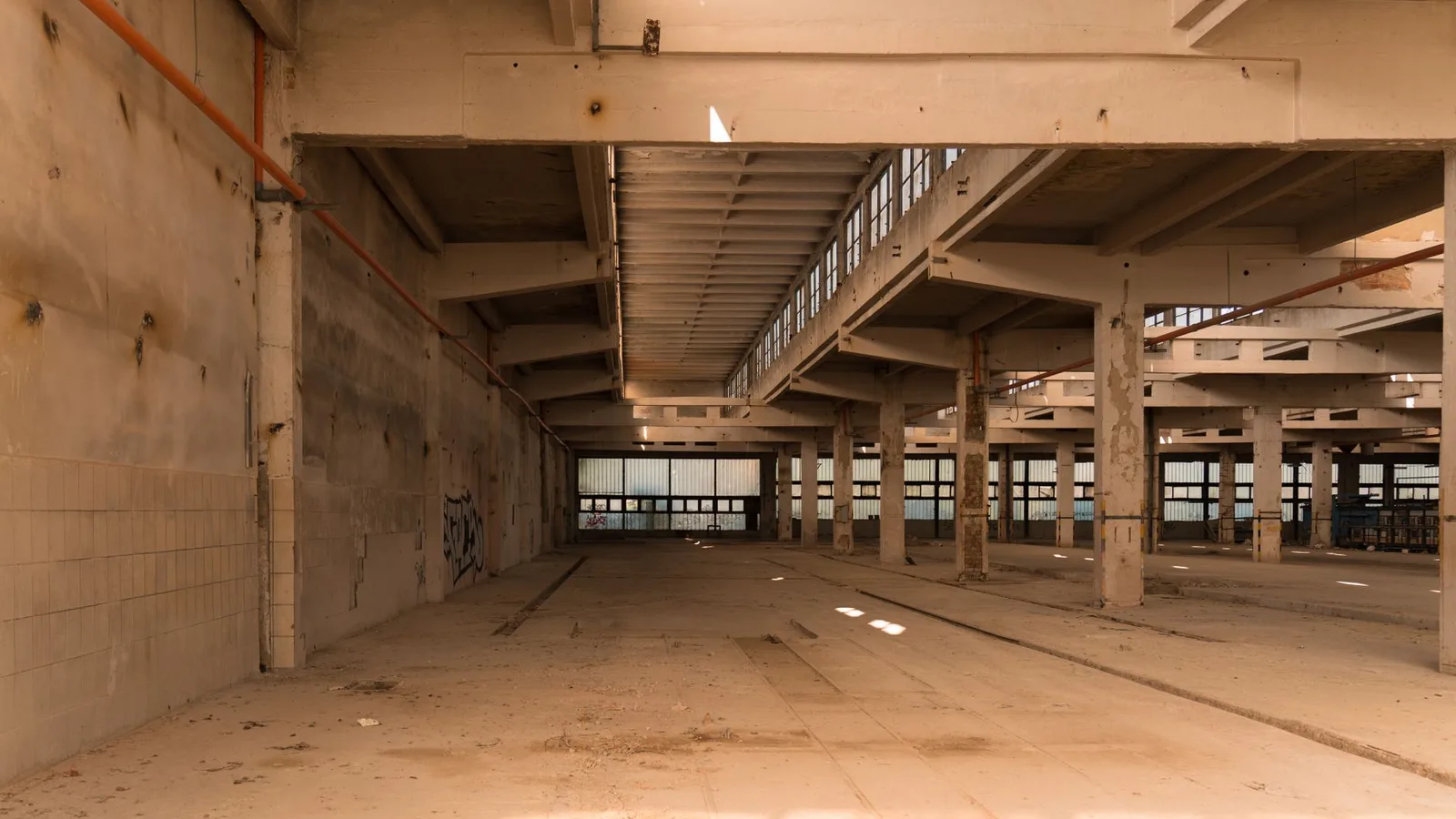
Kilo 14 is a mixed industrial district at the far southeastern edge of Jeddah, combining car repair workshops and modern warehouses with a dense residential quarter. The dust here is not pale sand but grey ash from diesel and metal filings shed by workshops. Cement residue hardens on flat roofs and open stairwells where sea humidity keeps it perpetually damp.
- Debris, dust and grout haze
- Staged removal, surface by surface
- New builds and renovations
- Ready for landlord inspection
Why construction dust needs more than one pass
The area lies on the Old Makkah Road where lorries run continuously day and night. The Islamic Port lies nearby, and sea humidity permeates the zone, keeping dust, salt residue and cement particles wet and clinging to concrete surfaces.
-
Sequence matters as much as effort
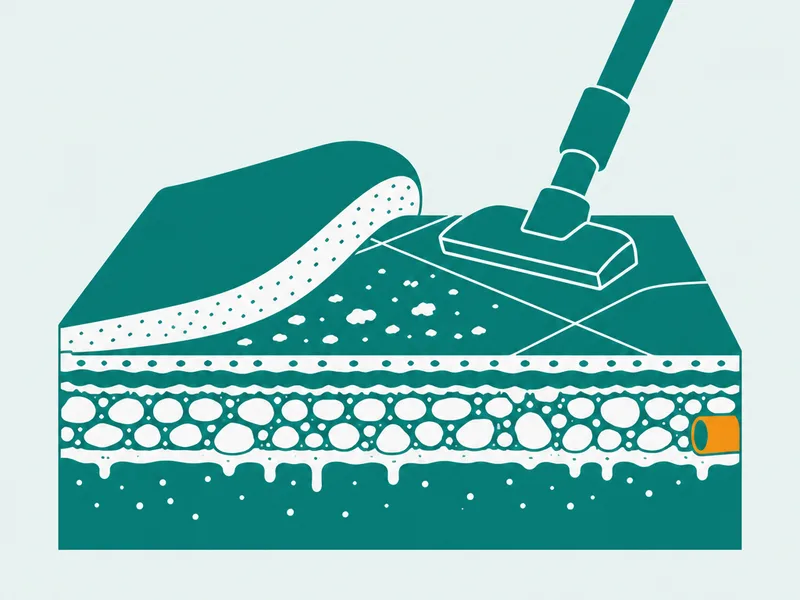
In a mixed industrial area, cleaning sequence begins at the perimeter and entries, moving inward progressively; multiple stages are essential for quality results.
-
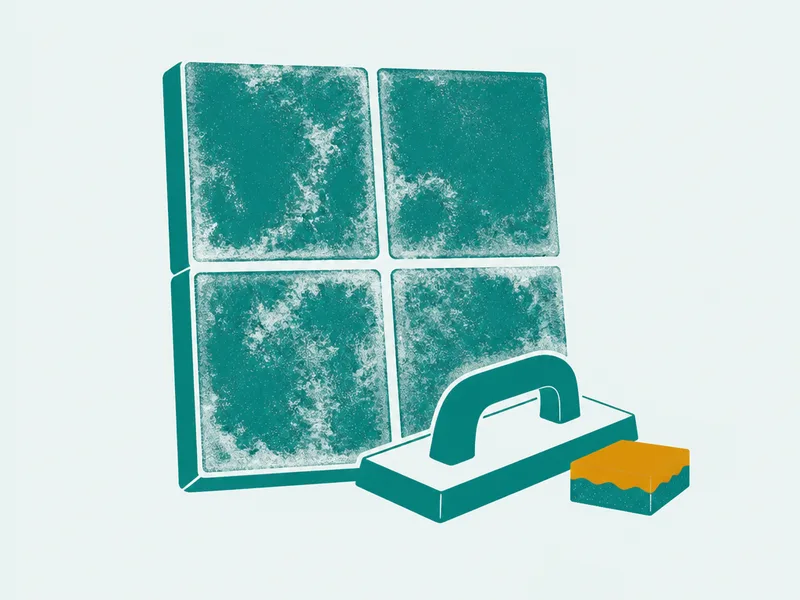
Grout haze hardens quickly if left
Protective film on windows and fixtures requires careful removal, particularly if it has bonded due to heat and humidity.
-
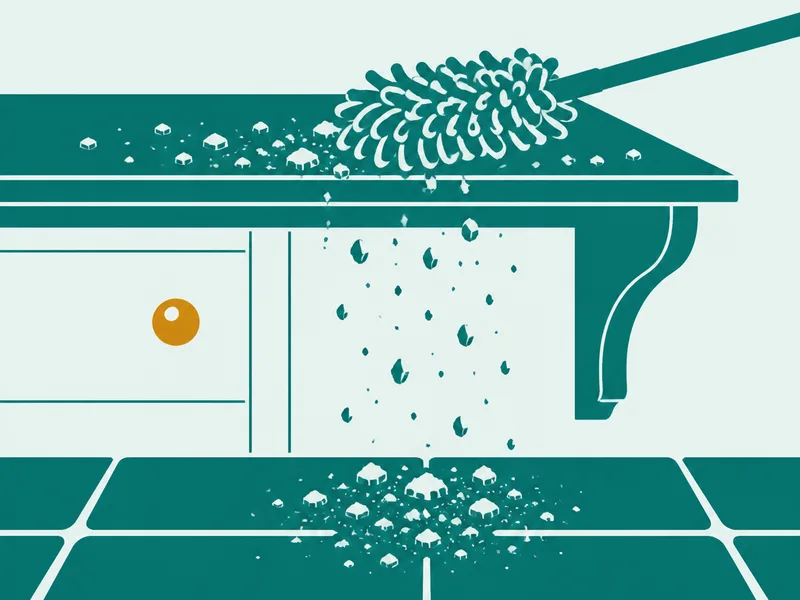
Upper surfaces re-soil finished floors
Cement and salt residue set quickly on flat surfaces and ledges in damp conditions and must be removed immediately before hardening.
-
Glass and film removed at the right moment
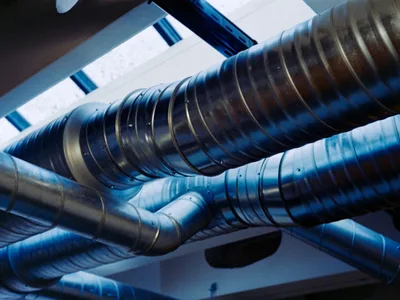
Heavy, oily dust from workshops and lorries infiltrates air conditioning systems easily; internal duct cleaning is essential.
What is included in the clean
-
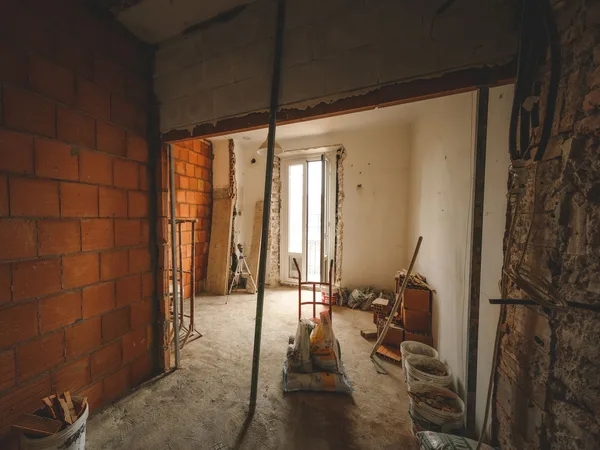
Removing construction debris and packaging
-
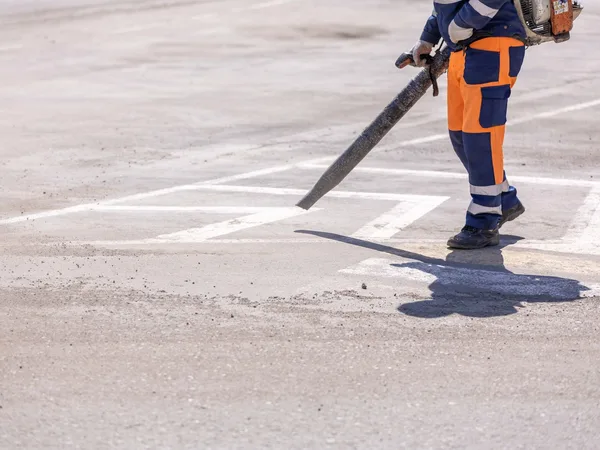
Vacuuming heavy dust from all surfaces
-
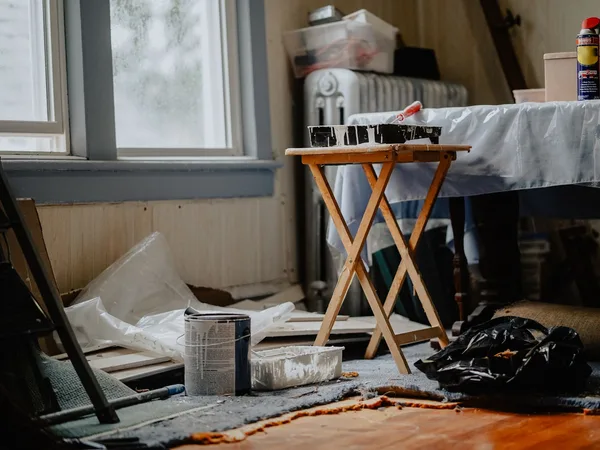
Scraping paint and cement off glass
-
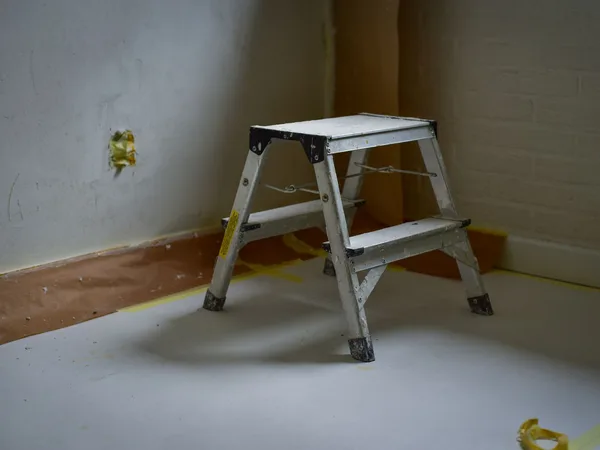
Peeling protective film off new fixtures
-
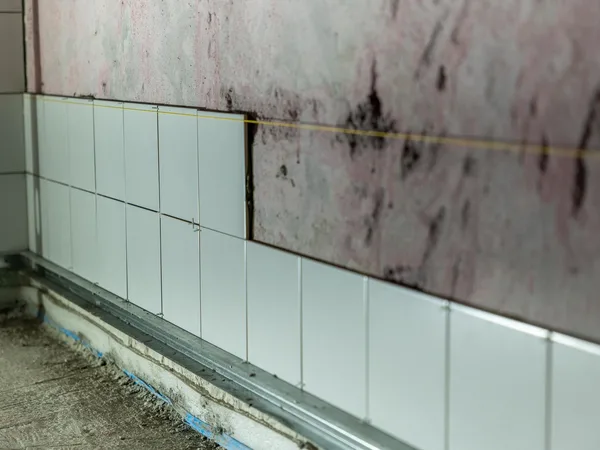
Wiping grout haze from tile floors
-
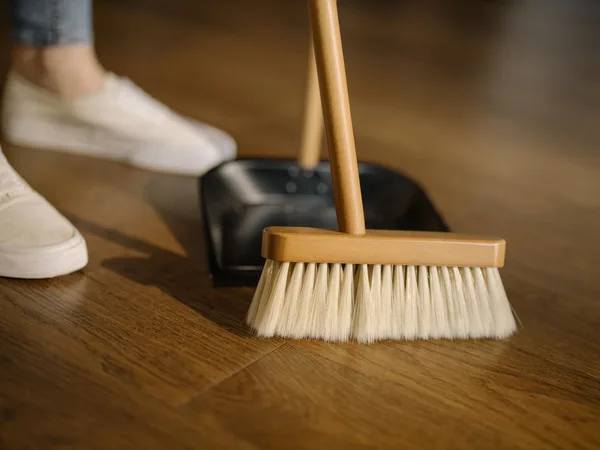
Cleaning dust from sockets and fittings
-
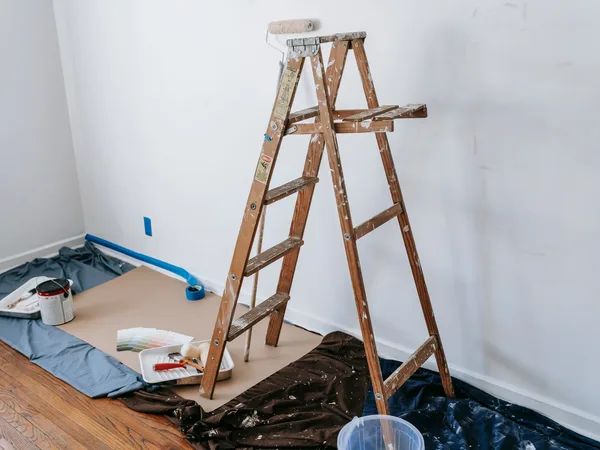
Wiping paint splatter from walls
-
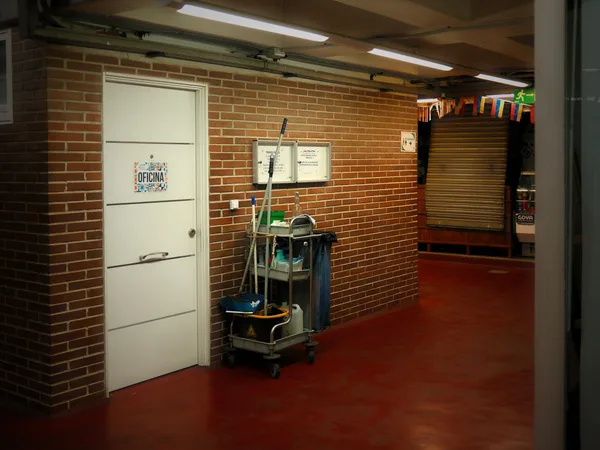
Mopping floors after overhead work finishes
How the job runs from booking to handover
-
Site walk and scope
-
Coarse debris removal
-
Staged dust and surface clean
-
Floor wash and handover check
What changes about post-construction cleaning in Kilo 14
Dust settling at Kilo 14 is heavy and oily from traffic and factory activity, fundamentally different from dry construction dust and requiring different chemical treatment to remove properly. For the whole method, see what post-construction cleaning involves.
-
The first reason
Flat roofs collect salt and diesel residue
Older concrete buildings with flat roofs collect sea salt from moisture and diesel from lorry traffic. This mixture hardens on ledges and cladding in summer heat, requiring specialist removal that does not damage the concrete underneath.
-
The second reason
Open stairwells and ground floor entries
Staircases and open doorways in warehouses and residential blocks collect heavy, damp dust from the street. Sea humidity keeps them perpetually wet, making cleaning a multi-stage process with extended drying time.
-
The third reason
Popular market among workshops compounds air quality
The Kilo 14 market selling vegetables and fish sits adjacent to repair workshops. Dust mingles with food odours and moisture, requiring special ventilation and integrated removal of mixed contaminants from the surrounding buildings.
The character of Kilo 14
Industrial area: workshops, warehouses and loading yards
The industrial zone here combines newer workshops, storage facilities and dense housing, meaning factory and diesel dust penetrates every building type. Specialist chemical treatment is essential to remove heavy contaminants from concrete and new finishes without surface damage.
What the property looks like at handover

Glass clear of paint and film
Every pane is scraped free of cement splatter and paint drops, and protective film is fully removed.
Tile joints free of grout haze
Cement haze is removed from tile floors before it fully cures.
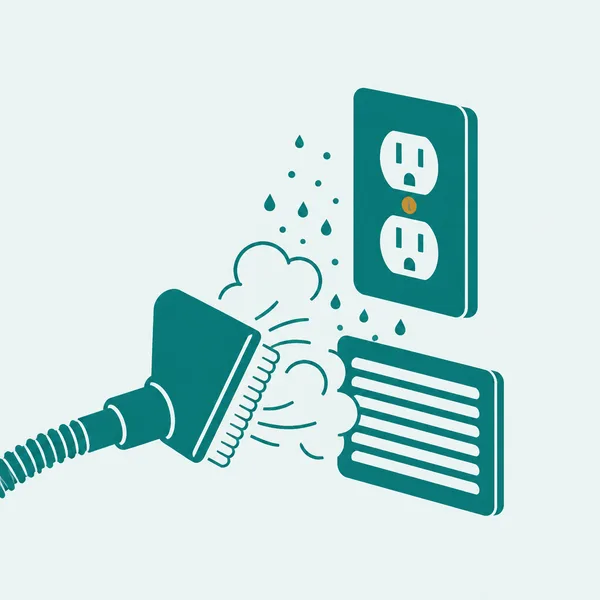
Sockets and grilles wiped clean
Fittings, sockets and AC grilles are wiped so no fine dust is left to redistribute once the property is occupied.
What our customers said
«شغلهم ما شاء الله، أنصح الجميع بالتعامل معهم. عن تجربة وثقة.»
«أفضل شركة تنظيف بالبخار. أسعارهم ممتازة وشغلهم مرة كويس.»
«خدمة ممتازة.»
«ممتازين.»
Some of our work
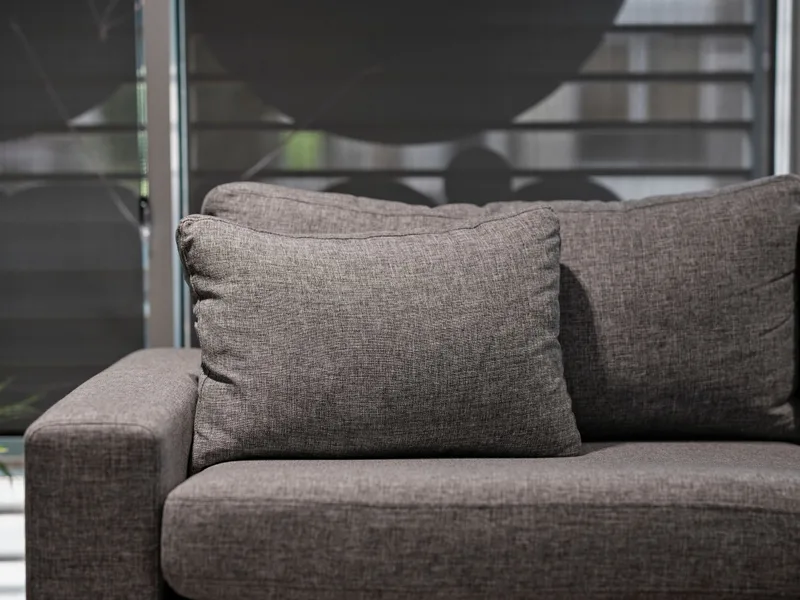
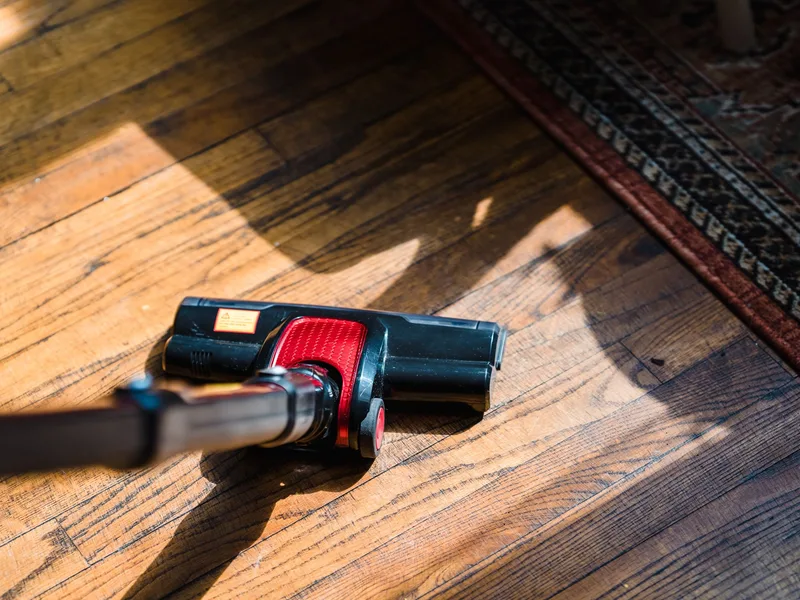
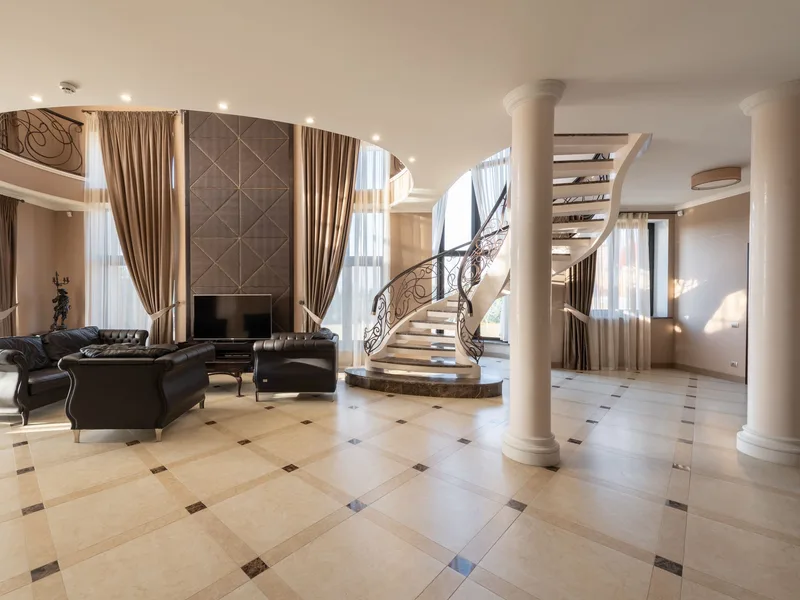
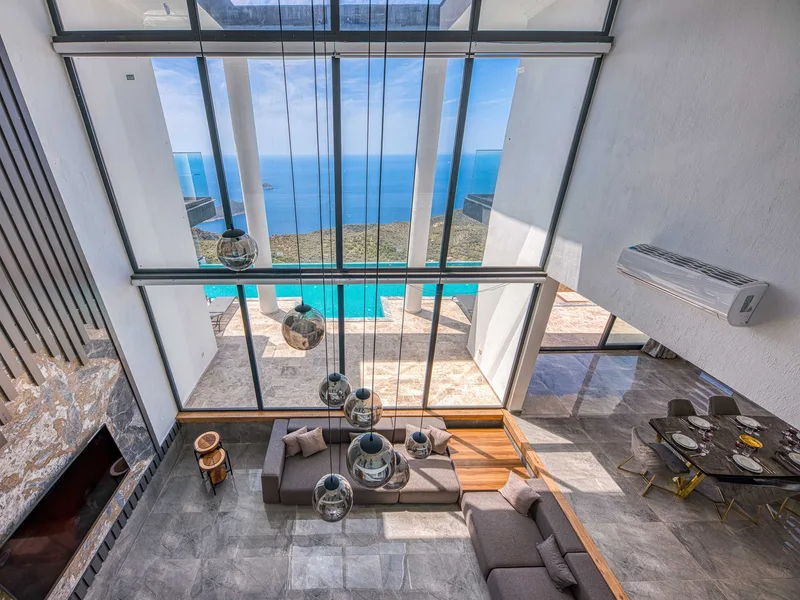
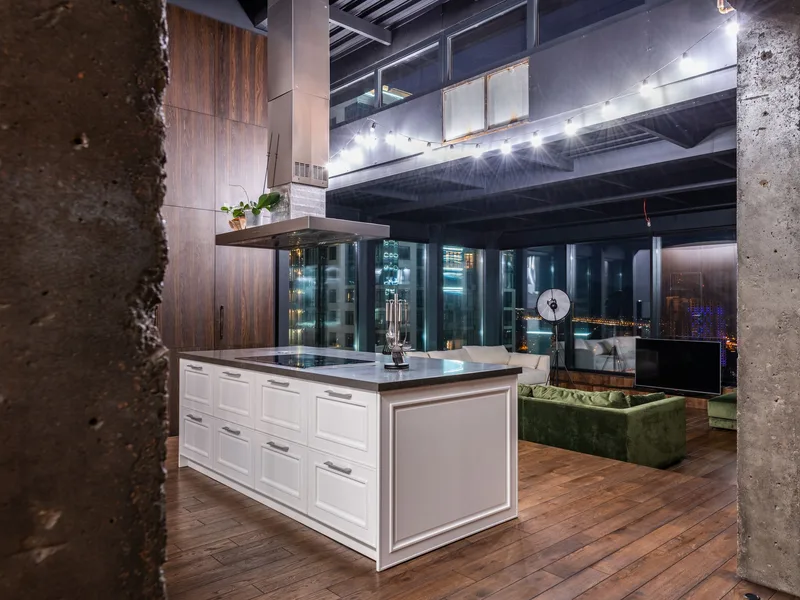
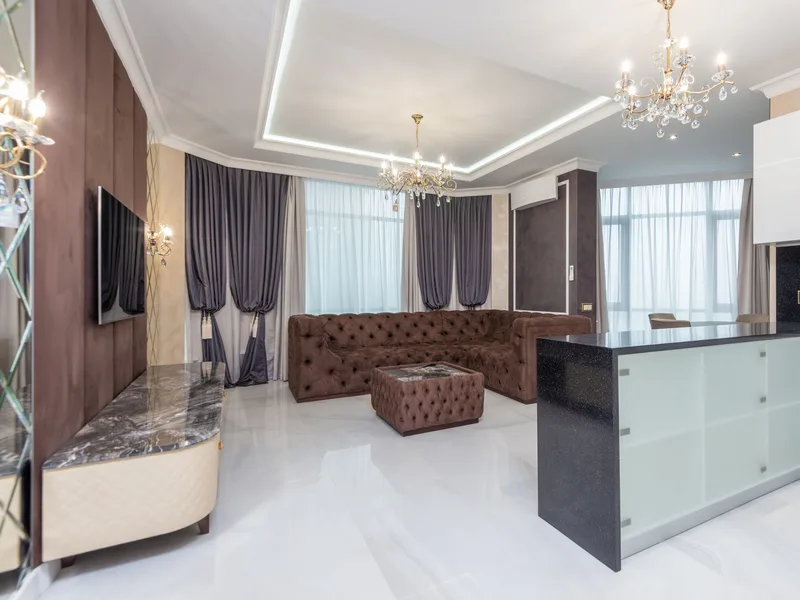
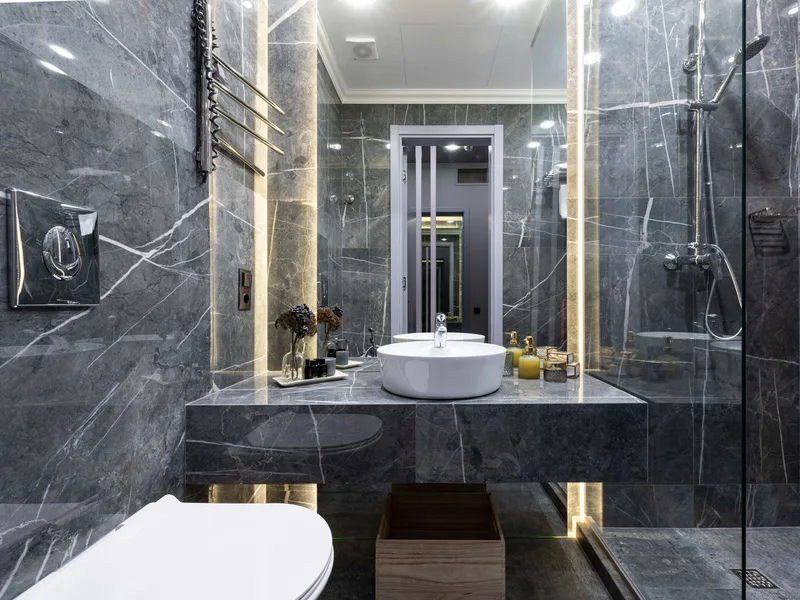
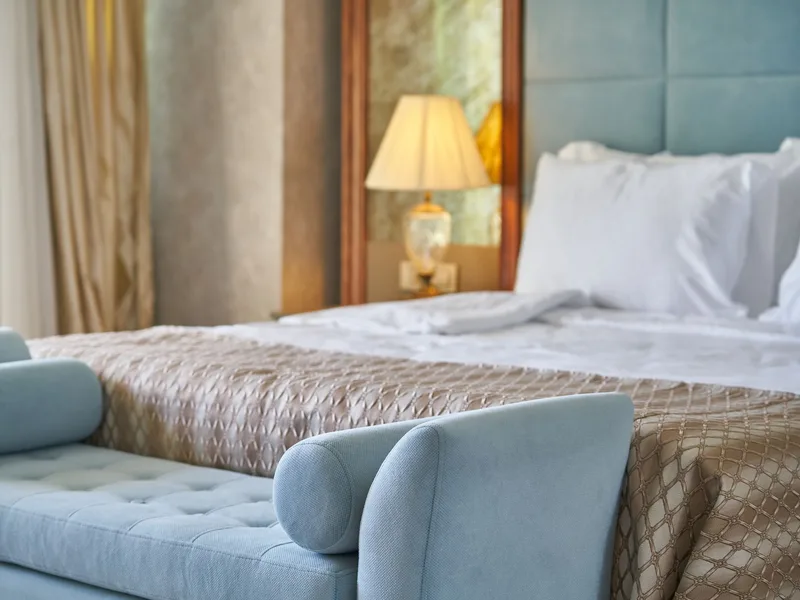
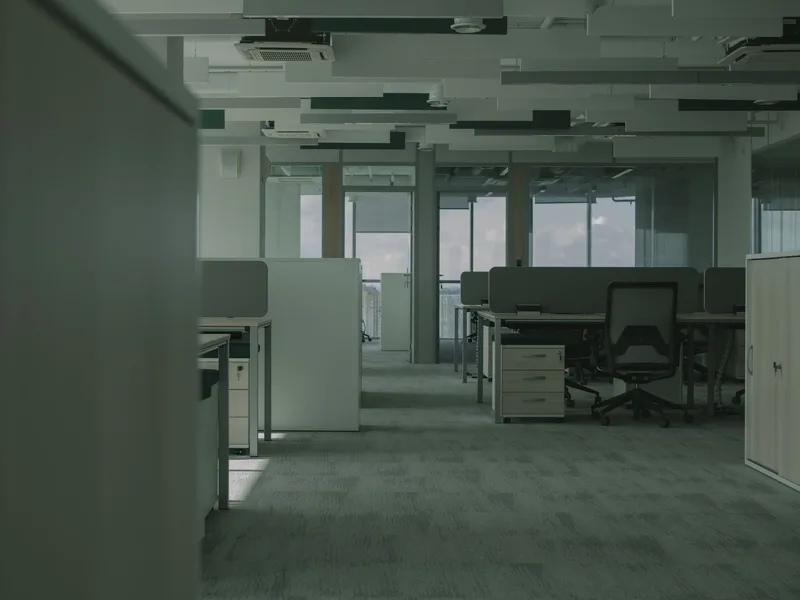
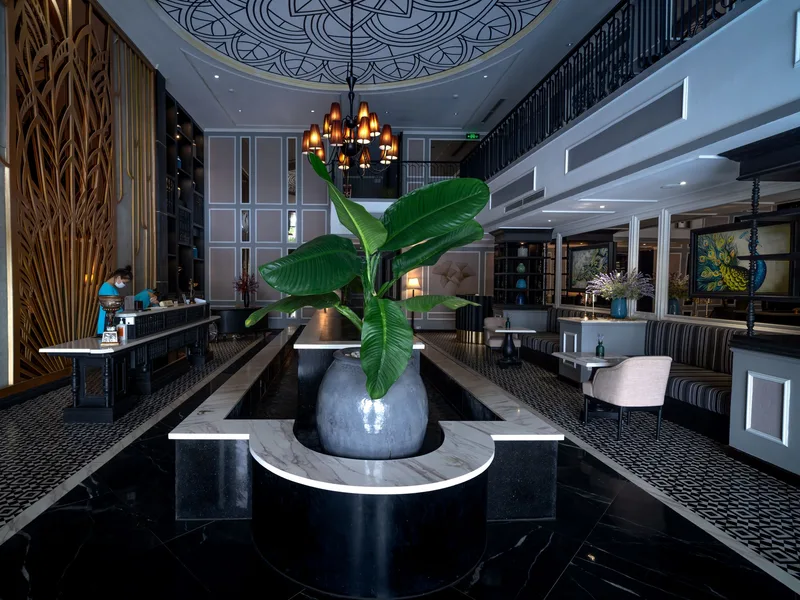
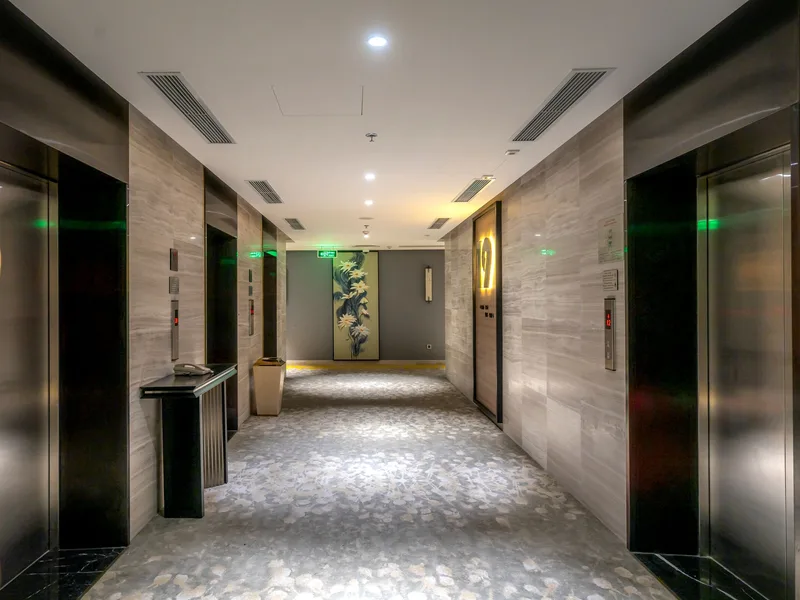
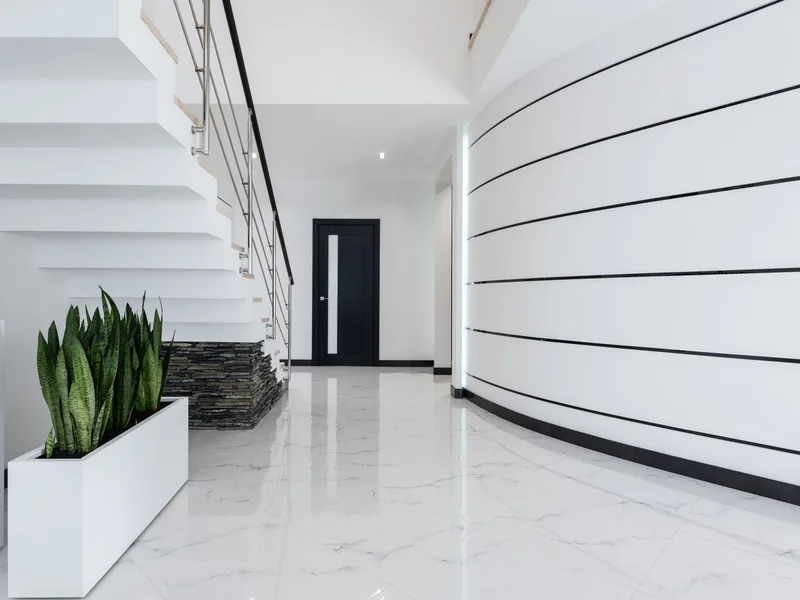
Illustrative photographs. Our own job photographs go here as soon as the client approves them.
What is different about South Jeddah
South Jeddah is the working end of the city: the Islamic Port, the industrial city with its warehouses and workshops, and behind them older low rise districts such as Ghulail and Al Khumrah. The roads are built for lorries, and port and factory traffic runs through the night, so the dust that settles here is grey with diesel and metal filings rather than pale sand. Buildings are mostly older concrete with flat roofs and open stairwells that collect it. Sea humidity keeps it damp, and in summer it sets hard on ledges and cladding.
Nearby districts we cover
Questions worth asking first
Yes. Diesel residue is oily and bonds to surfaces far more strongly than dry construction dust. It does not wash away with plain water; it needs specialist solutions to break down oils without damaging new concrete and finishes.
Sea humidity noticeably extends drying time, especially on flat roofs and open stairwells. Good ventilation and extra time are needed to remove moisture completely.
Yes. Moisture accelerates cement hardening on flat surfaces and ledges, so removal must happen immediately before it becomes solid enough to need professional tools.
Modern warehouses have less dust but it is heavy and oily. Residential blocks contain ordinary construction dust mixed with dampness. Each requires different treatment.
Odour may linger in foundations and cracks; continuous ventilation and time help it dissipate. Thorough initial treatment removes most of it, but air circulation is essential.
Yes. The mixture of salt and industrial dust increases removal difficulty substantially. Specialist solutions and multi-stage work are needed to ensure complete cleanliness without residue.
It is set after we see the job, because the price follows the kind of work, the size of the space, its condition and the time and materials it needs. Send a photo and a short description on WhatsApp and we will give you an estimate before we reach Kilo 14.
The clean is most efficient after all trades have finished and left the site.
Power and water should be connected at the property.
Other services in Kilo 14
We also provide these services in Kilo 14.
-
 Sofa cleaning in Kilo 14
-
 Commercial post-construction cleaning
-
 Apartment cleaning
-
 Bathroom cleaning in Kilo 14
-
 Carpet and rug cleaning in Kilo 14
-
 Mattress cleaning in Kilo 14
-
 Curtain cleaning in Kilo 14
-
 House cleaning in Kilo 14
-
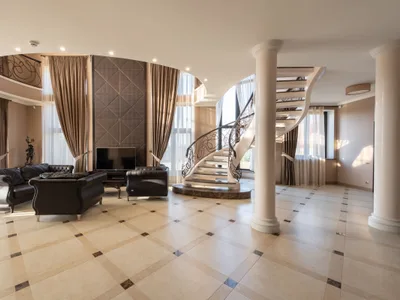 Villa cleaning in Kilo 14
-
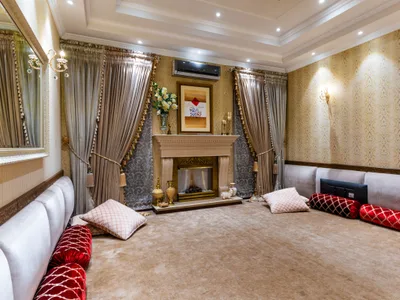 Majlis and rest-house cleaning in Kilo 14
-
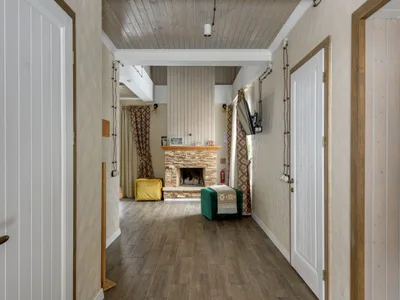 Chalet cleaning in Kilo 14
-
 Yacht cleaning in Kilo 14
-
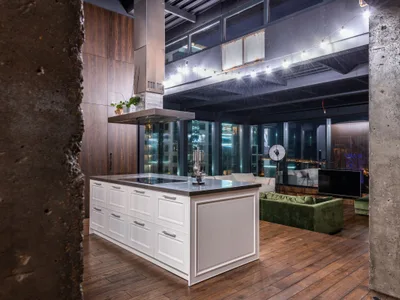 Kitchen cleaning in Kilo 14
-
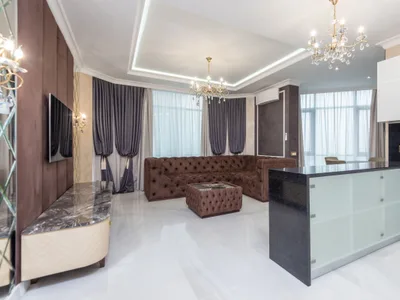 Chandelier cleaning in Kilo 14
-
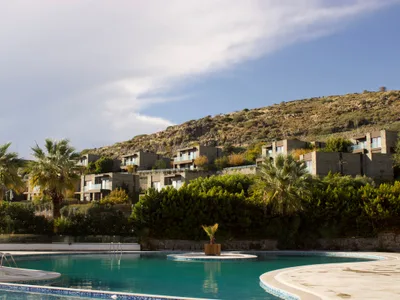 Swimming pool cleaning in Kilo 14
-
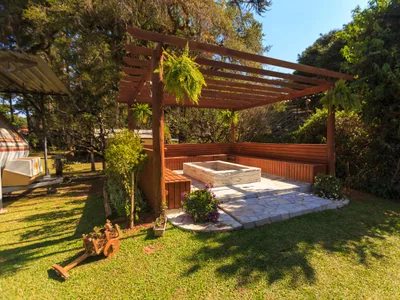 Garden clearance in Kilo 14
-
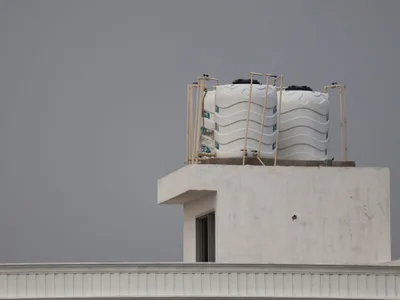 Water tank cleaning and sterilising in Kilo 14
-
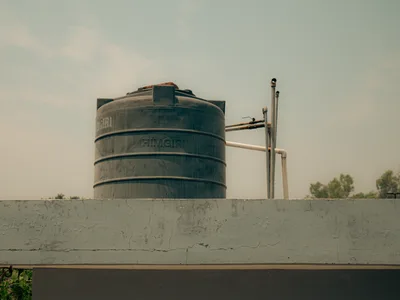 Water tank waterproofing in Kilo 14
-
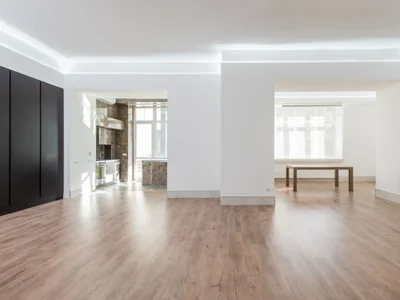 Full deep clean in Kilo 14
-
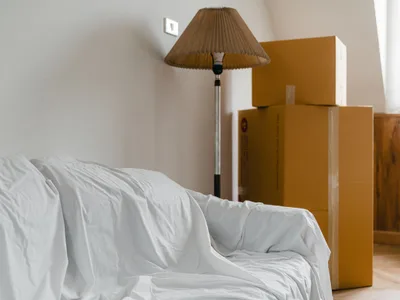 Move in and move out cleaning in Kilo 14
-
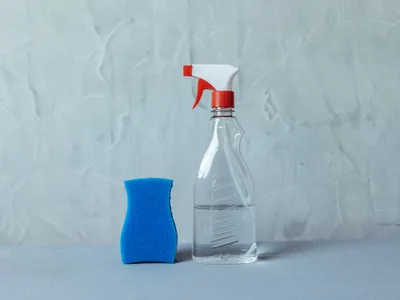 Disinfection and sanitising in Kilo 14
-
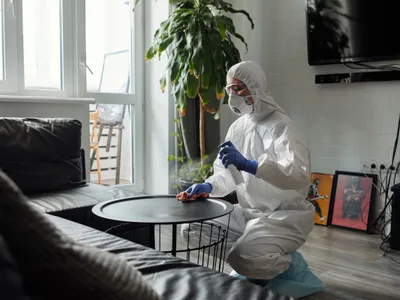 Pest control in Kilo 14
-
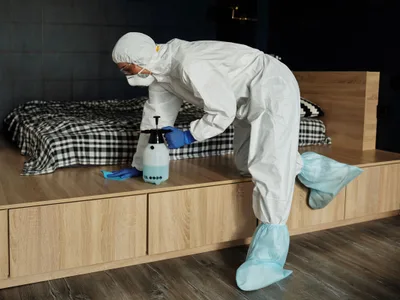 Bed bug treatment
-
 Office cleaning
-
 Restaurant cleaning
-
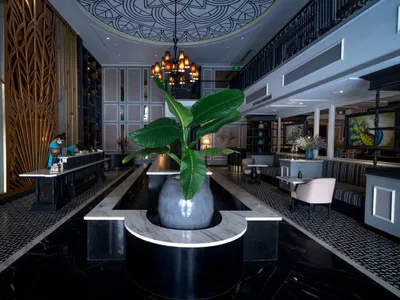 Hotel and resort cleaning
-
 Shopping centre cleaning
-
 Retail cleaning
-
 School cleaning
-
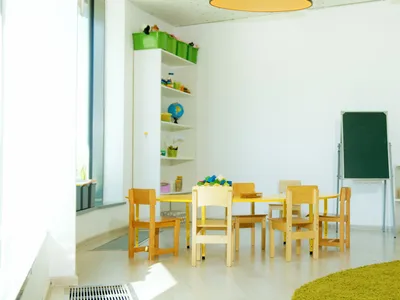 Nursery and kindergarten cleaning
-
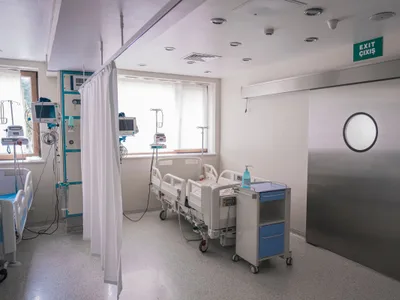 Hospital cleaning
-
 Clinic and health-centre cleaning
-
 Mosque cleaning
-
 Government facility cleaning
-
 Gym cleaning
-
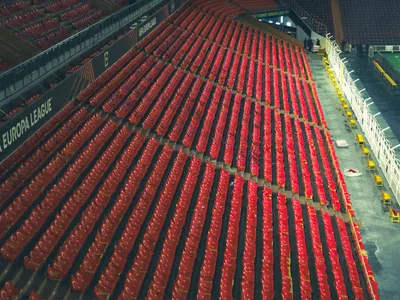 Sports ground cleaning
-
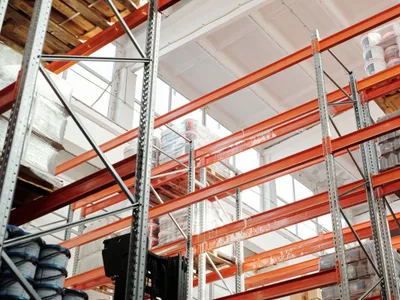 Factory and warehouse cleaning
-
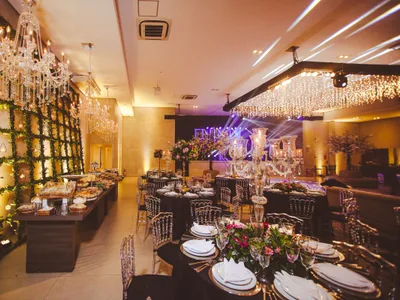 Event cleaning
-
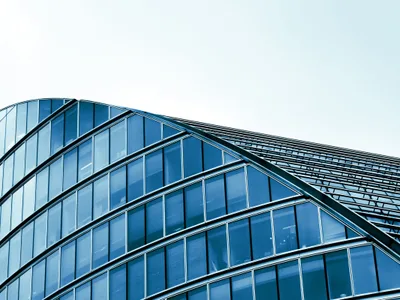 Building facade cleaning
-
 Air duct and HVAC cleaning
-
 Marble grinding and crystal polishing
-
 Commercial pest control