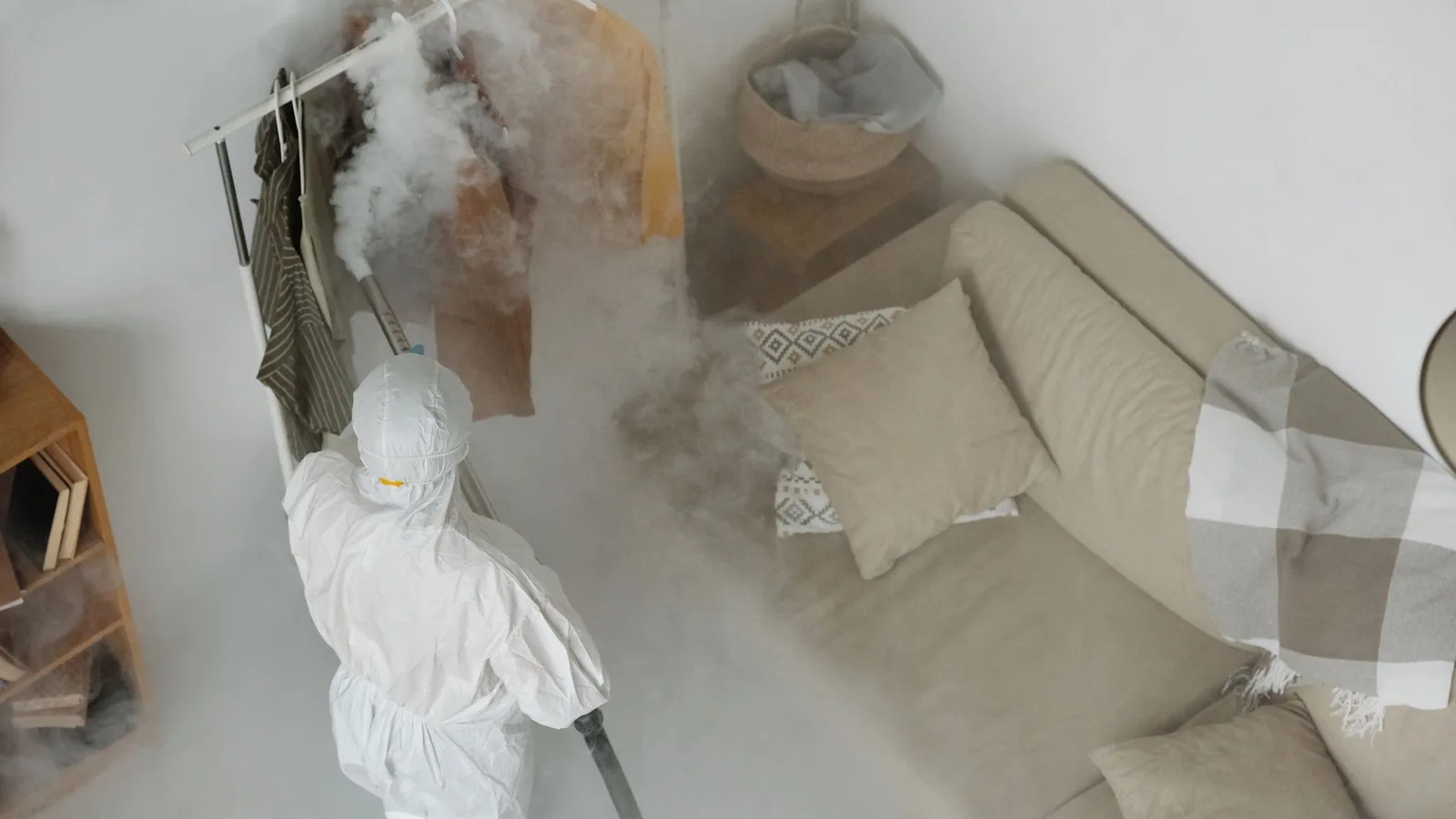
Commercial pest control in Al Sharafiyah, Jeddah
Al Sharafiyah is a dense commercial district along King Fahd Road in central Jeddah with shops, restaurants and storerooms below dense apartment blocks. Commercial operations produce food scraps and waste that attract insects and rodents. A systematic programme inspects shops, kitchens, drains and basement spaces, identifies entry and breeding points and treats them continuously to protect residents, customers and business operations.
- Entry points mapped and sealed
- Drain and sewage lines treated
- Suited to occupied premises
- Written site log on completion
Why pest control fails without a full-site approach
Dense commercial zones with restaurants, shops and food traders provide year-round rich habitat for insects and rodents.
-
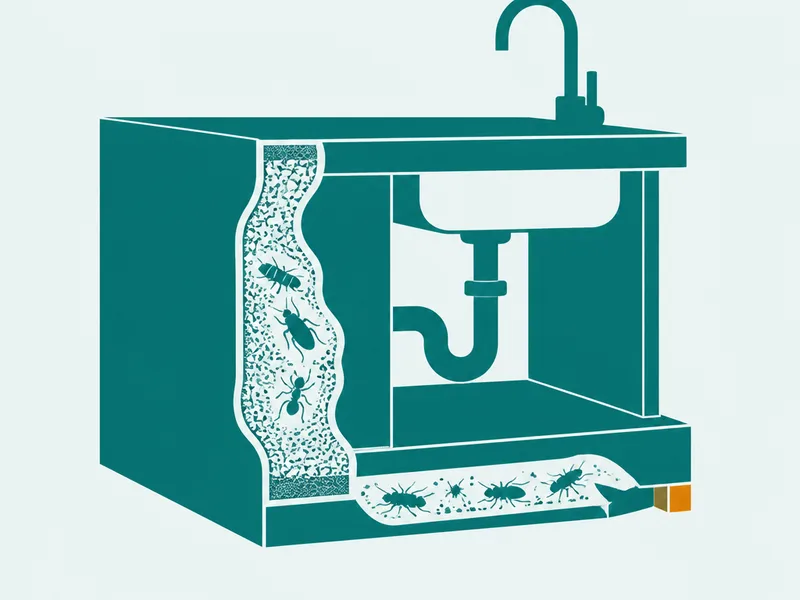
Hygiene inspections target hidden areas
Shops and restaurants in the commercial district provide rich food sources for insects and rodents due to ongoing business operations.
-
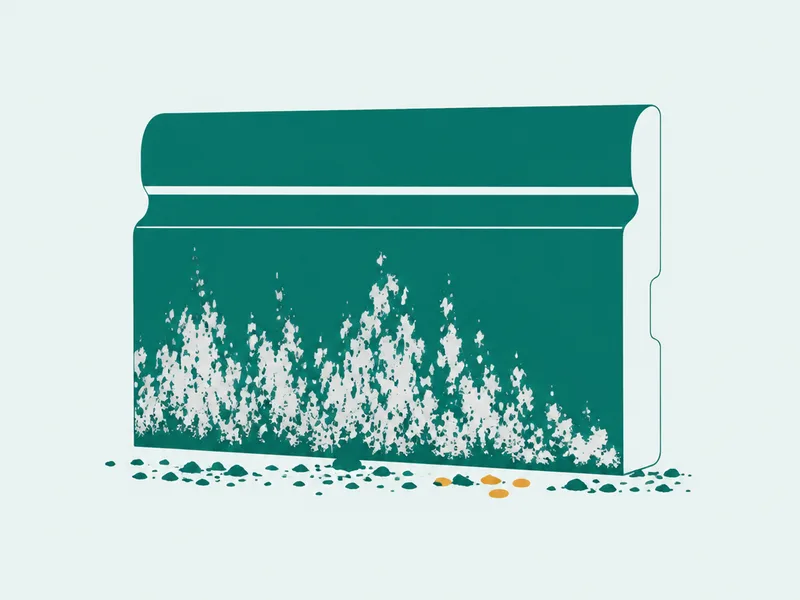
Infestations spread faster than they appear
Basement spaces, shared drains and gaps around pipes provide multiple entry pathways for rodents and crawling insects.
-
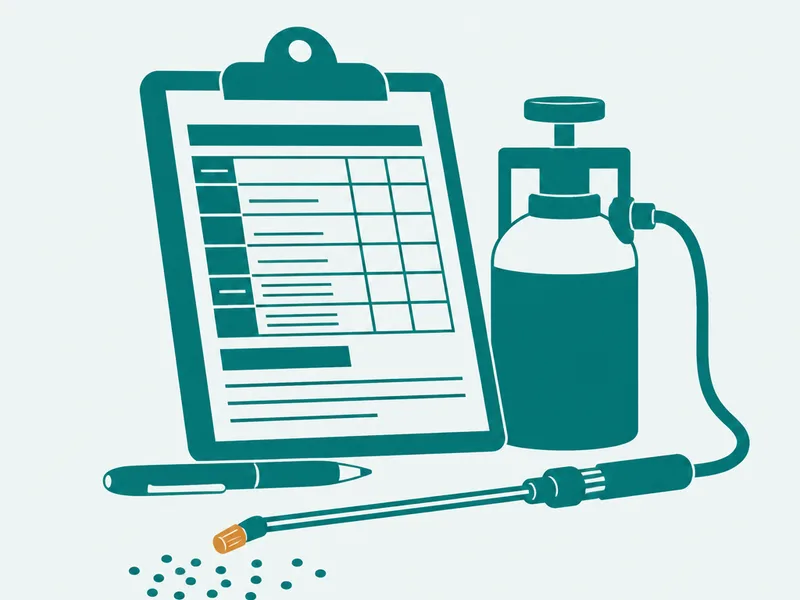
Documented records protect the business
Drain treatment and damp area management reduce existing populations and stop breeding in a dense commercial environment.
-
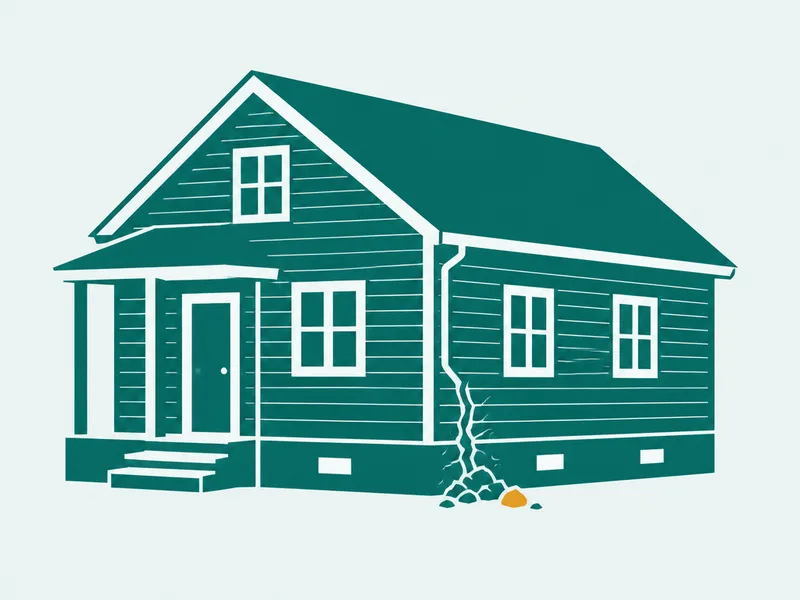
Structural gaps grow if left unaddressed
Regular recurring monitoring tracks new gaps, new food sources and changing moisture levels to ensure insects and rodents do not establish.
What every treatment visit covers
-
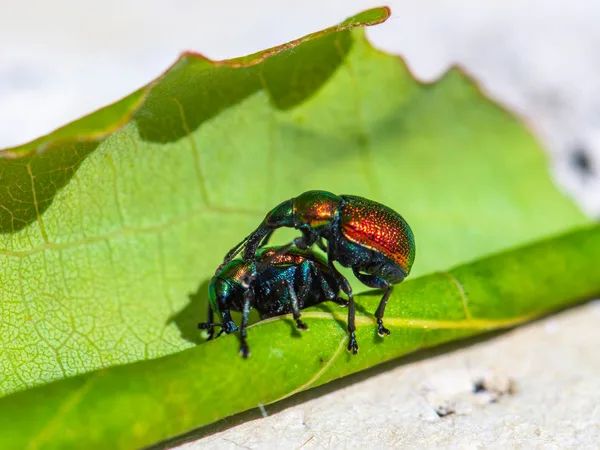
walking site for pest signs
-
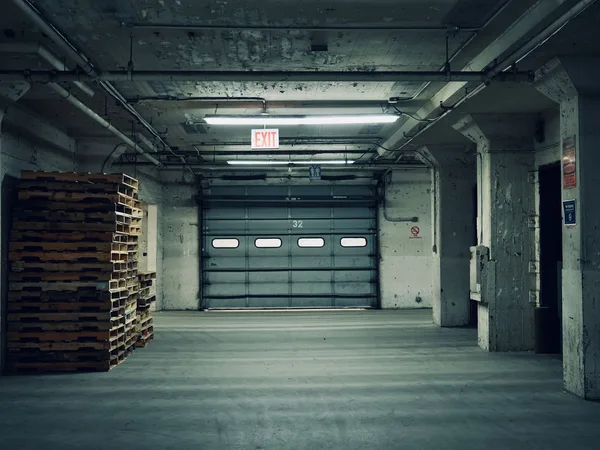
marking pest entry points
-
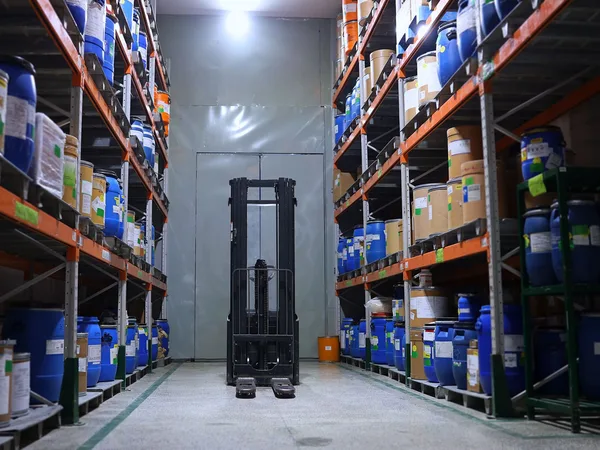
sealing cracks and gaps
-
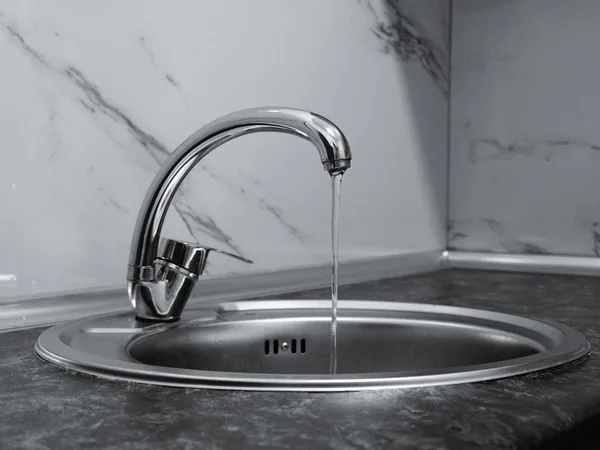
treating drains and sewage lines
-
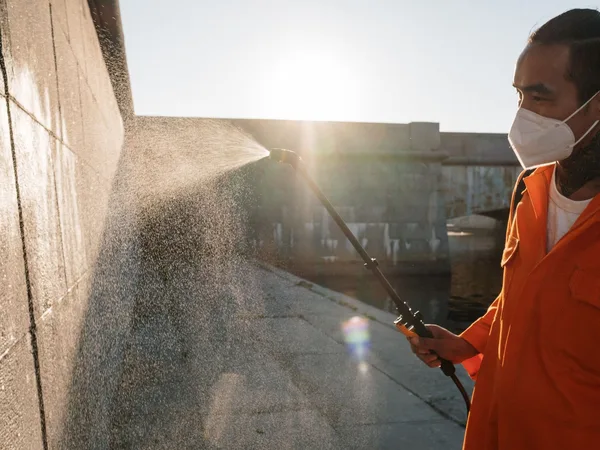
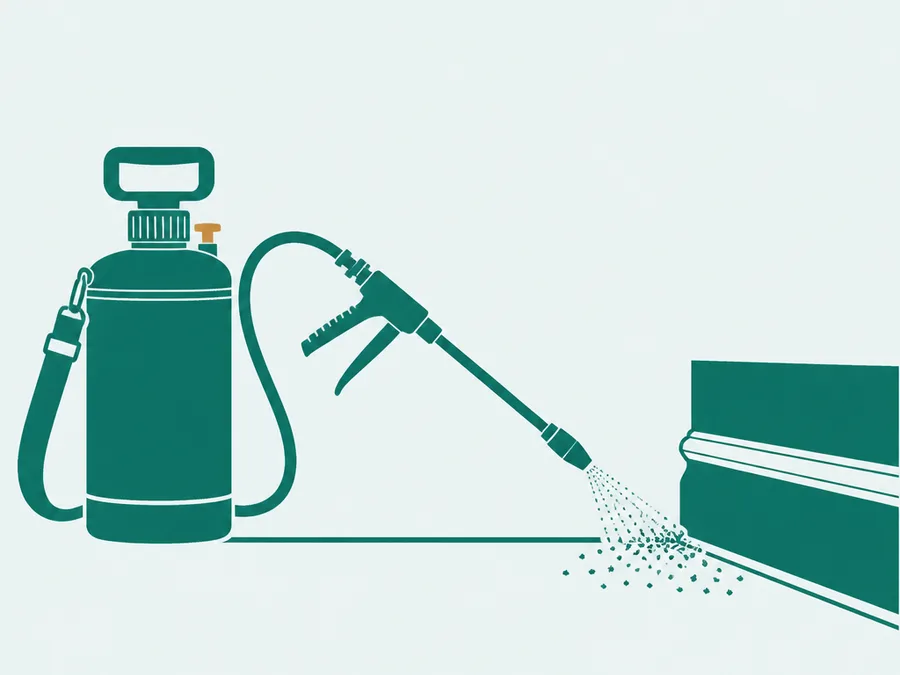
spraying insecticide on targeted areas
-
placing bait stations and traps
-
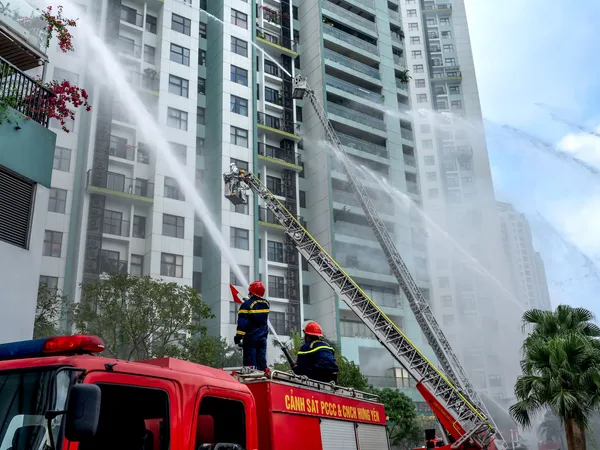
spraying building exterior perimeter
-

logging treated areas before leaving
How a commercial treatment runs from start to finish
-
Site walkthrough and briefing
-
Mapping entry points and activity
-
Treatment, sealing and baiting
-
Log handover and recommendations
What changes about commercial pest control in Al Sharafiyah
Commercial districts with multiple food operations report higher insect and rodent activity than purely residential areas. For the whole method, see commercial pest control in detail.
-
The first reason
Restaurants and food shops are a major insect source
Commercial kitchens and food storage provide food and water for insects and rodents. Drain treatment and management of wet areas around restaurants stops breeding and reduces populations.
-
The second reason
Basement spaces and shared drains provide insect pathways
Basement spaces and shared drains between shops create dark damp habitat for insects and rodents. Thorough inspection identifies gaps and spaces and seals them while treating drains.
-
The third reason
Continuous protection is essential in dense commercial zones
Multiple business operations and constant activity create new opportunities for insects. Regular recurring monitoring identifies new gaps and new food sources and treats them before infestations develop.
The character of Al Sharafiyah
Commercial area: offices, showrooms and small stores
The commercial district in Al Sharafiyah features dense apartment blocks above ground-floor shops, making protection of shared areas, basement spaces and drains critically important.
What the site looks like after treatment

Entry routes identified and closed
Every crack, gap and pipe penetration found during the walkthrough is sealed.
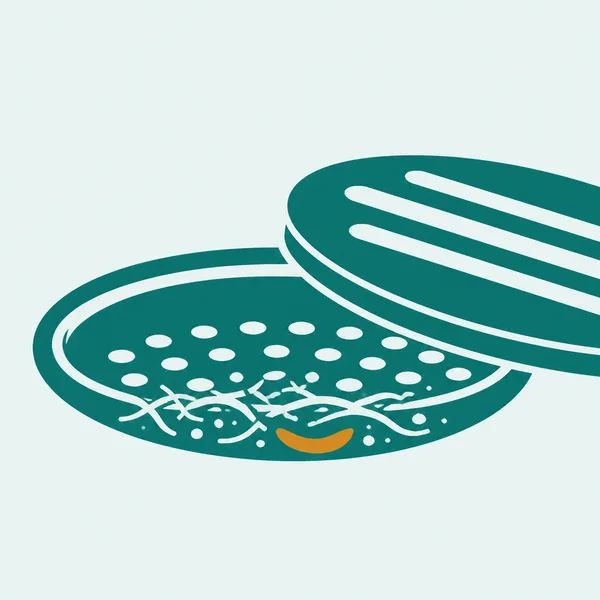
Drain breeding sites disrupted
Cockroaches and flies establish in drain sediment, not on surfaces.

A site log ready for your records
The team records every zone treated, the materials applied and the conditions found.
What our customers said
«شغلهم ما شاء الله، أنصح الجميع بالتعامل معهم. عن تجربة وثقة.»
«أفضل شركة تنظيف بالبخار. أسعارهم ممتازة وشغلهم مرة كويس.»
«خدمة ممتازة.»
«ممتازين.»
Some of our work
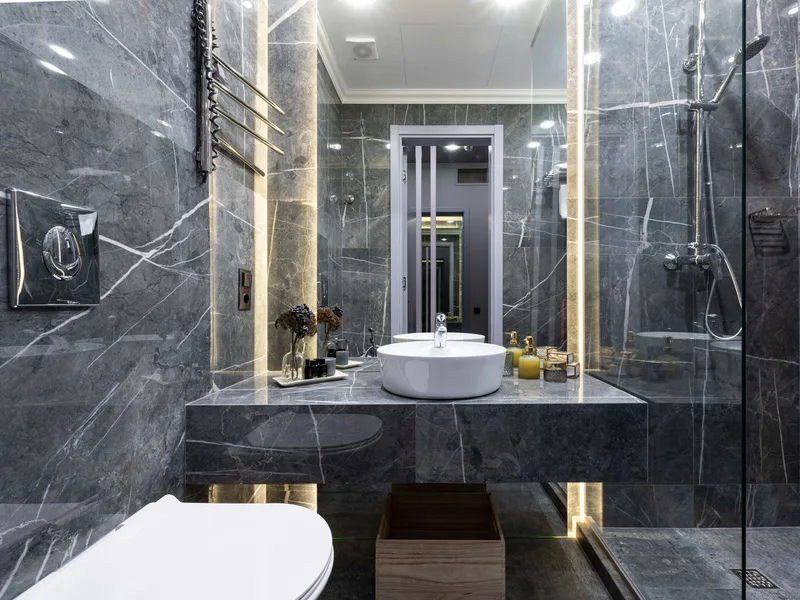
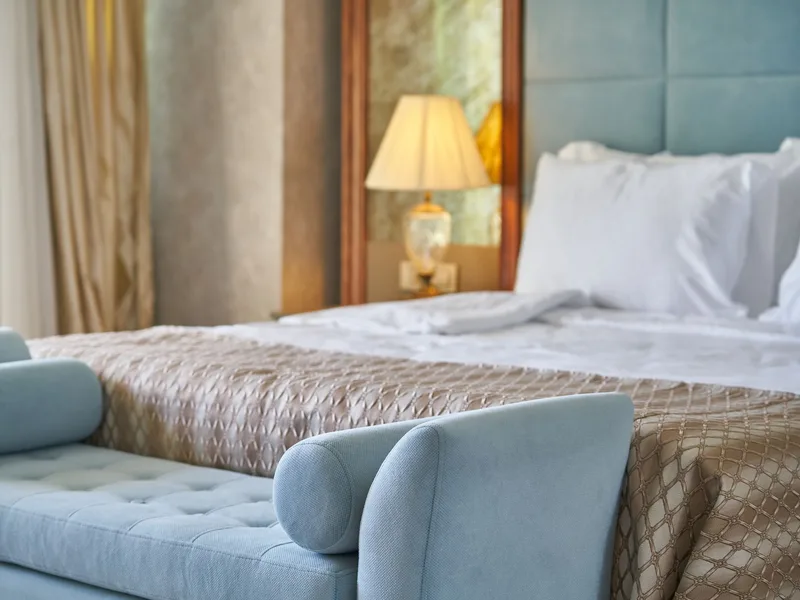
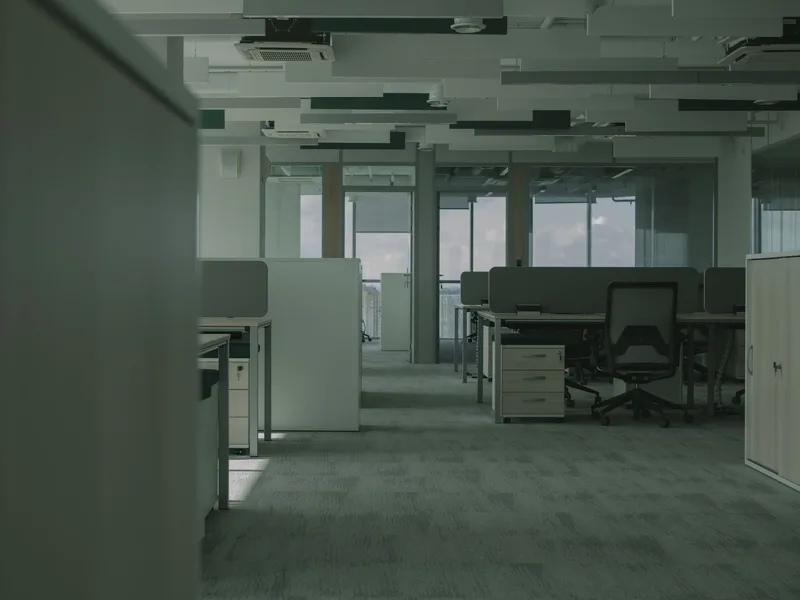
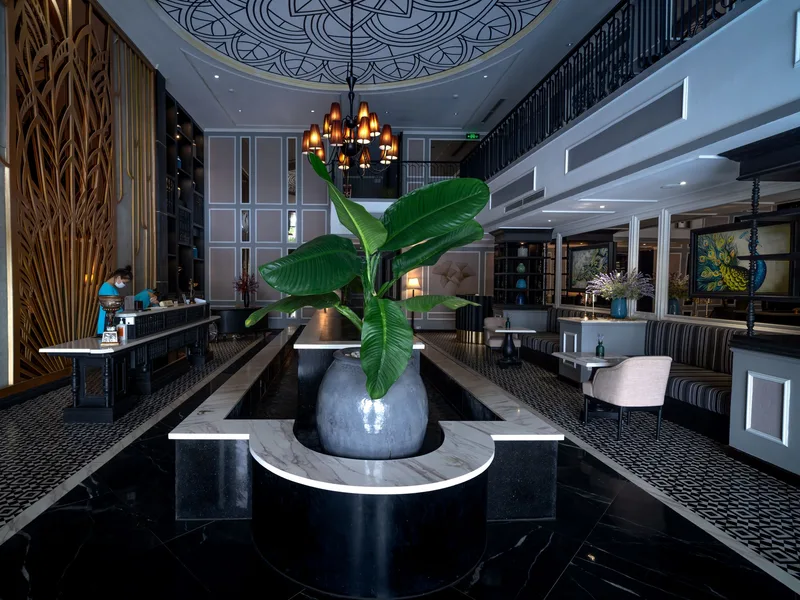
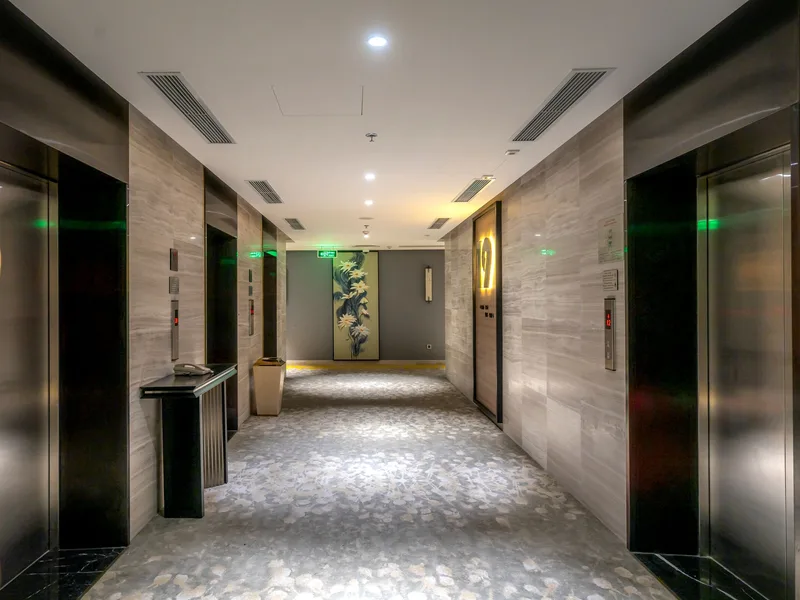
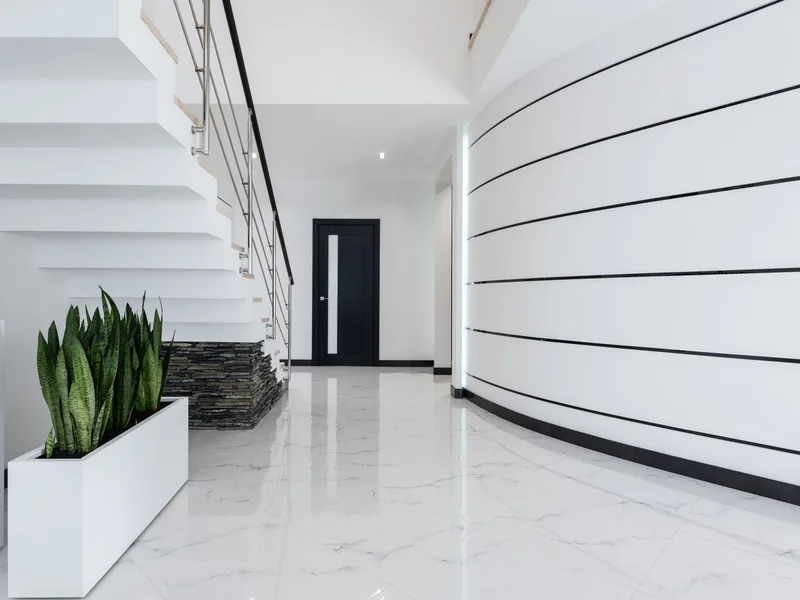
Illustrative photographs. Our own job photographs go here as soon as the client approves them.
Landmarks of Al Sharafiyah
In Al Sharafiyah on King Fahd Road in central Jeddah, the King Saud Mosque, Dr Bakhsh Hospital and a University of Jeddah campus are landmarks in the district. Shops and restaurants line the main road and side streets. The crew knows the locations of shops, restaurants and storerooms and plans treatment according to each site's activity level.
- King Fahd Road
- King Saud Mosque
- Dr Bakhsh Hospital
- Khalid ibn Al Walid Street
- Othman ibn Affan Street
- University of Jeddah (Al Sharafiyah campus)
Nearby districts we cover
Questions worth asking first
Restaurants provide food and water. Rodents and insects enter through basement spaces, shared drains, and gaps around pipes and wires.
No. Kitchen hygiene is necessary but drain treatment, basement space inspection and gap sealing around entrances are equally essential.
Alert the pest control team immediately. A systematic programme identifies entry and breeding sources and treats them. Ongoing monitoring prevents recurrence.
No. Spraying treats only existing insects. A systematic programme seals gaps, treats drains and damp areas and prevents new entry.
Constant foot traffic and repeated opening and closing provide new opportunities for insects. A recurring programme monitors new gaps and new food sources.
No. A systematic programme carries out drain and gap treatment outside business hours. No disruption to commercial operations.
It is set after we see the job, because the price follows the kind of work, the size of the space, its condition and the time and materials it needs. Send a photo and a short description on WhatsApp and we will give you an estimate before we reach Al Sharafiyah.
Not necessarily.
Clear access to drains, under-sink areas, wall junctions and storage rooms before the visit.
Other services in Al Sharafiyah
We also provide these services in Al Sharafiyah.