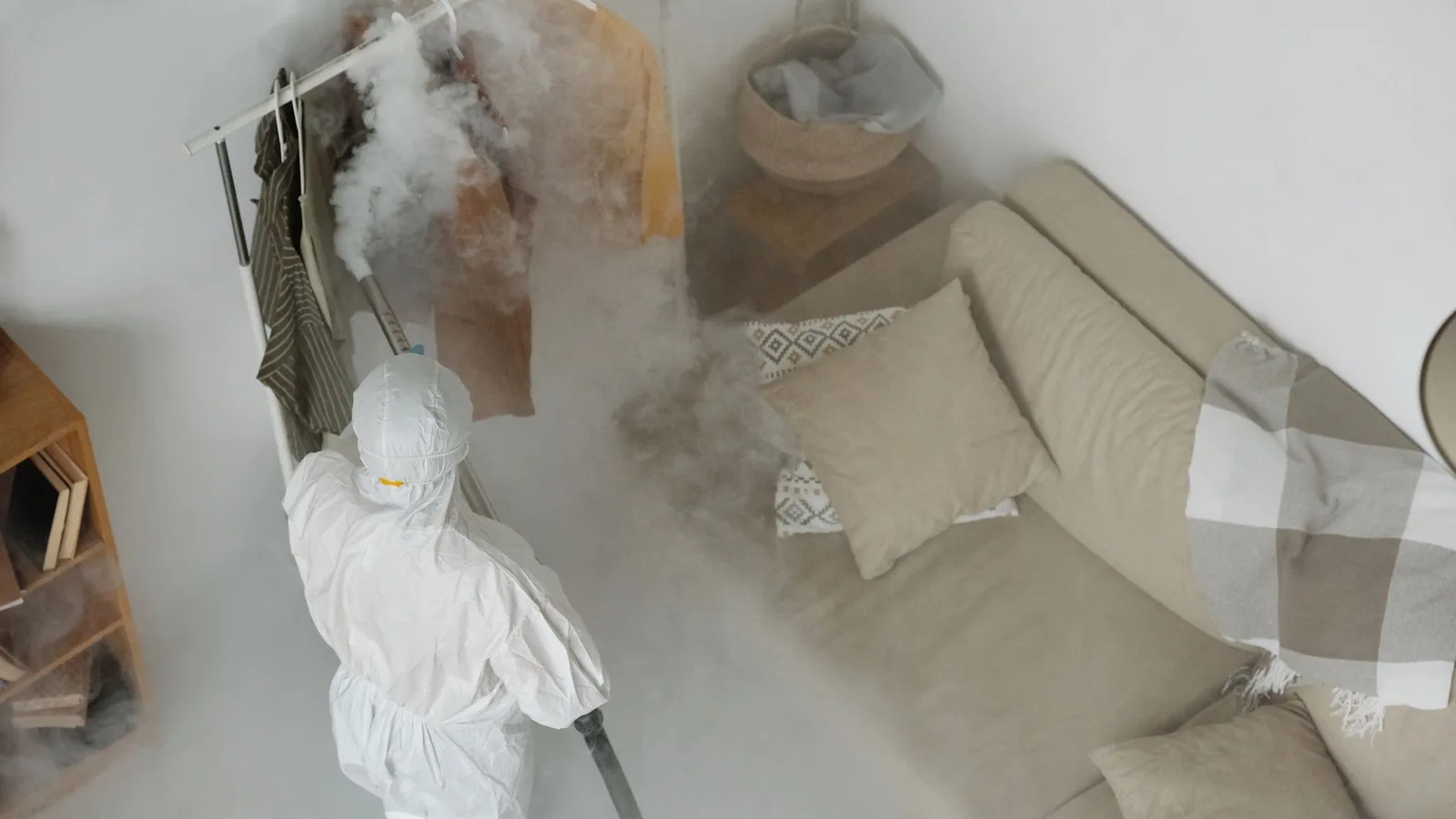
Commercial pest control in Al Rawabi, Jeddah
Al Rawabi is a densely populated south Jeddah district divided by Bin Laden Road into apartment complexes and clustered shopping zones. High density and constant movement between commercial centres, flats and shops means insects transfer easily between units. A comprehensive control programme seals gaps between flats and commercial premises, treats shared drains, and addresses storage and kitchen areas where infestations begin.
- Entry points mapped and sealed
- Drain and sewage lines treated
- Suited to occupied premises
- Written site log on completion
Why pest control fails without a full-site approach
This densely populated residential-commercial district clusters apartments and commercial spaces closely together, and flats sit adjacent to shops, making insect transfer easy.
-
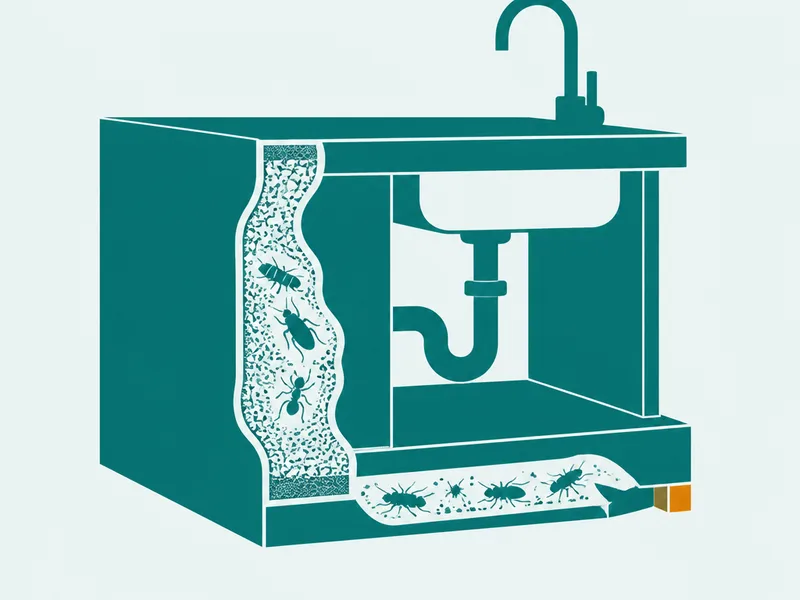
Hygiene inspections target hidden areas
Connected flats and shops provide continuous pathways; inspection identifies and seals every gap and connection before treatment begins.
-
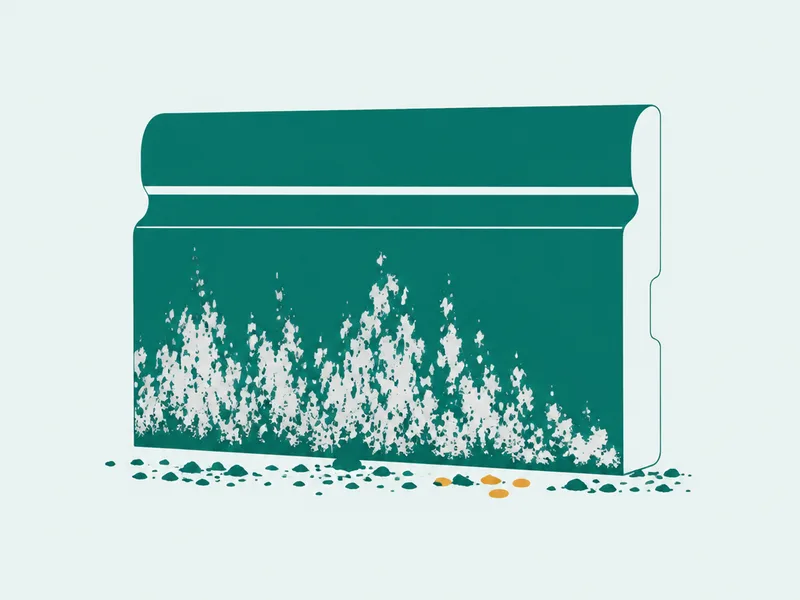
Infestations spread faster than they appear
Shared drains collect waste from restaurants, kitchens and shops; regular treatment removes breeding environment and breaks the infestation cycle.
-
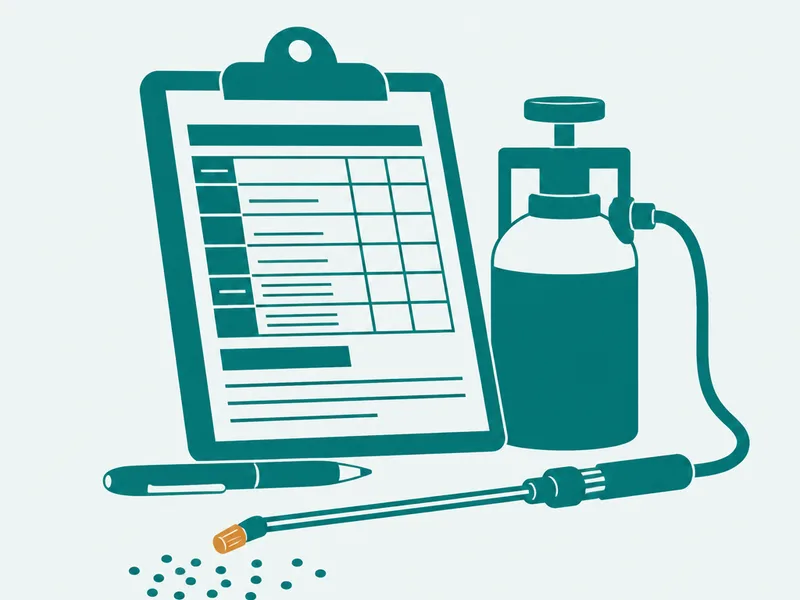
Documented records protect the business
Storage and waste areas in shops and flats are primary attractants; daily management and tight container sealing significantly reduce pest pressure.
-
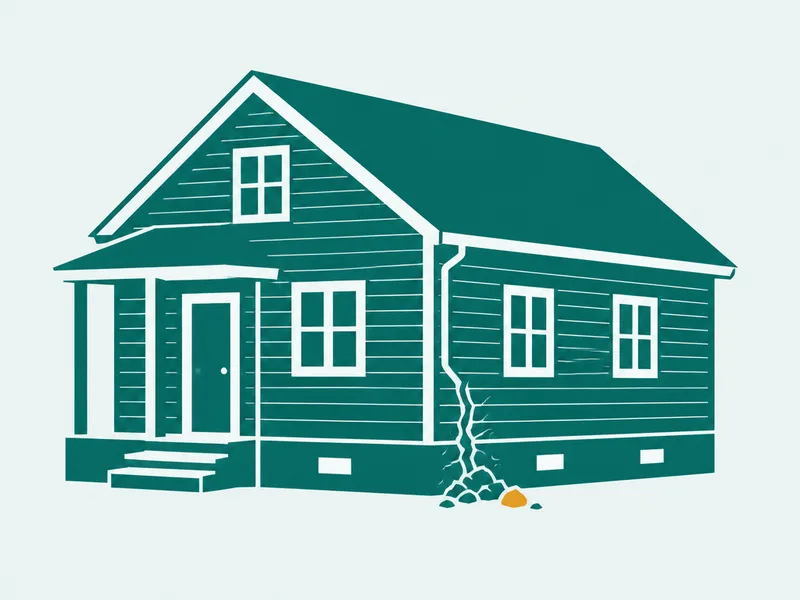
Structural gaps grow if left unaddressed
Continuous monitoring of connected units is necessary because insects move easily between neighbouring flats and commercial premises.
What every treatment visit covers
-
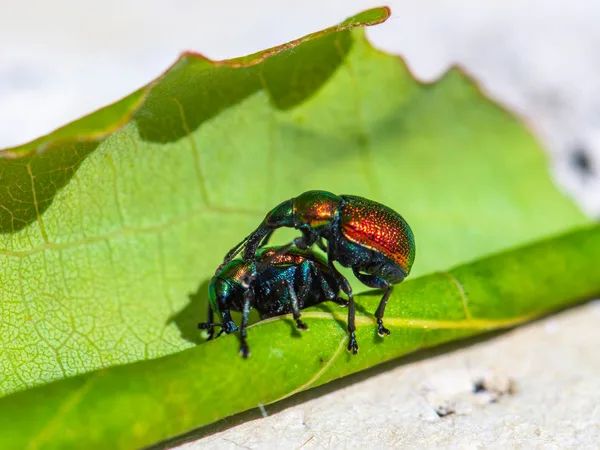
walking site for pest signs
-
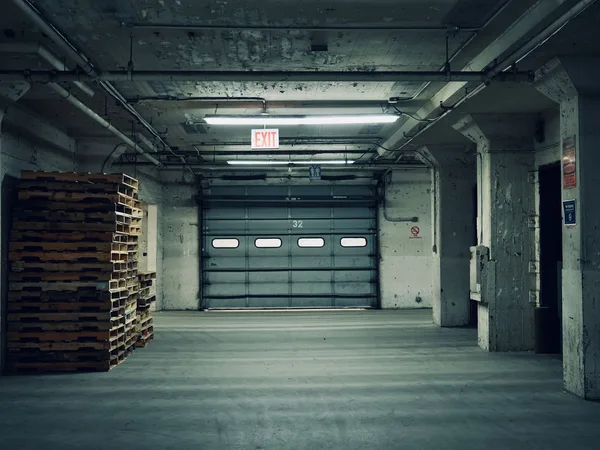
marking pest entry points
-
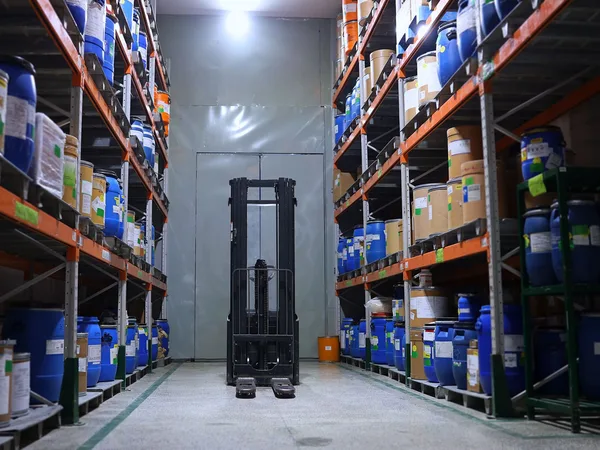
sealing cracks and gaps
-
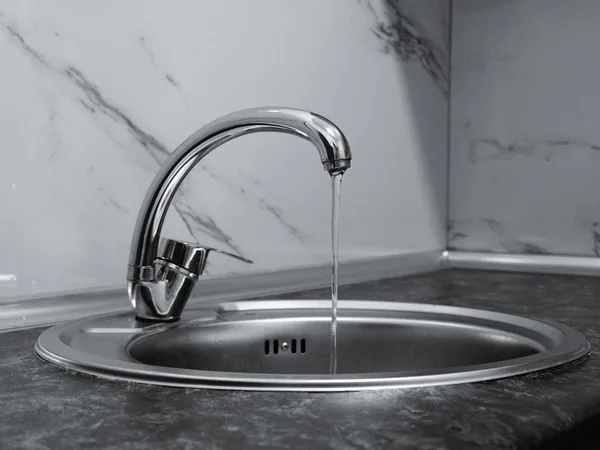
treating drains and sewage lines
-
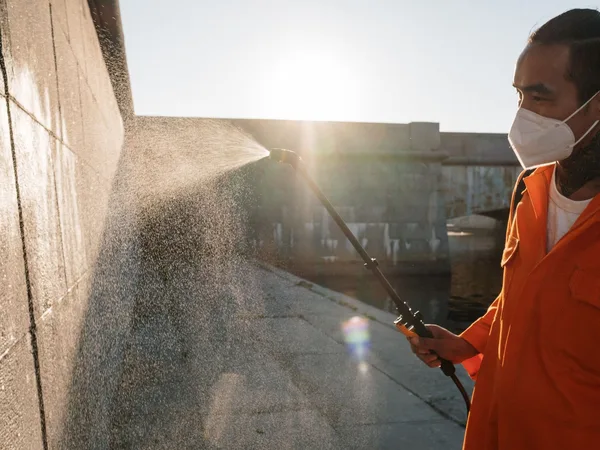
spraying insecticide on targeted areas
-
placing bait stations and traps
-
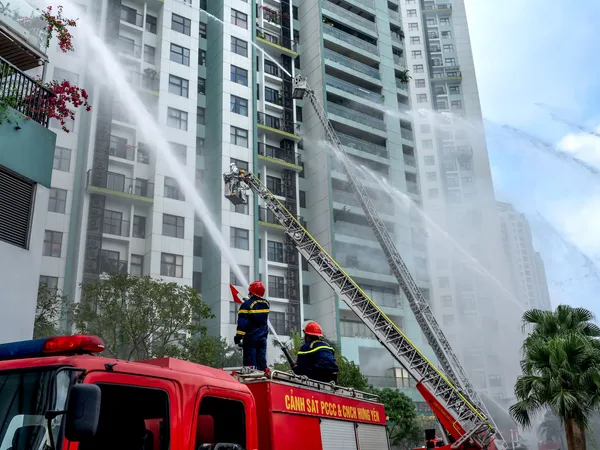
spraying building exterior perimeter
-
logging treated areas before leaving
How a commercial treatment runs from start to finish
-
Site walkthrough and briefing
-
Mapping entry points and activity
-
Treatment, sealing and baiting
-
Log handover and recommendations
What changes about commercial pest control in Al Rawabi
High-density residential areas with clustered food retail frequently experience seasonal infestations that spread rapidly between units. For the whole method, see how we approach commercial pest control.
-
The first reason
Adjacent flats and shops provide direct insect pathways
Shared walls, interconnected pipes and small gaps between flats and commercial premises create continuous highways. Insects from a food shop transfer directly to upper flats. Treatment seals every connection and small gap.
-
The second reason
Shared drains are central breeding grounds
Food shops, restaurants and residential kitchens send continuous waste to shared drains. Slow or blocked drains provide ideal breeding conditions. Regular treatment breaks the infestation cycle at its source.
-
The third reason
Storage and waste areas are the primary attractants
Shops and flats accumulate waste and food debris before collection. Open or slow-emptying bins provide direct food for insects. Waste management and sealed containers significantly reduce attractant factors.
Landmarks of Al Rawabi
In Al Rawabi, between Old Makkah Road and Bin Laden Road, apartment buildings and shops cluster around Al Rawabi Shopping Centre, Bin Laden Park and Ibn Al Qayyim Mosque. The crew plans access based on the unit's location, main entrance and shared drain routes.
- Old Makkah Road
- Bin Laden Road
- Bin Laden Park
- Ibn Al Qayyim Mosque
- Al Rawabi Shopping Centre
What the site looks like after treatment

Entry routes identified and closed
Every crack, gap and pipe penetration found during the walkthrough is sealed.
Drain breeding sites disrupted
Cockroaches and flies establish in drain sediment, not on surfaces.
A site log ready for your records
The team records every zone treated, the materials applied and the conditions found.
What our customers said
«شغلهم ما شاء الله، أنصح الجميع بالتعامل معهم. عن تجربة وثقة.»
«أفضل شركة تنظيف بالبخار. أسعارهم ممتازة وشغلهم مرة كويس.»
«خدمة ممتازة.»
«ممتازين.»
Some of our work
Illustrative photographs. Our own job photographs go here as soon as the client approves them.
What is different about South Jeddah
South Jeddah is the working end of the city: the Islamic Port, the industrial city with its warehouses and workshops, and behind them older low rise districts such as Ghulail and Al Khumrah. The roads are built for lorries, and port and factory traffic runs through the night, so the dust that settles here is grey with diesel and metal filings rather than pale sand. Buildings are mostly older concrete with flat roofs and open stairwells that collect it. Sea humidity keeps it damp, and in summer it sets hard on ledges and cladding.
Nearby districts we cover
Questions worth asking first
Shared walls, pipes and small gaps between shop and flat provide direct routes. Insects move vertically through small gaps and ducts with no protective barrier.
High density and direct connections between units create fast-transfer conditions. Insects from one unit reach dozens of others quickly.
Drains are connected and shared; unified treatment is necessary. If only one drain is treated, insects return from the others.
The programme first seals every gap between shop and flats, then treats the shop, drains and storage separately and safely.
Sealed containers and daily waste removal cut off the primary food source. Good waste management significantly reduces pest pressure.
Connected flats need a unified programme because insects move easily between them. Treating one flat without neighbours will likely fail.
It is set after we see the job, because the price follows the kind of work, the size of the space, its condition and the time and materials it needs. Send a photo and a short description on WhatsApp and we will give you an estimate before we reach Al Rawabi.
Not necessarily.
Clear access to drains, under-sink areas, wall junctions and storage rooms before the visit.
Other services in Al Rawabi
We also provide these services in Al Rawabi.