
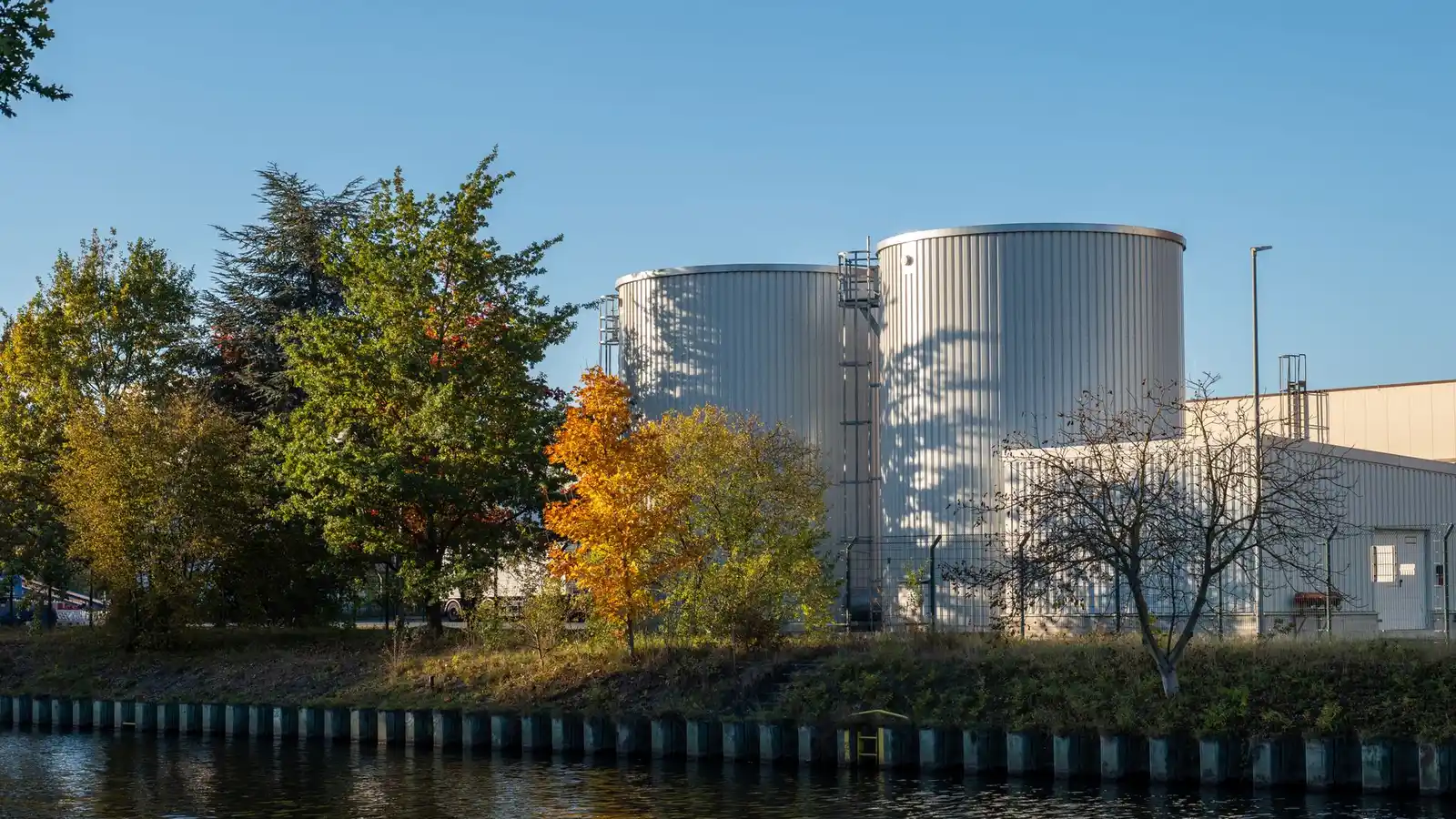
Water tank waterproofing in Al Sahel, Jeddah
Al Sahel sits on the Red Sea coast where high humidity and salty air attack the tank throughout the year. The tank's inner walls face constant sea moisture and salt-laden air that seeps in and accumulates, speeding deterioration and leaks far faster than inland districts experience.
- Interior surfaces fully sealed
- Food-safe coating materials
- Cracks and gaps filled first
- Inspected before handover
Why tank waterproofing protects your water supply
The location near Al Saif Corniche and Jeddah Islamic Port means persistent sea humidity and salt-saturated air affecting the tank throughout the calendar year without seasonal relief.
-
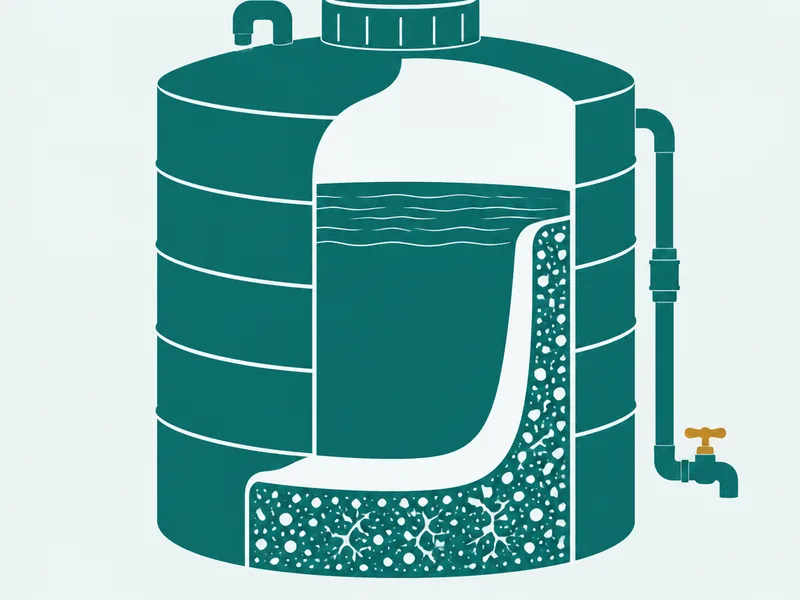
Seal before a leak develops
In this coastal location, salt and humidity penetrate concrete faster, so closing fine cracks becomes urgent before damage spreads and reaches the structural steel beneath.
-
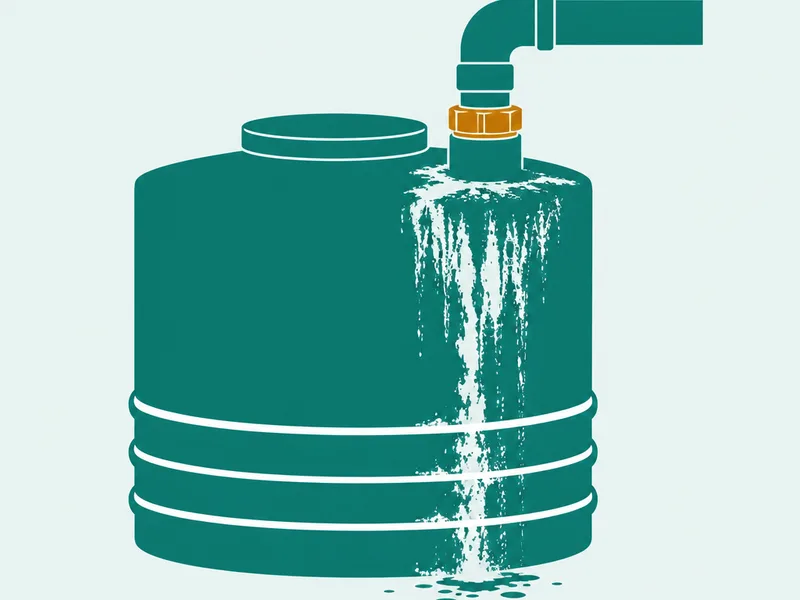
Repair an existing slow drip
Persistent sea humidity slows tank drying after cleaning, and waterproofing must be applied to a completely dry surface or the seal will not bond properly to the walls.
-
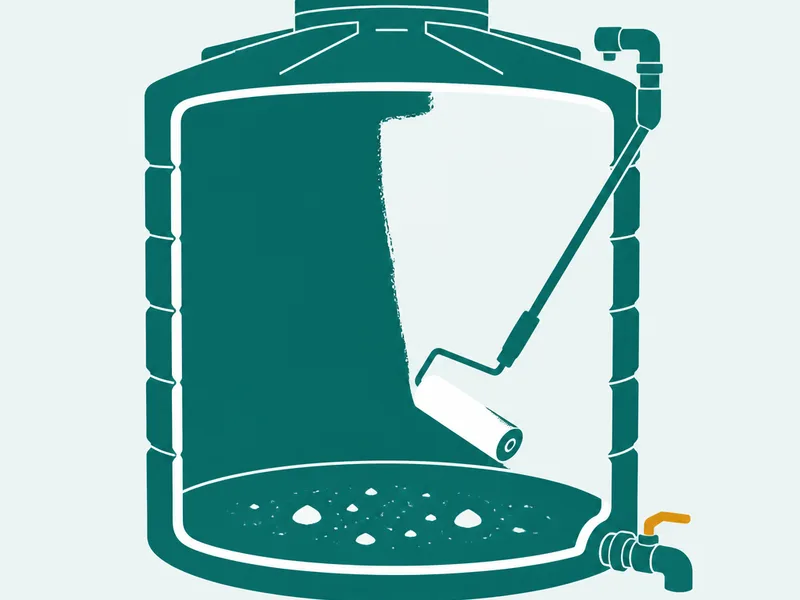
Keep drinking water free of debris
Salt clouds the water and makes it unfit to drink, and waterproofing stops new salt entering while keeping the water supply clean and safe throughout the year.
-
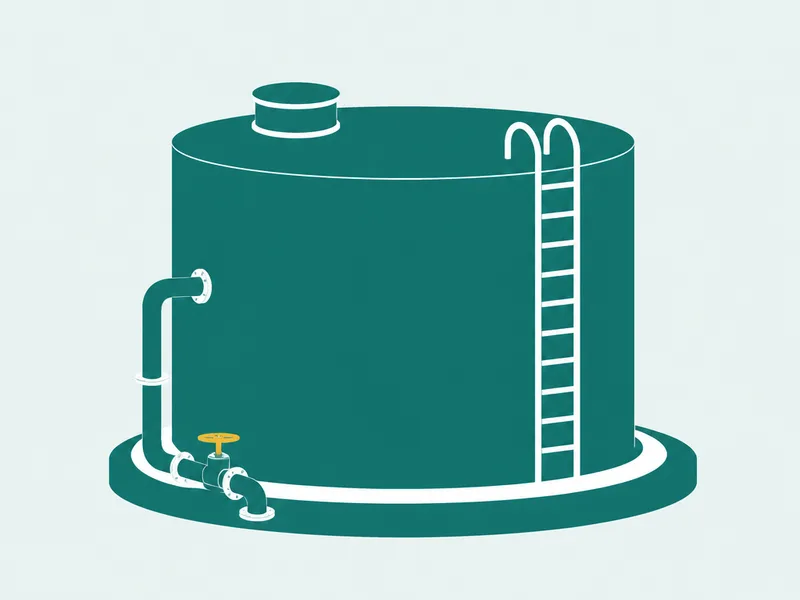
Reduce maintenance over time
Coastal tanks need more frequent inspection and maintenance, but a strong waterproofing seal cuts the need for repeat cleaning and repairs during the years ahead.
Everything included in the service
-
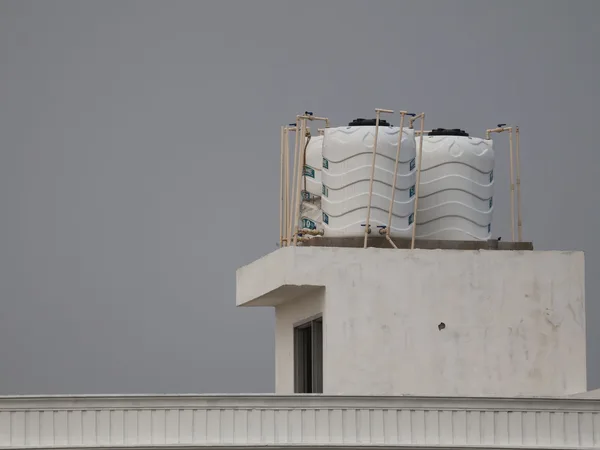
Tank drained of water
-
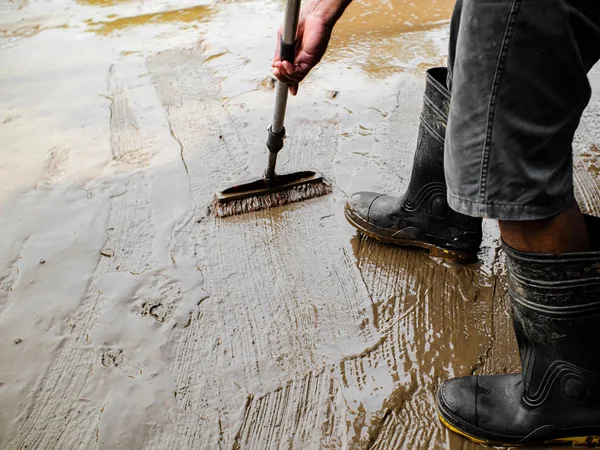
Walls scrubbed with brush
-
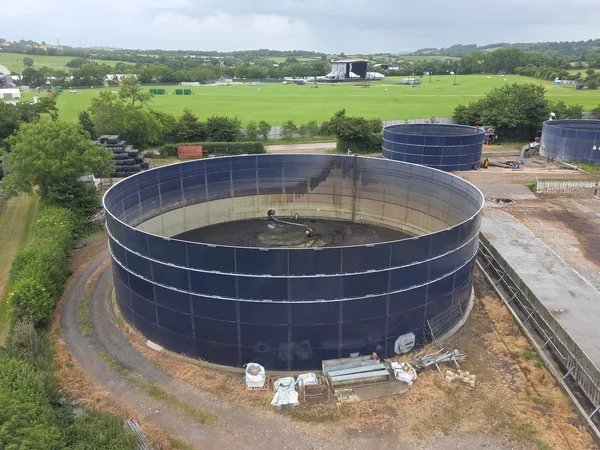
Surfaces dried before coating
-
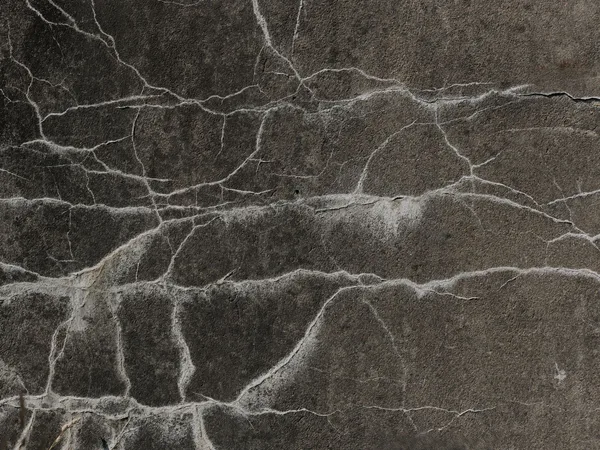
Cracks and gaps sealed
-
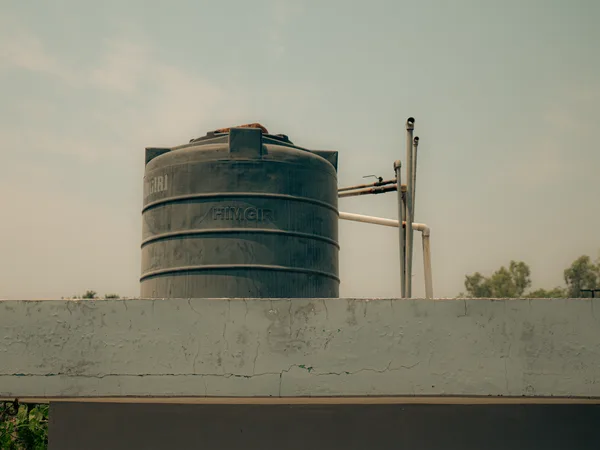
Primer coat brushed on
-

Waterproofing coat brushed on
-
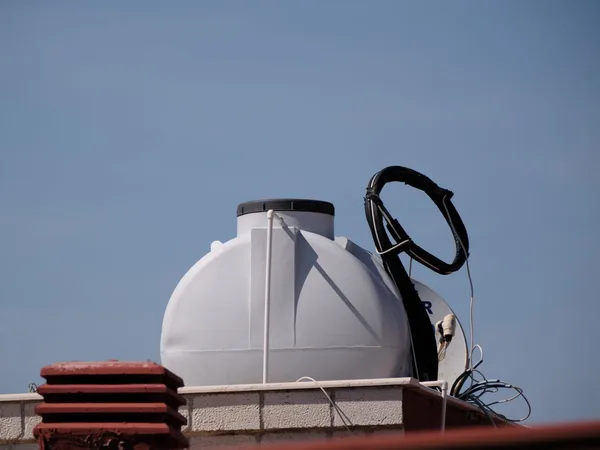
Second coat applied over first
-
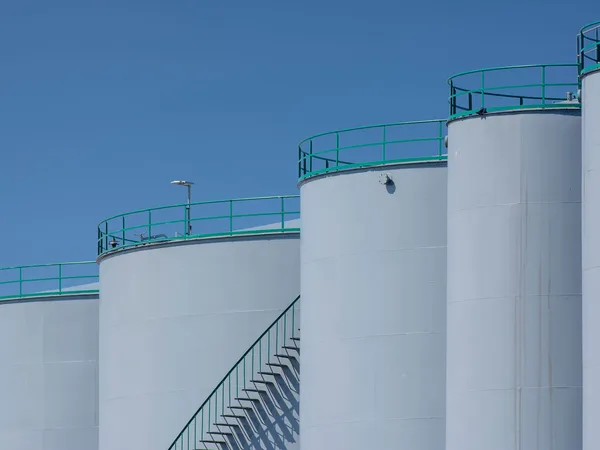
Coating inspected before leaving
How the waterproofing job is carried out
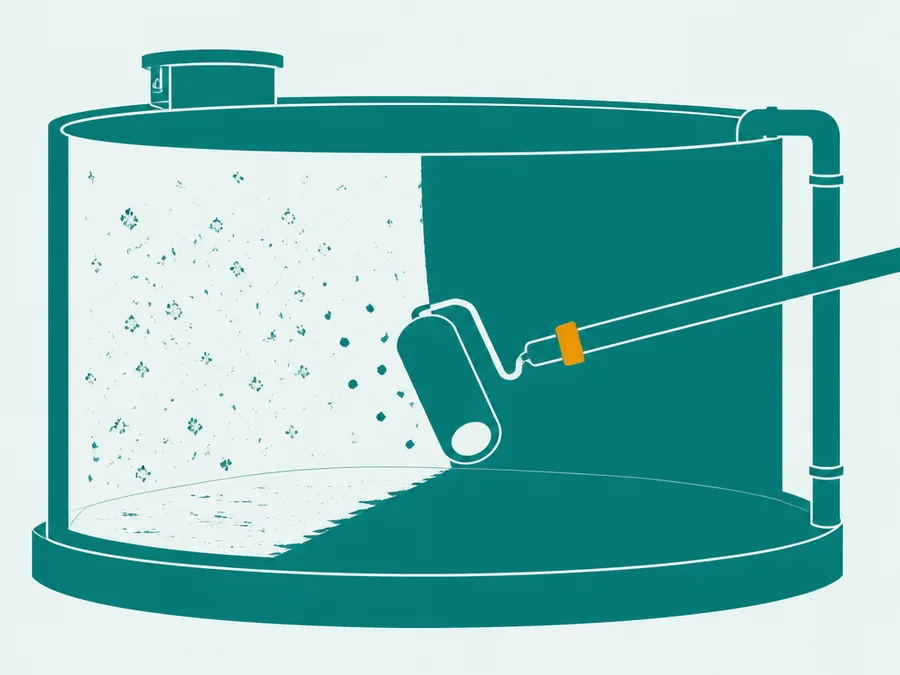
-
Booking and access arrangement
-
Draining, cleaning, and drying
-
Sealing and coating
-
Inspection and handover
What changes about water tank waterproofing in Al Sahel
Tanks here face moisture pressure far stronger than inland areas, and salt deposits build up on walls rapidly even during the dry season when other districts see minimal change. For the whole method, see the full water tank waterproofing page.
-
The first reason
Salt and humidity accelerate concrete breakdown
Salty air from the sea penetrates concrete pores and exposed metals, while constant high humidity prevents the natural drying that slows damage elsewhere. The result is leaking years sooner and interior corrosion that inland tanks do not experience at the same rate.
-
The second reason
Salt crust forms on the interior walls
When salty water evaporates inside the tank, it leaves white salt deposits coating the walls. This makes the water taste brackish and appear cloudy. Waterproofing stops new salt from entering and keeps the water clean and clear.
-
The third reason
Protection from sea winds and salt spray
Coastal winds carry salt spray that settles on roof surfaces and openings, and waterproofing protects the tank from salt entering through fine cracks and gaps in the walls and lid that sea mist would otherwise penetrate.
The character of Al Sahel
Coastal area: high humidity and salt air through the year
Constant high humidity and salty air mean the tank walls need robust waterproofing protection. Salt deposits build rapidly on wet concrete surfaces, and waterproofing stops that accumulation and preserves drinking water that remains clean and safe.
What the tank looks like after
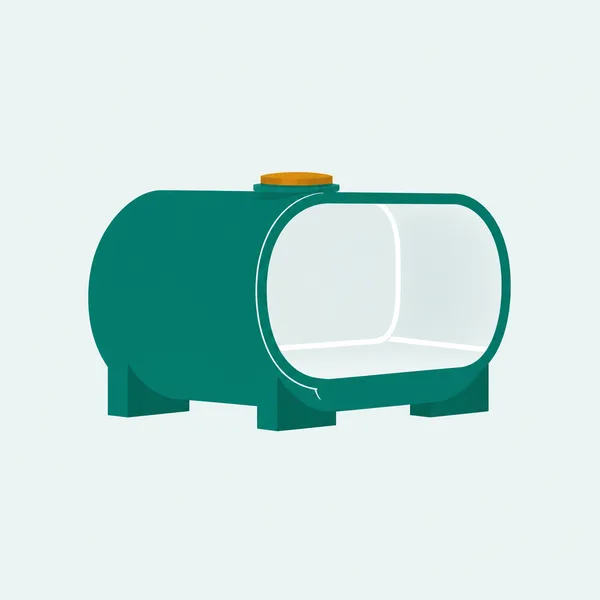
A sealed, smooth interior surface
The coating bonds to the concrete or fibreglass and fills any hairline cracks that were present.
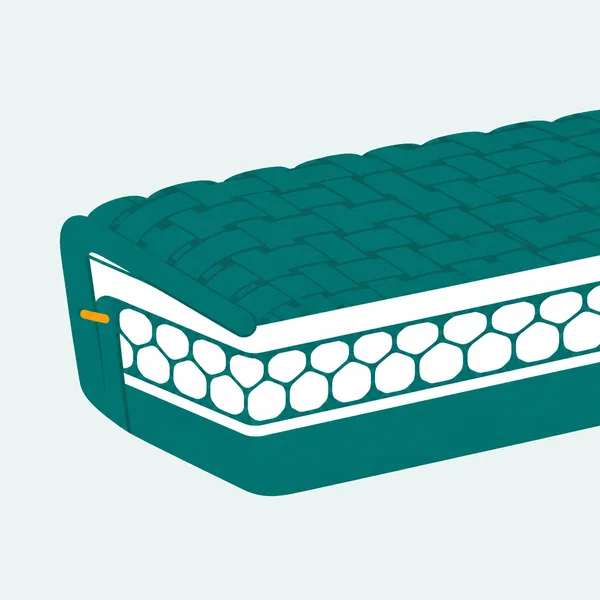
No active leaks or seeping
Gaps that were allowing water to seep through the walls or base are filled and covered.
Food-safe lining throughout
Every applied material is rated safe for contact with drinking water.
What our customers said
«شغلهم ما شاء الله، أنصح الجميع بالتعامل معهم. عن تجربة وثقة.»
«أفضل شركة تنظيف بالبخار. أسعارهم ممتازة وشغلهم مرة كويس.»
«خدمة ممتازة.»
«ممتازين.»
Some of our work
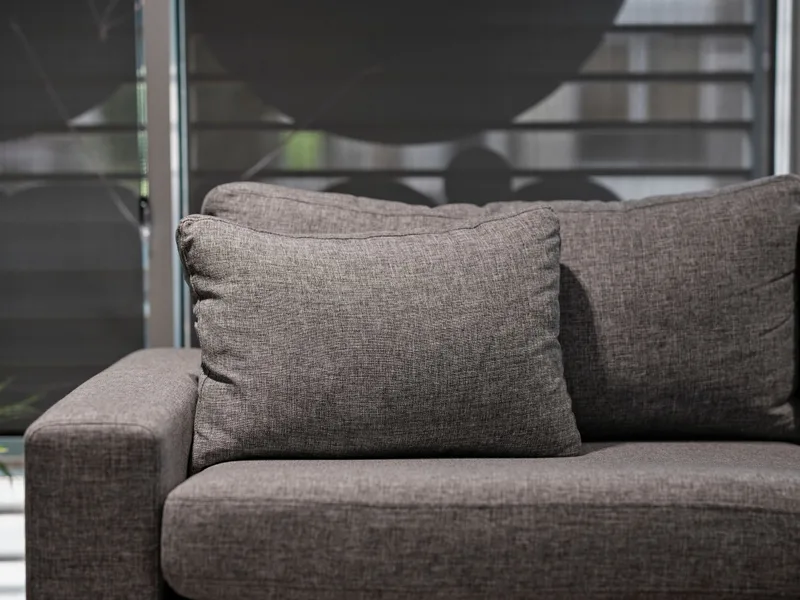
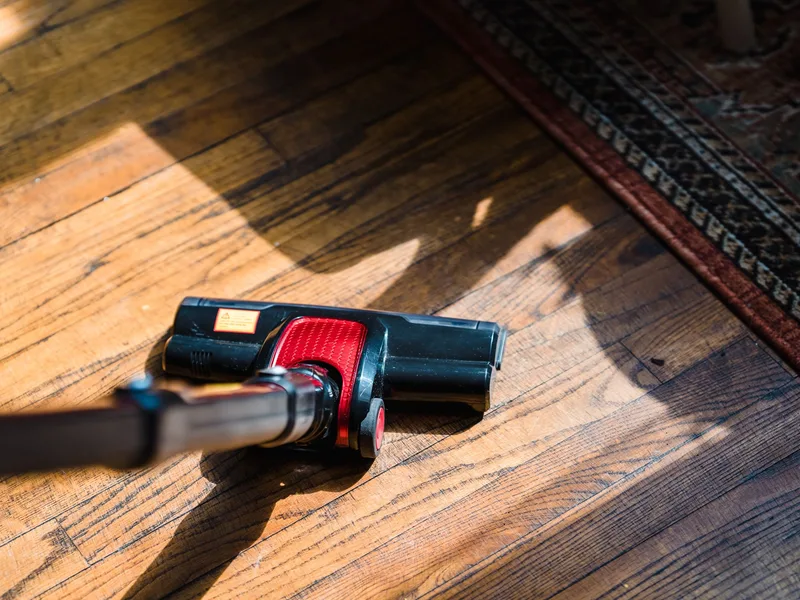
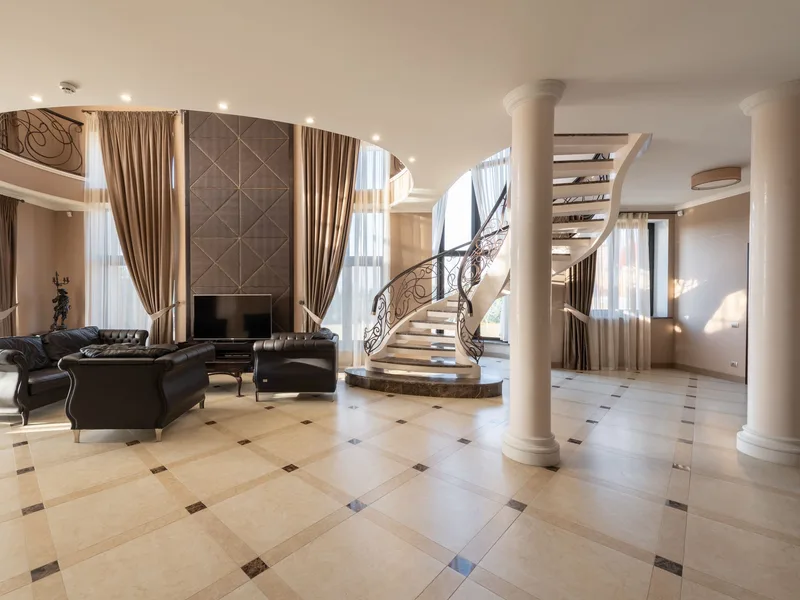
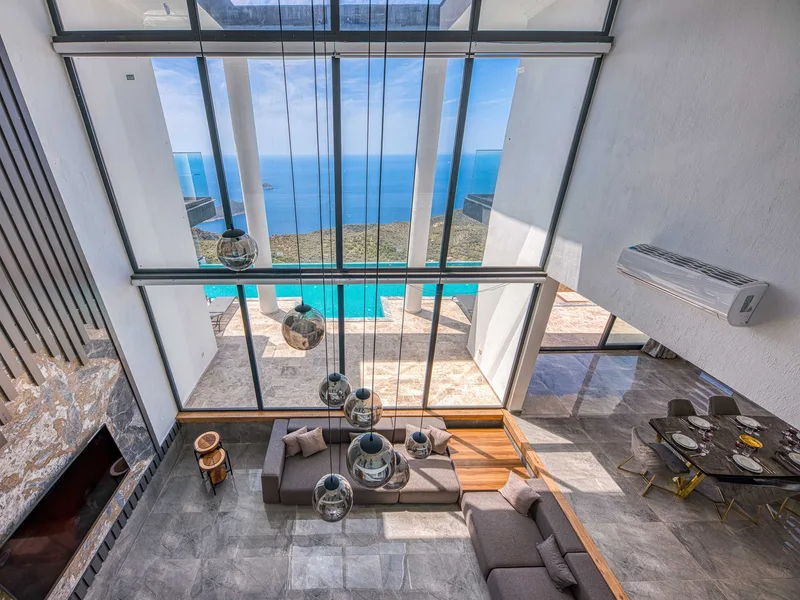
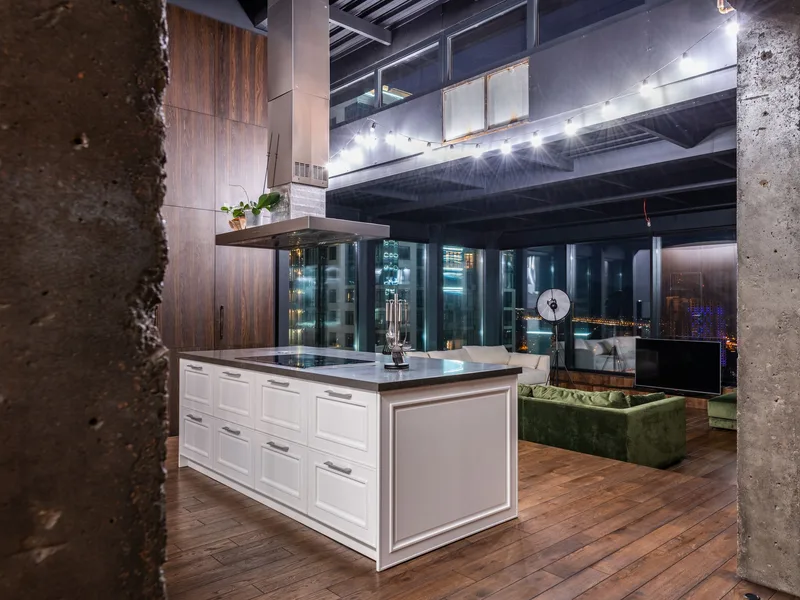
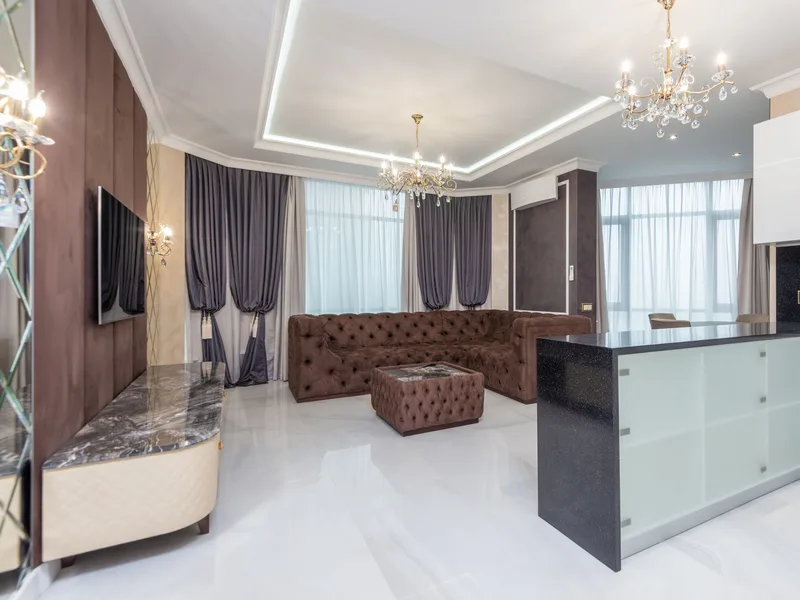
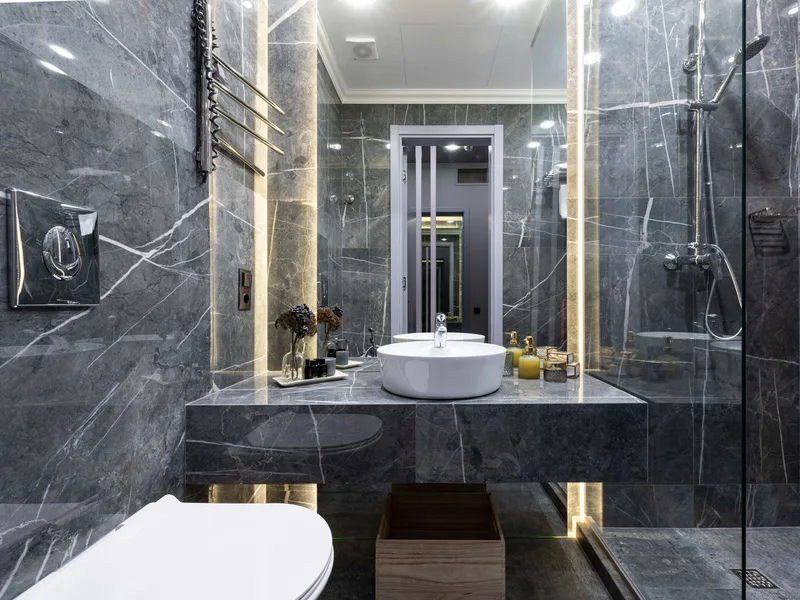

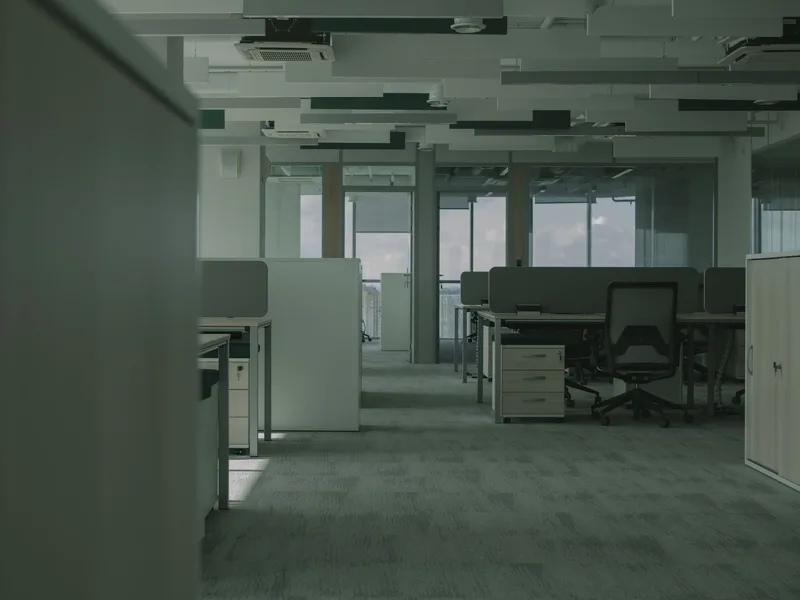
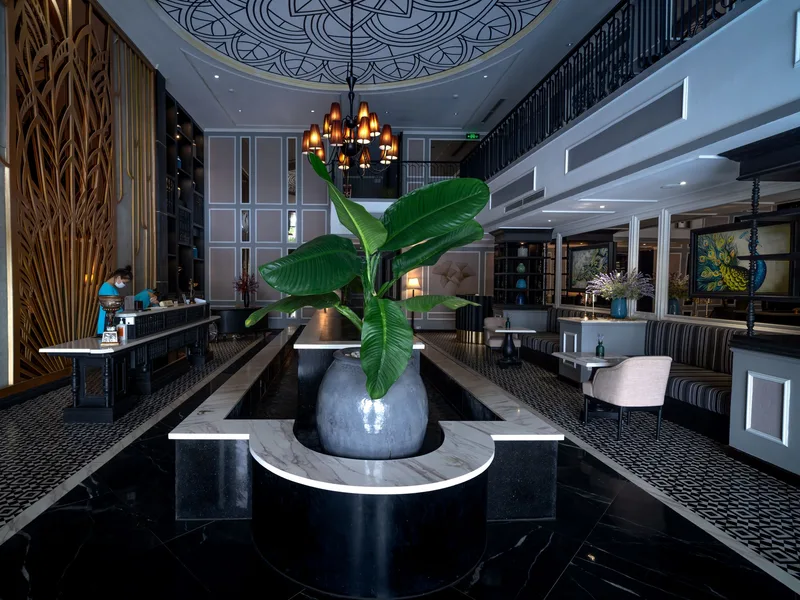
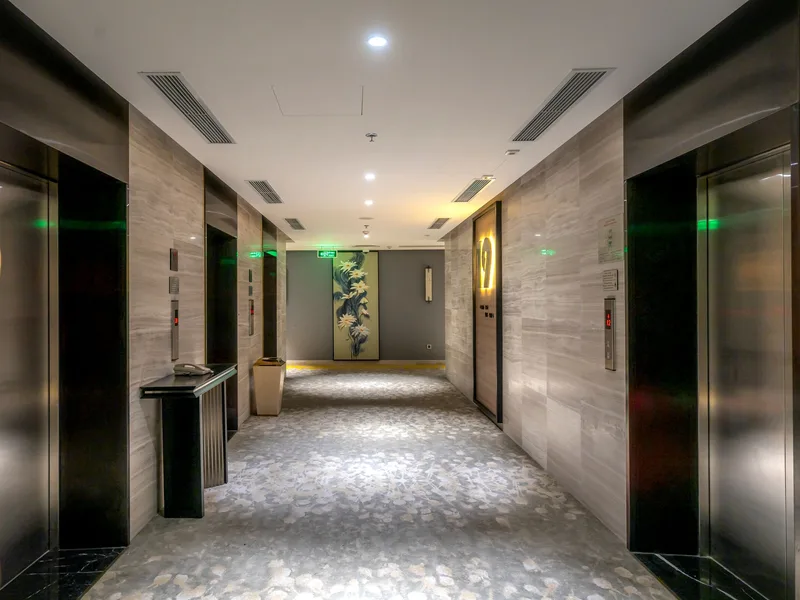
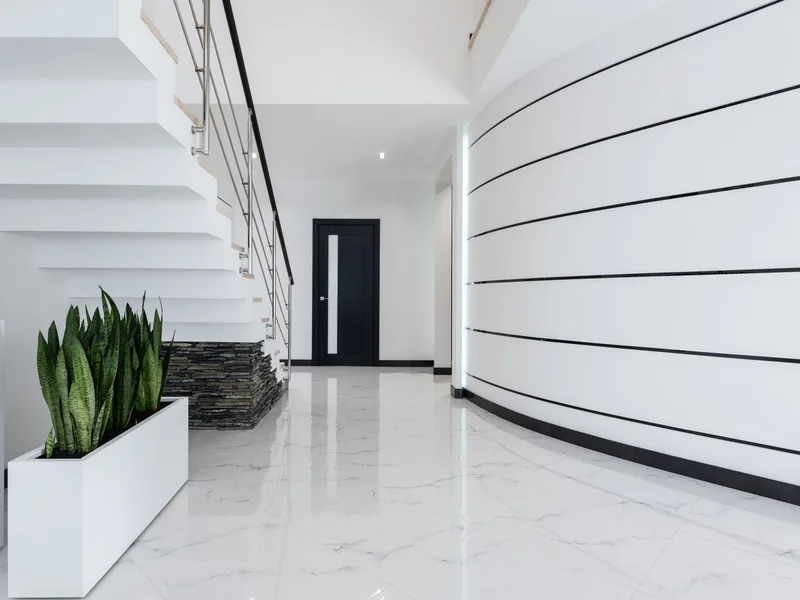
Illustrative photographs. Our own job photographs go here as soon as the client approves them.
What is different about South Jeddah
South Jeddah is the working end of the city: the Islamic Port, the industrial city with its warehouses and workshops, and behind them older low rise districts such as Ghulail and Al Khumrah. The roads are built for lorries, and port and factory traffic runs through the night, so the dust that settles here is grey with diesel and metal filings rather than pale sand. Buildings are mostly older concrete with flat roofs and open stairwells that collect it. Sea humidity keeps it damp, and in summer it sets hard on ledges and cladding.
Nearby districts we cover
Questions worth asking first
Salt enters mainly from the air through fine cracks and gaps in the tank walls and lid. Coastal winds carry salt spray year round, and the high humidity accelerates salt penetration. Groundwater does not reach the tank unless the building foundation is severely damaged.
Inland tanks need annual inspection, but here in Al Sahel we recommend inspection every six months to ensure the waterproofing coat continues to shield the walls from constant salt and moisture exposure.
Yes, but after waterproofing the openings and lid must be checked regularly, as strong winds can stress seals if they are not perfectly tight. A well-sealed tank resists salt air even under direct wind exposure.
Algae grows from high humidity and sunlight, not directly from salt. However, algae is a sign the tank walls are unprotected, and salt may well be present alongside it and entering at the same rate.
Yes, waterproofing blocks salt entry through cracks. Water that is already salty requires drainage and cleaning before sealing, and after that, fresh water stays salt free from new deposits.
Properly applied waterproofing resists high humidity for years, but regular inspection matters more here than inland. Humidity does not degrade the seal if it is tight and installed correctly on a completely dry surface.
It is set after we see the job, because the price follows the kind of work, the size of the space, its condition and the time and materials it needs. Send a photo and a short description on WhatsApp and we will give you an estimate before we reach Al Sahel.
The duration depends on the tank size and how long the interior needs to dry before coating.
No special preparation is needed on the household's side.
Other services in Al Sahel
We also provide these services in Al Sahel.
-
 Water tank cleaning and sterilising in Al Sahel
-
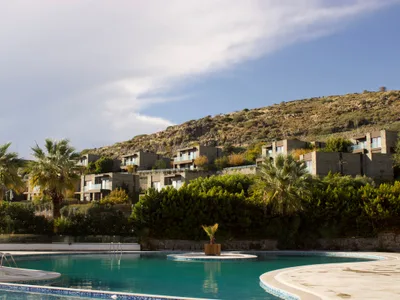 Swimming pool cleaning in Al Sahel
-
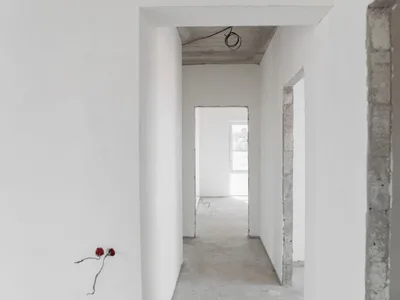 Post-construction cleaning in Al Sahel
-
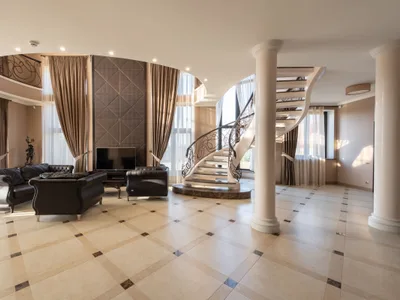 Villa cleaning in Al Sahel
-
 Sofa cleaning in Al Sahel
-
 Carpet and rug cleaning in Al Sahel
-
 Mattress cleaning in Al Sahel
-
 Curtain cleaning in Al Sahel
-
 House cleaning in Al Sahel
-
 Apartment cleaning in Al Sahel
-
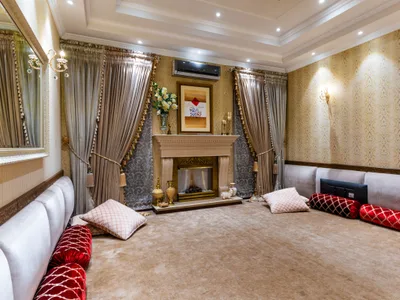 Majlis and rest-house cleaning in Al Sahel
-
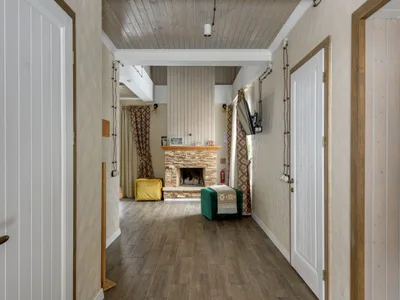 Chalet cleaning in Al Sahel
-
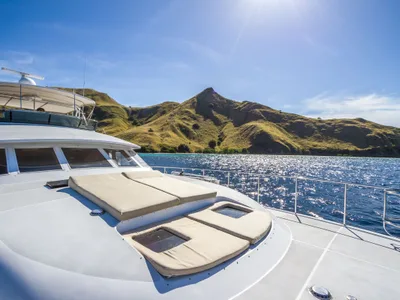 Yacht cleaning in Al Sahel
-
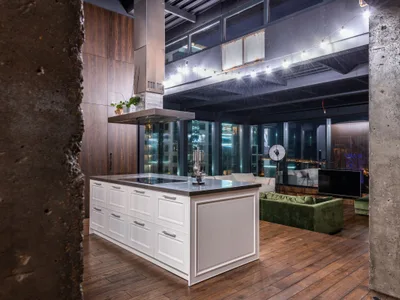 Kitchen cleaning in Al Sahel
-
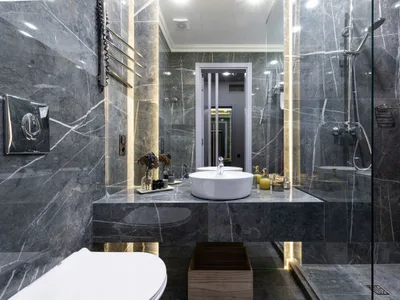 Bathroom cleaning in Al Sahel
-
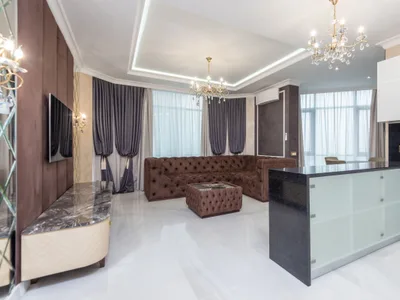 Chandelier cleaning in Al Sahel
-
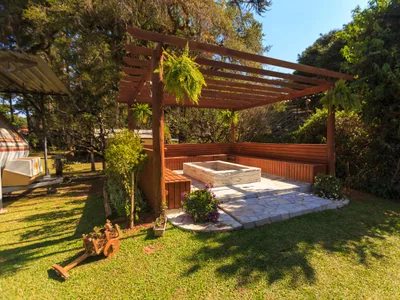 Garden clearance in Al Sahel
-
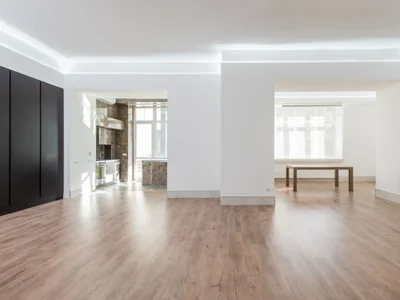 Full deep clean in Al Sahel
-
 Move in and move out cleaning in Al Sahel
-
 Disinfection and sanitising in Al Sahel
-
 Pest control in Al Sahel
-
 Bed bug treatment
-
 Office cleaning
-
 Restaurant cleaning
-
 Hotel and resort cleaning
-
 Shopping centre cleaning
-
 Retail cleaning
-
 School cleaning
-
 Nursery and kindergarten cleaning
-
 Hospital cleaning
-
 Clinic and health-centre cleaning
-
 Mosque cleaning
-
 Government facility cleaning
-
 Gym cleaning
-
 Sports ground cleaning
-
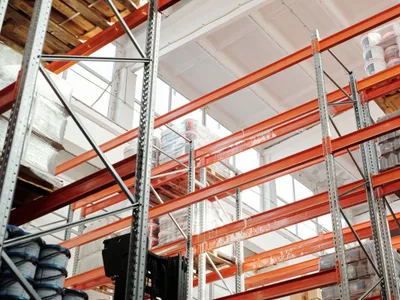 Factory and warehouse cleaning
-
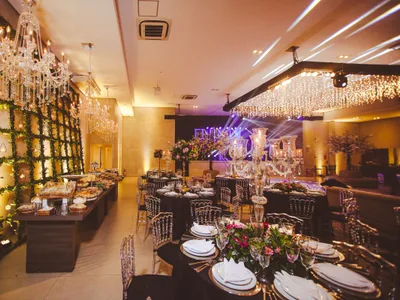 Event cleaning
-
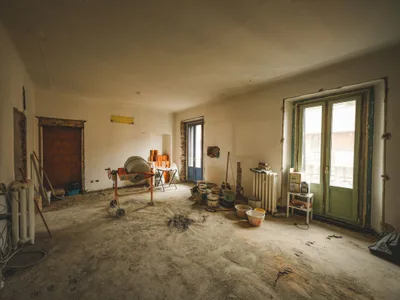 Commercial post-construction cleaning
-
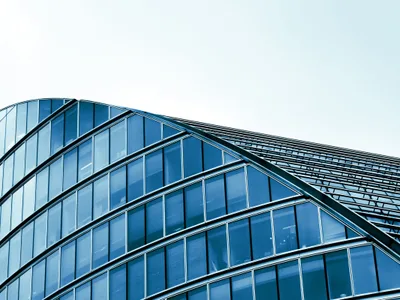 Building facade cleaning
-
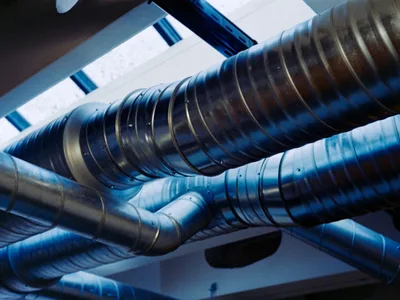 Air duct and HVAC cleaning
-
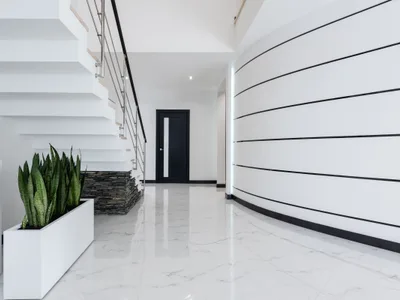 Marble grinding and crystal polishing
-
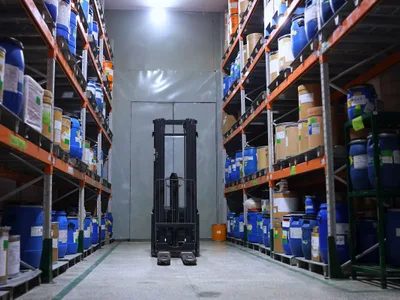 Commercial pest control