Water tank cleaning and sterilising in Al Sahel, Jeddah
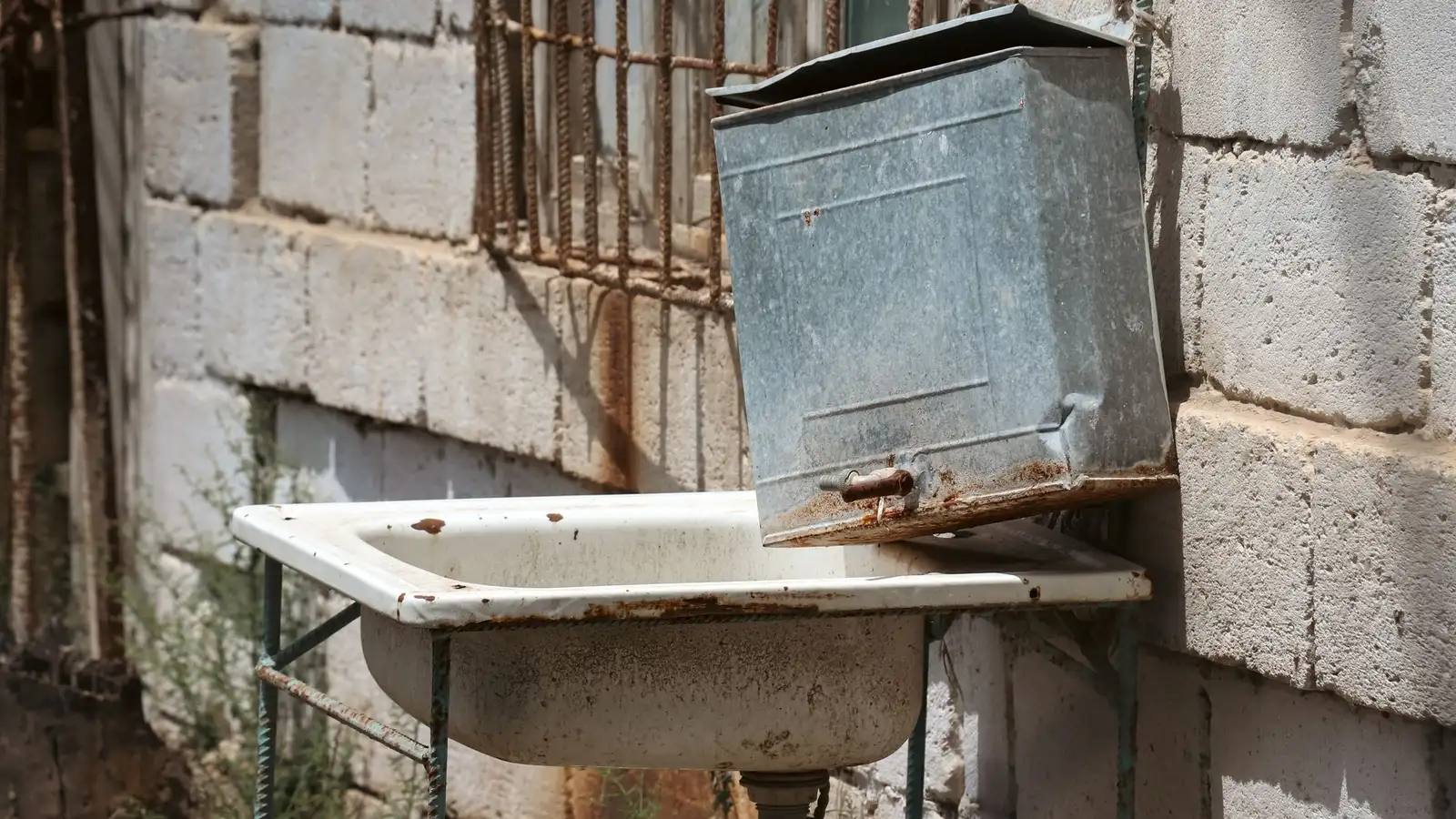
Al Sahel is an emerging coastal residential strip on the Red Sea near Al Saif Corniche, with villas, apartments and planned streets. Year-round high humidity and salt air corrode tank metals, dissolve seawater minerals into the tank, and coat interior walls with slimy salt-tolerant algae that does not grow in dry districts inland.
- Full interior scrub-down
- Sediment and sludge removed
- Drinking-water safe sterilant
- Hatch sealed after service
Why a clean tank matters for your water supply
Directly on the Red Sea with high humidity and salt-laden air every day of the year. Soil near the coast carries minerals and salts that enter tanks through foundations and ventilation shafts from the groundwater.
-
Seasonal maintenance before peak use
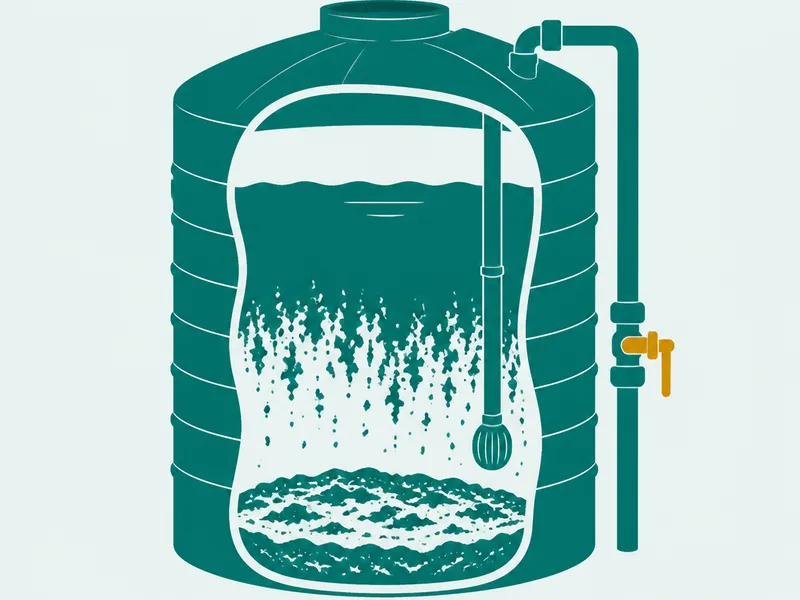
Salt and mineral sediment from nearby groundwater accumulate on the tank floor and need vigorous scrubbing and extended rinsing before the hot season when usage peaks.
-
After a long property vacancy
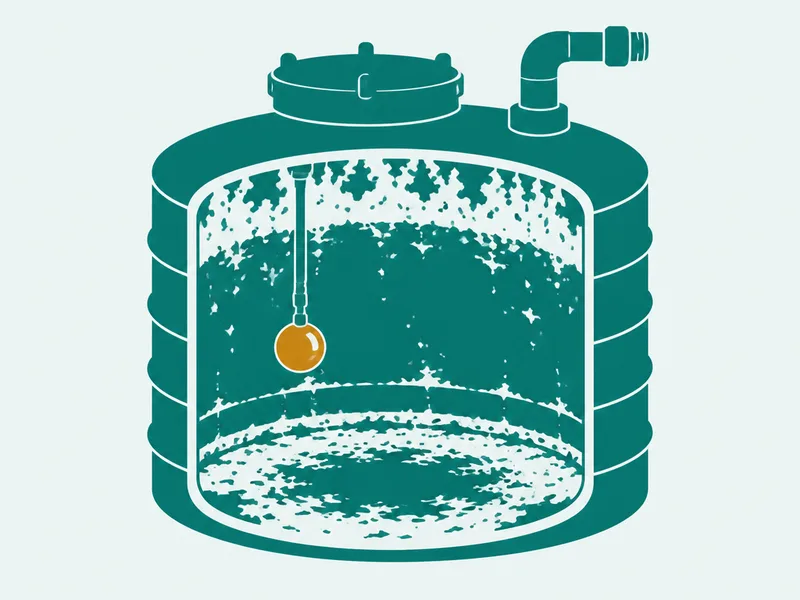
Green salt-tolerant algae grow rapidly on internal walls in high coastal humidity and salt-laden air, creating slippery deposits.
-
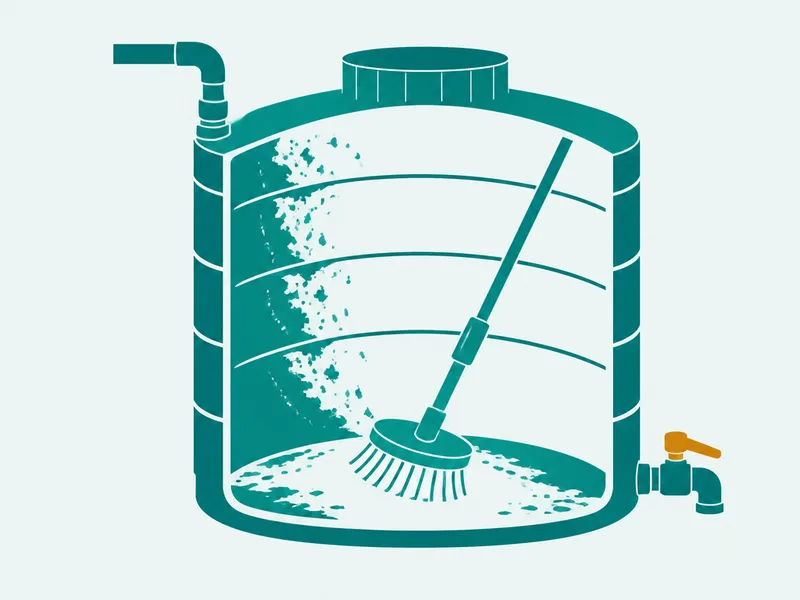
Visible discolouration or unusual taste
After an extended property closure in summer, stagnant water discolours and becomes noticeably brackish from accumulated salt deposits.
-
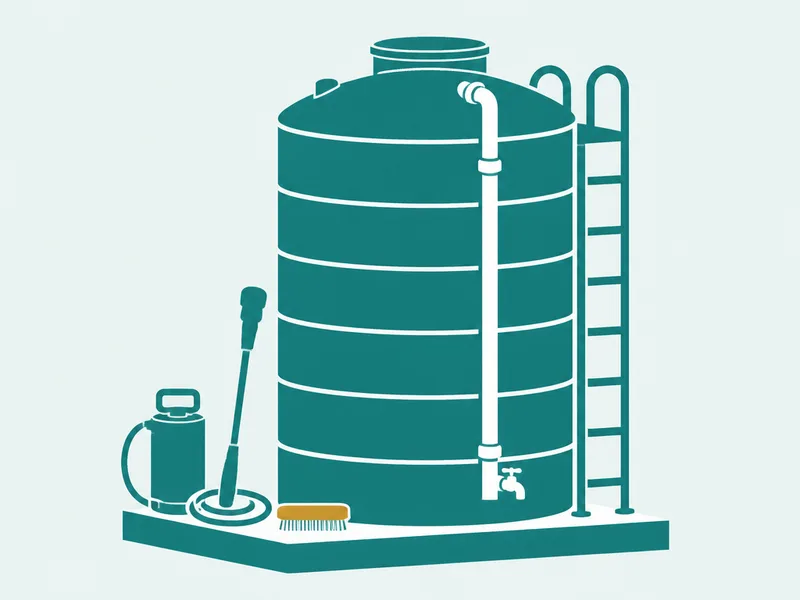
Landlord or building inspection requirements
Before Ramadan entertaining season, residents want clean salt-free water safe for serving to guests without visible cloudiness or taste.
What is included in every tank clean
-
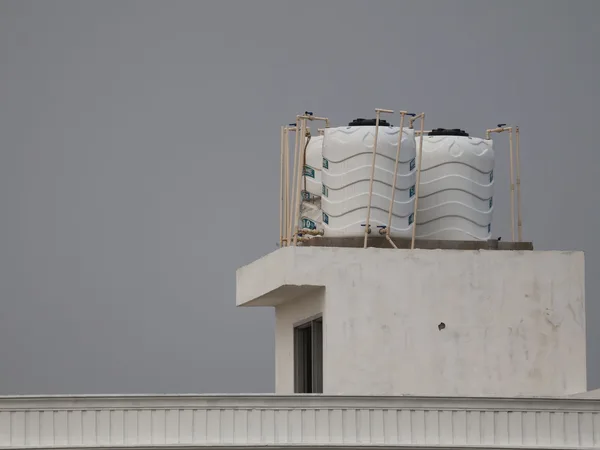
Opening and inspecting tank hatch
-
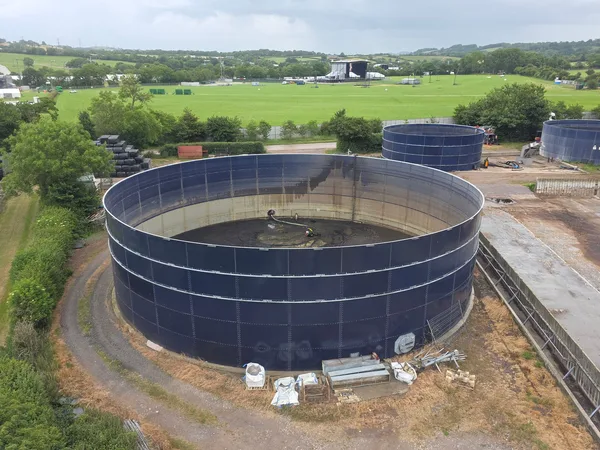
Draining water from the tank
-
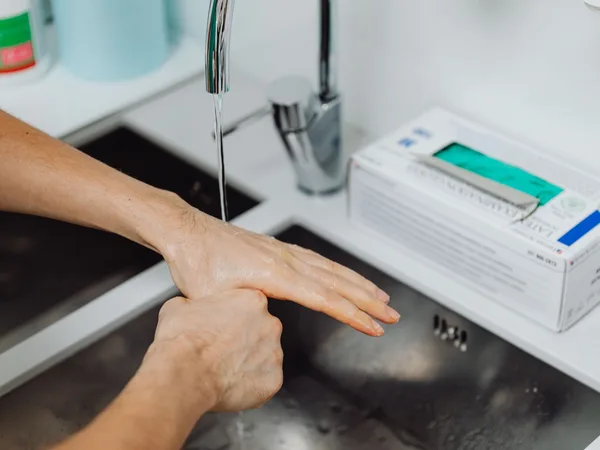
Scrubbing interior walls and floor
-
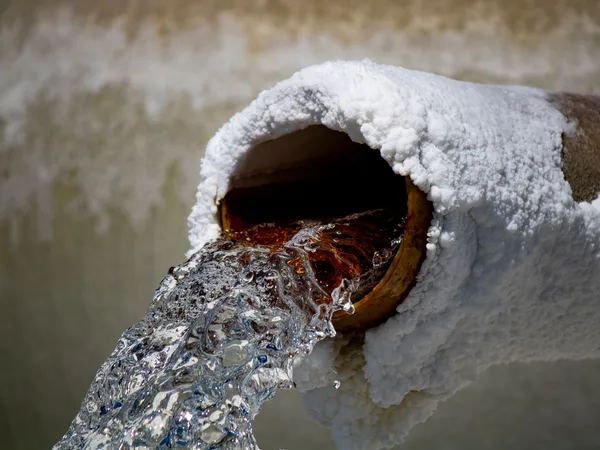
Removing accumulated sludge and sediment
-
Rinsing interior walls and floor
-
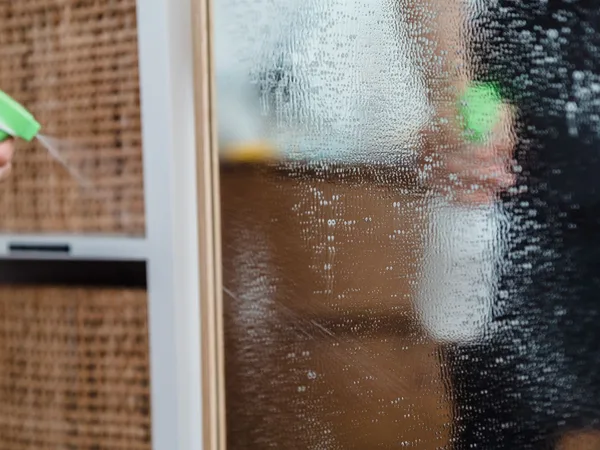
Spraying sterilising solution on surfaces
-
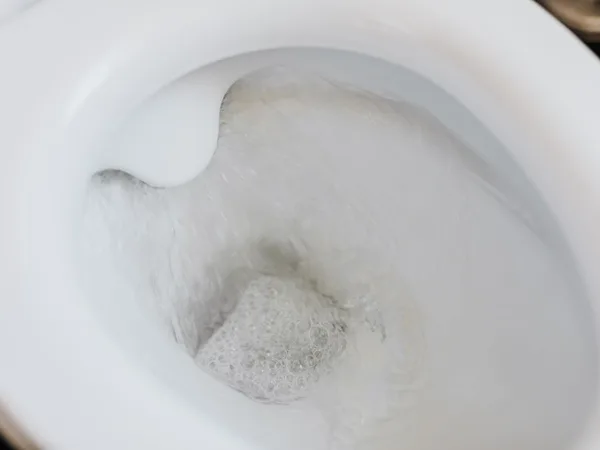
Flushing out sterilant residue
-
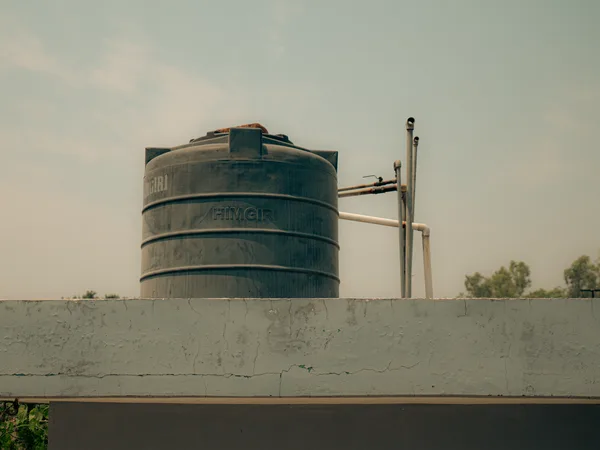
Sealing and securing the hatch
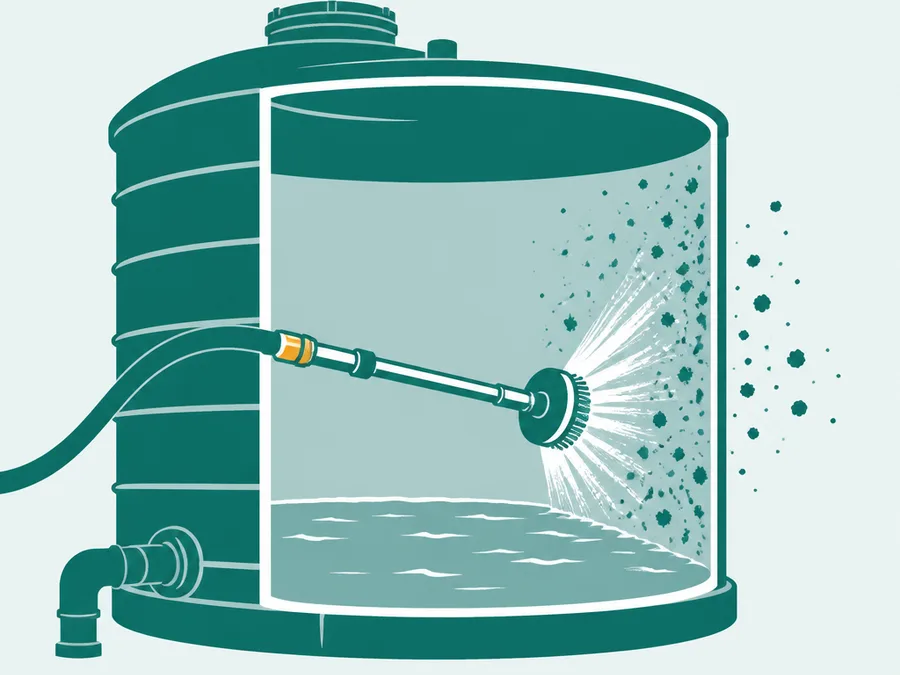
How the cleaning process works, step by step
-
Survey and drain
-
Scrub and remove sediment
-
Rinse and sterilise
-
Final flush and seal
What changes about water tank cleaning and sterilising in Al Sahel
Tanks here need more frequent cleaning than inland districts because salt and humidity create slippery green coatings on interior surfaces faster than weathering and dust alone can account for. For the whole method, see how we approach water tank cleaning and sterilising.
-
The first reason
Corrosion of tank metal from seawater salt
Salt air from the Red Sea corrodes tank metals both outside and inside simultaneously. Salt penetrates paint and sealant to reach the steel beneath, weakening it and releasing rust particles into the water. Cleaning removes rust entirely, and sterilisation forms a temporary protective layer against new corrosion.
-
The second reason
Slimy salt-loving algae on internal surfaces
High humidity and dissolved salt create ideal conditions for green algae growth on tank walls. These algae coat the floor with slime, alter water taste and create cloudiness. Vigorous scrubbing and repeat rinsing remove them completely. Sterilisation slows but does not stop rapid regrowth in coastal conditions.
-
The third reason
Saline groundwater entering from beneath foundations
Coastal groundwater carries seawater salt and penetrates tank foundations from below, making tap water noticeably brackish. White mineral deposits form on pipework and reduce flow. Cleaning removes deposits, and sterilisation helps dilute excess salts in the water supply.
The character of Al Sahel
Coastal area: high humidity and salt air through the year
In coastal areas salt and humidity accelerate tank metal degradation and pipe corrosion far faster than in inland districts, so regular cleaning here prevents rust and structural weakening that would otherwise progress rapidly.
What you have when the work is done
Interior walls free of scale
The scrubbing stage removes deposited minerals and biofilm from every reachable surface.
Sterilant applied and flushed out
A drinking-water-safe sterilising solution is applied to all interior surfaces and then fully flushed before the hatch is sealed.
Hatch secured and sealed
The hatch is resealed after the final flush to prevent airborne dust and insects from entering the tank.
What our customers said
«شغلهم ما شاء الله، أنصح الجميع بالتعامل معهم. عن تجربة وثقة.»
«أفضل شركة تنظيف بالبخار. أسعارهم ممتازة وشغلهم مرة كويس.»
«خدمة ممتازة.»
«ممتازين.»
Some of our work
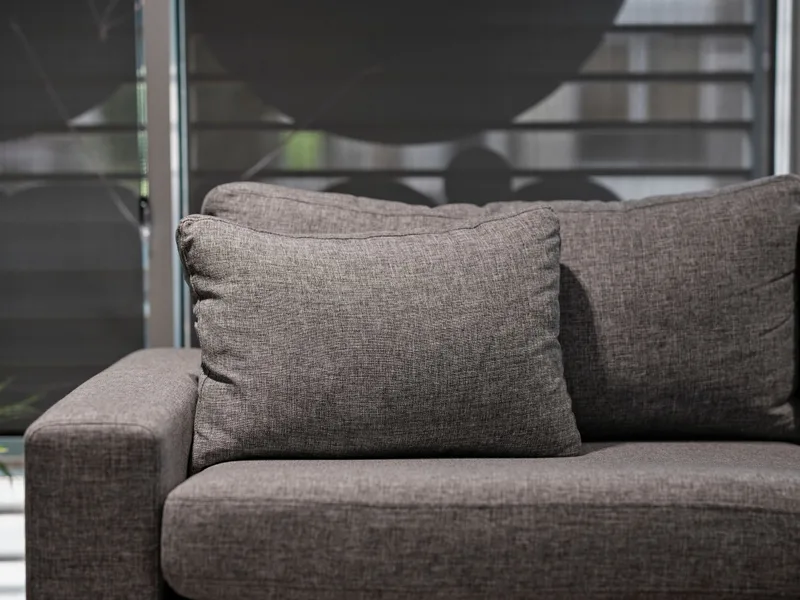
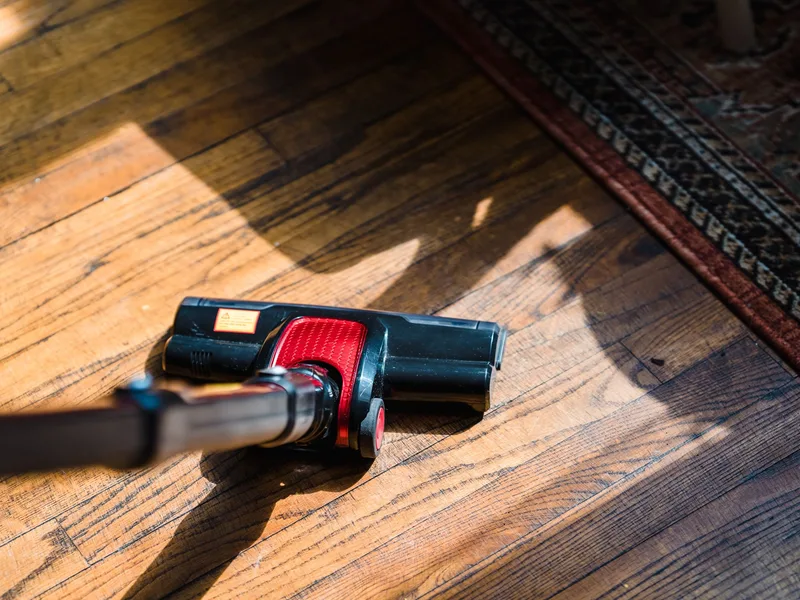
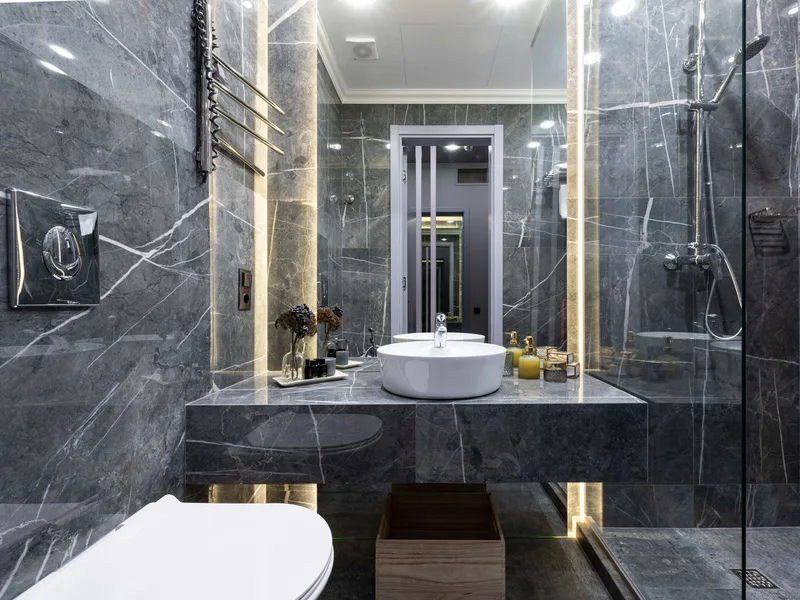
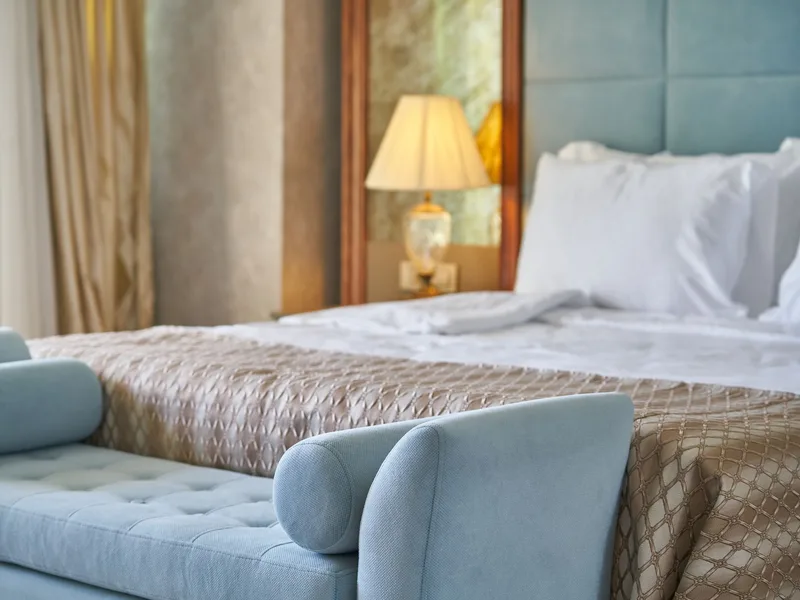
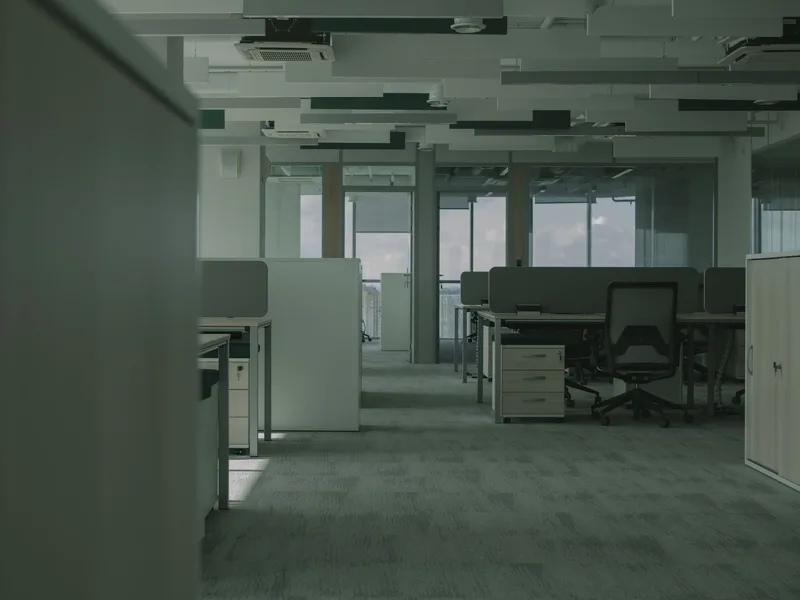
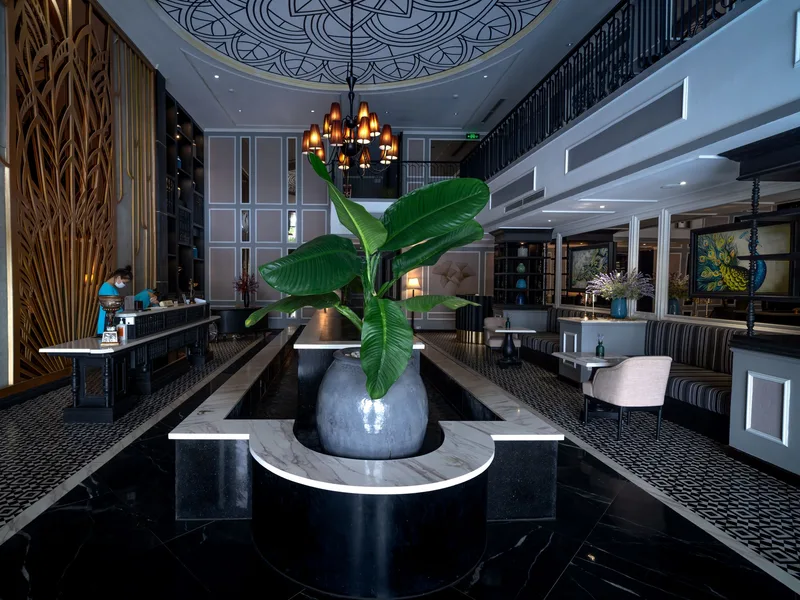
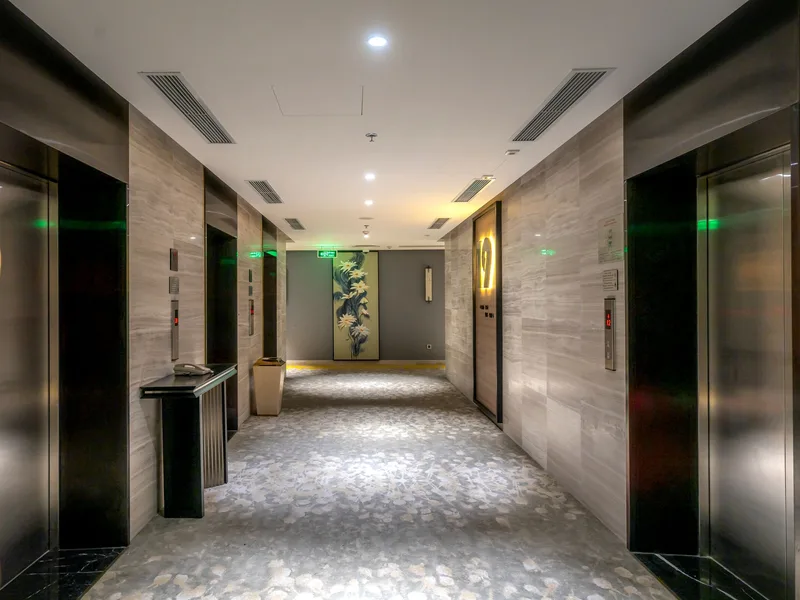
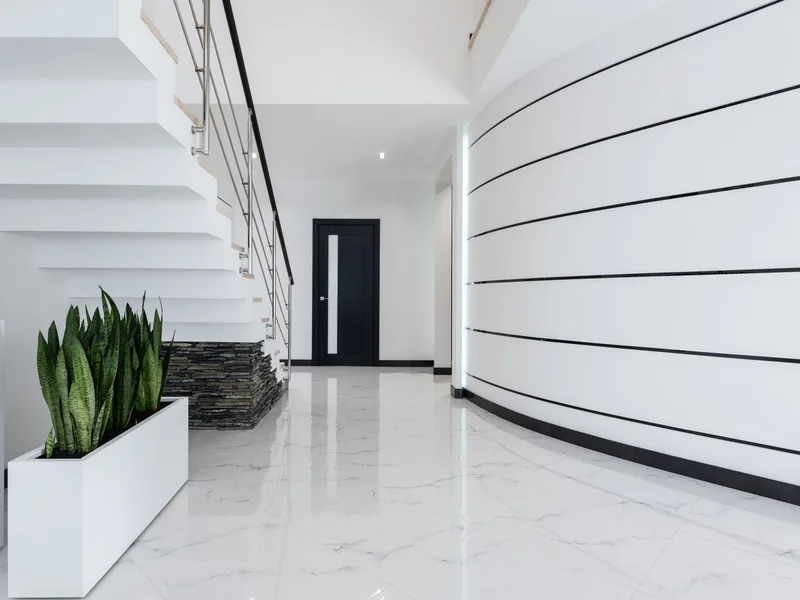
Illustrative photographs. Our own job photographs go here as soon as the client approves them.
What is different about South Jeddah
South Jeddah is the working end of the city: the Islamic Port, the industrial city with its warehouses and workshops, and behind them older low rise districts such as Ghulail and Al Khumrah. The roads are built for lorries, and port and factory traffic runs through the night, so the dust that settles here is grey with diesel and metal filings rather than pale sand. Buildings are mostly older concrete with flat roofs and open stairwells that collect it. Sea humidity keeps it damp, and in summer it sets hard on ledges and cladding.
Nearby districts we cover
Questions worth asking first
Groundwater near the coast carries seawater salt and enters the tank through foundations and small cracks. Salt accumulates over time, making water undrinkable. Professional cleaning removes most salt and mineral deposits, and sterilisation improves potability markedly.
Yes, salt air and humidity corrode tank metals both externally and internally together. Corrosion releases rust particles into water, turning it brown. Regular cleaning removes rust, and preventative measures extend the tank lifespan significantly.
High humidity, dissolved salt, and light penetrating through cracks create perfect conditions for salt-tolerant algae growth. These algae coat the floor with slime and alter water taste noticeably. Algae removal through scrubbing makes the tank safe again.
White deposits contain seawater salt and heavy minerals from nearby groundwater. These deposits restrict water flow and reduce pressure. Cleaning removes deposits, and sterilisation slows but does not prevent new accumulation in coastal conditions.
Coastal tanks benefit from cleaning every six months instead of once yearly, because salt and humidity accelerate sediment and algae buildup. More frequent cleaning ensures fresh, safe water consistently.
Underground tanks near the coast face direct contact with mineral-rich groundwater and often accumulate more salt faster. All tanks in Al Sahel need regular maintenance to counteract the accelerated effects of coastal conditions.
It is set after we see the job, because the price follows the kind of work, the size of the space, its condition and the time and materials it needs. Send a photo and a short description on WhatsApp and we will give you an estimate before we reach Al Sahel.
Once a year is the most common schedule for a household tank in regular use.
Yes.
Other services in Al Sahel
We also provide these services in Al Sahel.
-
 Water tank waterproofing in Al Sahel
-
 Majlis and rest-house cleaning in Al Sahel
-
 Move in and move out cleaning in Al Sahel
-
 Pest control in Al Sahel
-
 Sofa cleaning in Al Sahel
-
 Carpet and rug cleaning in Al Sahel
-
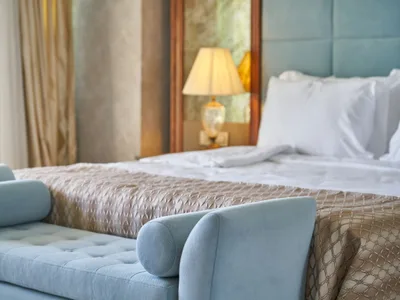 Mattress cleaning in Al Sahel
-
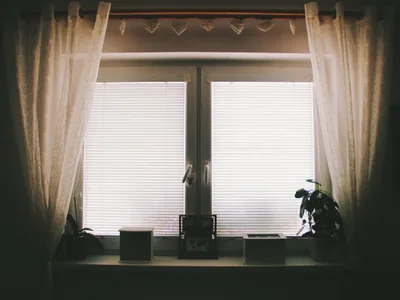 Curtain cleaning in Al Sahel
-
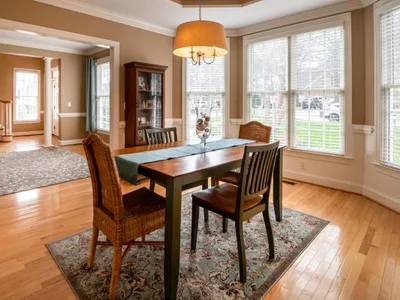 House cleaning in Al Sahel
-
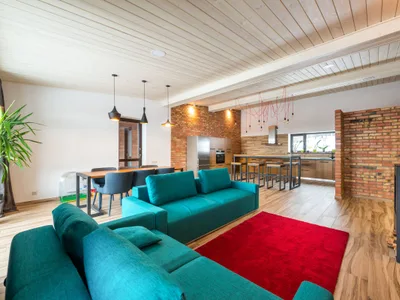 Apartment cleaning in Al Sahel
-
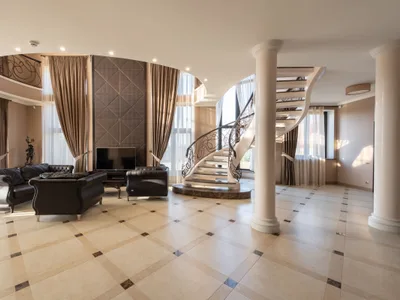 Villa cleaning in Al Sahel
-
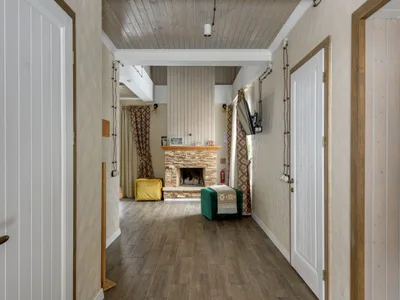 Chalet cleaning in Al Sahel
-
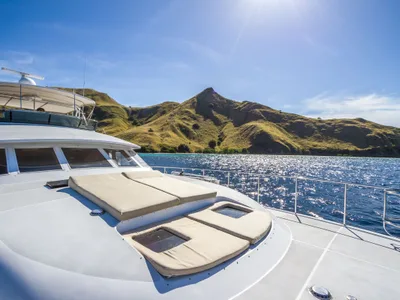 Yacht cleaning in Al Sahel
-
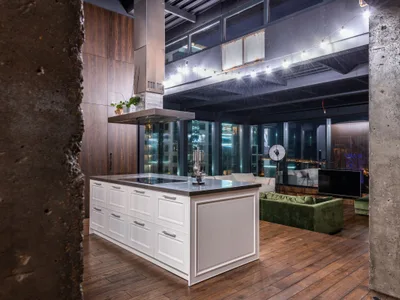 Kitchen cleaning in Al Sahel
-
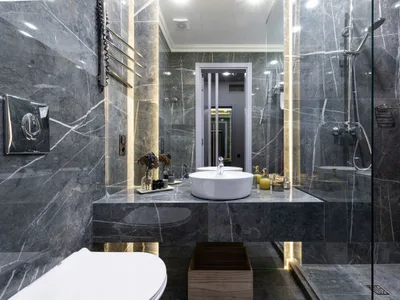 Bathroom cleaning in Al Sahel
-
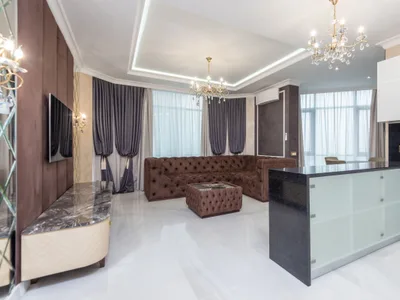 Chandelier cleaning in Al Sahel
-
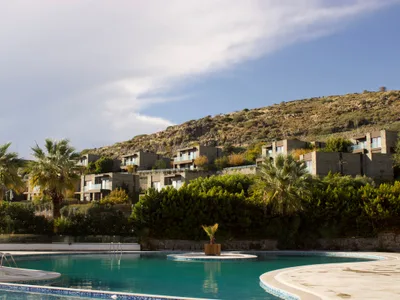 Swimming pool cleaning in Al Sahel
-
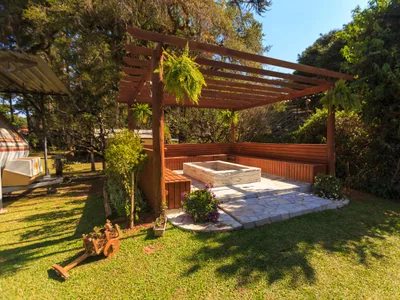 Garden clearance in Al Sahel
-
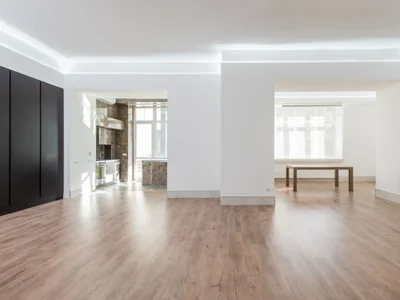 Full deep clean in Al Sahel
-
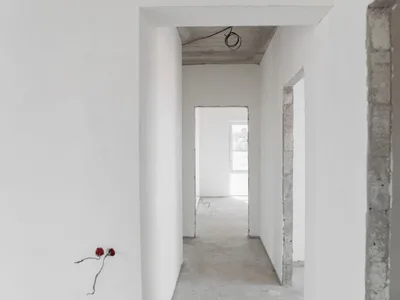 Post-construction cleaning in Al Sahel
-
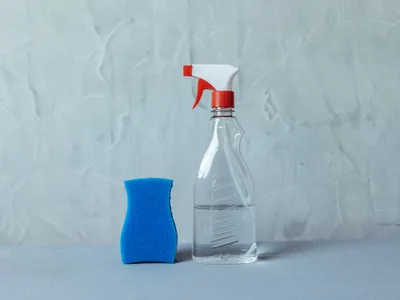 Disinfection and sanitising in Al Sahel
-
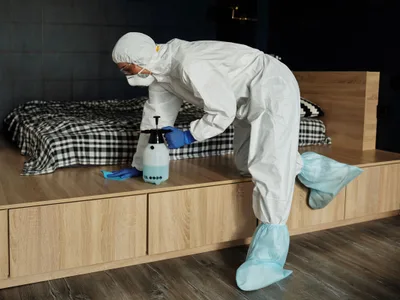 Bed bug treatment
-
 Office cleaning
-
 Restaurant cleaning
-
 Hotel and resort cleaning
-
 Shopping centre cleaning
-
 Retail cleaning
-
 School cleaning
-
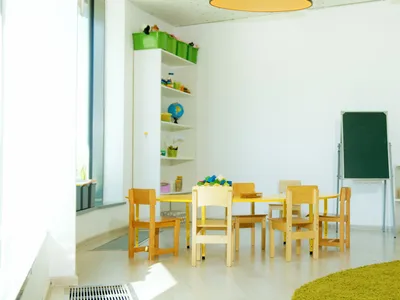 Nursery and kindergarten cleaning
-
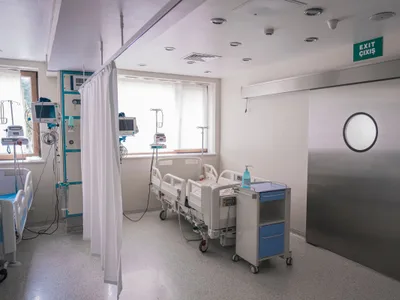 Hospital cleaning
-
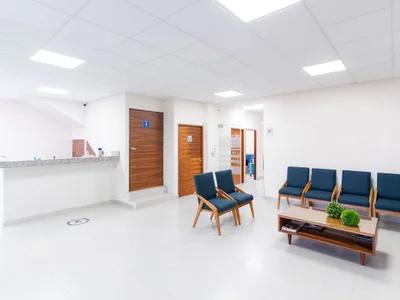 Clinic and health-centre cleaning
-
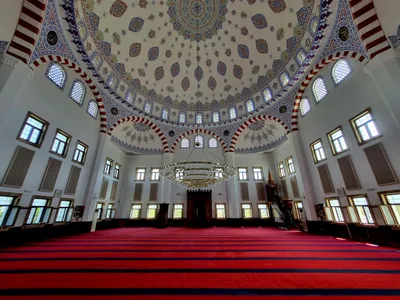 Mosque cleaning
-
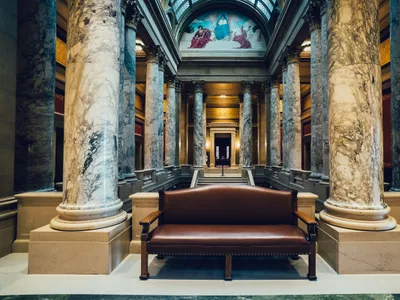 Government facility cleaning
-
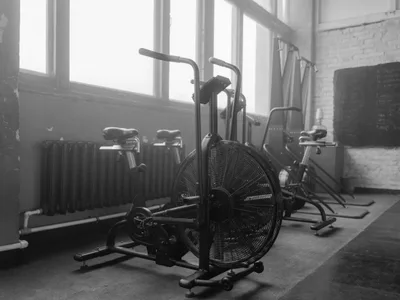 Gym cleaning
-
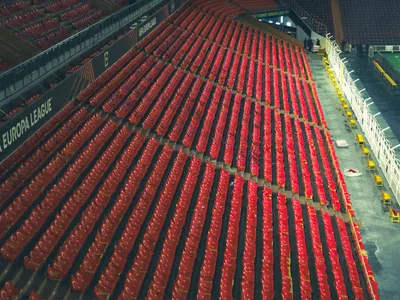 Sports ground cleaning
-
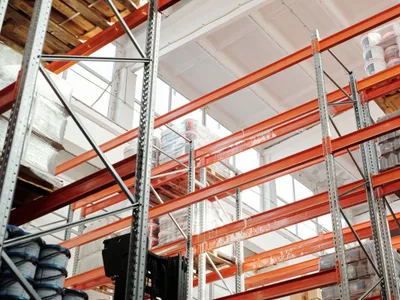 Factory and warehouse cleaning
-
 Event cleaning
-
 Commercial post-construction cleaning
-
 Building facade cleaning
-
 Air duct and HVAC cleaning
-
 Marble grinding and crystal polishing
-
 Commercial pest control