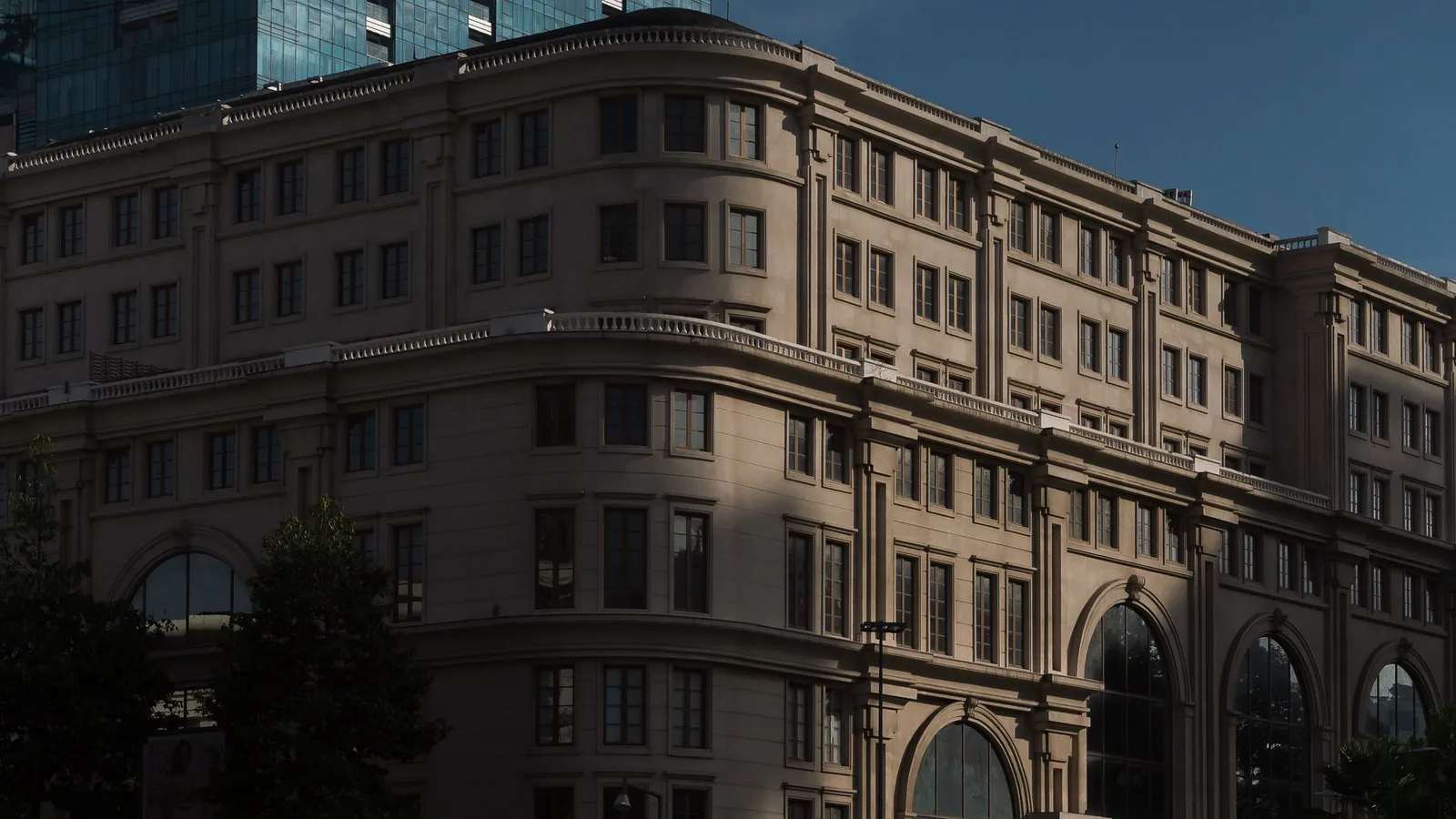
Building facade cleaning in Al Gharbiyah, Jeddah
Al Gharbiyah is a newly developed coastal area where sea breezes carry strong salinity that settles on concrete and glass in new buildings. Sea salt crystallises rapidly under direct sun and leaves thick white deposits that dull facades. Deep cleaning removes accumulated salt crust and biological staining that grows in the high coastal humidity.
- Full-height exterior coverage
- Chemical and pressure washing
- Safe on glass and cladding
- Top-to-bottom rinse sequence
Why facade condition matters for your building
The area is close to the shoreline with high humidity, and new buildings need protection from salt spray and marine weathering that affects concrete, paint and glazing.
-
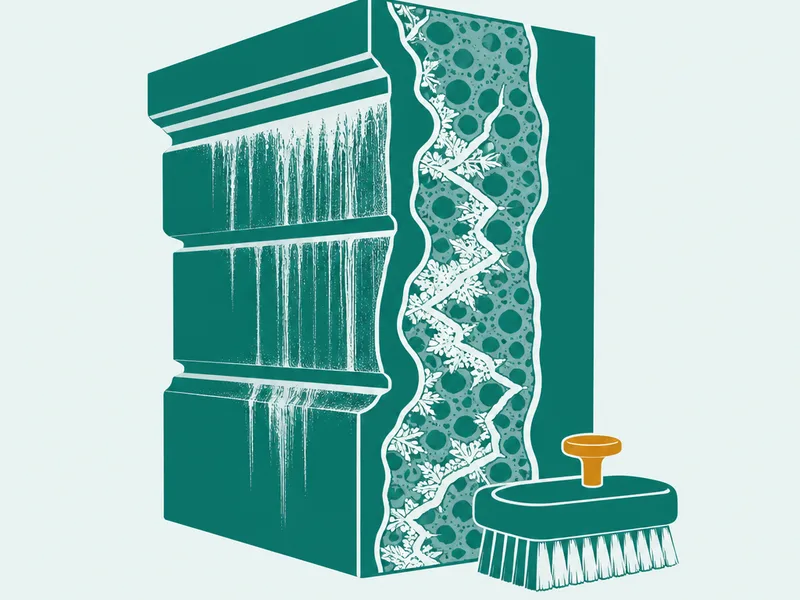
Coastal salt and mineral deposits
Sea salt penetrates the pores of new concrete and crystallises under sun, forming thick white deposits that spread over time and affect building appearance.
-
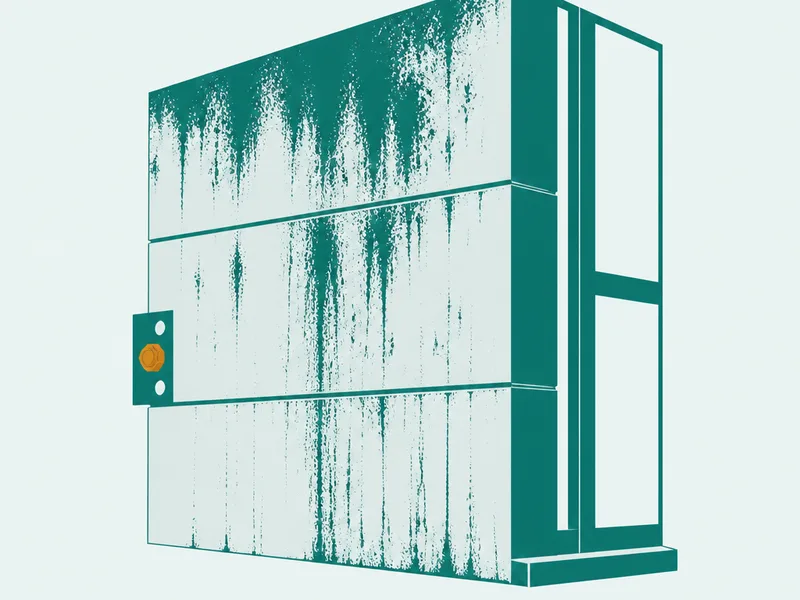
Commercial presentation and first impressions
High humidity and coastal proximity promote algae and mould growth on north-facing facades and shaded corners, especially after rainfall periods.
-
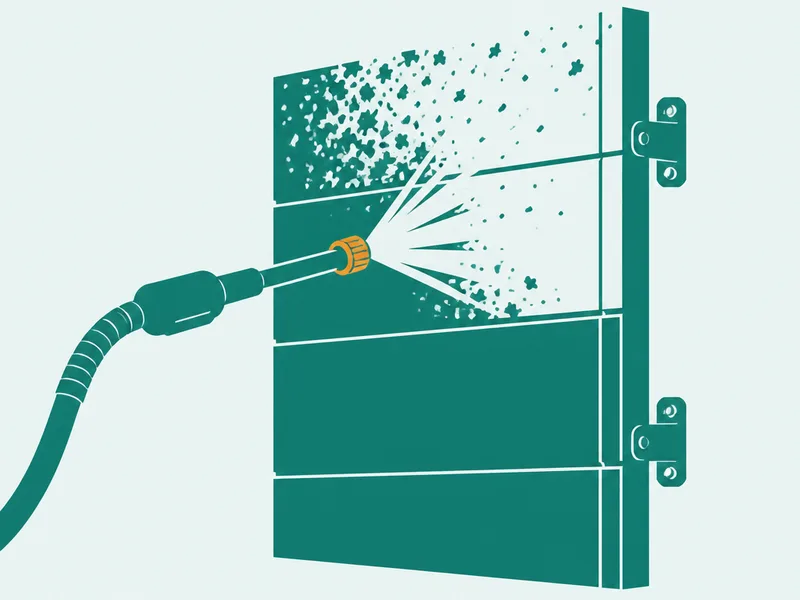
Protecting cladding and coating lifespans
Glass in the area suffers salt deposits that obstruct clear views and requires specialist care to restore clarity without streaking or residue.
-
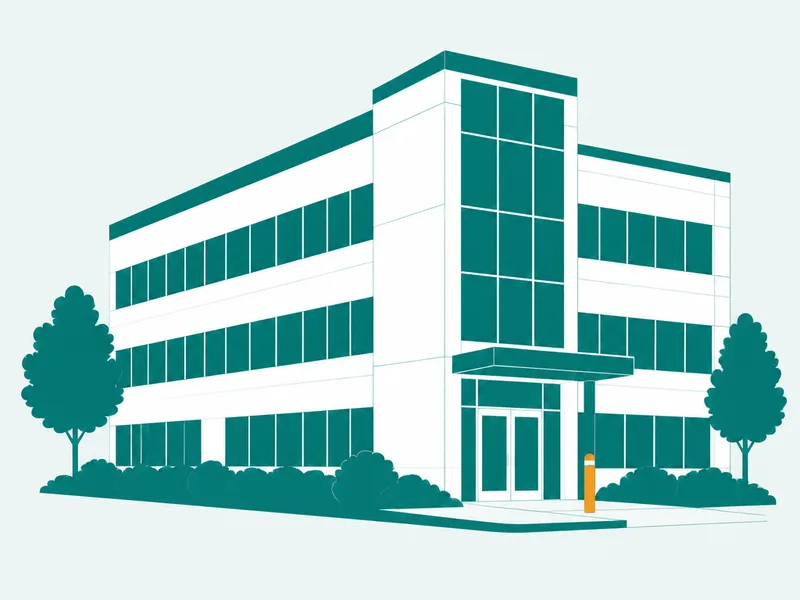
Facilities compliance and inspection readiness
Regular cleaning protects new buildings from structural damage and extends the lifespan of concrete, paint and exposed metalwork.
What is included in every facade clean
-
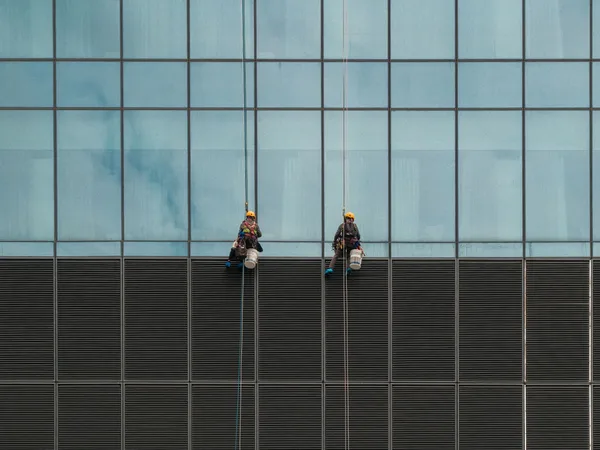
Facade surface and access inspection
-
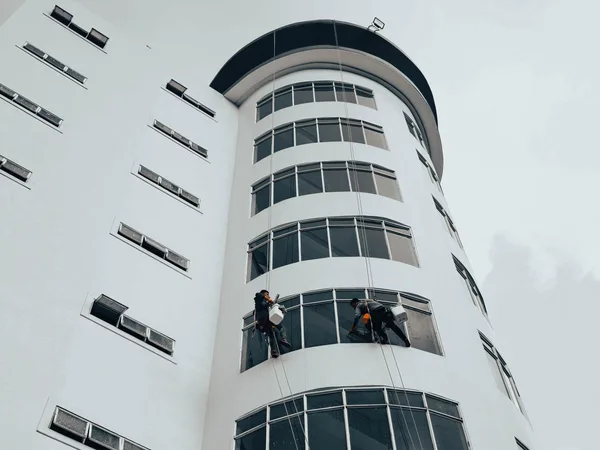
Scaffolding or rope access rigging
-
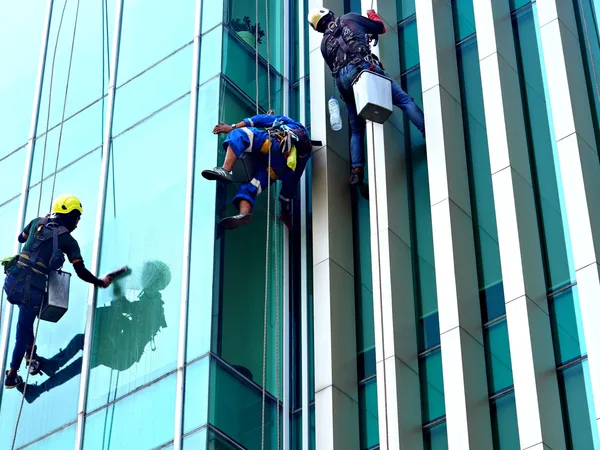
Cleaning solution applied to facade
-
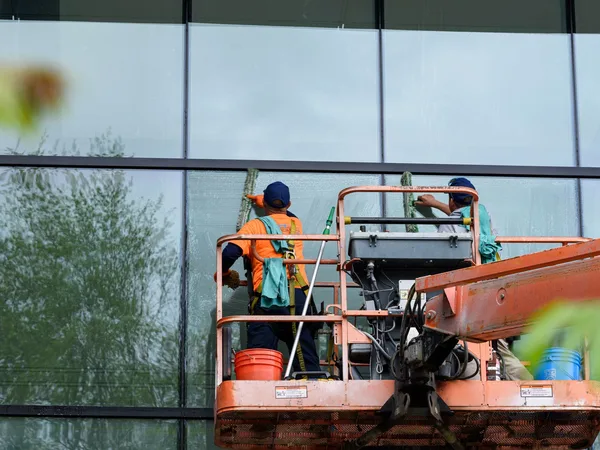
High-pressure water washing of panels
-
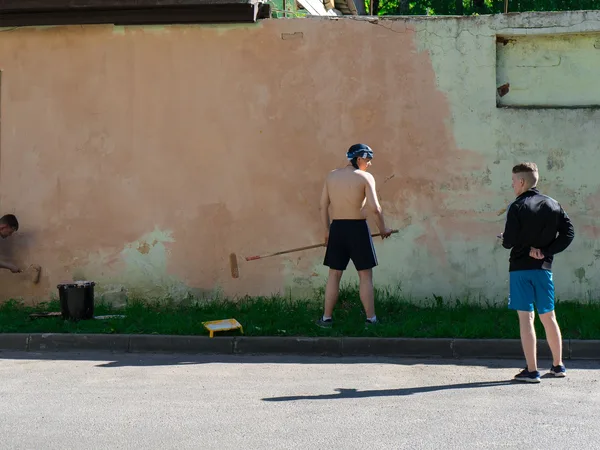
Manual brushing of stubborn deposits
-
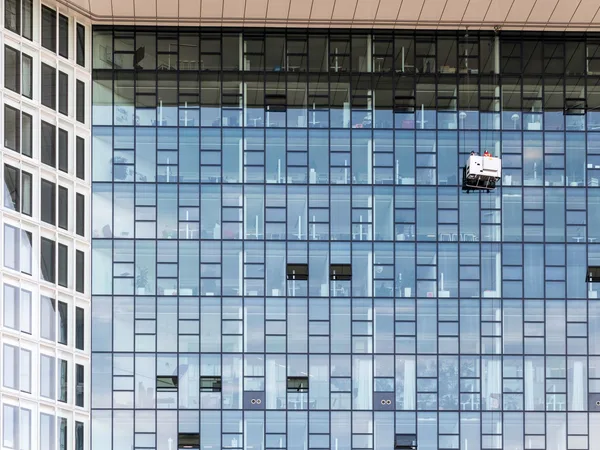
Rinsing facade top to bottom
-
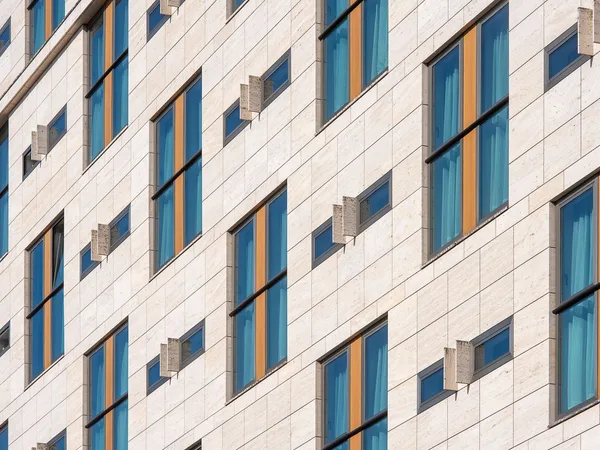
Cleaning ledges joints and window frames
-
Equipment removal and area cleanup
How a facade clean is carried out
-
Site survey and access assessment
-
Rigging and ground preparation
-
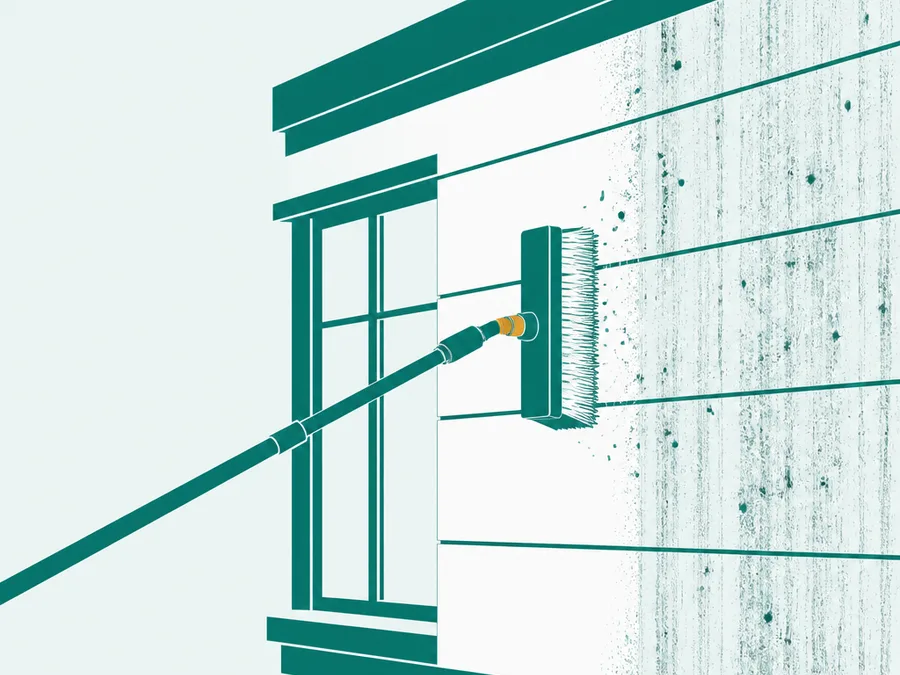
Chemical application, washing, and scrubbing
-
Detail clean, final rinse, and handover
What changes about building facade cleaning in Al Gharbiyah
New facades in this area show salt staining and algae growth much faster than inland districts due to direct sea proximity and strong coastal winds. For the whole method, see what building facade cleaning involves.
-
The first reason
Sea salt crystallises on concrete surfaces
Coastal winds carry fine salt particles that penetrate the pores of new concrete. Under direct sun they crystallise into thick white deposits that spread over time, making the building look aged and neglected.
-
The second reason
Algae and mould thrive in coastal humidity
High coastal humidity promotes microbial growth on north-facing facades and shaded corners. Green and black staining mars the building's appearance and may shorten the lifespan of paint and external materials.
-
The third reason
Glass and metal demand specialist care
Salt deposits cloud glazing and obstruct clear sightlines, and exposed metals begin to corrode where salt accumulates. Cleaning uses safe solutions for each material to restore glass transparency and protect metal finishes.
Al Gharbiyah on the map
Al Gharbiyah sits about 1 km from Al Ghadeer and about 1.5 km from Al Fanar.
Open in Google MapsWhat the building looks like after the work
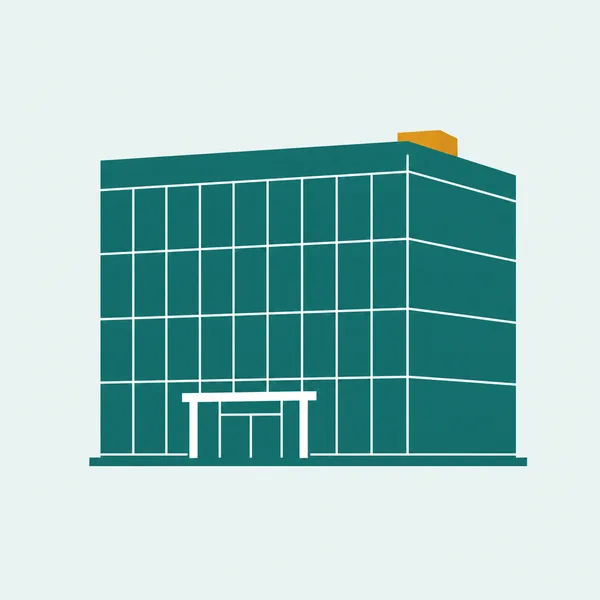
Uniform surface across all panels
Staining, salt lines, and tide marks are removed across the full facade, not just the sections reachable without rigging.
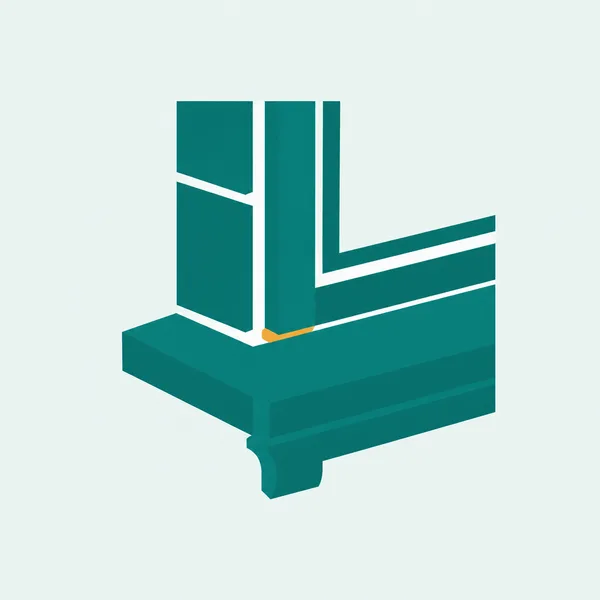
Clear joints, ledges, and window frames
Grime that collects in expansion joints, on sills, and around window frames is removed as part of the detail pass.
Site returned to normal use
All rigging, chemical containers, and waste water are removed before handover.
What our customers said
«شغلهم ما شاء الله، أنصح الجميع بالتعامل معهم. عن تجربة وثقة.»
«أفضل شركة تنظيف بالبخار. أسعارهم ممتازة وشغلهم مرة كويس.»
«خدمة ممتازة.»
«ممتازين.»
Some of our work
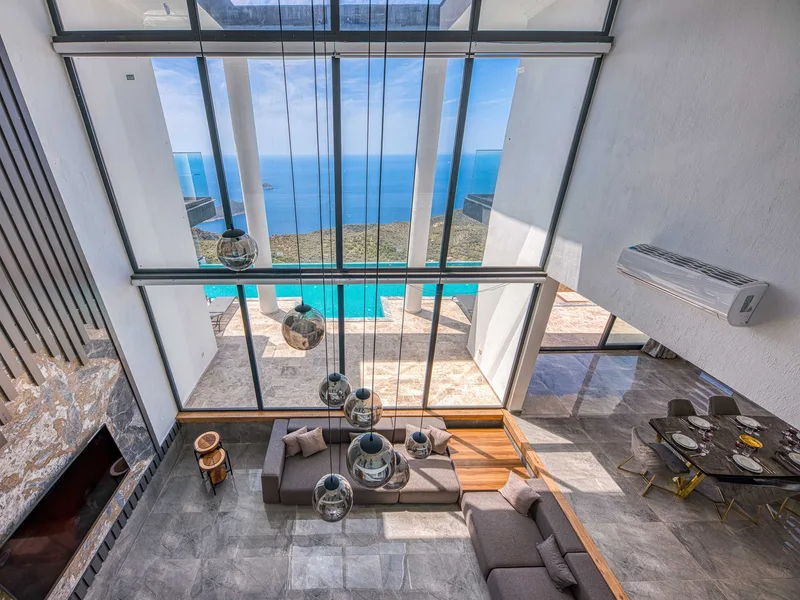
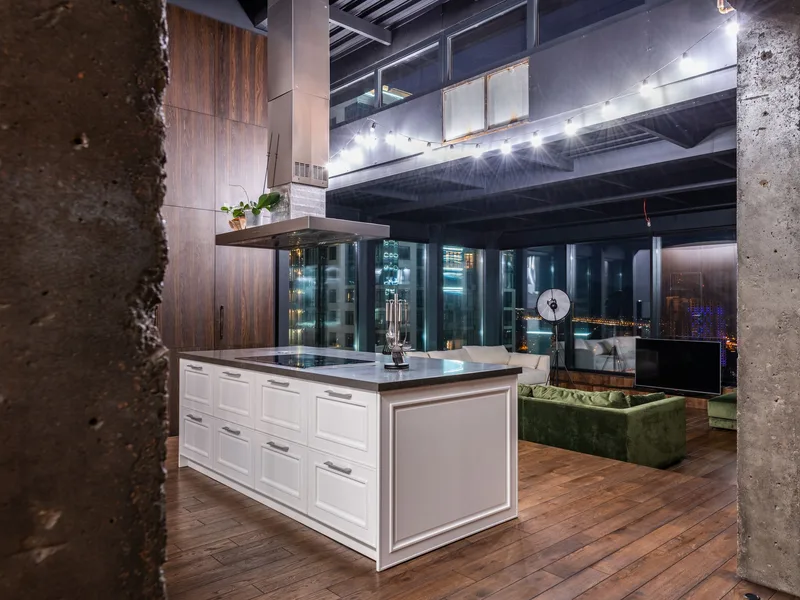
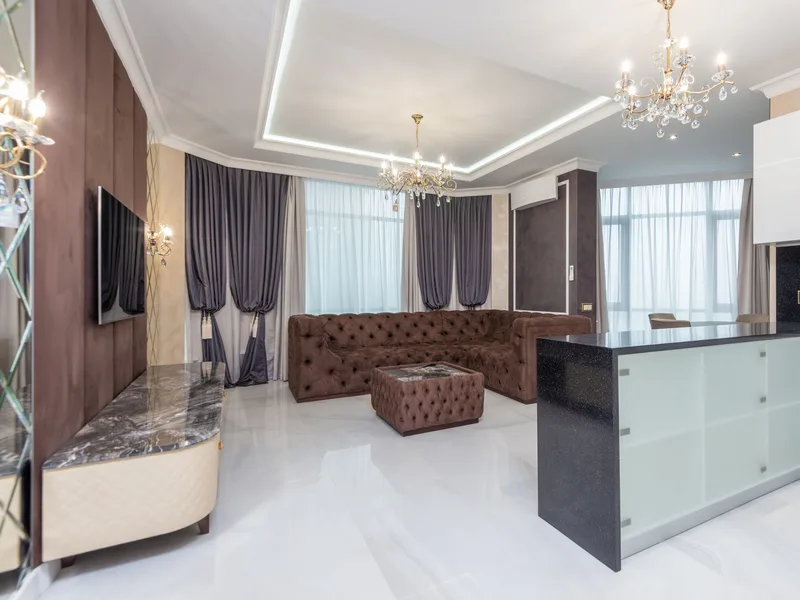
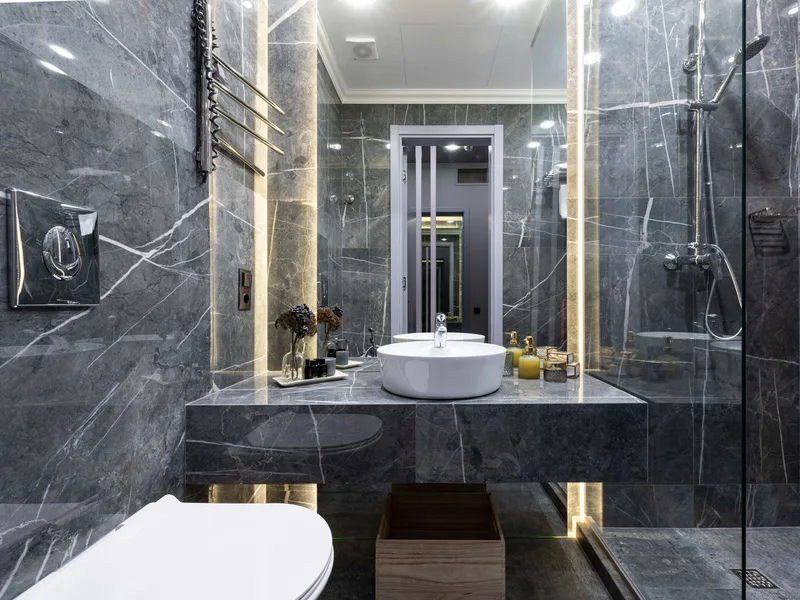
Illustrative photographs. Our own job photographs go here as soon as the client approves them.
What is different about North Jeddah
The northern sector of Jeddah is the city's newest ground: gated villa schemes, low apartment blocks and wide boulevards laid out over the last stretch of open land before Dhahban and Thuwal. Much of it is still being built, so construction dust from cleared plots and half finished streets is the defining problem, drifting across finished homes on the afternoon wind and settling as a pale grit on car ports and window ledges. Summer brings the heaviest of it, while the short winter rains turn the same dust into streaks down cladding and glass.
Nearby districts we cover
Questions worth asking first
The area is very close to the sea and coastal winds carry sea salt throughout the day. New buildings have not yet developed a natural protective layer, so salt readily penetrates the fine pores in concrete.
Yes, salt penetrates concrete and corrodes the embedded steel, weakening the structure. Regular cleaning removes salt before it causes structural damage.
Glass requires special solutions that leave no residue and preserve clarity. Concrete needs carefully controlled water pressure and may require safe chemical treatments to remove deep salt deposits.
Algae grow where moisture and shade collect, which is normal in coastal areas. Regular cleaning prevents buildup, and it does not necessarily indicate a structural defect.
Annual or twice-yearly cleaning maintains appearance and protection. Frequency depends on rainfall rates and direct exposure to coastal winds.
Yes, the crew inspects paint type and materials first, then selects the right water pressure and solutions for each surface to protect new finishes.
It is set after we see the job, because the price follows the kind of work, the size of the space, its condition and the time and materials it needs. Send a photo and a short description on WhatsApp and we will give you an estimate before we reach Al Gharbiyah.
Duration depends on building height, facade area, and the type of staining present.
In most cases, occupants can remain inside.
Other services in Al Gharbiyah
We also provide these services in Al Gharbiyah.