
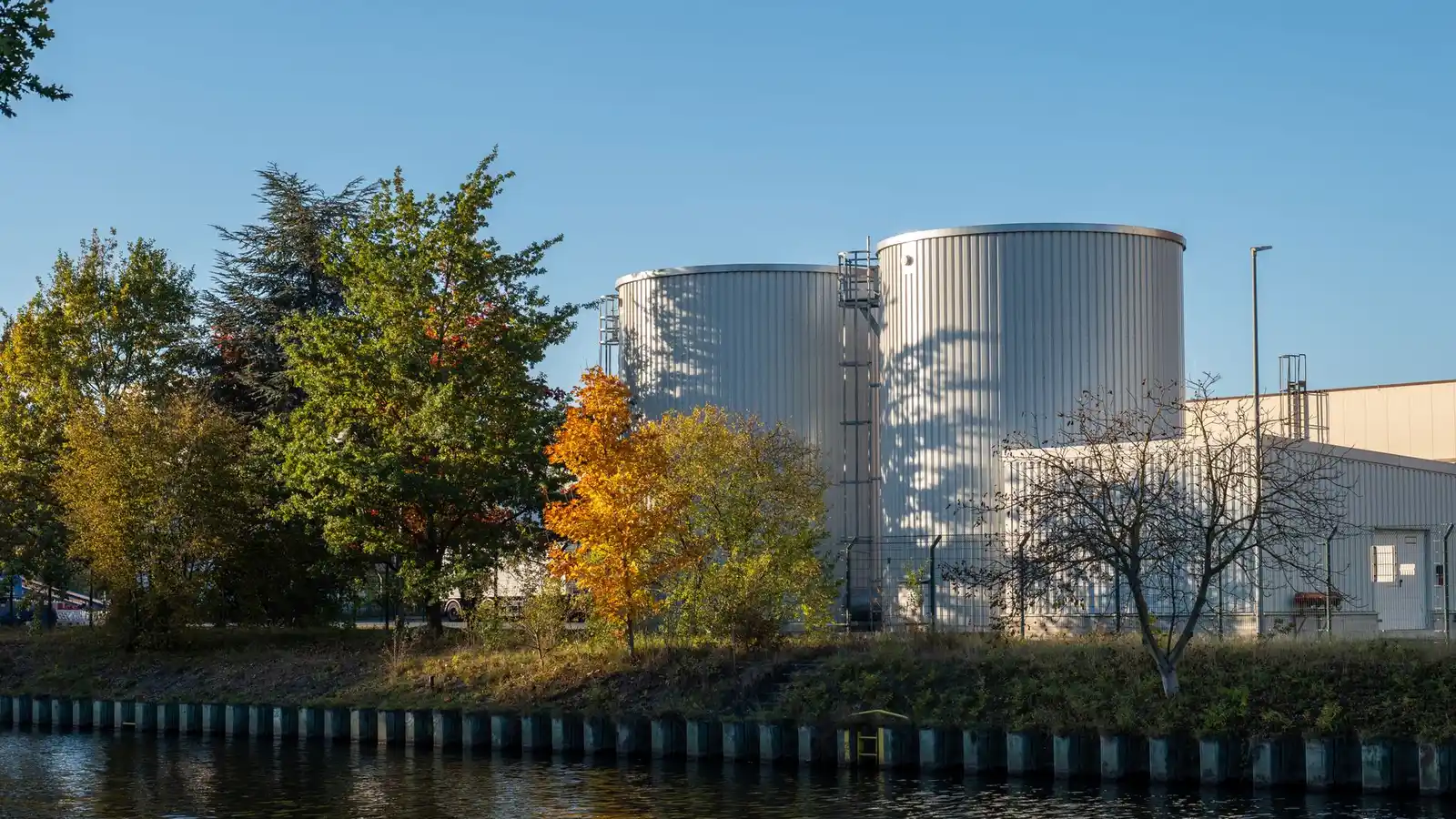
Water tank waterproofing in Wadi Mareekh, Jeddah
Wadi Mareekh is an eastern district undergoing rapid expansion amid vacant plots and new schemes. Tanks here face double pressure from sea humidity reaching inland from the Islamic Port and industrial dust mixed with diesel and metal filings, which accelerates internal wall cracking. The weight of ongoing construction and transport activity adds vibration stress that existing concrete cannot absorb.
- Interior surfaces fully sealed
- Food-safe coating materials
- Cracks and gaps filled first
- Inspected before handover
Why tank waterproofing protects your water supply
The area stretches along King Abdullah Feeder Road and Palestine Street, lying close to the Islamic Port and industrial city. Grey-toned dust heavy with diesel and metal residue settles rapidly on exposed surfaces and rooftops.
-
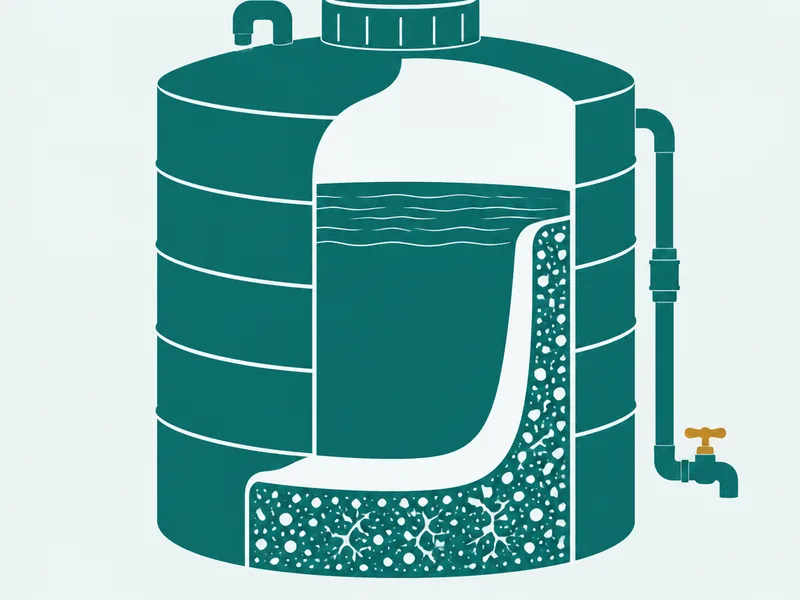
Seal before a leak develops
Moisture mixed with salt and industrial dust seeps into the building below the tank, particularly into older foundations and open ledges where concrete meets the rooftop structure.
-
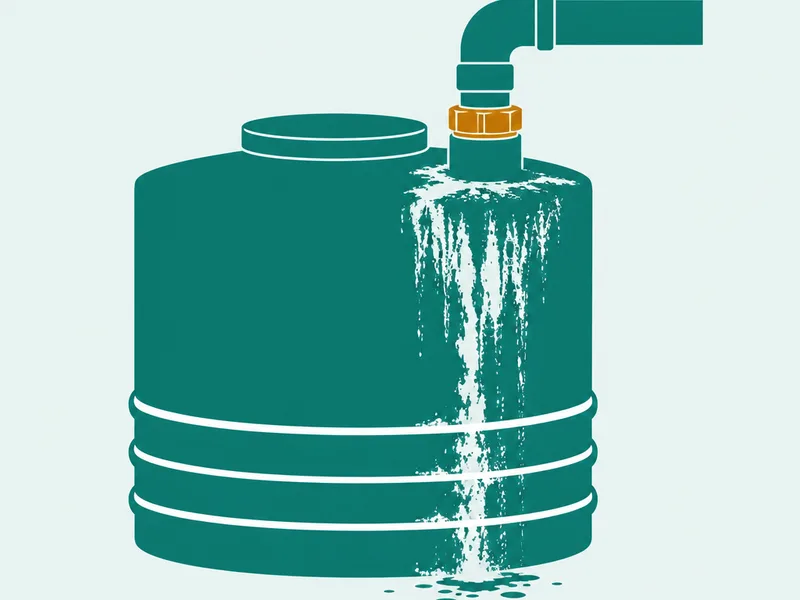
Repair an existing slow drip
Slow leaks in new tanks begin from hairline cracks opened by heavy lorry vibrations and by the seasonal expansion and contraction cycle of exposed concrete.
-
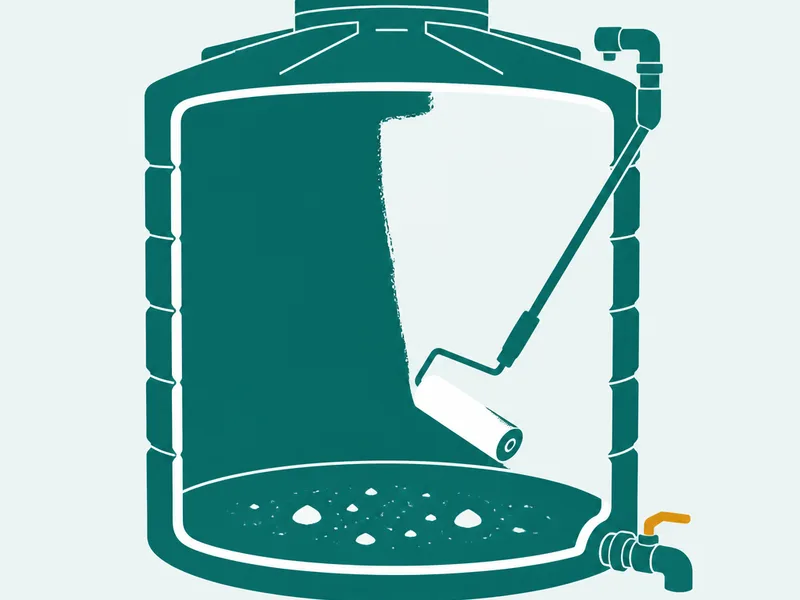
Keep drinking water free of debris
Dust mixed with diesel and metal filings accumulates with water and forms a grey sediment that contaminates drinking water even without visible seepage, requiring filtration or tank cleaning.
-
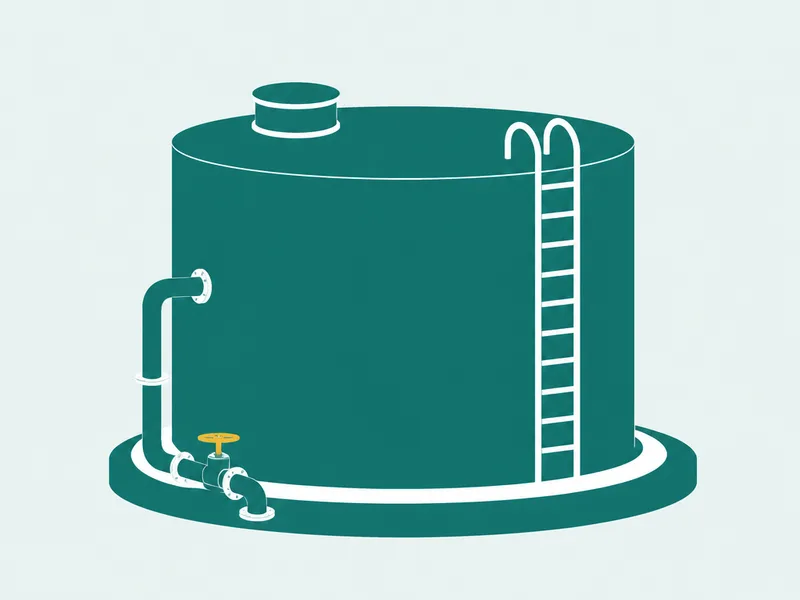
Reduce maintenance over time
An older tank in an industrial area benefits more from waterproofing than replacement, because new pollutants will affect a replacement tank equally, so extending the life of the existing one is more practical.
Everything included in the service
-
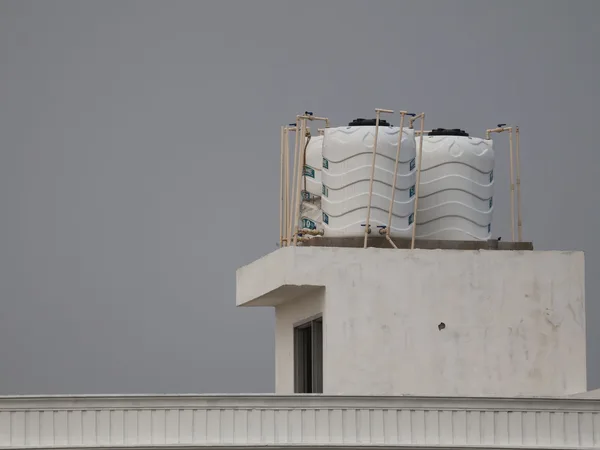
Tank drained of water
-
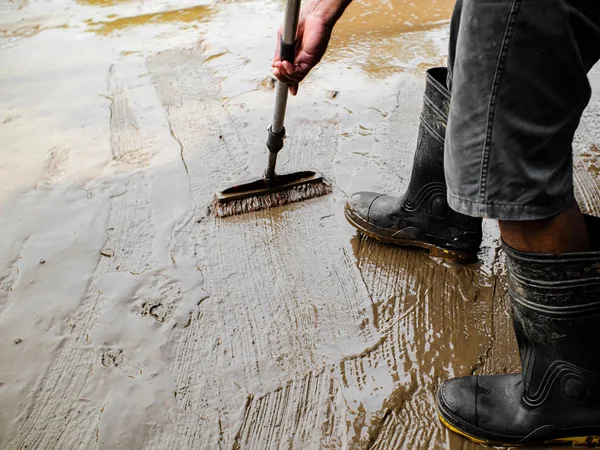
Walls scrubbed with brush
-
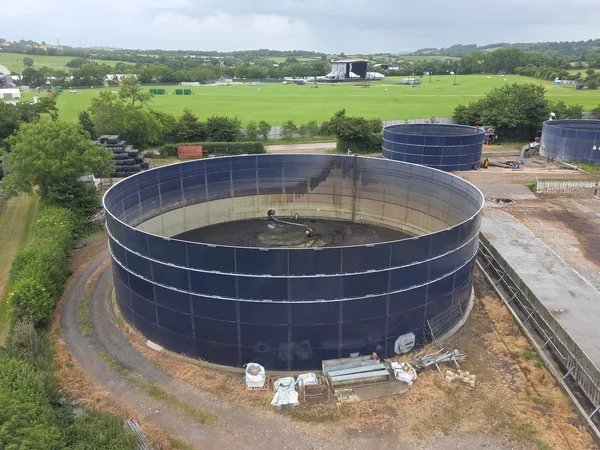
Surfaces dried before coating
-
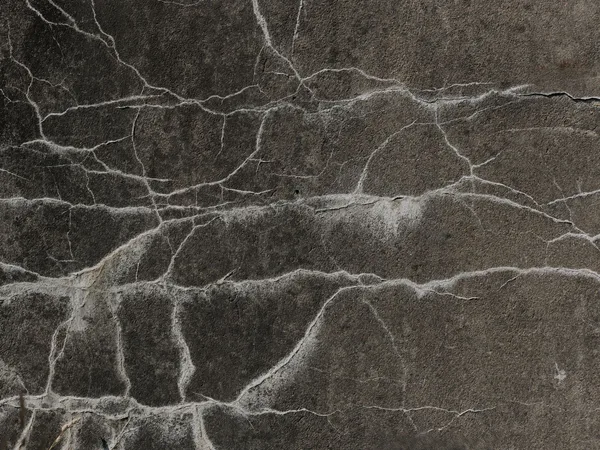
Cracks and gaps sealed
-
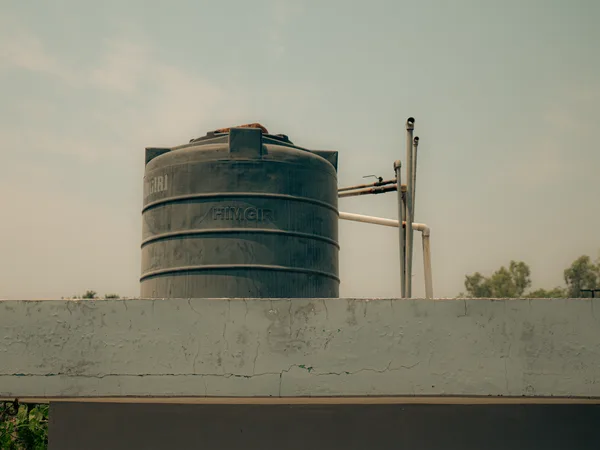
Primer coat brushed on
-

Waterproofing coat brushed on
-
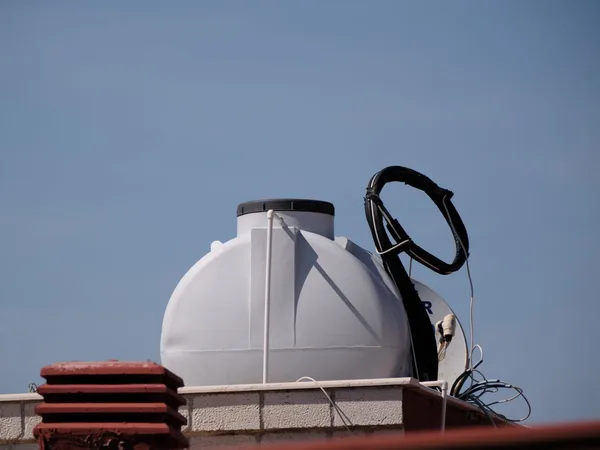
Second coat applied over first
-
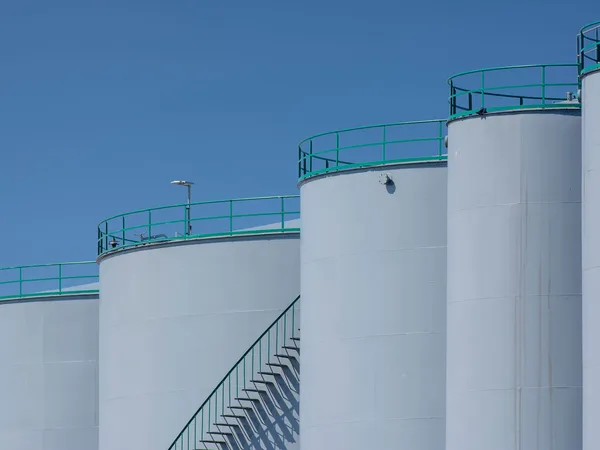
Coating inspected before leaving
How the waterproofing job is carried out
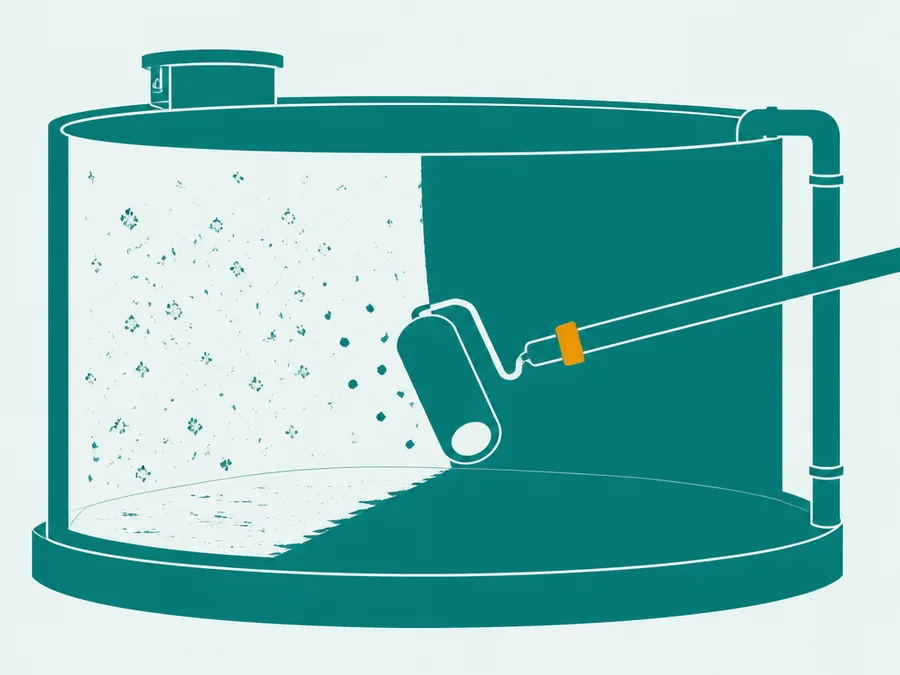
-
Booking and access arrangement
-
Draining, cleaning, and drying
-
Sealing and coating
-
Inspection and handover
What changes about water tank waterproofing in Wadi Mareekh
New tanks here often show their first cracks during the first year of operation due to the density of airborne pollutants and the frequency of moisture absorption and drying cycles. For the whole method, see what water tank waterproofing involves.
-
The first reason
Industrial dust speeds concrete fracturing
Dust mixed with diesel and metal filings settles on the tank and absorbs moisture. This wet mixture hardens on edges and cladding in summer, creating repeated pressure that deepens existing cracks and generates new ones. The cycle repeats with each humid dawn and dry afternoon.
-
The second reason
Ongoing construction shakes foundations
New residential and commercial schemes around the area mean continuous heavy lorries and building machinery. These vibrations travel through the ground and place additional stress on rooftop surfaces and the tanks standing on them, opening micro-fractures that widen with time.
-
The third reason
Coastal humidity causes continuous expansion and contraction
Sea air brings dampness at dawn and night, and dry summer heat draws it out. This repeated expansion and contraction fractures both new and older concrete, especially on exposed vacant plots. The effect accelerates when dust particles lodge in the pores and lock moisture inside.
The character of Wadi Mareekh
New development: ongoing construction and vacant plots between the homes
A neighbourhood in active development means both new and existing tanks under pressure from construction vibrations and airborne industrial contaminants. Waterproofing protects new tanks from early leaks and prevents old ones from deteriorating faster in this high-pollution environment.
What the tank looks like after
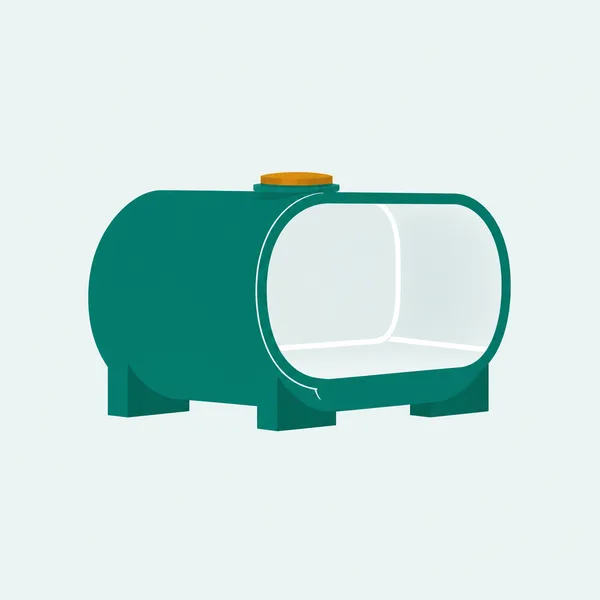
A sealed, smooth interior surface
The coating bonds to the concrete or fibreglass and fills any hairline cracks that were present.
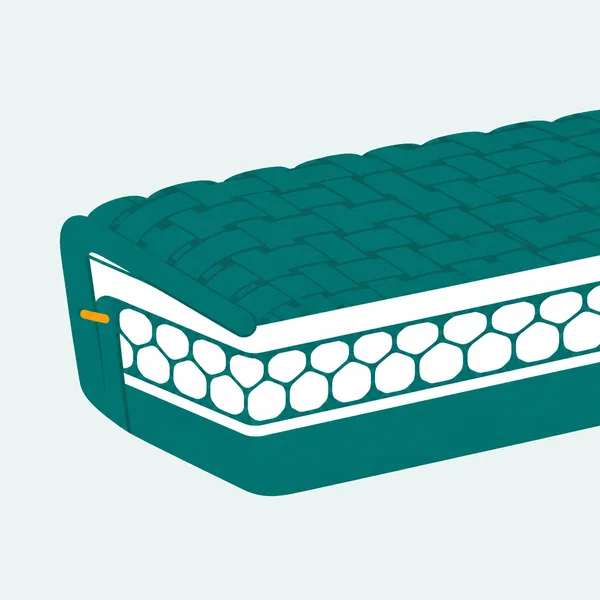
No active leaks or seeping
Gaps that were allowing water to seep through the walls or base are filled and covered.

Food-safe lining throughout
Every applied material is rated safe for contact with drinking water.
What our customers said
«شغلهم ما شاء الله، أنصح الجميع بالتعامل معهم. عن تجربة وثقة.»
«أفضل شركة تنظيف بالبخار. أسعارهم ممتازة وشغلهم مرة كويس.»
«خدمة ممتازة.»
«ممتازين.»
Some of our work

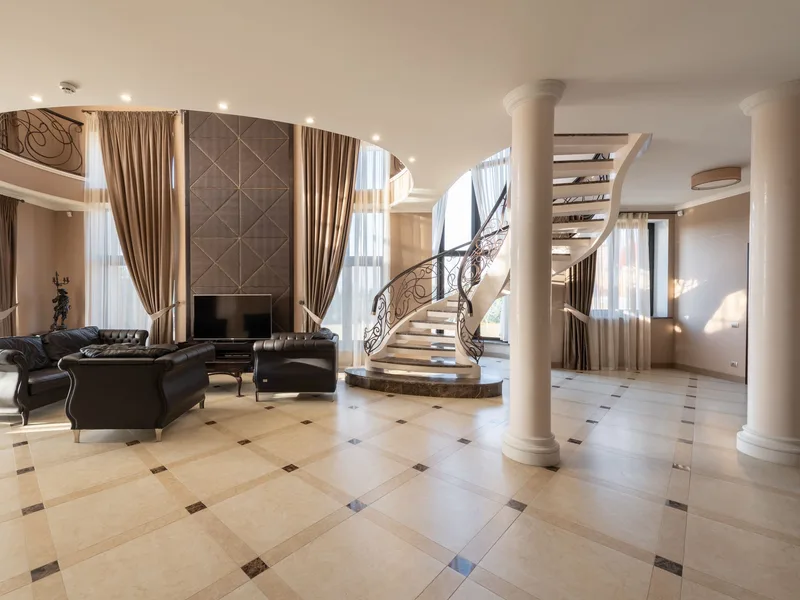
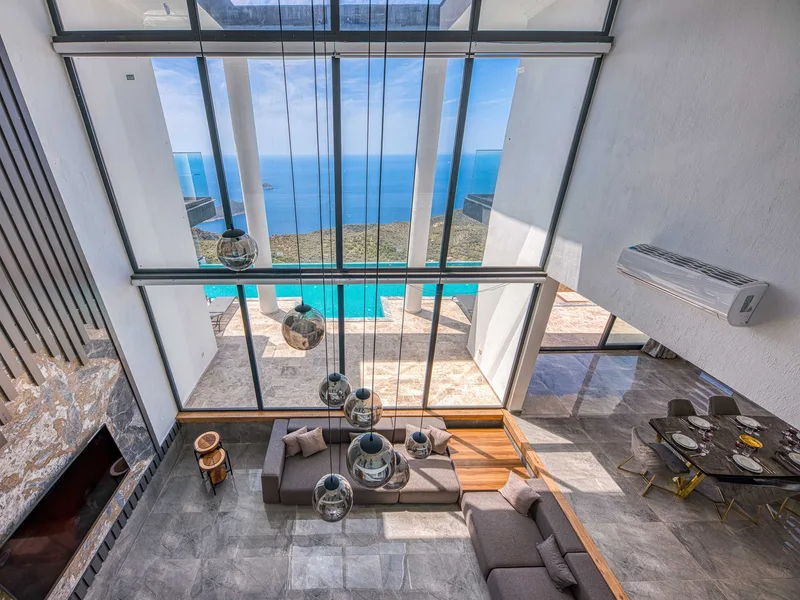
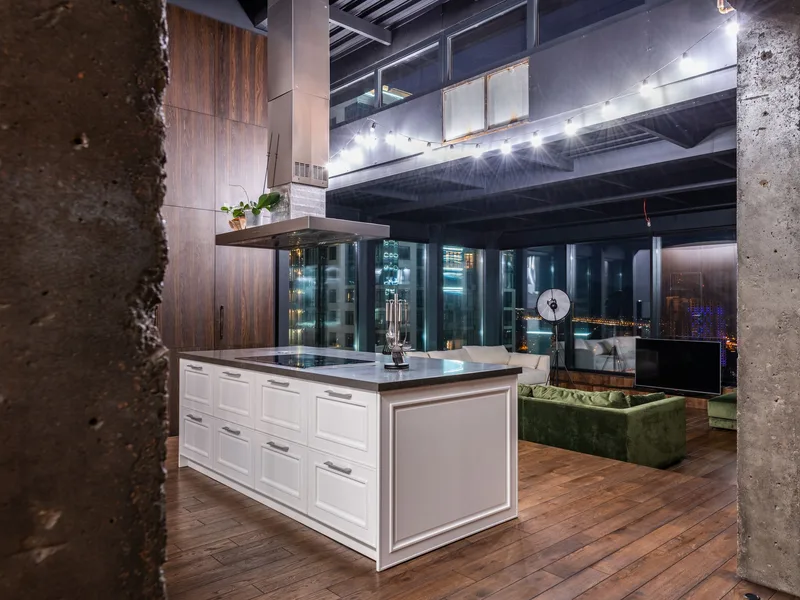
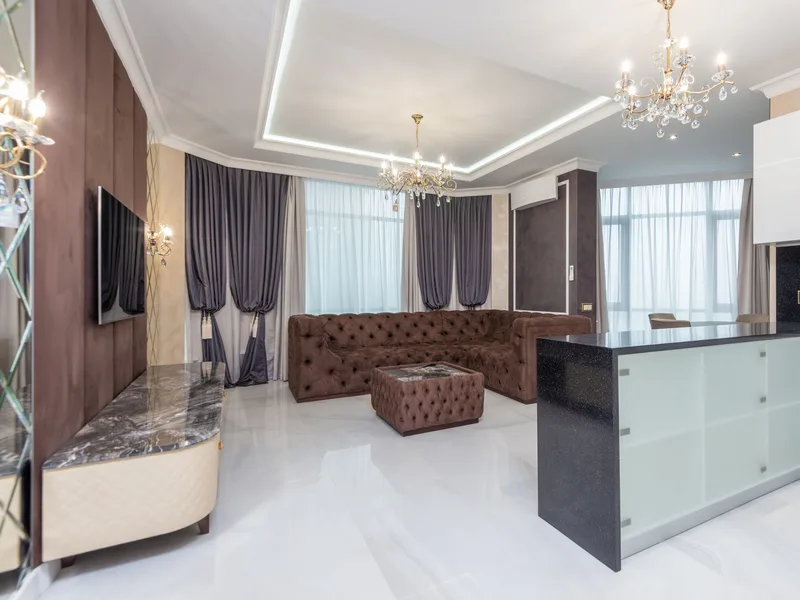
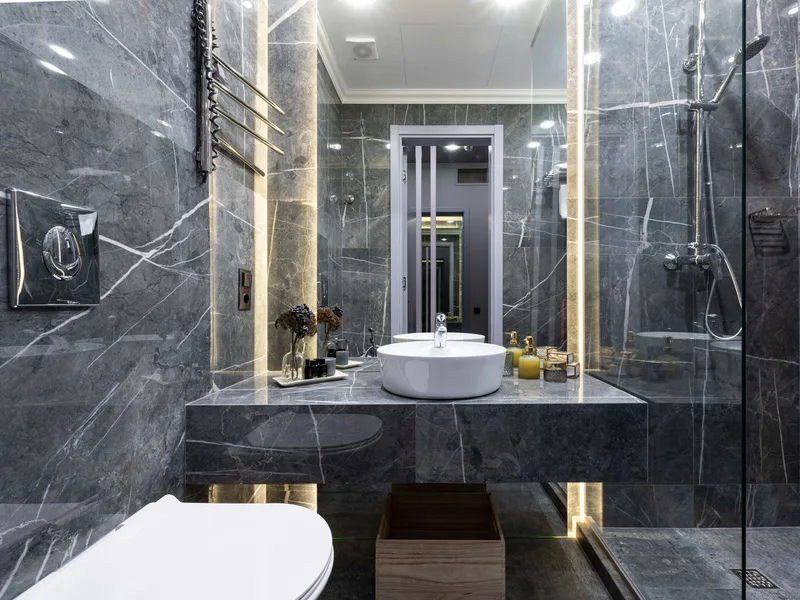

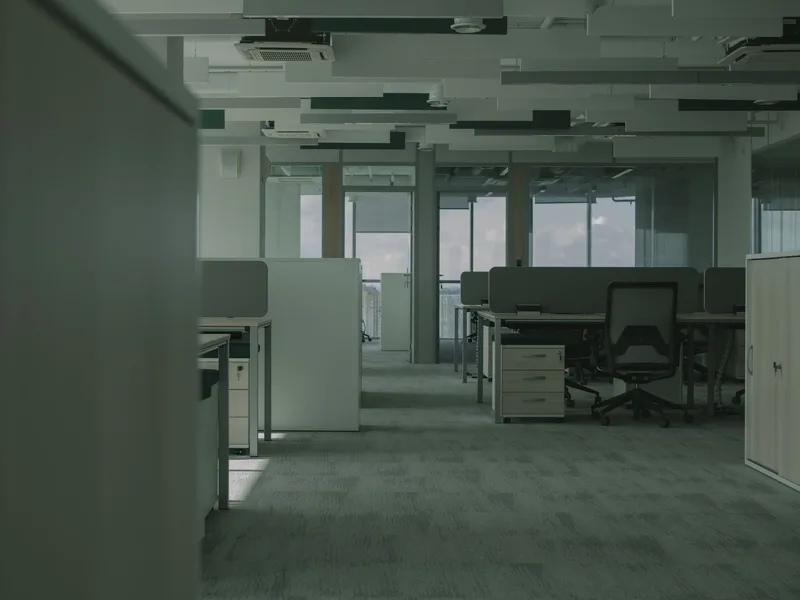
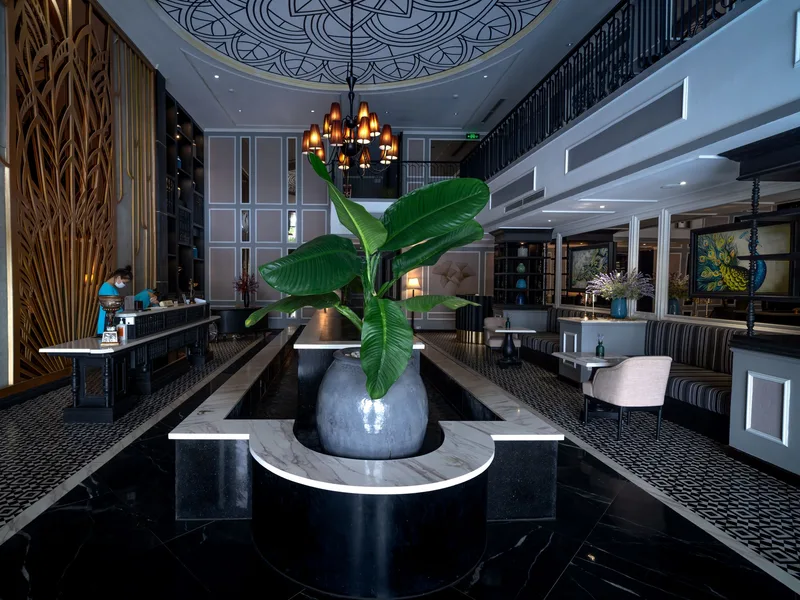
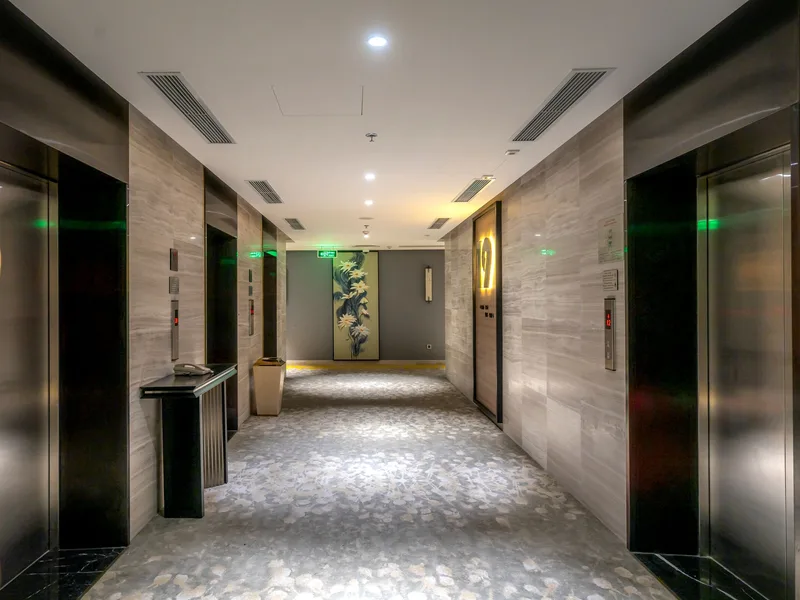
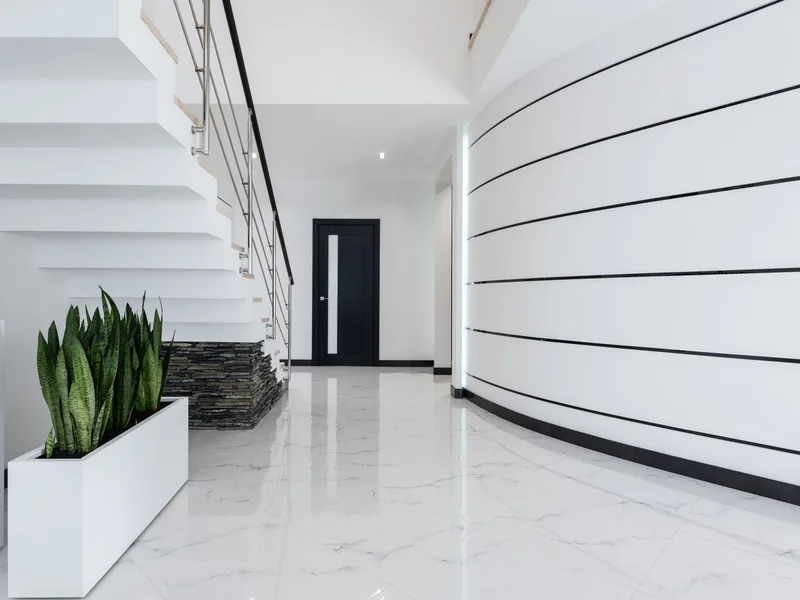
Illustrative photographs. Our own job photographs go here as soon as the client approves them.
What is different about South Jeddah
South Jeddah is the working end of the city: the Islamic Port, the industrial city with its warehouses and workshops, and behind them older low rise districts such as Ghulail and Al Khumrah. The roads are built for lorries, and port and factory traffic runs through the night, so the dust that settles here is grey with diesel and metal filings rather than pale sand. Buildings are mostly older concrete with flat roofs and open stairwells that collect it. Sea humidity keeps it damp, and in summer it sets hard on ledges and cladding.
Questions worth asking first
Yes, dust mixed with diesel and metal filings settles on the surface and around the tank opening. Before sealing, the tank interior must be thoroughly cleaned of these heavy pollutants that accumulate with moisture and form a dense residue.
Yes, but vibrations from heavy equipment may affect the curing of waterproofing layers. It is better to schedule work during a quieter period, or to delay the first inspection until activity around the area decreases.
New tanks in industrial areas should be inspected after the first year of waterproofing to confirm coating integrity, then every two years instead of the usual intervals.
Salt alone does not penetrate a strong waterproofing coat, but moisture mixed with sea salts causes decay in microscopic voids if the seal is not completely watertight throughout.
Yes, rain sweeps dust and pollutants from the roof surface. If the tank collects roof runoff, the inlet and filter must be cleaned thoroughly before waterproofing begins.
If concrete is sound and cracks are surface-level, waterproofing will work. However, in an industrial setting, the foundation and interior edges must first be inspected to rule out deep internal seepage.
It is set after we see the job, because the price follows the kind of work, the size of the space, its condition and the time and materials it needs. Send a photo and a short description on WhatsApp and we will give you an estimate before we reach Wadi Mareekh.
The duration depends on the tank size and how long the interior needs to dry before coating.
No special preparation is needed on the household's side.
Other services in Wadi Mareekh
We also provide these services in Wadi Mareekh.
-
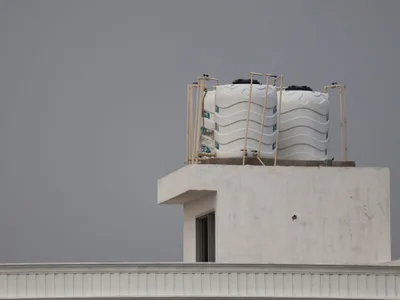 Water tank cleaning and sterilising in Wadi Mareekh
-
 Swimming pool cleaning in Wadi Mareekh
-
 Post-construction cleaning in Wadi Mareekh
-
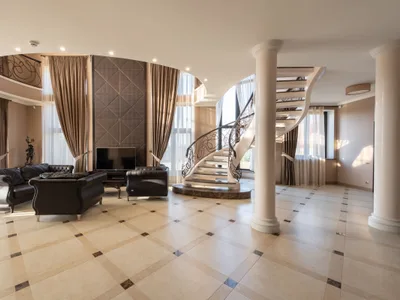 Villa cleaning in Wadi Mareekh
-
 Sofa cleaning in Wadi Mareekh
-
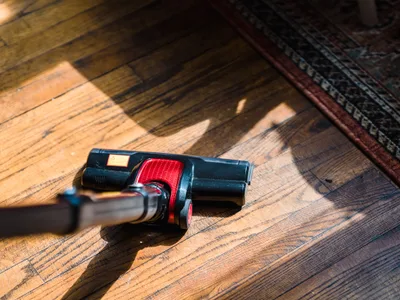 Carpet and rug cleaning in Wadi Mareekh
-
 Mattress cleaning in Wadi Mareekh
-
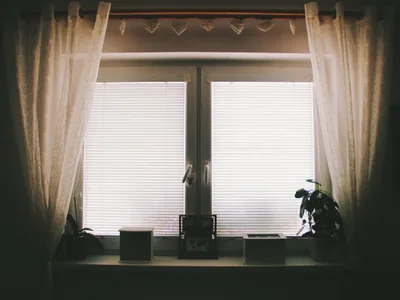 Curtain cleaning in Wadi Mareekh
-
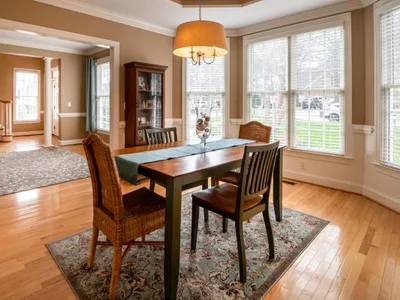 House cleaning in Wadi Mareekh
-
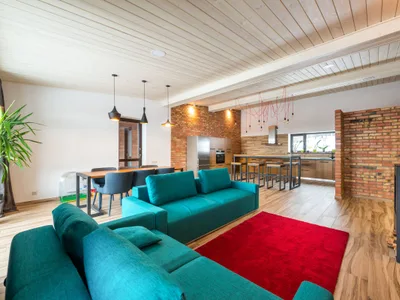 Apartment cleaning in Wadi Mareekh
-
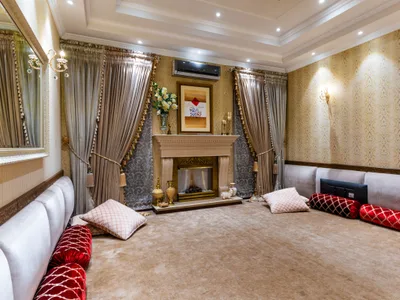 Majlis and rest-house cleaning in Wadi Mareekh
-
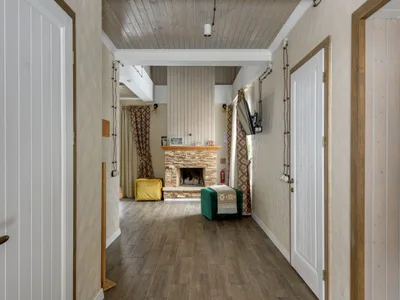 Chalet cleaning in Wadi Mareekh
-
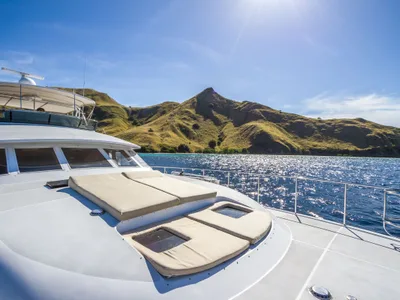 Yacht cleaning in Wadi Mareekh
-
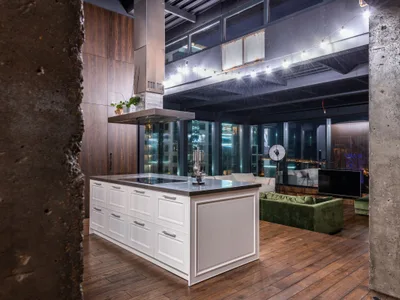 Kitchen cleaning in Wadi Mareekh
-
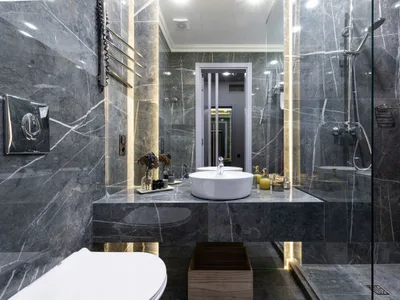 Bathroom cleaning in Wadi Mareekh
-
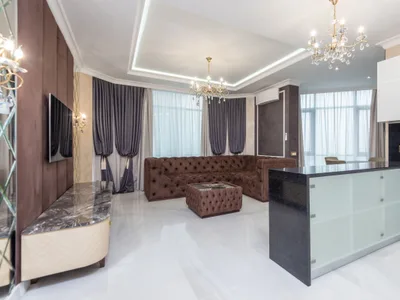 Chandelier cleaning in Wadi Mareekh
-
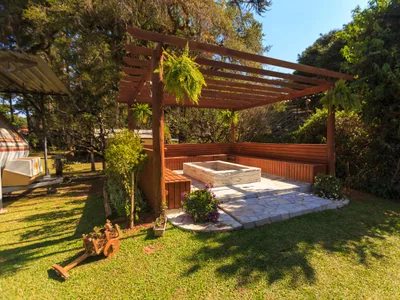 Garden clearance in Wadi Mareekh
-
 Full deep clean in Wadi Mareekh
-
 Move in and move out cleaning in Wadi Mareekh
-
 Disinfection and sanitising in Wadi Mareekh
-
 Pest control in Wadi Mareekh
-
 Bed bug treatment
-
 Office cleaning
-
 Restaurant cleaning
-
 Hotel and resort cleaning
-
 Shopping centre cleaning
-
 Retail cleaning
-
 School cleaning
-
 Nursery and kindergarten cleaning
-
 Hospital cleaning
-
 Clinic and health-centre cleaning
-
 Mosque cleaning
-
 Government facility cleaning
-
 Gym cleaning
-
 Sports ground cleaning
-
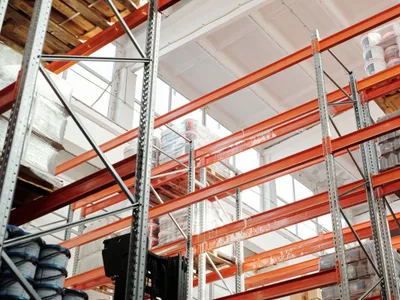 Factory and warehouse cleaning
-
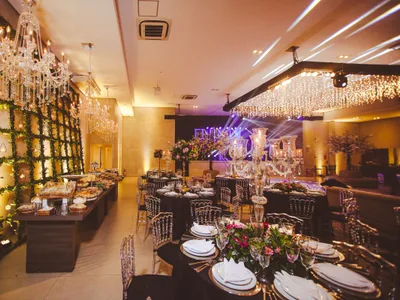 Event cleaning
-
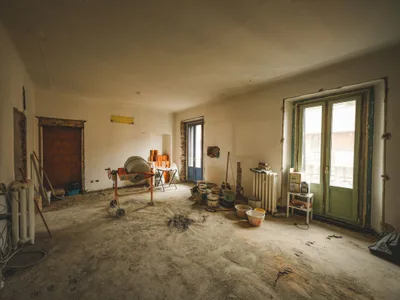 Commercial post-construction cleaning
-
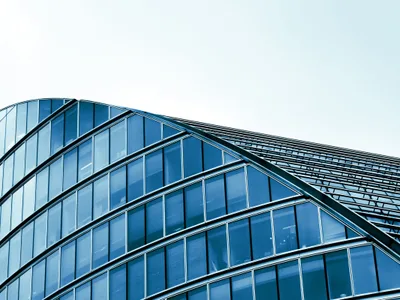 Building facade cleaning
-
 Air duct and HVAC cleaning
-
 Marble grinding and crystal polishing
-
 Commercial pest control