Water tank waterproofing in Al Sham, Jeddah
Al Sham is one of four historic quarters inside the old walled city with heritage stone and timber buildings on narrow lanes. The main roads nearby carry Jeddah's heaviest traffic, and the dark greasy soot from this exhaust continuously contaminates rooftop tanks.
- Interior surfaces fully sealed
- Food-safe coating materials
- Cracks and gaps filled first
- Inspected before handover
Why tank waterproofing protects your water supply
A historic quarter in the north of Al Balad facing the direction of Bilad al Sham, containing heritage stone buildings, narrow lanes and a mixed housing and trading community.
-
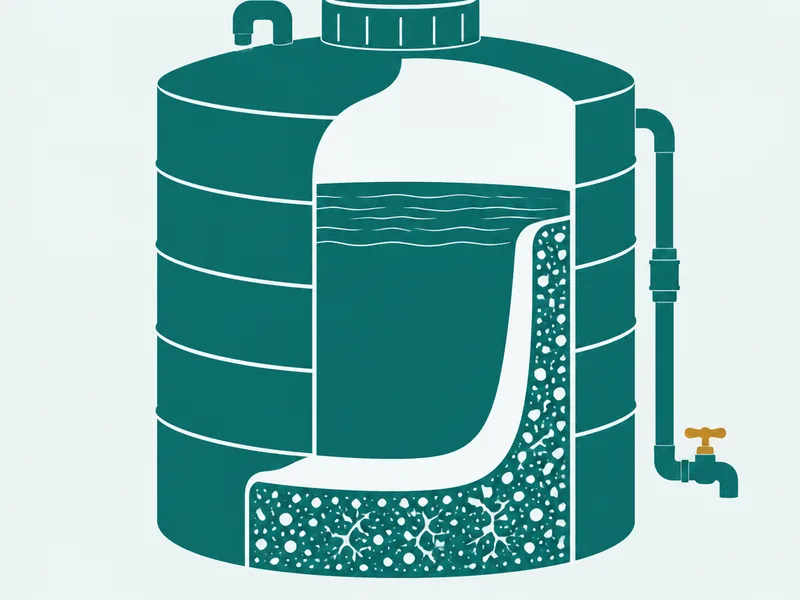
Seal before a leak develops
Greasy soot from Jeddah's busiest roads enters tanks and dirties water continuously. Waterproofing closes the cracks and stops this ongoing contamination reaching drinking supplies.
-
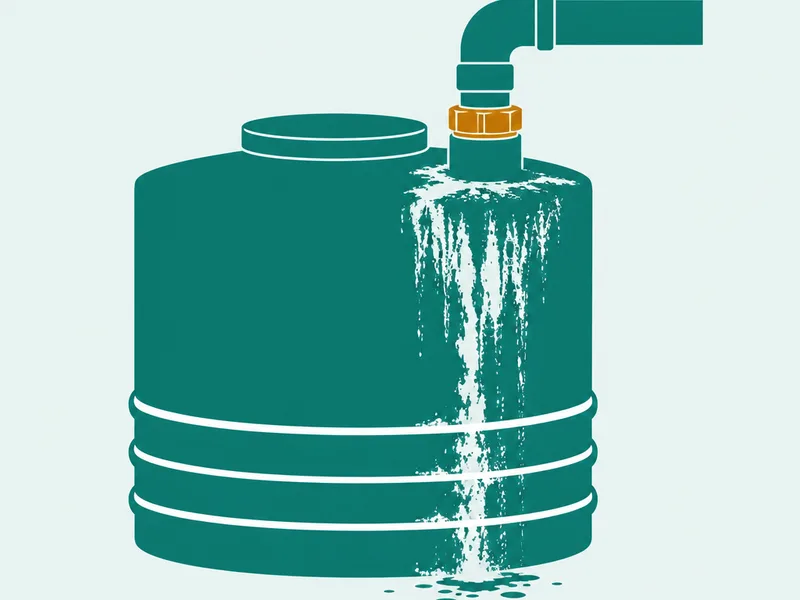
Repair an existing slow drip
Cleaning existing soot is essential before waterproofing because heavy greasy deposits can stop waterproofing materials from adhering well to old porous concrete tank walls.
-
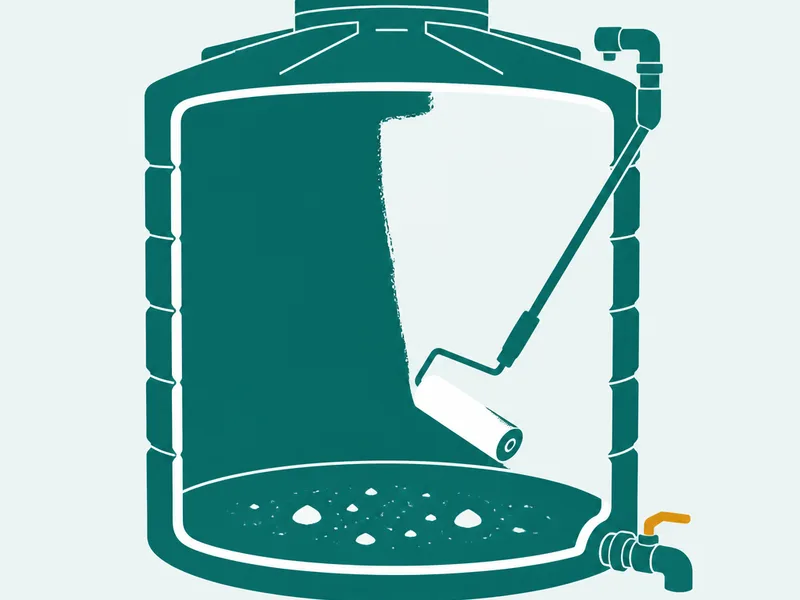
Keep drinking water free of debris
Thermal expansion in summer heat widens cracks in ageing concrete, and each summer creates new openings for soot to enter. Waterproofing breaks this repeating cycle of damage.
-
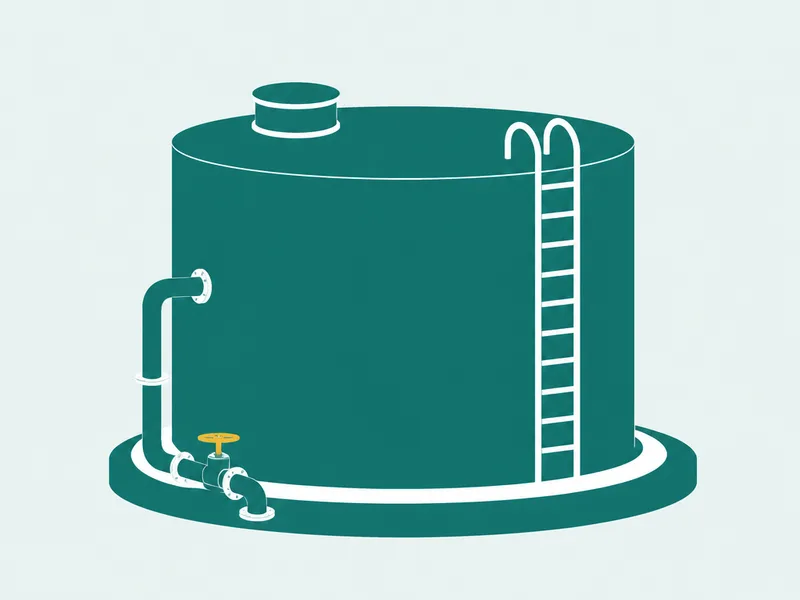
Reduce maintenance over time
Resealing may be necessary every four to five years in Al Sham because heavy greasy soot stresses and weakens the protective coating faster than in less polluted areas.
Everything included in the service
-
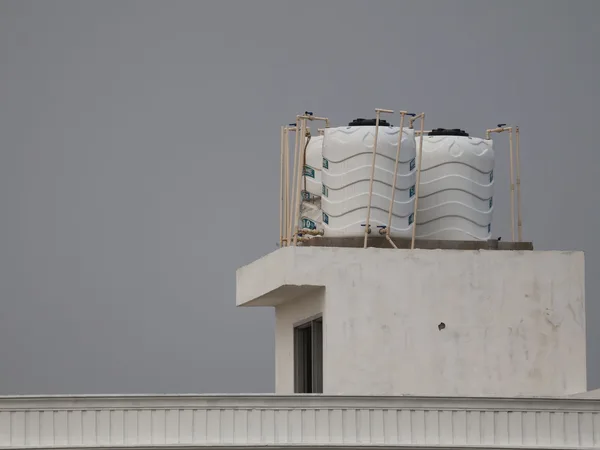
Tank drained of water
-
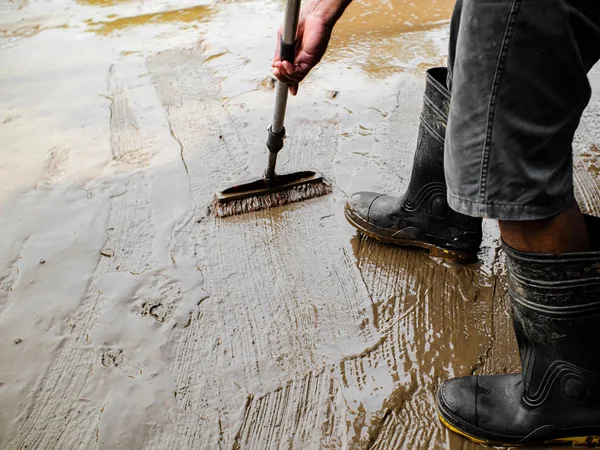
Walls scrubbed with brush
-
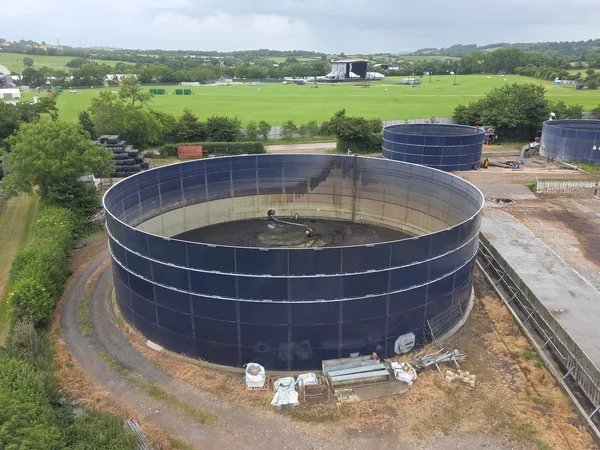
Surfaces dried before coating
-
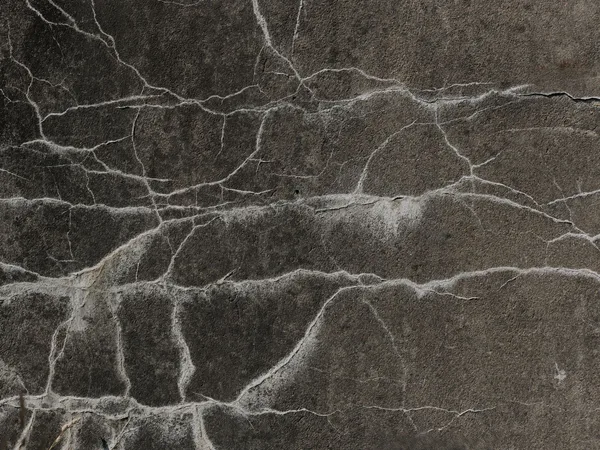
Cracks and gaps sealed
-
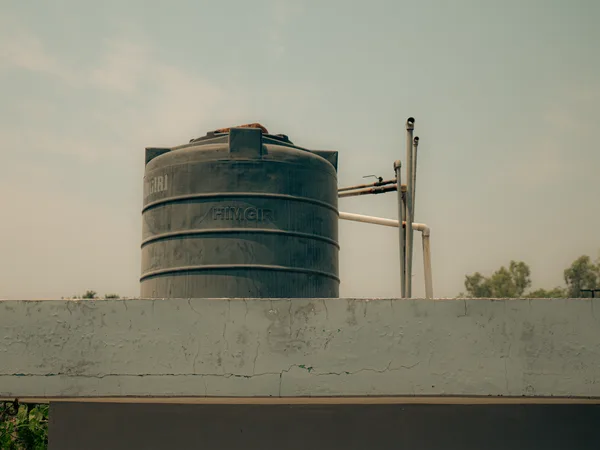
Primer coat brushed on
-

Waterproofing coat brushed on
-
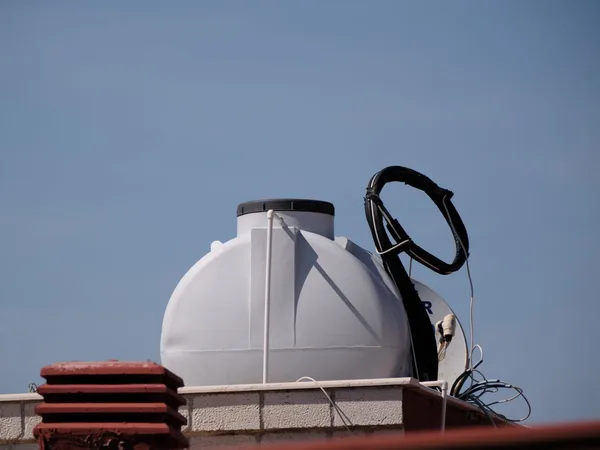
Second coat applied over first
-
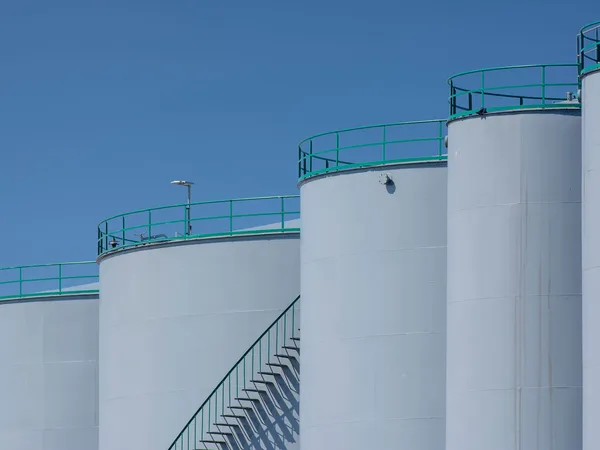
Coating inspected before leaving
How the waterproofing job is carried out
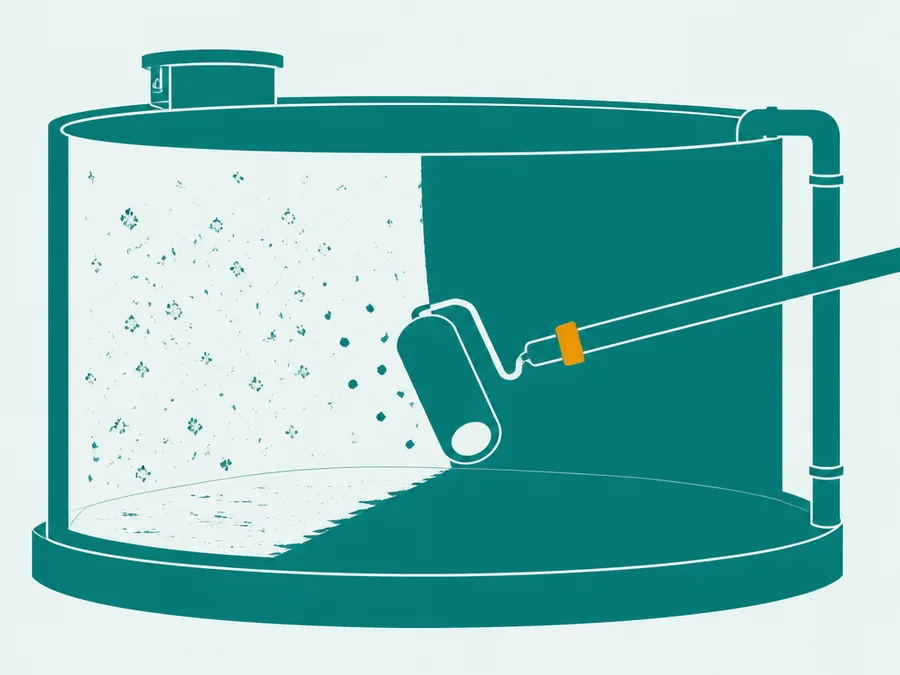
-
Booking and access arrangement
-
Draining, cleaning, and drying
-
Sealing and coating
-
Inspection and handover
What changes about water tank waterproofing in Al Sham
Dark greasy soot from Madinah Road, King Fahd Road and Palestine Street differs entirely from pale desert sand and bakes onto old facades in summer heat, penetrating tank walls. For the whole method, see our water tank waterproofing service.
-
The first reason
Greasy soot from the busiest roads pollutes water
The three main arteries around Al Balad carry Jeddah's heaviest traffic. The soot left by lorries and engines is dark, oily and unlike desert sand. It slides easily through tank cracks and renders water cloudy and dark.
-
The second reason
Old concrete absorbs soot deep into its structure
Concrete and old stone in Al Sham are more porous than modern materials and absorb greasy soot deep into their mass. This weakens the concrete from inside and allows more pollutants to seep through into tanks.
-
The third reason
Ongoing restoration work adds stone dust to air
Restoration projects throughout the old quarter release fine stone dust that settles on tanks. This dust adds to the existing soot burden, making tank protection increasingly necessary.
The character of Al Sham
Historic district: close-set buildings, narrow lanes and ageing services
In a historic quarter like Al Sham with old stone and weak concrete, the rooftop tank does not simply face airborne pollutants. It also suffers from what the porous building material absorbs and compresses as rising damp.
What the tank looks like after
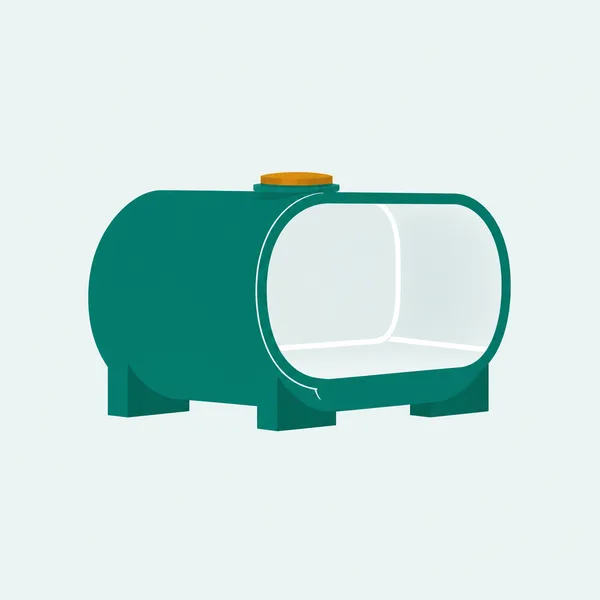
A sealed, smooth interior surface
The coating bonds to the concrete or fibreglass and fills any hairline cracks that were present.
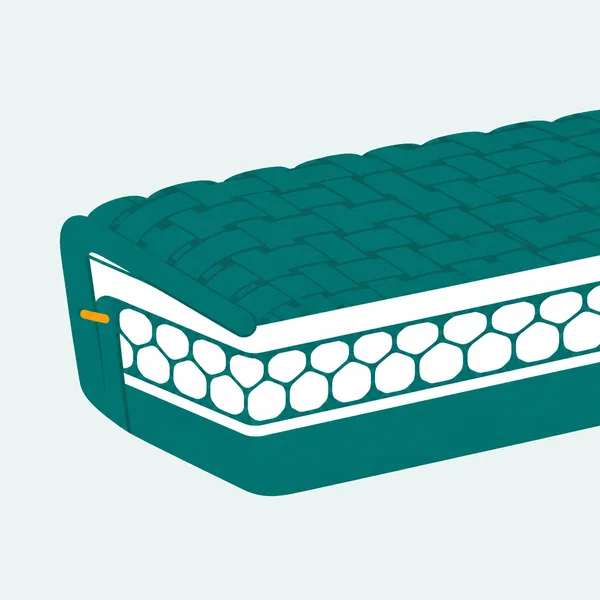
No active leaks or seeping
Gaps that were allowing water to seep through the walls or base are filled and covered.
Food-safe lining throughout
Every applied material is rated safe for contact with drinking water.
What our customers said
«شغلهم ما شاء الله، أنصح الجميع بالتعامل معهم. عن تجربة وثقة.»
«أفضل شركة تنظيف بالبخار. أسعارهم ممتازة وشغلهم مرة كويس.»
«خدمة ممتازة.»
«ممتازين.»
Some of our work
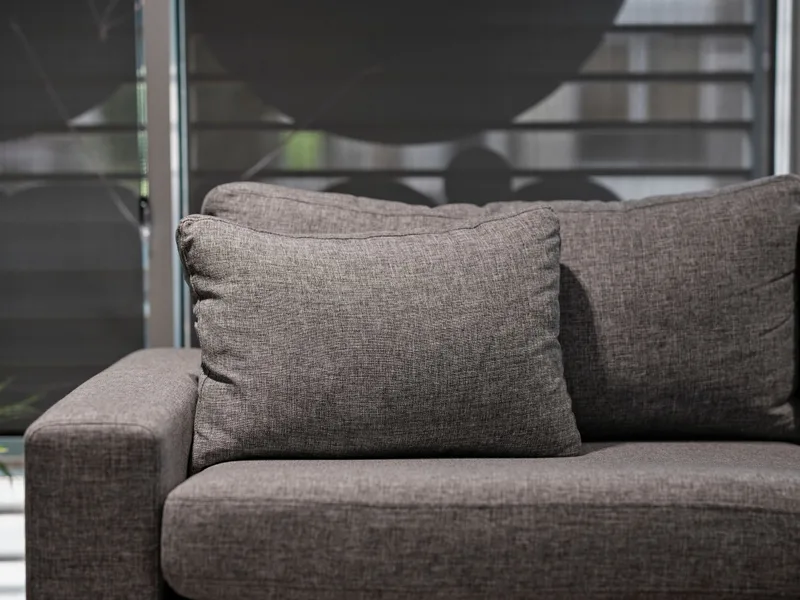
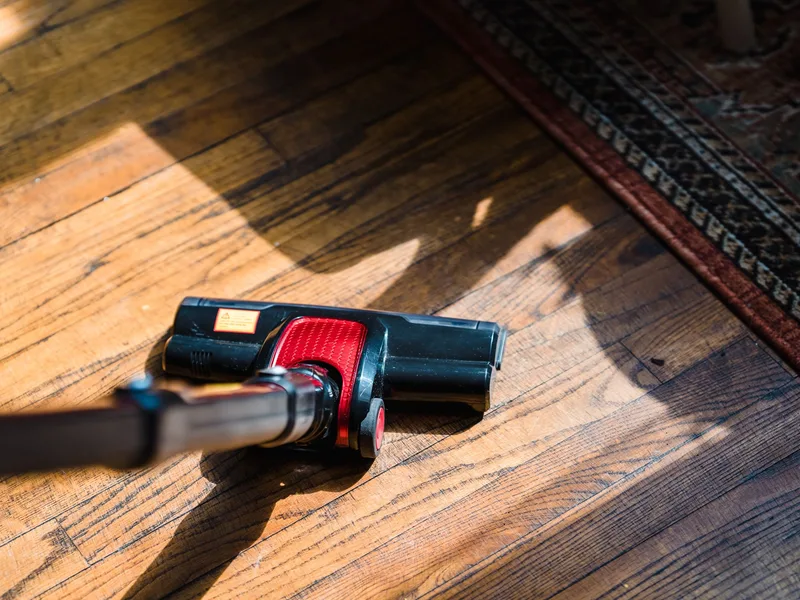
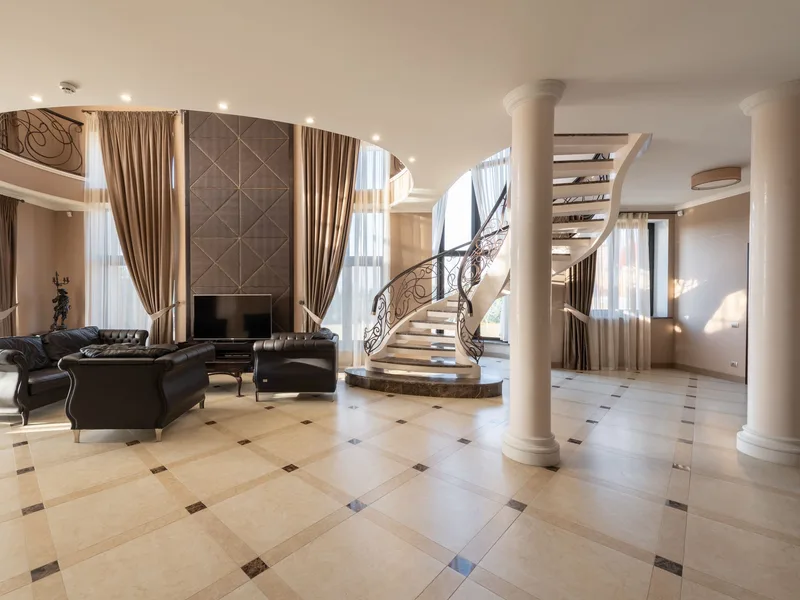
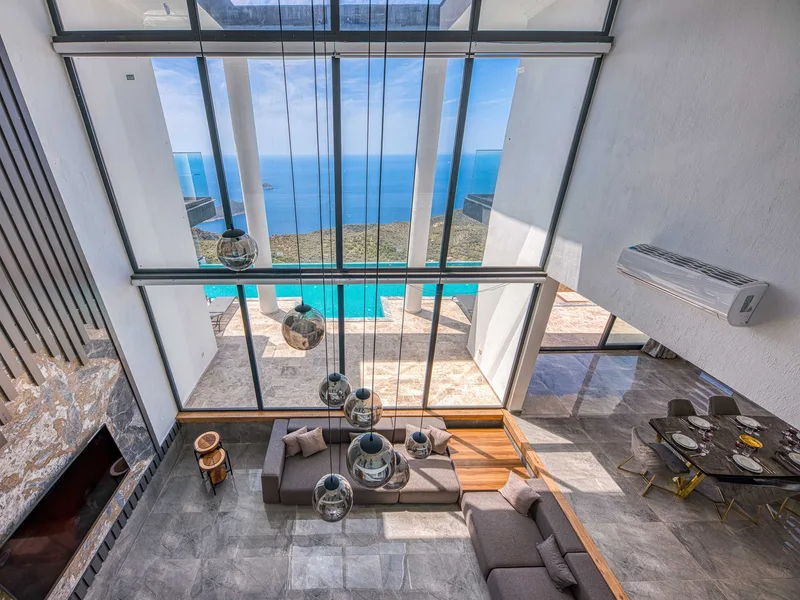
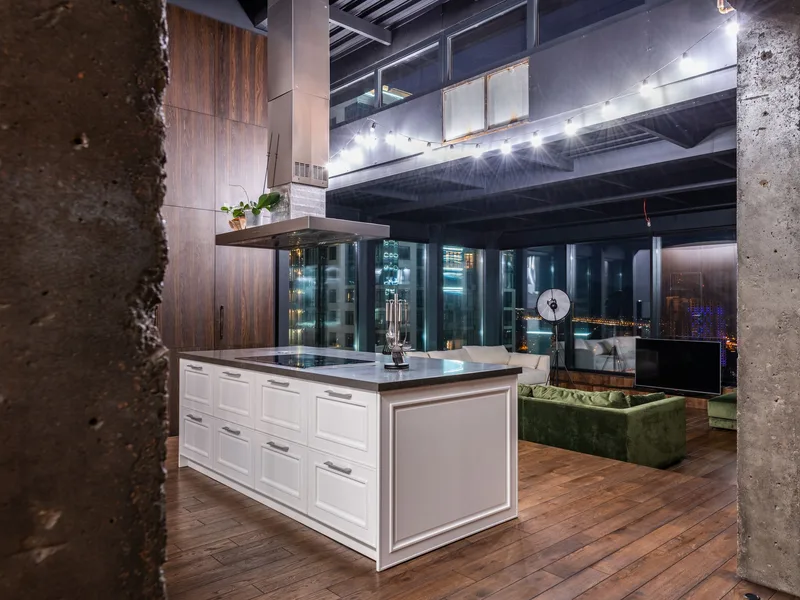
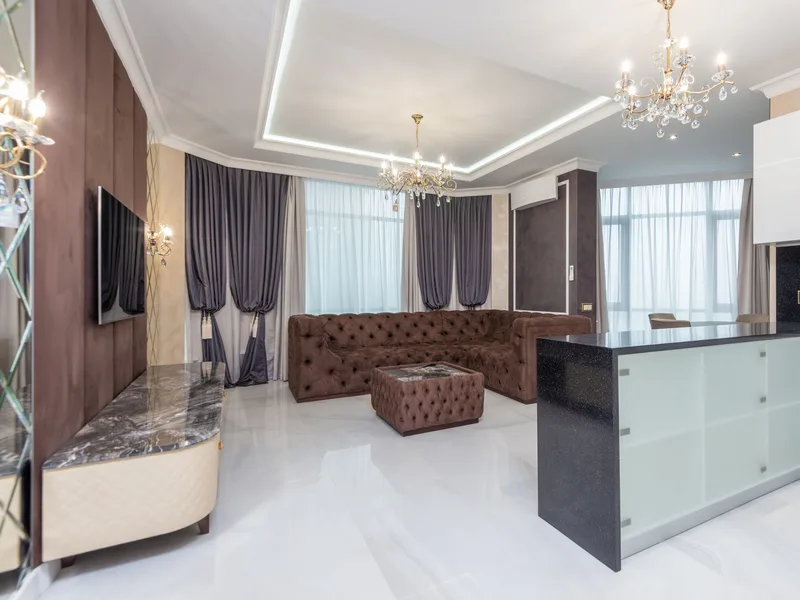
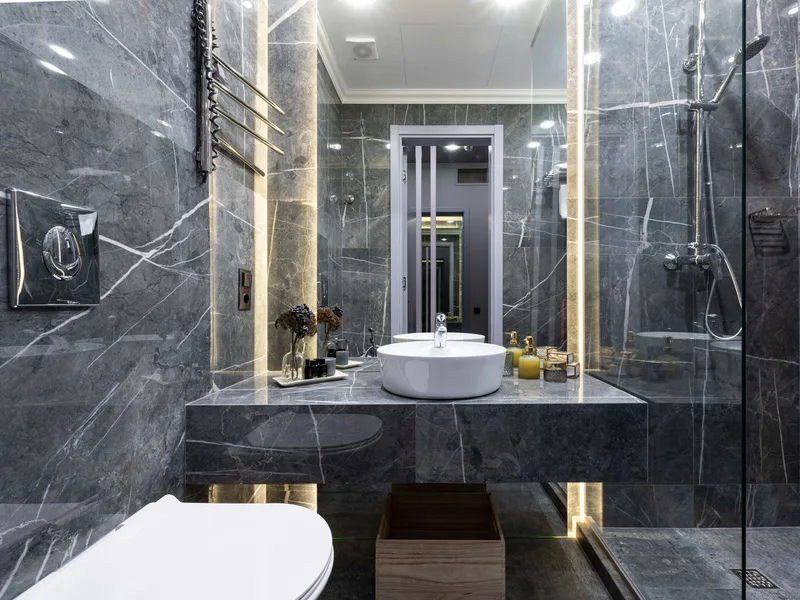
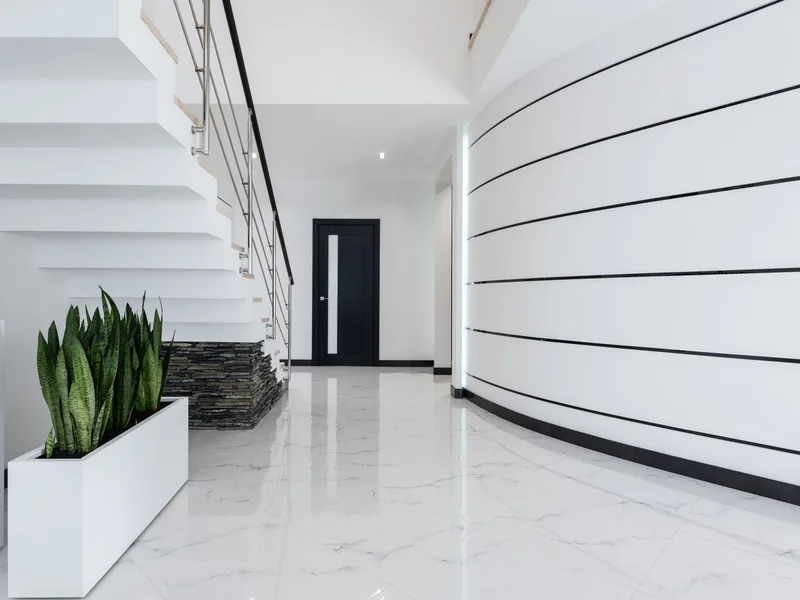
Illustrative photographs. Our own job photographs go here as soon as the client approves them.
What is different about Central Jeddah
Central Jeddah is the densest part of the city. Around the historic core of Al Balad the streets are narrow, the blocks are old, and most buildings have shops at ground level with flats above, so stairwells open onto markets and workshops. The main arteries, Madinah Road, King Fahd Road and Palestine Street, carry the heaviest traffic in Jeddah, and their exhaust leaves a dark, greasy soot unlike the dry sand of the outskirts. Old render holds it, summer heat bakes it on, and restoration work in the old quarter adds stone dust.
Nearby districts we cover
Questions worth asking first
Older concrete and stone are more porous than modern materials and absorb greasy soot deep into their fabric. This weakens the concrete from inside and allows more contaminants to pass through into the tank.
Yes, narrow lanes reduce air circulation and trap moisture close to buildings. This humidity condenses on tank surfaces and buildings, accelerating concrete deterioration and cracking.
Inspection every three months is appropriate due to continuous greasy soot exposure. After waterproofing, inspection can reduce to every six months because the tank is now protected from new contamination.
Yes, waterproofing stops new soot entering, but existing soot must be cleaned first. After cleaning and sealing, the tank becomes clear and protected from fresh soot deposits and ongoing pollution.
Stone dust is lighter than greasy soot but enters tanks just as readily. Waterproofing protects against both pollutants: traffic soot from the roads and stone dust from ongoing restoration work in the old quarter.
Fully drain the tank and pre clean greasy soot with a dry brush and cloth, then with light water washing. Multiple cleaning passes may be needed because heavy soot clings strongly to old concrete walls.
It is set after we see the job, because the price follows the kind of work, the size of the space, its condition and the time and materials it needs. Send a photo and a short description on WhatsApp and we will give you an estimate before we reach Al Sham.
The duration depends on the tank size and how long the interior needs to dry before coating.
No special preparation is needed on the household's side.
Other services in Al Sham
We also provide these services in Al Sham.
-
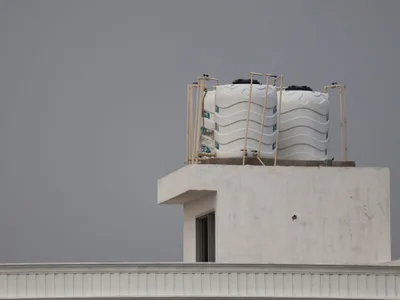 Water tank cleaning and sterilising in Al Sham
-
 Swimming pool cleaning in Al Sham
-
 Post-construction cleaning in Al Sham
-
 Villa cleaning in Al Sham
-
 Sofa cleaning in Al Sham
-
 Carpet and rug cleaning in Al Sham
-
 Mattress cleaning in Al Sham
-
 Curtain cleaning in Al Sham
-
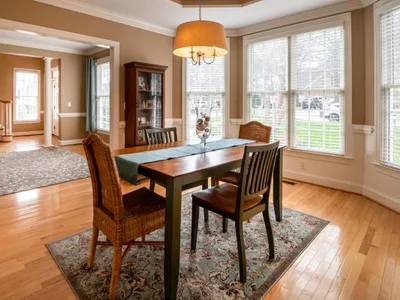 House cleaning in Al Sham
-
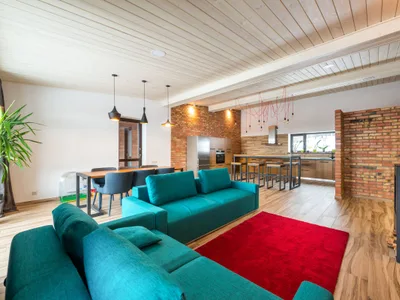 Apartment cleaning in Al Sham
-
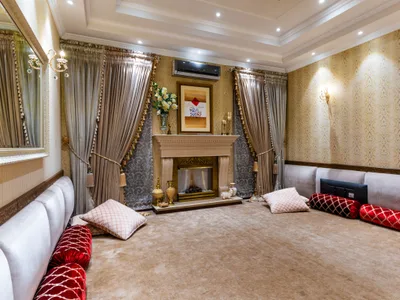 Majlis and rest-house cleaning in Al Sham
-
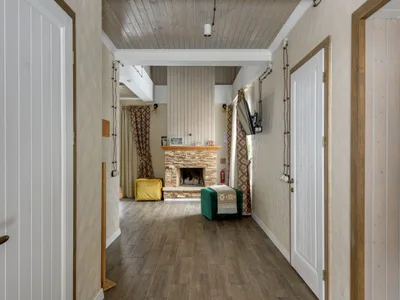 Chalet cleaning in Al Sham
-
 Yacht cleaning in Al Sham
-
 Kitchen cleaning in Al Sham
-
 Bathroom cleaning in Al Sham
-
 Chandelier cleaning in Al Sham
-
 Garden clearance in Al Sham
-
 Full deep clean in Al Sham
-
 Move in and move out cleaning in Al Sham
-
 Disinfection and sanitising in Al Sham
-
 Pest control in Al Sham
-
 Bed bug treatment
-
 Office cleaning
-
 Restaurant cleaning
-
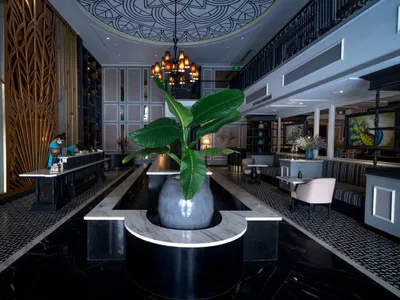 Hotel and resort cleaning
-
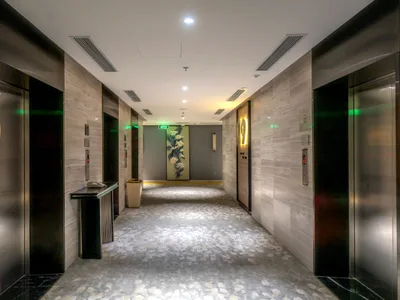 Shopping centre cleaning
-
 Retail cleaning
-
 School cleaning
-
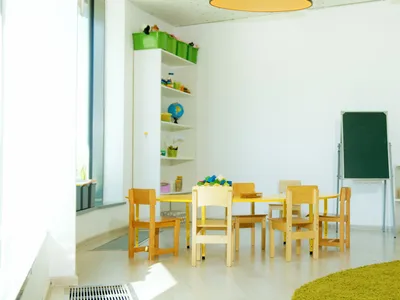 Nursery and kindergarten cleaning
-
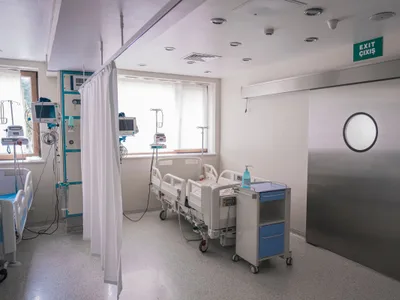 Hospital cleaning
-
 Clinic and health-centre cleaning
-
 Mosque cleaning
-
 Government facility cleaning
-
 Gym cleaning
-
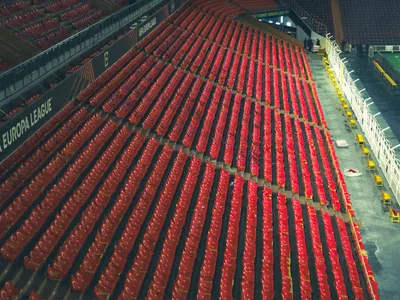 Sports ground cleaning
-
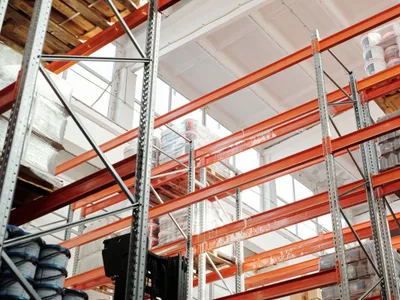 Factory and warehouse cleaning
-
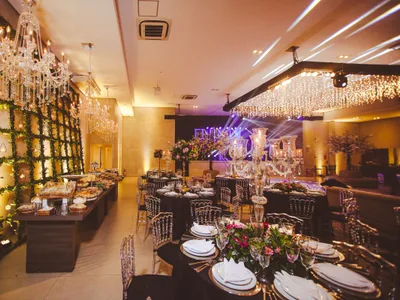 Event cleaning
-
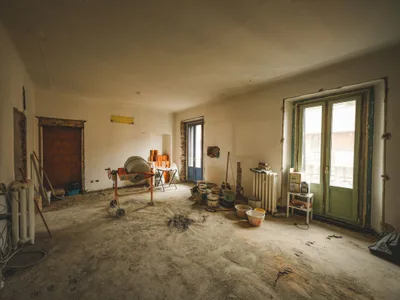 Commercial post-construction cleaning
-
 Building facade cleaning
-
 Air duct and HVAC cleaning
-
 Marble grinding and crystal polishing
-
 Commercial pest control