Water tank cleaning and sterilising in Kilo 14, Jeddah
Kilo 14 is an area along Old Makkah Road at the far southeastern edge of Jeddah, combining car repair workshops and industrial axes with a dense informal residential quarter. The two neighbouring roads carry heavy lorry traffic, and grey diesel and metal dust settles on everything. Tanks here accumulate sediment at an unusual rate.
- Full interior scrub-down
- Sediment and sludge removed
- Drinking-water safe sterilant
- Hatch sealed after service
Why a clean tank matters for your water supply
The area sits along Old Makkah Road at the far southeastern edge of Jeddah, with industrial complex, informal residential quarter and a popular market. Lorry and freight movement is very heavy.
-
Seasonal maintenance before peak use
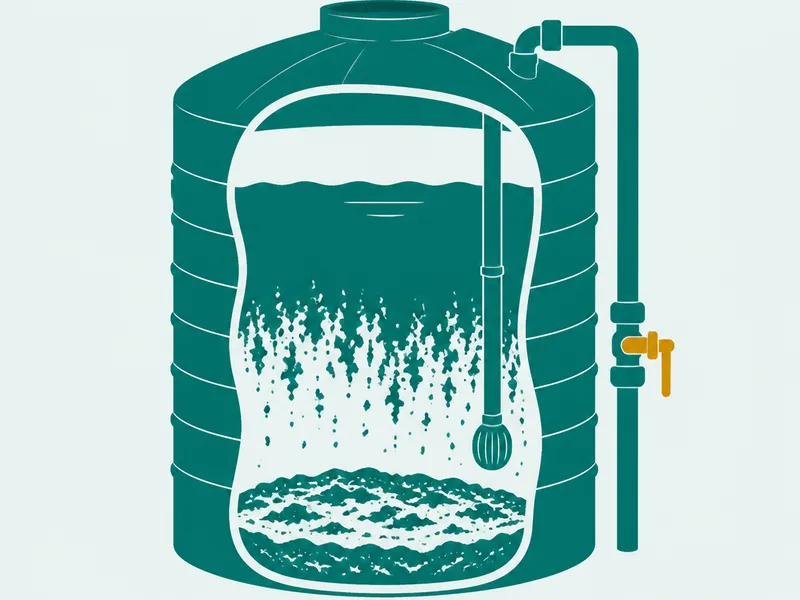
Industrial dust, diesel and metal sediment accumulate at an unusual rate and require deep mechanical removal, inspection for leaks or vibration damage.
-
After a long property vacancy
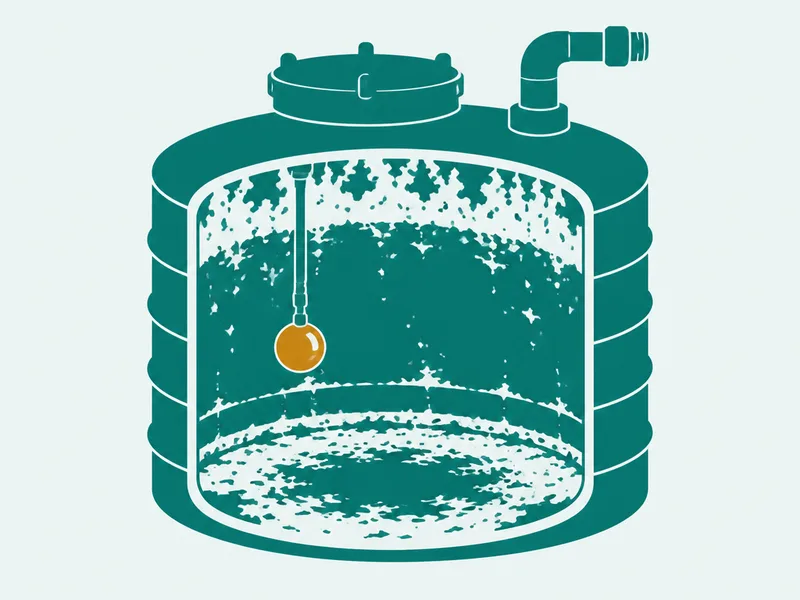
Algae and bacteria grow rapidly in neglected tanks with high humidity, and sterilisation may need higher concentration or repeated application.
-
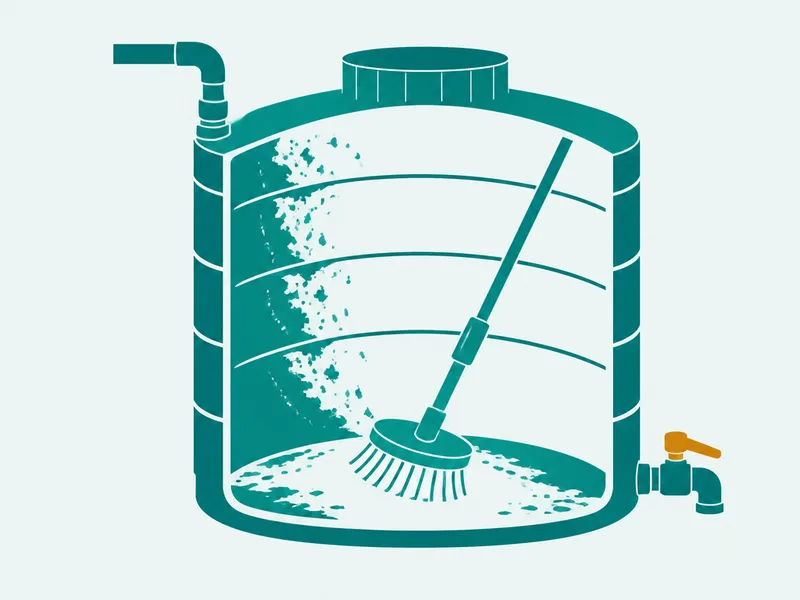
Visible discolouration or unusual taste
After prolonged neglect, the tank may need complete sediment removal and repeated rinsing before final sterilisation, and initial water after cleaning may not be safe for drinking.
-
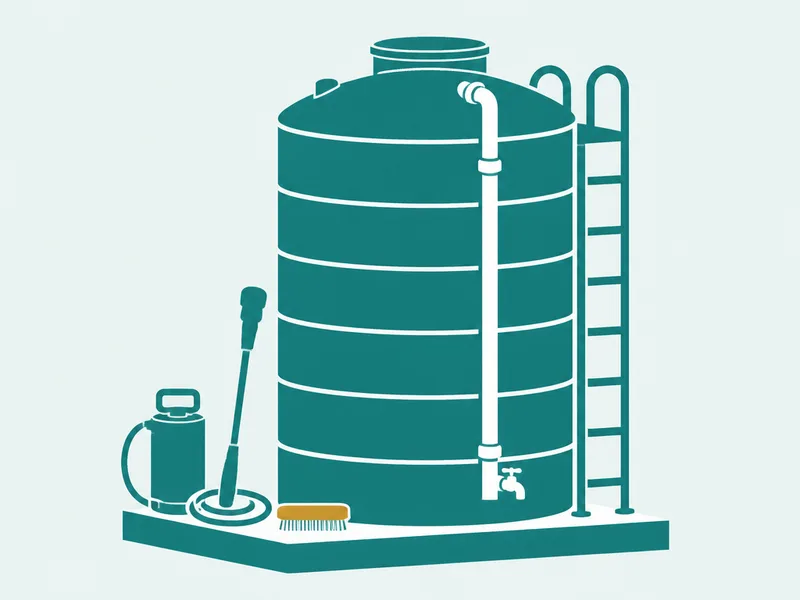
Landlord or building inspection requirements
Before entertaining season or Ramadan, a neglected tank requires deep cleaning, strong sterilisation and water testing to confirm it is safe for family and guests.
What is included in every tank clean
-
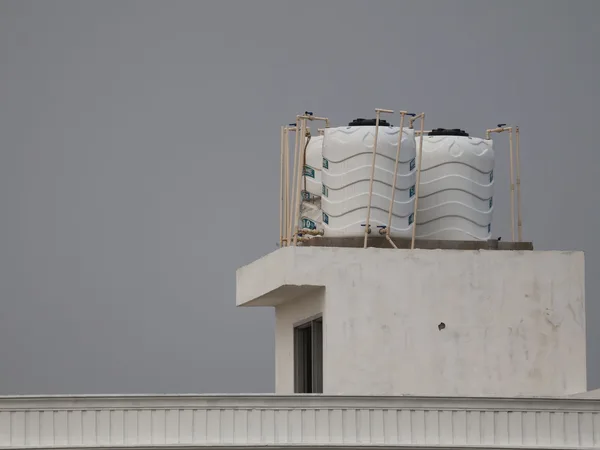
Opening and inspecting tank hatch
-
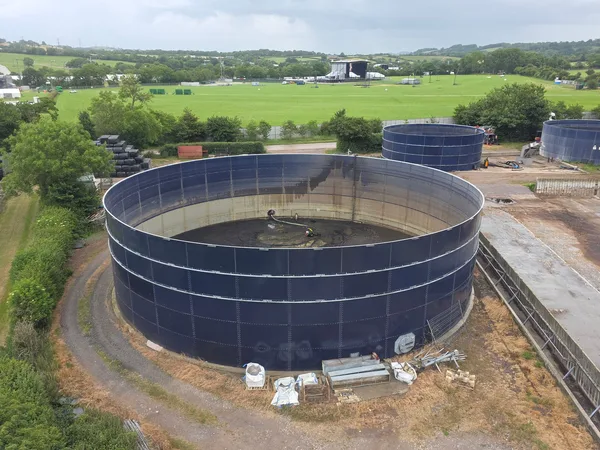
Draining water from the tank
-
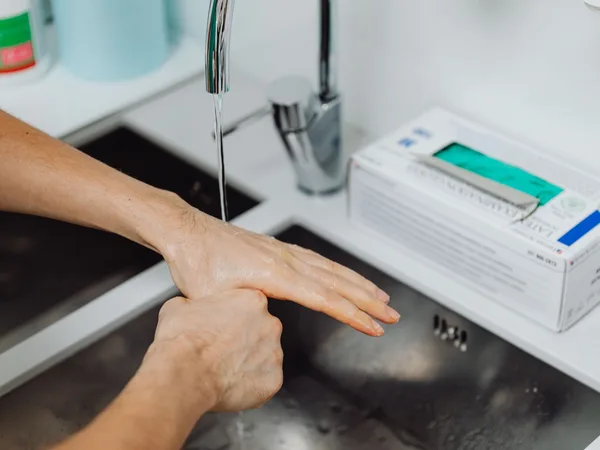
Scrubbing interior walls and floor
-
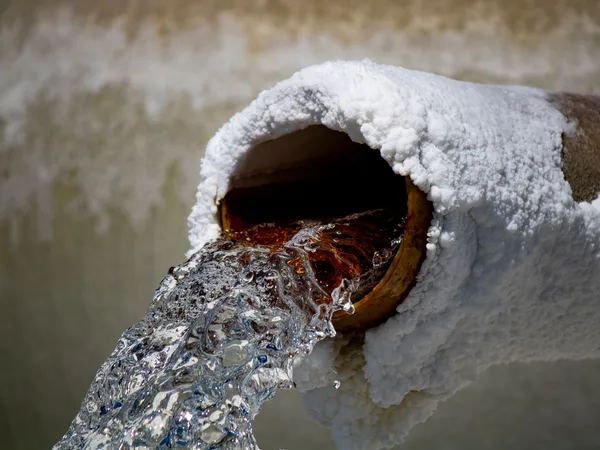
Removing accumulated sludge and sediment
-
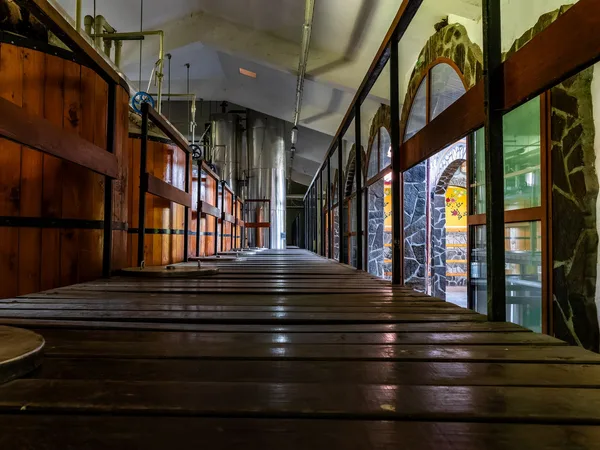
Rinsing interior walls and floor
-
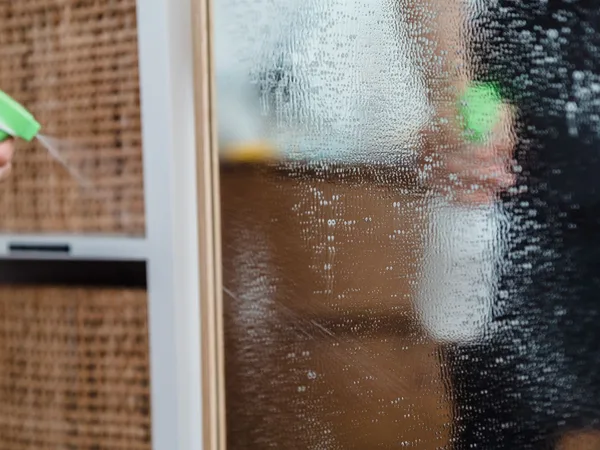
Spraying sterilising solution on surfaces
-
Flushing out sterilant residue
-
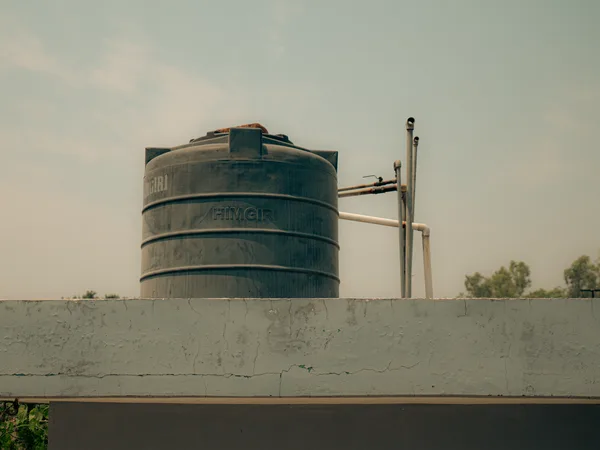
Sealing and securing the hatch
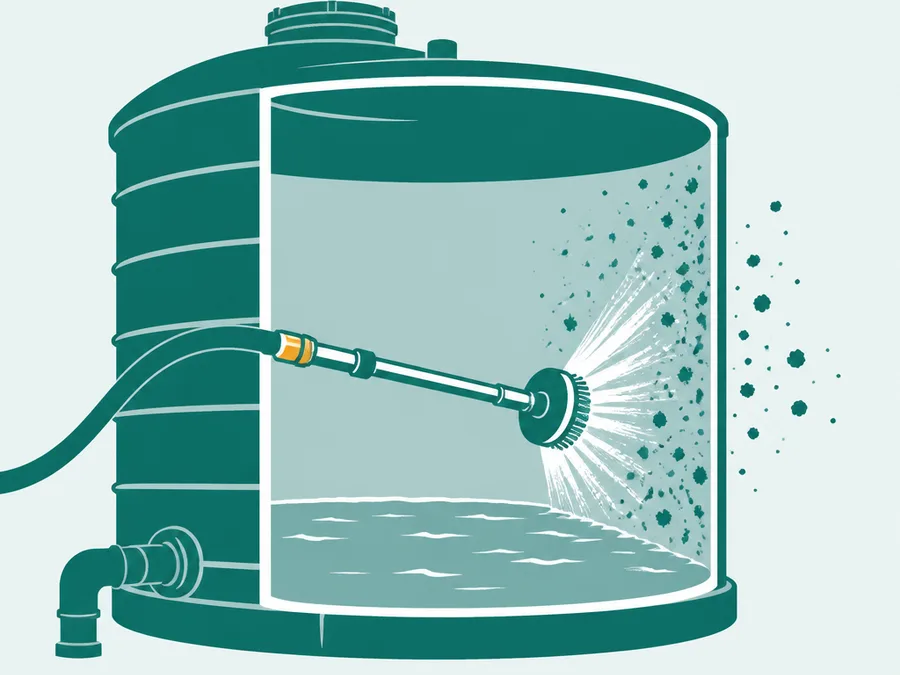
How the cleaning process works, step by step
-
Survey and drain
-
Scrub and remove sediment
-
Rinse and sterilise
-
Final flush and seal
What changes about water tank cleaning and sterilising in Kilo 14
Tanks at Kilo 14 need more frequent cleaning than any other district in Jeddah. Heavy diesel dust and metal particles settle so rapidly that residents are often surprised at the rate. For the whole method, see the full water tank cleaning and sterilising page.
-
The first reason
Continuous lorry traffic to and from workshops and warehouses
Kilo 14 is an industrial work hub. Lorries carrying parts, metals and goods pass all day long. Grey dust from diesel, oil and iron metal rises from the roads and settles on roofs and tanks. Noise and smoke distract from the heavy dust that actually enters the water supply.
-
The second reason
Industry and housing mixed with no buffer between them
Workshops and warehouses sit directly next to residential homes. No barrier separates them. Smoke from welding, furnaces and sanding dust blows into houses. Tanks on roofs of homes adjacent to workshops suffer more than anywhere else in the city.
-
The third reason
Popular market, constant daily movement and tank neglect
The market brings vendors, workers and motorcycles every morning. Dust, odours and dirt mean less care for tank maintenance. Most tanks here have not been cleaned in years. Algae and bacteria grow unchecked in a neglected environment.
The character of Kilo 14
Industrial area: workshops, warehouses and loading yards
The industrial area means tanks under heavy pressure from workshop and warehouse use. Cutting water for cleaning affects work and productivity. Advance coordination and notice to shop and warehouse owners is essential, and swift cleaning minimises business losses.
What you have when the work is done
Interior walls free of scale
The scrubbing stage removes deposited minerals and biofilm from every reachable surface.
Sterilant applied and flushed out
A drinking-water-safe sterilising solution is applied to all interior surfaces and then fully flushed before the hatch is sealed.
Hatch secured and sealed
The hatch is resealed after the final flush to prevent airborne dust and insects from entering the tank.
What our customers said
«شغلهم ما شاء الله، أنصح الجميع بالتعامل معهم. عن تجربة وثقة.»
«أفضل شركة تنظيف بالبخار. أسعارهم ممتازة وشغلهم مرة كويس.»
«خدمة ممتازة.»
«ممتازين.»
Some of our work
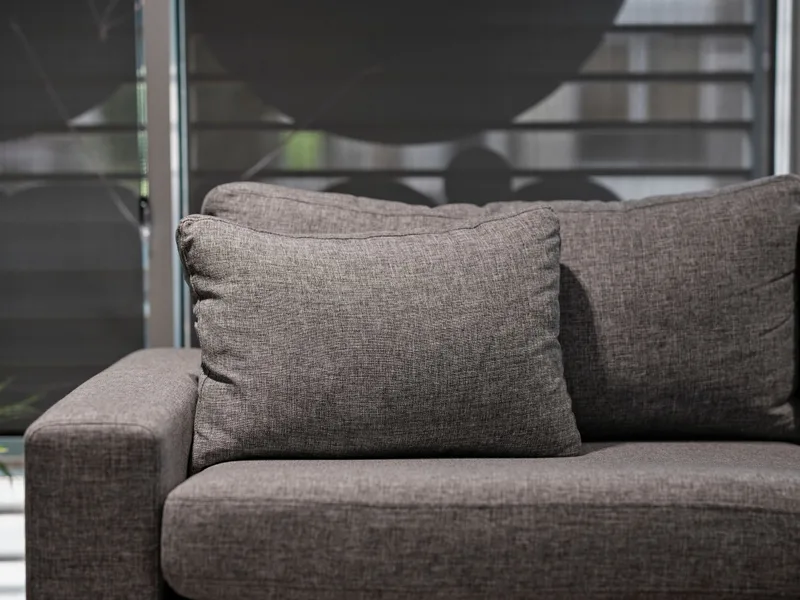
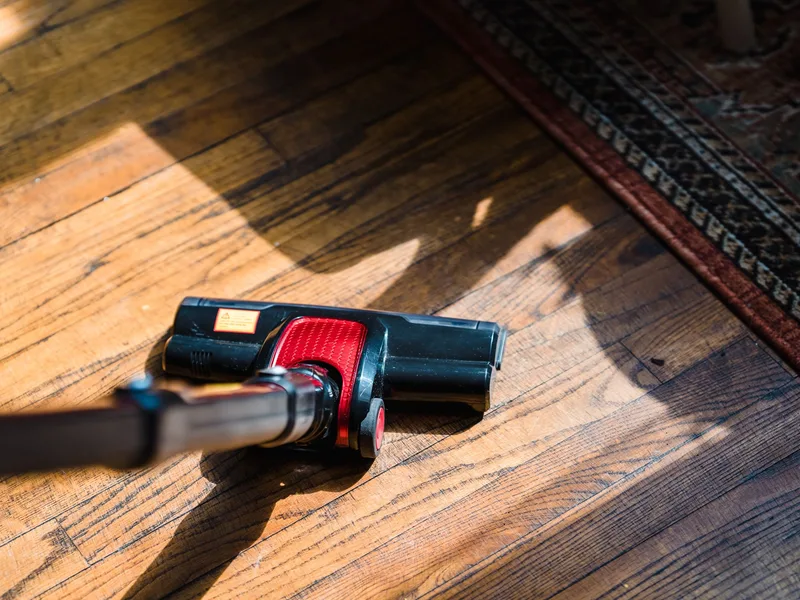
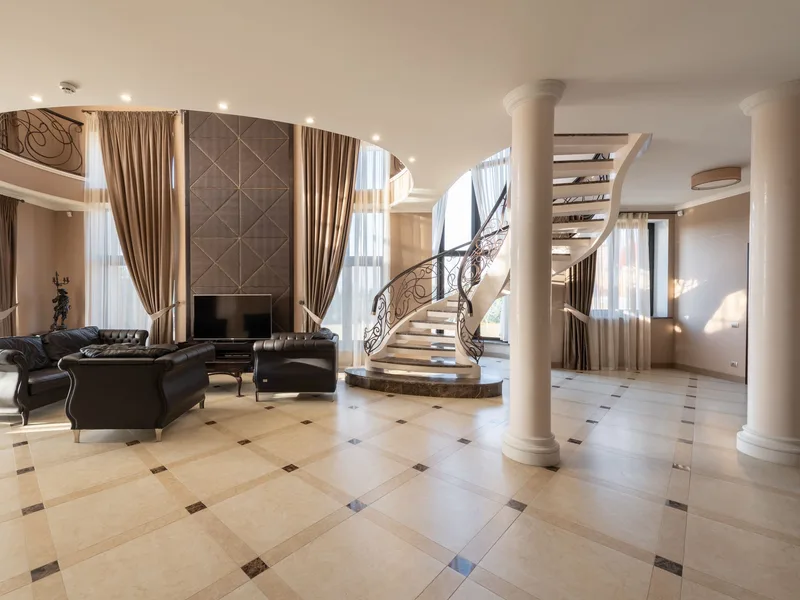
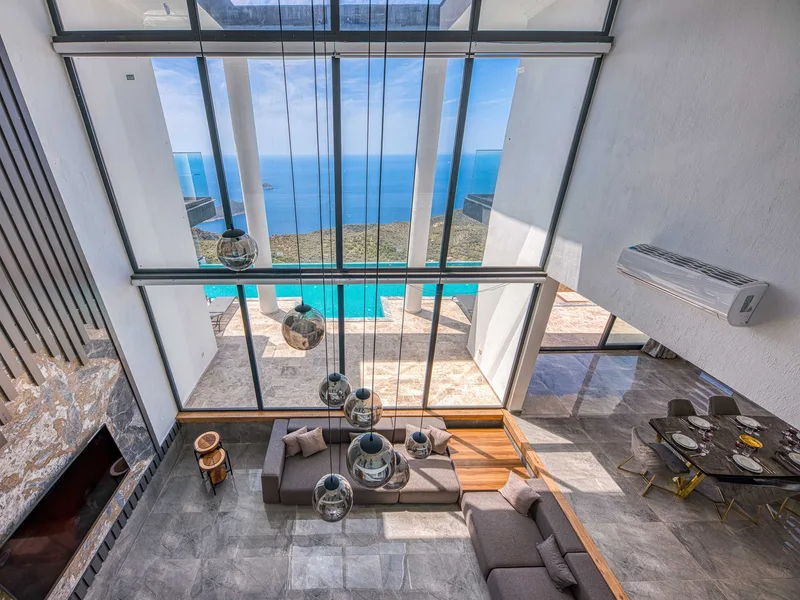
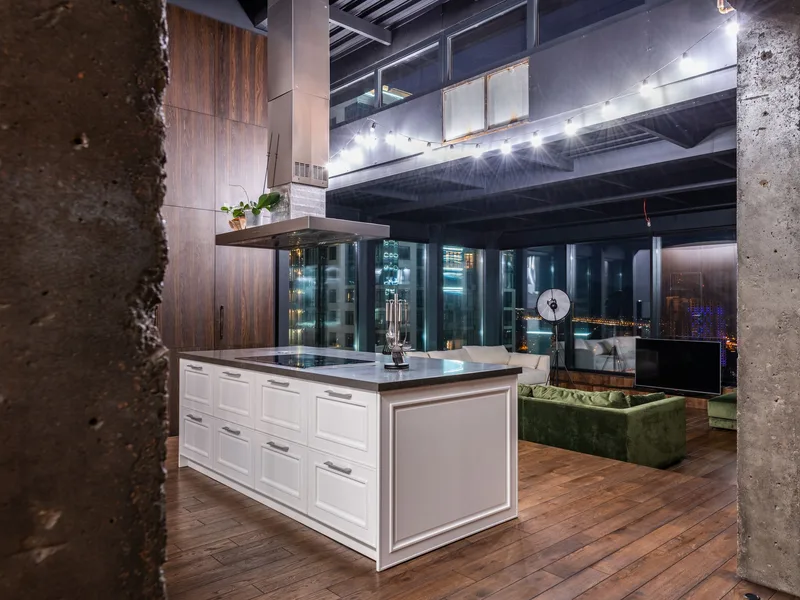
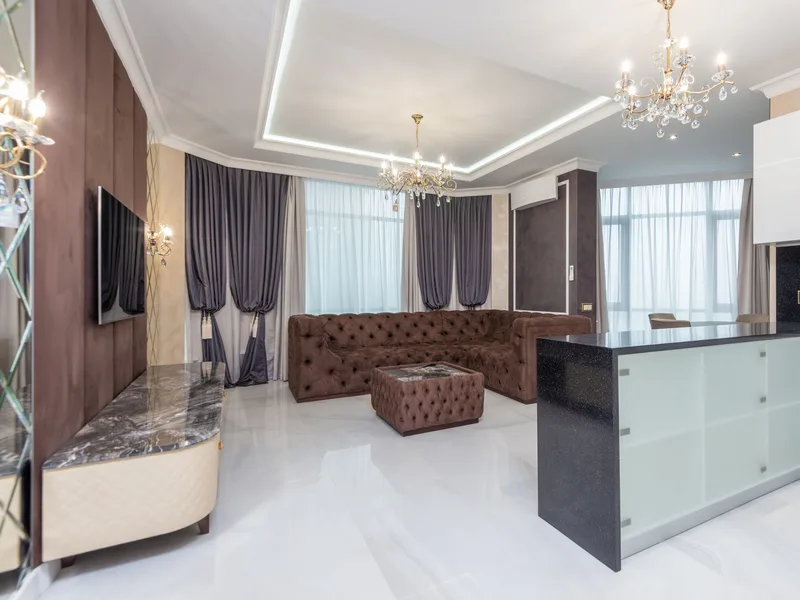
Illustrative photographs. Our own job photographs go here as soon as the client approves them.
What is different about South Jeddah
South Jeddah is the working end of the city: the Islamic Port, the industrial city with its warehouses and workshops, and behind them older low rise districts such as Ghulail and Al Khumrah. The roads are built for lorries, and port and factory traffic runs through the night, so the dust that settles here is grey with diesel and metal filings rather than pale sand. Buildings are mostly older concrete with flat roofs and open stairwells that collect it. Sea humidity keeps it damp, and in summer it sets hard on ledges and cladding.
Nearby districts we cover
Questions worth asking first
Workshops produce metal dust from grinding, cutting and turning. This dust rises easily and settles on roofs and tanks. Old tanks with weak covers do not protect against entry of heavy metal particles.
Very heavy use may weaken sterilisation effect if applied while water is still being drawn. Sterilisation works best when the tank is full and settled. More frequent sterilisation may be necessary due to the volume of water used.
Oil and fuel from workshops may drift as vapour and spray settling on roofs. If they enter the tank, water may smell or taste of fuel. Deep cleaning and sterilisation remove fuel odours.
Heavy lorries pass at speed close to buildings. Vibrations may cause rapid settling of heavy sediment. Tanks on roofs of buildings close to the road may need more frequent cleaning.
New construction around the market raises concrete and brick dust. This dust adds to existing industrial dust. Tanks receive double pressure from both industrial and construction dust simultaneously.
Tanks neglected for years contain very thick sediment, advanced bacterial and algal growth. Cleaning requires deep mechanical removal and strong sterilisation. Specialised cleaners and repeated treatment in the first days may be necessary.
It is set after we see the job, because the price follows the kind of work, the size of the space, its condition and the time and materials it needs. Send a photo and a short description on WhatsApp and we will give you an estimate before we reach Kilo 14.
Once a year is the most common schedule for a household tank in regular use.
Yes.
Other services in Kilo 14
We also provide these services in Kilo 14.
-
 Water tank waterproofing in Kilo 14
-
 Majlis and rest-house cleaning in Kilo 14
-
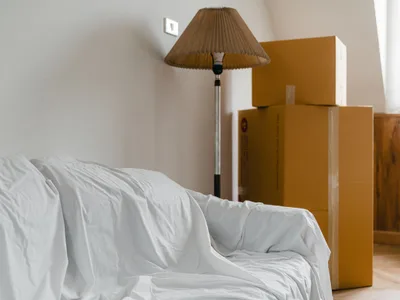 Move in and move out cleaning in Kilo 14
-
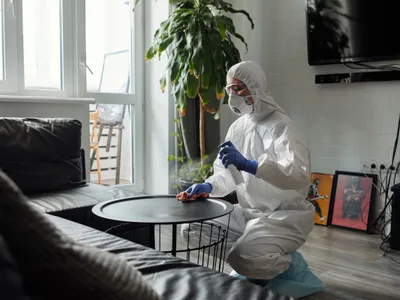 Pest control in Kilo 14
-
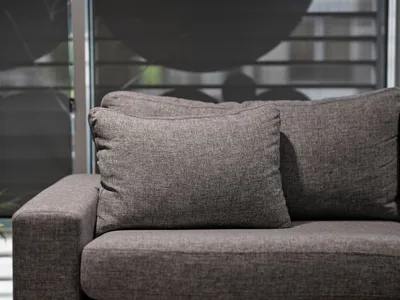 Sofa cleaning in Kilo 14
-
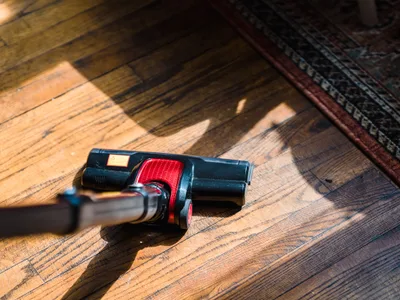 Carpet and rug cleaning in Kilo 14
-
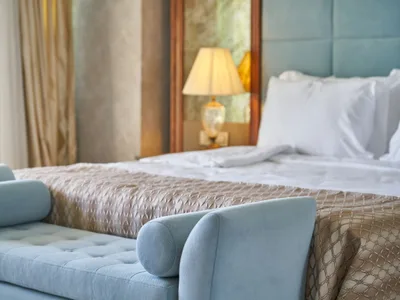 Mattress cleaning in Kilo 14
-
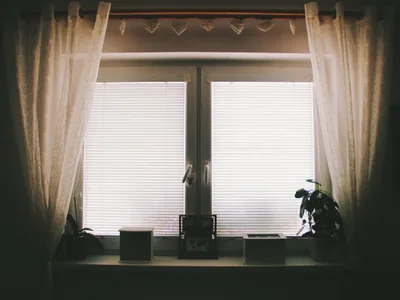 Curtain cleaning in Kilo 14
-
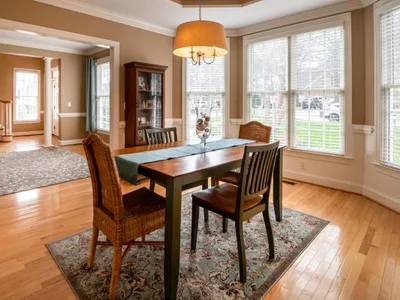 House cleaning in Kilo 14
-
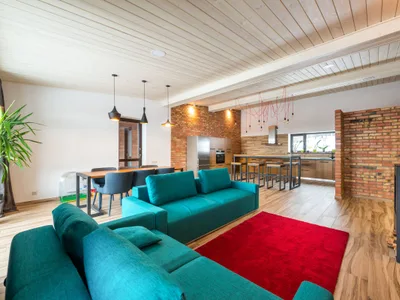 Apartment cleaning
-
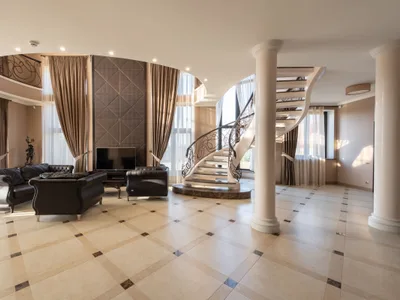 Villa cleaning in Kilo 14
-
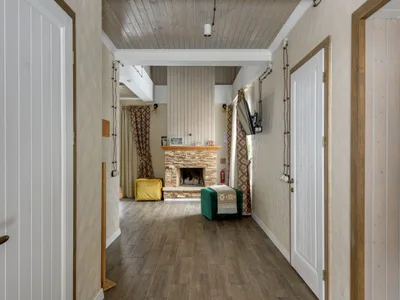 Chalet cleaning in Kilo 14
-
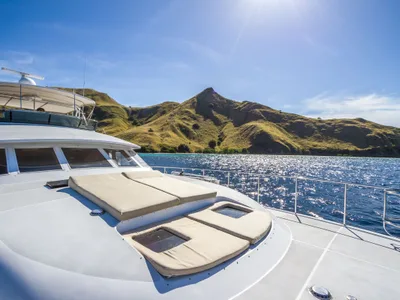 Yacht cleaning in Kilo 14
-
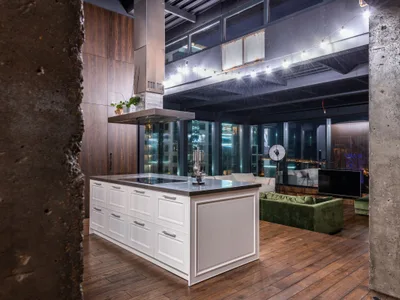 Kitchen cleaning in Kilo 14
-
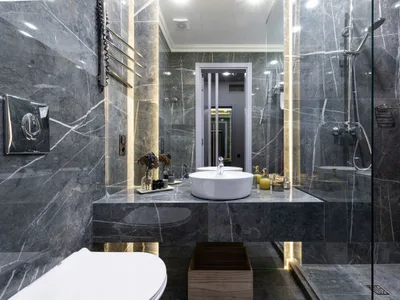 Bathroom cleaning in Kilo 14
-
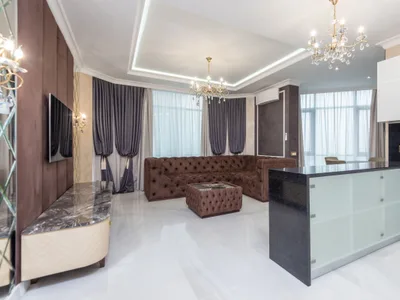 Chandelier cleaning in Kilo 14
-
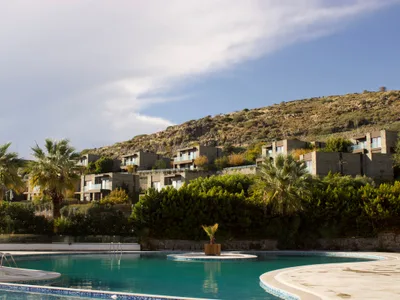 Swimming pool cleaning in Kilo 14
-
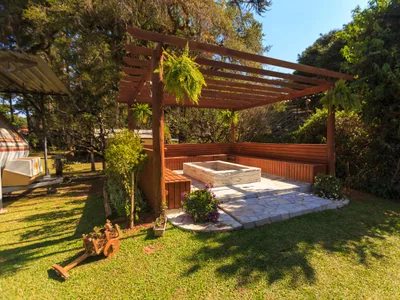 Garden clearance in Kilo 14
-
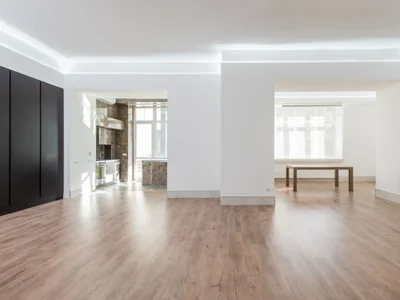 Full deep clean in Kilo 14
-
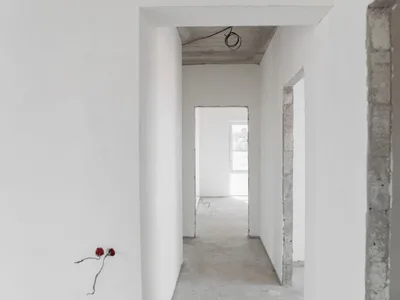 Post-construction cleaning in Kilo 14
-
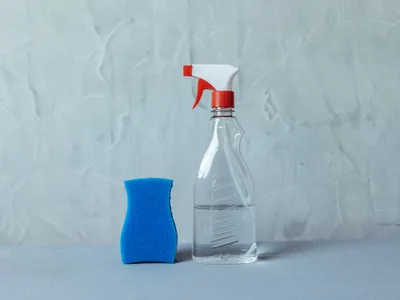 Disinfection and sanitising in Kilo 14
-
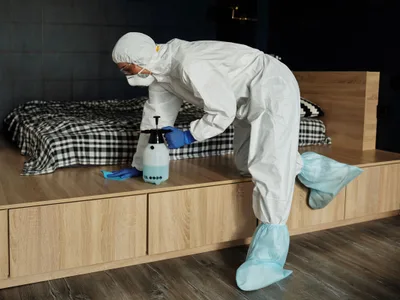 Bed bug treatment
-
 Office cleaning
-
 Restaurant cleaning
-
 Hotel and resort cleaning
-
 Shopping centre cleaning
-
 Retail cleaning
-
 School cleaning
-
 Nursery and kindergarten cleaning
-
 Hospital cleaning
-
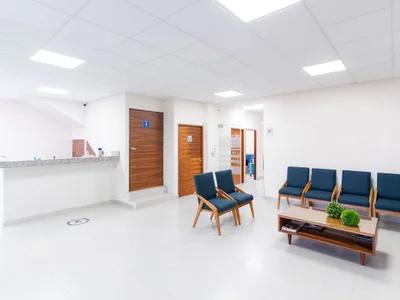 Clinic and health-centre cleaning
-
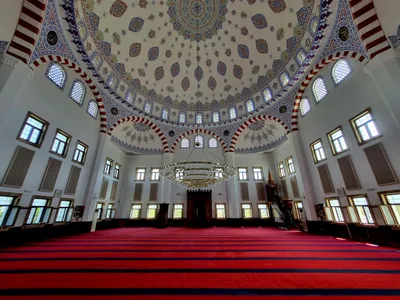 Mosque cleaning
-
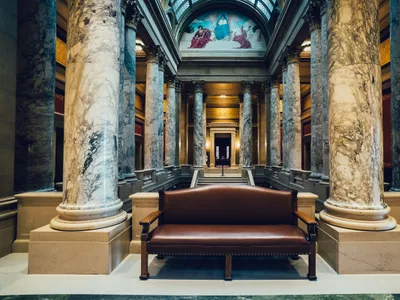 Government facility cleaning
-
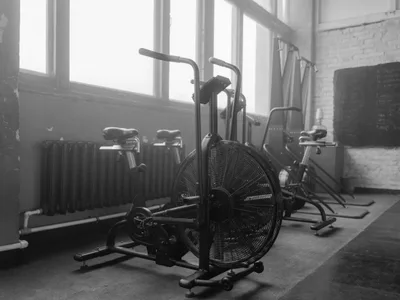 Gym cleaning
-
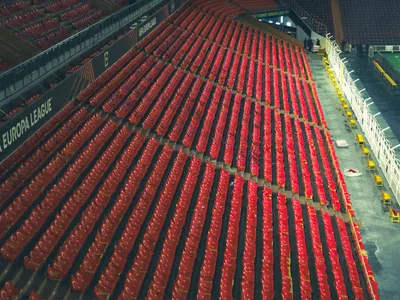 Sports ground cleaning
-
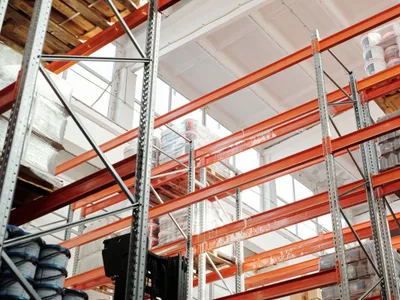 Factory and warehouse cleaning
-
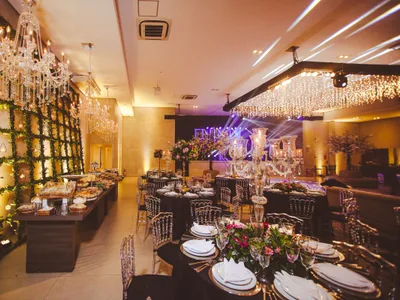 Event cleaning
-
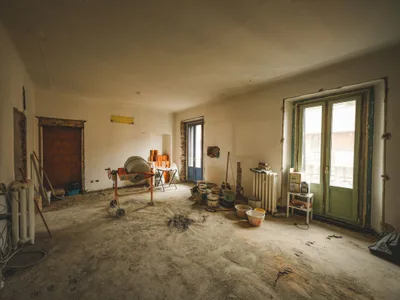 Commercial post-construction cleaning
-
 Building facade cleaning
-
 Air duct and HVAC cleaning
-
 Marble grinding and crystal polishing
-
 Commercial pest control