
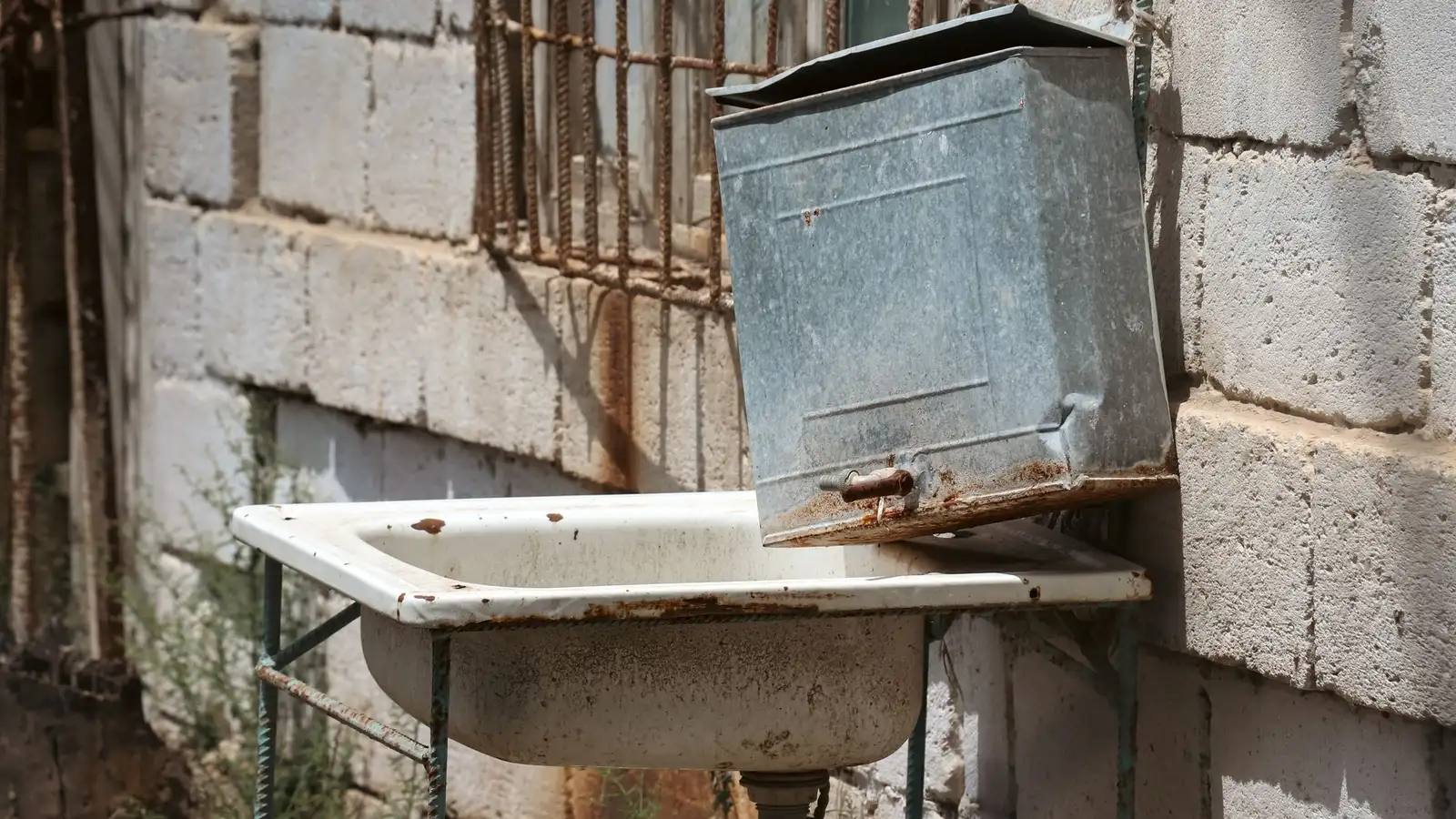
Water tank cleaning and sterilising in Historic Jeddah
Historic Jeddah is a UNESCO World Heritage district with stone buildings dating to the fifteenth and sixteenth centuries, narrow lanes, and historically old water pipes. Tanks here are older and smaller, plumbing is shared and visible on walls, and greasy soot from heavy traffic on main roads coats everything. This combination of age, density and concentrated pollution requires specialised care.
- Full interior scrub-down
- Sediment and sludge removed
- Drinking-water safe sterilant
- Hatch sealed after service
Why a clean tank matters for your water supply
The district lies within the historic city walls divided into four old quarters, with ancient mosques, traditional markets and very narrow streets surrounded by heavy traffic arteries.
-
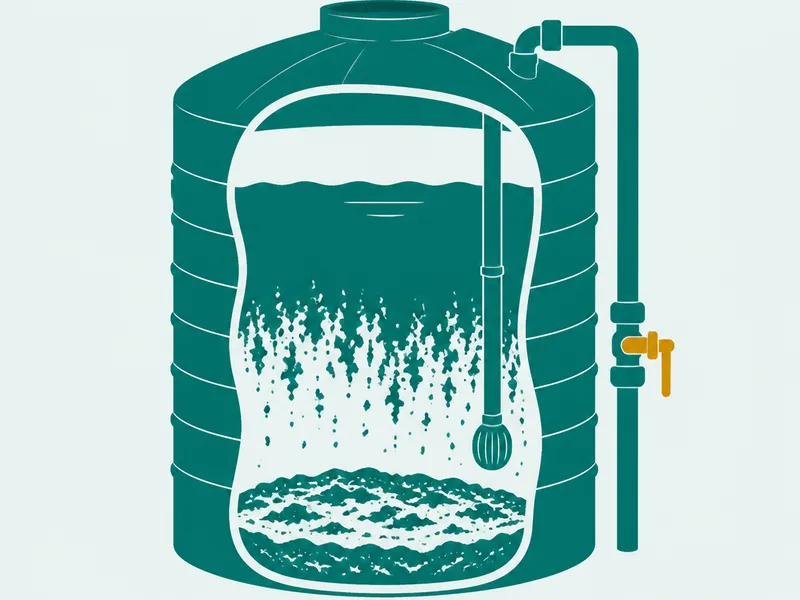
Seasonal maintenance before peak use
Dark oily soot deposits accumulate rapidly and adhere stubbornly to tank walls, requiring chemical and deep mechanical scrubbing to remove before sterilisation can be effective.
-
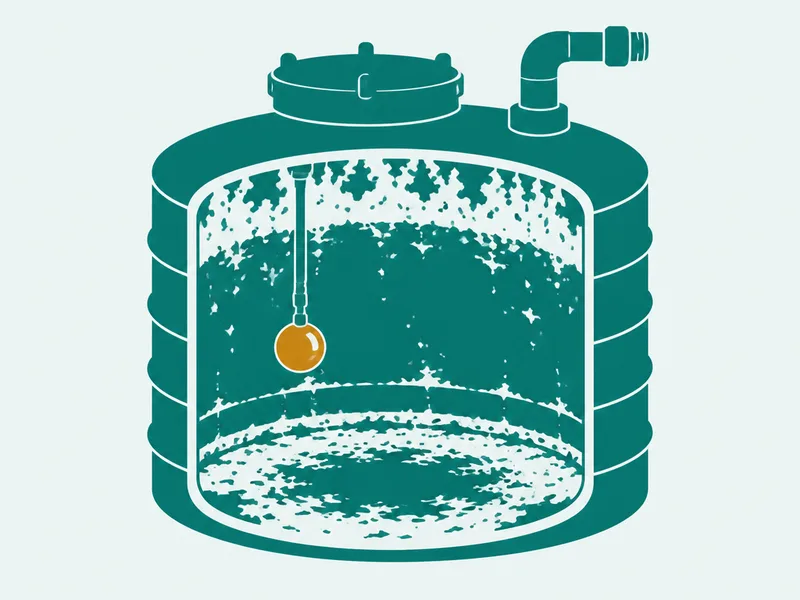
After a long property vacancy
Algae may not be the primary issue here, but bacteria from ancient pipes and rust colonise rapidly, requiring potent sterilisation and close cleaning intervals.
-
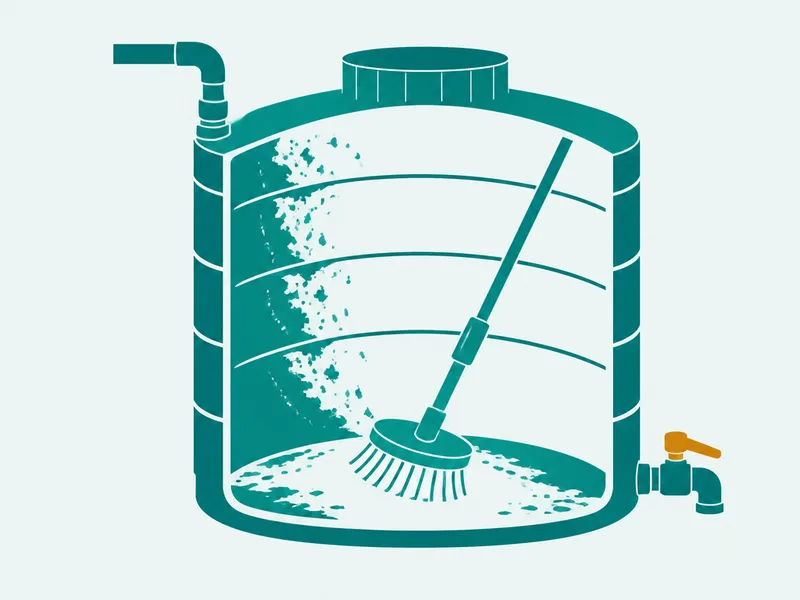
Visible discolouration or unusual taste
After a prolonged absence from a house in Al Balad, the tank may contain a thick layer of oily soot and deep rust from ancient pipes, requiring extremely thorough cleaning and powerful sterilisation before safe use.
-
Landlord or building inspection requirements
Before Ramadan or major religious observances when mosques and the district will consume vastly more water, complete deep cleaning is essential to ensure water safety as demand surges.
What is included in every tank clean
-
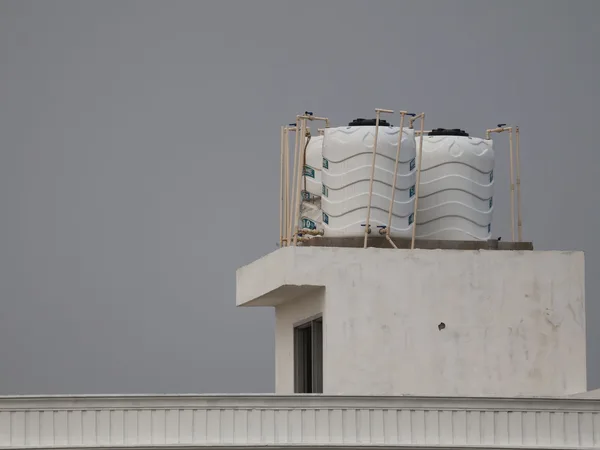
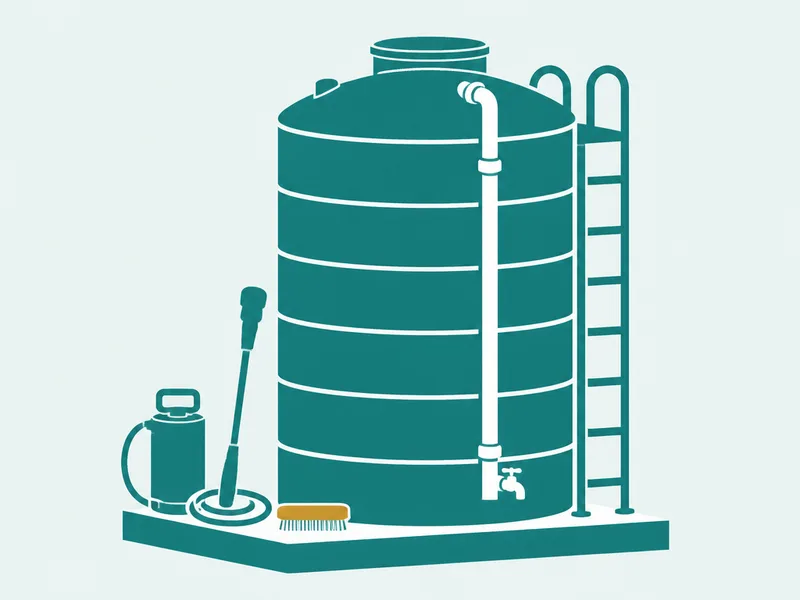
Opening and inspecting tank hatch
-
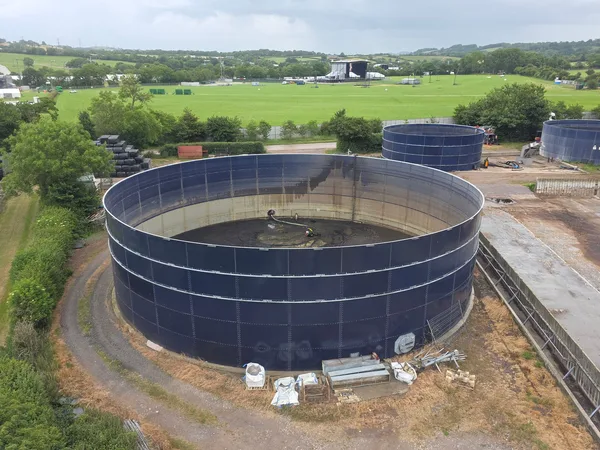
Draining water from the tank
-
Scrubbing interior walls and floor
-
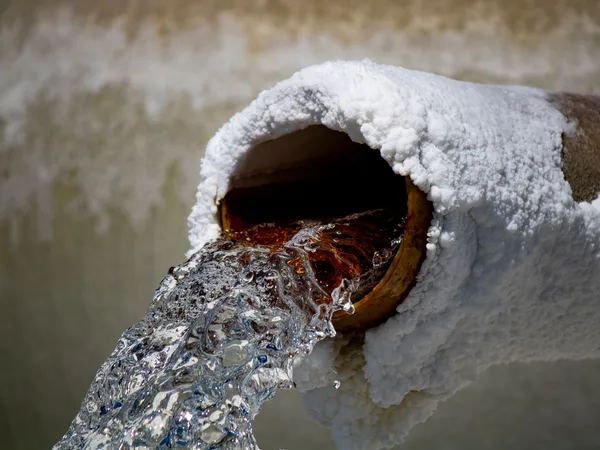
Removing accumulated sludge and sediment
-
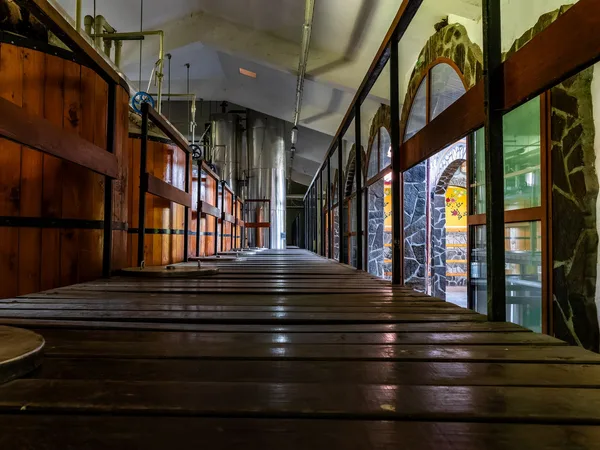
Rinsing interior walls and floor
-
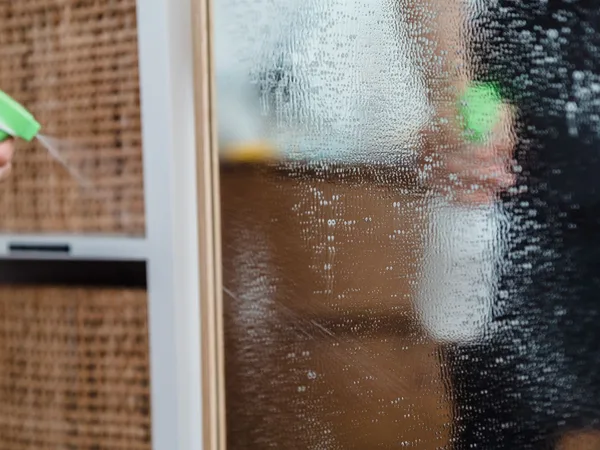
Spraying sterilising solution on surfaces
-
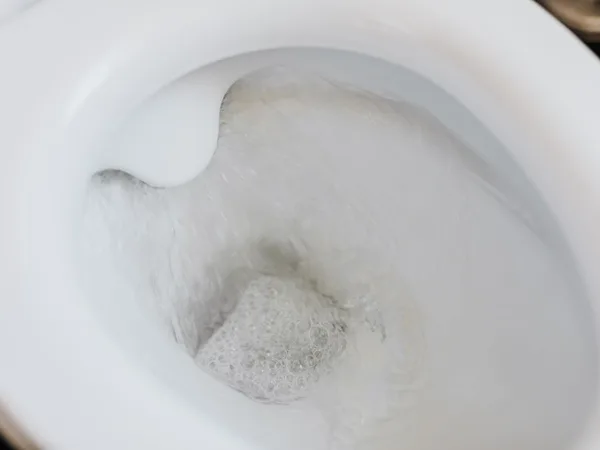
Flushing out sterilant residue
-
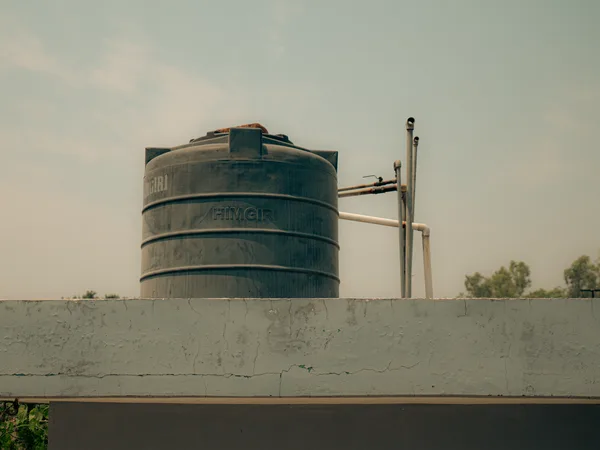
Sealing and securing the hatch
How the cleaning process works, step by step
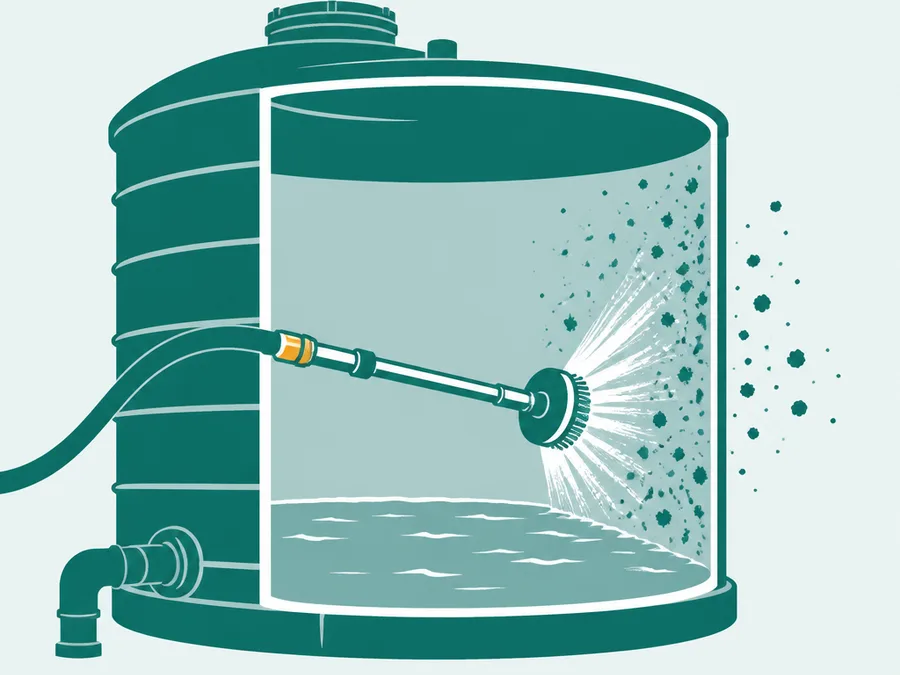
-
Survey and drain
-
Scrub and remove sediment
-
Rinse and sterilise
-
Final flush and seal
What changes about water tank cleaning and sterilising in Historic Jeddah
Tanks in old Al Balad suffer a fundamentally different type of contamination: oily soot from vehicle exhaust concentrated in narrow streets, and historic pipes carrying deep rust and sediment directly into the tanks. For the whole method, see what water tank cleaning and sterilising involves.
-
The first reason
Oily vehicle soot from concentrated traffic differs from all other pollutants
Madinah Road, King Fahd Road and Palestine Street carry Jeddah's heaviest traffic, and the narrow lanes in Al Balad prevent exhaust dispersal. The dark greasy soot settles on every surface, penetrates small openings, and adheres stubbornly to tank walls.
-
The second reason
Ancient pipes carry deep rust and direct contamination
Pipes in Al Balad may be a century old or older, corroded inside and out. Water arriving from the street mains carries heavy rust particle loads, meaning the tank starts with a deeper level of contamination than any other district.
-
The third reason
High density and close-set buildings create sustained high pressure on tanks
Historic Al Balad is extremely densely built, every plot fully developed, and tanks serve large populations through narrow shared entries. Continuous high pressure causes more frequent leakage and faster contamination than lower density zones.
Landmarks of Historic Jeddah
Navigation to tanks throughout Historic Jeddah is centred on the Al Shafii Mosque and Souk Al Alawi, the principal known landmarks within Al Balad. Most historic houses and buildings can be easily located relative to these prominent heritage sites.
- Al Shafii Mosque
- Uthman ibn Affan Mosque
- Souk Al Alawi
- Souk Al Nada
What you have when the work is done
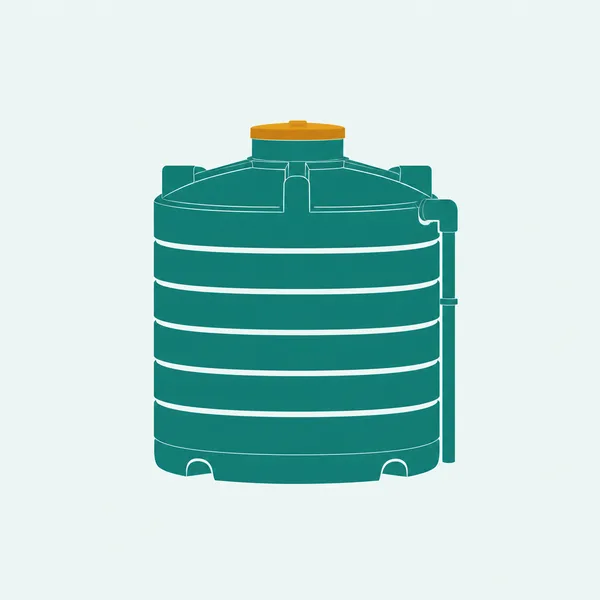
Interior walls free of scale
The scrubbing stage removes deposited minerals and biofilm from every reachable surface.

Sterilant applied and flushed out
A drinking-water-safe sterilising solution is applied to all interior surfaces and then fully flushed before the hatch is sealed.
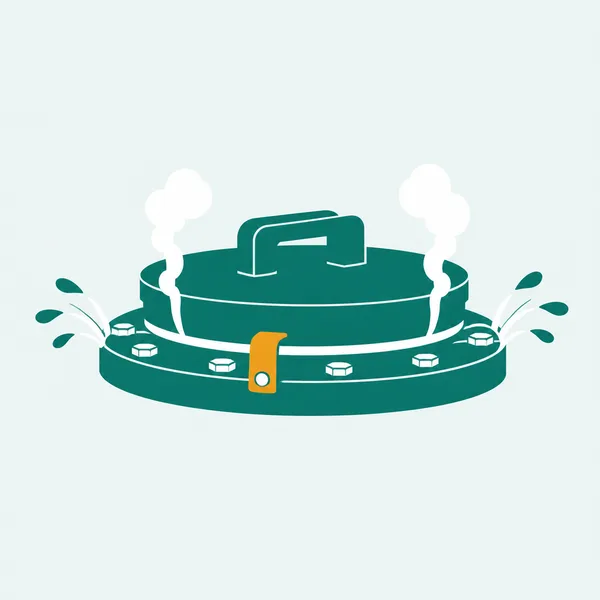
Hatch secured and sealed
The hatch is resealed after the final flush to prevent airborne dust and insects from entering the tank.
What our customers said
«شغلهم ما شاء الله، أنصح الجميع بالتعامل معهم. عن تجربة وثقة.»
«أفضل شركة تنظيف بالبخار. أسعارهم ممتازة وشغلهم مرة كويس.»
«خدمة ممتازة.»
«ممتازين.»
Some of our work
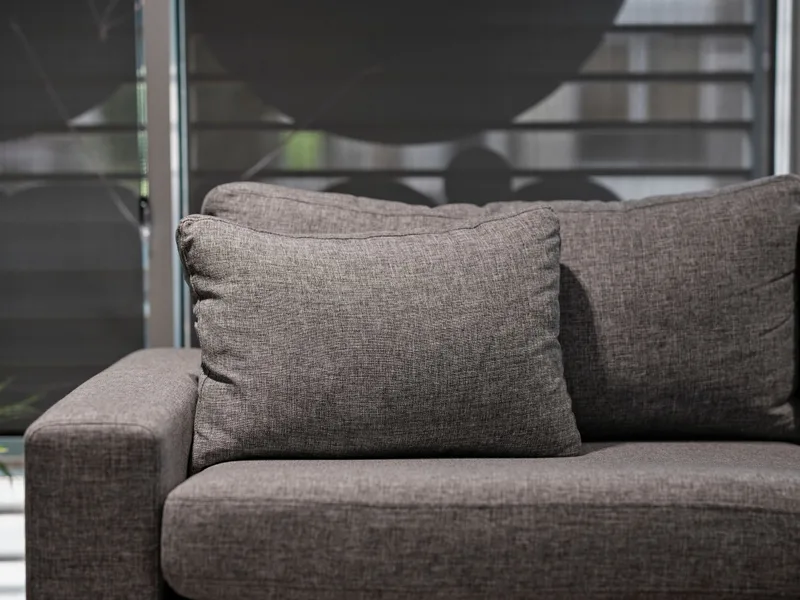
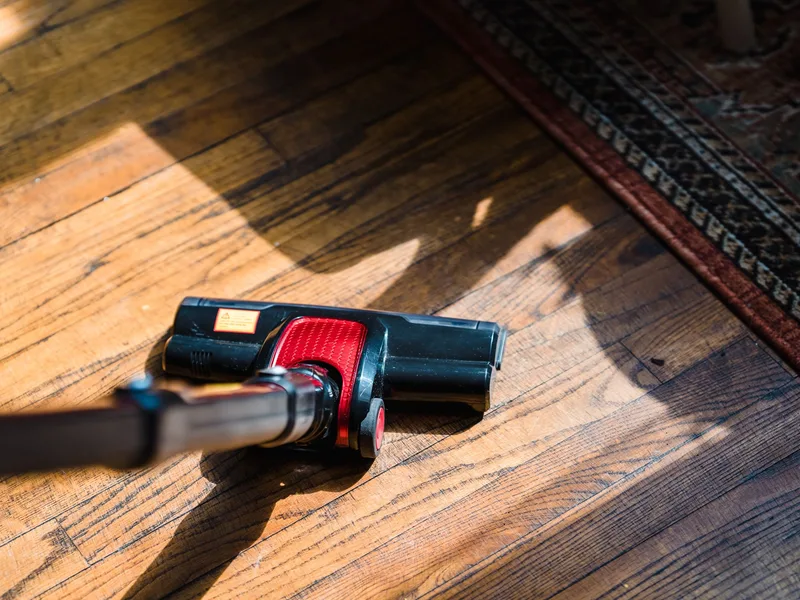
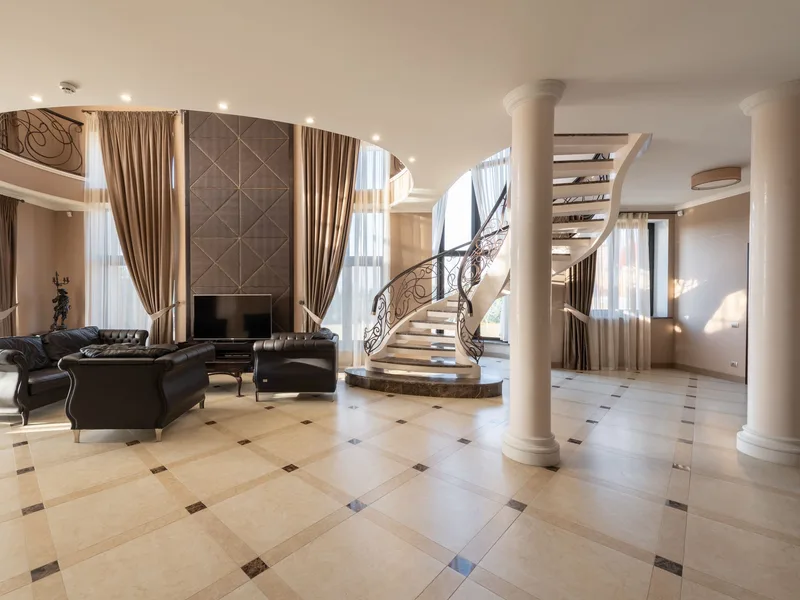
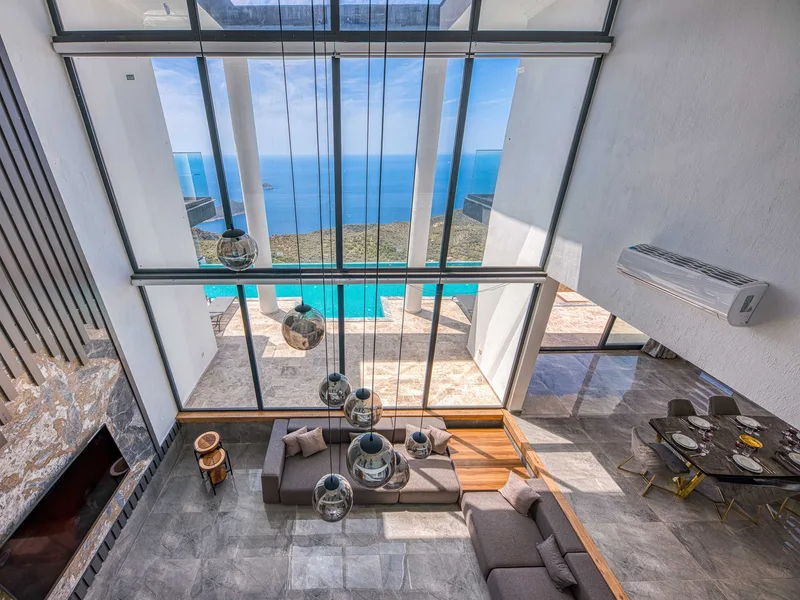
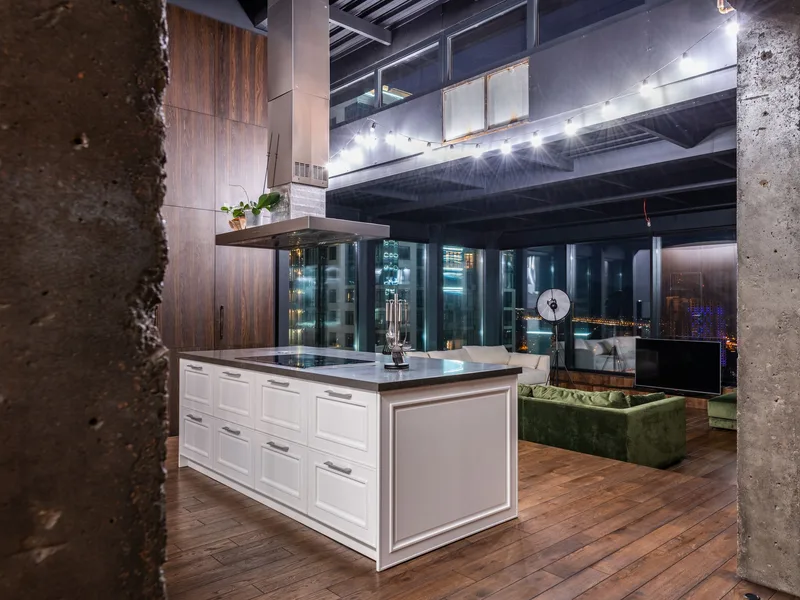
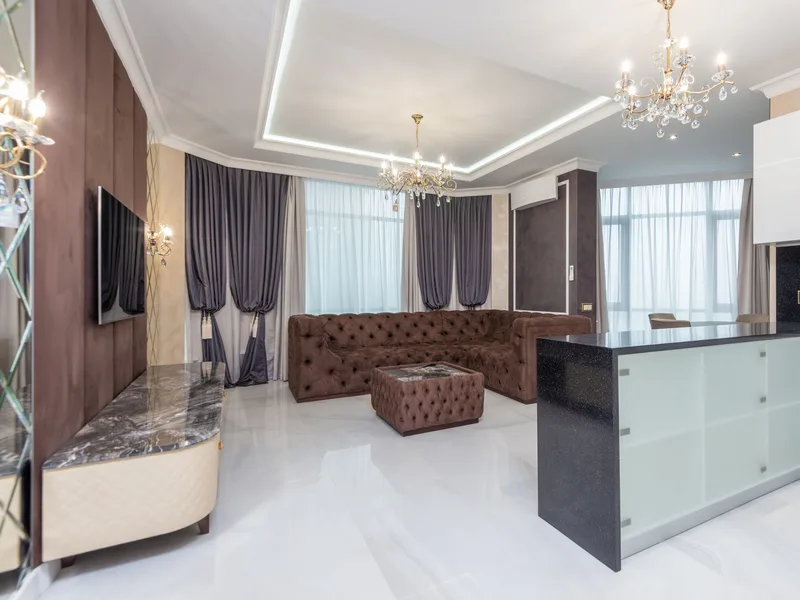
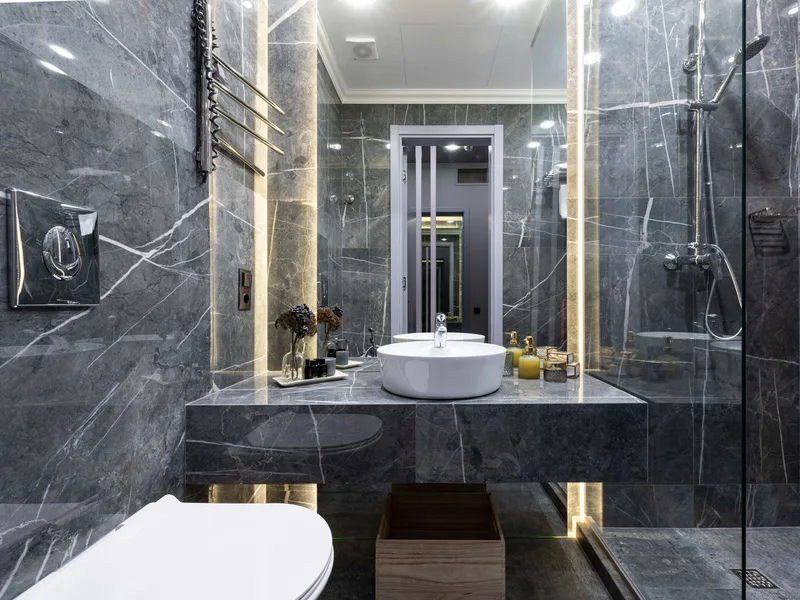
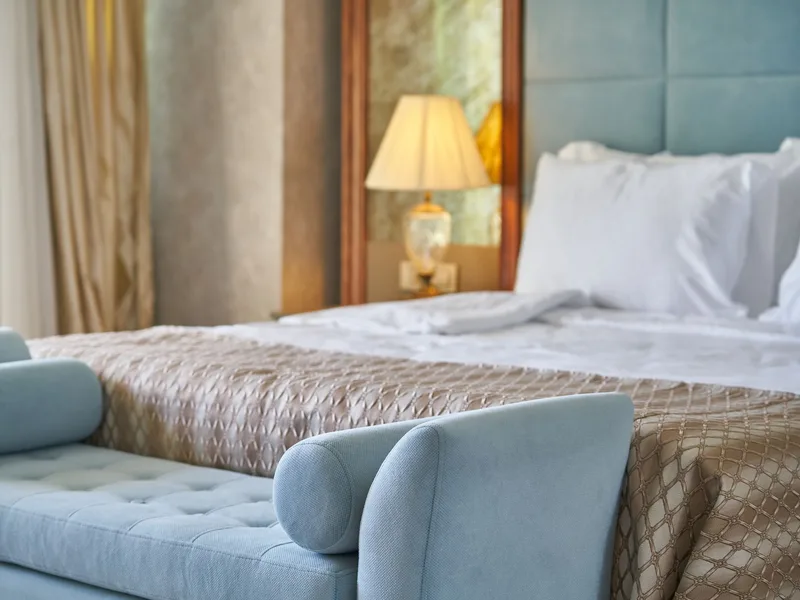
Illustrative photographs. Our own job photographs go here as soon as the client approves them.
What is different about Central Jeddah
Central Jeddah is the densest part of the city. Around the historic core of Al Balad the streets are narrow, the blocks are old, and most buildings have shops at ground level with flats above, so stairwells open onto markets and workshops. The main arteries, Madinah Road, King Fahd Road and Palestine Street, carry the heaviest traffic in Jeddah, and their exhaust leaves a dark, greasy soot unlike the dry sand of the outskirts. Old render holds it, summer heat bakes it on, and restoration work in the old quarter adds stone dust.
Nearby districts we cover
Questions worth asking first
Yes, much more aggressively. Oily soot from car and truck exhaust clings to surfaces and penetrates small openings. Narrow streets trap exhaust and prevent dispersal, so particle concentration is higher than in open areas.
Every two to three months due to continuous soot and ancient pipes. Regular inspection is essential because deterioration occurs faster here than anywhere else in the city.
Yes, certainly. Pipes over a century old leak regularly, some noticeably. This means continuous water loss and additional contamination from soil and street debris entering through the cracks.
The physical volume may be smaller so the job is faster, but cleaning must be deeper due to heavier particle loads. Total time may be similar or longer overall.
Yes, directly. Conservation and restoration work generates fine stone dust that penetrates tanks. Tanks near active restoration sites need additional cleaning.
Yes, particularly the mosques, which have extremely high water use at prayer times and during gatherings. Markets have continuous foot traffic. Both increase pressure on the shared water network.
It is set after we see the job, because the price follows the kind of work, the size of the space, its condition and the time and materials it needs. Send a photo and a short description on WhatsApp and we will give you an estimate before we reach Historic Jeddah.
Once a year is the most common schedule for a household tank in regular use.
Yes.
Other services in Historic Jeddah
We also provide these services in Historic Jeddah.
-
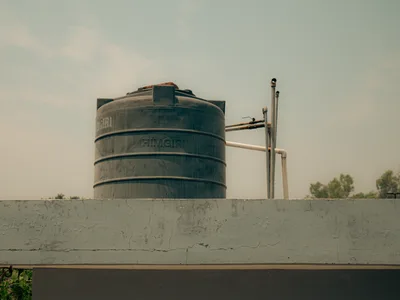 Water tank waterproofing in Historic Jeddah
-
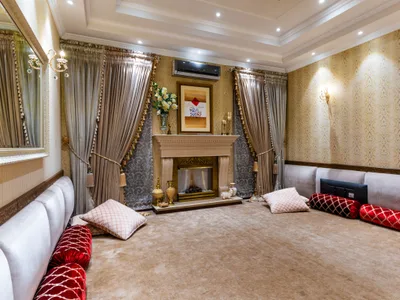 Majlis and rest-house cleaning in Historic Jeddah
-
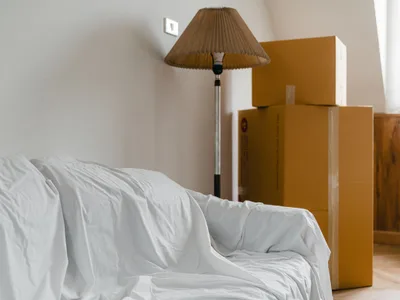 Move in and move out cleaning in Historic Jeddah
-
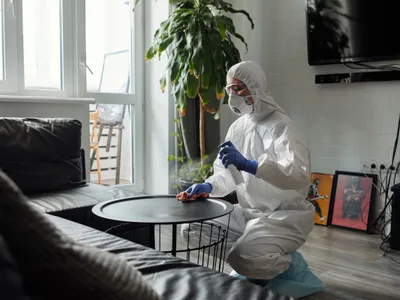 Pest control in Historic Jeddah
-
 Sofa cleaning in Historic Jeddah
-
 Carpet and rug cleaning in Historic Jeddah
-
 Mattress cleaning in Historic Jeddah
-
 Curtain cleaning in Historic Jeddah
-
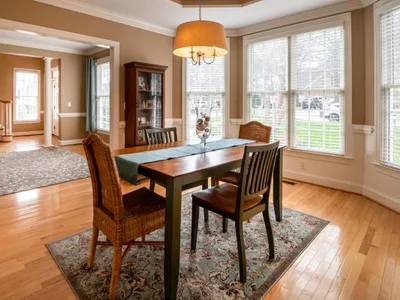 House cleaning in Historic Jeddah
-
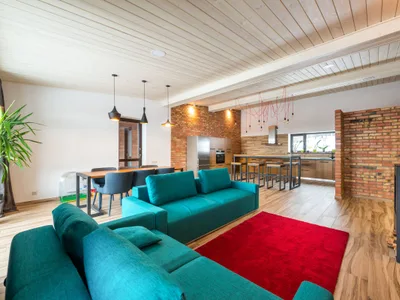 Apartment cleaning in Historic Jeddah
-
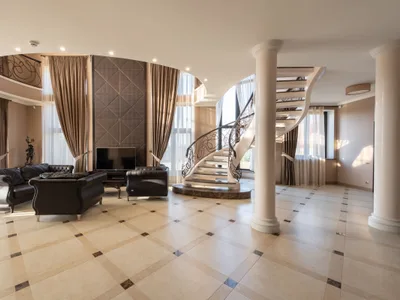 Villa cleaning in Historic Jeddah
-
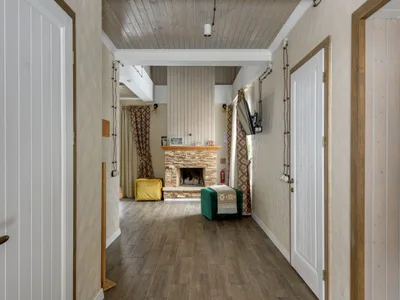 Chalet cleaning in Historic Jeddah
-
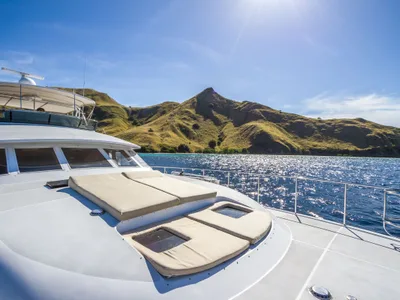 Yacht cleaning in Historic Jeddah
-
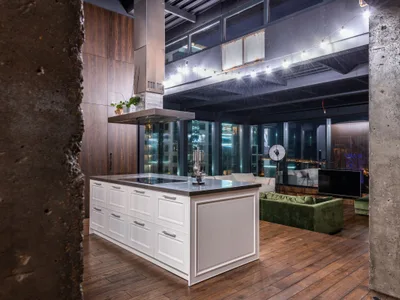 Kitchen cleaning in Historic Jeddah
-
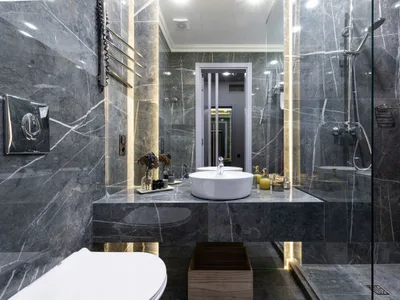 Bathroom cleaning in Historic Jeddah
-
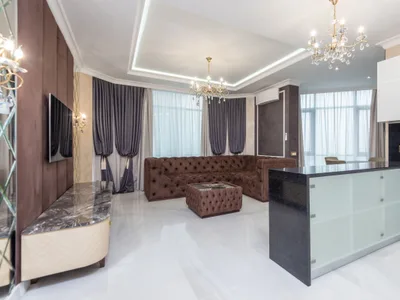 Chandelier cleaning in Historic Jeddah
-
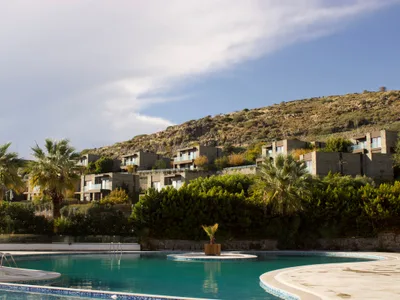 Swimming pool cleaning
-
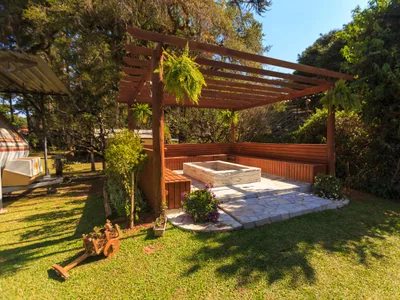 Garden clearance
-
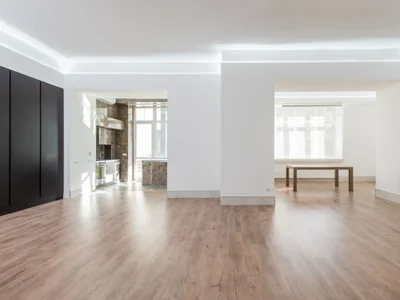 Full deep clean in Historic Jeddah
-
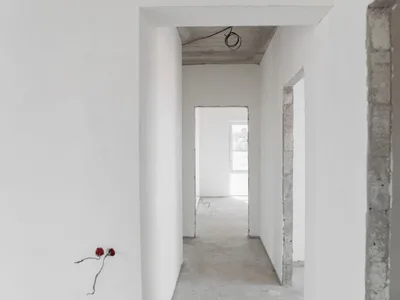 Post-construction cleaning in Historic Jeddah
-
 Disinfection and sanitising in Historic Jeddah
-
 Bed bug treatment
-
 Office cleaning
-
 Restaurant cleaning
-
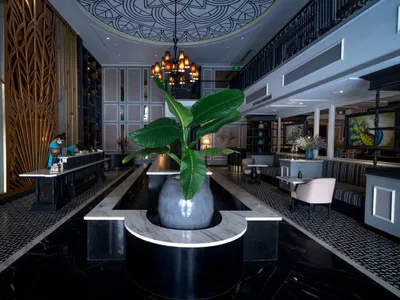 Hotel and resort cleaning
-
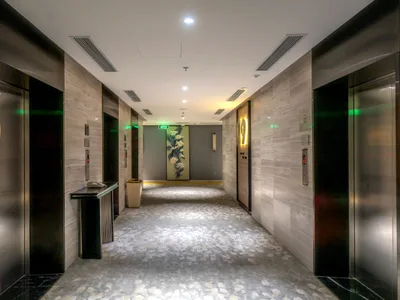 Shopping centre cleaning
-
 Retail cleaning
-
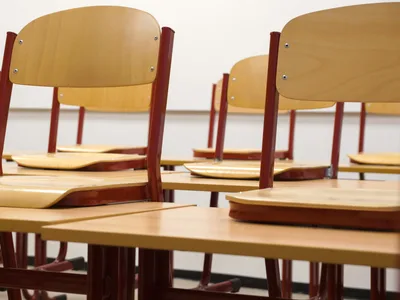 School cleaning
-
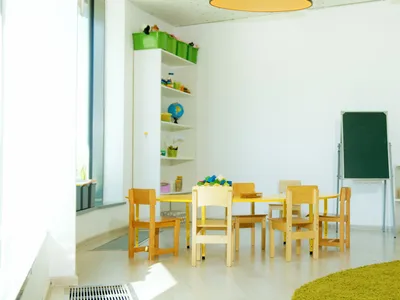 Nursery and kindergarten cleaning
-
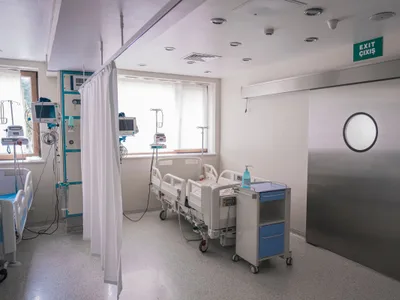 Hospital cleaning
-
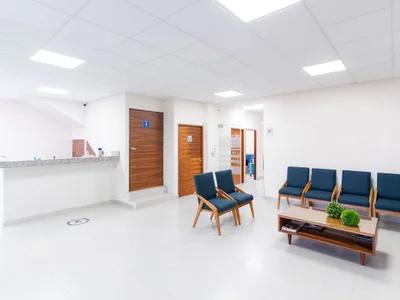 Clinic and health-centre cleaning
-
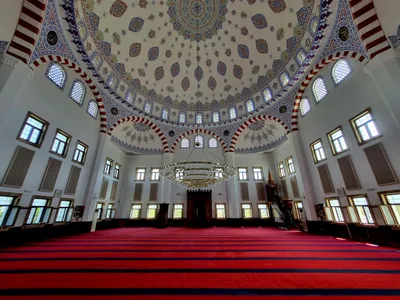 Mosque cleaning
-
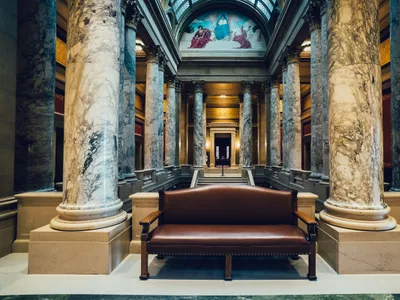 Government facility cleaning
-
 Gym cleaning
-
 Sports ground cleaning
-
 Factory and warehouse cleaning
-
 Event cleaning
-
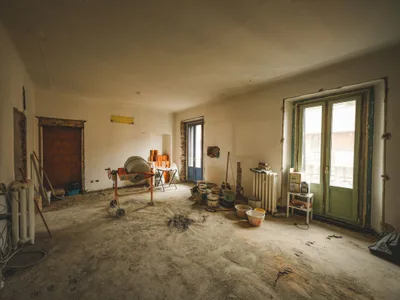 Commercial post-construction cleaning
-
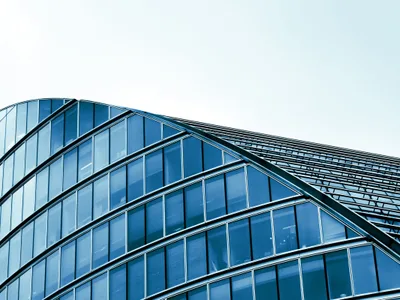 Building facade cleaning
-
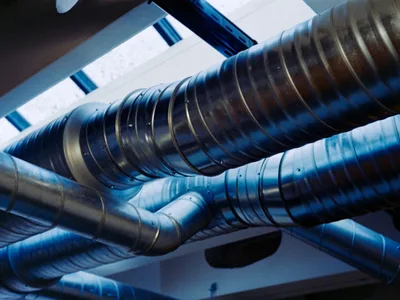 Air duct and HVAC cleaning
-
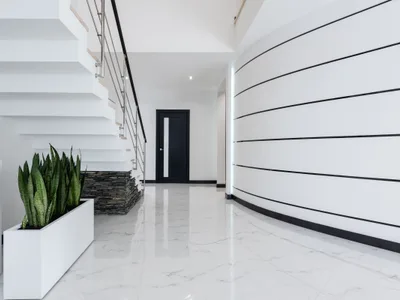 Marble grinding and crystal polishing
-
 Commercial pest control