
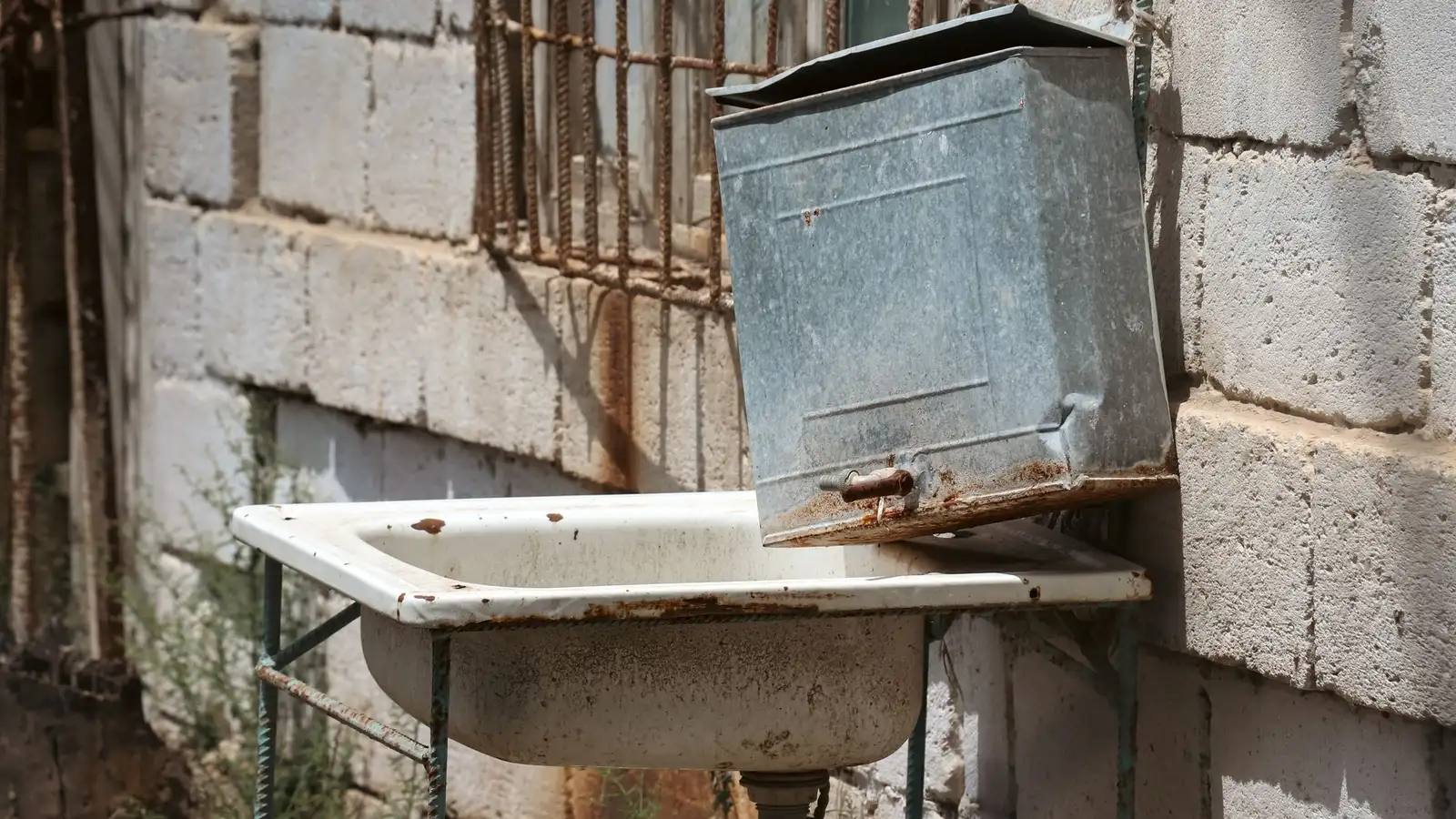
Water tank cleaning and sterilising in Al Tawfeeq, Jeddah
Al Tawfeeq is a small residential district in east Jeddah toward Asfan, part of a cluster of simple housing near University Road and the foothills. The area sits where the city meets the desert edge, backed by graded plots and incomplete streets of new subdivisions. Dust here is not sea salt but fine desert sand that settles rapidly in tanks on open rooftops exposed to spring and autumn winds.
- Full interior scrub-down
- Sediment and sludge removed
- Drinking-water safe sterilant
- Hatch sealed after service
Why a clean tank matters for your water supply
Al Tawfeeq lies within the Taibah sub-municipality area of east Jeddah near the University road, where the ground rises toward the hills and the district sits on wadi drainage lines from the mountains.
-
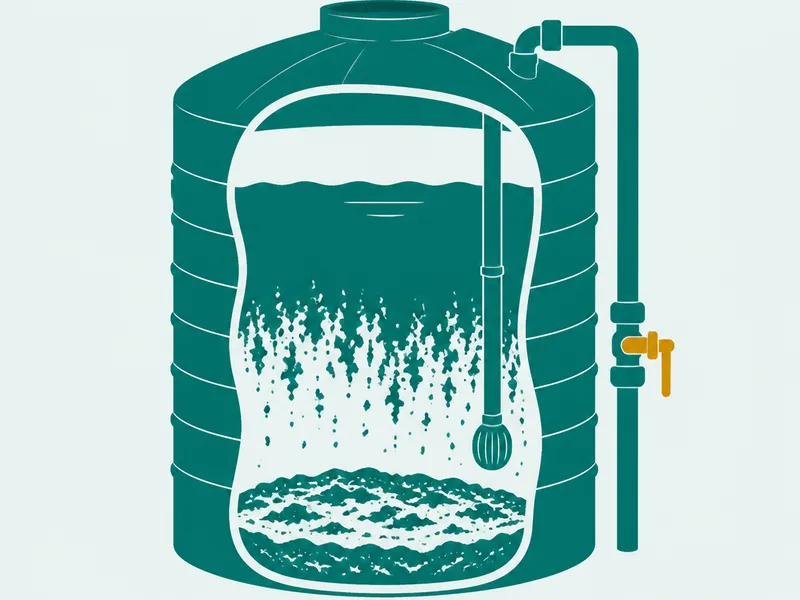
Seasonal maintenance before peak use
Spring and autumn winds carry fine desert sand that settles rapidly on the tank floor, accumulating in distinct layers with other sediment.
-
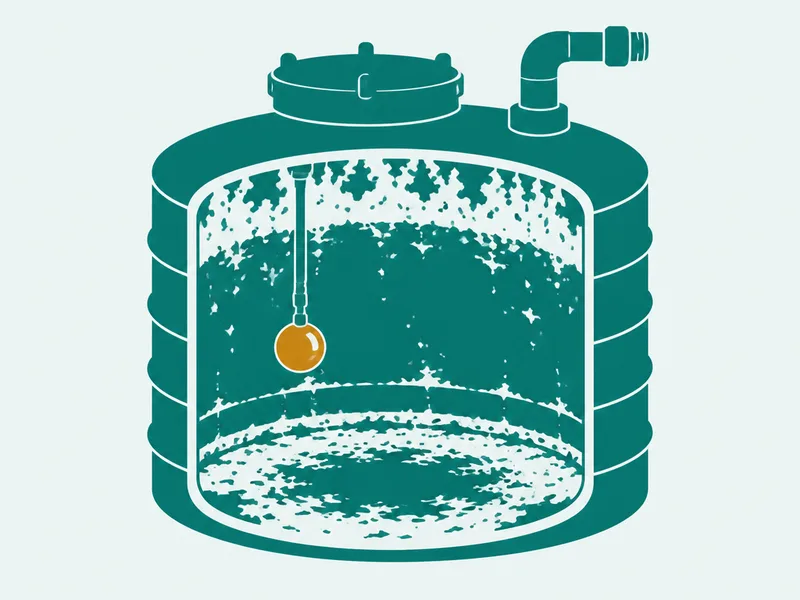
After a long property vacancy
After a property vacancy, tanks may contain heavy layers of dried desert sand and sediment that accumulated during the unattended period.
-
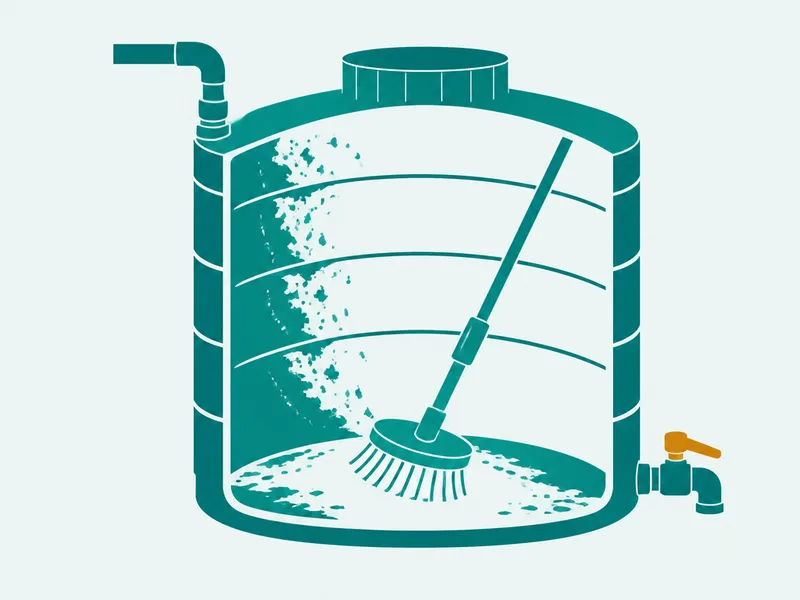
Visible discolouration or unusual taste
Resumption of use after closure can stir up settled sand and sediment. Thorough pre-use cleaning is essential before full occupancy begins.
-
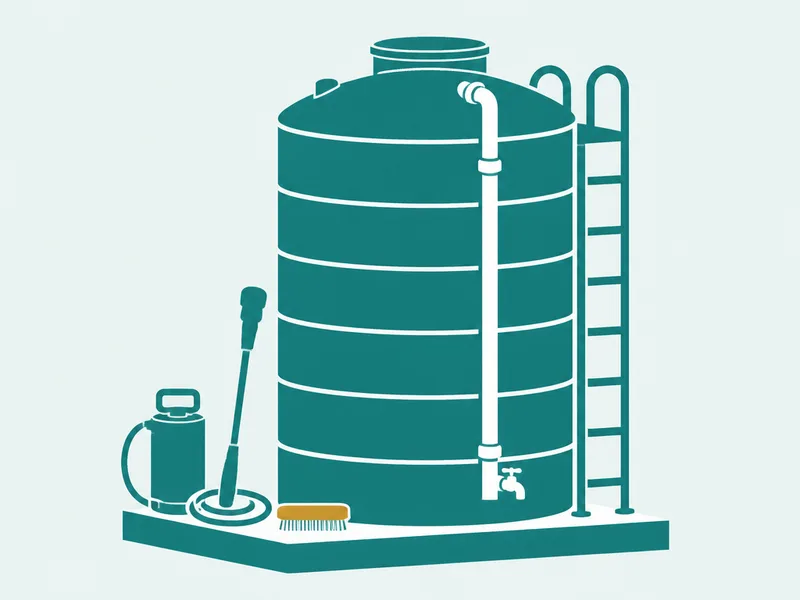
Landlord or building inspection requirements
Before entertaining or seasonal celebrations, ensure the tank is clean and free of desert dust odour or dried mud particles that heavy use might resuspend.
What is included in every tank clean
-
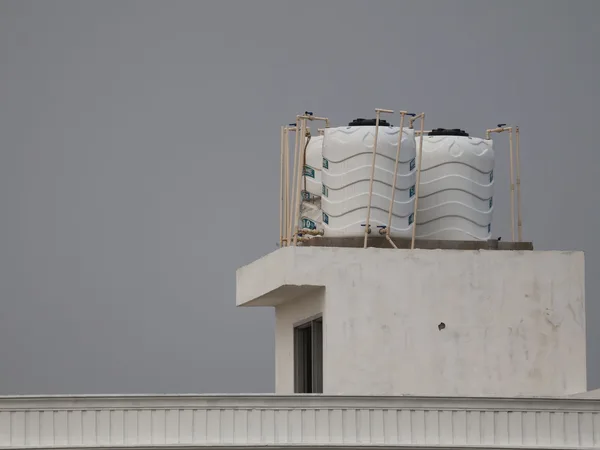
Opening and inspecting tank hatch
-
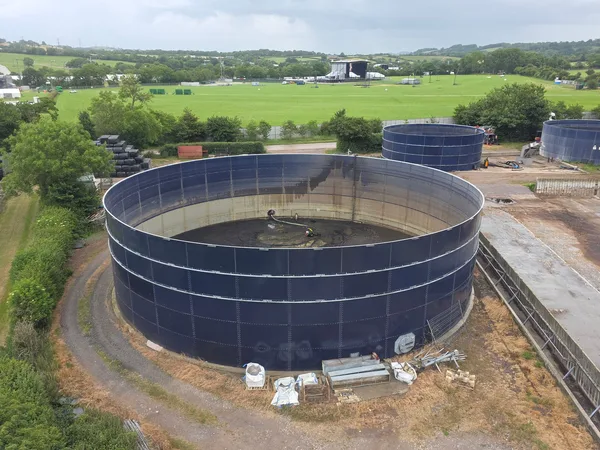
Draining water from the tank
-
Scrubbing interior walls and floor
-
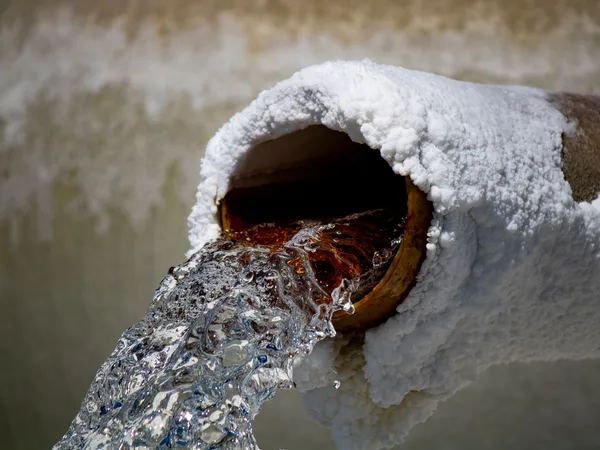
Removing accumulated sludge and sediment
-
Rinsing interior walls and floor
-
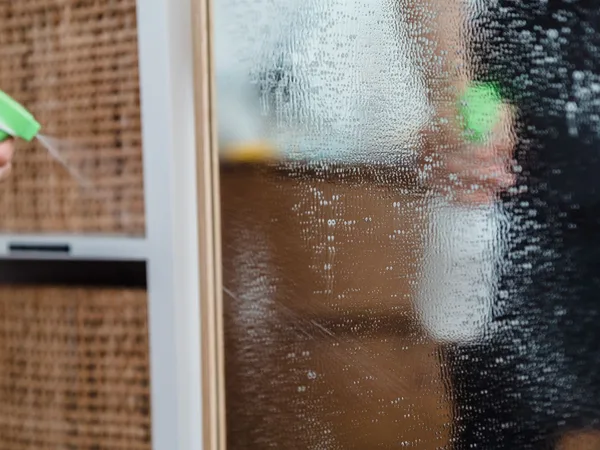
Spraying sterilising solution on surfaces
-
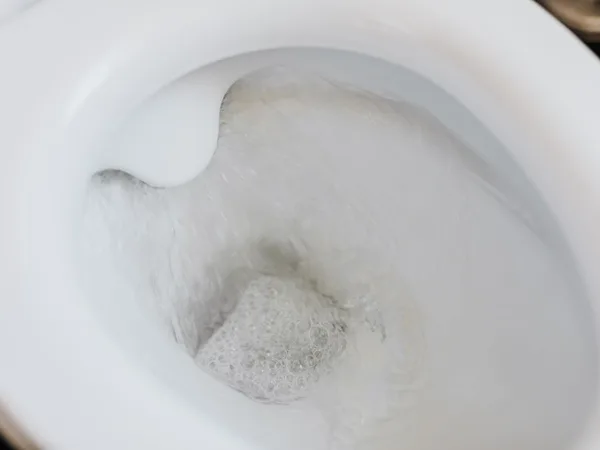
Flushing out sterilant residue
-
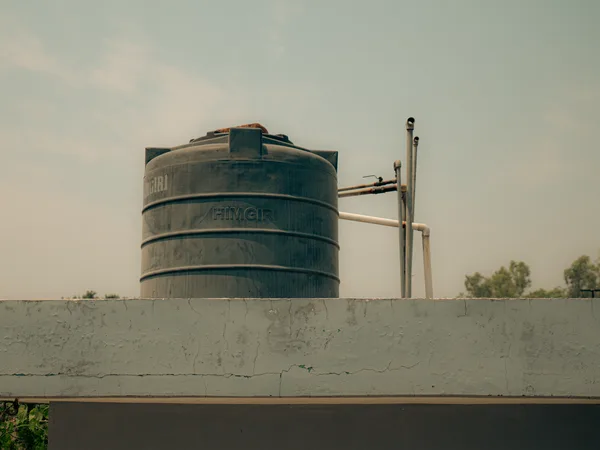
Sealing and securing the hatch
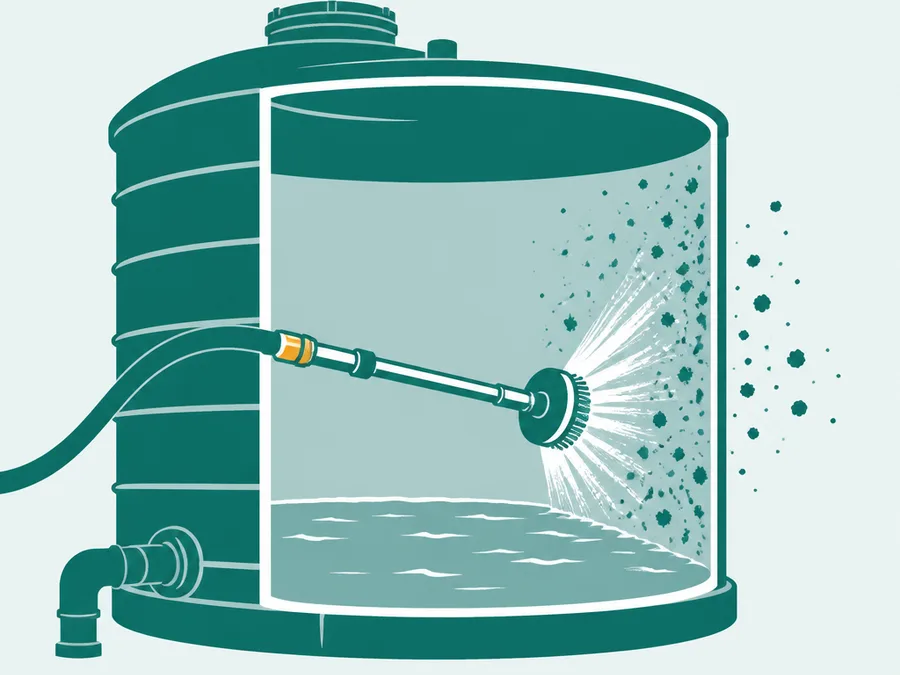
How the cleaning process works, step by step
-
Survey and drain
-
Scrub and remove sediment
-
Rinse and sterilise
-
Final flush and seal
What changes about water tank cleaning and sterilising in Al Tawfeeq
Tanks here accumulate fine desert sand deposits noticeably faster during spring and autumn when strong wind storms blow across the open construction and graded land. For the whole method, see water tank cleaning and sterilising in detail.
-
The first reason
Desert sand dust and ongoing construction nearby
The district adjoins new subdivisions still under grading and building. Dust from freshly paved and incomplete streets reaches rooftop tanks unobstructed. This dust is grey and heavy, settling rapidly on the tank floor as distinct layers unlike coastal salt grit.
-
The second reason
Hill drainage, wadis and seasonal mud deposits
The district sits on wadi lines draining from the hills. A single winter storm can leave mud on streets, and this mud may enter tanks through any opening or ventilation point. Dried mud becomes fine powder that stays suspended in stored water.
-
The third reason
Smaller tanks and harder-to-detect small leaks
The district is simple residential with smaller apartment buildings than major central quarters. Tanks are correspondingly smaller and minor seepage may go unnoticed for long periods because no routine inspection occurs. Regular cleaning cycles catch problems early.
The character of Al Tawfeeq
Mixed district: shops at street level with homes above them
Mixed-use simple housing with ongoing nearby construction means tanks accumulate significant quantities of desert sand, dust and seasonal wadi mud. Cleaning must focus on removing these heavy, compacted deposits, and inspection must verify that hatch seals and covers are intact to prevent ongoing dust and mud ingress.
What you have when the work is done
Interior walls free of scale
The scrubbing stage removes deposited minerals and biofilm from every reachable surface.
Sterilant applied and flushed out
A drinking-water-safe sterilising solution is applied to all interior surfaces and then fully flushed before the hatch is sealed.
Hatch secured and sealed
The hatch is resealed after the final flush to prevent airborne dust and insects from entering the tank.
What our customers said
«شغلهم ما شاء الله، أنصح الجميع بالتعامل معهم. عن تجربة وثقة.»
«أفضل شركة تنظيف بالبخار. أسعارهم ممتازة وشغلهم مرة كويس.»
«خدمة ممتازة.»
«ممتازين.»
Some of our work


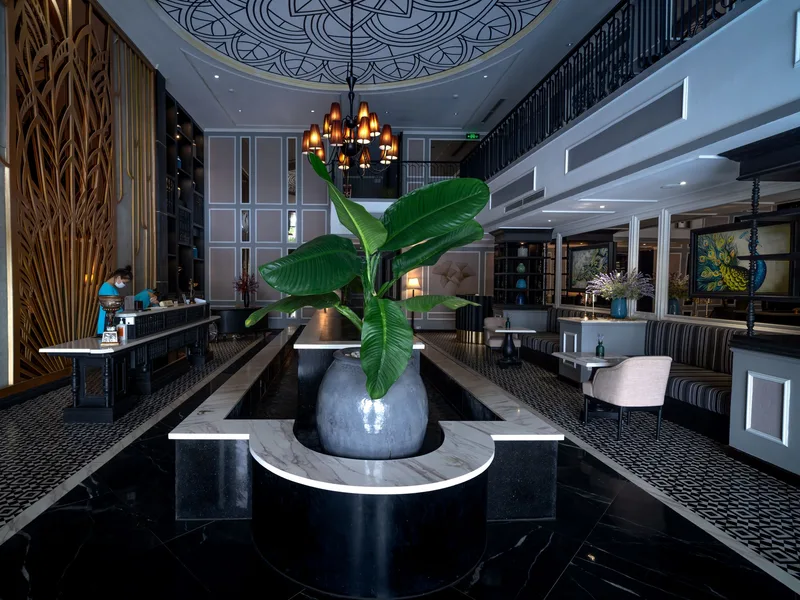
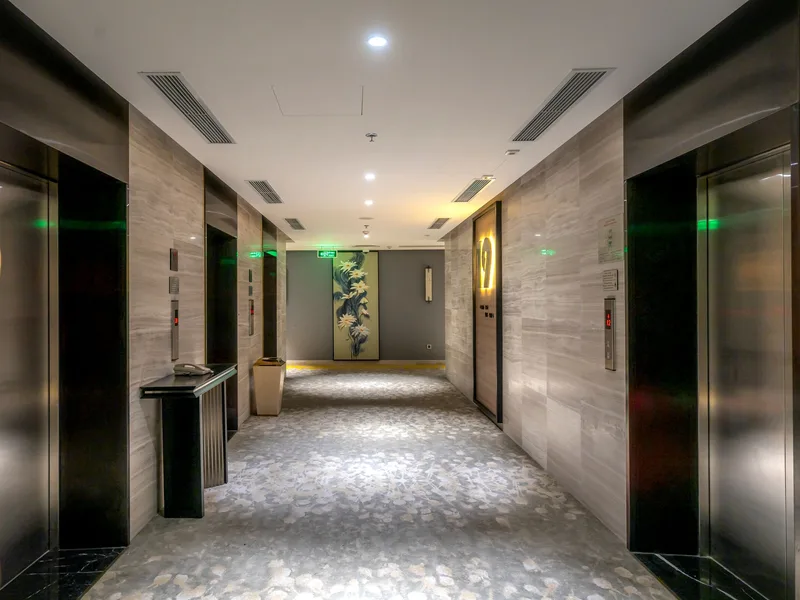
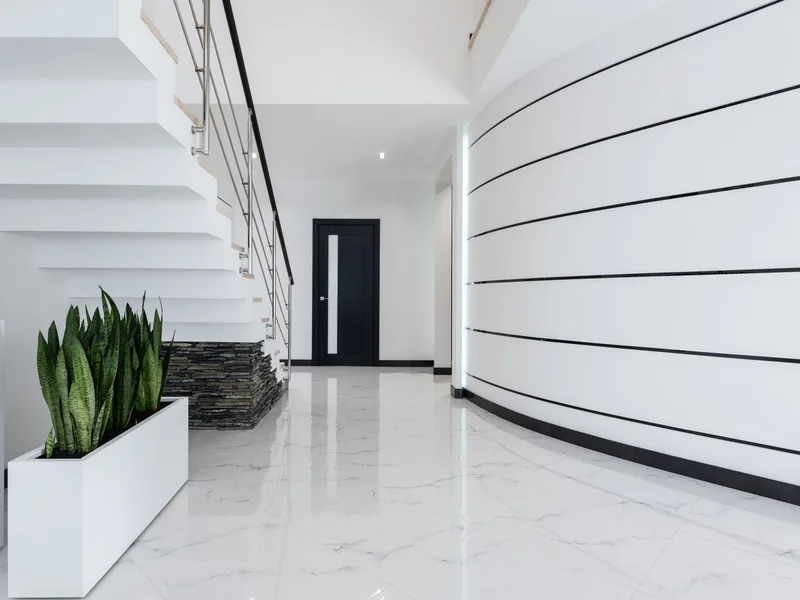
Illustrative photographs. Our own job photographs go here as soon as the client approves them.
What is different about East Jeddah
East Jeddah sits against the foothills, beyond the Haramain expressway and the ring roads, and it is where the city meets the desert edge. Apartment districts such as Al Safa and Al Naseem give way to villa areas and to new schemes still being graded out of bare ground. Dust here is the main story: fine desert sand on the spring and autumn winds, and grit from plots under construction. Some districts lie on the wadi lines that drain the hills, so a winter storm leaves mud on the streets that dries to powder.
Nearby districts we cover
Questions worth asking first
Here the dust is fine desert sand from the hills and mountains, not salt spray. This sand settles faster on the tank floor and is heavier and harder to remove completely than light coastal grit.
Yes, if the hatch seal is loose or small openings exist near ground level. Mud can reach inflow pipes during or immediately after storms, especially in the wadi-line districts.
Because of continuous sand and dust, six monthly minimum is necessary, and especially after spring and autumn when dust storms are strongest and most frequent.
Yes. Smaller tanks fill with sediment faster, and small leaks may go unnoticed until they become major problems. Regular inspection is critically important in buildings with limited water storage.
Dried mud becomes fine stone dust that adheres to walls. This is difficult to remove and requires vigorous cleaning and careful scrubbing to prevent it re-suspending in the water supply.
Yes substantially. Dust from grading, paving and incomplete streets reaches every nearby tank unobstructed. This significantly increases the frequency of cleaning required.
It is set after we see the job, because the price follows the kind of work, the size of the space, its condition and the time and materials it needs. Send a photo and a short description on WhatsApp and we will give you an estimate before we reach Al Tawfeeq.
Once a year is the most common schedule for a household tank in regular use.
Yes.
Other services in Al Tawfeeq
We also provide these services in Al Tawfeeq.
-
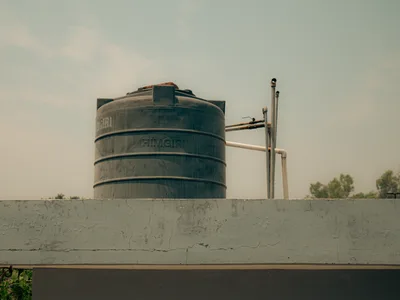 Water tank waterproofing in Al Tawfeeq
-
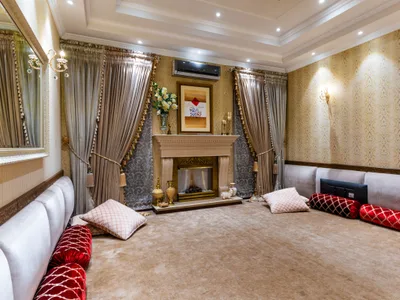 Majlis and rest-house cleaning in Al Tawfeeq
-
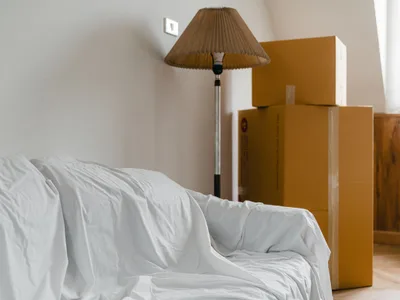 Move in and move out cleaning in Al Tawfeeq
-
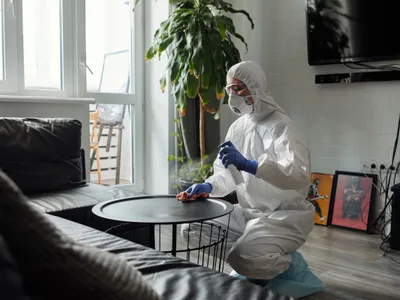 Pest control in Al Tawfeeq
-
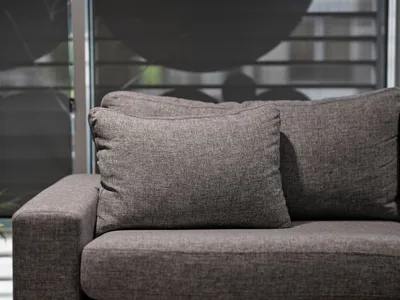 Sofa cleaning in Al Tawfeeq
-
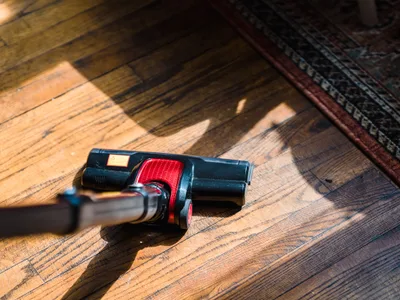 Carpet and rug cleaning in Al Tawfeeq
-
 Mattress cleaning
-
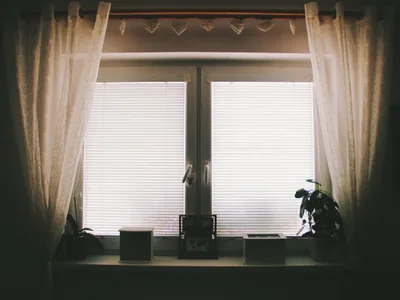 Curtain cleaning in Al Tawfeeq
-
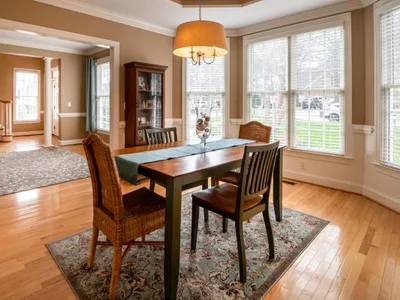 House cleaning in Al Tawfeeq
-
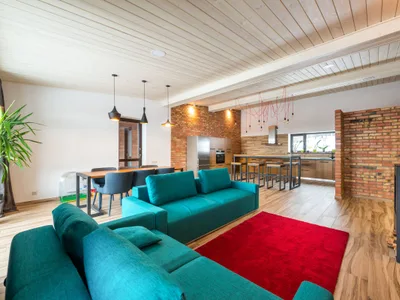 Apartment cleaning
-
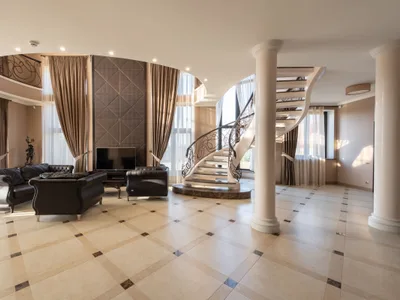 Villa cleaning in Al Tawfeeq
-
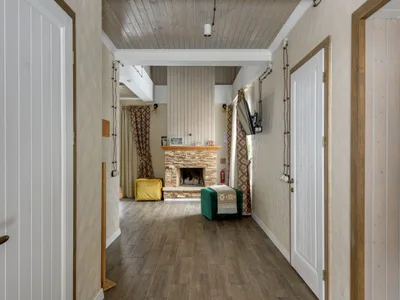 Chalet cleaning
-
 Yacht cleaning in Al Tawfeeq
-
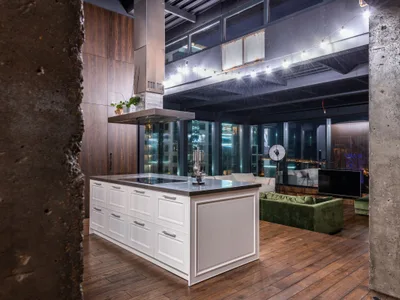 Kitchen cleaning
-
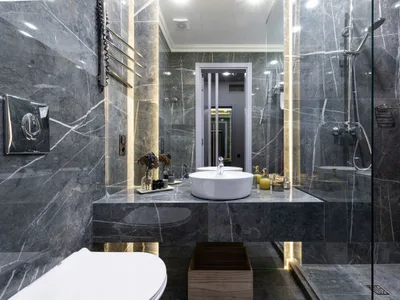 Bathroom cleaning in Al Tawfeeq
-
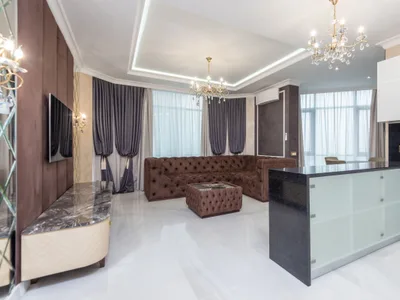 Chandelier cleaning
-
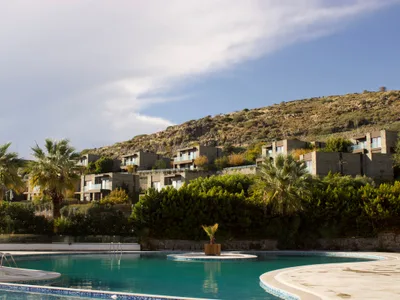 Swimming pool cleaning in Al Tawfeeq
-
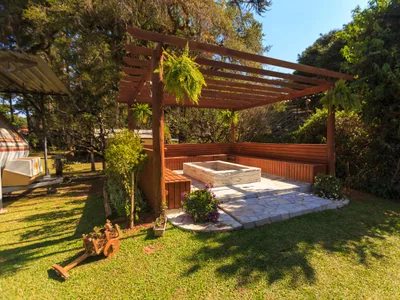 Garden clearance in Al Tawfeeq
-
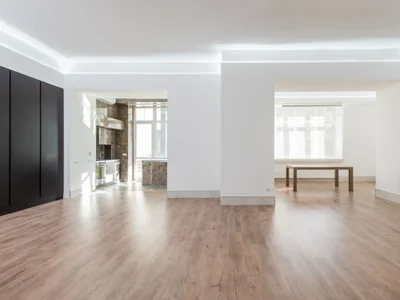 Full deep clean in Al Tawfeeq
-
 Post-construction cleaning in Al Tawfeeq
-
 Disinfection and sanitising in Al Tawfeeq
-
 Bed bug treatment
-
 Office cleaning
-
 Restaurant cleaning
-
 Hotel and resort cleaning
-
 Shopping centre cleaning
-
 Retail cleaning
-
 School cleaning
-
 Nursery and kindergarten cleaning
-
 Hospital cleaning
-
 Clinic and health-centre cleaning
-
 Mosque cleaning
-
 Government facility cleaning
-
 Gym cleaning
-
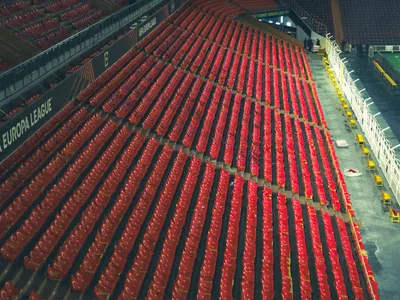 Sports ground cleaning
-
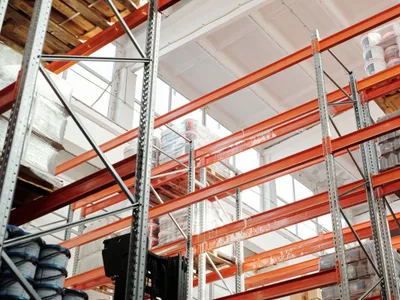 Factory and warehouse cleaning
-
 Event cleaning
-
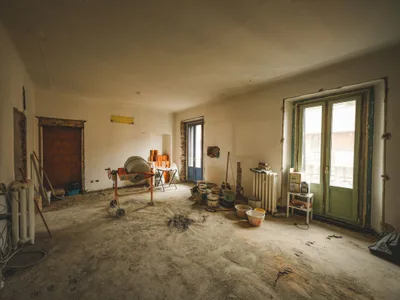 Commercial post-construction cleaning
-
 Building facade cleaning
-
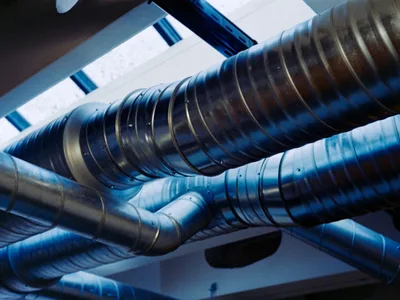 Air duct and HVAC cleaning
-
 Marble grinding and crystal polishing
-
 Commercial pest control