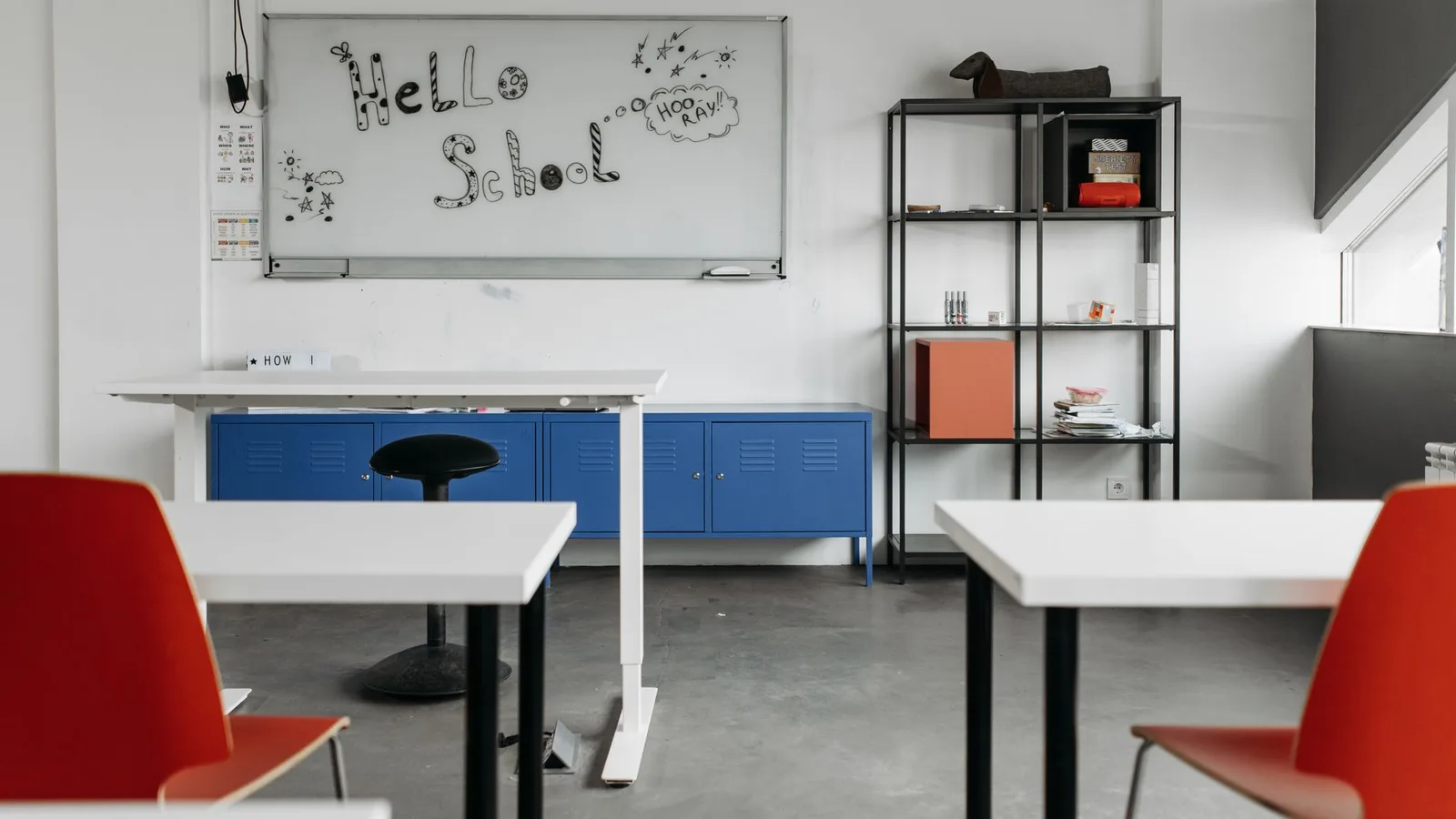
School cleaning in Kilo 14, Jeddah
Schools in Kilo 14 serve a dense, mixed population of residents and migrant workers in an industrial zone where workshops, spare parts dealers and street dust carry oil, metal shavings and exhaust. Classrooms, corridors and stairwells accumulate grime from crowded student restrooms and unplanned streets. Deep cleaning removes layers of industrial dust, oil stains and ground-in dirt, leaving the school clean and safe between or after term.
- Every classroom surface cleaned
- Restrooms scrubbed, not just rinsed
- Ready for term reopening
- No residue on shared touchpoints
Why school spaces need a dedicated clean
The industrial zone and informal residential quarter together send workshop dust, sand and street grit into the school buildings, and student restrooms need specialist attention in high-traffic settings.
-
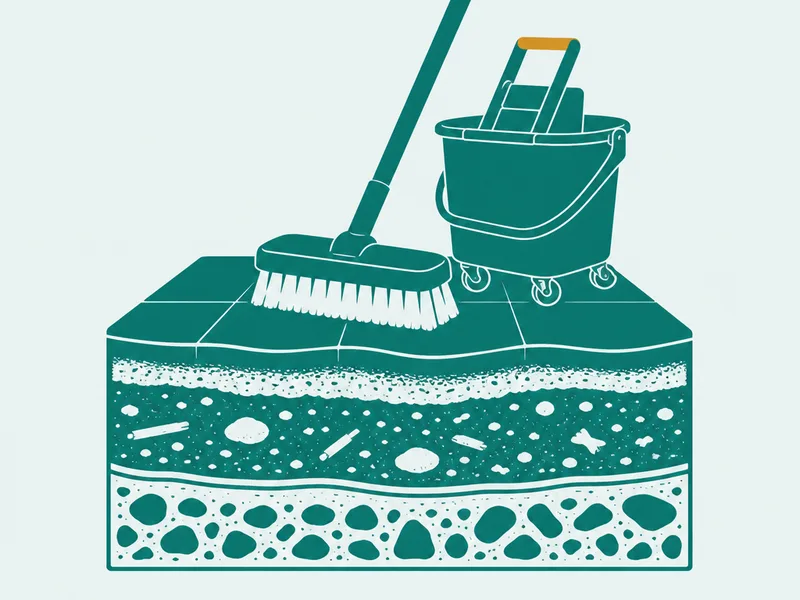
Between-term deep reset
Industrial dust and oil accumulate rapidly on floors and seating in classrooms near workshops, requiring regular deep cleaning throughout the year.
-
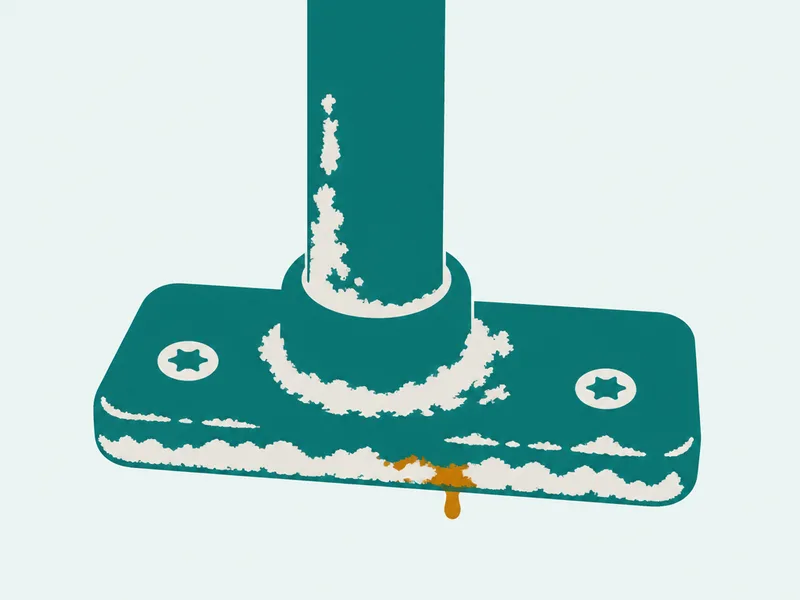
Preparing for facility inspection
Restrooms in high-density schools carry elevated moisture and bacterial load that demand deep sanitisation, not surface wiping.
-
Ongoing weekly hygiene
Stairwells and corridors collect mud and oil tracked in on shoes from surrounding streets, and deep cleaning prevents slips and fall hazards.
-
Before open days and visits
Once deep cleaned, the school looks fresh, smells clean and free of industrial odours that can affect student focus and wellbeing.
What is included in every visit
-
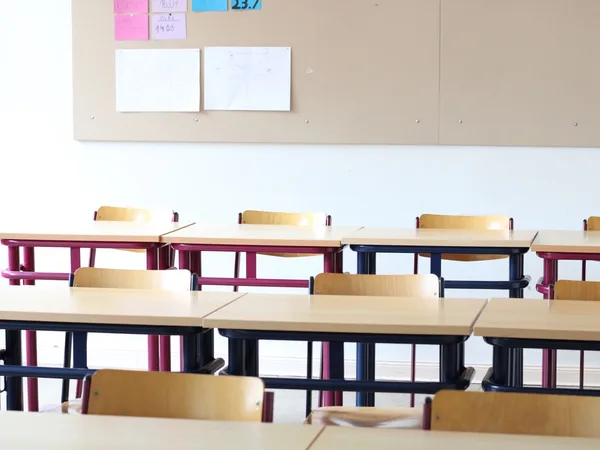
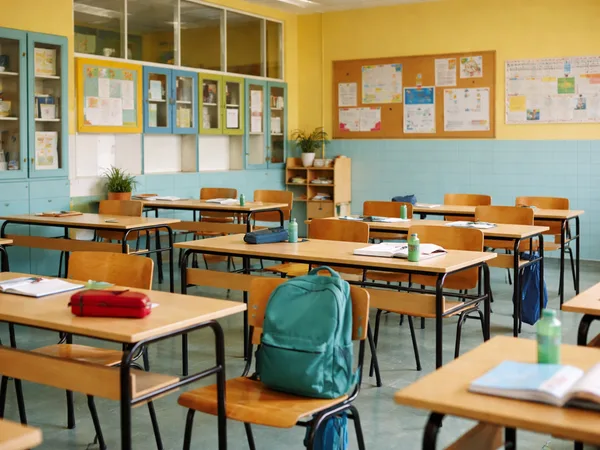
Moving student desks and chairs aside
-
Sweeping chalk dust from classroom floors
-
Wiping whiteboards and erasing chalk residue
-
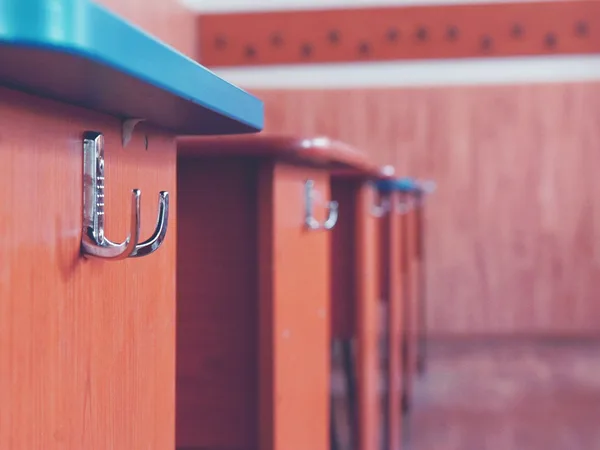
Wiping student desk and chair surfaces
-
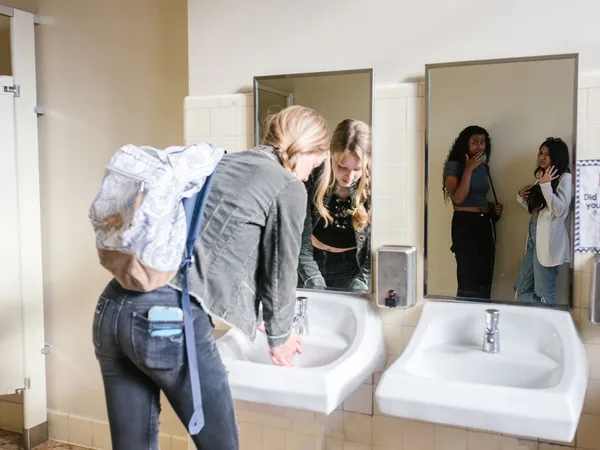
Scrubbing student restroom stalls and basins
-
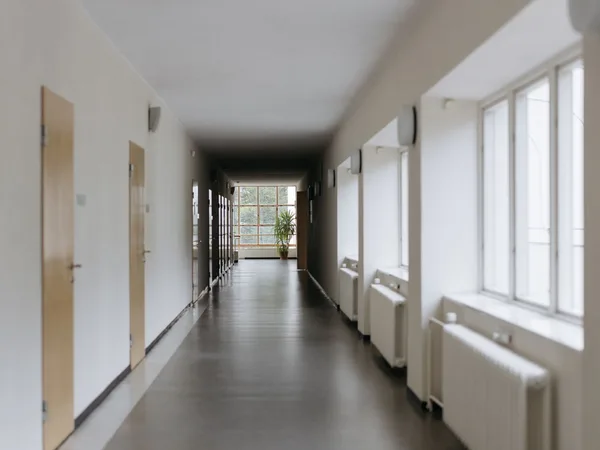
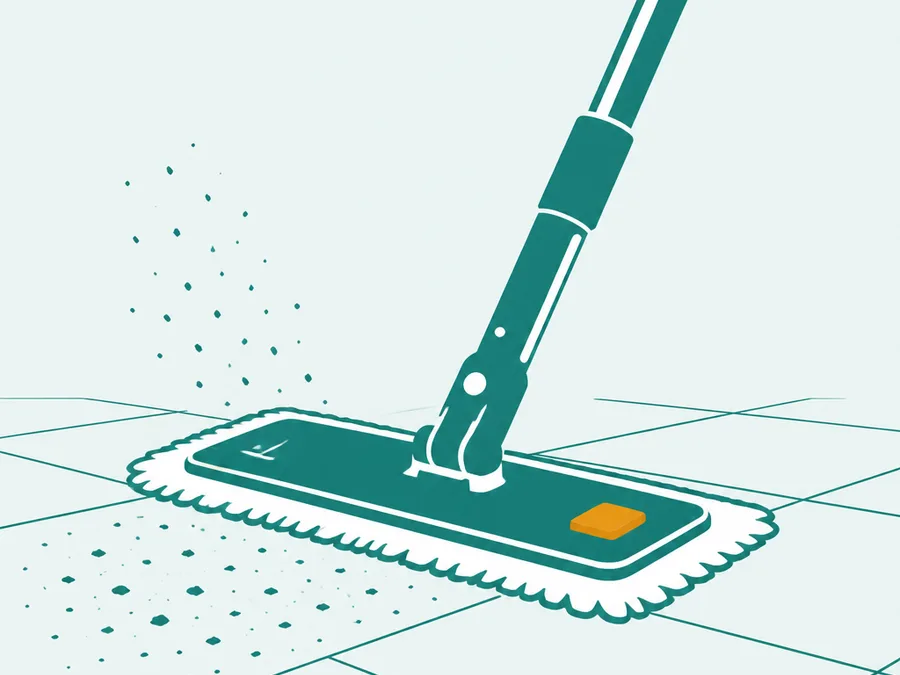
Mopping school corridors and stairwells
-
Emptying and relining classroom waste bins
-
Wiping door handles, switches, and handrails
How the job runs from start to finish
-
Walk-through and layout check
-
Dry stage: sweeping dust and debris
-
Wet stage: floors, desks, and restrooms
-
Touchpoints and handover check
What changes about school cleaning in Kilo 14
Schools in Kilo 14 accumulate heavy industrial grit and oil stains faster than institutions in planned residential neighbourhoods. For the whole method, see the full school cleaning page.
-
The first reason
Industrial dust penetrates every classroom surface
Car repair workshops and spare parts dealers release fine particles of oil, metal and dust that settle on tables, floors and whiteboards. Deep cleaning extracts these particles from all surfaces and fixtures, improving air quality and student concentration.
-
The second reason
Restroom humidity leaves odour and staining
Crowded student facilities in high-density schools leak moisture and salt residue into corridors and stairwells. Cleaning dries all surfaces, removing odours and deep stains that rise from plumbing.
-
The third reason
Oil-stained floors need specialist treatment
Mud and oil tracked in from surrounding streets leave stubborn layers on flooring. Cleaning removes these deposits without surface damage, restoring floor appearance and safety.
The character of Kilo 14
Industrial area: workshops, warehouses and loading yards
Mixed industrial and informal residential zones combine heavy soils: oil residue, metal dust, construction grit and street mud. School cleaning here focuses on removing these stubborn contaminants from floors, walls and furniture, not just light surface dust.
What the school looks like after
Floors and surfaces clear of chalk dust
Classroom floors are swept and mopped clean of chalk and tracked-in dirt.
Restrooms scrubbed and disinfected
Stall walls, basins, and fixtures are scrubbed rather than wiped.

Touchpoints cleared of contact residue
Door handles, light switches, and stairwell handrails are wiped down across the full building.
What our customers said
«شغلهم ما شاء الله، أنصح الجميع بالتعامل معهم. عن تجربة وثقة.»
«أفضل شركة تنظيف بالبخار. أسعارهم ممتازة وشغلهم مرة كويس.»
«خدمة ممتازة.»
«ممتازين.»
Some of our work

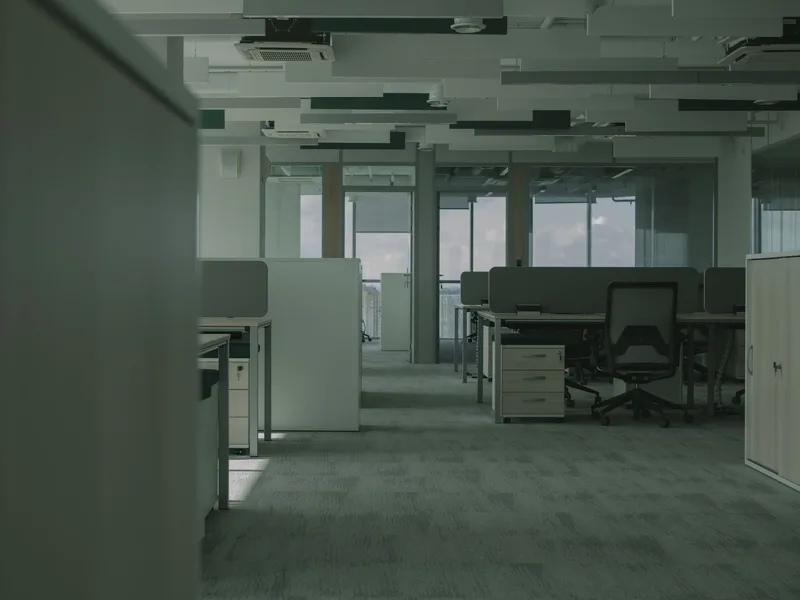
Illustrative photographs. Our own job photographs go here as soon as the client approves them.
What is different about South Jeddah
South Jeddah is the working end of the city: the Islamic Port, the industrial city with its warehouses and workshops, and behind them older low rise districts such as Ghulail and Al Khumrah. The roads are built for lorries, and port and factory traffic runs through the night, so the dust that settles here is grey with diesel and metal filings rather than pale sand. Buildings are mostly older concrete with flat roofs and open stairwells that collect it. Sea humidity keeps it damp, and in summer it sets hard on ledges and cladding.
Nearby districts we cover
Questions worth asking first
Oil odour comes from tiny particles trapped in floors and walls. Deep cleaning extracts all particles completely and deodorises the space.
Yes. Oil and industrial dust leave deep stains. Each floor type requires a specific cleaning solution that removes contaminants without damage.
Heavy use and constant moisture need at least one deep clean per term. Inspection determines if restrooms need additional cleaning within term.
Yes. Fine dust does not stain permanently. Cleaning extracts it from fabrics and wood and restores original colour.
Informal streets send more grit, but comprehensive cleaning covers all surfaces and corridors with equal effectiveness.
Deep cleaning before students arrive removes accumulated bacteria and dust and delivers a safe, healthy environment from day one.
It is set after we see the job, because the price follows the kind of work, the size of the space, its condition and the time and materials it needs. Send a photo and a short description on WhatsApp and we will give you an estimate before we reach Kilo 14.
Most bookings are scheduled during term breaks, when classrooms are empty and the team can work through the building without interruption.
The main requirement is that the building is accessible and any restricted areas are marked or locked.
Other services in Kilo 14
We also provide these services in Kilo 14.