Government facility cleaning in Al Mahjar, Jeddah
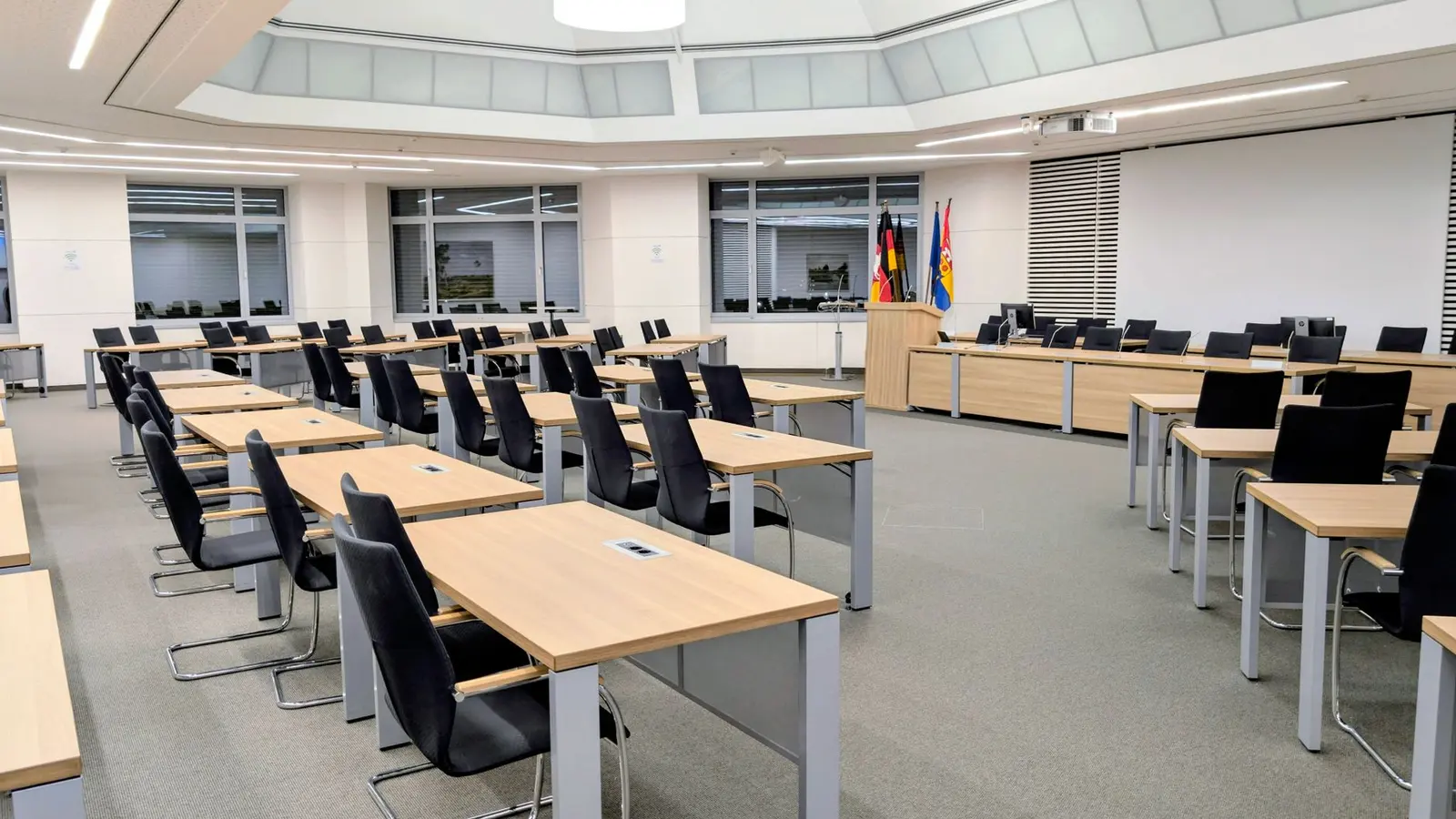
Al Mahjar hosts three major government hospitals and health facilities that receive hundreds of staff and visitors daily. Floors, corridors and shared spaces need regular cleaning that meets medical and administrative hygiene protocols. Coastal dust and constant foot traffic leave marks quickly on surfaces, entrances and prayer areas.
- Covers all public-access areas
- Works within access restrictions
- Fits government building schedules
- No cross-contamination between zones
Why public buildings need dedicated cleaning routines
The district combines hospitals, administrative facilities and small commercial zones, creating high foot traffic and constant dust movement throughout the day.
-
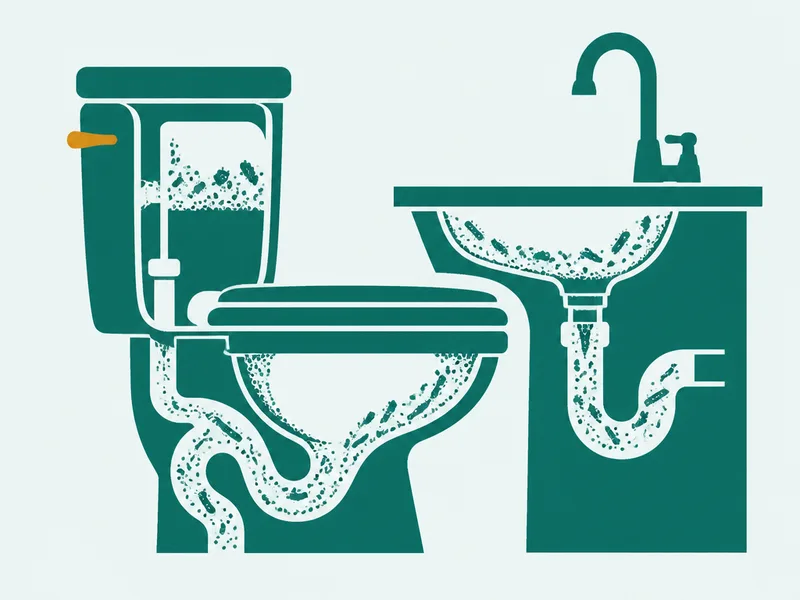
Restrooms that serve the public
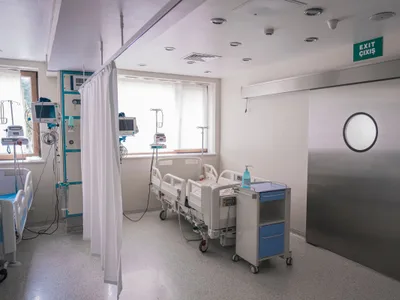
Hospitals require precise coordination with management to identify the best cleaning times without disrupting medical services or visitor movement.
-
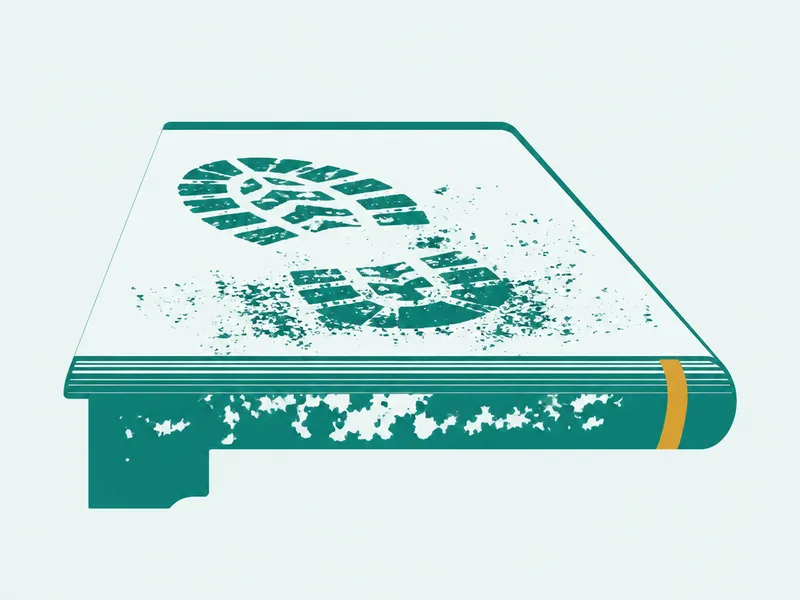
High daily footfall wears surfaces fast
Corridors and shared zones experience heavy use and rapid accumulation of coastal dust and moisture from areas near the port.
-
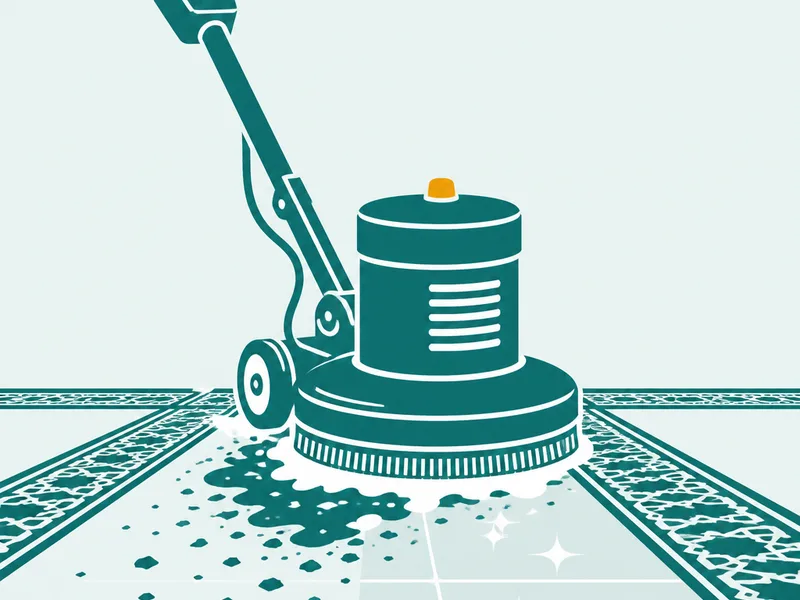
Musalla floors need more than sweeping
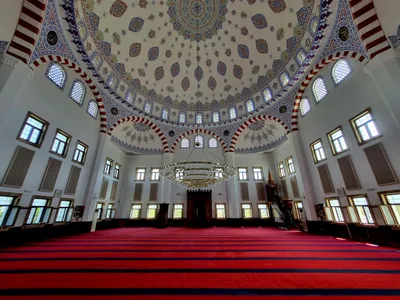
Prayer rooms, rest areas and waiting rooms need separate cleaning protocols aligned with religious and administrative use in government facilities.
-
Supervisor sign-off closes the loop
Floors, tile and carpeting need intensive regular care to withstand the impact of high foot traffic and dust from daily visitor and staff movement.
What is included in every visit
-
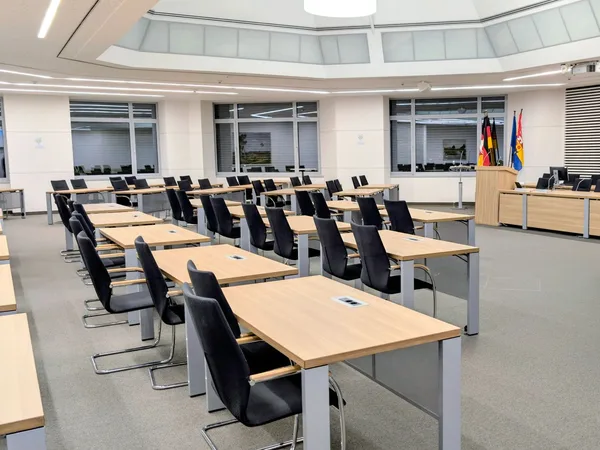
Register at security desk
-
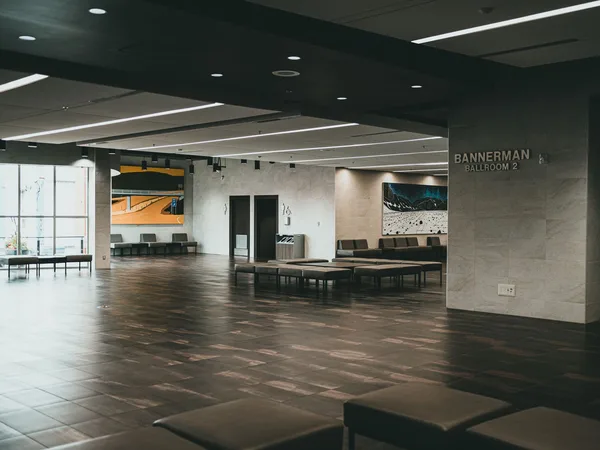
Wipe reception counters and seating
-
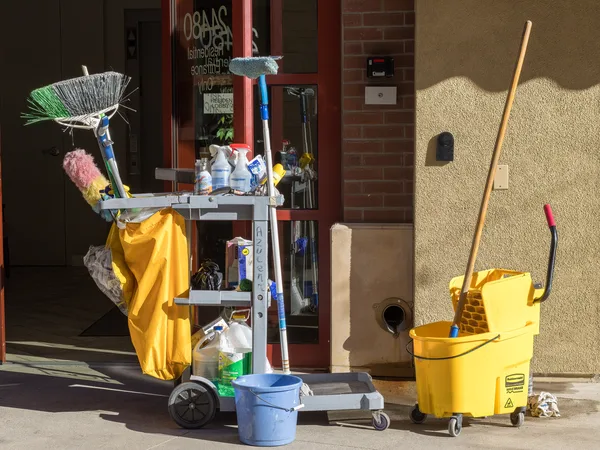
Scrub and disinfect public restrooms
-
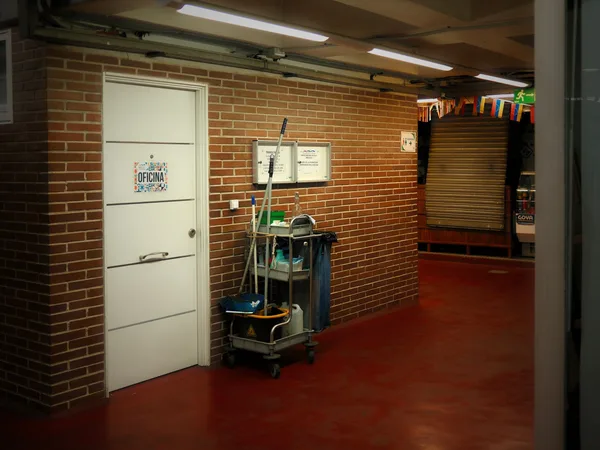
Clean and arrange musalla floor
-
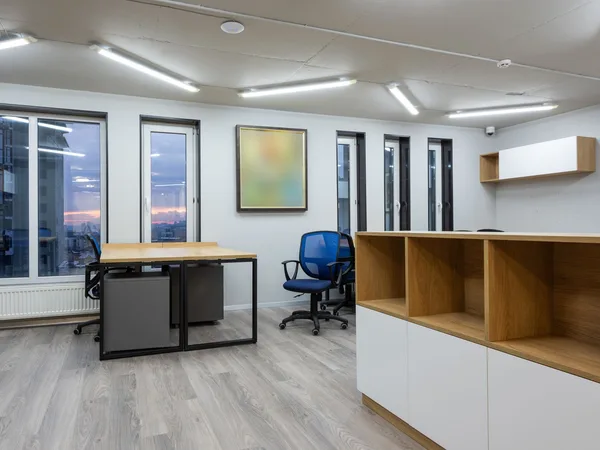
Dust desks and phone handsets
-
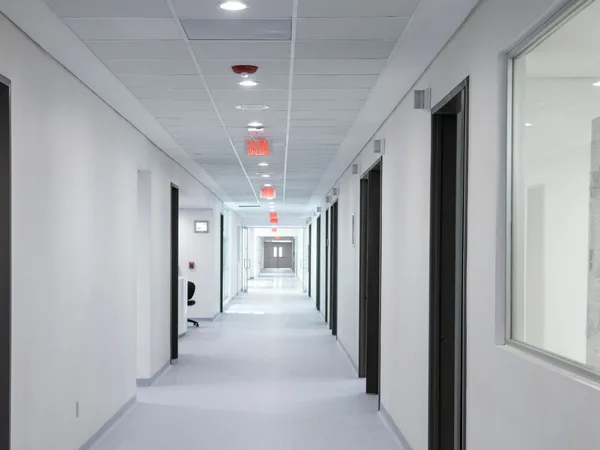
Mop hallways and interior stairwells
-
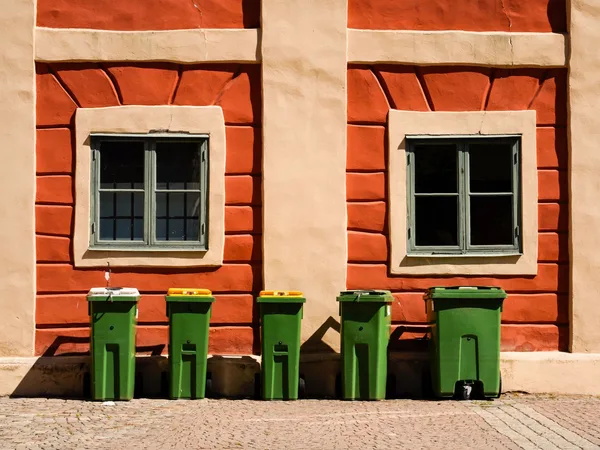
Empty and reline all waste bins
-
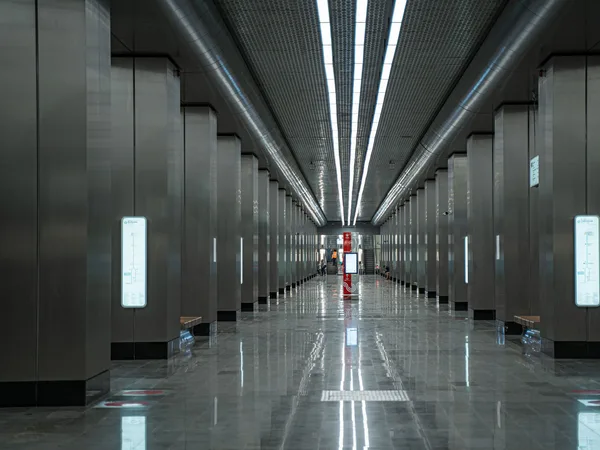
Walk floors with facility supervisor
How each government facility visit works
-
Schedule and access confirmed
-
Top floors cleaned first
-
All zones completed in sequence
-
Walk-through and sign-off
What changes about government facility cleaning in Al Mahjar
Hospitals in Al Mahjar experience peak traffic in morning and evening shifts, and prayer rooms and waiting areas require frequent cleaning due to continuous high usage. For the whole method, see what government facility cleaning involves.
-
The first reason
Hospitals demand strict sanitation standards
Waiting rooms, corridors and medical areas follow strict protocols. The crew coordinates with shift schedules and rest periods to avoid disrupting patient care and daily operations.
-
The second reason
Coastal dust settles on every surface and threshold
Proximity to the shore and refinery means fine dust enters buildings easily. Regular cleaning removes accumulated layers from windows, surfaces and corridors.
-
The third reason
Prayer rooms and public areas need careful attention
Prayer spaces, rest areas and shared zones see heavy daily use. Cleaning includes floors, walls, fans and lighting on a daily routine.
Al Mahjar on the map
Al Mahjar sits about 3 km from Ghulail and about 3 km from Al Waziriyah.
Open in Google MapsWhat a government facility looks like after
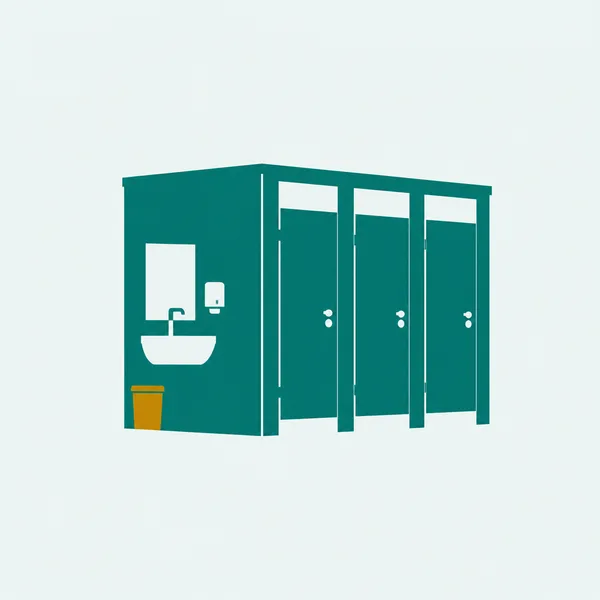
Restrooms ready for public use
Fixtures scrubbed and disinfected, bins lined and floors mopped dry.
Reception and desks cleared and wiped
Counters, phone handsets and desk surfaces wiped down so staff begin on a clean workspace.

Waste removed across the building
All bins emptied and relined, so no overflow at the start of the next working day.
What our customers said
«شغلهم ما شاء الله، أنصح الجميع بالتعامل معهم. عن تجربة وثقة.»
«أفضل شركة تنظيف بالبخار. أسعارهم ممتازة وشغلهم مرة كويس.»
«خدمة ممتازة.»
«ممتازين.»
Some of our work
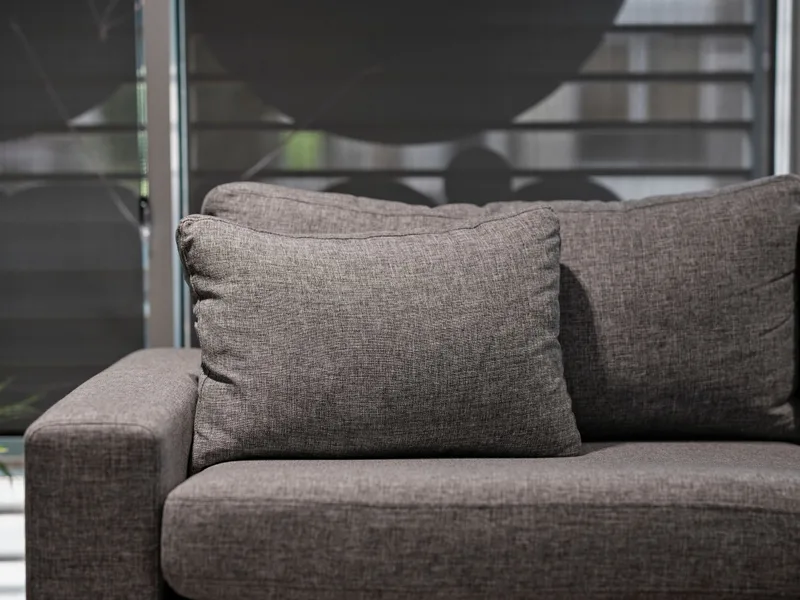
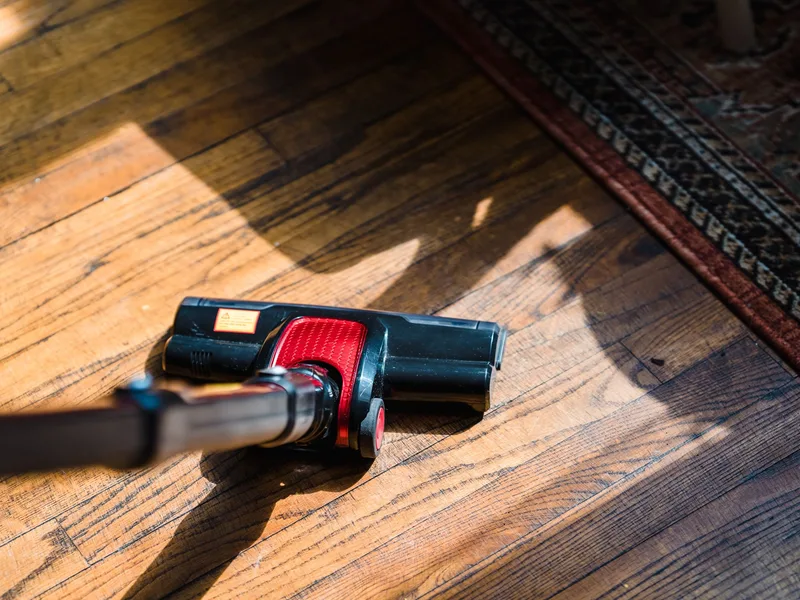
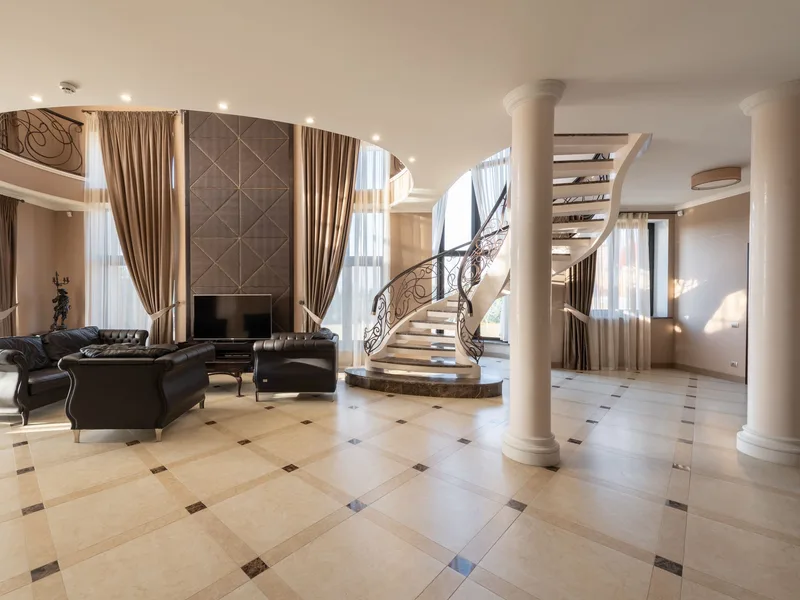
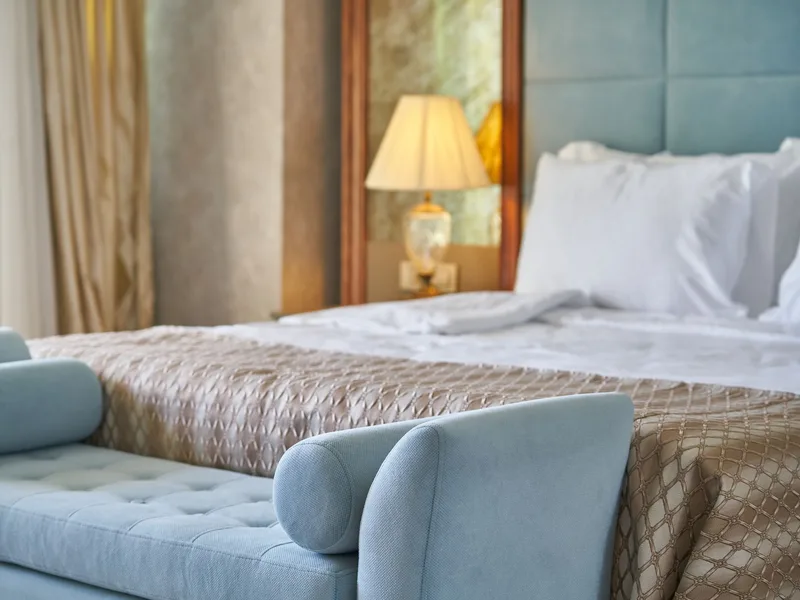
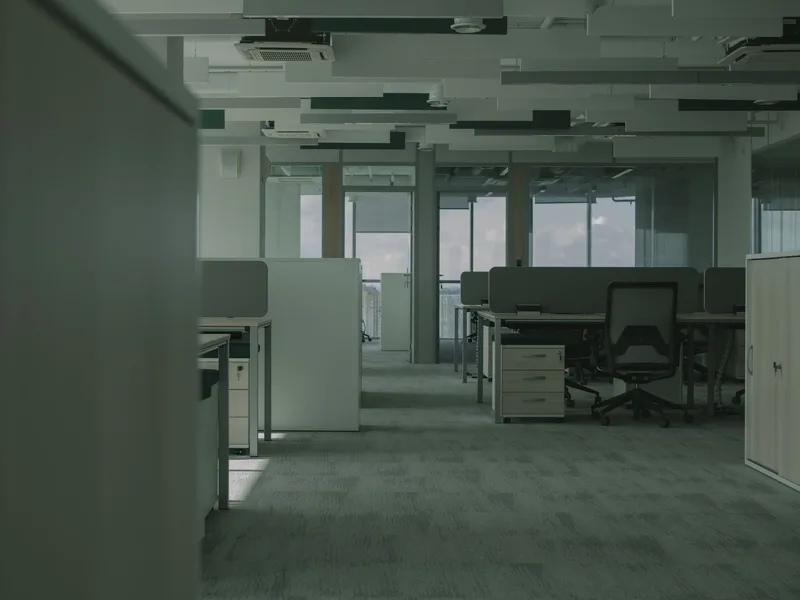
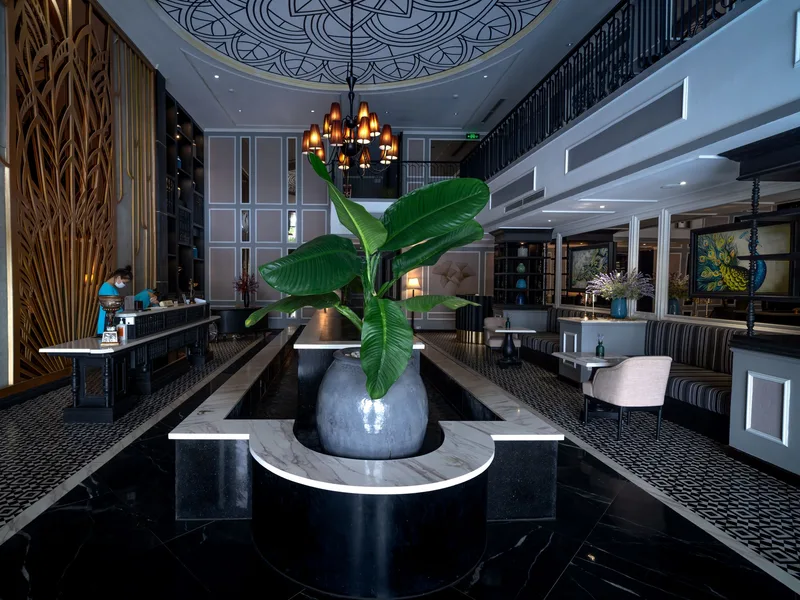
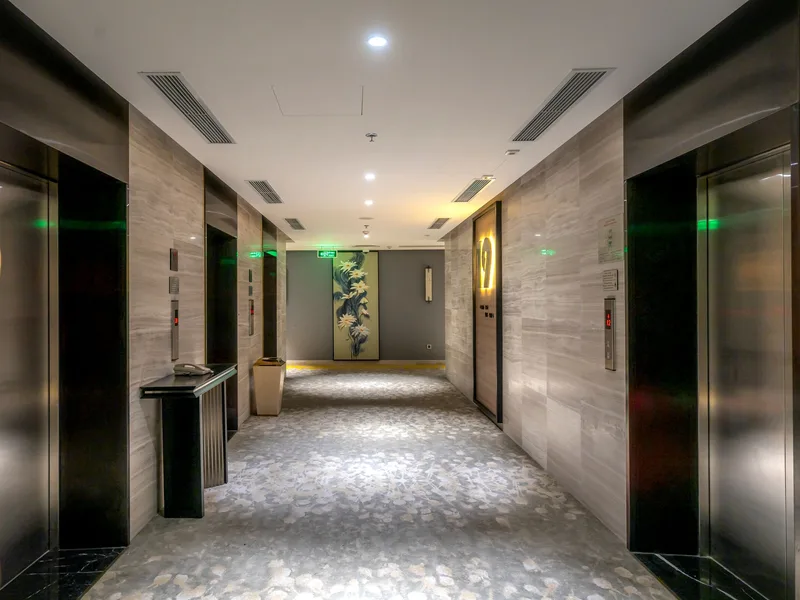
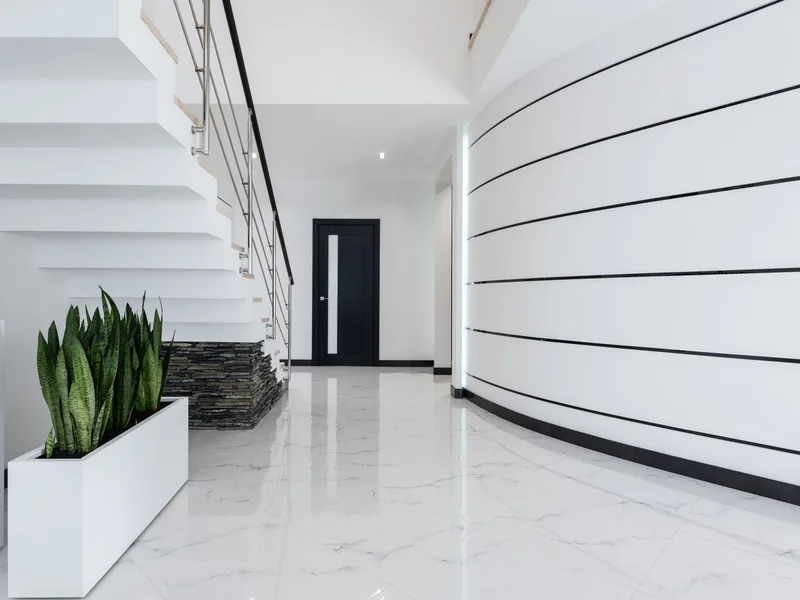
Illustrative photographs. Our own job photographs go here as soon as the client approves them.
What is different about South Jeddah
South Jeddah is the working end of the city: the Islamic Port, the industrial city with its warehouses and workshops, and behind them older low rise districts such as Ghulail and Al Khumrah. The roads are built for lorries, and port and factory traffic runs through the night, so the dust that settles here is grey with diesel and metal filings rather than pale sand. Buildings are mostly older concrete with flat roofs and open stairwells that collect it. Sea humidity keeps it damp, and in summer it sets hard on ledges and cladding.
Nearby districts we cover
Questions worth asking first
The schedule is set based on peak and rest hours. Cleaning occurs at set times that do not interfere with medical procedures or staff breaks.
Yes, waiting areas, prayer rooms and public corridors are cleaned daily. Medical protocols are followed in every zone.
Daily surface and window cleaning prevents dust buildup. Good ventilation and vacuums with advanced filters remove fine particles.
Yes, hospital entrances and security zones are cleaned at higher frequency. Carpeting and tile near doors handles heavy foot traffic and requires intensive cleaning.
Yes, products are carefully chosen for safety in medical areas. The crew follows established health and safety standards.
Prayer spaces are cleaned after each required prayer time, with daily deep cleaning. Floors and mats need daily care due to heavy continuous use.
It is set after we see the job, because the price follows the kind of work, the size of the space, its condition and the time and materials it needs. Send a photo and a short description on WhatsApp and we will give you an estimate before we reach Al Mahjar.
Yes.
The main requirement is a point of contact who can walk the team through any restricted areas or zones with special access rules.
Other services in Al Mahjar
We also provide these services in Al Mahjar.