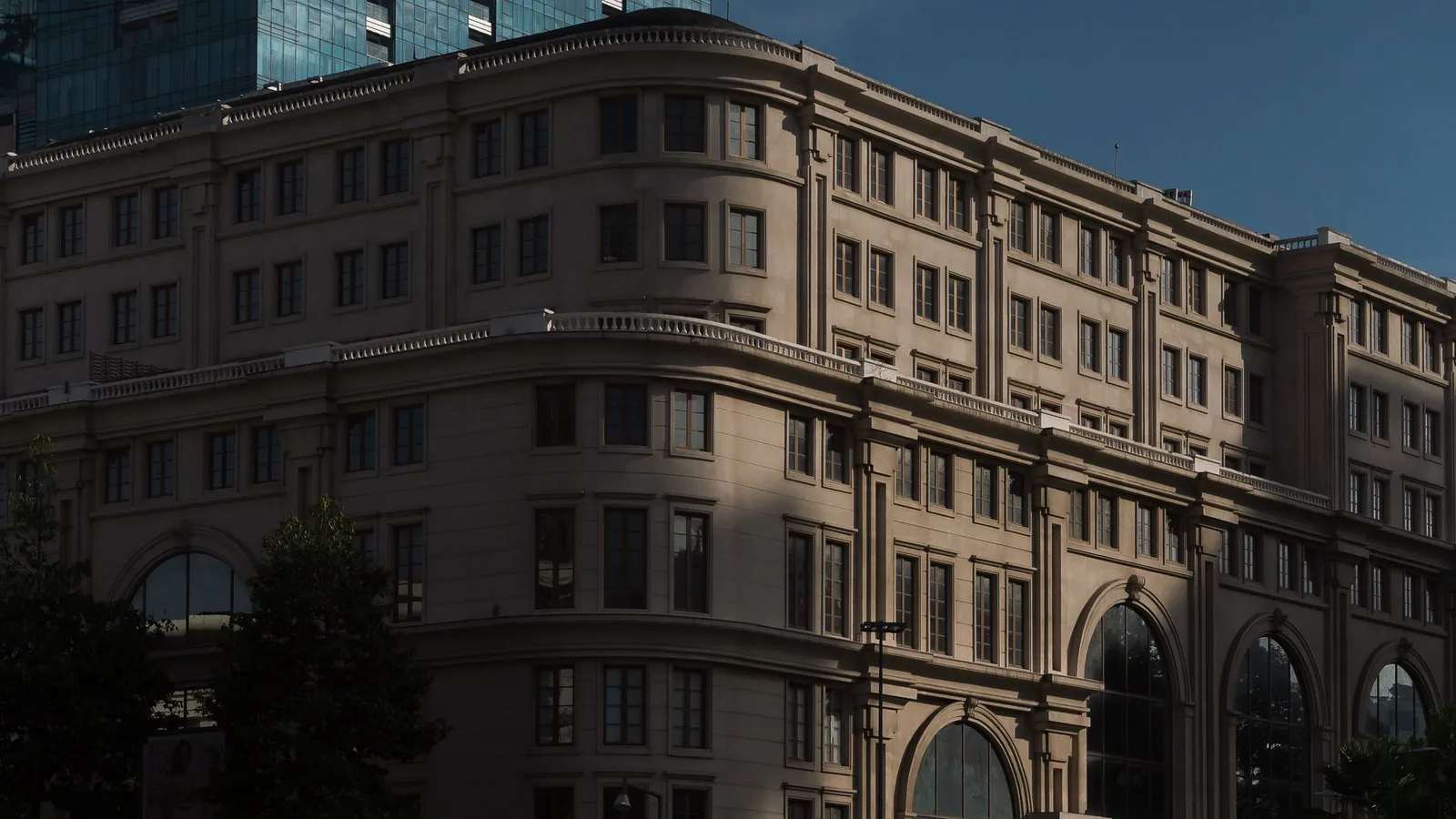
Building facade cleaning in Mareekh, Jeddah
Mareekh sits at the foot of the Mareekh Mountains in east Jeddah, where direct exposure to wind and rare rainfall leaves salt deposits and biological staining on building fronts. Simple residential structures in this district experience rapid colour change due to proximity to the surrounding mountains and valley systems.
- Full-height exterior coverage
- Chemical and pressure washing
- Safe on glass and cladding
- Top-to-bottom rinse sequence
Why facade condition matters for your building
The desert mountain terrain exposes building facades to fine dust and airborne salt, while occasional rainfall leaves biological marks on exposed surfaces.
-
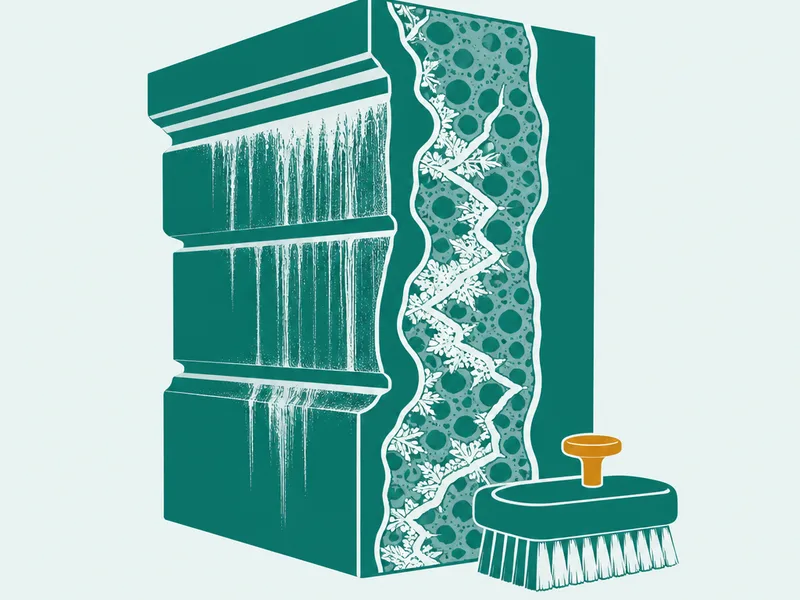
Coastal salt and mineral deposits
Airborne salt deposits on exposed facades daily, with accumulation worsening during dry seasons when wind is most active.
-
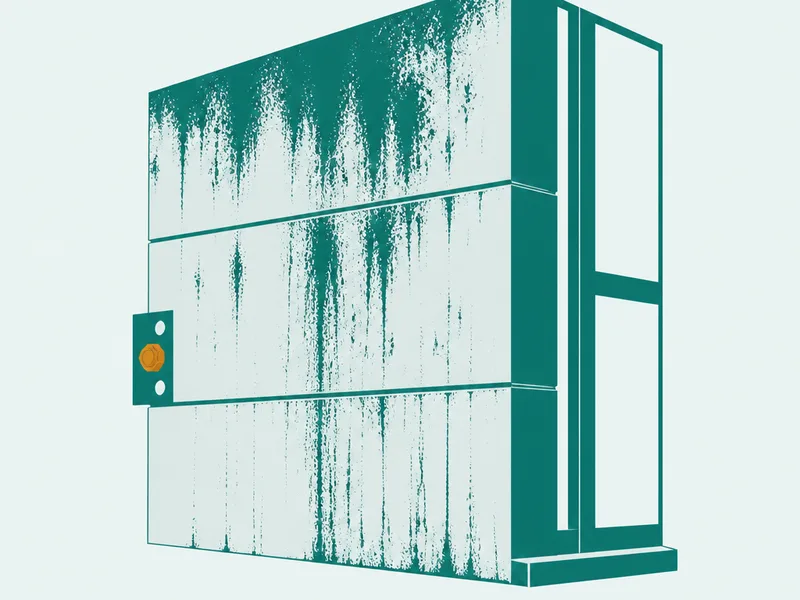
Commercial presentation and first impressions
Occasional rainfall creates damp conditions that encourage algae and mould growth on the salt-laden layer.
-
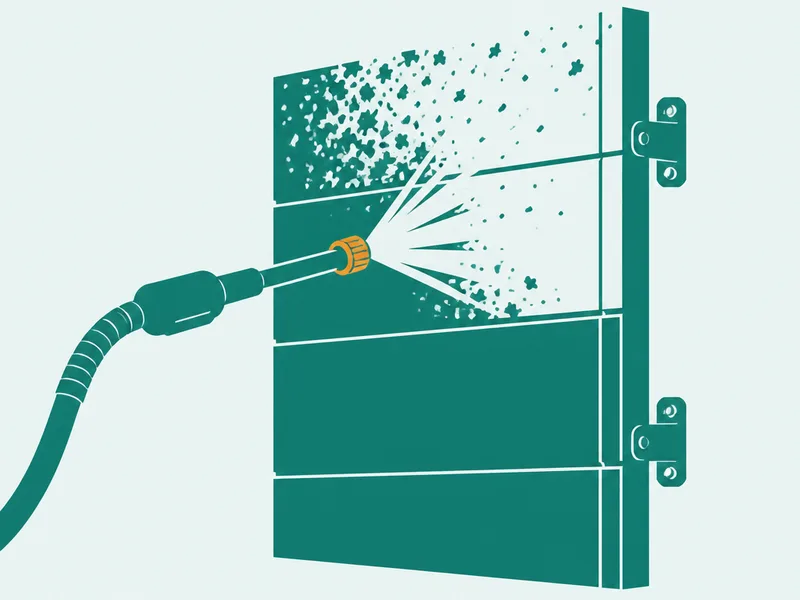
Protecting cladding and coating lifespans
Older facades and cracked paint allow salt and water to penetrate the substrate, accelerating structural damage and material degradation.
-
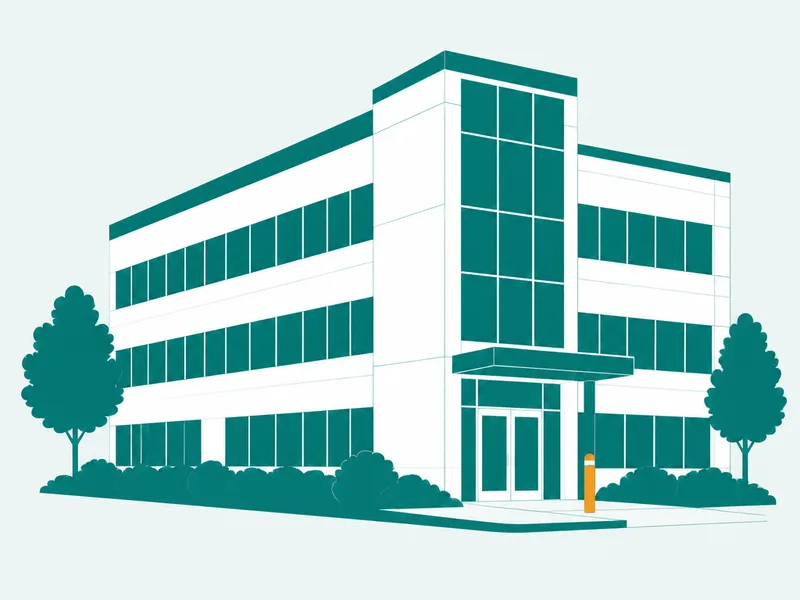
Facilities compliance and inspection readiness
Regular cleaning preserves facade integrity and reduces emergency maintenance costs for residential buildings.
What is included in every facade clean
-
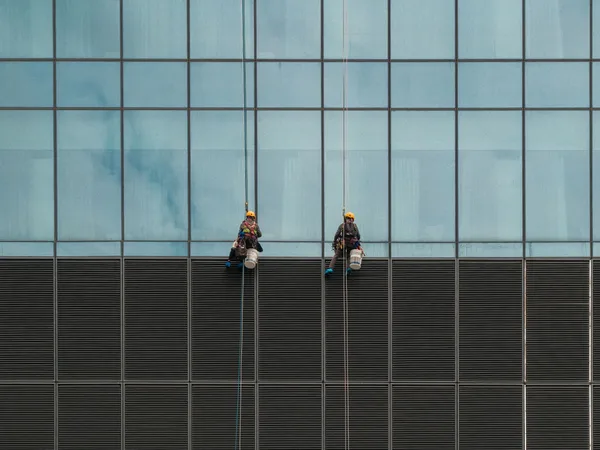
Facade surface and access inspection
-
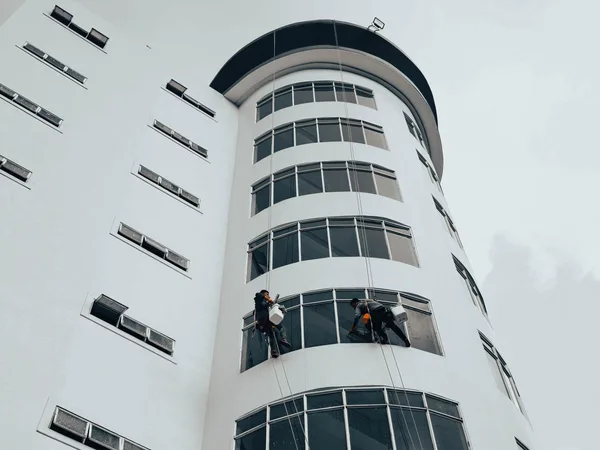
Scaffolding or rope access rigging
-
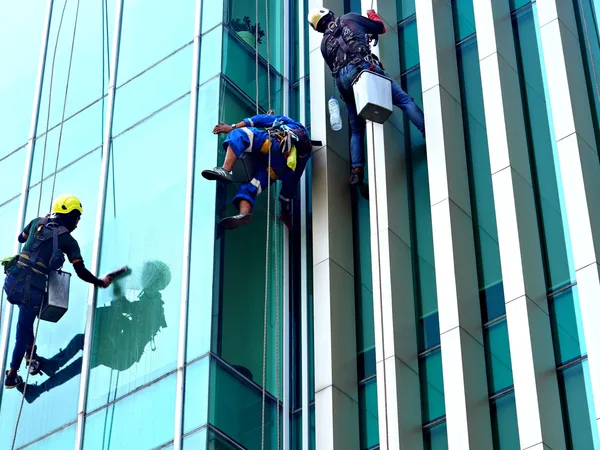
Cleaning solution applied to facade
-
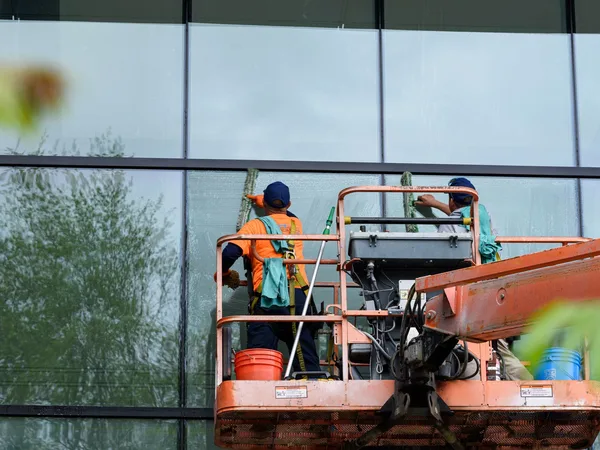
High-pressure water washing of panels
-
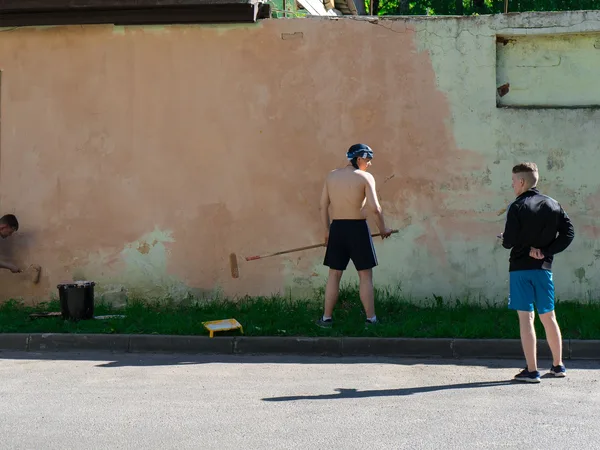
Manual brushing of stubborn deposits
-
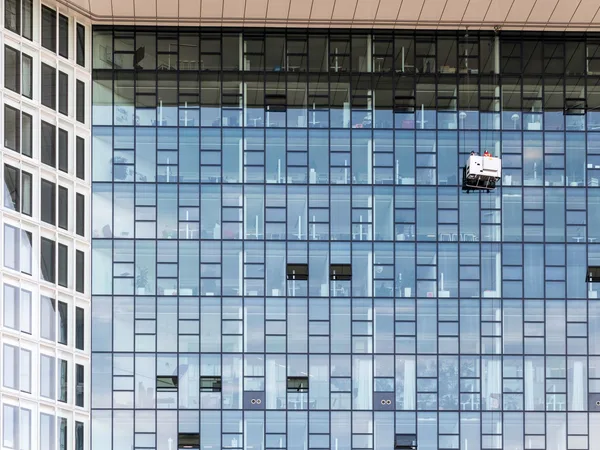
Rinsing facade top to bottom
-
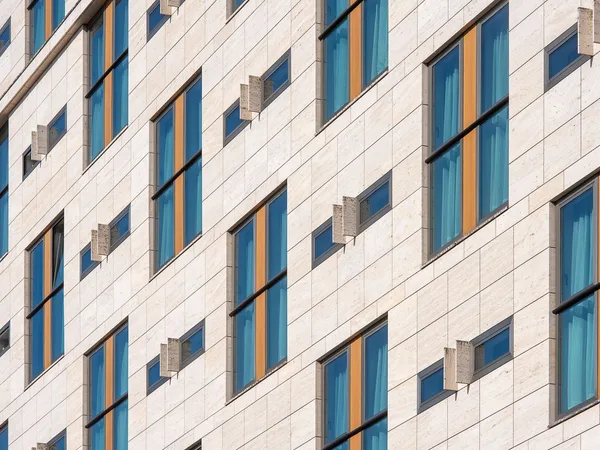
Cleaning ledges joints and window frames
-
Equipment removal and area cleanup
How a facade clean is carried out
-
Site survey and access assessment
-
Rigging and ground preparation
-
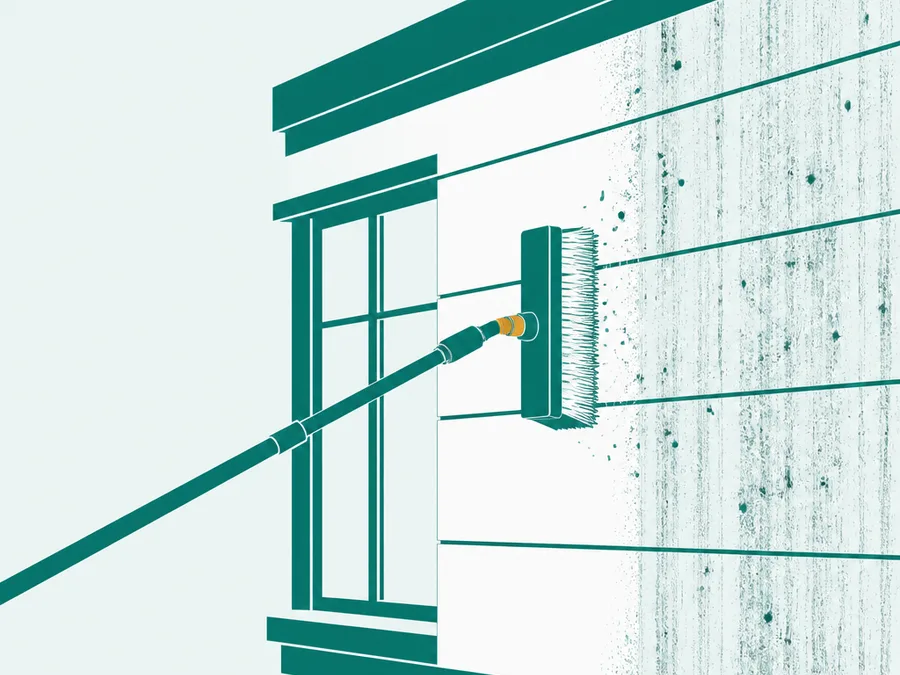
Chemical application, washing, and scrubbing
-
Detail clean, final rinse, and handover
What changes about building facade cleaning in Mareekh
Building fronts in Mareekh's modest residential blocks show salt marks and algae growth much faster than shaded or protected areas in other districts. For the whole method, see building facade cleaning in detail.
-
The first reason
Airborne salt accumulates on every facade
Winds from various directions carry fine salt particles that cling to stone, paint and metal. Buildup rapidly discolours the facade and leaves a hard white or grey layer that requires specialist removal.
-
The second reason
Occasional rainfall feeds algae and mould growth
When rain falls on salt-laden facades, the conditions favour algae and green-black mould growth. These organisms penetrate fine cracks and weaken exterior paint and stone.
-
The third reason
Cleaning preserves the building's exterior life
Removing salt and mould prevents erosion of the substrate. Clean facades reflect sunlight better and reduce excess heat absorption in residential structures.
Mareekh on the map
Mareekh sits about 3.5 km from Al Shorouq and about 3.5 km from Al Nakheel.
Open in Google MapsWhat the building looks like after the work
Uniform surface across all panels
Staining, salt lines, and tide marks are removed across the full facade, not just the sections reachable without rigging.
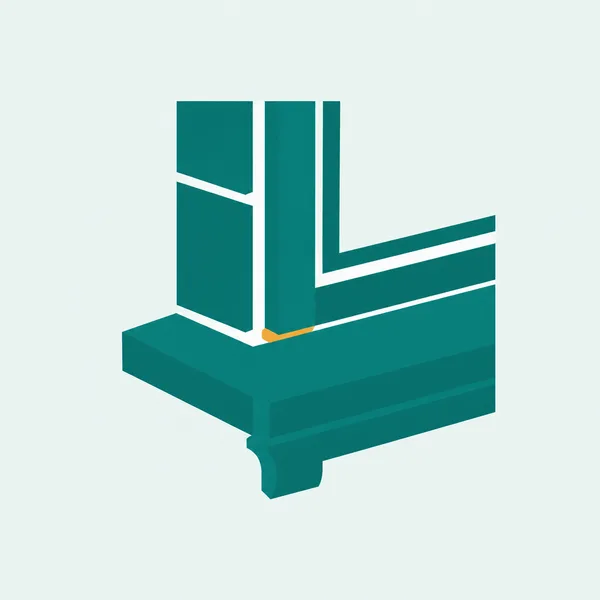
Clear joints, ledges, and window frames
Grime that collects in expansion joints, on sills, and around window frames is removed as part of the detail pass.
Site returned to normal use
All rigging, chemical containers, and waste water are removed before handover.
What our customers said
«شغلهم ما شاء الله، أنصح الجميع بالتعامل معهم. عن تجربة وثقة.»
«أفضل شركة تنظيف بالبخار. أسعارهم ممتازة وشغلهم مرة كويس.»
«خدمة ممتازة.»
«ممتازين.»
Some of our work
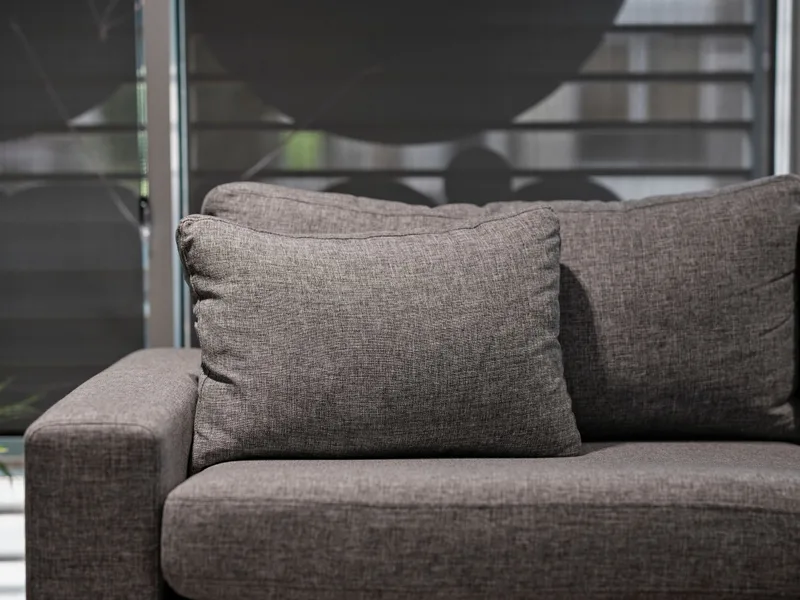
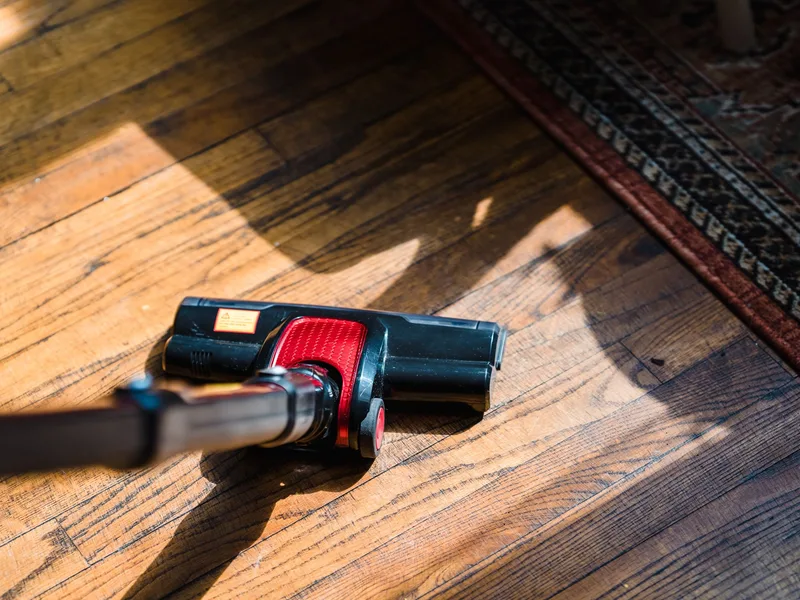
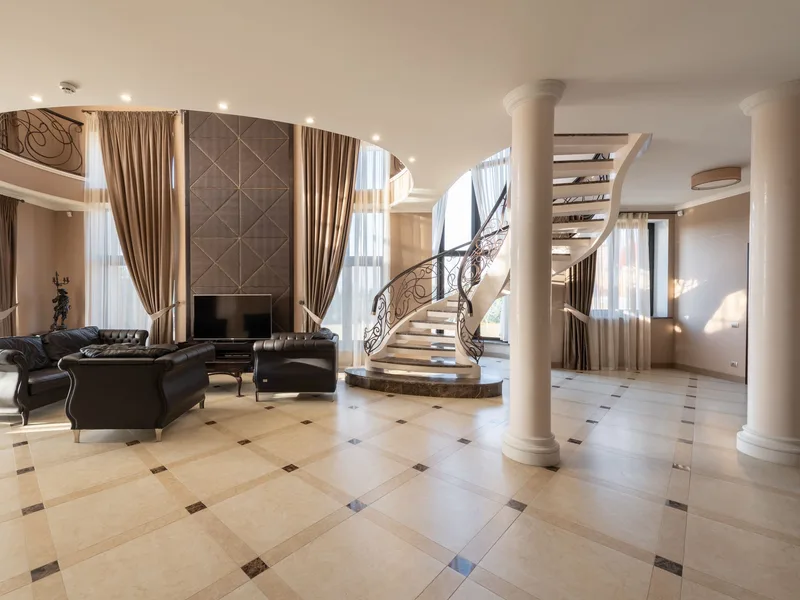
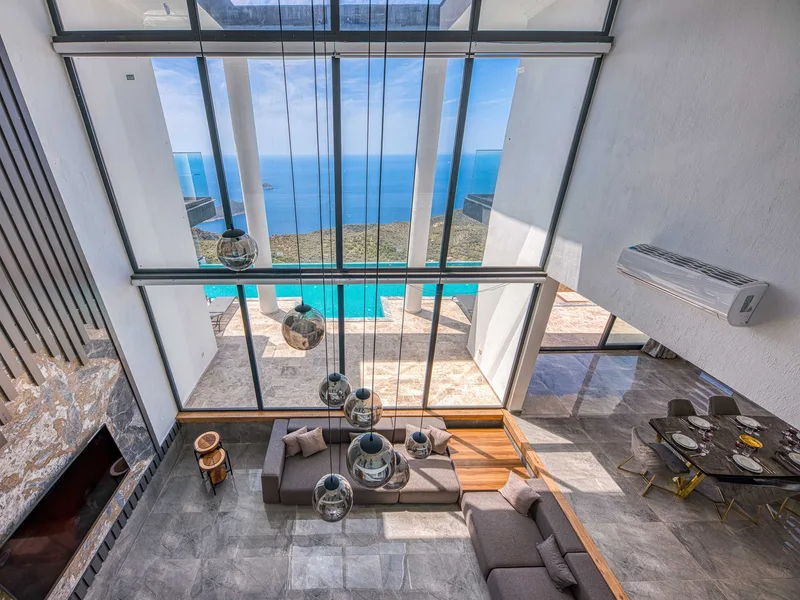
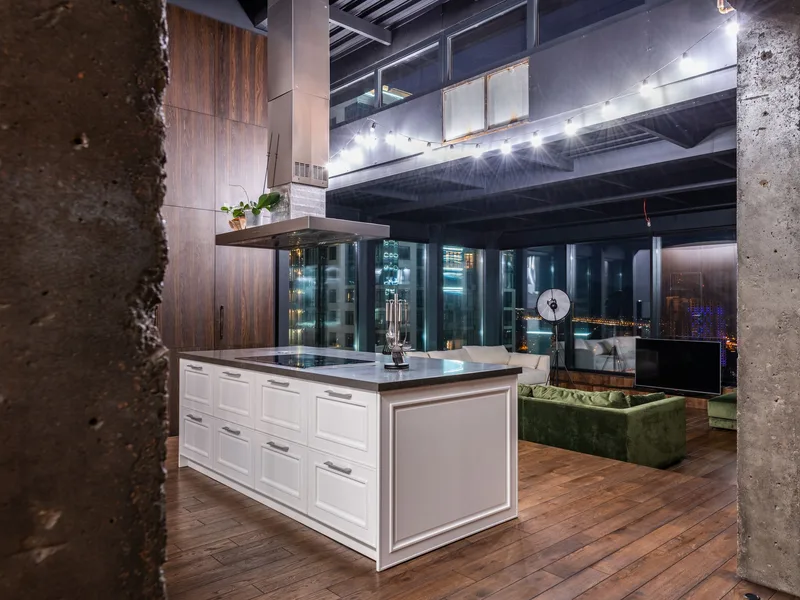
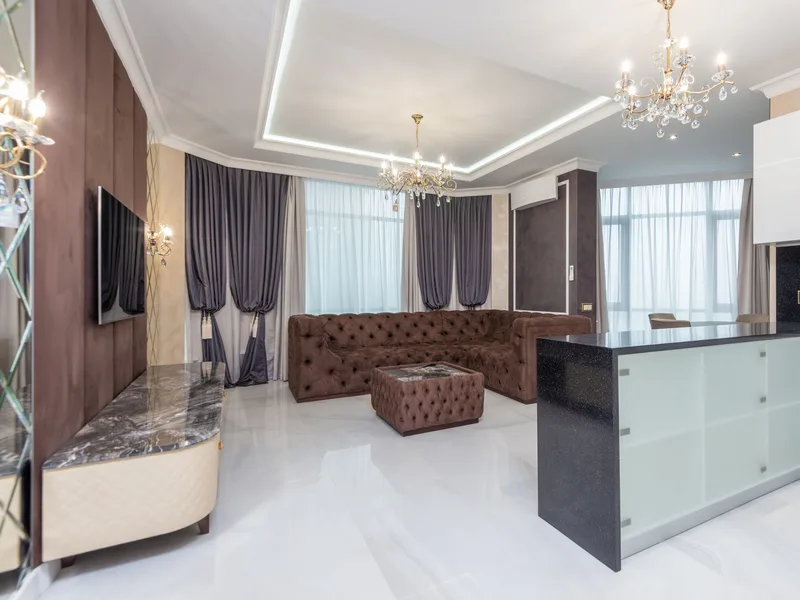
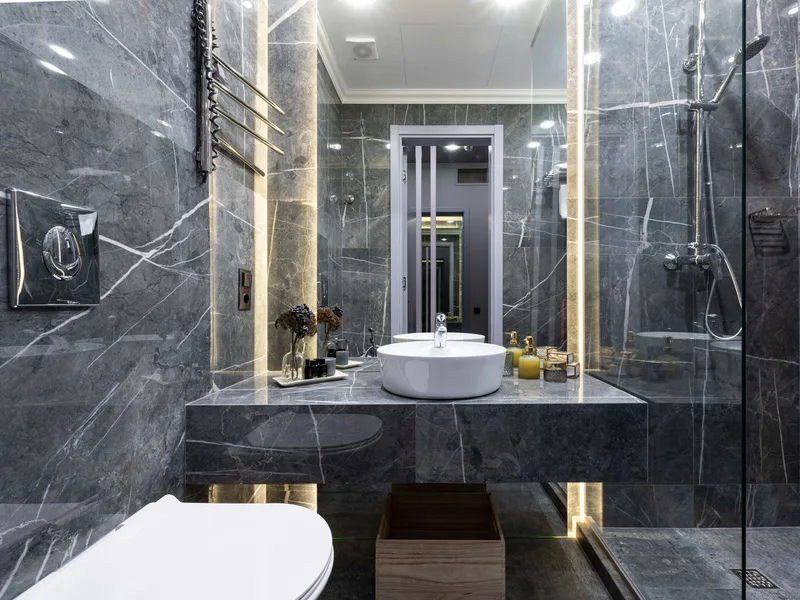
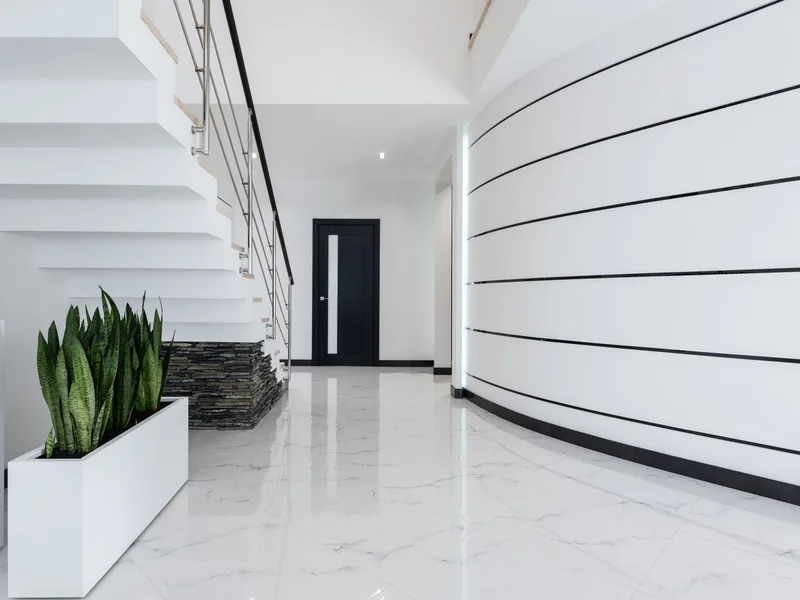
Illustrative photographs. Our own job photographs go here as soon as the client approves them.
What is different about East Jeddah
East Jeddah sits against the foothills, beyond the Haramain expressway and the ring roads, and it is where the city meets the desert edge. Apartment districts such as Al Safa and Al Naseem give way to villa areas and to new schemes still being graded out of bare ground. Dust here is the main story: fine desert sand on the spring and autumn winds, and grit from plots under construction. Some districts lie on the wadi lines that drain the hills, so a winter storm leaves mud on the streets that dries to powder.
Nearby districts we cover
Questions worth asking first
Proximity to the mountains and valleys means direct exposure to salt-laden winds. Facades facing east and north accumulate salt faster than other orientations.
Jeddah's rare rainfall is insufficient to remove heavy salt layers. Instead, dampening triggers chemical reactions with living organisms, causing biological growth.
Algae and mould leave marks that can penetrate deep into pores. Specialist cleaning removes all algae and mould without damaging the original paint finish.
Cleaning removes current deposits but salt will return with the wind. Regular cleaning keeps the facade clean and prevents heavy buildup that becomes hard to remove.
Porous surfaces like limestone, brick and mortar absorb salt deep. Old and cracked paint allows salt to penetrate into the substrate material.
Buildings in Mareekh are usually built from standard materials that tolerate careful cleaning. Initial inspection determines paint strength and material before selecting the right method.
It is set after we see the job, because the price follows the kind of work, the size of the space, its condition and the time and materials it needs. Send a photo and a short description on WhatsApp and we will give you an estimate before we reach Mareekh.
Duration depends on building height, facade area, and the type of staining present.
In most cases, occupants can remain inside.
Other services in Mareekh
We also provide these services in Mareekh.