
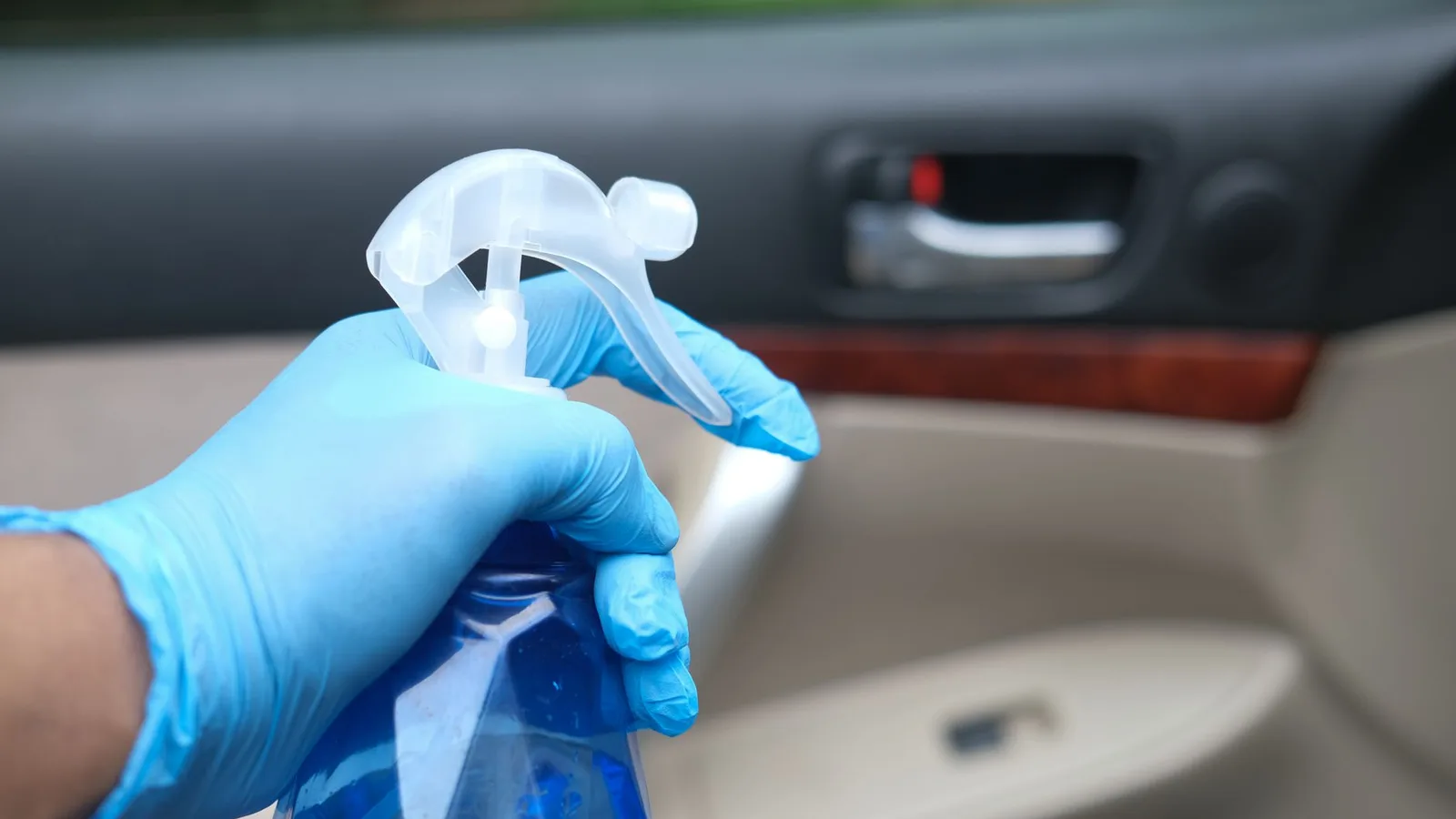
Disinfection and sanitising in Mareekh, Jeddah
Mareekh is a small district in east Jeddah at the foot of the Mareekh Mountains near Wadi Al Qaws, the valley behind Jeddah's 2009 flood. Hills and valleys bring desert dust and seasonal mud that differ entirely from the lowland areas.
- Every handle and switch treated
- Fogging reaches every corner
- Safe for households with children
- No harsh residue left behind
Why surface wiping alone is not enough
A rural district in the foothills and valley belt east of Jeddah, lying on the course of Wadi Al Qaws. Winter rains leave mud that dries to powder within days. Spring and autumn winds carry fine desert sand.
-
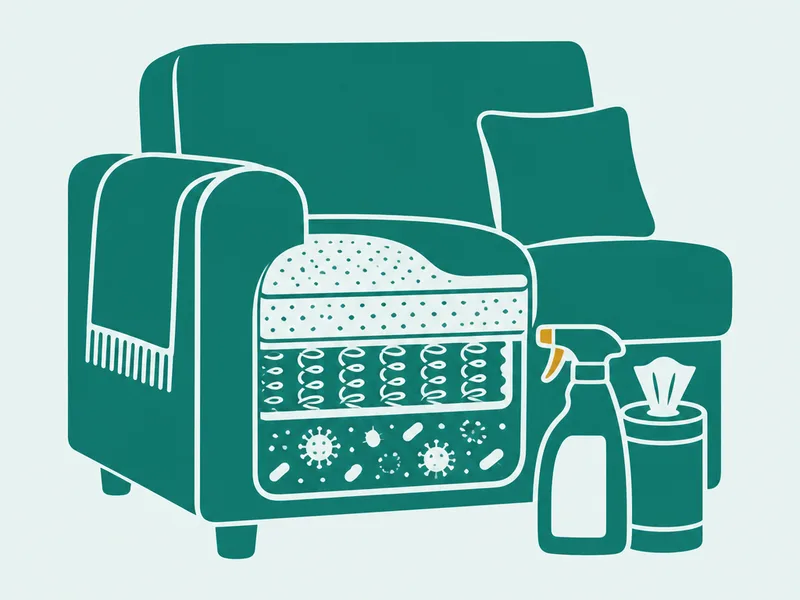
After illness in the home
After illness in a home in Mareekh, comprehensive disinfection targets germs and fungi on surfaces and textiles, particularly corners and ceilings that trap moisture.
-
Before moving into a property
Before moving into a new home in Mareekh after the rainy season, full treatment is essential to remove soil bacteria and fungal colonies from every room, passages and moisture prone areas.
-

Seasonal or recurring household sanitation
During cold and rainy seasons, homes in Mareekh benefit from treatment every six weeks to clear fungal accumulation on walls, ceilings and fabrics caused by continuous moisture.
-

Protecting vulnerable household members
Routine maintenance after rain season and windy season is advised to protect family members from fungal illness and allergies linked to soil bacteria and moisture.
What is included in the service
-
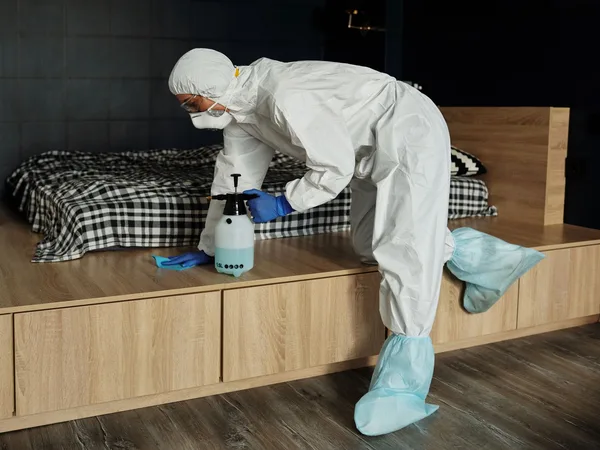
crew inspects home before starting
-
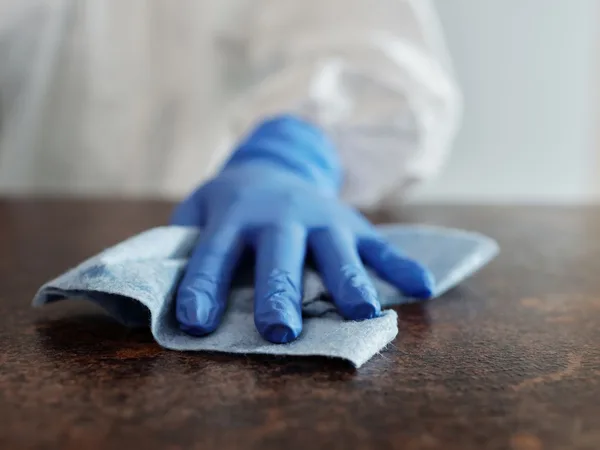
wiping dust from all surfaces
-
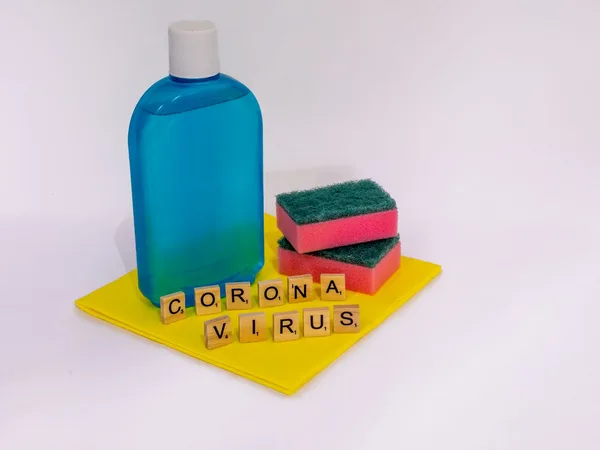
mixing the disinfectant solution
-
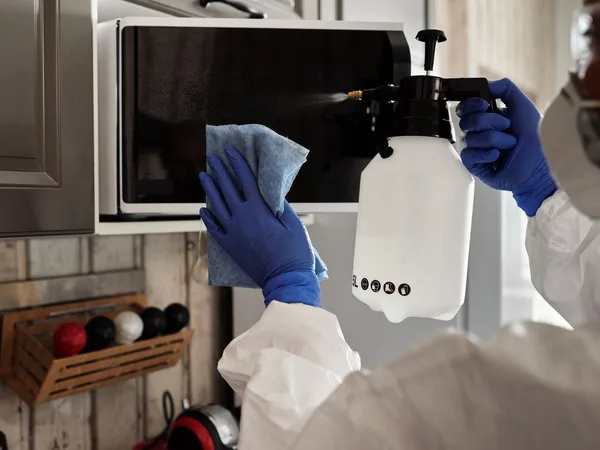
spraying handles switches and counters
-
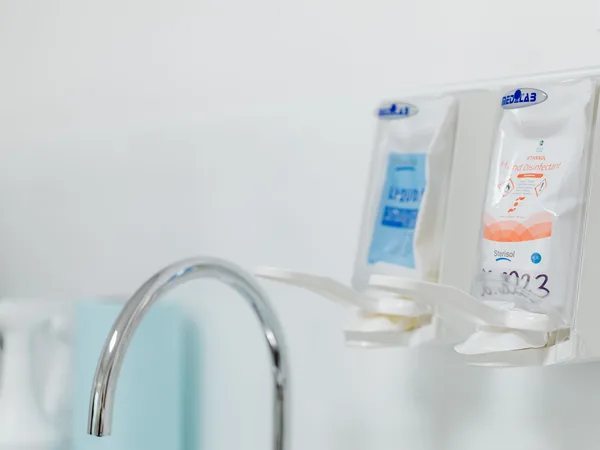
fogging rooms with disinfectant mist
-
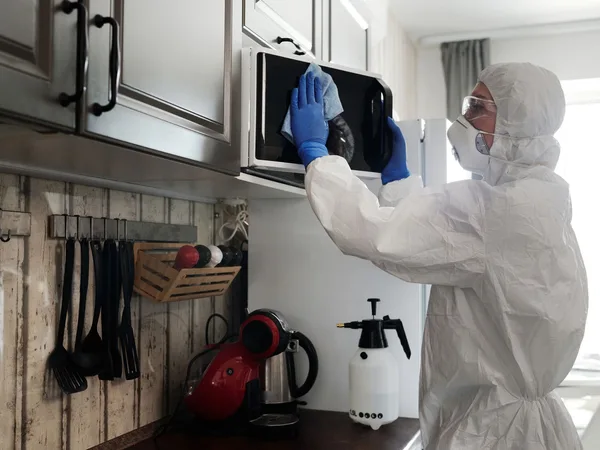
treating kitchen and bathroom surfaces
-
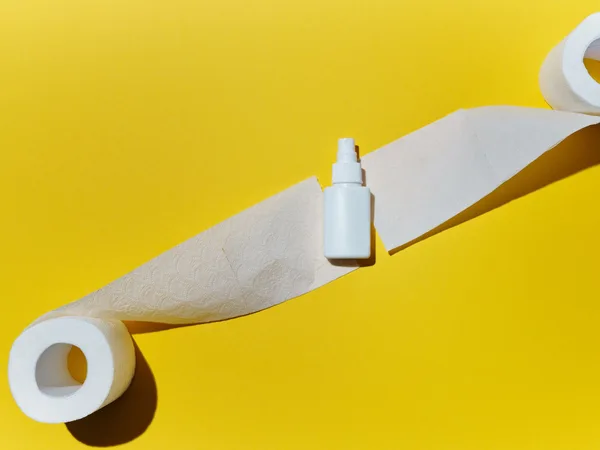
leaving disinfectant to dwell
-
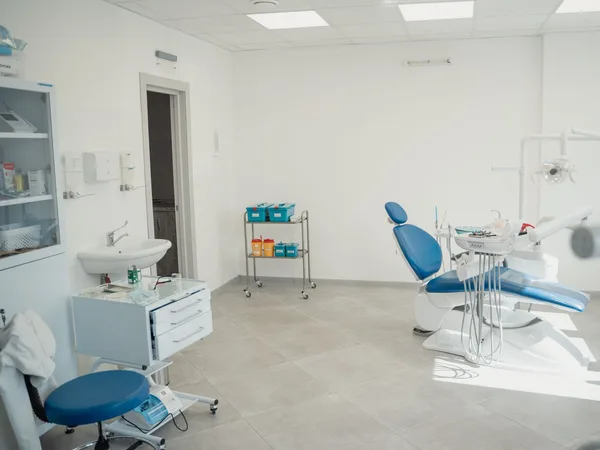
ventilating rooms after treatment
How the treatment is carried out
-
Inspect and prepare the home
-
Dust and prep all surfaces
-
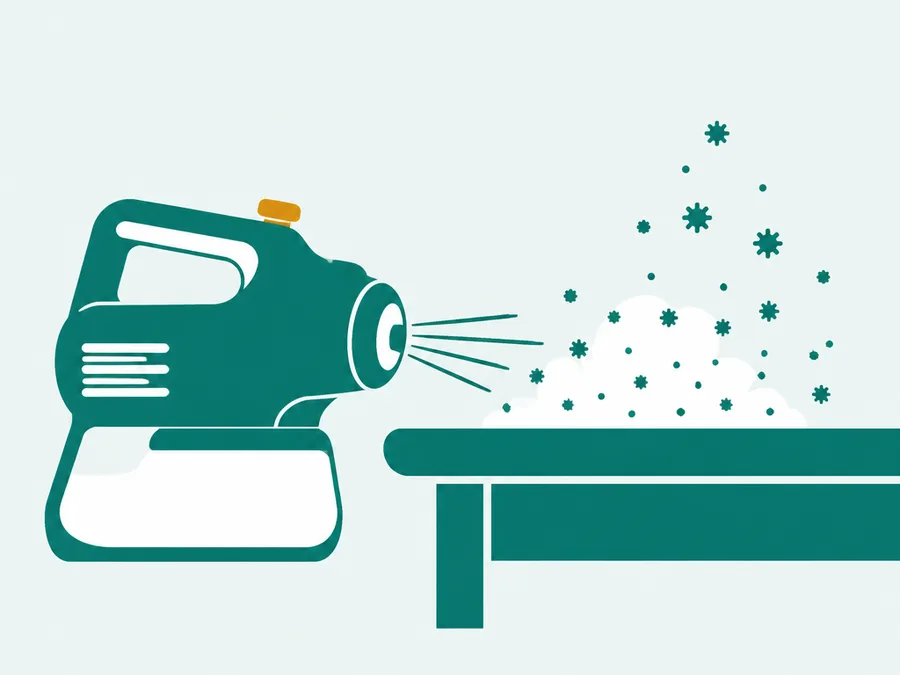
Apply spray and fog treatments
-
Ventilate and hand over
What changes about disinfection and sanitising in Mareekh
Water from the hills drains through wadis, so streets stay damp longer after rain than ordinary districts, creating a moist environment that favours bacterial and fungal growth. For the whole method, see what disinfection and sanitising involves.
-
The first reason
Desert soil particles and sand around the district
Mareekh sits on the desert edge. Fine dust from the natural surroundings differs completely from urban dust. Soil particles carry naturally occurring bacteria different from city germs and require specialised treatment. Seasonal winds increase the load significantly.
-
The second reason
Wadis and seasonal moisture drive fungal growth
Adjacent wadis drain mountain water into the district. After winter rain, soil is damp and air stays humid. This creates ideal conditions for fungal growth on walls, ceilings and interior surfaces. Fungi here pose a larger problem than common bacteria.
-
The third reason
High elevation increases wind and dust accumulation
The district's altitude makes winds stronger. Particles settle rapidly on surfaces, windows and ledges. Older homes with flat roofs collect particles in corners and cracks where they concentrate over time.
Mareekh on the map
Mareekh sits about 3.5 km from Al Shorouq and about 3.5 km from Al Nakheel.
Open in Google MapsWhat the home looks and feels like after

High-touch points treated throughout
Every handle, switch plate, tap, and countertop has received a contact spray that was left to dwell before the room was opened.
Rooms cleared and ventilated
Each fogged room is ventilated before the household returns.

Kitchen and bathroom surfaces sanitised
Wet areas receive a separate surface treatment with a food-safe disinfectant where required.
What our customers said
«شغلهم ما شاء الله، أنصح الجميع بالتعامل معهم. عن تجربة وثقة.»
«أفضل شركة تنظيف بالبخار. أسعارهم ممتازة وشغلهم مرة كويس.»
«خدمة ممتازة.»
«ممتازين.»
Some of our work
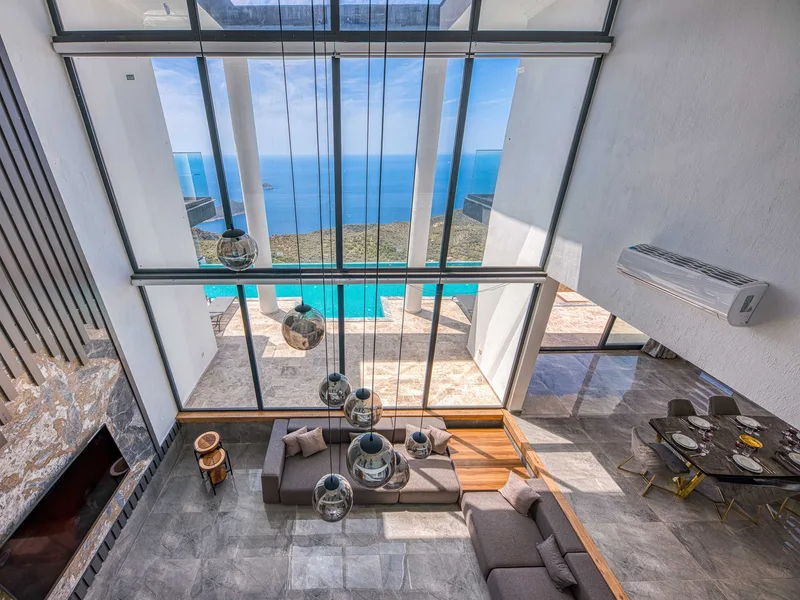
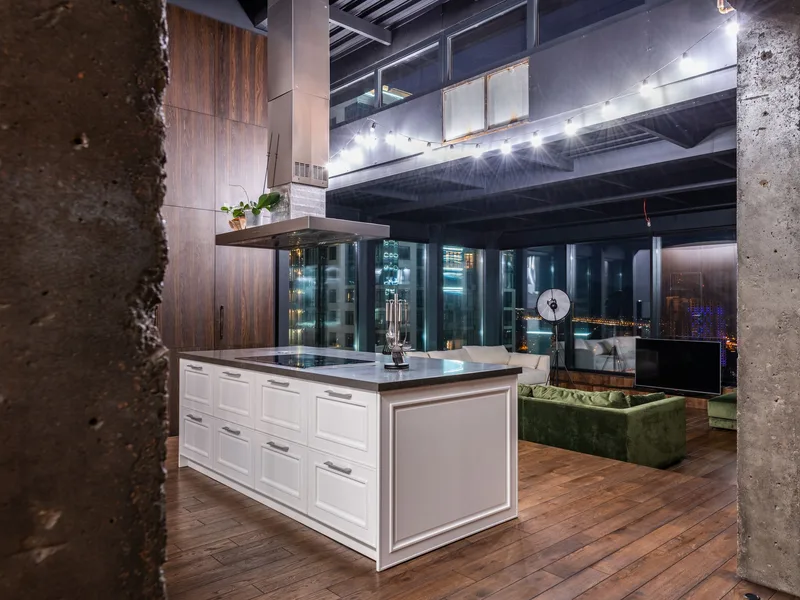
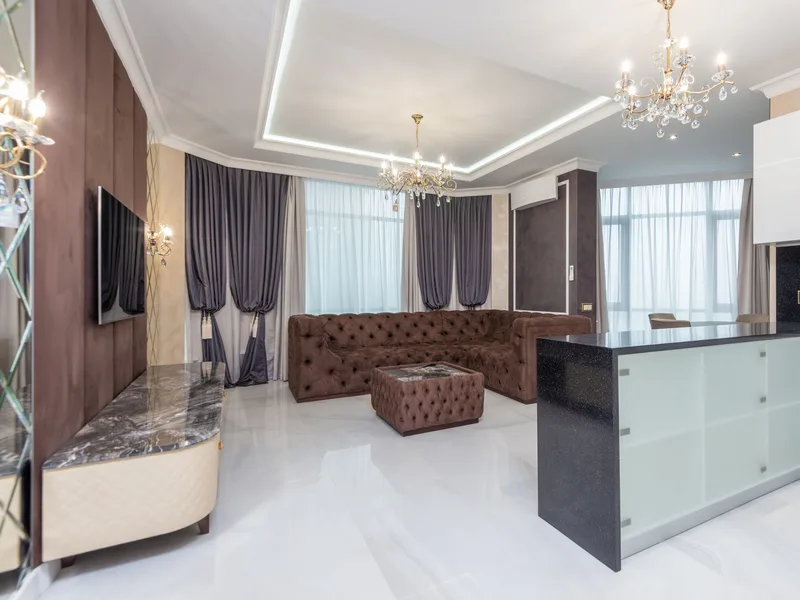
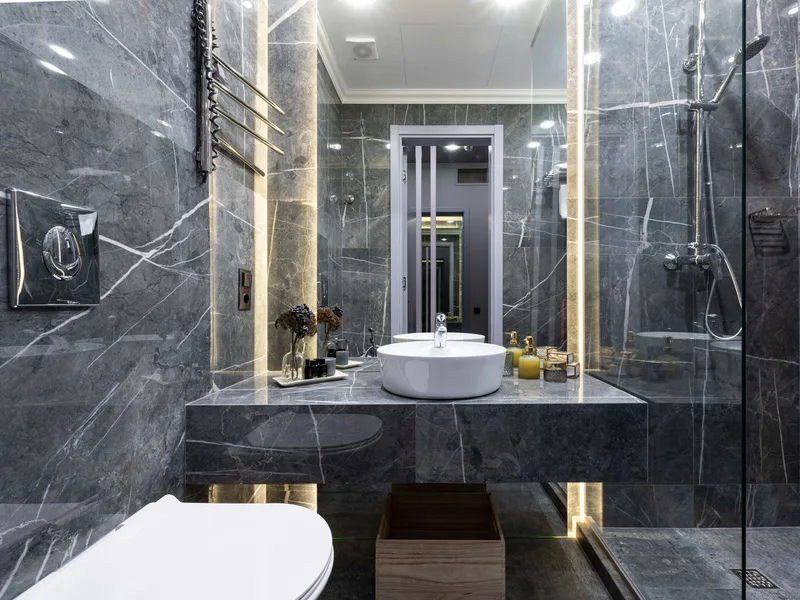
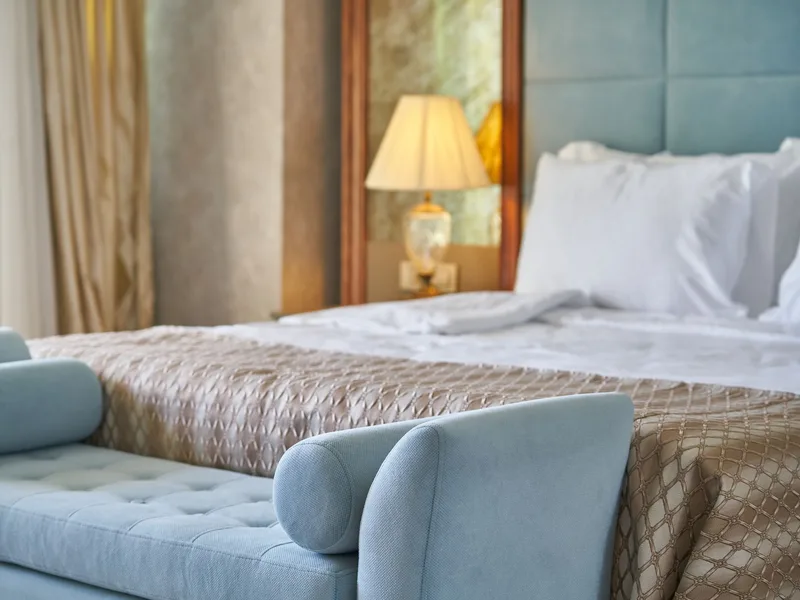
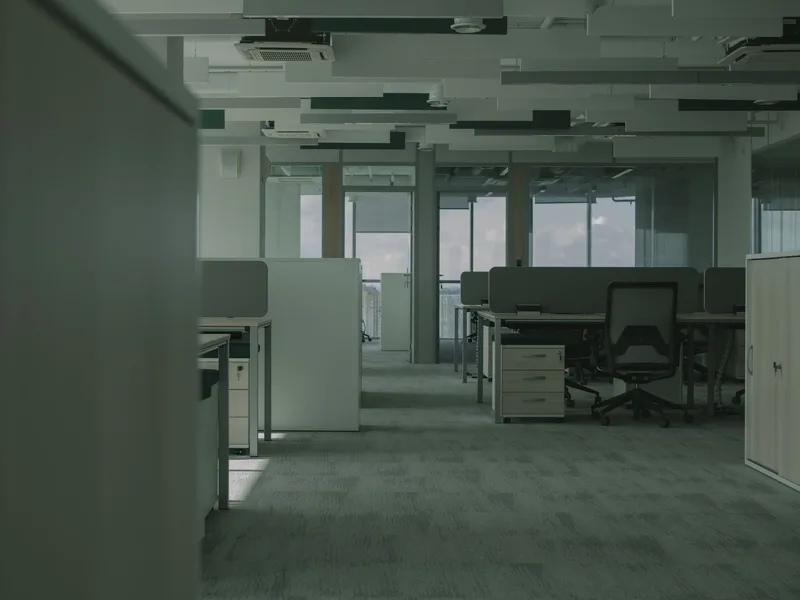
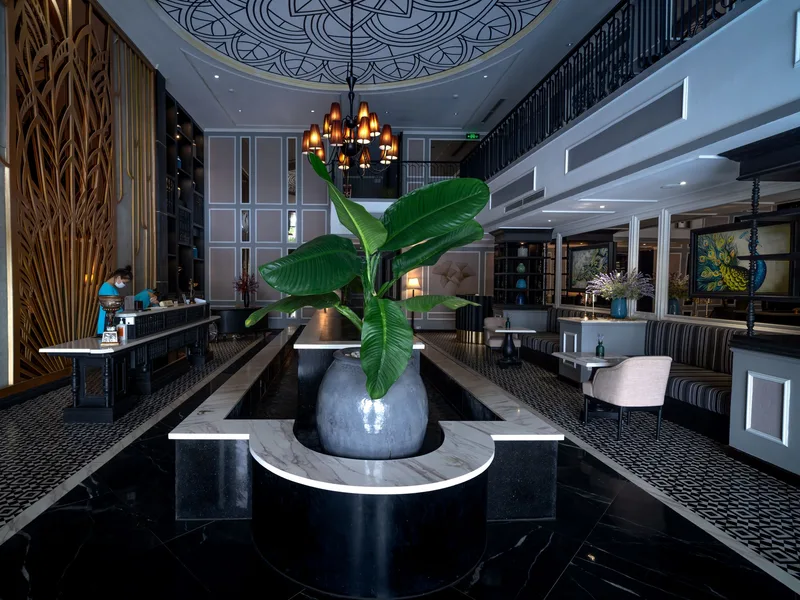
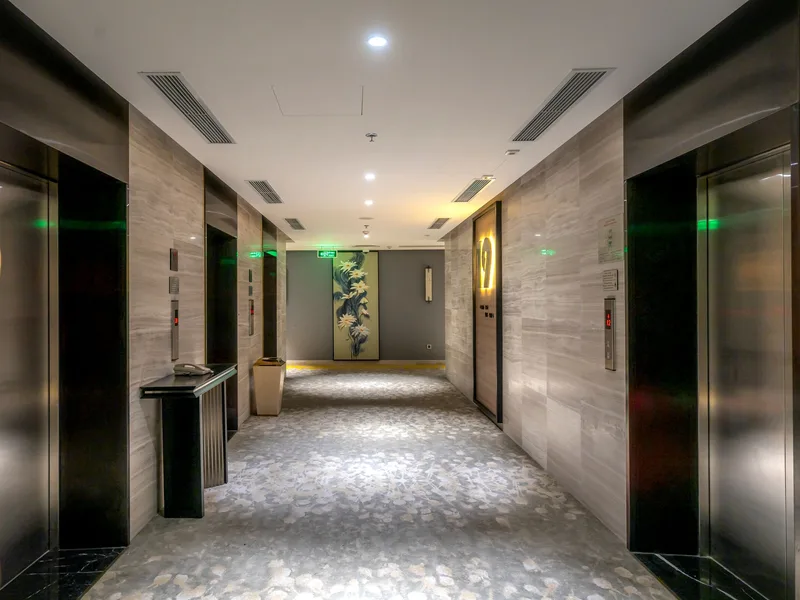
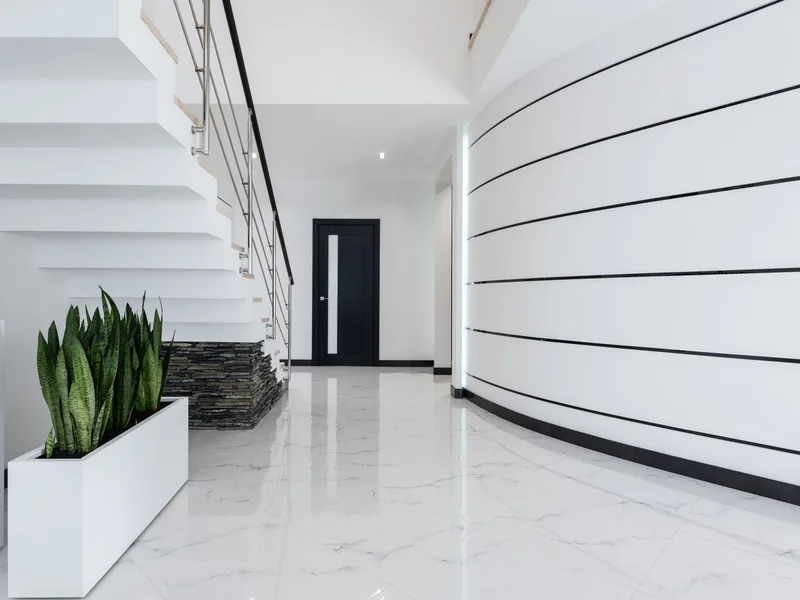
Illustrative photographs. Our own job photographs go here as soon as the client approves them.
What is different about East Jeddah
East Jeddah sits against the foothills, beyond the Haramain expressway and the ring roads, and it is where the city meets the desert edge. Apartment districts such as Al Safa and Al Naseem give way to villa areas and to new schemes still being graded out of bare ground. Dust here is the main story: fine desert sand on the spring and autumn winds, and grit from plots under construction. Some districts lie on the wadi lines that drain the hills, so a winter storm leaves mud on the streets that dries to powder.
Nearby districts we cover
Questions worth asking first
Naturally occurring soil bacteria are always present, and adult and child immune systems normally handle them. However, in damp conditions after rain, populations increase significantly. Disinfecting after the rainy season reduces surface concentrations inside.
We recommend treatment twice yearly: once after winter rain season ends in March, and again after spring and autumn winds peak in June. This reduces soil particle and fungal accumulation.
Humidity does not reduce product effectiveness, but it speeds fungal regrowth after treatment. In humid areas, results may benefit from additional treatment or improved ventilation to keep surfaces dry.
Yes. Shared passages and stairs in wadis and damp areas retain moisture longer than ordinary flats. These locations become breeding grounds for fungi and bacteria. Treating shared areas is essential.
Yes. Furniture, clothing and upholstery absorb moisture easily. In Mareekh, you may smell mildew on textiles even when the home looks clean. Good ventilation and regular treatment protects furnishings from fungal damage.
Opening windows in humid air brings additional moisture but is essential for ventilation. The solution is opening at less humid times, such as early morning, and using exhaust fans in bathrooms and kitchens.
It is set after we see the job, because the price follows the kind of work, the size of the space, its condition and the time and materials it needs. Send a photo and a short description on WhatsApp and we will give you an estimate before we reach Mareekh.
The time depends on the size of the property and how many rooms are fogged.
The household should leave the treated areas during fogging and dwell time.
Other services in Mareekh
We also provide these services in Mareekh.
-
 Bathroom cleaning in Mareekh
-
 Bed bug treatment
-
 Chalet cleaning in Mareekh
-
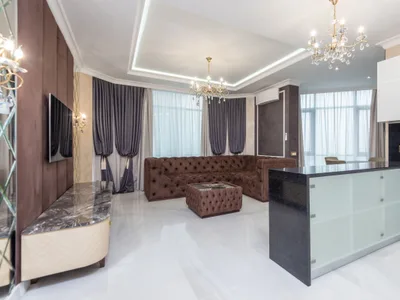 Chandelier cleaning in Mareekh
-
 Sofa cleaning in Mareekh
-
 Carpet and rug cleaning in Mareekh
-
 Mattress cleaning in Mareekh
-
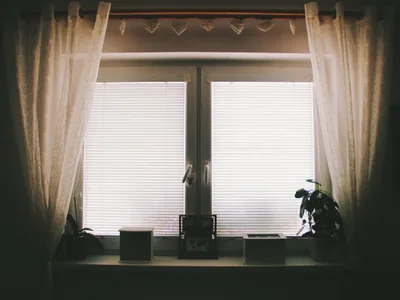 Curtain cleaning in Mareekh
-
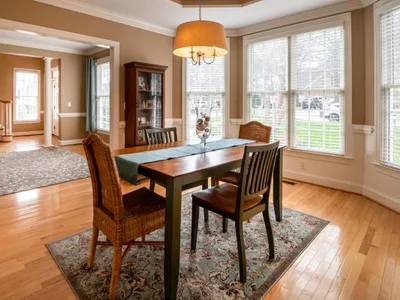 House cleaning in Mareekh
-
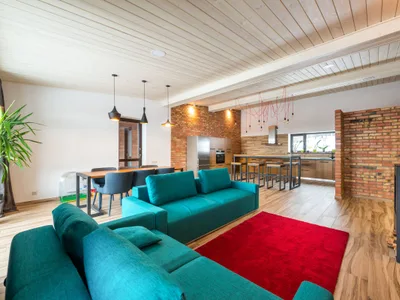 Apartment cleaning in Mareekh
-
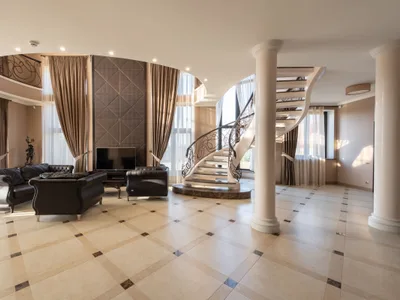 Villa cleaning in Mareekh
-
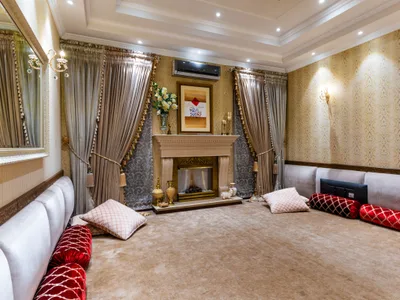 Majlis and rest-house cleaning in Mareekh
-
 Yacht cleaning in Mareekh
-
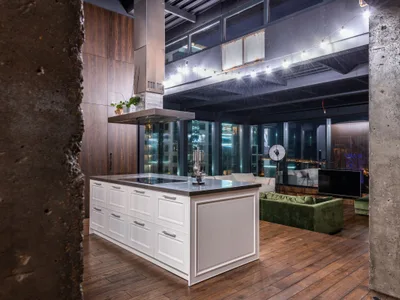 Kitchen cleaning in Mareekh
-
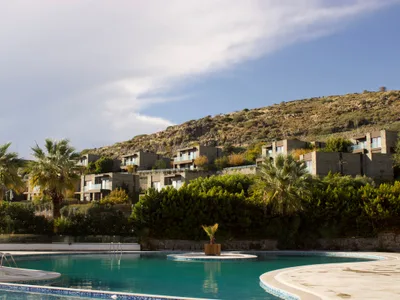 Swimming pool cleaning in Mareekh
-
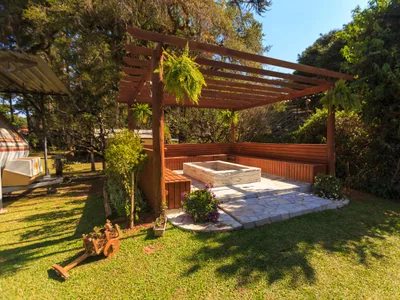 Garden clearance in Mareekh
-
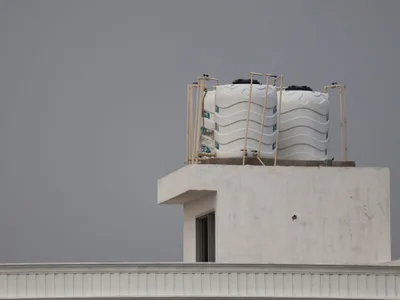 Water tank cleaning and sterilising in Mareekh
-
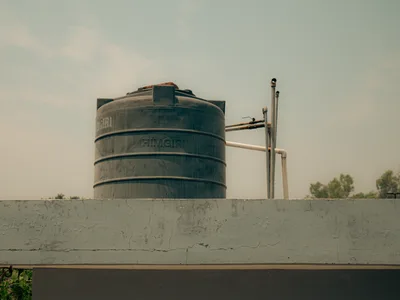 Water tank waterproofing in Mareekh
-
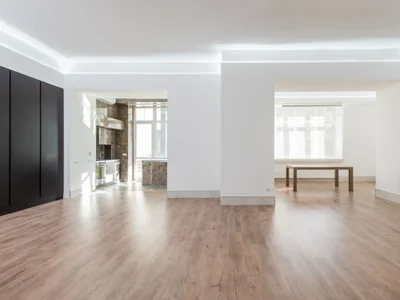 Full deep clean in Mareekh
-
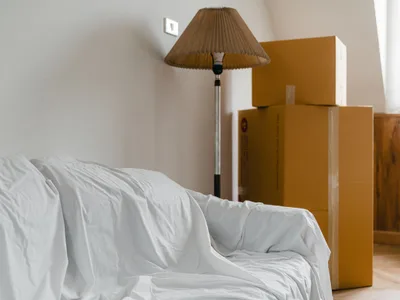 Move in and move out cleaning in Mareekh
-
 Post-construction cleaning in Mareekh
-
 Pest control in Mareekh
-
 Office cleaning
-
 Restaurant cleaning
-
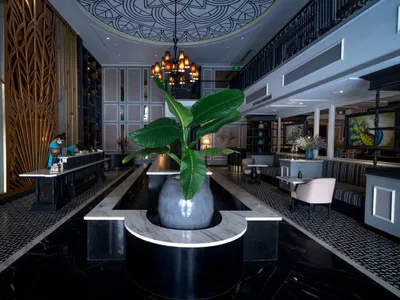 Hotel and resort cleaning
-
 Shopping centre cleaning
-
 Retail cleaning
-
 School cleaning
-
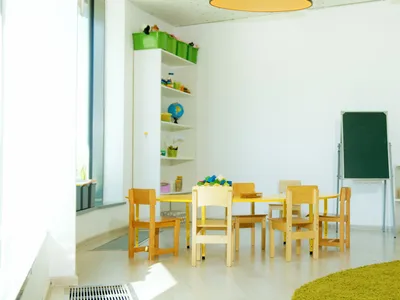 Nursery and kindergarten cleaning
-
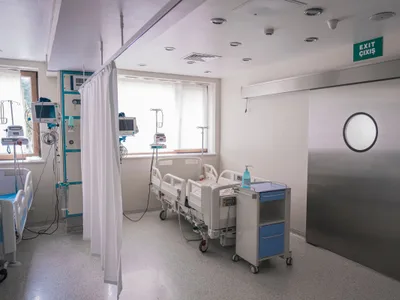 Hospital cleaning
-
 Clinic and health-centre cleaning
-
 Mosque cleaning
-
 Government facility cleaning
-
 Gym cleaning
-
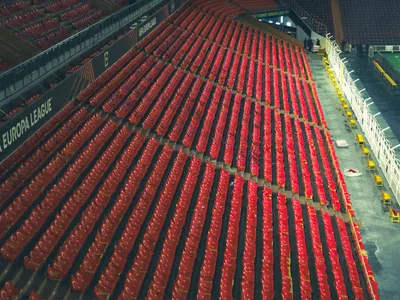 Sports ground cleaning
-
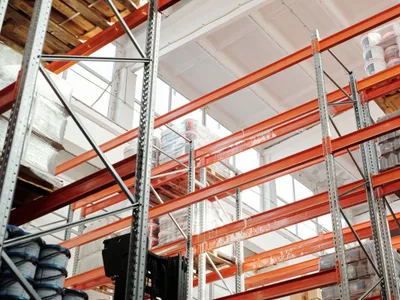 Factory and warehouse cleaning
-
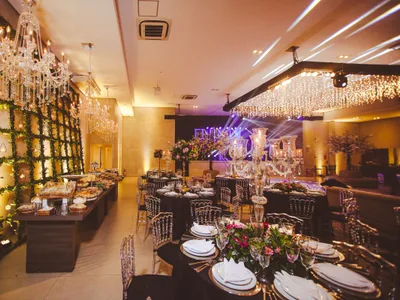 Event cleaning
-
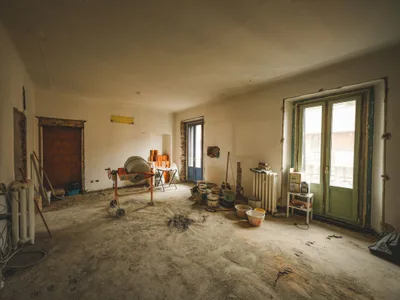 Commercial post-construction cleaning
-
 Building facade cleaning
-
 Air duct and HVAC cleaning
-
 Marble grinding and crystal polishing
-
 Commercial pest control