
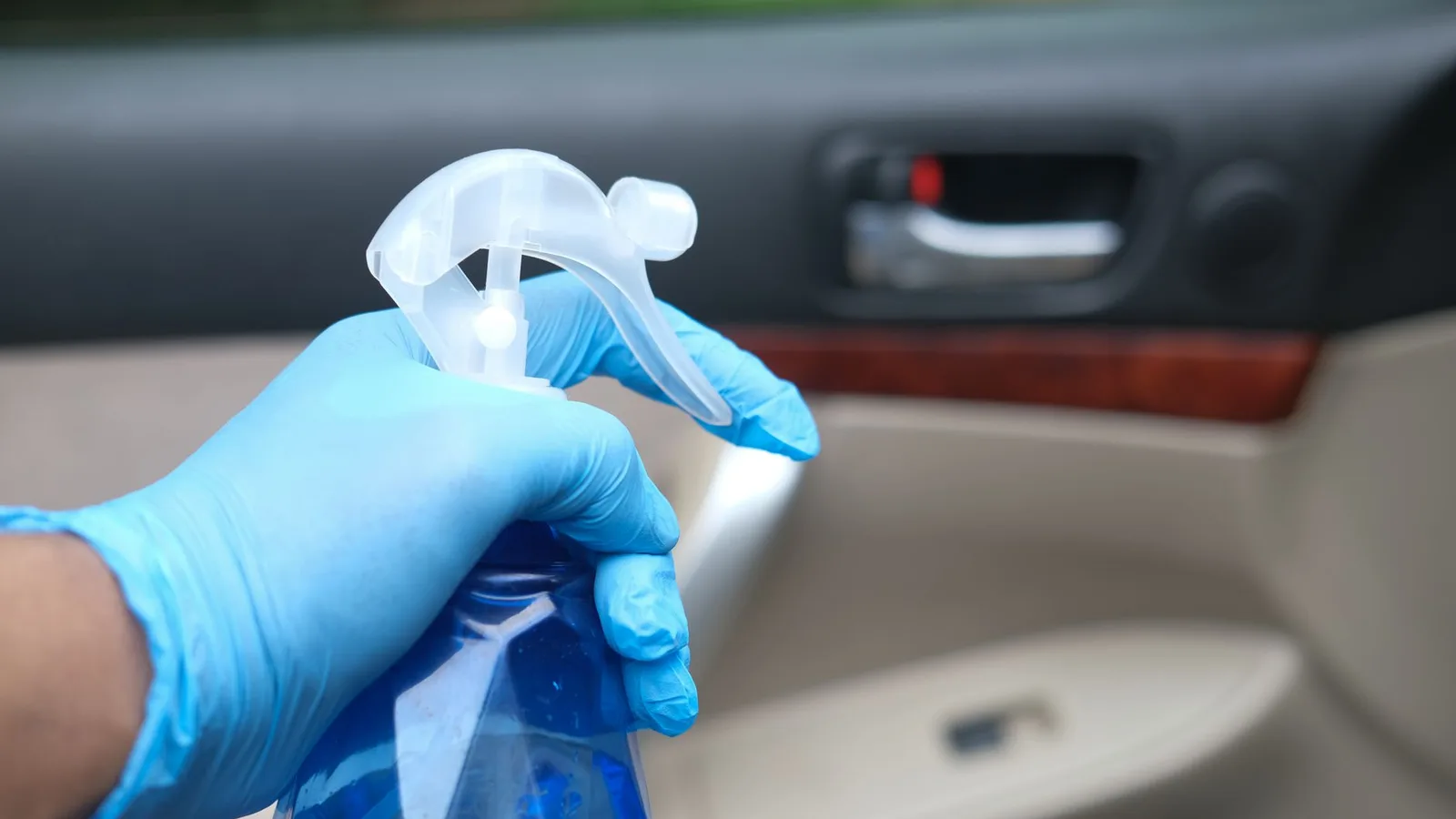
Disinfection and sanitising in Al Sham, Jeddah
Al Sham is one of four historic quarters inside the old walled city of Jeddah. Stone and timber heritage buildings line alleyways so narrow that doorways open directly into markets and workshops. Old construction, trapped moisture, mould and soot from market activity combine into a unique challenge. Disinfection must address this complex mixture of age, density and contamination at once.
- Every handle and switch treated
- Fogging reaches every corner
- Safe for households with children
- No harsh residue left behind
Why surface wiping alone is not enough
An ancient quarter in the historic core of Al Balad. Stone buildings with thick walls that trap moisture. Extremely narrow streets and dense market activity fill every space.
-
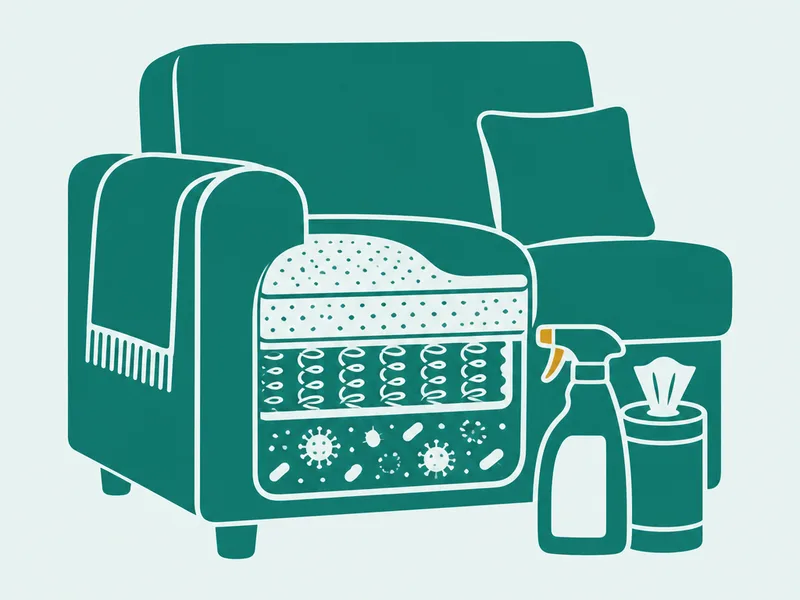
After illness in the home
After illness in Al Sham, soot and moisture must be removed from the home first: pathogens hide under the greasy buildup and damp surfaces.
-
Before moving into a property
Moving into a flat in the historic quarter means thorough removal of soot and mould before any disinfection can be effective.
-

Seasonal or recurring household sanitation
Damp seasons increase mould and fungal growth: seasonal disinfection combined with air drying is necessary.
-

Protecting vulnerable household members
Children and vulnerable members in historic quarters face higher illness risk: routine protection and good ventilation habits are critical.
What is included in the service
-
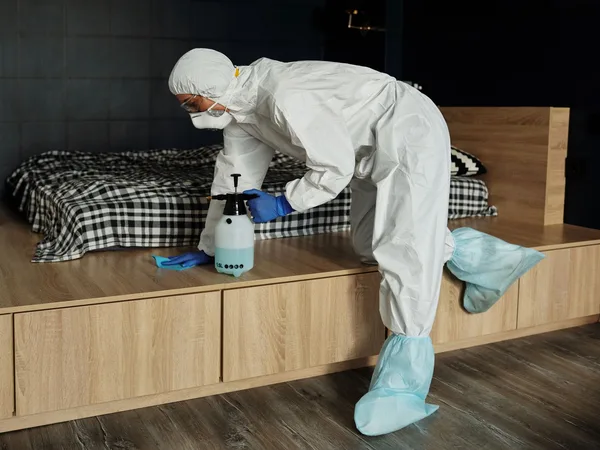
crew inspects home before starting
-
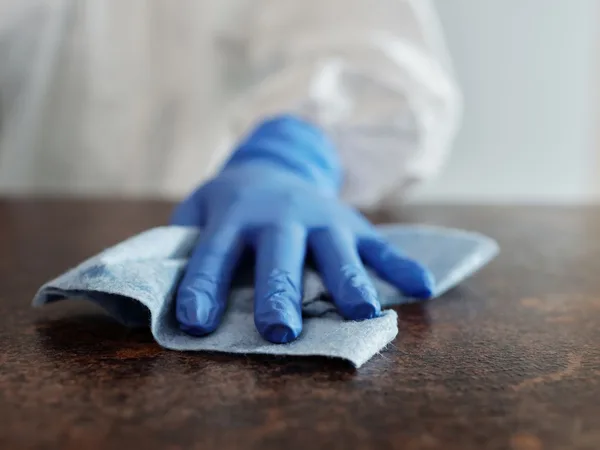
wiping dust from all surfaces
-
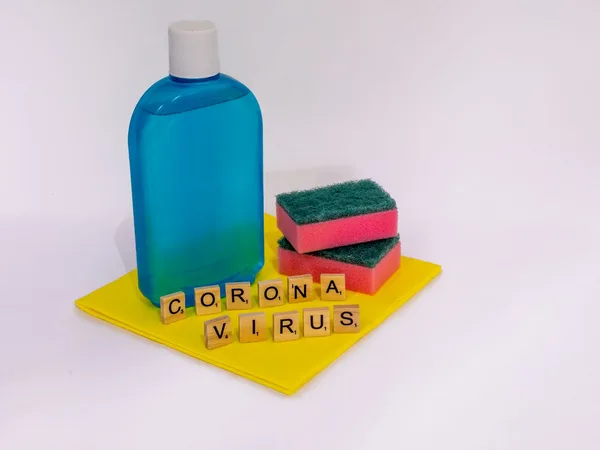
mixing the disinfectant solution
-
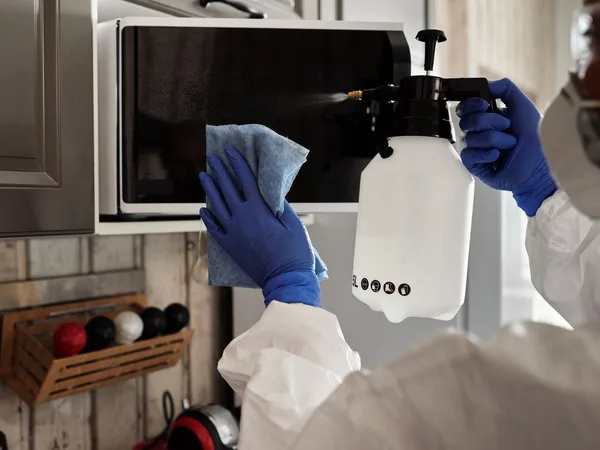
spraying handles switches and counters
-
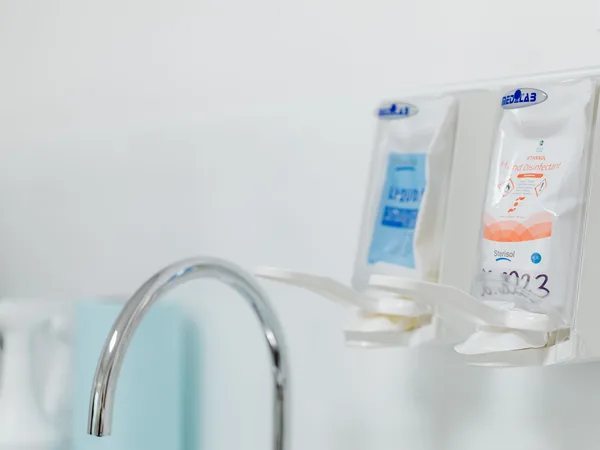
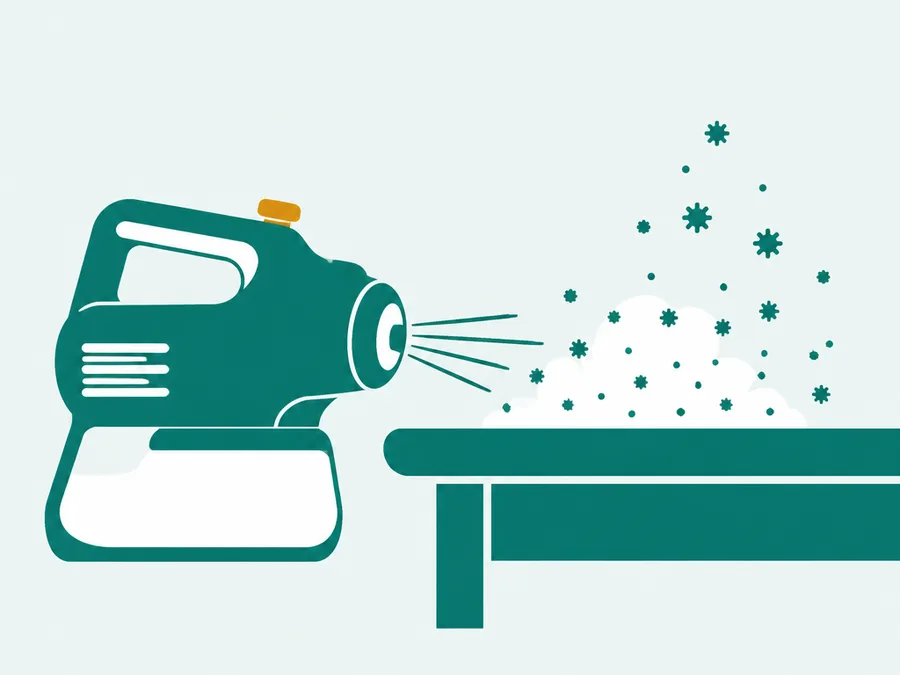
fogging rooms with disinfectant mist
-
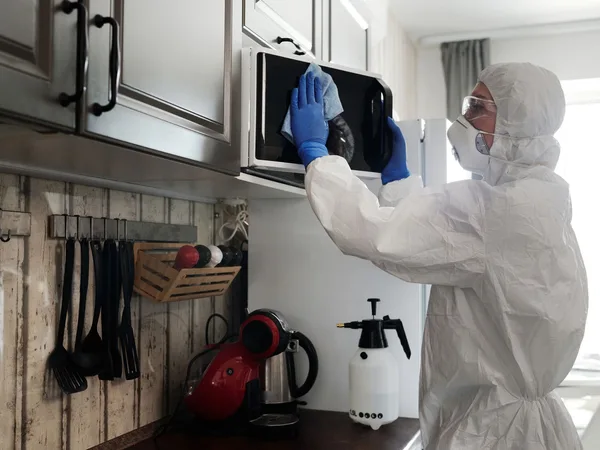
treating kitchen and bathroom surfaces
-
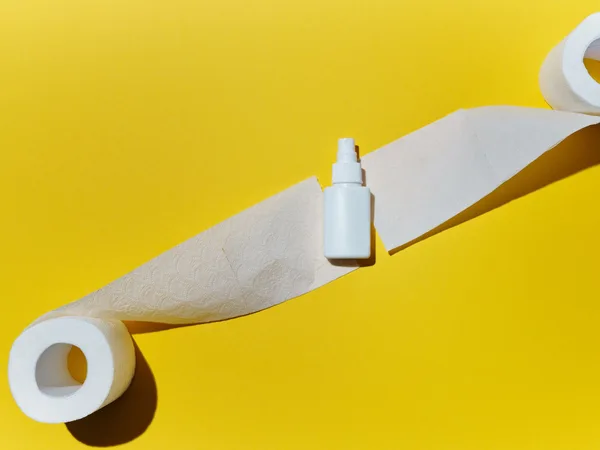
leaving disinfectant to dwell
-
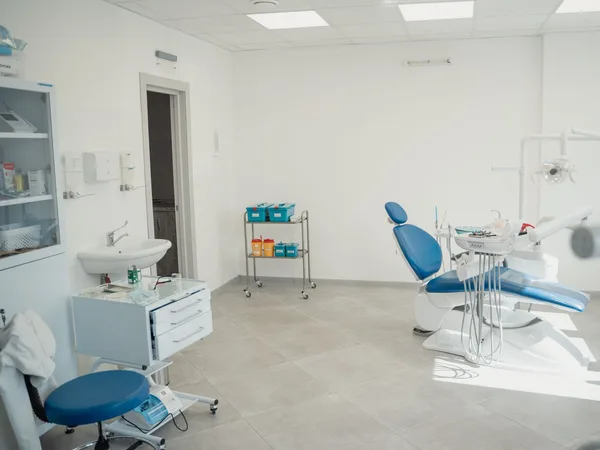
ventilating rooms after treatment
How the treatment is carried out
-
Inspect and prepare the home
-
Dust and prep all surfaces
-
Apply spray and fog treatments
-
Ventilate and hand over
What changes about disinfection and sanitising in Al Sham
Residents notice constant dampness on walls and mould in corners. Sunlight rarely reaches the narrow streets, so moisture never fully dries. For the whole method, see how we approach disinfection and sanitising.
-
The first reason
Moisture and old stone construction
Ancient stone buildings trap moisture deep in their walls. Narrow streets block sunlight and block air movement. Moisture rises from the compressed street and packed earth. Mould and fungi thrive in this damp environment. Treatment must address the moisture before the disinfectant can work effectively.
-
The second reason
Soot and pollution from market and commerce
The market is crowded with people, goods, food and constant activity. Every doorway opens directly onto a market or workshop. Cooking soot and market dust enter the home. Soot mixes with moisture and becomes heavy, oily buildup. Treatment must remove the greasy soot layer before disinfectant application.
-
The third reason
Narrow alleys and shared entry to markets
Alleyways are extremely narrow and shaded. Doorways open directly onto the street and market with no boundary. Neighbours are very close and entries are unavoidably shared. Pathogens spread fast through the dense population. Treatment must address shared entry points too.
The character of Al Sham
Historic district: close-set buildings, narrow lanes and ageing services
An old quarter means moisture, soot and density are not three separate problems: they are one complex mixture. Old walls trap dampness, the market adds soot, narrow streets prevent ventilation. Treatment must address all three together, not one in isolation, to succeed.
What the home looks and feels like after

High-touch points treated throughout
Every handle, switch plate, tap, and countertop has received a contact spray that was left to dwell before the room was opened.
Rooms cleared and ventilated
Each fogged room is ventilated before the household returns.

Kitchen and bathroom surfaces sanitised
Wet areas receive a separate surface treatment with a food-safe disinfectant where required.
What our customers said
«شغلهم ما شاء الله، أنصح الجميع بالتعامل معهم. عن تجربة وثقة.»
«أفضل شركة تنظيف بالبخار. أسعارهم ممتازة وشغلهم مرة كويس.»
«خدمة ممتازة.»
«ممتازين.»
Some of our work
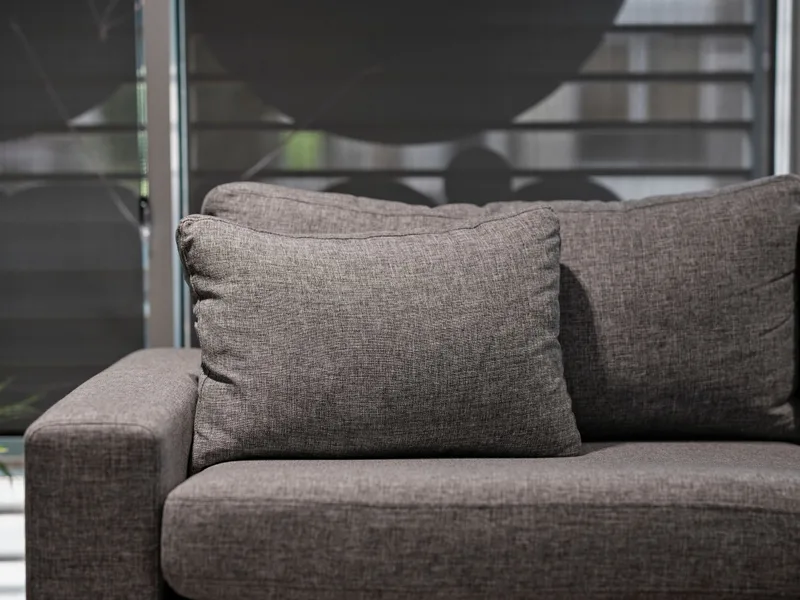
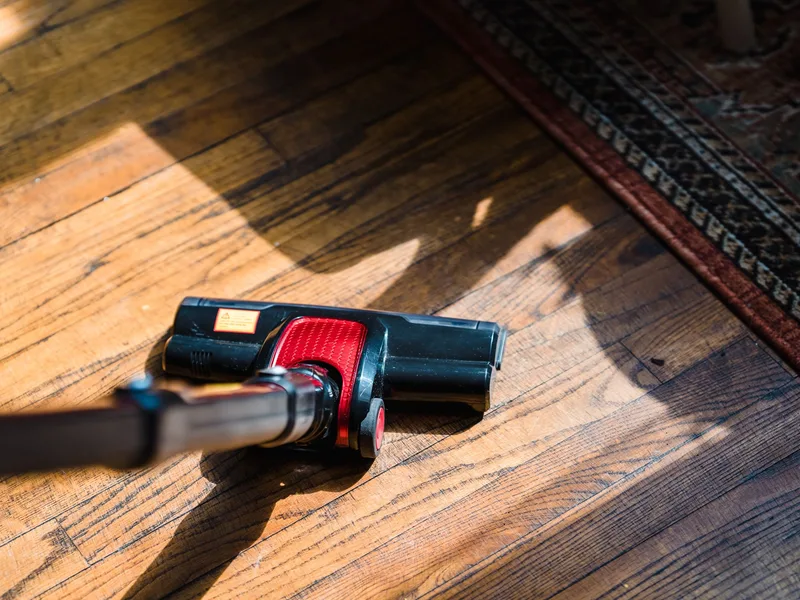
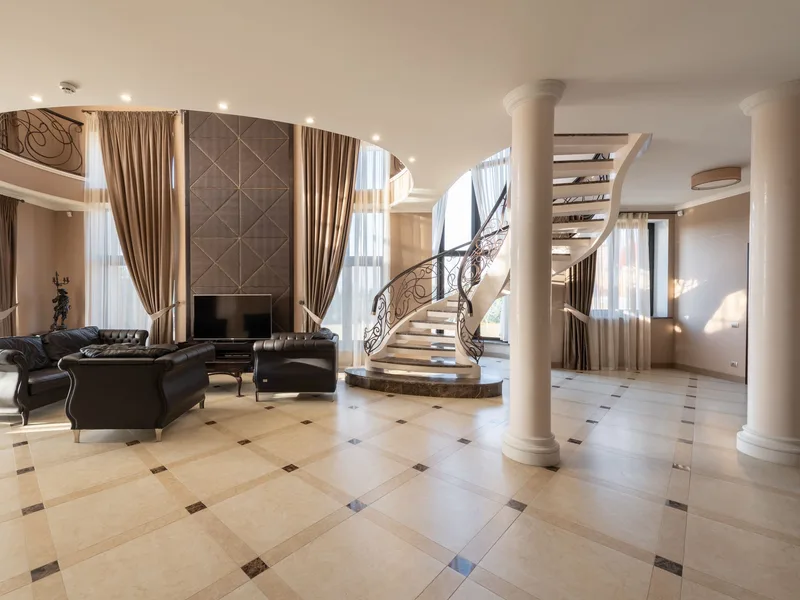
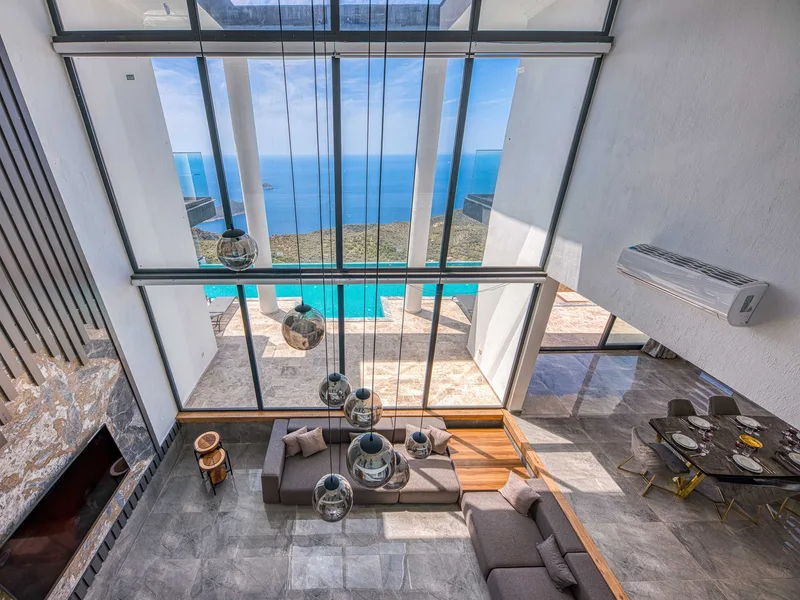
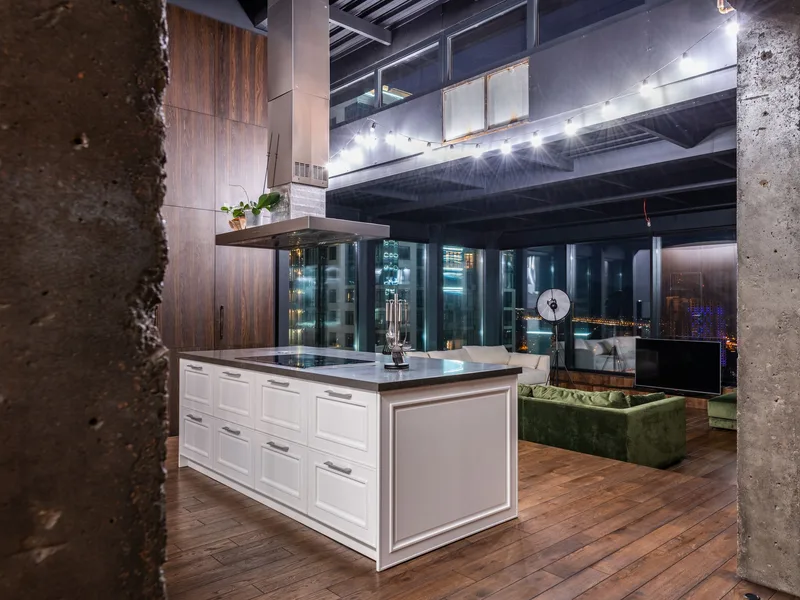
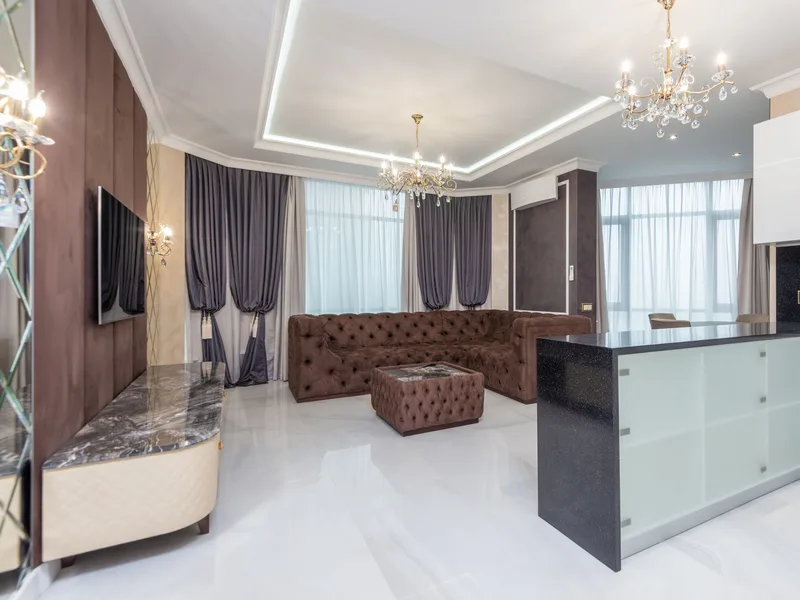
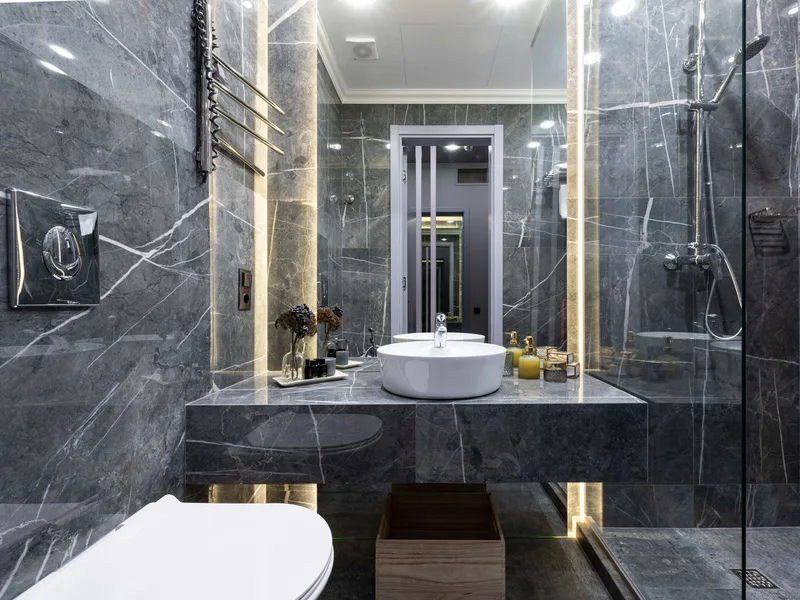
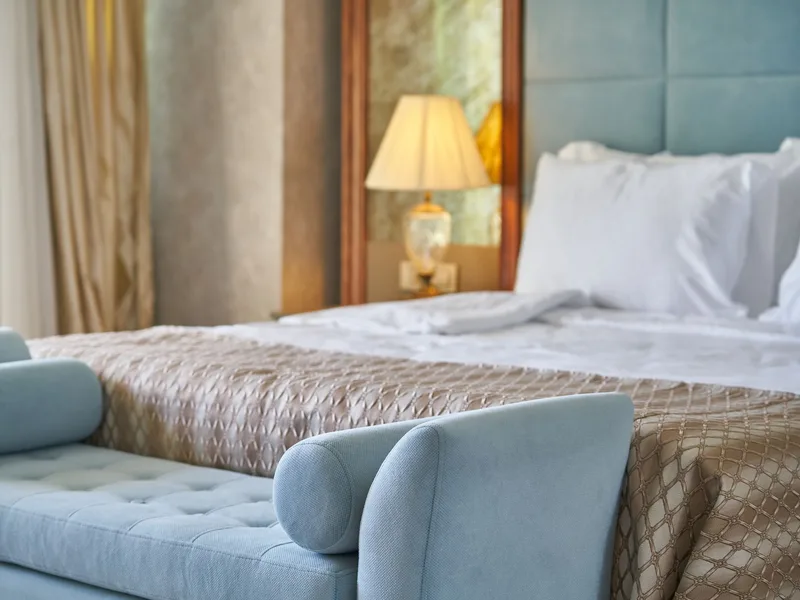
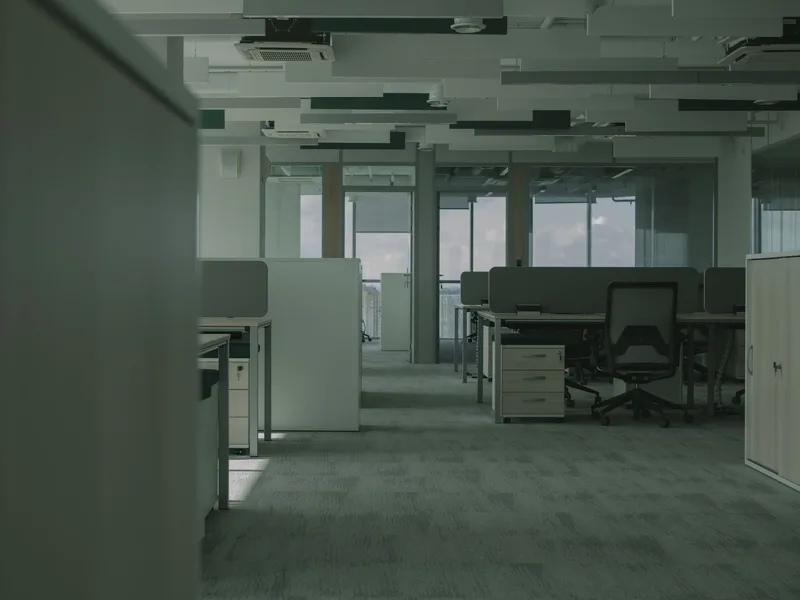
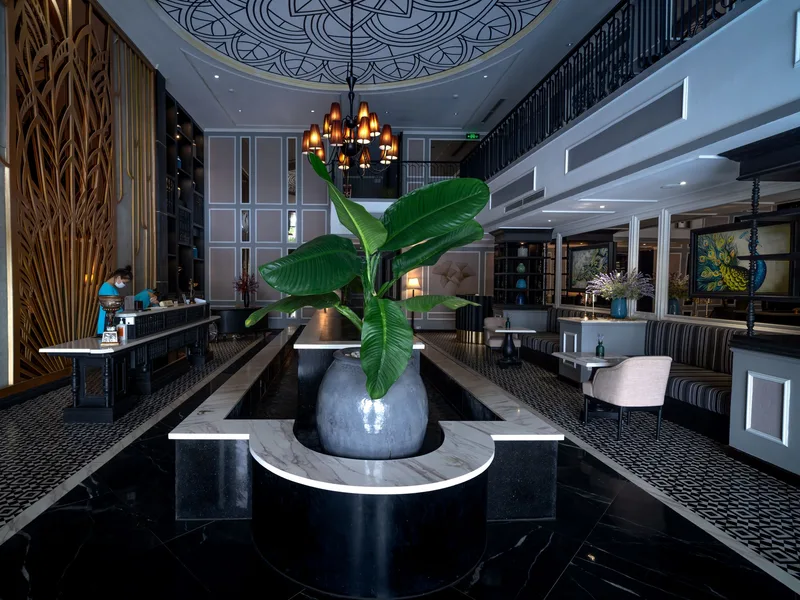
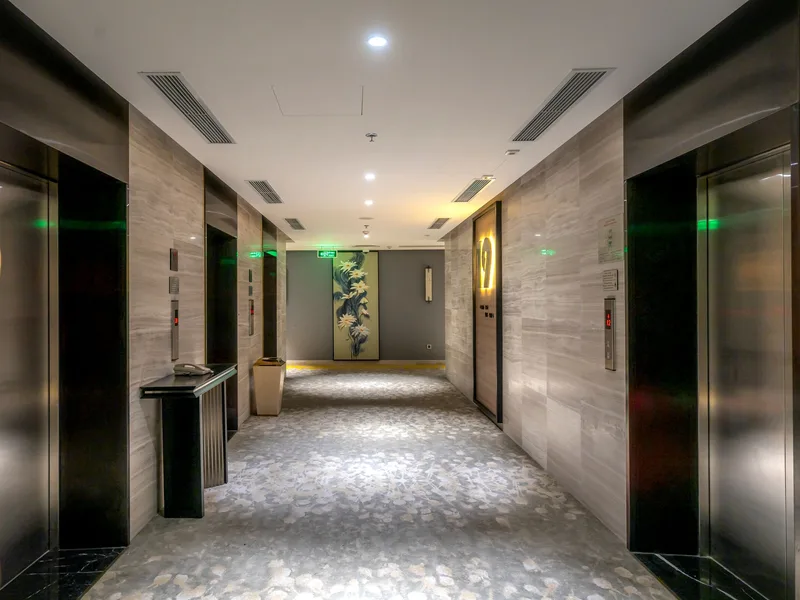
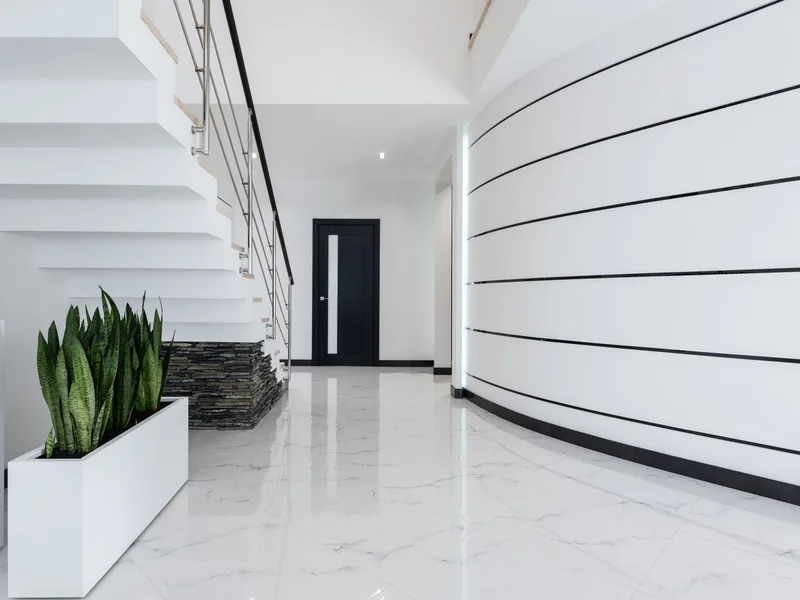
Illustrative photographs. Our own job photographs go here as soon as the client approves them.
What is different about Central Jeddah
Central Jeddah is the densest part of the city. Around the historic core of Al Balad the streets are narrow, the blocks are old, and most buildings have shops at ground level with flats above, so stairwells open onto markets and workshops. The main arteries, Madinah Road, King Fahd Road and Palestine Street, carry the heaviest traffic in Jeddah, and their exhaust leaves a dark, greasy soot unlike the dry sand of the outskirts. Old render holds it, summer heat bakes it on, and restoration work in the old quarter adds stone dust.
Nearby districts we cover
Questions worth asking first
Yes, considerably. Constant dampness cuts short the disinfectant's working time. The old building itself retains moisture. Excellent ventilation after treatment is essential.
Yes. Soot is a greasy layer that shields bacteria beneath it. Removing soot before disinfection is essential. The treatment then reaches the pathogens directly.
Historic quarters need disinfection every four weeks. Moisture, soot and density all increase the need. Families with children should increase frequency further.
The flat alone is not enough. The shared entry and alley are outside your control but the shared entry stairs must be treated if they exist in the building.
Yes, significantly. Heritage restoration releases stone and mortar dust. This dust enters homes and carries soil borne bacteria.
Yes. Moisture, mould, soot and density combine. Children suffer more from respiratory and allergic illness. Routine protection is very important.
It is set after we see the job, because the price follows the kind of work, the size of the space, its condition and the time and materials it needs. Send a photo and a short description on WhatsApp and we will give you an estimate before we reach Al Sham.
The time depends on the size of the property and how many rooms are fogged.
The household should leave the treated areas during fogging and dwell time.
Other services in Al Sham
We also provide these services in Al Sham.
-
 Bathroom cleaning in Al Sham
-
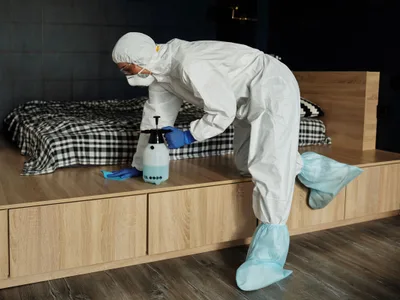 Bed bug treatment
-
 Chalet cleaning in Al Sham
-
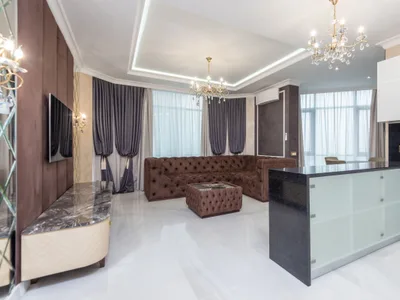 Chandelier cleaning in Al Sham
-
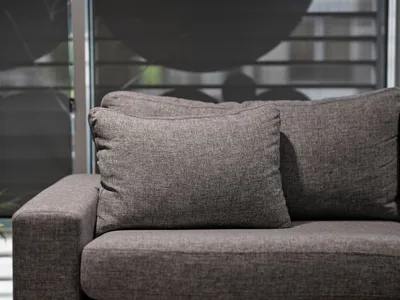 Sofa cleaning in Al Sham
-
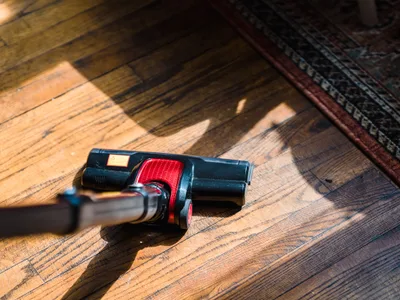 Carpet and rug cleaning in Al Sham
-
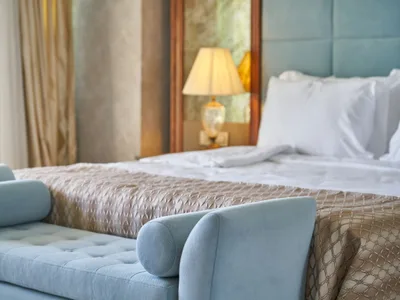 Mattress cleaning in Al Sham
-
 Curtain cleaning in Al Sham
-
 House cleaning in Al Sham
-
 Apartment cleaning in Al Sham
-
 Villa cleaning in Al Sham
-
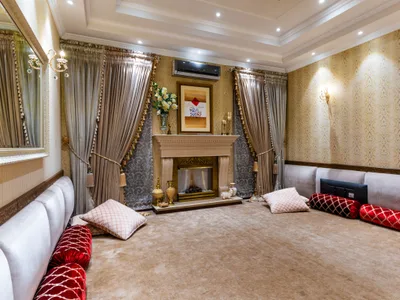 Majlis and rest-house cleaning in Al Sham
-
 Yacht cleaning in Al Sham
-
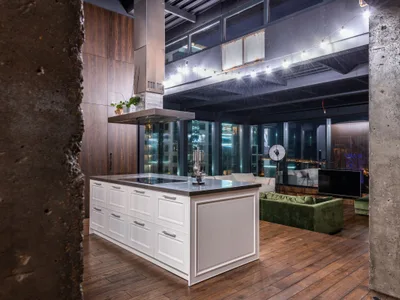 Kitchen cleaning in Al Sham
-
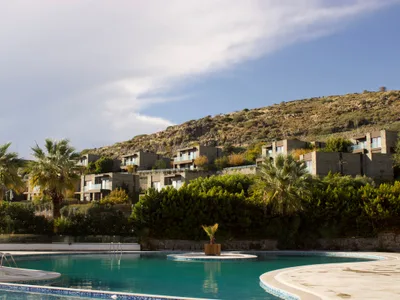 Swimming pool cleaning in Al Sham
-
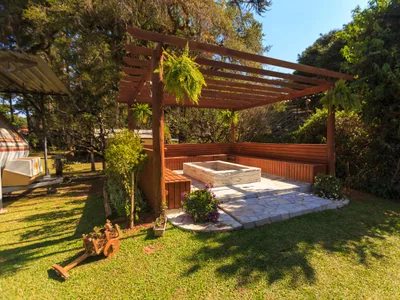 Garden clearance in Al Sham
-
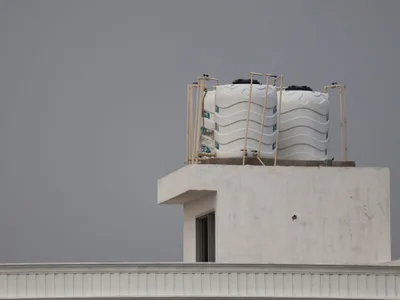 Water tank cleaning and sterilising in Al Sham
-
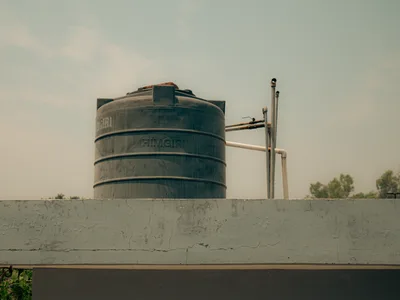 Water tank waterproofing in Al Sham
-
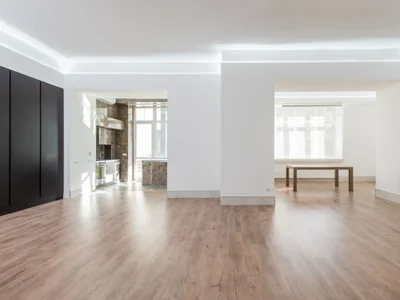 Full deep clean in Al Sham
-
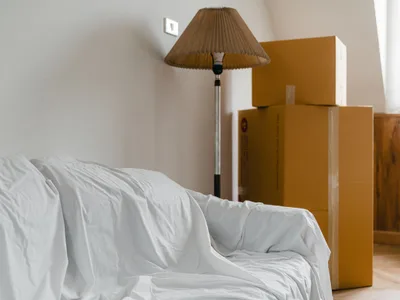 Move in and move out cleaning in Al Sham
-
 Post-construction cleaning in Al Sham
-
 Pest control in Al Sham
-
 Office cleaning
-
 Restaurant cleaning
-
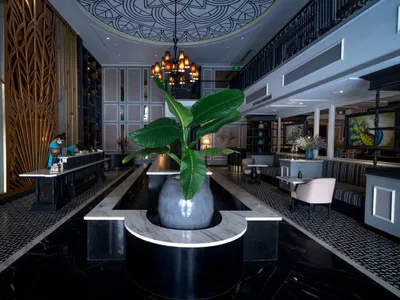 Hotel and resort cleaning
-
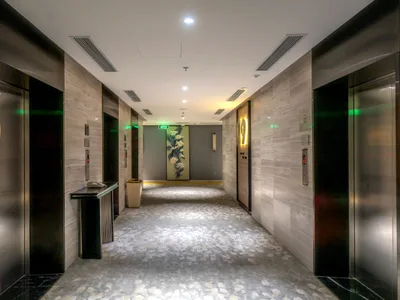 Shopping centre cleaning
-
 Retail cleaning
-
 School cleaning
-
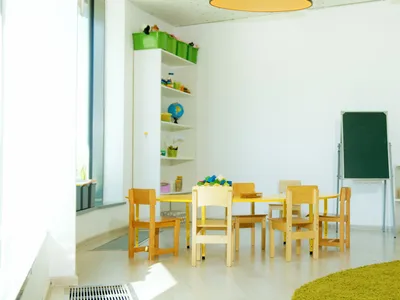 Nursery and kindergarten cleaning
-
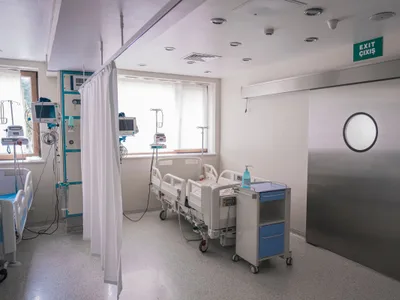 Hospital cleaning
-
 Clinic and health-centre cleaning
-
 Mosque cleaning
-
 Government facility cleaning
-
 Gym cleaning
-
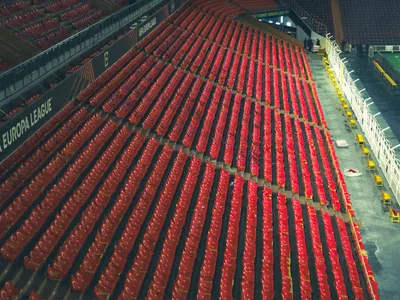 Sports ground cleaning
-
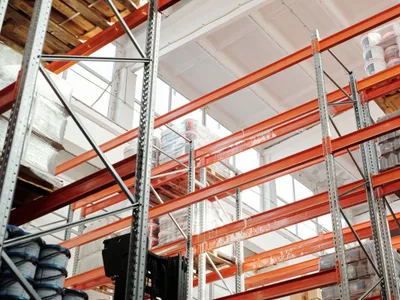 Factory and warehouse cleaning
-
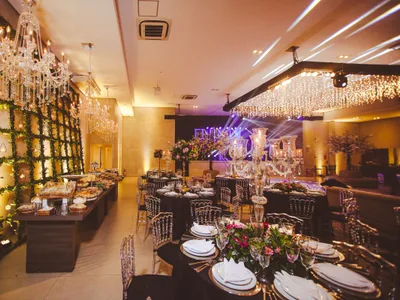 Event cleaning
-
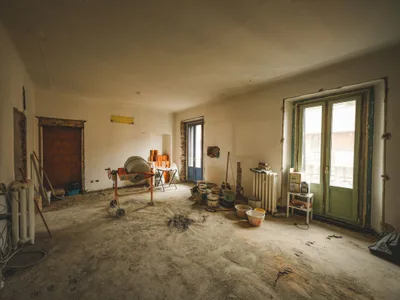 Commercial post-construction cleaning
-
 Building facade cleaning
-
 Air duct and HVAC cleaning
-
 Marble grinding and crystal polishing
-
 Commercial pest control