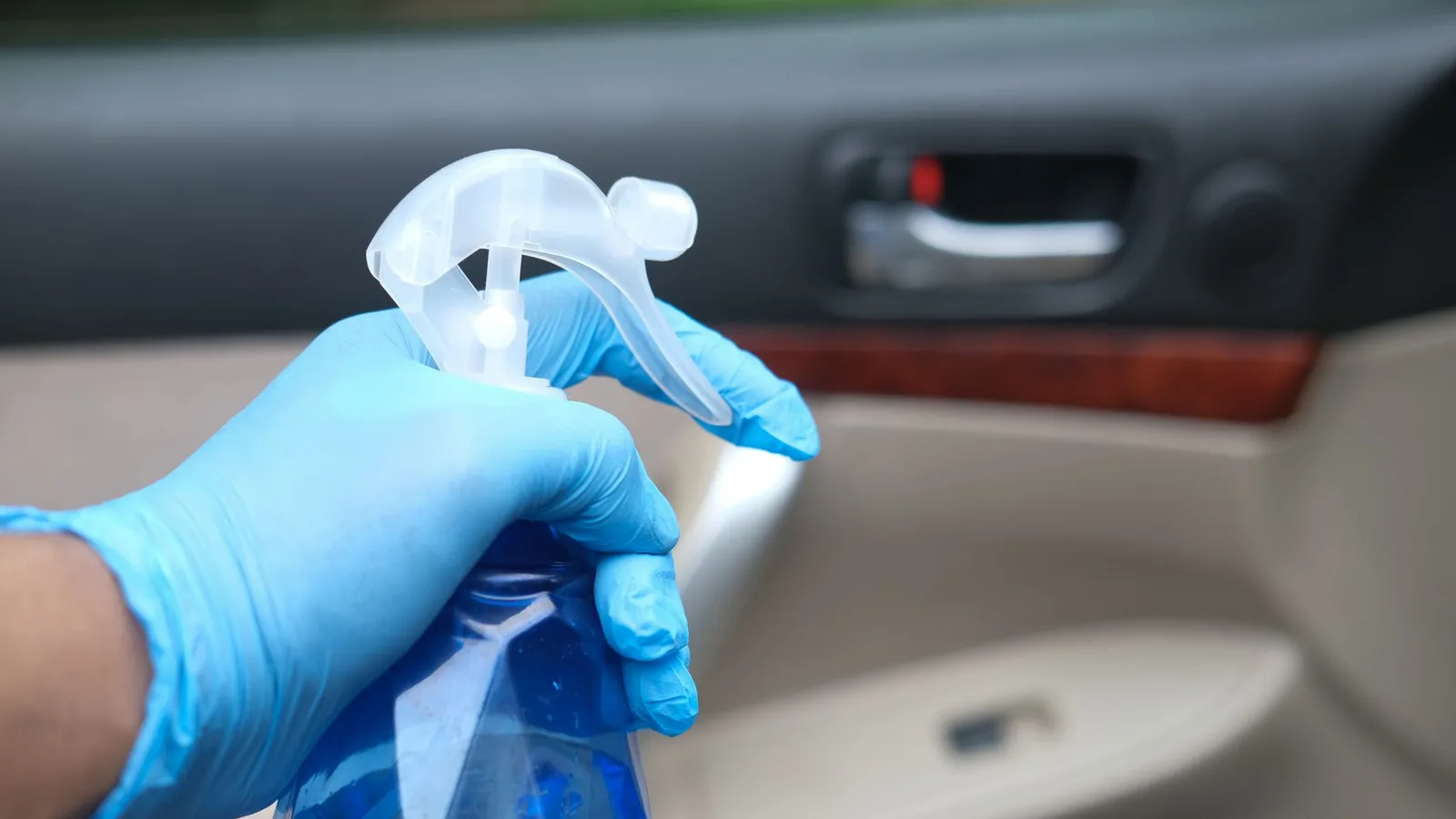
Disinfection and sanitising in Al Rawabi, Jeddah
Al Rawabi is a south Jeddah district split into two parts: a newer northern section along Bin Laden Road and an older southern strip on Old Makkah Road. Apartment buildings dominate with commercial centres and dense resident populations. Proximity to the Islamic Port and the industrial city means constant exposure to grey industrial dust heavy with diesel and metal particulates, entirely unlike the pale sand of interior districts.
- Every handle and switch treated
- Fogging reaches every corner
- Safe for households with children
- No harsh residue left behind
Why surface wiping alone is not enough
Al Rawabi lies immediately south of Jeddah near the Islamic Port, the industrial city with its warehouses and workshops. Heavy transport traffic moves continuously day and night, and the air carries diesel fumes, metal filings and industrial effluent.
-
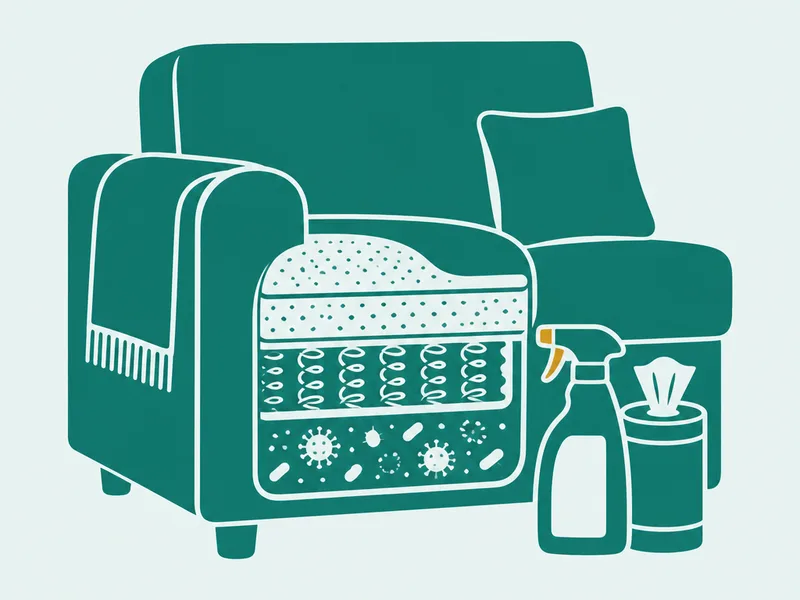
After illness in the home
After illness in an Al Rawabi flat, comprehensive disinfection of lifts, staircases and shared corridors breaks infection chains rapidly in the very dense neighbourhood.
-
Before moving into a property
Before moving into a new flat in Al Rawabi, complete disinfection removes industrial dust and accumulated pathogens from constant port and factory exposure.
-
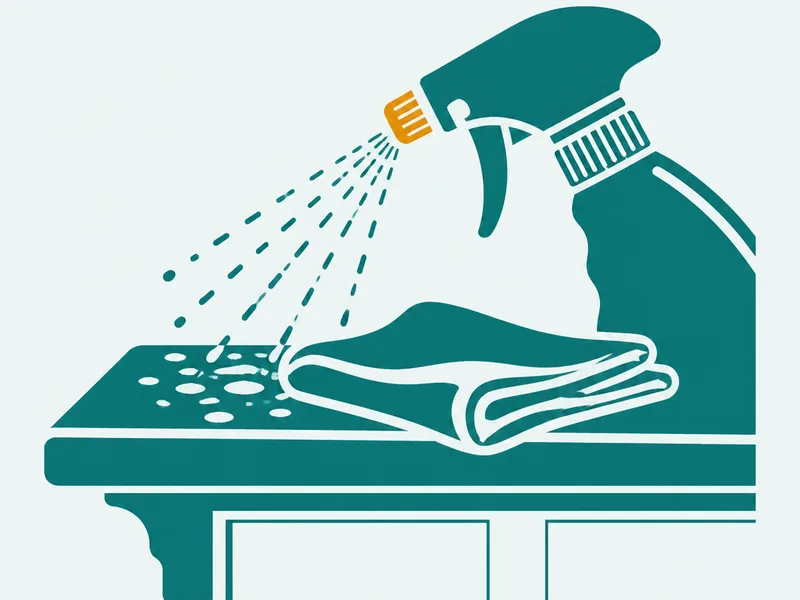
Seasonal or recurring household sanitation
Hot seasons accelerate bacterial growth in damp, industrially polluted environments, so seasonal disinfection before summer protects densely packed residents from infectious outbreaks.
-
Protecting vulnerable household members
Children, healthcare workers and elderly residents in Al Rawabi benefit from regular disinfection cycles because industrial contaminants and humidity create ideal conditions for rapid pathogen spread.
What is included in the service
-
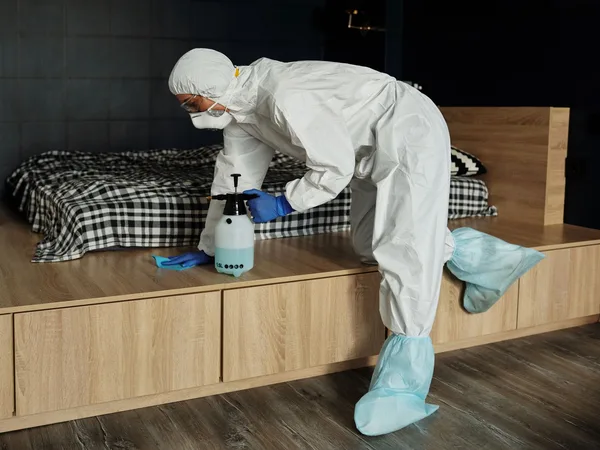
crew inspects home before starting
-
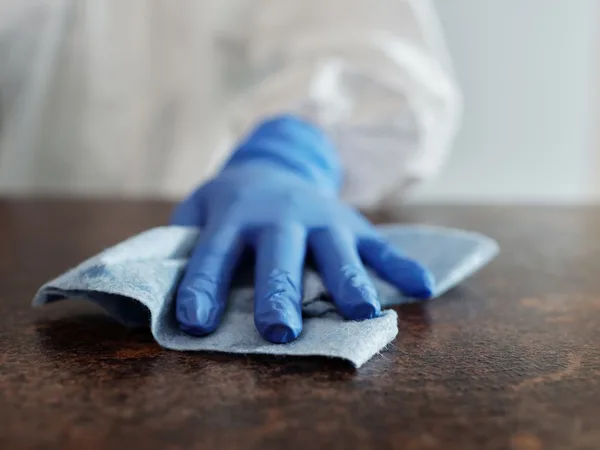
wiping dust from all surfaces
-
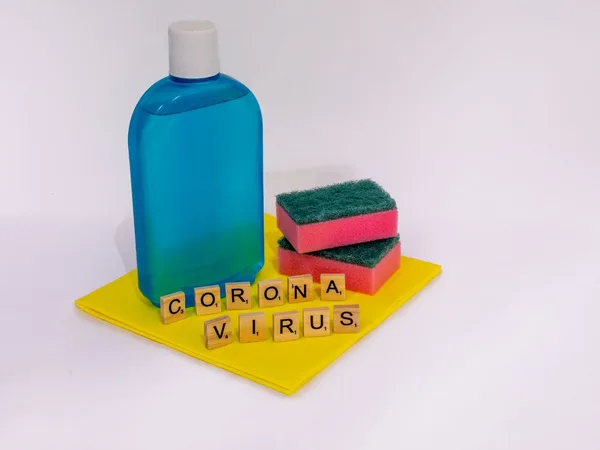
mixing the disinfectant solution
-
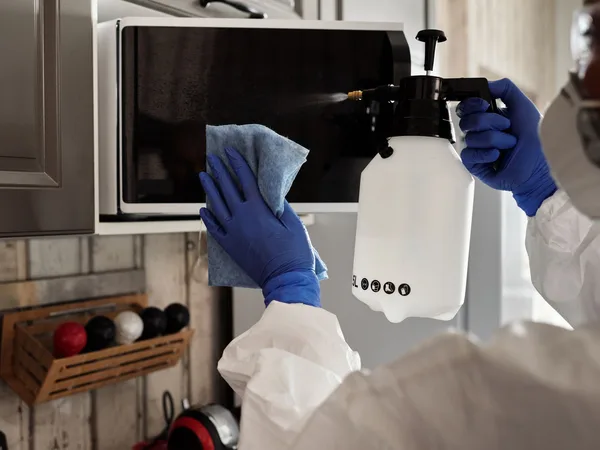
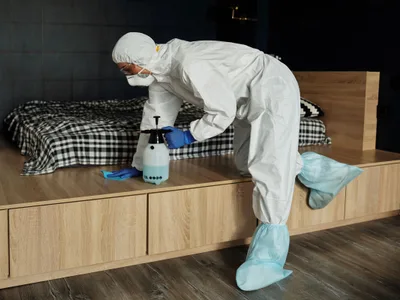
spraying handles switches and counters
-
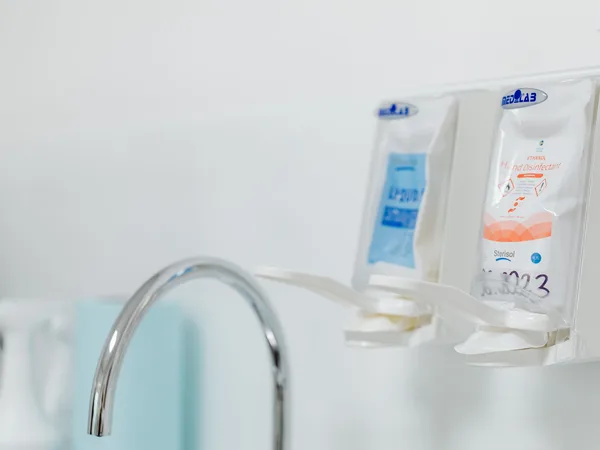
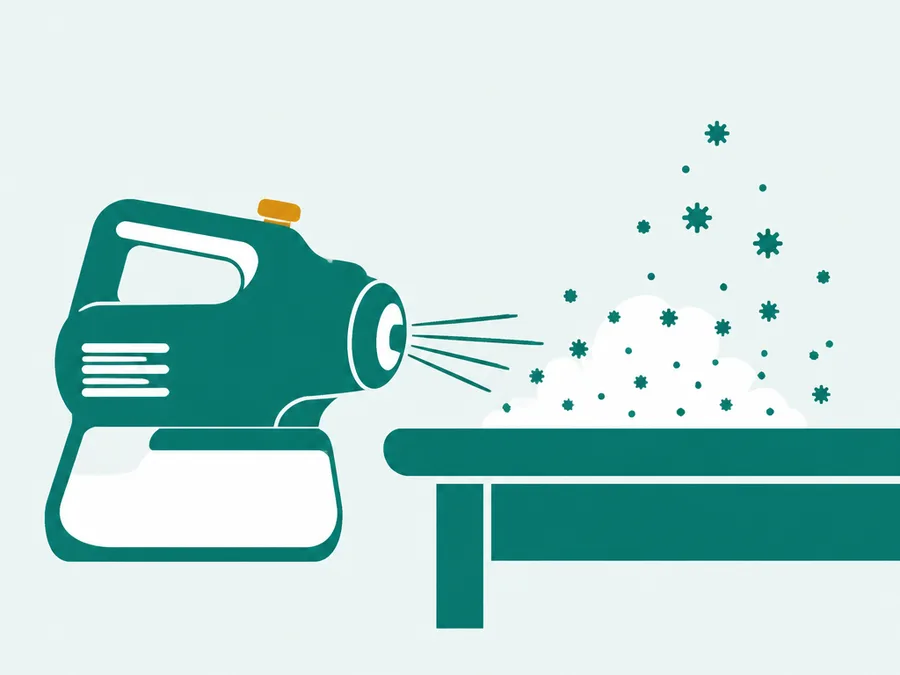
fogging rooms with disinfectant mist
-
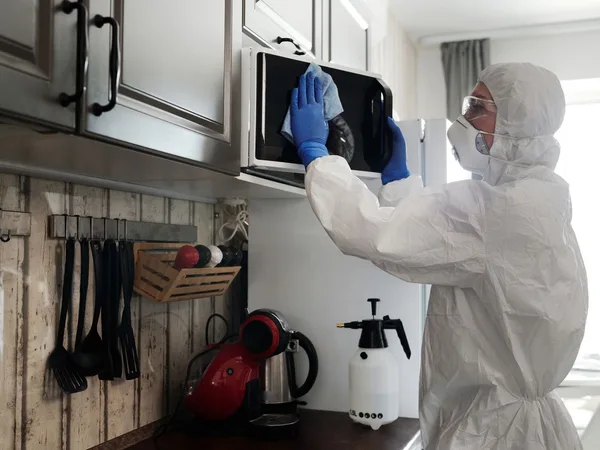
treating kitchen and bathroom surfaces
-
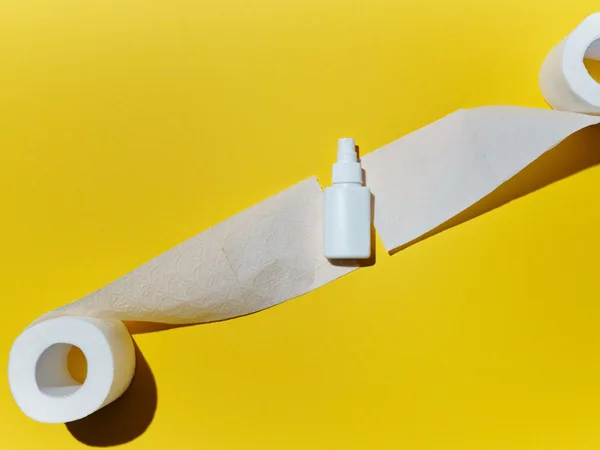
leaving disinfectant to dwell
-
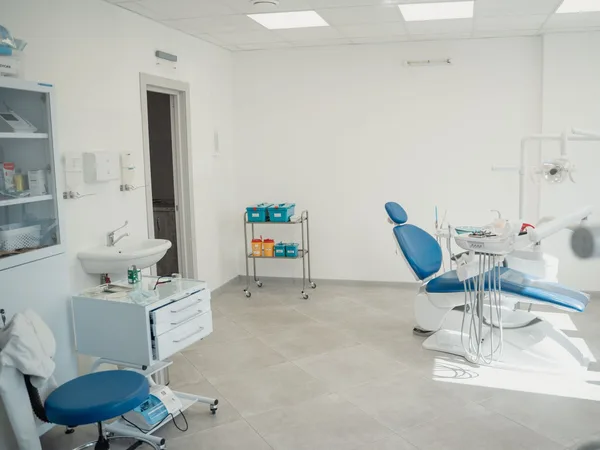
ventilating rooms after treatment
How the treatment is carried out
-
Inspect and prepare the home
-
Dust and prep all surfaces
-
Apply spray and fog treatments
-
Ventilate and hand over
What changes about disinfection and sanitising in Al Rawabi
Industrial grey dust from the port, factories and lorry traffic settles on windows and surfaces in an oily grey layer visually distinct from light desert sand, carrying specialised industrial-borne pathogens. For the whole method, see how we approach disinfection and sanitising.
-
The first reason
Port and industrial city with heavy particulate contamination
Al Rawabi sits in direct proximity to the Islamic Port and the industrial city. Lorry and ship movement and factory operations generate heavy dust laden with diesel, metal particulates and industrial contaminants. This grey industrial dust is entirely different from desert sand, carrying pathogens specialised to polluted industrial environments and difficult to remove.
-
The second reason
Very high residential density and closely spaced towers
Al Rawabi packs apartment towers tightly together with small neighbourhood parks and mosques, residents living in close proximity. Shared lifts, staircases and corridors see hundreds of contacts daily, and pathogen transmission between flats happens faster than in spacious neighbourhoods due to shared air flows and high-frequency touch points.
-
The third reason
Older concrete with flat roofs and open stairwells
Most Al Rawabi buildings are older concrete with flat roofs and open stairwells. These catch industrial dust easily, and sea humidity from the nearby port keeps surfaces damp, where the dust sets hard in summer heat. Removing these heavy layers is the first phase of effective disinfection before chemical treatment can reach substrate.
Landmarks of Al Rawabi
Work in Al Rawabi requires understanding the district's two-part geography. Flats along Bin Laden Road in the north and buildings on Old Makkah Road in the south follow different access routes. Many buildings lie close to Bin Laden Park and Ibn Al Qayyim Mosque, landmarks that define the dense residential core.
- Old Makkah Road
- Bin Laden Road
- Bin Laden Park
- Ibn Al Qayyim Mosque
- Al Rawabi Shopping Centre
What the home looks and feels like after
High-touch points treated throughout
Every handle, switch plate, tap, and countertop has received a contact spray that was left to dwell before the room was opened.
Rooms cleared and ventilated
Each fogged room is ventilated before the household returns.
Kitchen and bathroom surfaces sanitised
Wet areas receive a separate surface treatment with a food-safe disinfectant where required.
What our customers said
«شغلهم ما شاء الله، أنصح الجميع بالتعامل معهم. عن تجربة وثقة.»
«أفضل شركة تنظيف بالبخار. أسعارهم ممتازة وشغلهم مرة كويس.»
«خدمة ممتازة.»
«ممتازين.»
Some of our work
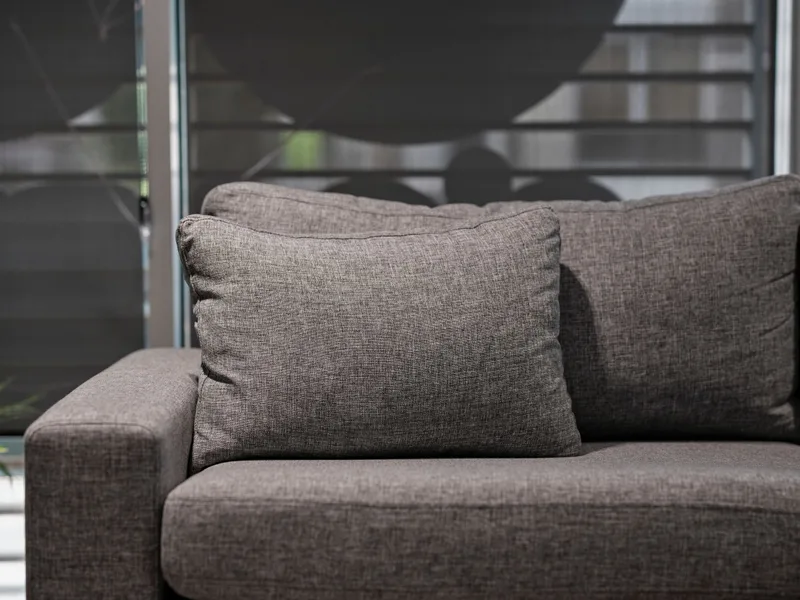
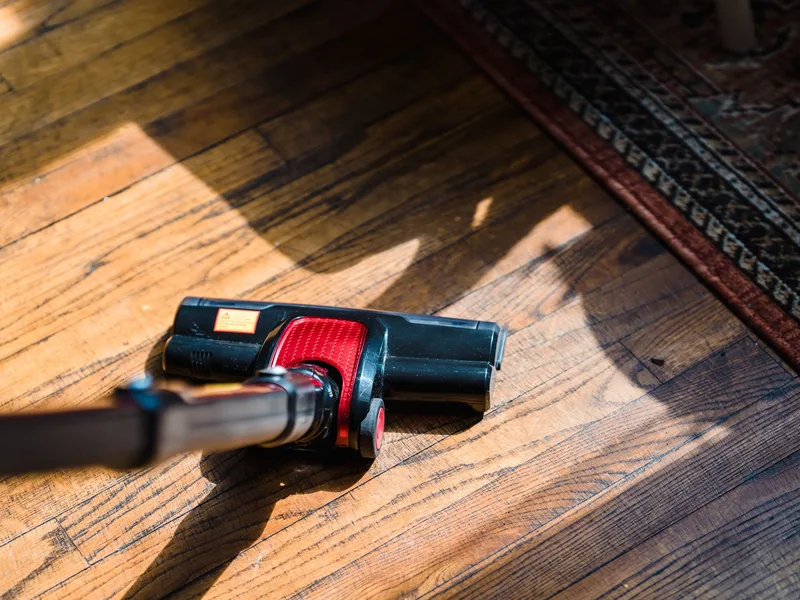
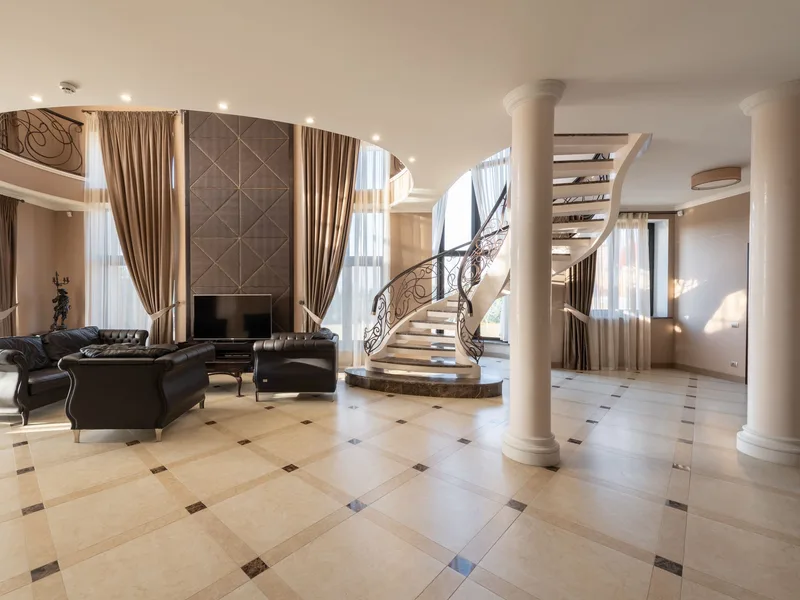
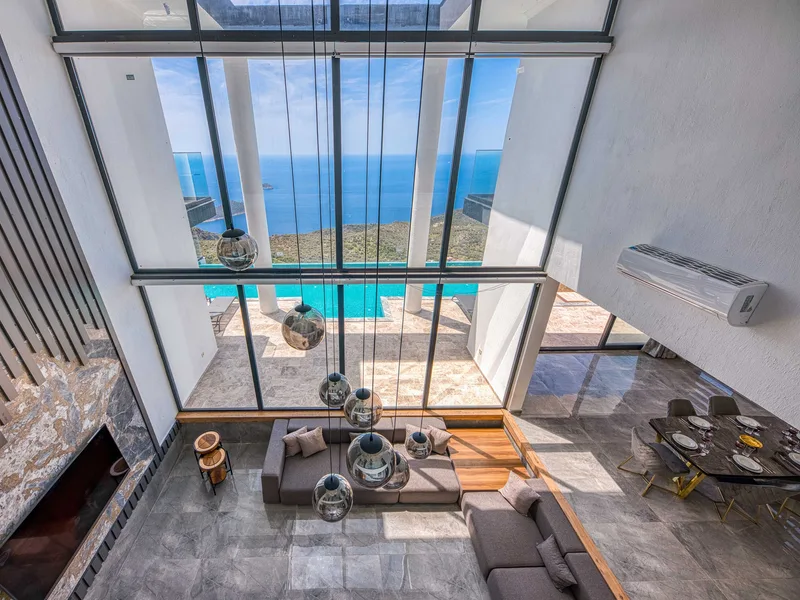
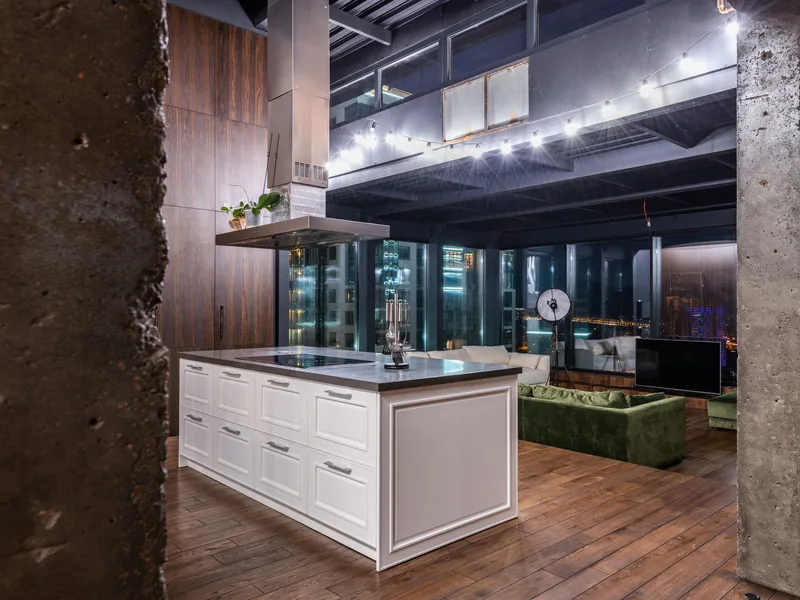
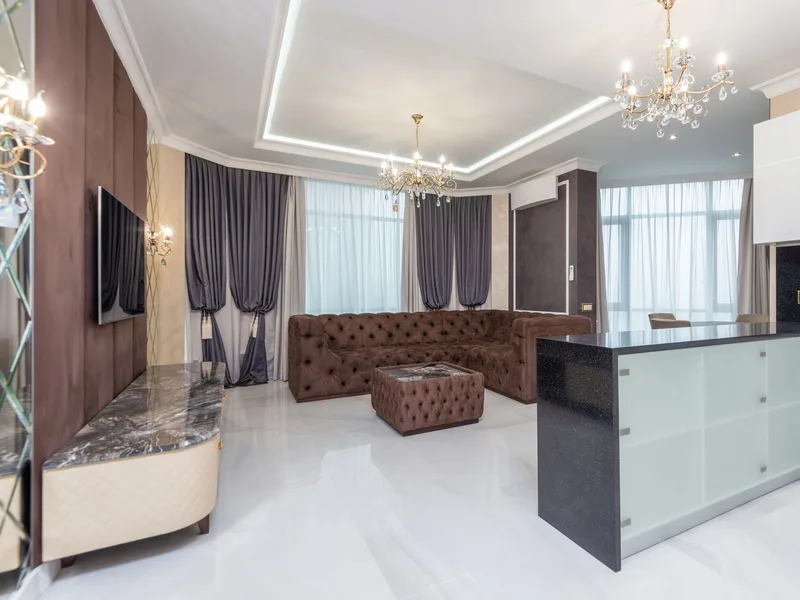
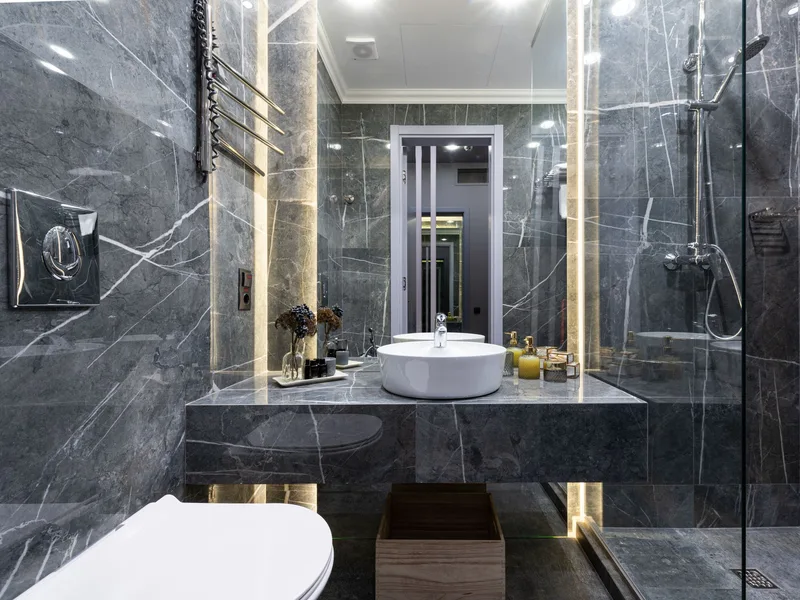
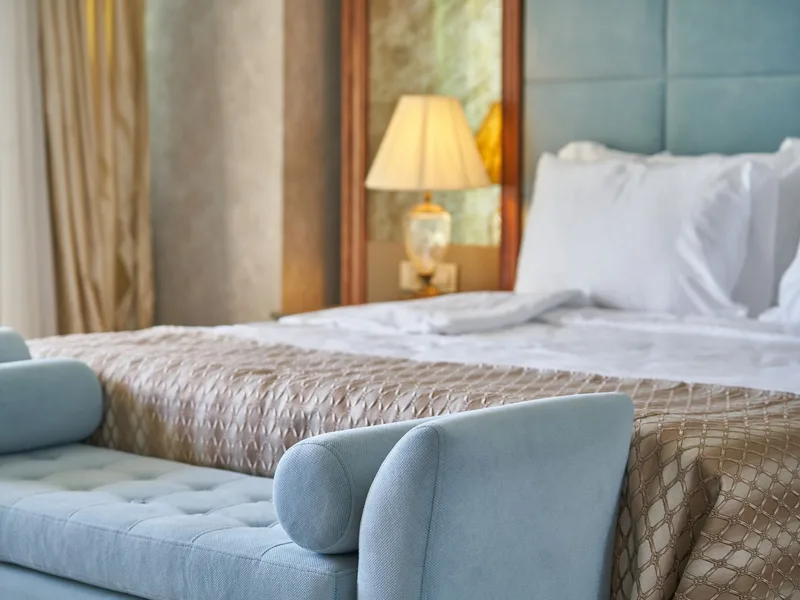
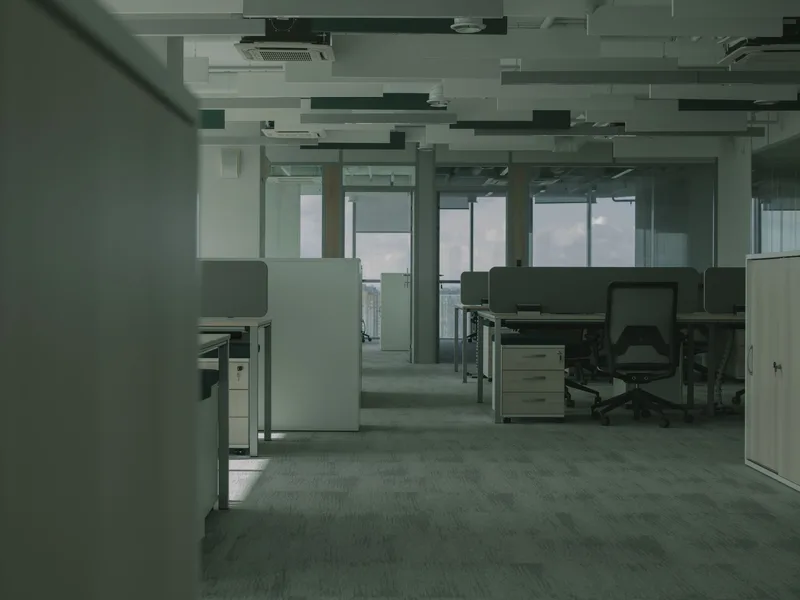
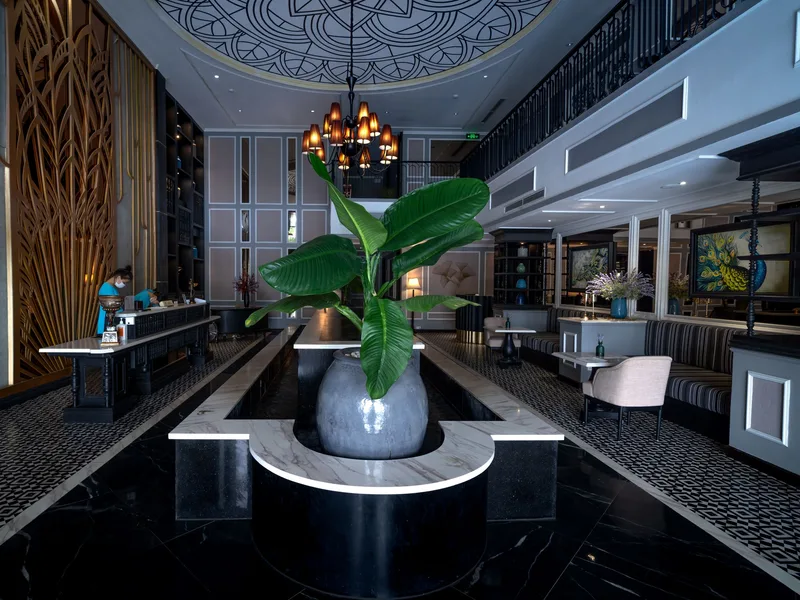
Illustrative photographs. Our own job photographs go here as soon as the client approves them.
What is different about South Jeddah
South Jeddah is the working end of the city: the Islamic Port, the industrial city with its warehouses and workshops, and behind them older low rise districts such as Ghulail and Al Khumrah. The roads are built for lorries, and port and factory traffic runs through the night, so the dust that settles here is grey with diesel and metal filings rather than pale sand. Buildings are mostly older concrete with flat roofs and open stairwells that collect it. Sea humidity keeps it damp, and in summer it sets hard on ledges and cladding.
Nearby districts we cover
Questions worth asking first
Yes significantly. Industrial dust carries metal particles, diesel fumes and additional chemical contaminants. Pathogen concentration is higher and diversity greater than sand dust. Disinfection focuses first on removing greasy industrial layers.
Port proximity means perpetually high humidity that keeps surfaces damp. Effective treatment targets open surfaces and roofs first, then ensures complete ventilation to expel excess moisture that would otherwise support recontamination.
Yes. High density accelerates pathogen transmission between flats. We recommend treatment cycles every two to three months, especially before high-temperature seasons.
Yes. Flat roofs collect water and dust easily, becoming ideal breeding grounds for fungi and bacteria. Treatment focuses on roof cleaning and deep disinfection of areas below upper flats.
Absolutely. Shared entry, staircases and lifts are the most contaminated zones. They receive intensive treatment because hundreds of residents move through them daily to and from their flats.
Clean windows and surfaces regularly to remove industrial dust. Reduce window opening on days of heavy lorry traffic. Use household air filters in the flat. Avoid leaving surfaces damp, as port humidity promotes fungal growth if moisture sits.
It is set after we see the job, because the price follows the kind of work, the size of the space, its condition and the time and materials it needs. Send a photo and a short description on WhatsApp and we will give you an estimate before we reach Al Rawabi.
The time depends on the size of the property and how many rooms are fogged.
The household should leave the treated areas during fogging and dwell time.
Other services in Al Rawabi
We also provide these services in Al Rawabi.