
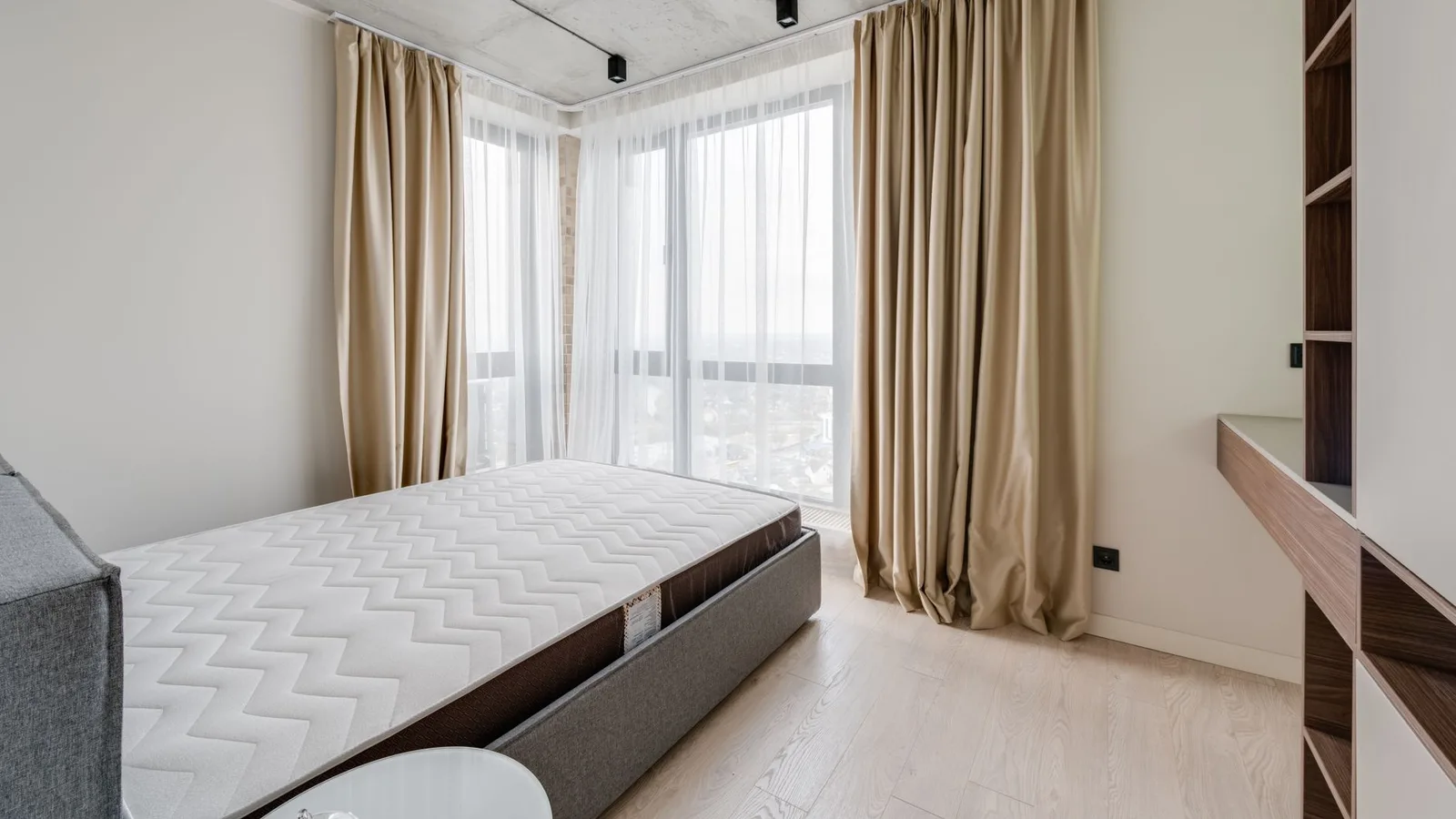
Bed bug treatment for mattresses, bed frames, and upholstery
Bed bugs shelter in mattress seams, bed frame joints, sofa cushion edges, and wall crevices. This service targets each of those hiding places with the right chemical products, not just the visible surfaces a standard clean would cover.
- Seam and joint treatment
- Chemical injected into crevices
- Covers bedroom and living areas
- No furniture removal required
Why surface spraying misses most bed bugs
Bed bugs do not live in the open. They nest inside mattress seams, along bed frame joints, and in the tight gaps between baseboards and walls. A product sprayed only on surfaces reaches the bugs that are already dead or exposed, not the ones sheltering deeper in the material. Without reaching those gaps, any treatment is temporary.
-
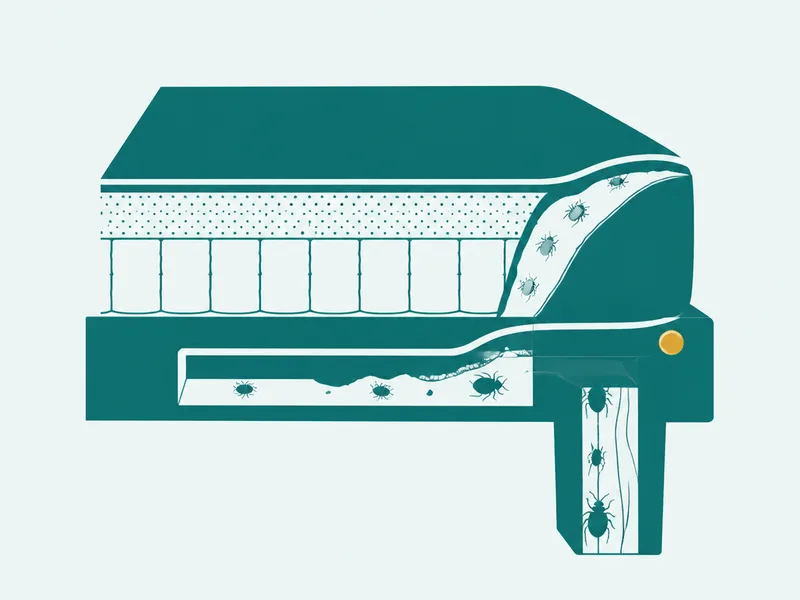
Bites with no source found
Bed bugs retreat into seams and joints by morning, leaving the room looking clear. Inspection of the mattress and frame identifies where they are actually hiding before any product is applied.
-
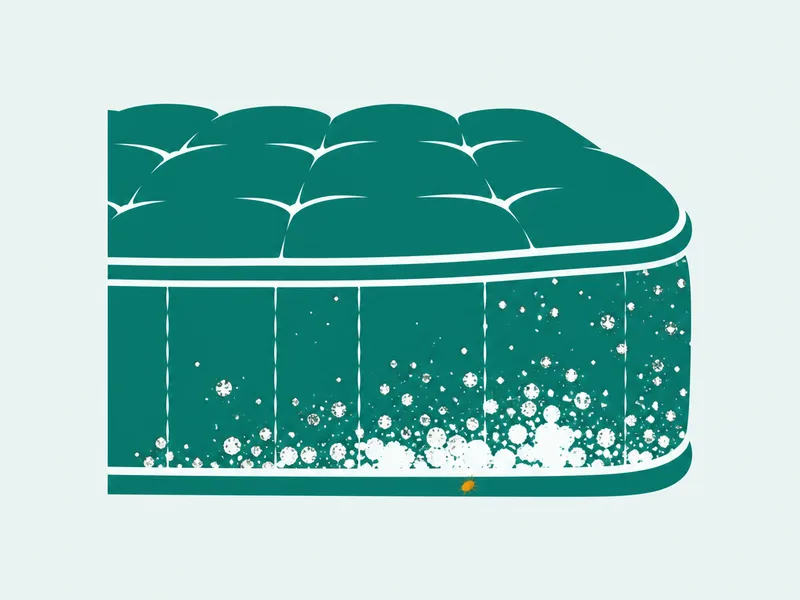
Treatment failed or came back
Products sprayed on visible surfaces rarely reach the eggs and adults inside seam folds and frame joints. Bed bugs in those gaps survive and repopulate within weeks, which is why a surface-only spray seldom holds.
-
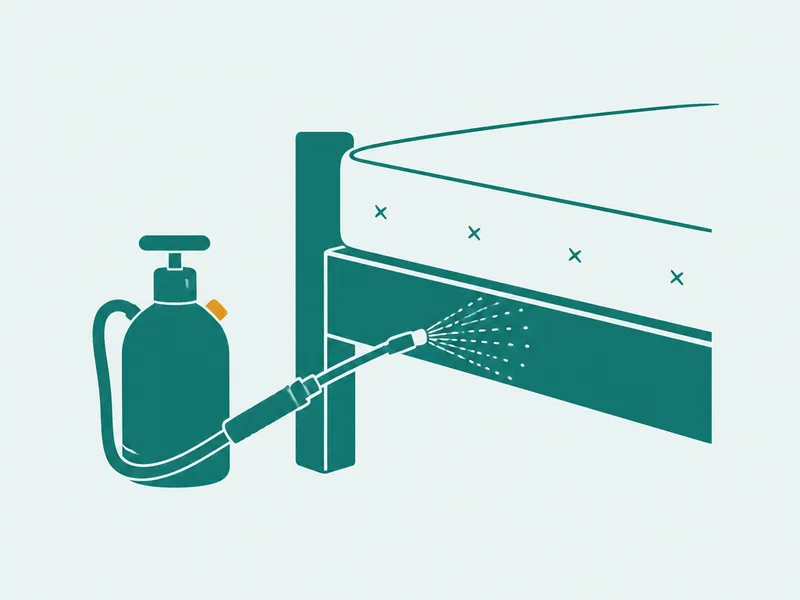
Moving into a new rental
An incoming family cannot verify the history of the mattresses and upholstery left behind. Treating the seams, joints, and sofa edges before the first night removes that uncertainty and avoids carrying an infestation into new bedding.
-
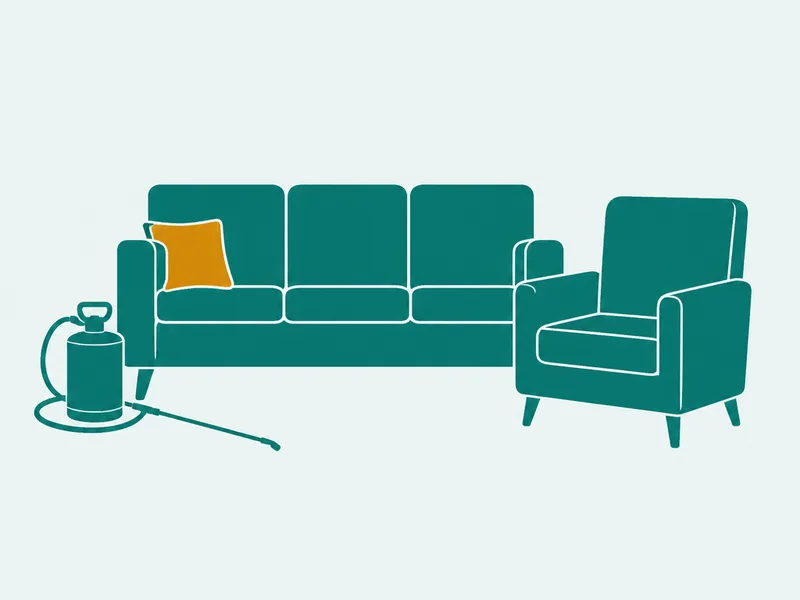
Sofa and seating also affected
Bed bugs move between sleeping and seating areas, particularly in homes where floor cushions and sofas are used for evening seating. The service covers sofa and chair seams alongside the bedroom, not the mattress alone.
What the service covers
Each step targets a specific surface or gap where bed bugs shelter, feed, or travel.
-
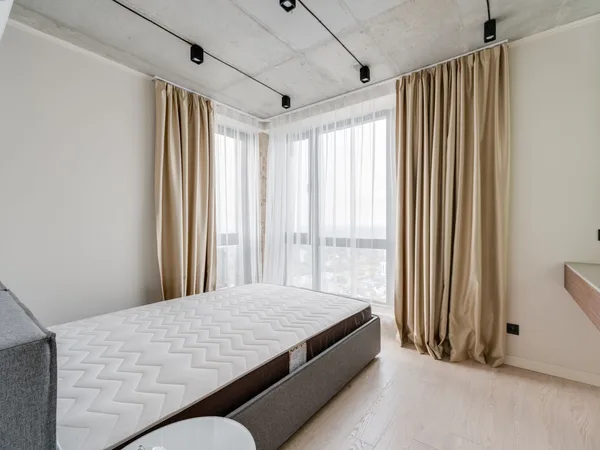
Inspect mattress seams and frames
The technician checks mattress seams, tufting, and bed frame joints for live bed bugs, shed skins, and dark staining before any product is applied.
-
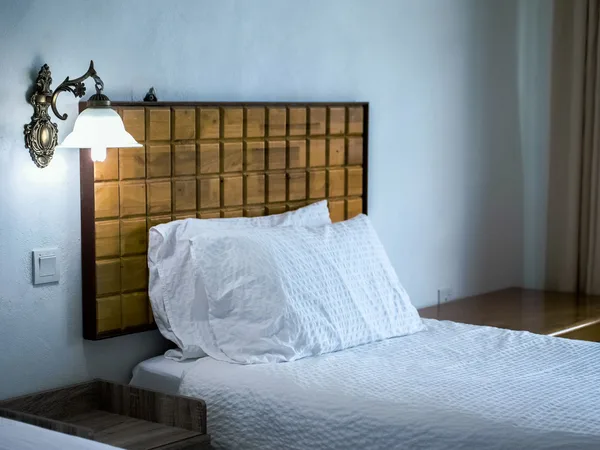
Move furniture away from walls
Beds, side tables, and sofas are pulled away from walls to expose the gap behind and along baseboards where bed bugs travel and hide.
-
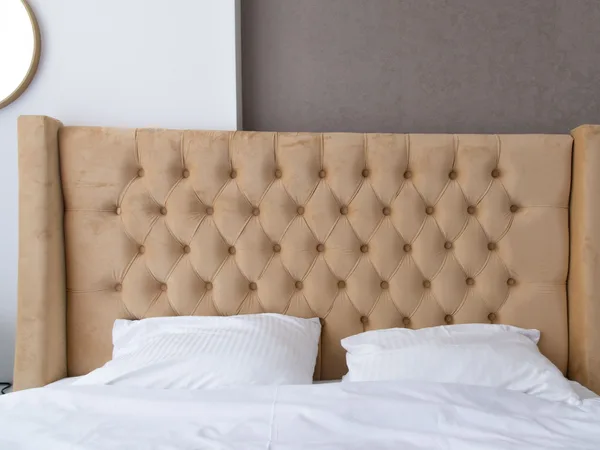
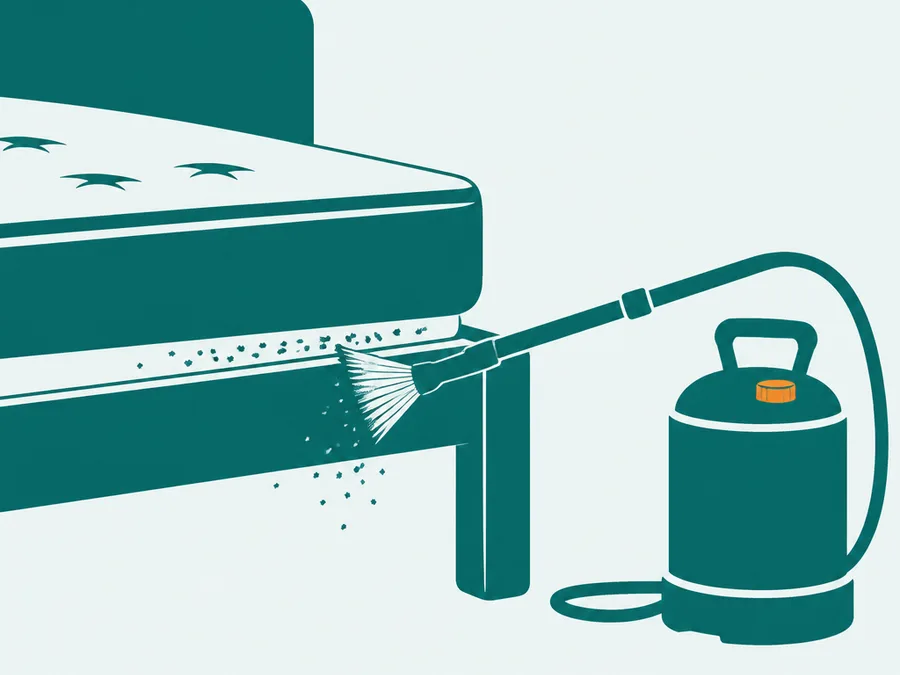
Spray mattress seams and tufts
Chemical product is applied directly to mattress seams, tufts, and the underside edges where bed bugs cluster between feeds.
-
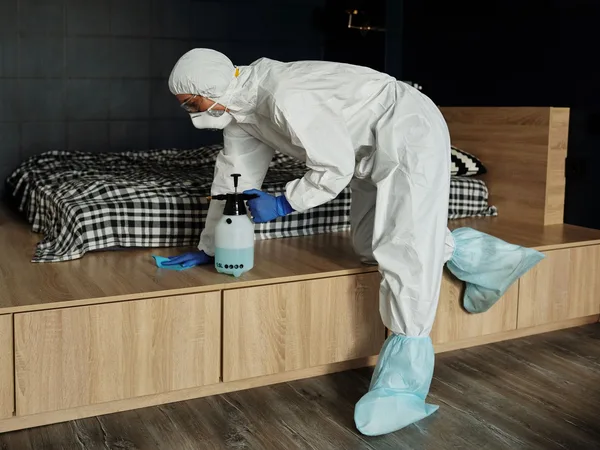
Apply product to bed frame joints
Joints, hollow legs, and slot-in connectors on the bed frame receive a direct application, covering the tight spaces bed bugs prefer.
-
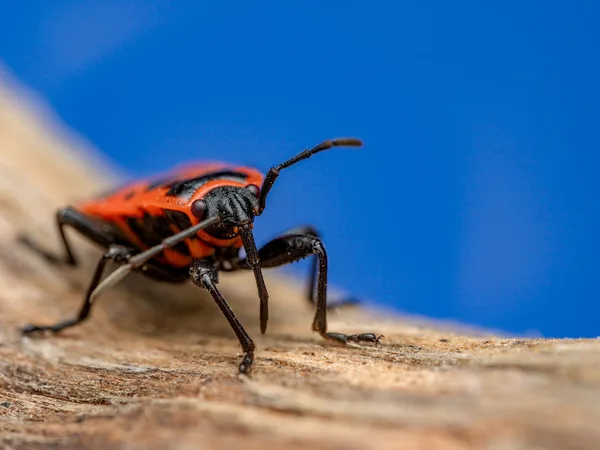
Inject chemical into wall crevices
A fine-tipped injector pushes chemical into gaps between skirting boards and walls, and behind electrical fittings, where bed bugs travel between rooms.
-

Spray baseboards and floor edges
The floor edge along every baseboard and the lower wall face above it are sprayed to block the paths bed bugs use moving around the room.
-
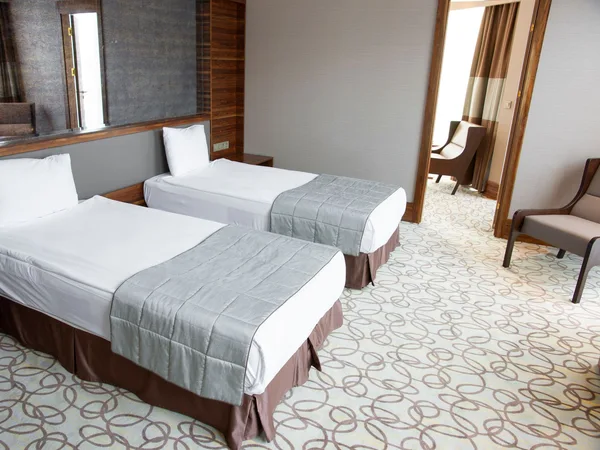
Treat sofa and chair seams
Sofa and chair seams, particularly along cushion zips and frame joints, are sprayed to cover the upholstered furniture bed bugs move to from the bedroom.
-
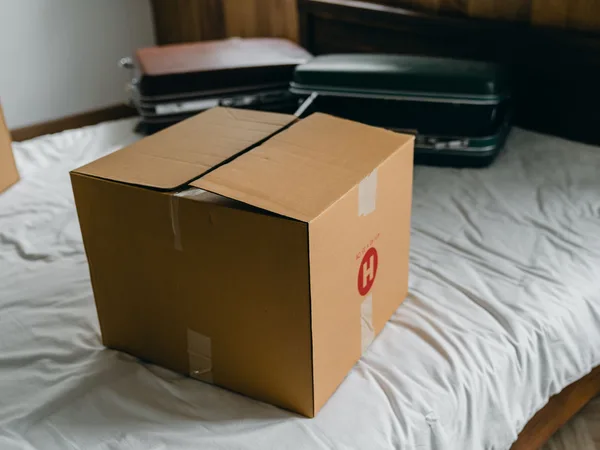
Return furniture to original position
Once the chemical has been applied to all surfaces, beds, sofas, and side tables are returned to their original positions in the room.
How a bed bug treatment works
The job follows four stages, in this order, from first arrival to handover.
-
Inspect seams and frame joints
The technician goes through the mattress seams, tufts, and bed frame joints before any product is opened. This confirms where the infestation is sheltering and guides which surfaces get priority.
-
Move furniture and expose edges
Beds, sofas, and side furniture are pulled clear of walls so the treatment reaches the baseboards and gaps behind them. These are the routes bed bugs use to move between areas.
-
Apply product to all target surfaces
Mattress seams, frame joints, baseboard edges, wall crevices, and sofa seams each receive the appropriate product. The fine injector reaches gaps that a spray nozzle cannot.
-
Reset room and review coverage
All furniture is returned to its original position. The technician checks that every seam, joint, and crevice on the inspection list has been covered before leaving.
The results once the work is done
Three things a homeowner can check once the work is complete.
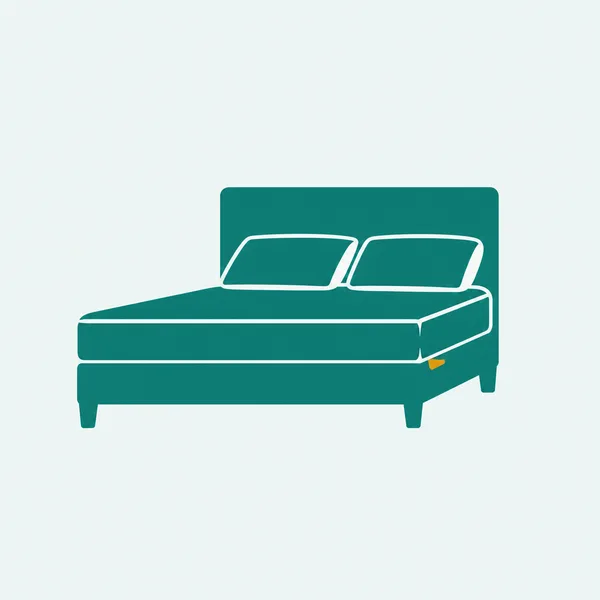
No active harborage in seams
Mattress seams, tufts, and bed frame joints have been inspected, sprayed, and injected. The spaces where bed bugs shelter during the day have been directly treated with chemical product.
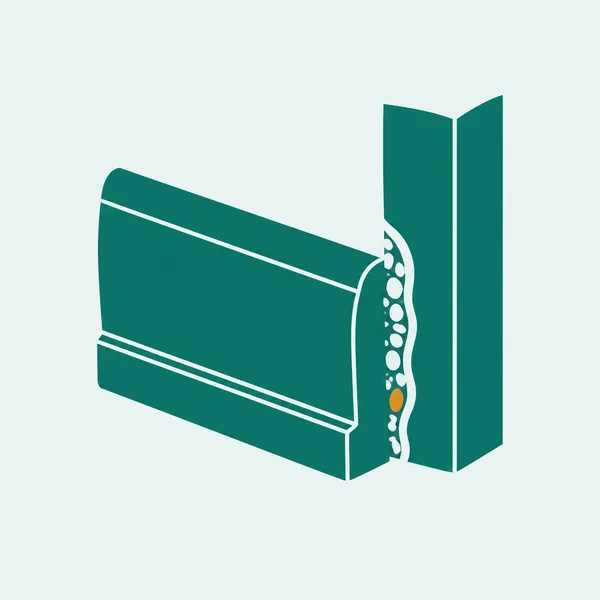
Baseboards and crevices treated
The chemical reaches behind baseboards and into the wall gaps bed bugs use to travel between rooms. These travel routes are covered, not only the sleeping surface.

Furniture returned to position
Everything moved during treatment is put back before the team leaves. The room is in the same layout it was in before the job started.
What our customers said
«شغلهم ما شاء الله، أنصح الجميع بالتعامل معهم. عن تجربة وثقة.»
«أفضل شركة تنظيف بالبخار. أسعارهم ممتازة وشغلهم مرة كويس.»
«خدمة ممتازة.»
«ممتازين.»
Districts we cover
Bed bug treatment is available across the residential areas we serve, including neighborhoods with high-density villas and apartments where infestations can move between adjoining units.
The district pages for this service are being prepared and will appear here when they are published.
Questions worth asking first
No. The technician removes bedding during the inspection stage and checks the seams and tufts before applying product. You do not need to do anything to the bed in advance. Leaving it as it is normally used helps the inspection find any active signs.
The products used are applied only to seams, joints, and gaps, not to open sleeping surfaces. The room should stay ventilated for the period the technician advises before normal use resumes. Bedding is kept separate during treatment and can be returned once the room is clear.
The time depends on the number of bed frames, the size of the sofas involved, and how many wall crevices need injecting. A single bedroom with one sofa is usually completed within a few hours, but the technician will confirm after the opening inspection.
The team moves furniture as part of the service. Personal items on or under the bed, such as clothing and small objects, should be removed beforehand so the baseboards and floor edges can be reached without delay.
The service covers all the main harborage points in a room, including seams, frame joints, crevices, and upholstery. A severe infestation may require a follow-up visit to cover areas the first round could not fully reach, which the technician will discuss after the inspection.
The technician will give a specific time based on the products used and the ventilation in the room. As a general approach, the room should be aired out before bedding is put back. Clean bedding should be used rather than what was on the mattress during treatment.
Other services you may need


Book a bed bug inspection
Tell us which rooms are affected and we will arrange a visit at a time that suits your household.
Cleaning and disinfection guidance: Saudi Ministry of Health.