Moisture does not stop at the surface
Coastal air carries moisture year round, and fabric is not a barrier to it. Textile fibres absorb humidity and swell slightly, then release it as the day cools. Each cycle leaves a small residue: trapped dust, fine debris and organic matter that did not quite dry out. Over weeks this builds in the upper layers of the weave. Over months it reaches the padding beneath. Most people do not notice until they sit down on a warm, humid day and the sofa gives off a faint, stale smell. That smell is not the fabric. It is what has accumulated inside the padding and cannot be removed without reaching it directly.
Wood and fabric fail for different reasons
Wood responds to humidity by expanding when the air is moist and contracting when it dries. In a climate that stays humid for most of the year, that cycle never completes cleanly. Joints loosen gradually. Veneers lift at the edges. The structural frame of a sofa or a chest of drawers is moving almost constantly, even when you cannot see it. Fabric and padding behave differently. They absorb moisture and hold it, particularly in thick-weave rugs, heavy curtains and the dense foam or wadding used in upholstered seating. The padding does not breathe the way the outer fabric does, so moisture that enters does not leave at the same rate. It lingers, and over time it accelerates wear on the fibres from the inside outwards.
The drying that never quite finishes
In a dry inland climate, a slightly damp patch in a rug or sofa cushion dries out. The lower humidity draws moisture back out of the fabric, and the textile returns to a stable state. Near the coast, that does not happen in the same way. The background humidity means fabrics never fully dry between humid spells. A rug that absorbs floor moisture overnight, a cushion dampened by a spill, both retain more of that moisture than they would inland. Dust mites live in the padding of upholstered furniture, and they favour warm, moist conditions. The point is not that they are unique to coastal climates. The point is that coastal conditions are persistently more favourable to them than drier air further from the sea, and that gap matters over the long term.
Habits that quietly make things worse
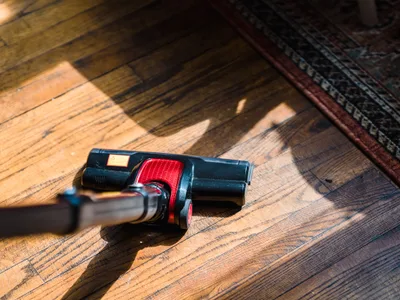
A few ordinary habits add to the problem without anyone meaning them to. Wet-wiping upholstery to remove a mark sends water into the padding, and in a humid climate that padding takes longer to dry than it would elsewhere. If it does not dry fully before the next humid spell, the residual moisture tends to return as odour. Drying laundry indoors, leaving damp towels on chairs, and running an air conditioning unit that is not properly maintained all add moisture to the textile environment of a room. Regular vacuuming does lift surface dust, but it does not reach the padding, so it creates a cleaned appearance without addressing what lies underneath. These habits compound slowly. None of them causes visible damage quickly, but each one extends the time your textiles spend in a moist state.
Surface cleaning does not reach the padding
Most cleaning done at home works on the surface. A vacuum pulls loose debris from the upper fibres. A spray and wipe removes visible marks. Neither reaches the padding inside an upholstered seat or the dense lower layers of a thick rug. In a persistently humid climate that limitation matters more than elsewhere, because what has accumulated in the padding does not go away on its own. Hot-water extraction reaches into the padding, loosens what has built up there and extracts it. The heat is also effective against dust mites in a way that surface detergent is not, because detergent applied to the outer fabric does not penetrate to where they live. The result is a cleaner interior, not just a cleaner surface, and one less likely to smell on the next humid day.