Restaurant cleaning in Al Sahel, Jeddah
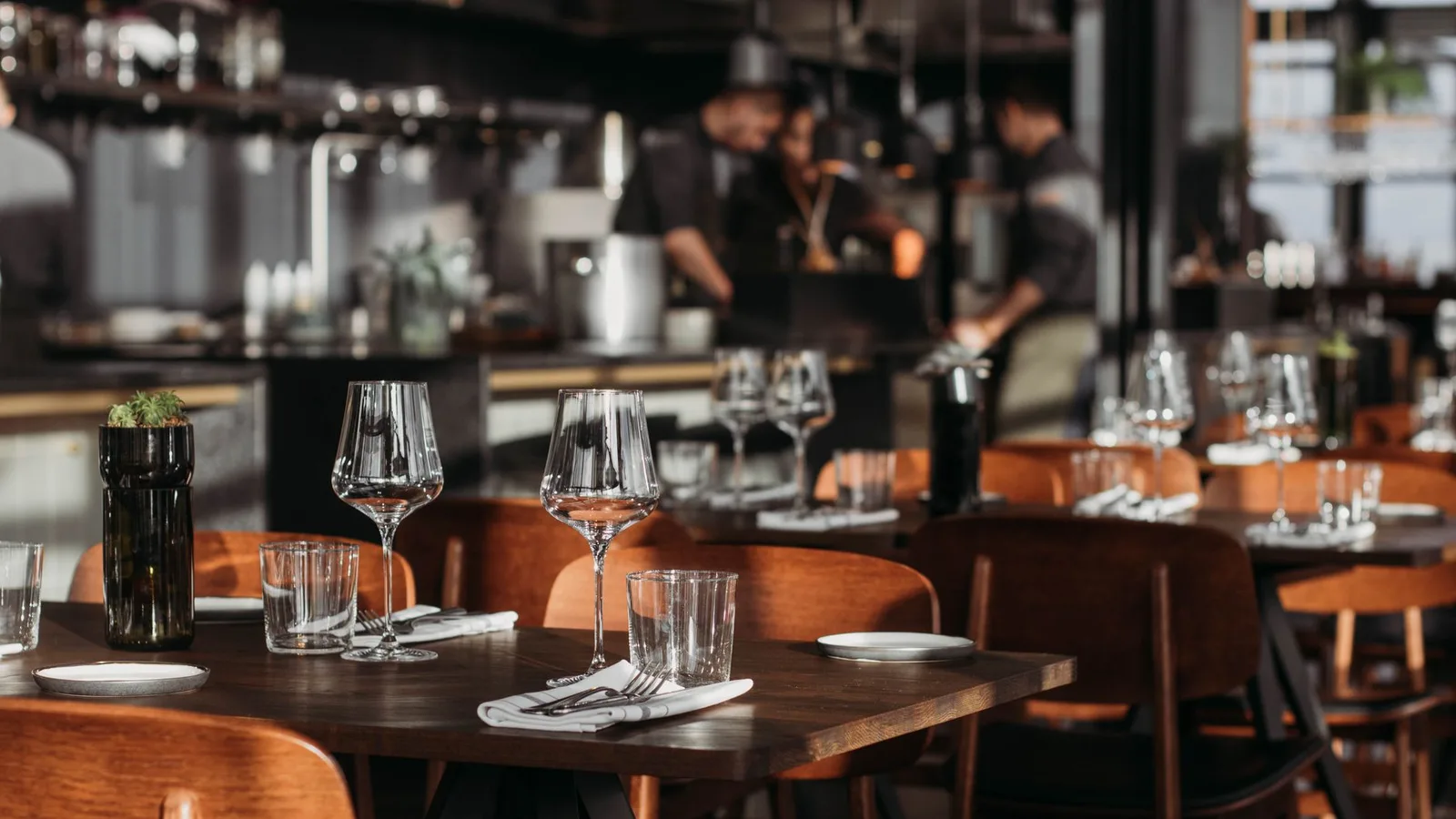
Al Sahel sits on the seafront in south Jeddah, and salty air continuously raises kitchen humidity, so grease sticks faster and equipment faces rapid corrosion. Small restaurants and cafés dotted along Al Saif Corniche draw customers with sea views, but the marine air keeps the kitchen damp and salt-laden. Deep cleaning extracts grease and salt crystals from equipment and removes trapped moisture that accelerates rust.
- Hood and filters degreased
- Grease removed at source
- Kitchen and dining covered
- Waste carried out
Why kitchens fail inspections at the canopy
The seafront location near Al Saif Corniche raises humidity and salt levels in kitchens, and equipment needs protection from rapid corrosion and fast-accumulating grease.
-
Clearing the inspection checklist
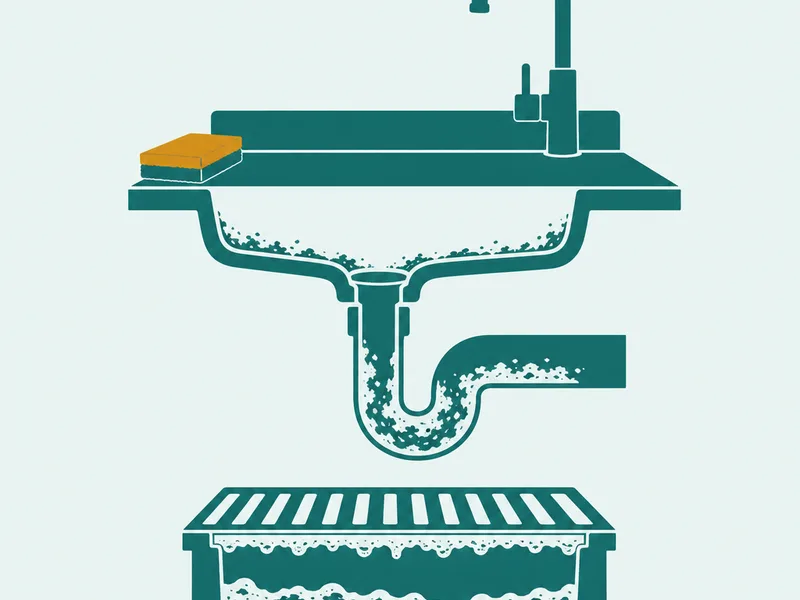
Grease on equipment mixes with salt and moisture, making extraction harder and regular deep cleaning essential to prevent rust and electrical hazard.
-
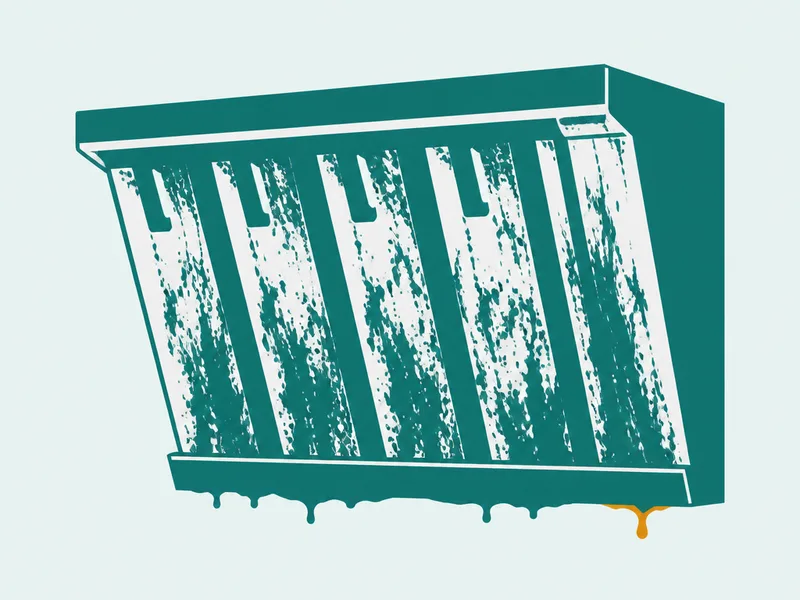
Removing the grease fire risk
Floors, counters and bases collect moisture and salt, accelerating bacterial growth and persistent odours typical of high-humidity kitchens.
-
Controlling odour from the source
The waste and disposal area faces more salt and humidity exposure than the rest of the kitchen because it sits closer to the corniche and open air.
-
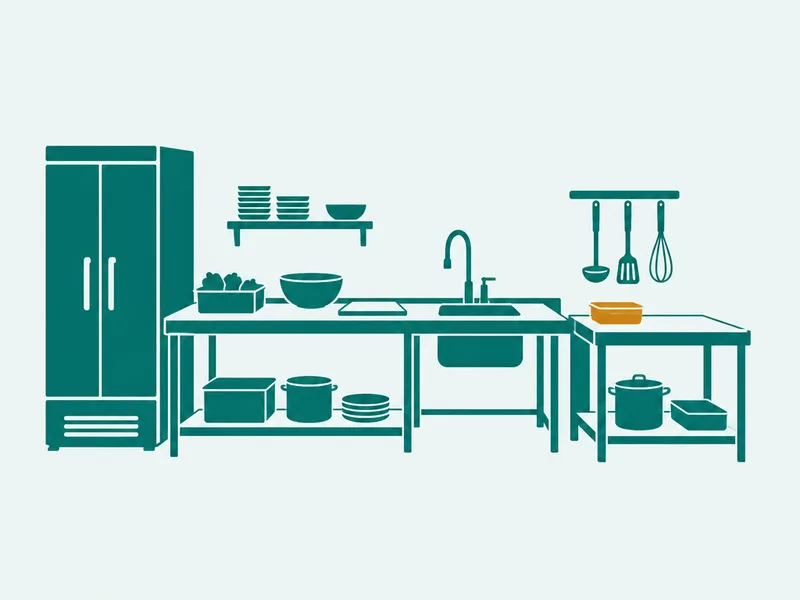
Keeping food prep areas safe
Equipment and surfaces regain appearance and efficiency once salt, grease and moisture are removed, extending the working life of all machines.
What every restaurant clean covers
-
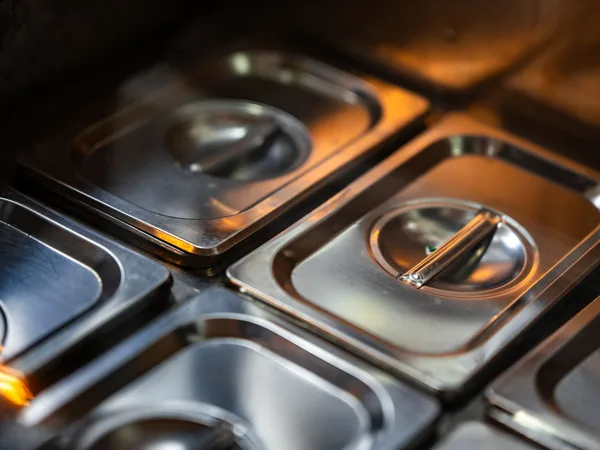
Kitchen equipment shifted for access
-
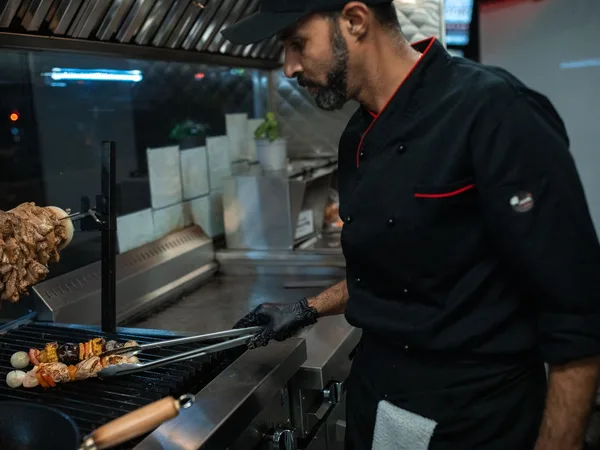
Hood filters soaked and scrubbed
-
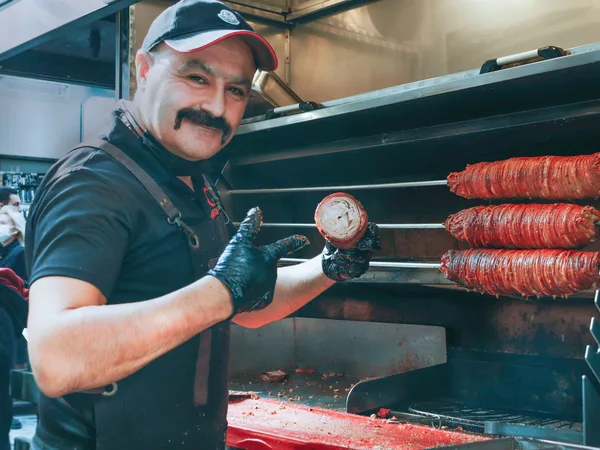
Grills and ovens degreased
-
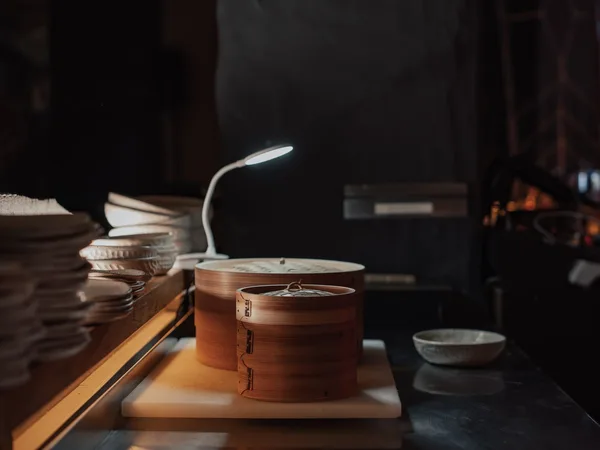
Floor drains flushed and cleared
-
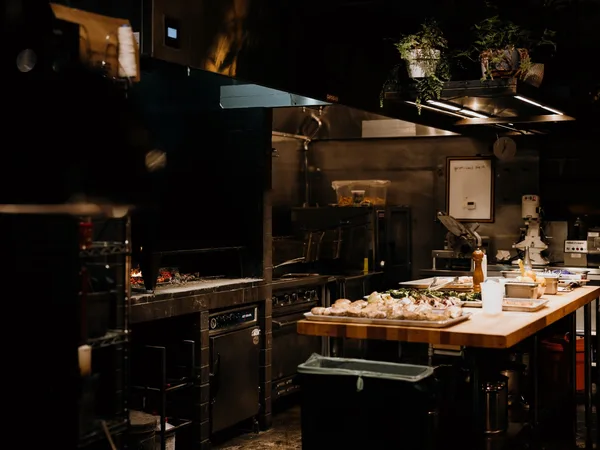
Prep counters and fridges wiped
-
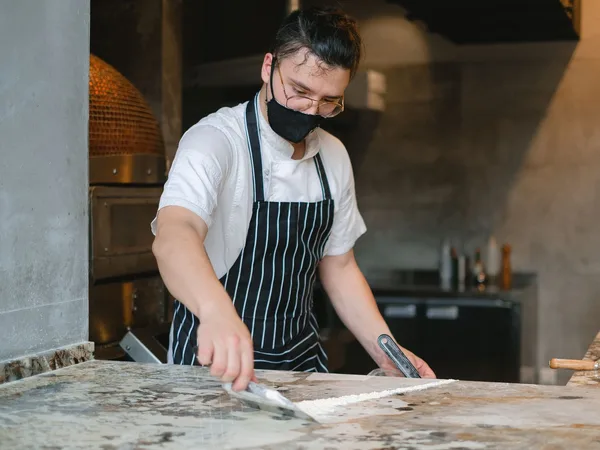
Kitchen floor scrubbed with degreaser
-
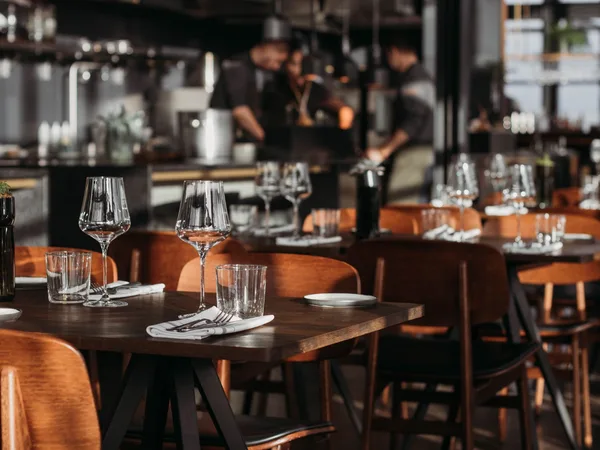
Dining tables and chairs cleaned
-
Waste collected and carried out
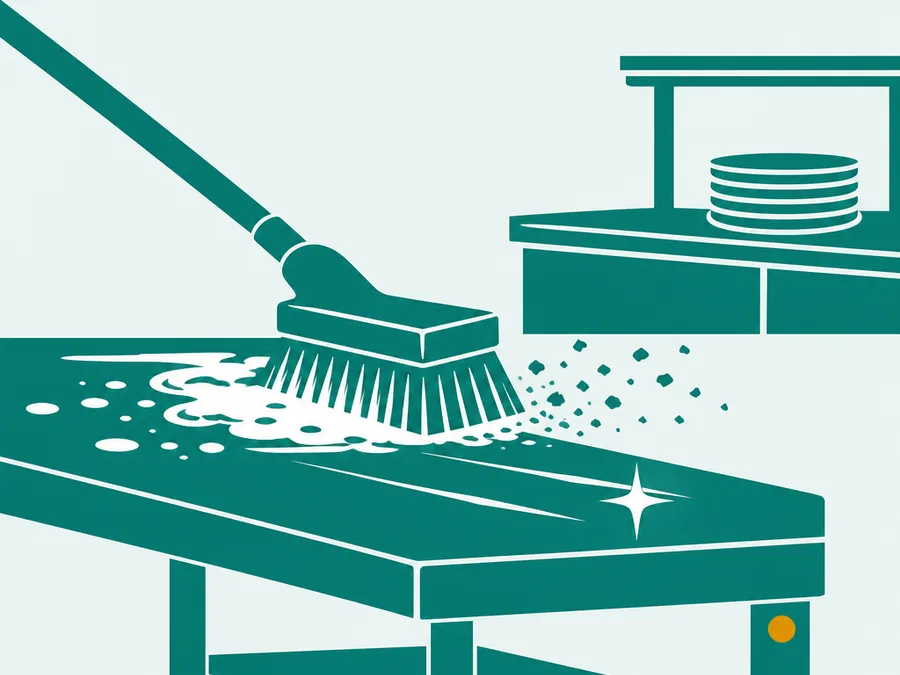
How a restaurant clean runs
-
Walk-through and setup
-
Hood filters and equipment
-
Floors, drains, and prep areas
-
Dining area and waste removal
What changes about restaurant cleaning in Al Sahel
Equipment in Al Sahel restaurants shows salt marks, rust stains and grease buildup faster than inland restaurants because sea air accelerates corrosion on all metal surfaces. For the whole method, see how we approach restaurant cleaning.
-
The first reason
Sea salt speeds equipment corrosion
Salt-laden air deposits on metal surfaces and causes rapid rust and material breakdown. Cleaning removes salt crystals from hoods, stoves and work surfaces before they damage electrical circuits and seals.
-
The second reason
Humidity traps grease in motors
Damp air fixes grease in hood fans and motors, reducing efficiency and raising failure risk. Deep cleaning extracts grease and salt from inside motors and ducting.
-
The third reason
Wet floors become slippery and contaminated
Humidity, salt and grease combine on floors, creating slip hazards. Cleaning removes trapped moisture and grease, then sanitises the surface to eliminate bacteria breeding in the damp.
The character of Al Sahel
Coastal area: high humidity and salt air through the year
The coastal character means restaurants here face additional pressure from sea salt and marine humidity, and need more frequent and detailed cleaning to protect equipment from rapid corrosion and maintain food safety.
What the kitchen looks and functions like after
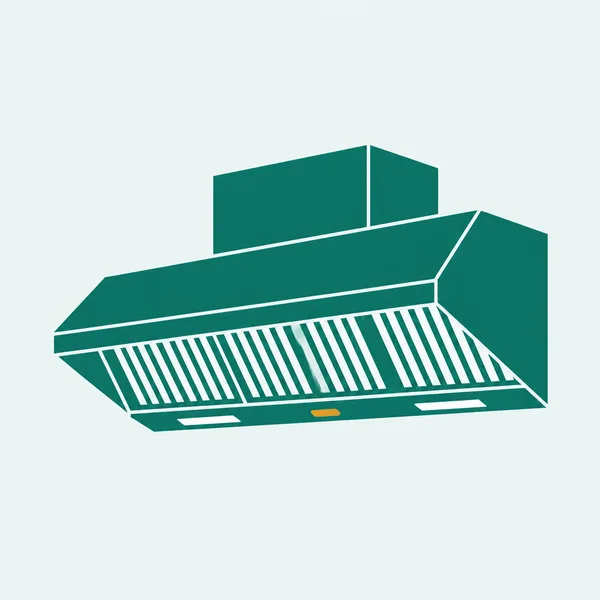
Filters and hood surfaces degreased
Baffle filters are back in place, clean and clear.
Drains clear and running freely
Floor drains have been flushed, cleared of debris and grease buildup, and leave no standing residue.
Dining area ready for covers
Tables, chairs, and surfaces in the dining room are wiped and set for service.
What our customers said
«شغلهم ما شاء الله، أنصح الجميع بالتعامل معهم. عن تجربة وثقة.»
«أفضل شركة تنظيف بالبخار. أسعارهم ممتازة وشغلهم مرة كويس.»
«خدمة ممتازة.»
«ممتازين.»
Some of our work
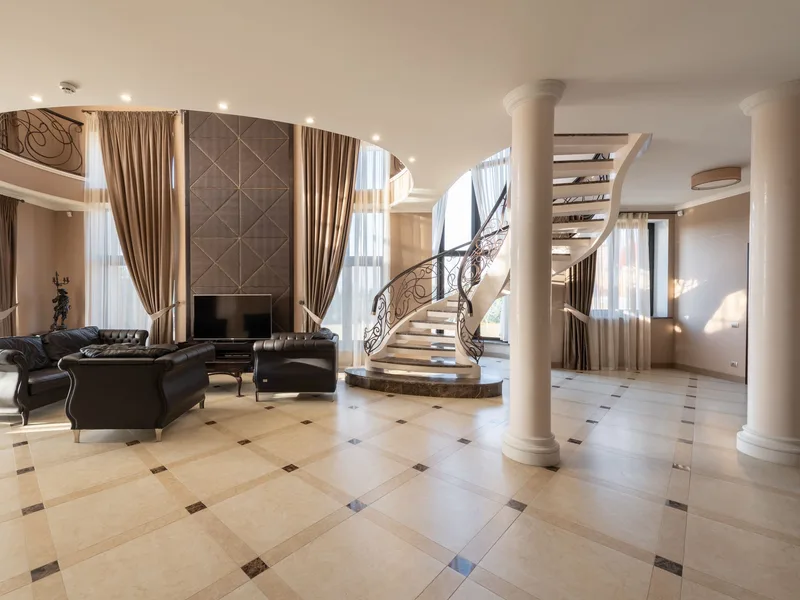
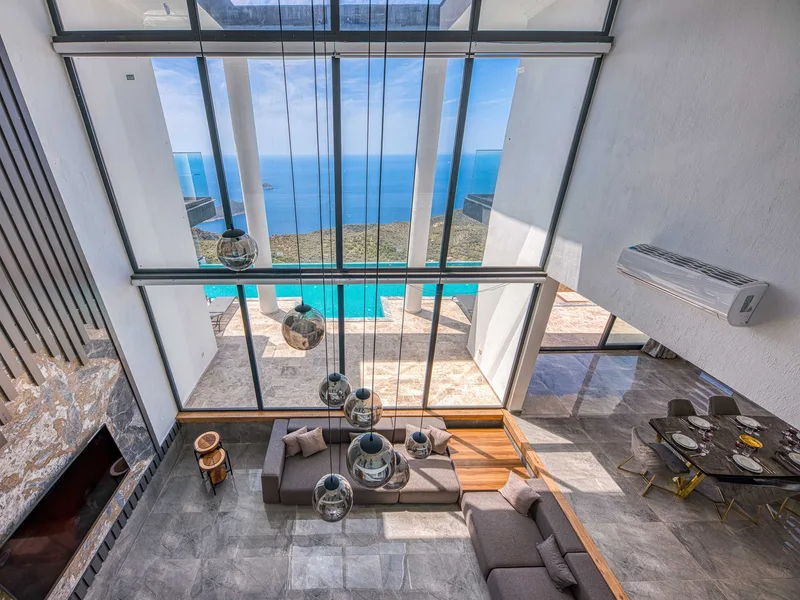
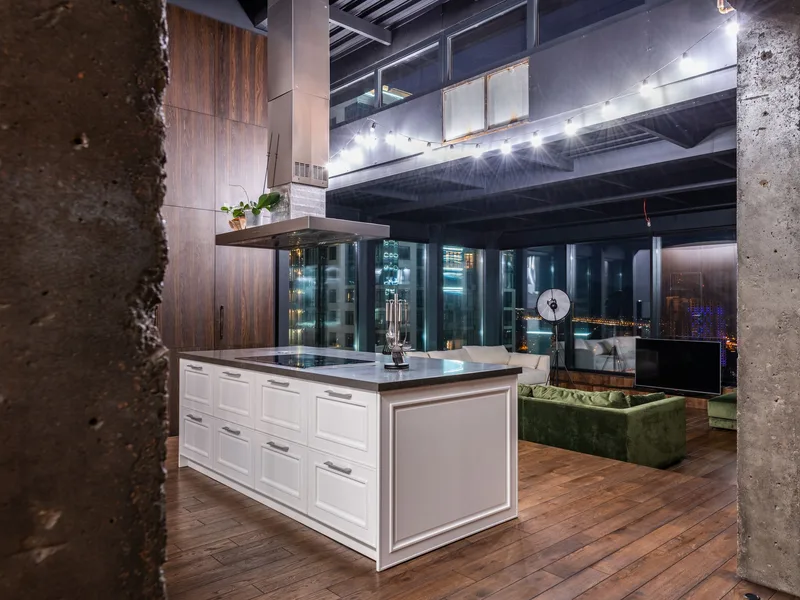
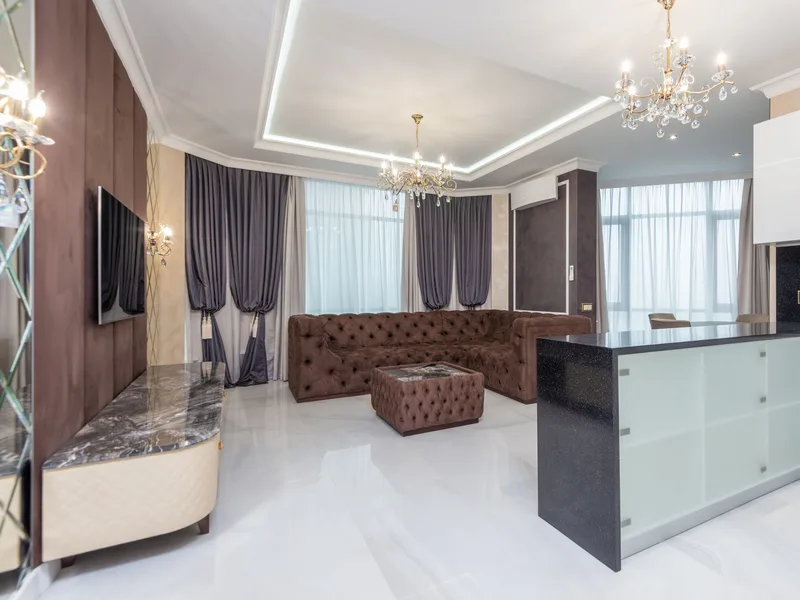
Illustrative photographs. Our own job photographs go here as soon as the client approves them.
What is different about South Jeddah
South Jeddah is the working end of the city: the Islamic Port, the industrial city with its warehouses and workshops, and behind them older low rise districts such as Ghulail and Al Khumrah. The roads are built for lorries, and port and factory traffic runs through the night, so the dust that settles here is grey with diesel and metal filings rather than pale sand. Buildings are mostly older concrete with flat roofs and open stairwells that collect it. Sea humidity keeps it damp, and in summer it sets hard on ledges and cladding.
Nearby districts we cover
Questions worth asking first
Yes. Salt causes rapid rust and corrosion of metals and circuits. Regular cleaning removes salt before it compromises equipment performance.
Humidity and salt speed grease buildup, but good ventilation reduces moisture. Monthly cleaning removes grease and salt from hoods and fans.
Regular cleaning removes trapped moisture and salt. Sanitising solutions reduce bacteria and odours that thrive in excess humidity.
Wet and slippery floors increase fall risk for staff. Deep cleaning removes moisture and makes the kitchen safe to move through.
Salt and humidity accumulate quickly, but frequency depends on restaurant size and equipment use. Monthly inspection determines what each piece needs.
Yes. Deep cleaning extracts moisture and salt trapped in equipment and on floors. The kitchen stays dry and free of salt odour for longer.
It is set after we see the job, because the price follows the kind of work, the size of the space, its condition and the time and materials it needs. Send a photo and a short description on WhatsApp and we will give you an estimate before we reach Al Sahel.
The duration depends on the size of the kitchen and how much equipment is in it.
Work in the kitchen can only be done safely when cooking has stopped and equipment has cooled.
Other services in Al Sahel
We also provide these services in Al Sahel.