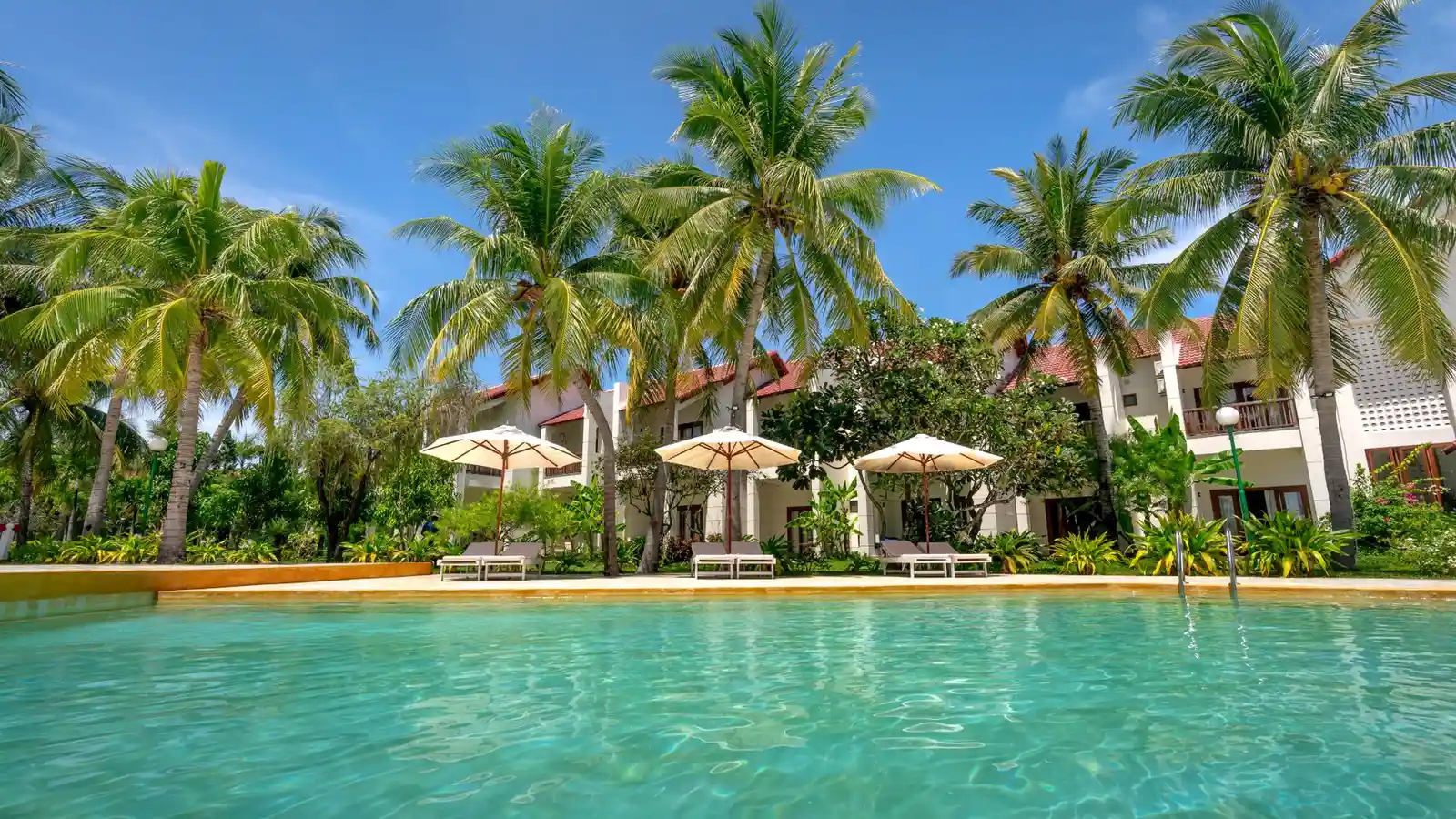
Swimming pool cleaning in Al Mustaqbal, Jeddah
Pools in Al Mustaqbal, an established neighbourhood in south Jeddah bounded by University Road and King Khalid Road, sit downwind and downstream of the Islamic Port and industrial city's manufacturing zones. Truck traffic, loading cranes, and chemical facilities send metal particles, diesel soot and salt spray into the air. The tap water itself carries trace heavy metals and elevated salinity from the industrial runoff that recharges local aquifers. Cleaning pools here means understanding that metals and salts will accumulate faster than in any other Jeddah neighbourhood, and standard chemistry protocols need adaptation.
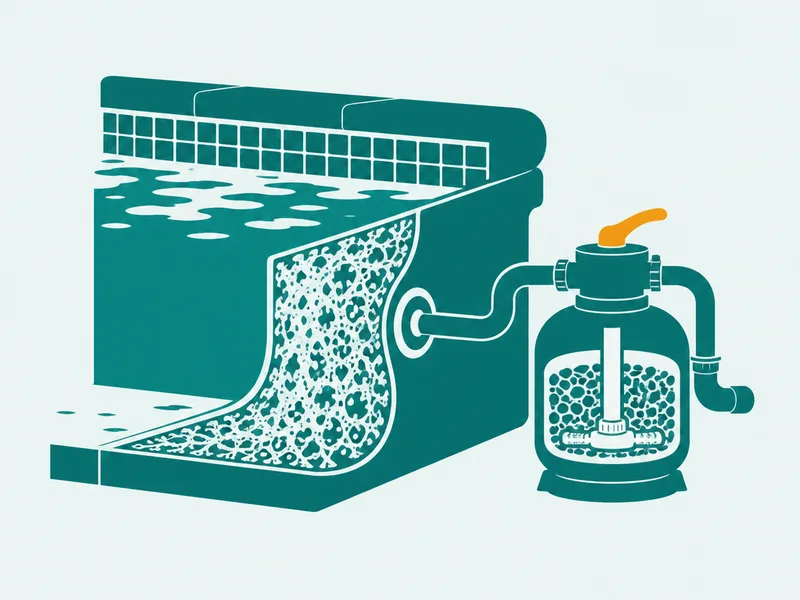
- Filter backwash included
- Water chemistry checked
- Walls and floor scrubbed
- Deck rinsed after service
Why a clean pool needs more than skimming
Al Mustaqbal occupies a district in south Jeddah between University Road and King Khalid Road, in proximity to the Islamic Port, industrial zones with workshops and storage, and active manufacturing that releases metal-bearing dust and salt aerosol.
-
Algae spreads faster than it looks
Water chemistry testing here must include a comprehensive metals panel monthly, not just free chlorine. Iron, copper, zinc and salinity levels all fluctuate with industrial activity and require monitoring to stay within safe ranges for bathers and equipment.
-
Filter performance drops quietly
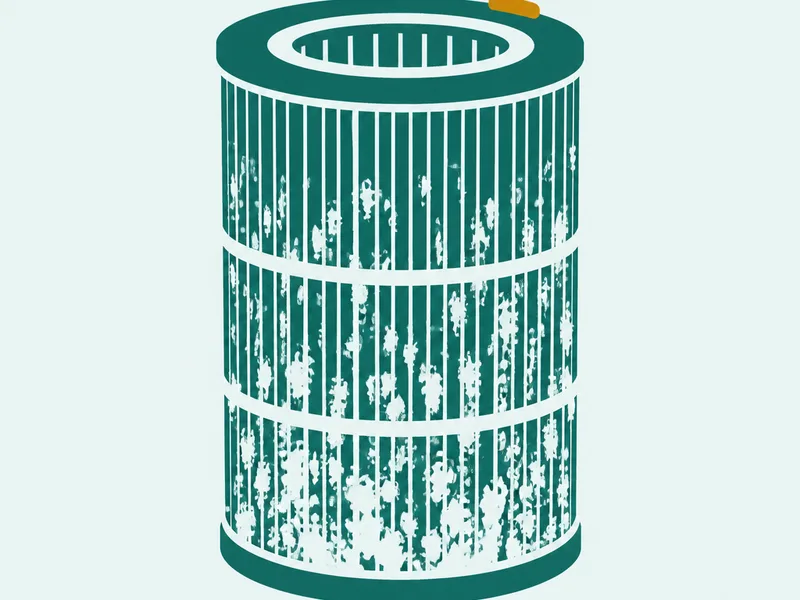
Filter cartridges are consumed rapidly by metal-laden silt and oily residue. Budget for replacement every two months and keep spare cartridges in stock. Consider upgrading to a larger filter or multi-stage filtration if budget permits, as standard single-cartridge systems become bottlenecks here.
-
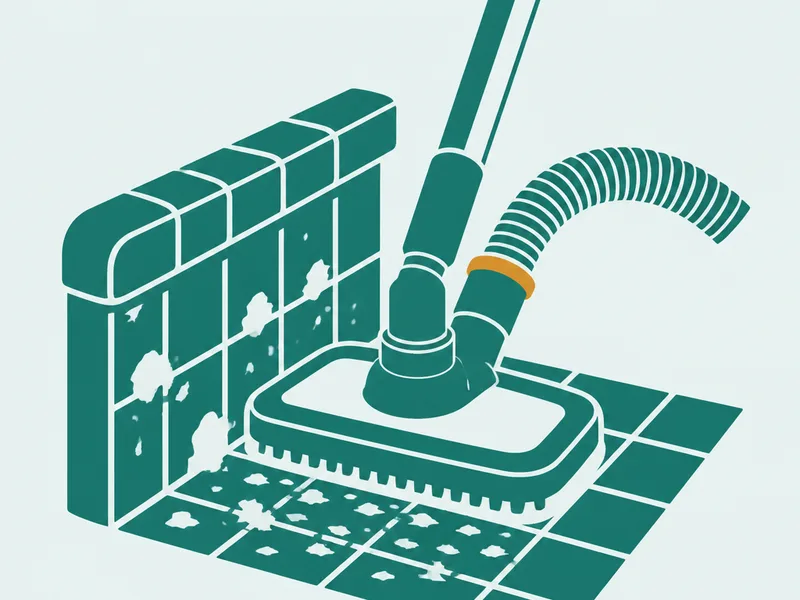
Chemistry imbalance damages pool surfaces
Chemistry imbalance from dissolved metals requires chelation or precipitation agents alongside standard chlorination. Simple shock treatment does not address metal ions; specialist products designed for high-mineral-content water are necessary to maintain clarity.
-
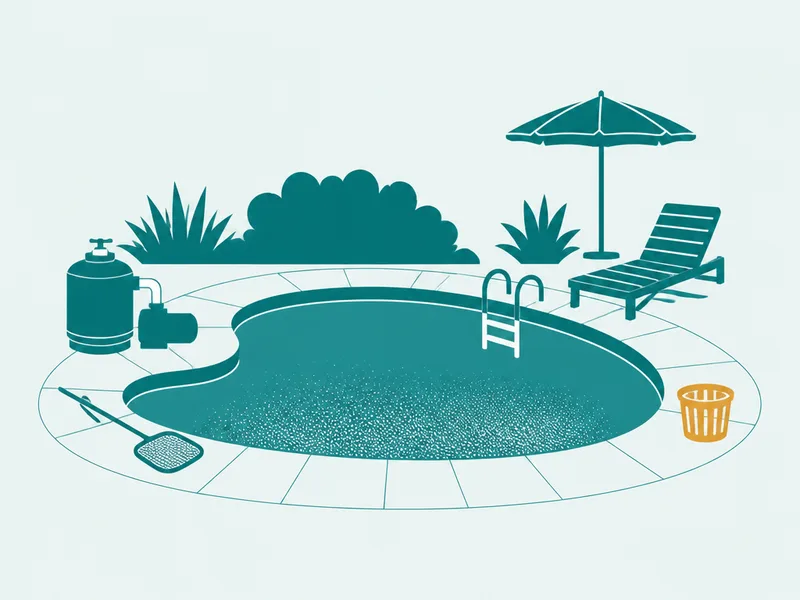
Floor sediment clouds the water
Sediment on the pool floor is metallic, abrasive and heavy. Vacuuming twice weekly is mandatory to prevent scratching of lighter tiles. The residue must be disposed carefully as it contains heavy metal particles unsuitable for standard drainage without pretreatment.
What every pool service visit covers
-
Inspecting the pool condition
-
Skimming floating debris from surface
-
Brushing walls and pool steps
-
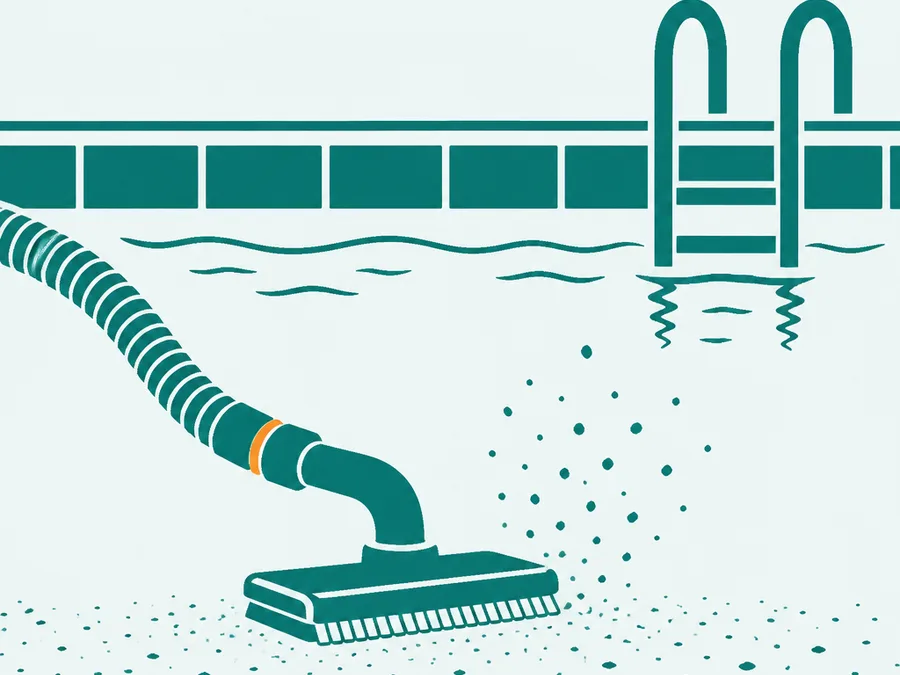
Vacuuming sediment from pool floor
-
Cleaning and backwashing water filter
-
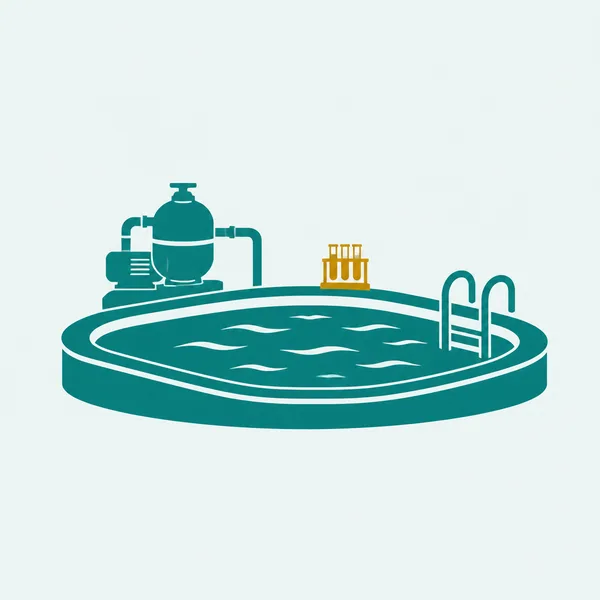
Testing pool water chemistry
-
Dosing pool with treatment chemicals
-
Rinsing the surrounding pool deck
How a pool cleaning visit runs
-
Inspect and assess condition
-
Clean surfaces and floor
-
Service the filter
-
Test water and balance chemistry
What changes about swimming pool cleaning in Al Mustaqbal
Tap water at pool fill-up requires pre-testing for iron, zinc and copper; municipal water here reads above safe thresholds for direct pool use compared to other districts. For the whole method, see what swimming pool cleaning involves.
-
The first reason
Industrial metals enter the pool from air and water source
Iron filings, zinc oxide and copper dust from nearby factories and port operations settle into the pool directly from air and dissolve in tap water used to top up the basin. The pool water develops a metallic taste and a dull brownish tint despite adequate chlorine and clear visibility.
-
The second reason
Salt spray and humidity accelerate metal corrosion
Sea salt from the port zone combines with industrial salt aerosol and humidity to create a corrosive environment that attacks pool equipment faster than any other Jeddah setting. Copper fittings oxidise to green within two years; iron components rust within eighteen months; even stainless fasteners pit and discolour. Filter housings fail in two to three years instead of five. Protective coatings require reapplication yearly, and metal component replacement schedules must accelerate significantly to avoid unexpected equipment failure.
-
The third reason
Diesel soot and complex industrial residue clog filters rapidly
The grey-black dust settling on all surfaces contains not only soot but fine metal particles, unburned oil, and industrial byproducts from manufacturing processes. This mixture is heavier and stickier than sand or simple traffic dust; it clogs filter media to capacity in five to seven days instead of a month.
Landmarks of Al Mustaqbal
Al Mustaqbal takes its name from Al Mustaqbal Hospital, a landmark near the district's centre, accessible via University Road from the east and King Khalid Road from the west. The established location in south Jeddah means proximity to ongoing industrial and port activity that defines water quality challenges.
- University Road
- King Khalid Road
- Al Mustaqbal Hospital
What the pool looks like after the visit
Water within correct chemistry range
pH, alkalinity, and sanitiser levels are tested and adjusted during the visit.
Walls and floor visibly clean
Brushed walls and a vacuumed floor leave no algae film, no sediment layer, and no debris settled at the drain or on the steps.
Filter running at rated flow
The backwashed filter discharges freely and the pressure gauge reads within its normal operating band.
What our customers said
«شغلهم ما شاء الله، أنصح الجميع بالتعامل معهم. عن تجربة وثقة.»
«أفضل شركة تنظيف بالبخار. أسعارهم ممتازة وشغلهم مرة كويس.»
«خدمة ممتازة.»
«ممتازين.»
Some of our work
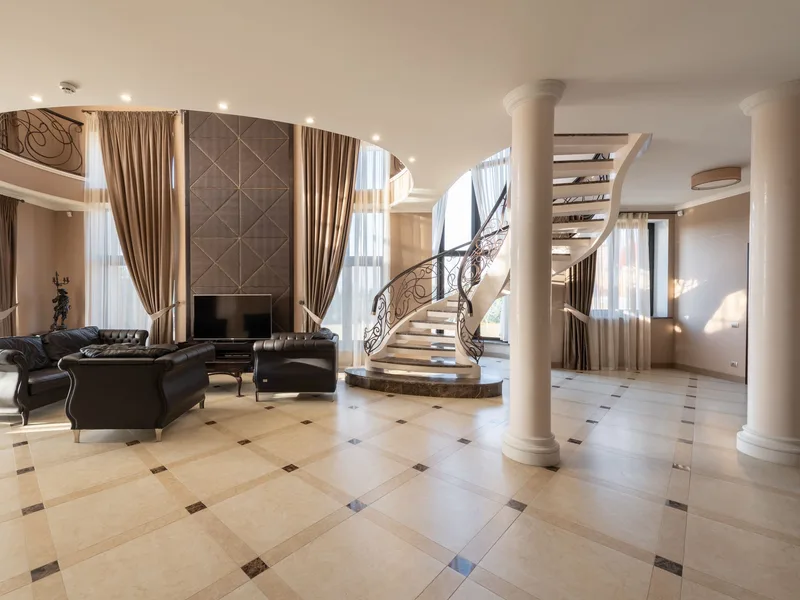
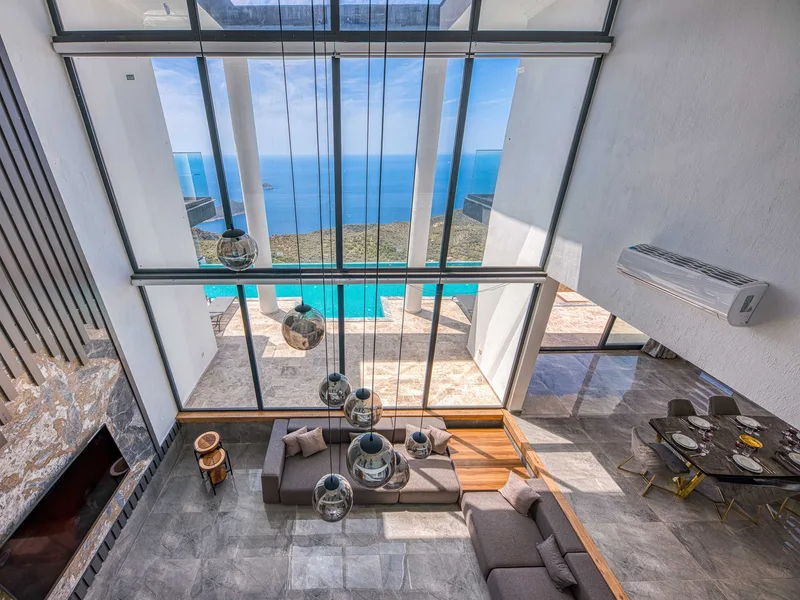
Illustrative photographs. Our own job photographs go here as soon as the client approves them.
What is different about South Jeddah
South Jeddah is the working end of the city: the Islamic Port, the industrial city with its warehouses and workshops, and behind them older low rise districts such as Ghulail and Al Khumrah. The roads are built for lorries, and port and factory traffic runs through the night, so the dust that settles here is grey with diesel and metal filings rather than pale sand. Buildings are mostly older concrete with flat roofs and open stairwells that collect it. Sea humidity keeps it damp, and in summer it sets hard on ledges and cladding.
Nearby districts we cover
Questions worth asking first
Not without pre-treatment. Water leaving local taps carries dissolved iron, zinc and other metals at concentrations above safe limits for direct pool use. A metals panel test is essential before any fill. Allowing tap water to settle overnight in a separate tank before pool entry, or fitting a sand filter to the fill line, removes coarser particles; however, dissolved metals require chelation chemistry added after fill is complete.
Dissolved metal ions do not oxidise away when chlorine is added; chlorine may actually worsen metallic taste by oxidising iron compounds, making them more bitter. A metals-specific chelating agent must be dosed separately to bind and precipitate the metals, allowing them to settle and be vacuumed, rather than remaining suspended.
Every two months instead of the typical four to six months. Metal-rich industrial dust and oily soot compact into the filter media and resist backwash. A second backwash or manual cleaning of cartridges extends life slightly, but replacement is still more frequent and cartridge costs are higher than standard pool maintenance.
Yes, considerably. A marine-grade epoxy or polyester coating applied annually to exposed metal fittings, bolts, and hardware reduces rust significantly. However, stainless steel still requires inspection yearly because pitting can initiate despite coatings. Budget for component replacement every two to three years for items like ladder feet and pump mounting bolts, versus five years elsewhere.
Yes, typically mid-season or after heavy rain. Dissolved salts and metals accumulate faster here than in other pools. A partial drain of thirty to fifty percent and top-up with fresh treated water reduces dissolved solids concentration and improves water feel and chemistry stability significantly. Full drain is wasteful; partial replacement every four to six months suffices.
Yes, at least once annually or after any significant operational change. On-site test kits measure chlorine and pH adequately, but heavy metal analysis requires lab equipment. A certified water analysis identifies metal concentrations, salinity levels and bacterial load, helping predict maintenance timing and intervention requirements accurately.
It is set after we see the job, because the price follows the kind of work, the size of the space, its condition and the time and materials it needs. Send a photo and a short description on WhatsApp and we will give you an estimate before we reach Al Mustaqbal.
For a pool used regularly, a weekly service keeps algae and chemistry problems from building up.
No.
Other services in Al Mustaqbal
We also provide these services in Al Mustaqbal.
-
 Yacht cleaning in Al Mustaqbal
-
 Carpet and rug cleaning in Al Mustaqbal
-
 Curtain cleaning in Al Mustaqbal
-
 Mattress cleaning
-
 Sofa cleaning in Al Mustaqbal
-
 House cleaning in Al Mustaqbal
-
 Apartment cleaning in Al Mustaqbal
-
 Villa cleaning in Al Mustaqbal
-
 Majlis and rest-house cleaning in Al Mustaqbal
-
 Chalet cleaning in Al Mustaqbal
-
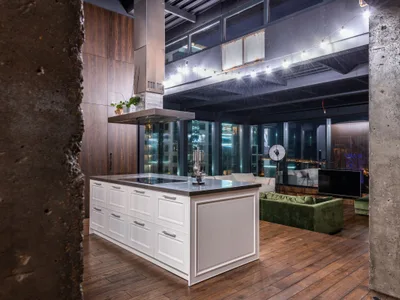 Kitchen cleaning in Al Mustaqbal
-
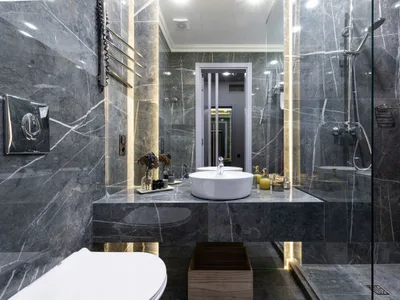 Bathroom cleaning in Al Mustaqbal
-
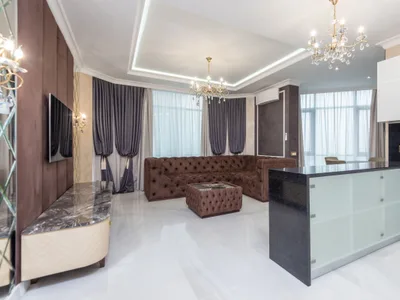 Chandelier cleaning in Al Mustaqbal
-
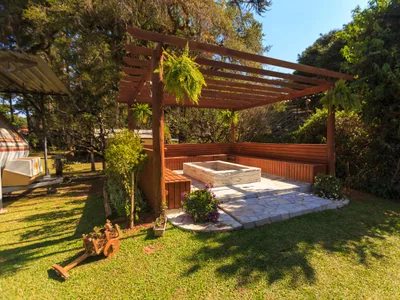 Garden clearance in Al Mustaqbal
-
 Water tank cleaning and sterilising in Al Mustaqbal
-
 Water tank waterproofing in Al Mustaqbal
-
 Full deep clean in Al Mustaqbal
-
 Move in and move out cleaning in Al Mustaqbal
-
 Post-construction cleaning in Al Mustaqbal
-
 Disinfection and sanitising in Al Mustaqbal
-
 Pest control in Al Mustaqbal
-
 Bed bug treatment
-
 Office cleaning
-
 Restaurant cleaning
-
 Hotel and resort cleaning
-
 Shopping centre cleaning
-
 Retail cleaning
-
 School cleaning
-
 Nursery and kindergarten cleaning
-
 Hospital cleaning
-
 Clinic and health-centre cleaning
-
 Mosque cleaning
-
 Government facility cleaning
-
 Gym cleaning
-
 Sports ground cleaning
-
 Factory and warehouse cleaning
-
 Event cleaning
-
 Commercial post-construction cleaning
-
 Building facade cleaning
-
 Air duct and HVAC cleaning
-
 Marble grinding and crystal polishing
-
 Commercial pest control