
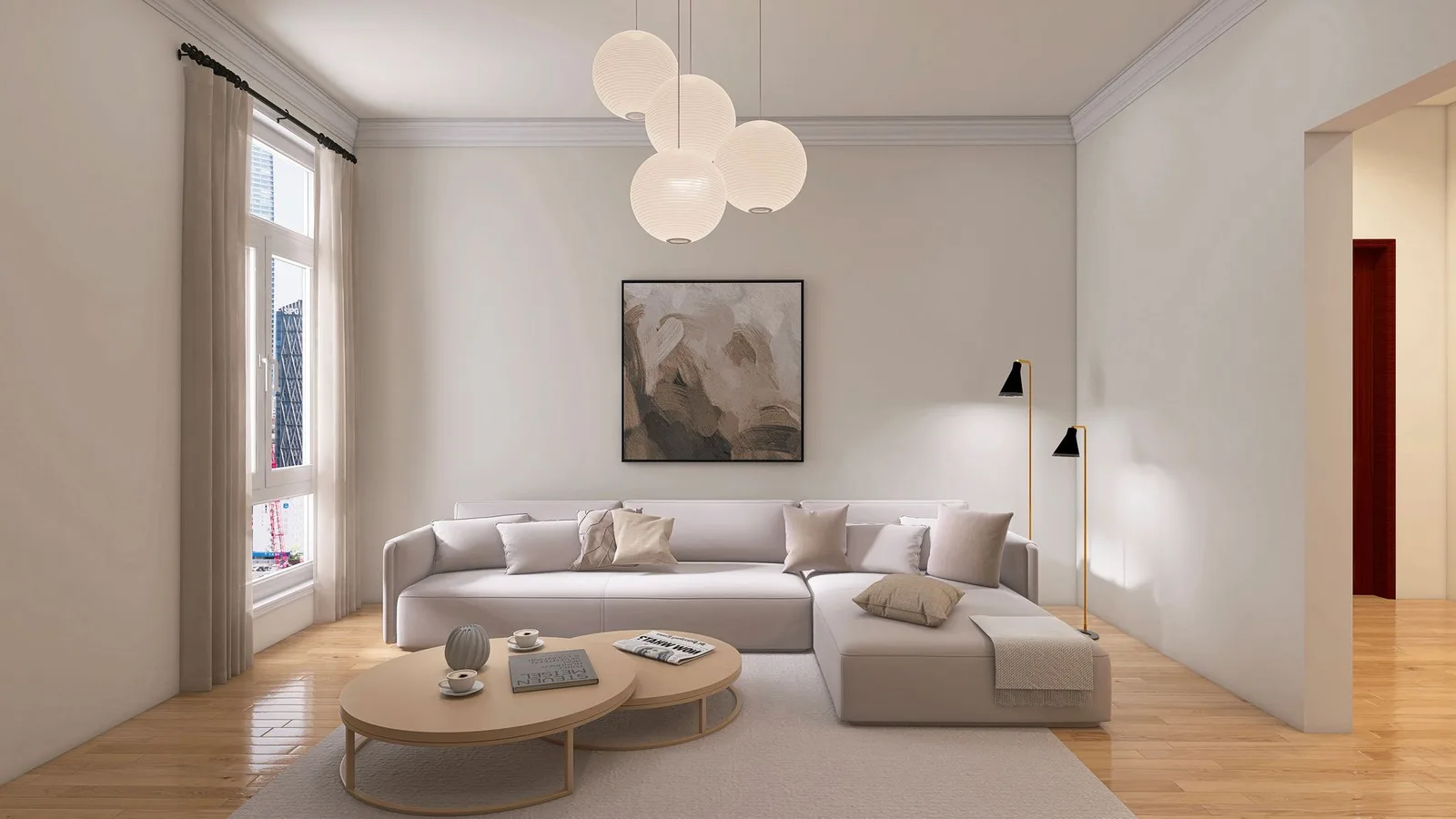
Majlis and rest-house cleaning in Al Mazloom, Jeddah
Al Mazloom is one of the four historic quarters inside the old walled city of Jeddah. Its buildings are built of dressed stone in the traditional roshan style, the streets are narrow and densely packed, and majlis rooms hold decades of trapped moisture and stale odours. Dust entering here mingles with engine soot from the confined streets, creating a unique soiling challenge.
- Carpets, cushions, curtains included
- Hot-water extraction through padding
- Suited to floor seating rooms
- No residual odour left behind
Why majlis rooms need more than a surface clean
The quarter lies within the historic Al Balad, its buildings clustered tightly together with small windows designed for heat protection, and moisture clings persistently to old stone and timber, limiting air circulation drastically.
-
Receiving guests on short notice
Majlis rooms in Al Mazloom receive small gatherings more often than large formal receptions, but family visits demand deep cleaning before each occasion to maintain dignity.
-
Post-Ramadan and Eid reset
After Ramadan and Eid, breath and body moisture penetrate heavy textiles in these confined spaces; complete deep cleaning ensures every fibre dries and odour clears fully.
-
Coastal humidity and fabric odour
Light sea salt moisture from the nearby shoreline deposits fine crystals on fabrics; specialist cleaning removes these deposits completely without allowing them to set as they dry.
-
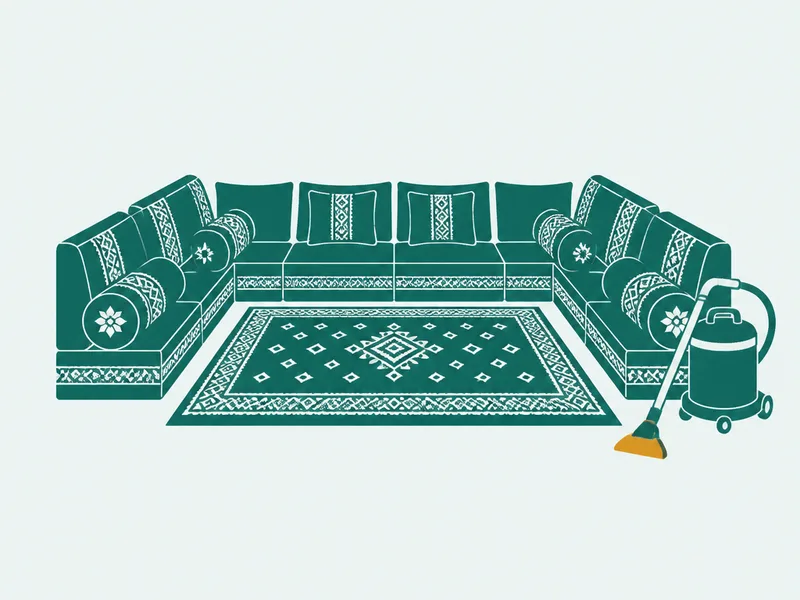
Extending the life of costly textiles
Children in the old quarter risk allergies from trapped moisture and stale air; regular cleaning removes the odours and humid conditions that trigger respiratory sensitivity.
What is included in every visit
-
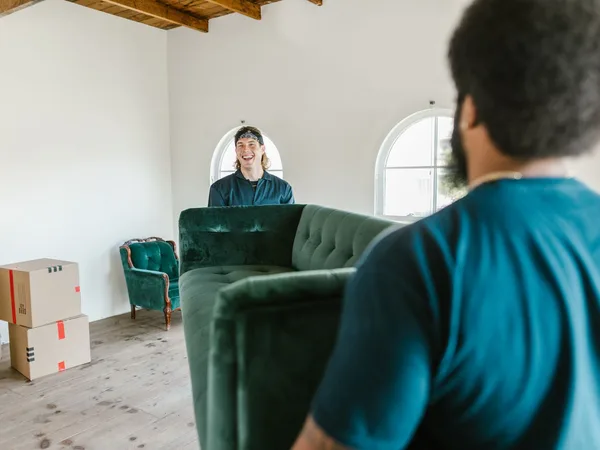
Majlis furniture moved aside
-
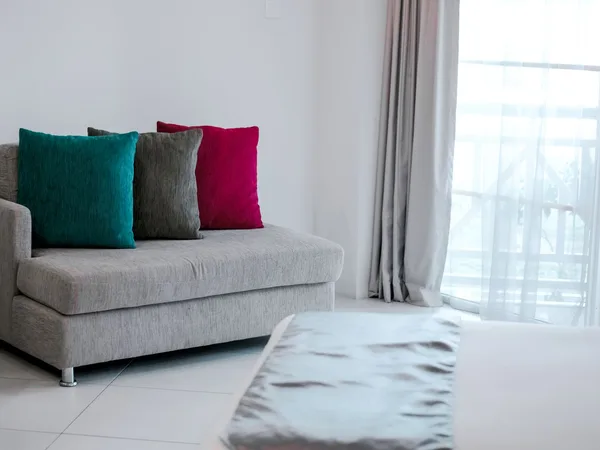
Sitting cushions beaten and dusted
-
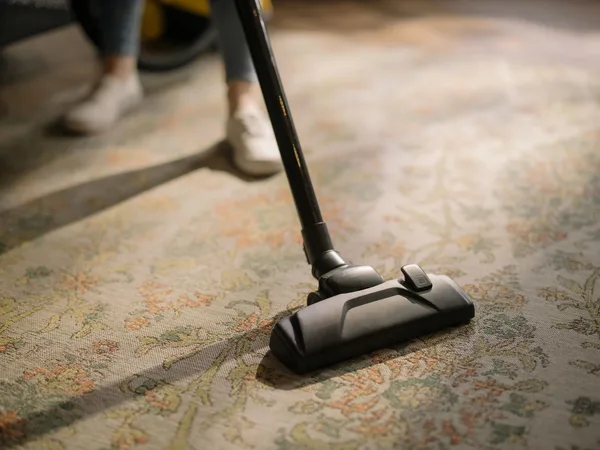
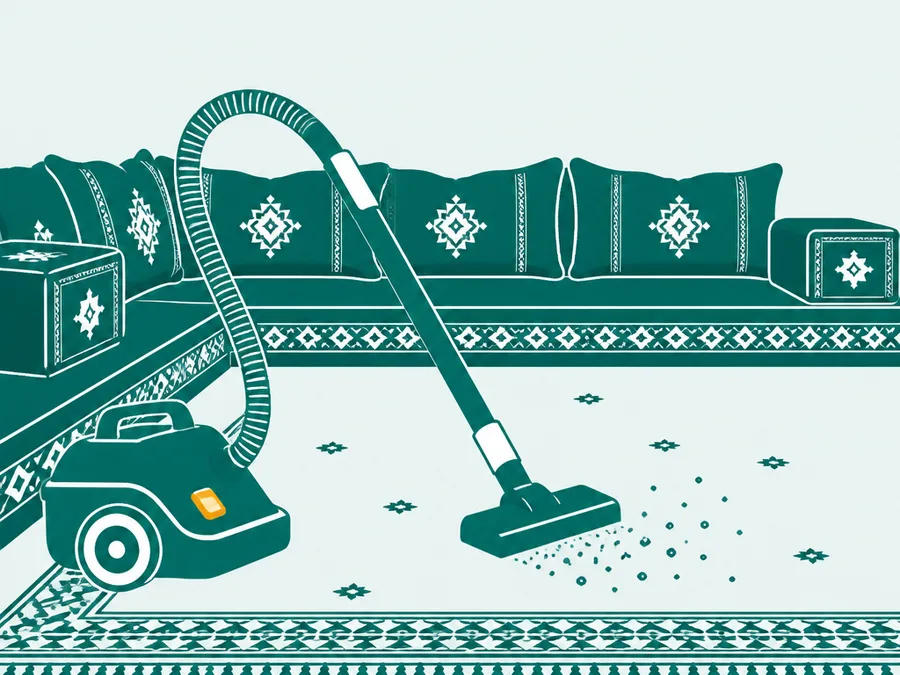
Carpets and rugs vacuumed
-
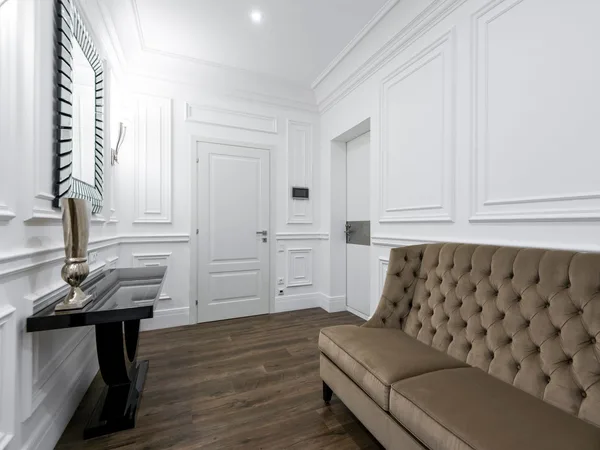
Walls and wooden panels wiped
-
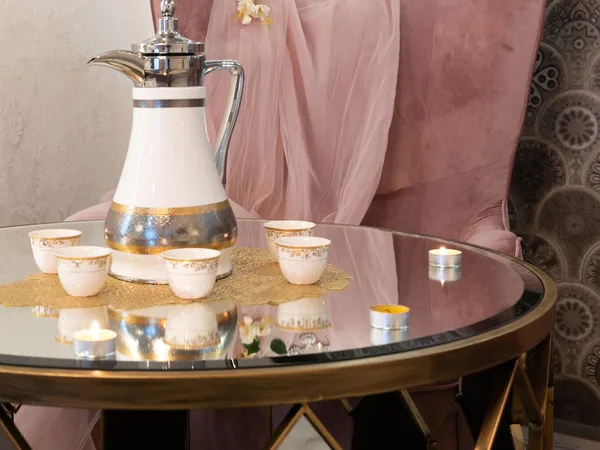
Coffee and incense corner cleaned
-
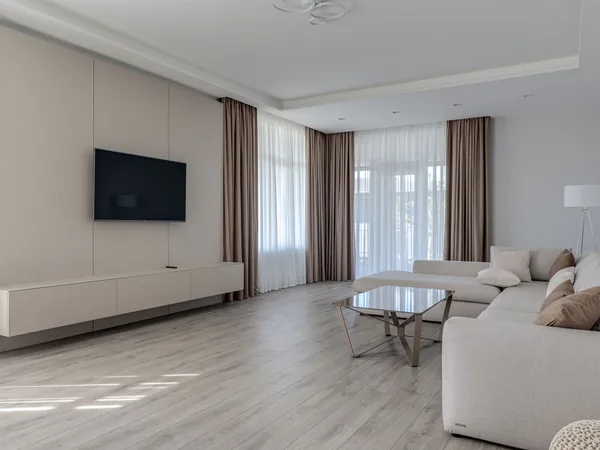
Curtains shaken and dusted
-
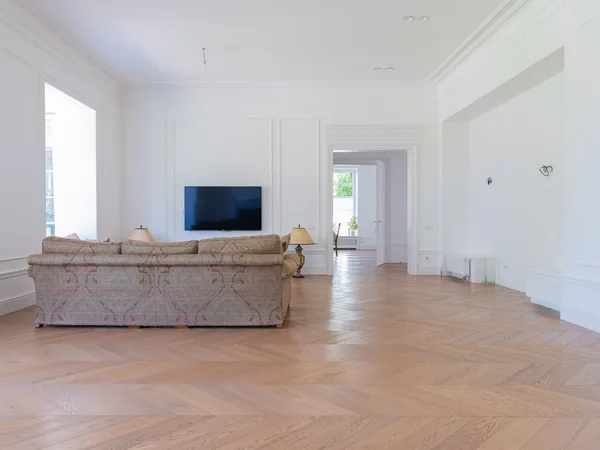
Majlis floor mopped throughout
-
Furniture returned to original place
How a typical job runs
-
Walkthrough and assessment
-
Furniture clearing and dry work
-
Floor and spot cleaning
-
Return and final check
What changes about majlis and rest-house cleaning in Al Mazloom
Stale odours from damp old stone and timber return quickly after cleaning because the buildings themselves retain moisture and trapped air from past decades. For the whole method, see majlis and rest-house cleaning in detail.
-
The first reason
Ancient stone and timber fabric absorbs odour deeply
Al Mazloom buildings are of natural brown stone and carved roshan woodwork, materials that absorb moisture readily and cling to stale odours with remarkable persistence. When you clean the majlis, the stone walls themselves may release fresh trapped odours as they dry.
-
The second reason
Engine soot here differs from ordinary desert dust
Narrow streets around Al Mazloom carry heavy vehicle traffic, and exhaust deposits as a greasy dark film on facades and windows. This oily soot enters the majlis and binds to fabrics in a way that differs fundamentally from dry sandy dust found elsewhere.
-
The third reason
Small windows restrict air flow and trap dampness
Historic majlis rooms in Al Mazloom have tiny windows designed to exclude summer heat, but this means high humidity and poor air renewal. Cushions and drapes remain damp and develop stale odours far more quickly than in well-ventilated modern spaces.
The character of Al Mazloom
Historic district: close-set buildings, narrow lanes and ageing services
Old Al Mazloom buildings retain moisture and odour deep within stone and timber structures. Cleaning must address this entrenched accumulation, not merely surface textiles.
What the room looks like after
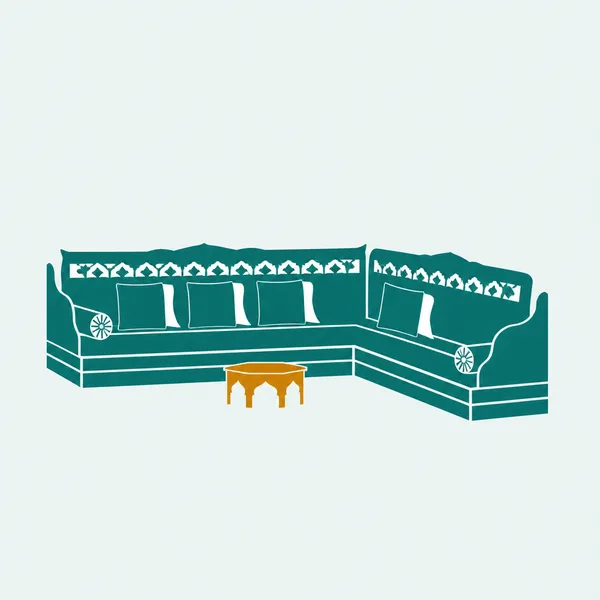
Cushions firm and odour-free
The sitting cushions have been beaten, extracted, and left to air fully.
Rugs and floor clear of grit
Carpets and floor rugs have been vacuumed and spot-treated where needed.

Curtains and walls dust-free
Curtain heads, wall panels, and upper surfaces have been wiped and dusted.
What our customers said
«شغلهم ما شاء الله، أنصح الجميع بالتعامل معهم. عن تجربة وثقة.»
«أفضل شركة تنظيف بالبخار. أسعارهم ممتازة وشغلهم مرة كويس.»
«خدمة ممتازة.»
«ممتازين.»
Some of our work
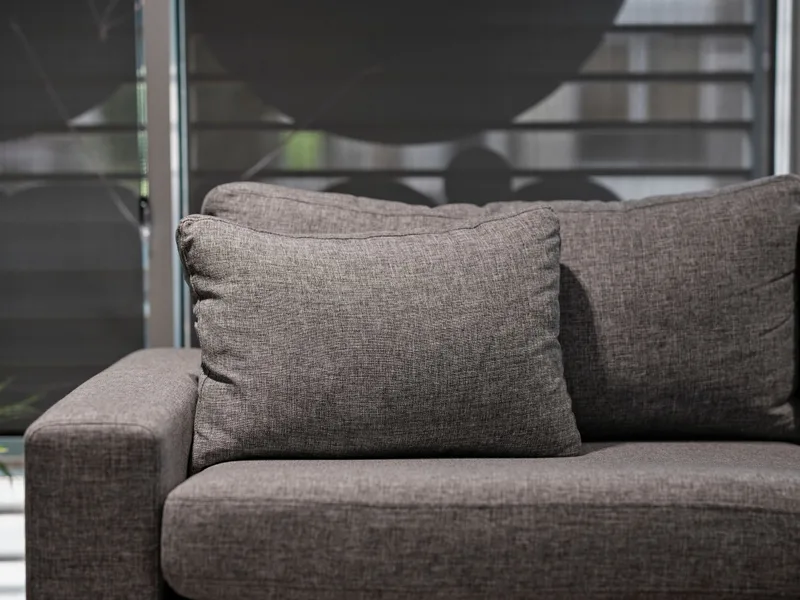
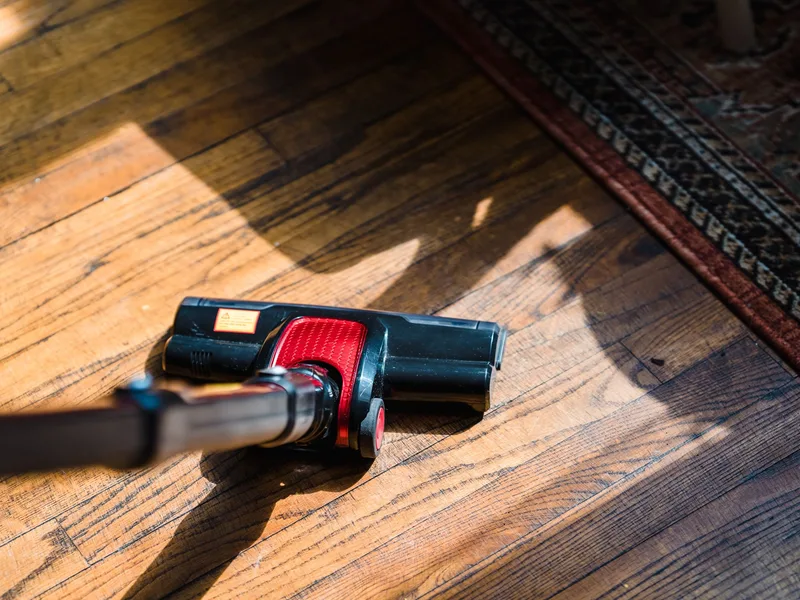
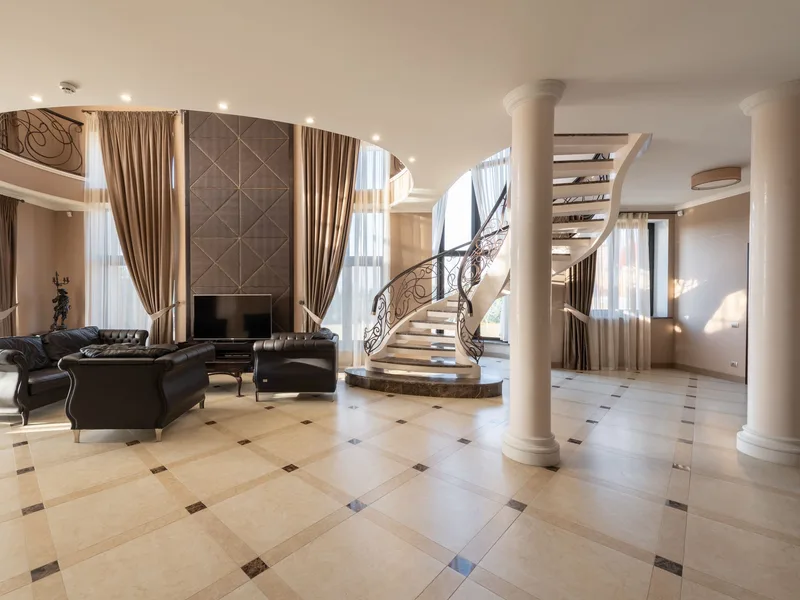
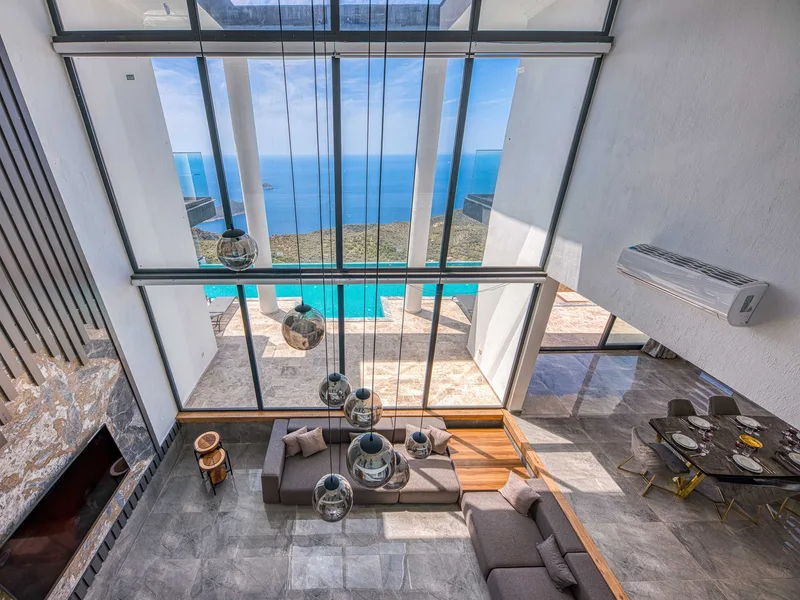
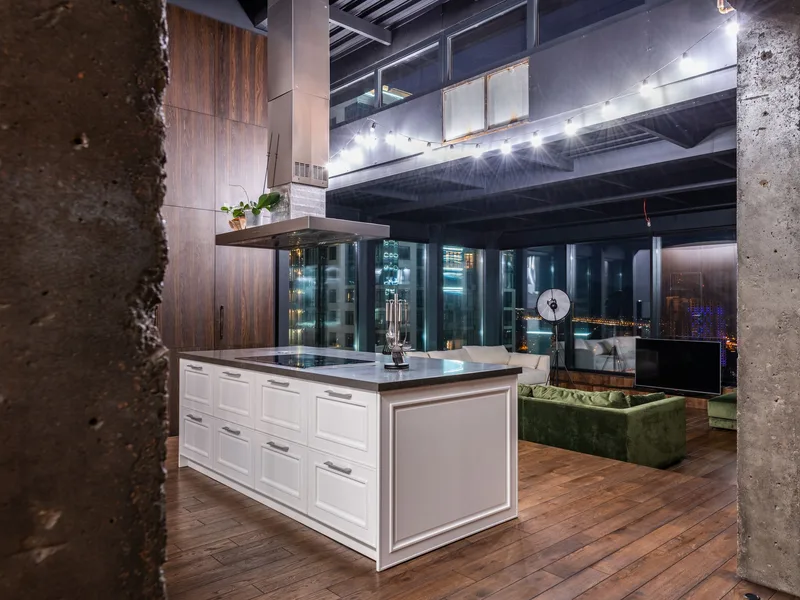
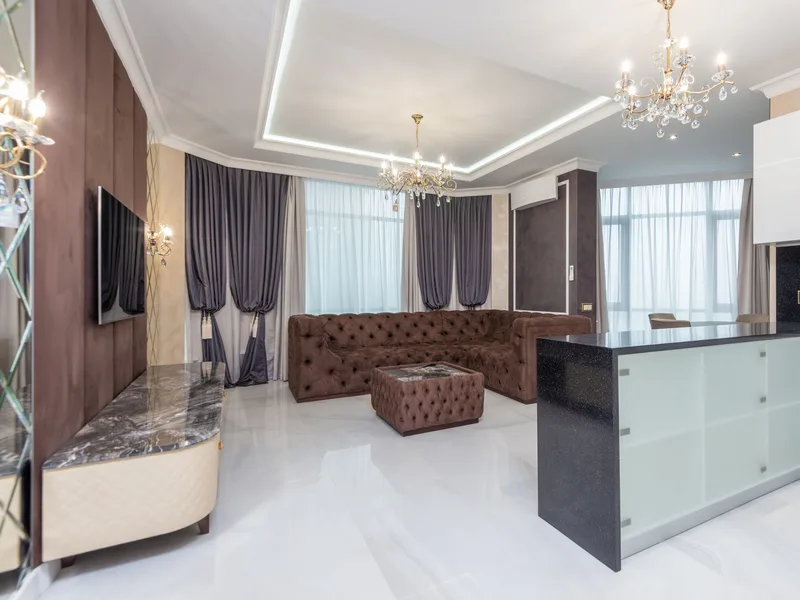
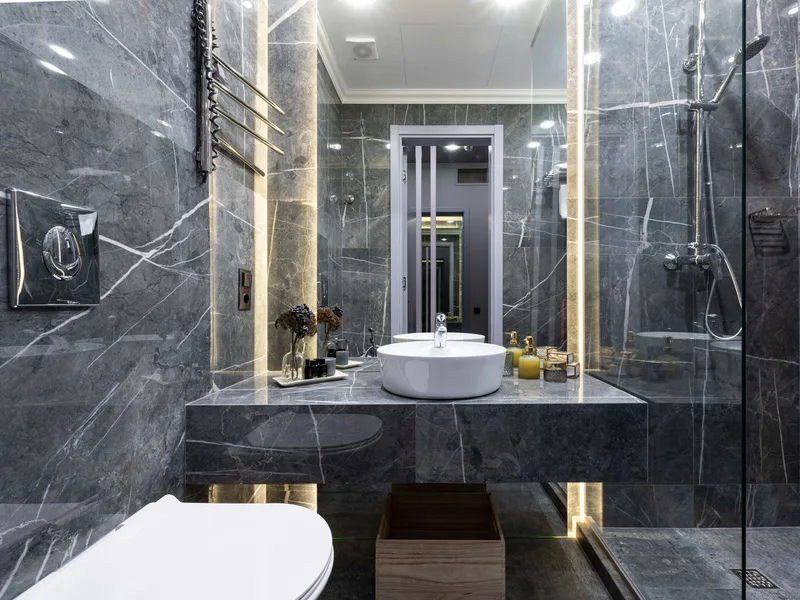
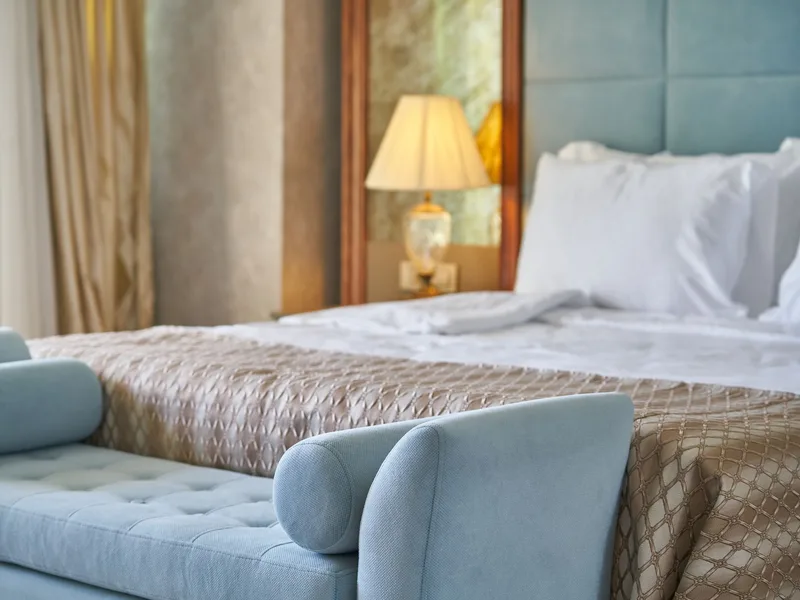
Illustrative photographs. Our own job photographs go here as soon as the client approves them.
What is different about Central Jeddah
Central Jeddah is the densest part of the city. Around the historic core of Al Balad the streets are narrow, the blocks are old, and most buildings have shops at ground level with flats above, so stairwells open onto markets and workshops. The main arteries, Madinah Road, King Fahd Road and Palestine Street, carry the heaviest traffic in Jeddah, and their exhaust leaves a dark, greasy soot unlike the dry sand of the outskirts. Old render holds it, summer heat bakes it on, and restoration work in the old quarter adds stone dust.
Questions worth asking first
Yes. The brown stone itself retains deep moisture, and as it dries after cleaning it may release trapped odours again. Good ventilation immediately after cleaning helps reduce this effect considerably.
Soot clings tightly to fibres and does not lift with dusting. When textiles dry after cleaning, faint oily residue may remain on seams and edges, and these marks can be difficult to remove completely.
Historic quarters need more frequent cleaning than new developments, ideally every two to three months, and especially during the hot summer season when humidity peaks.
Deep cleaning reduces odours substantially, but aged stone may release faint smells again when moisture returns. Continuous ventilation and regular cleaning maintain fresh air most effectively.
Heritage furniture and antique objects require special care. We use products gentle on old wood and carved details, avoiding harsh scrubbing that could damage delicate surfaces or finishes.
Opening windows is essential after cleaning. Even small openings allow fresh air to circulate, helping fabrics dry thoroughly and odours to dissipate more effectively.
It is set after we see the job, because the price follows the kind of work, the size of the space, its condition and the time and materials it needs. Send a photo and a short description on WhatsApp and we will give you an estimate before we reach Al Mazloom.
The time depends on room size and the volume of textiles involved.
No.
Other services in Al Mazloom
We also provide these services in Al Mazloom.
-
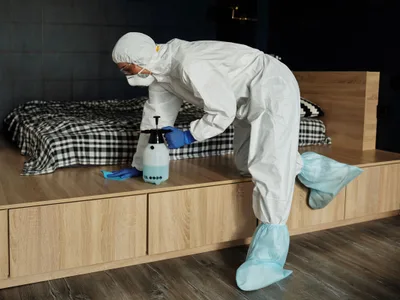 Bed bug treatment
-
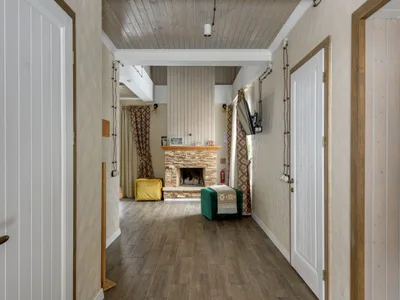 Chalet cleaning in Al Mazloom
-
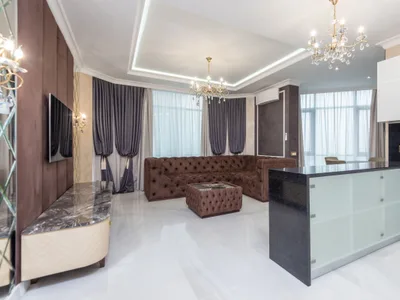 Chandelier cleaning
-
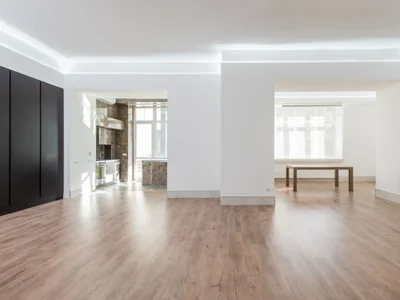 Full deep clean in Al Mazloom
-
 Sofa cleaning in Al Mazloom
-
 Carpet and rug cleaning in Al Mazloom
-
 Mattress cleaning in Al Mazloom
-
 Curtain cleaning in Al Mazloom
-
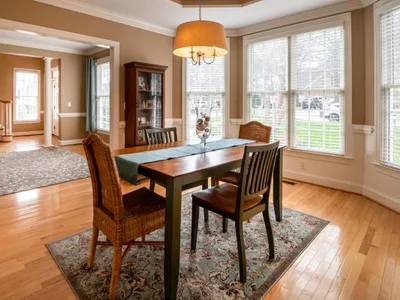 House cleaning in Al Mazloom
-
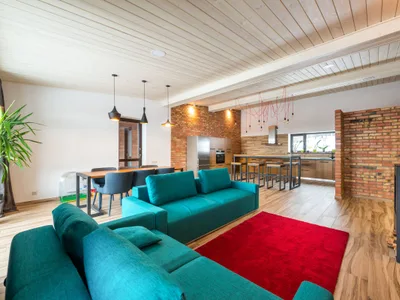 Apartment cleaning in Al Mazloom
-
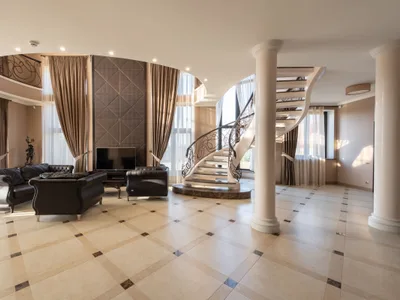 Villa cleaning in Al Mazloom
-
 Yacht cleaning in Al Mazloom
-
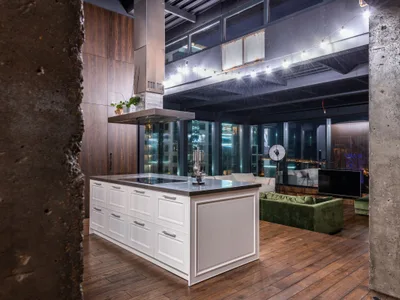 Kitchen cleaning in Al Mazloom
-
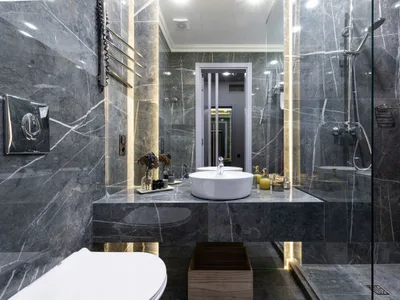 Bathroom cleaning in Al Mazloom
-
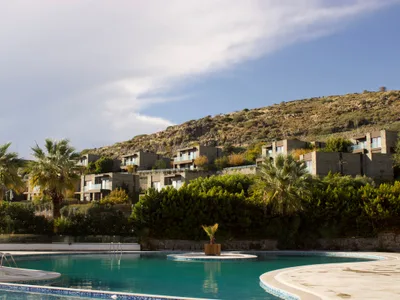 Swimming pool cleaning in Al Mazloom
-
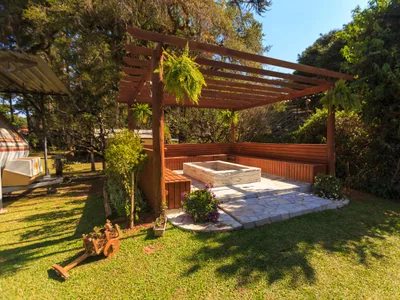 Garden clearance in Al Mazloom
-
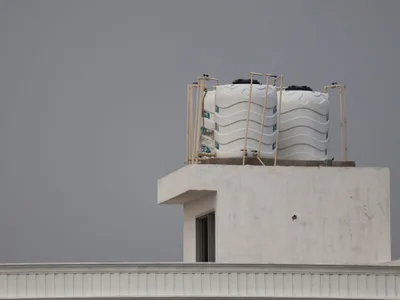 Water tank cleaning and sterilising in Al Mazloom
-
 Water tank waterproofing in Al Mazloom
-
 Move in and move out cleaning in Al Mazloom
-
 Post-construction cleaning in Al Mazloom
-
 Disinfection and sanitising
-
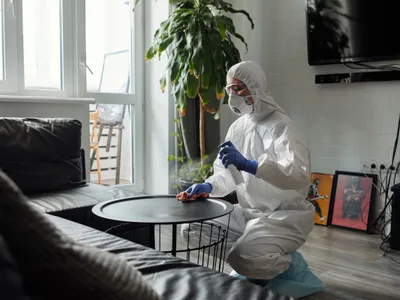 Pest control in Al Mazloom
-
 Office cleaning
-
 Restaurant cleaning
-
 Hotel and resort cleaning
-
 Shopping centre cleaning
-
 Retail cleaning
-
 School cleaning
-
 Nursery and kindergarten cleaning
-
 Hospital cleaning
-
 Clinic and health-centre cleaning
-
 Mosque cleaning
-
 Government facility cleaning
-
 Gym cleaning
-
 Sports ground cleaning
-
 Factory and warehouse cleaning
-
 Event cleaning
-
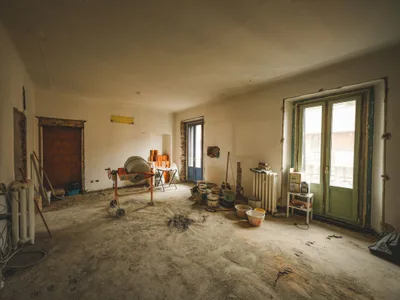 Commercial post-construction cleaning
-
 Building facade cleaning
-
 Air duct and HVAC cleaning
-
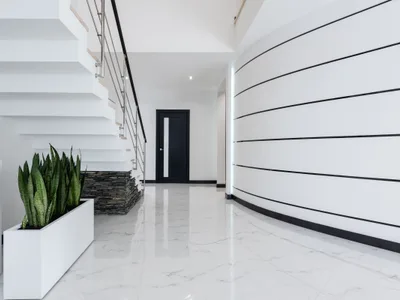 Marble grinding and crystal polishing
-
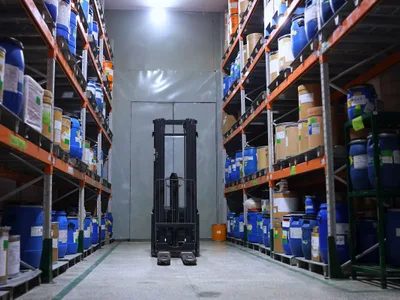 Commercial pest control