Gym cleaning in Historic Jeddah
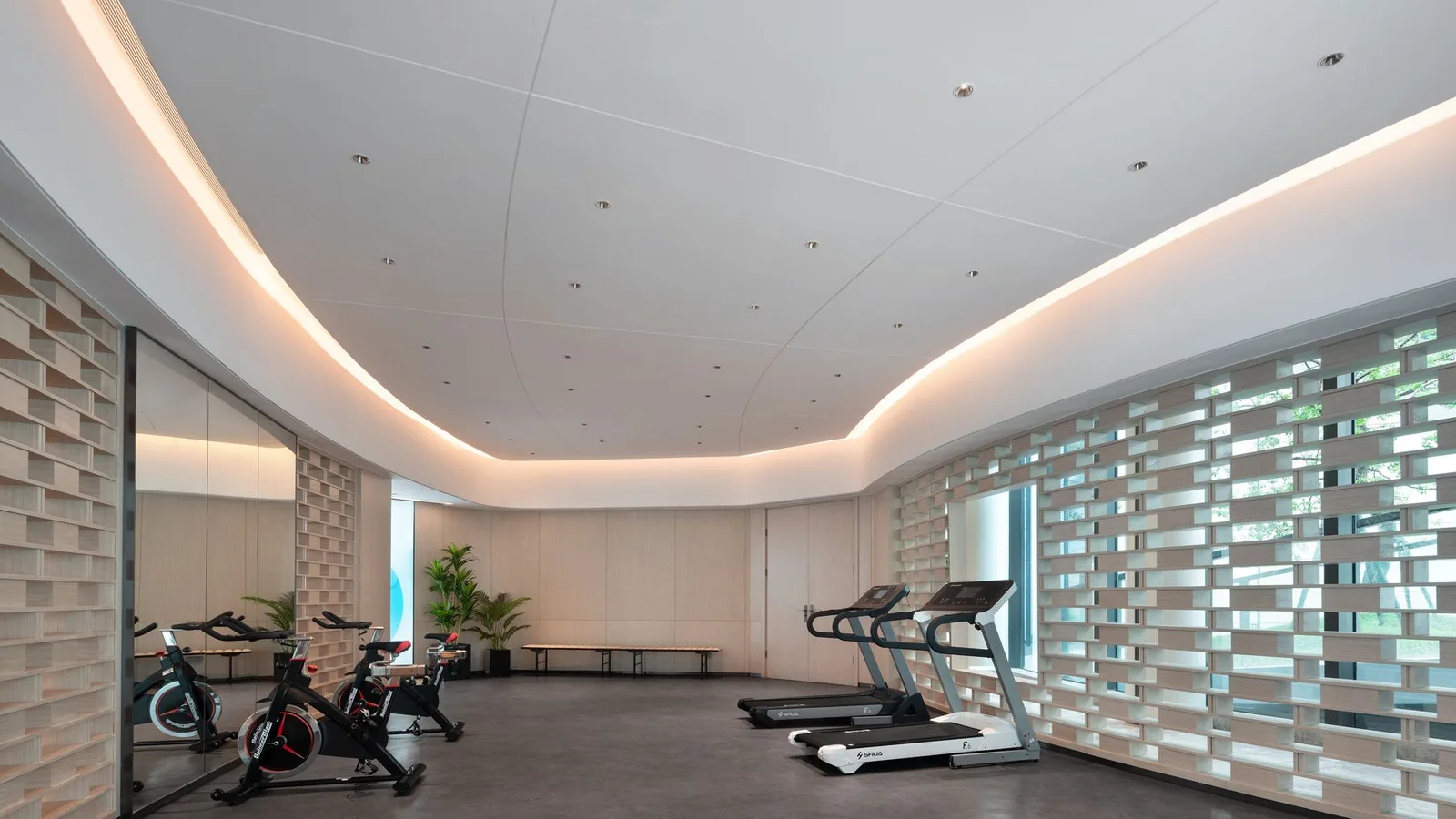
Gyms in the historic quarters of Jeddah attract many members daily, and metal equipment, stone floors and wet areas require specialised cleaning that removes sweat, salt residue and bacteria. The inherent dampness of centuries-old buildings means that moisture from exercise lingers in the air and on fabrics longer than in modern facilities.
- Equipment handles sanitized
- Rubber flooring deep-scrubbed
- Locker rooms fully cleaned
- Showers and restrooms serviced
Why gym hygiene matters beyond appearance
Historic stone and timber buildings in Al Balad have unique airflow patterns unlike modern facilities, affecting how quickly floors and equipment dry after cleaning and conditioning.
-
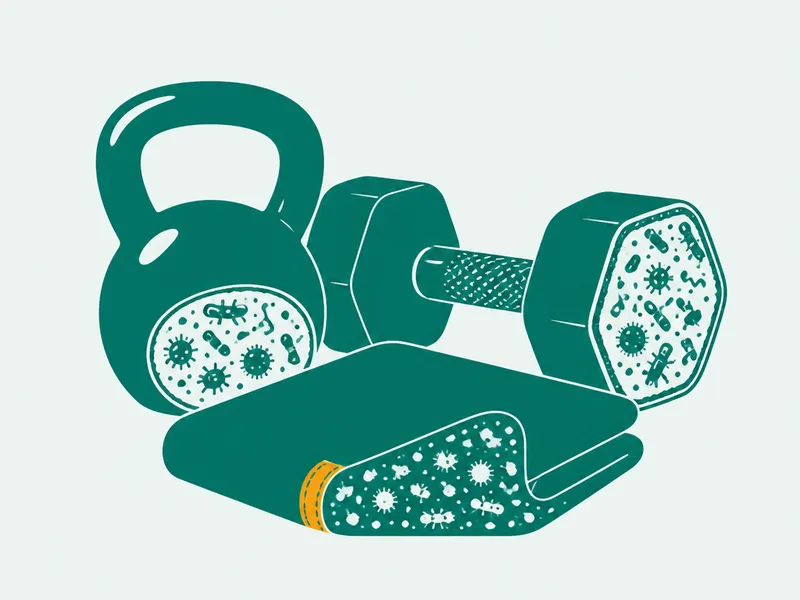
Member health and infection control
Moisture in heritage buildings creates ideal conditions for bacteria and mould, and cleaning focuses on complete moisture removal from pores and crevices.
-
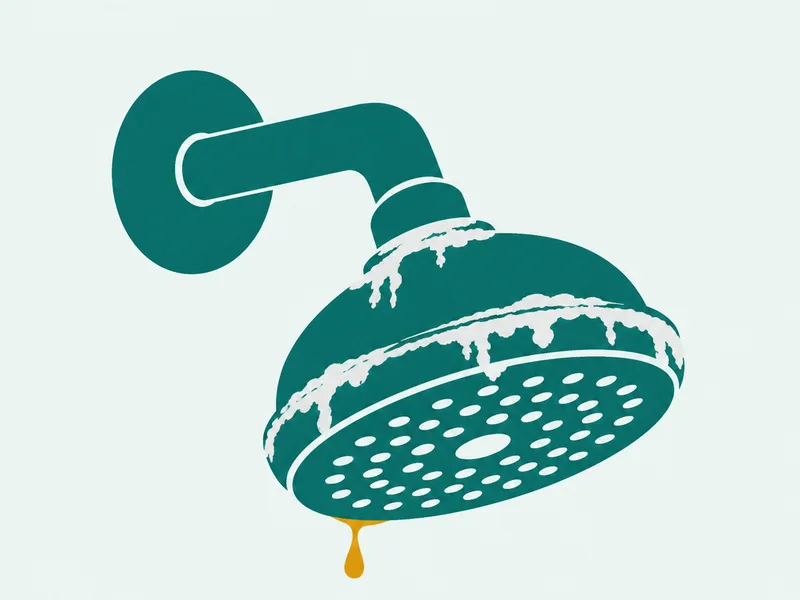
Locker rooms set the first impression
Metal equipment in old-town gyms is affected by salt and sweat faster, and regular cleaning preserves machines from oxidation and rust.
-
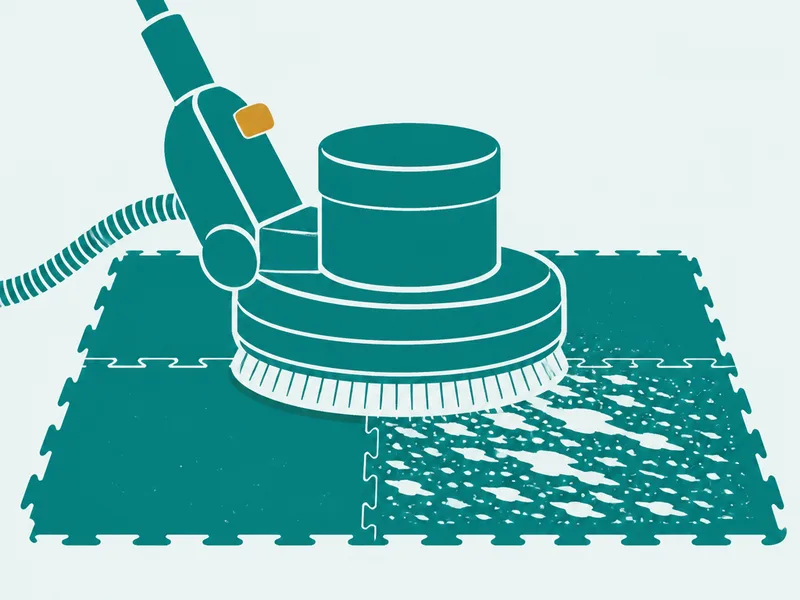
Rubber flooring needs more than sweeping
Changing and shower rooms in historic buildings need special attention because natural ventilation differs from modern facilities.
-
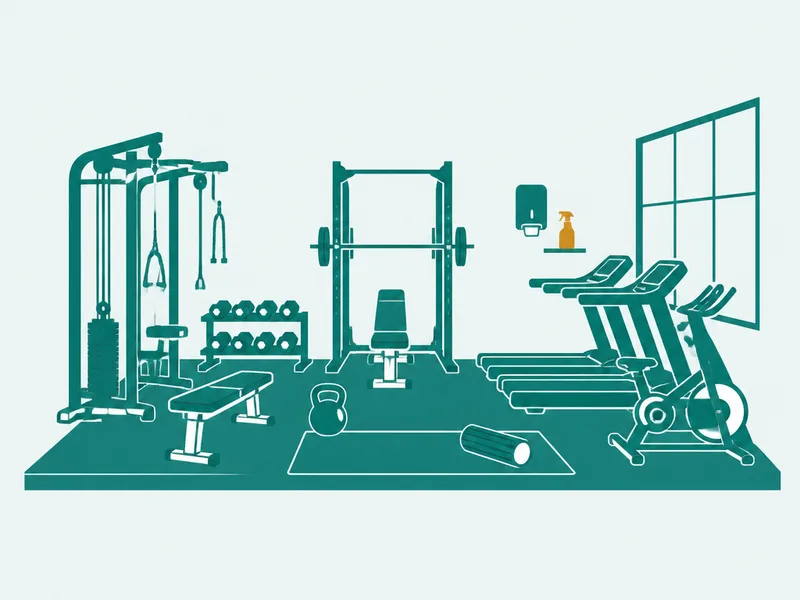
Inspection and compliance readiness
Odour in old gyms persists in the air and fabrics longer, so cleaning focuses on complete neutralisation rather than surface treatment.
What the service covers
-
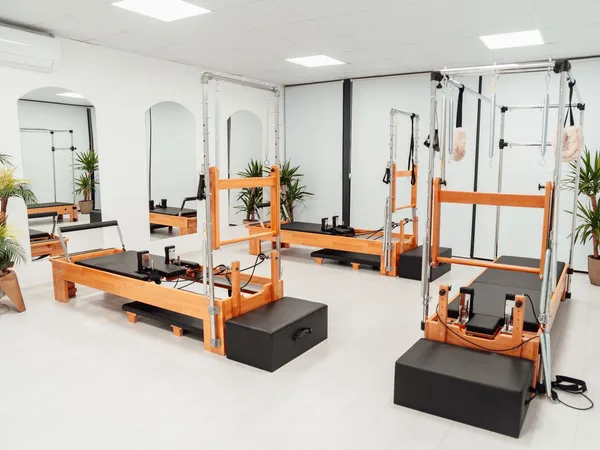
Wipe down exercise machines
-
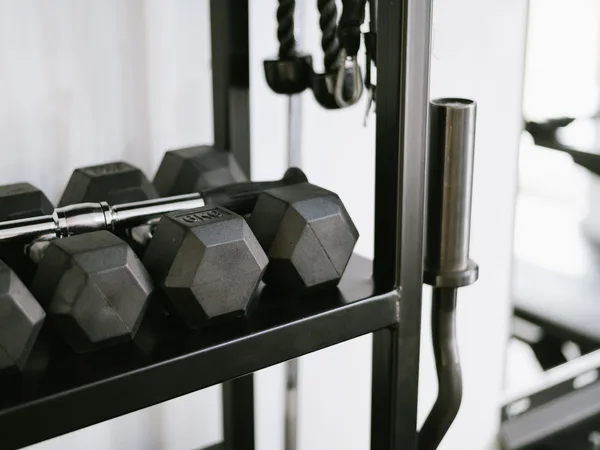
Clean weight racks and dumbbells
-
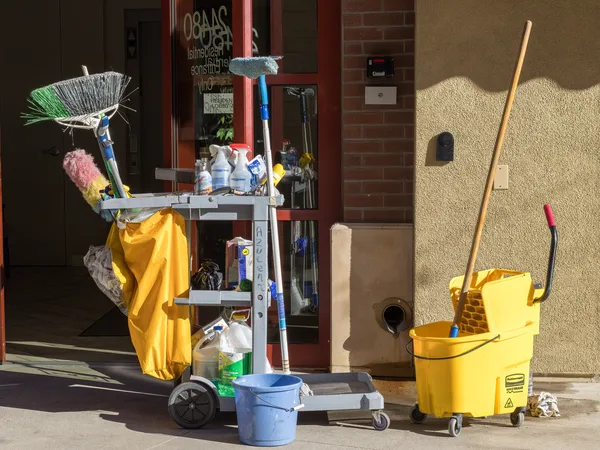
Sanitize equipment handles and seats
-
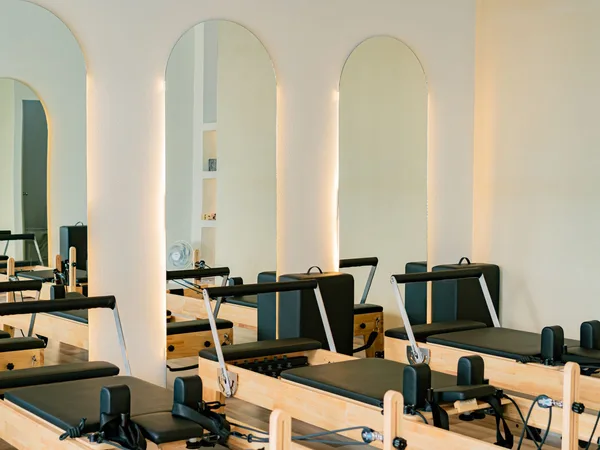
Polish wall-mounted mirrors
-
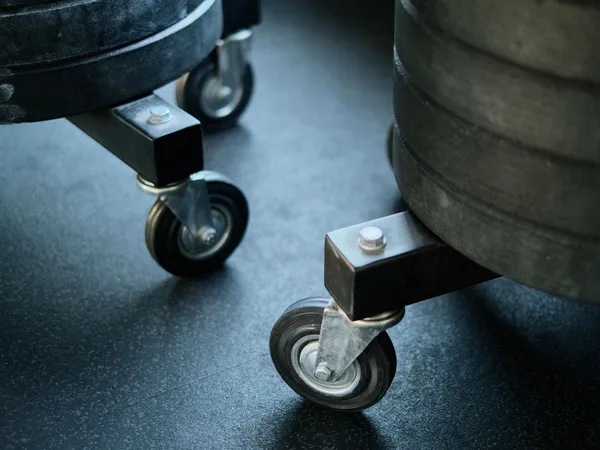
Scrub rubber flooring and mats
-
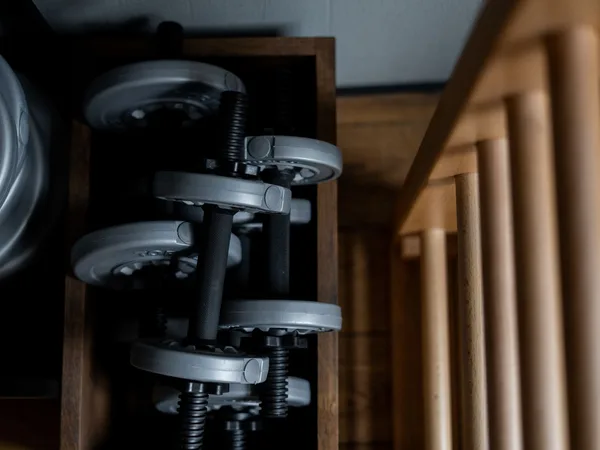
Clean locker and changing rooms
-
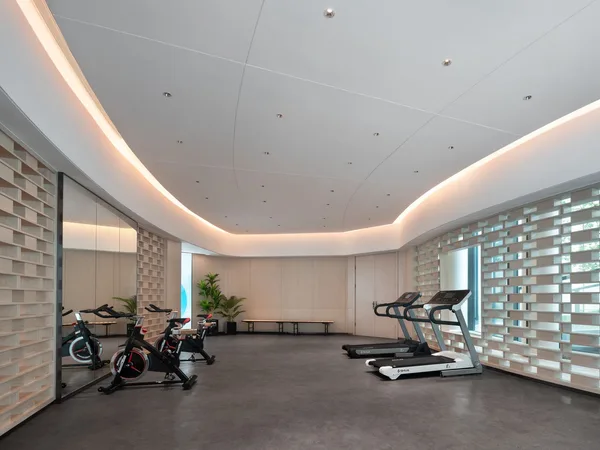
Scrub showers and restrooms
-
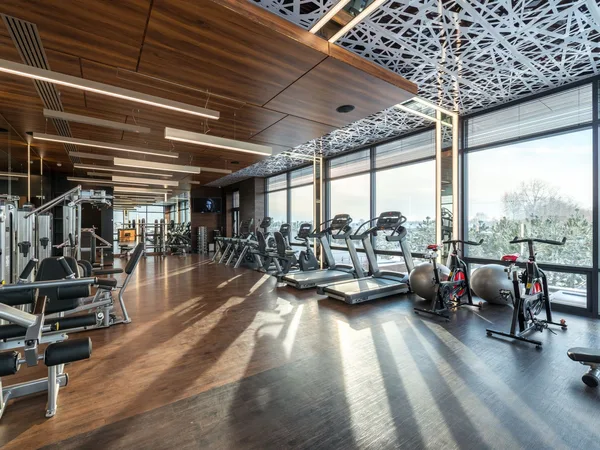
Empty trash bins throughout
How a gym cleaning visit works
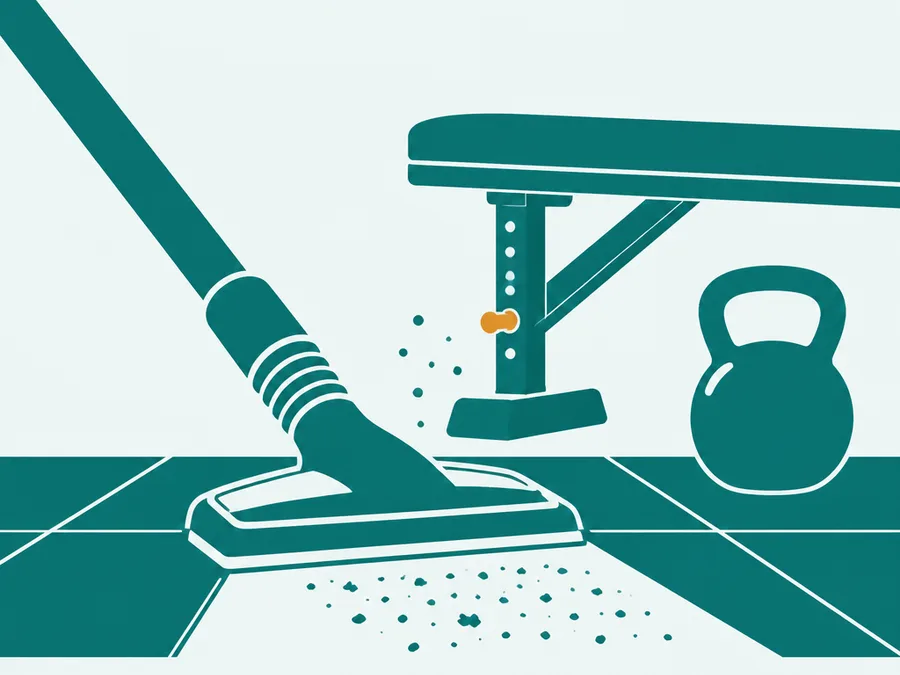
-
Site walkthrough and setup
-
Training floor and equipment
-
Locker rooms and wet areas
-
Final check and handover
What changes about gym cleaning in Historic Jeddah
Gyms in historic quarters see a blend of regular members and passing visitors, increasing the likelihood of odour transfer and moisture retention on shared equipment and floors. For the whole method, see how we approach gym cleaning.
-
The first reason
Metal equipment oxidises faster in Al Balad's damp conditions
Salt in sweat and humid air accelerate surface oxidation, and cleaning removes salt residue and crystallised perspiration before permanent marks form on machines.
-
The second reason
Stone floors absorb moisture and odour deep
Porous stone in century-old buildings holds moisture from workouts and sweat smell deep in the stone matrix. Deep cleaning extracts dampness from the pores and leaves floors dry and odour-free.
-
The third reason
Changing and shower areas need specialist attention
High-moisture zones in historic gyms create ideal conditions for mould and bacterial growth. Cleaning covers walls, floors and corners of these spaces to protect member health.
Landmarks of Historic Jeddah
In Historic Jeddah surrounded by old mosques and traditional markets such as Souk Al Alawi and Souk Al Nada, gyms sit within the dense fabric of Al Balad. The crew plans access based on the quarter, proximity to mosques, markets and narrow passages.
- Al Shafii Mosque
- Uthman ibn Affan Mosque
- Souk Al Alawi
- Souk Al Nada
What the facility looks like after
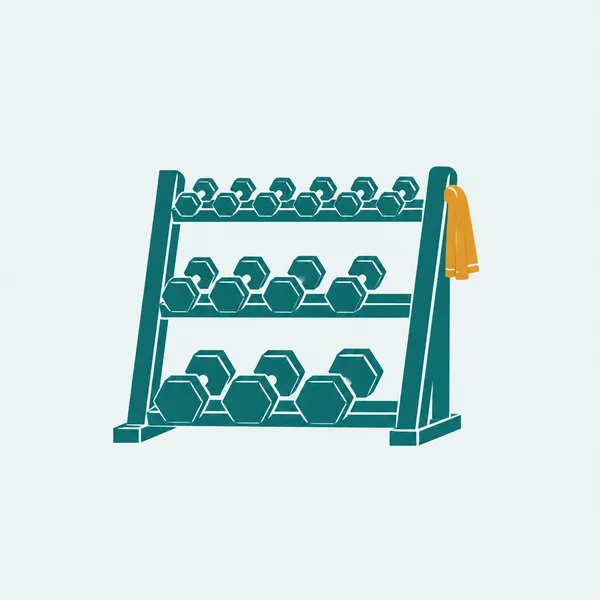
Equipment ready for the next session
Machines, handles, and weight racks are wiped and sanitized.
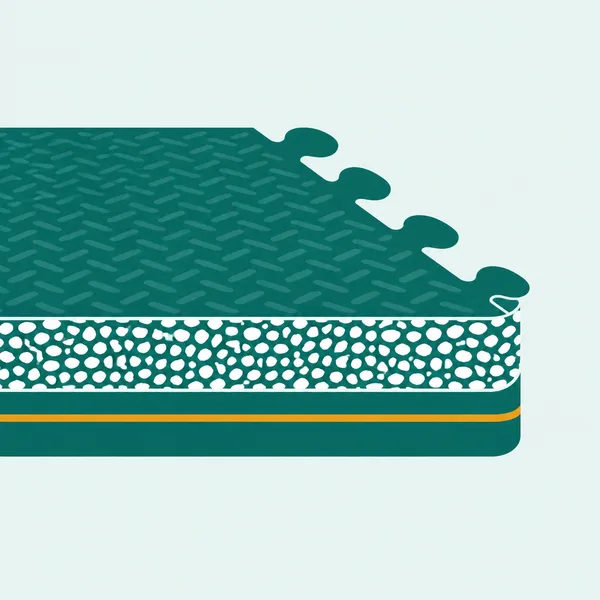
Floors and mats scrubbed clean
Rubber flooring is scrubbed rather than swept, removing the sweat and contamination that builds up in surface texture.

Locker rooms and showers fit to use
Shower walls, floors, and changing benches are scrubbed and left dry.
What our customers said
«شغلهم ما شاء الله، أنصح الجميع بالتعامل معهم. عن تجربة وثقة.»
«أفضل شركة تنظيف بالبخار. أسعارهم ممتازة وشغلهم مرة كويس.»
«خدمة ممتازة.»
«ممتازين.»
Some of our work
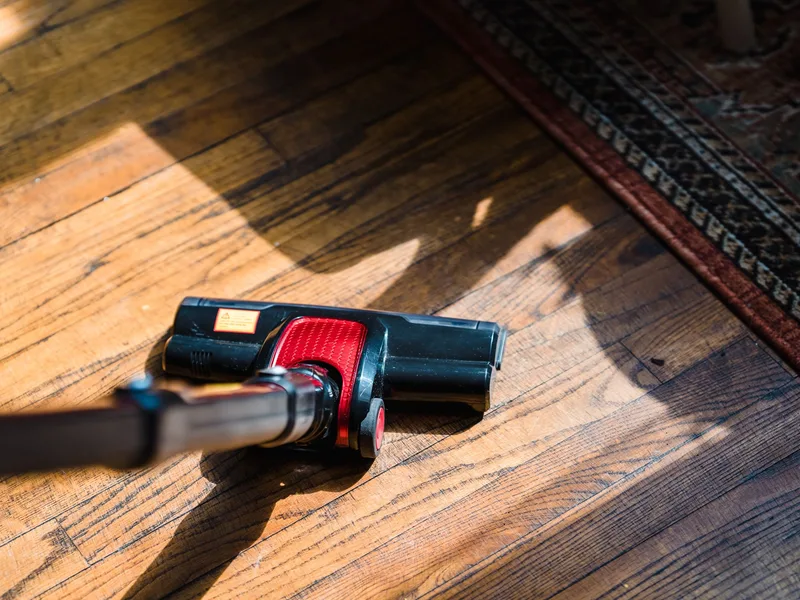
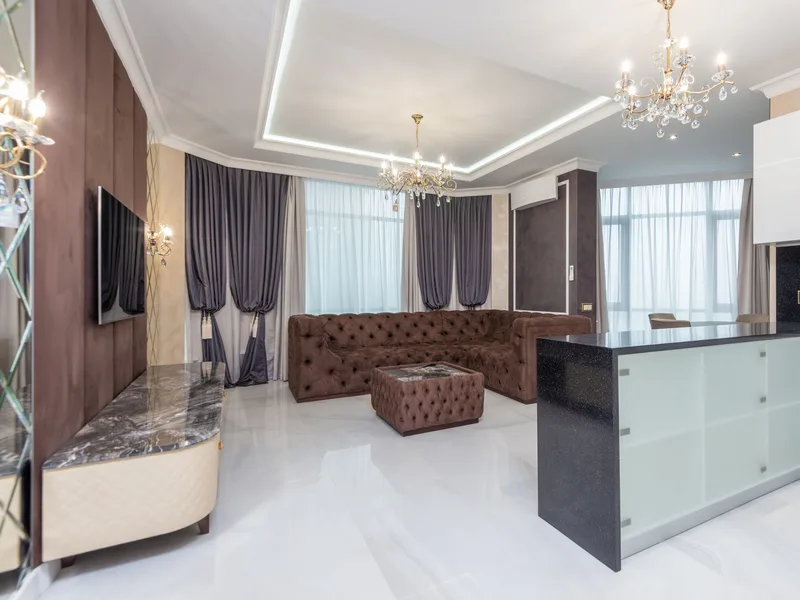
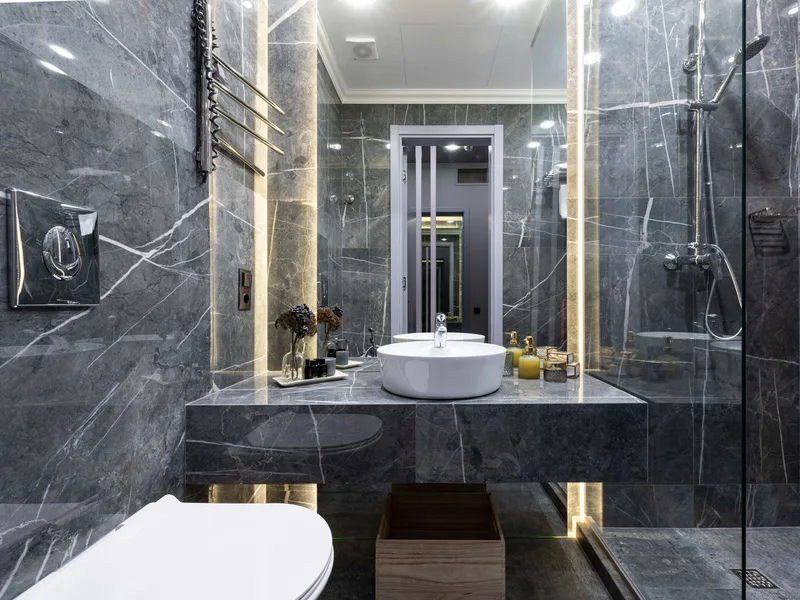
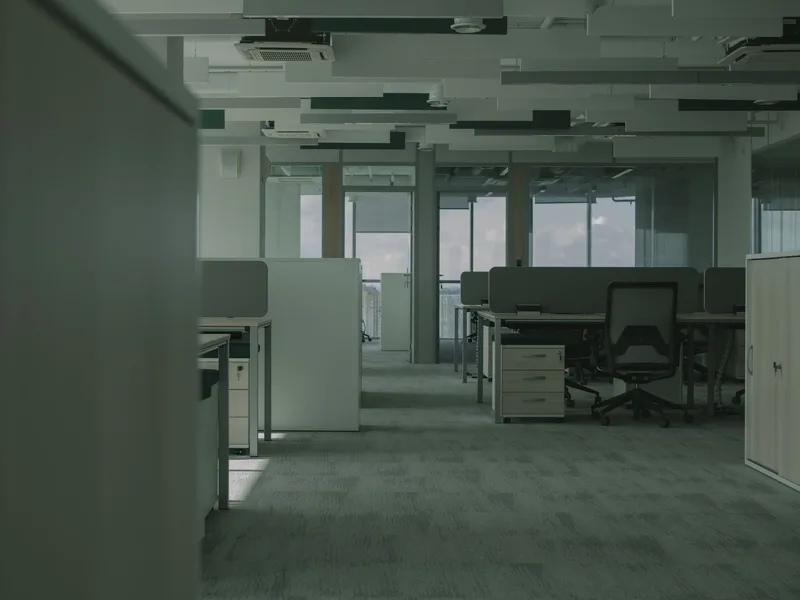
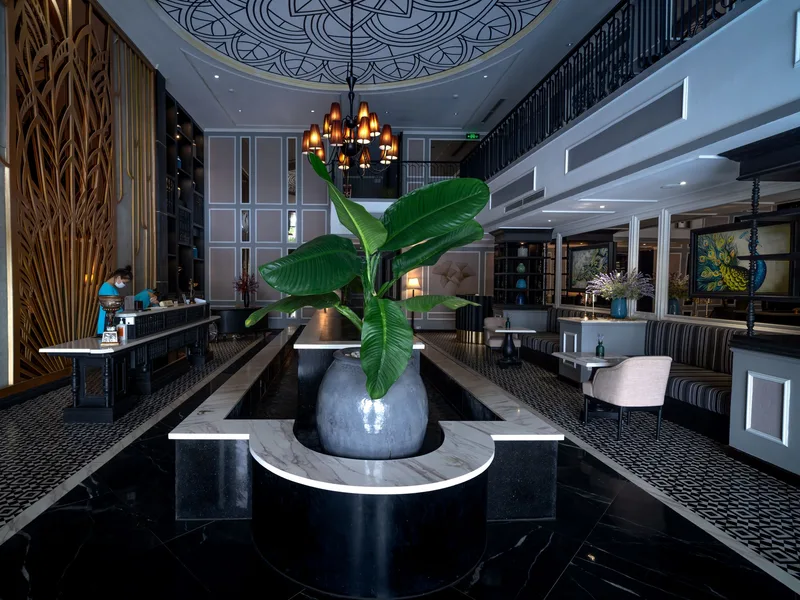
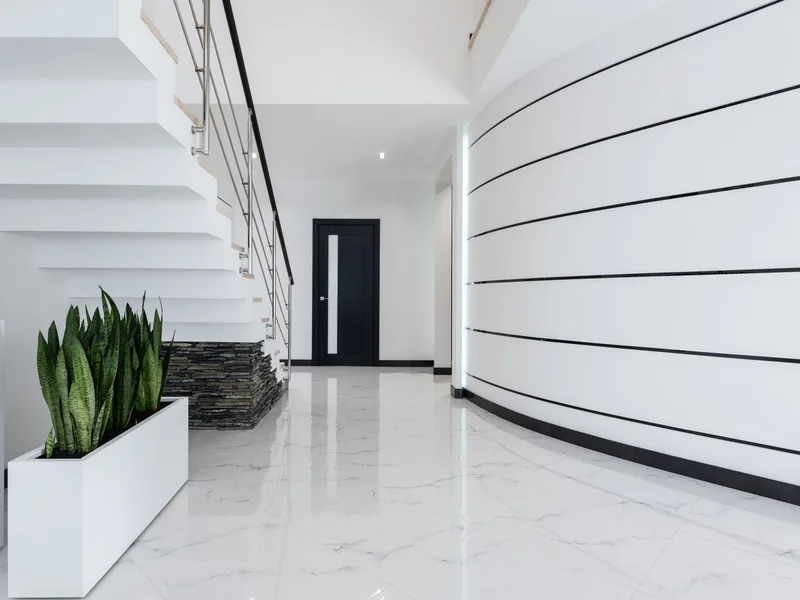
Illustrative photographs. Our own job photographs go here as soon as the client approves them.
What is different about Central Jeddah
Central Jeddah is the densest part of the city. Around the historic core of Al Balad the streets are narrow, the blocks are old, and most buildings have shops at ground level with flats above, so stairwells open onto markets and workshops. The main arteries, Madinah Road, King Fahd Road and Palestine Street, carry the heaviest traffic in Jeddah, and their exhaust leaves a dark, greasy soot unlike the dry sand of the outskirts. Old render holds it, summer heat bakes it on, and restoration work in the old quarter adds stone dust.
Nearby districts we cover
Questions worth asking first
Yes, moisture slows drying and allows bacteria to persist longer, so regular deep cleaning and complete drying are essential more than in modern facilities.
Yes, but the stone type must be checked first. Some heritage stones require special care to avoid excess water absorption that could affect the old structure.
Cleaning removes salt and sweat buildup, and immediate drying prevents oxidation. Regular cleaning preserves equipment from rust and deterioration.
Yes, natural ventilation in heritage buildings differs, so cleaning focuses on removing moisture and mould from walls and corners more thoroughly.
Yes, air moves differently through narrow passages and high ceilings, so cleaning targets odour at its source, not just ventilating the space.
Regular cleaning, immediate drying after use and conditioning, and ensuring available ventilation operates at its best capacity throughout the day.
It is set after we see the job, because the price follows the kind of work, the size of the space, its condition and the time and materials it needs. Send a photo and a short description on WhatsApp and we will give you an estimate before we reach Historic Jeddah.
Cleaning during opening hours is possible for some areas but not all.
Heavy equipment stays in place and does not need to be moved.
Other services in Historic Jeddah
We also provide these services in Historic Jeddah.